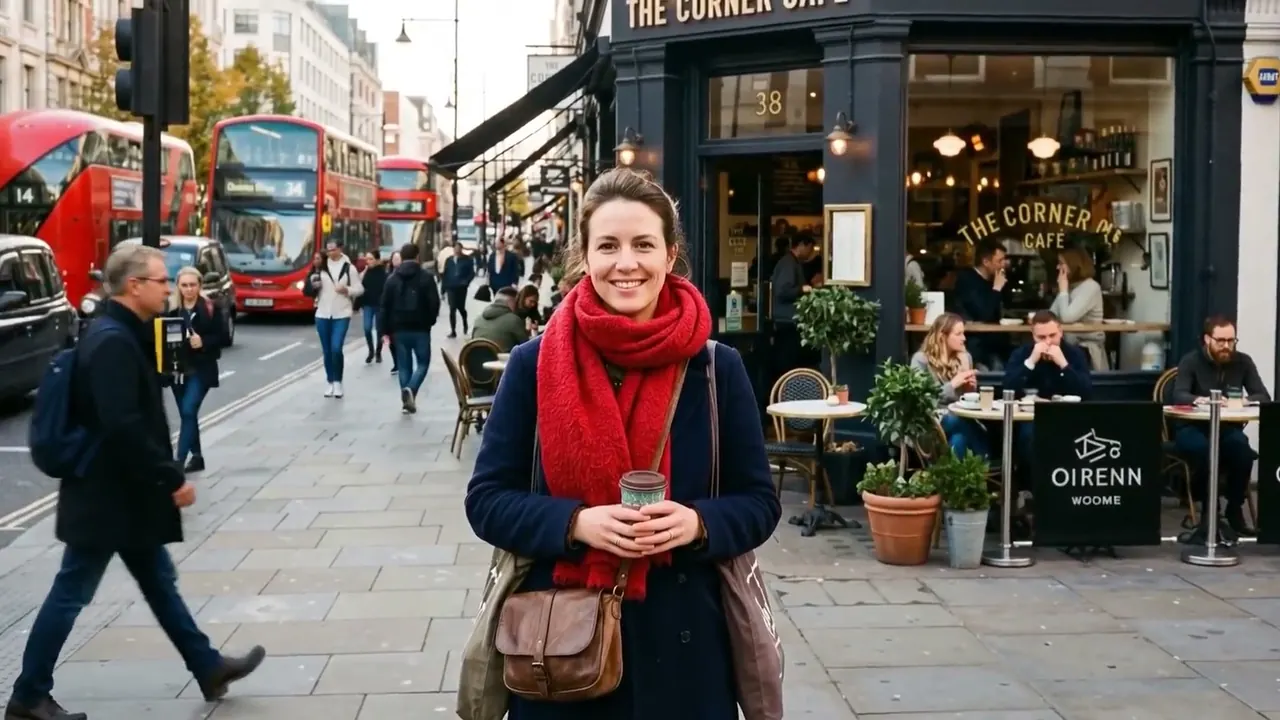
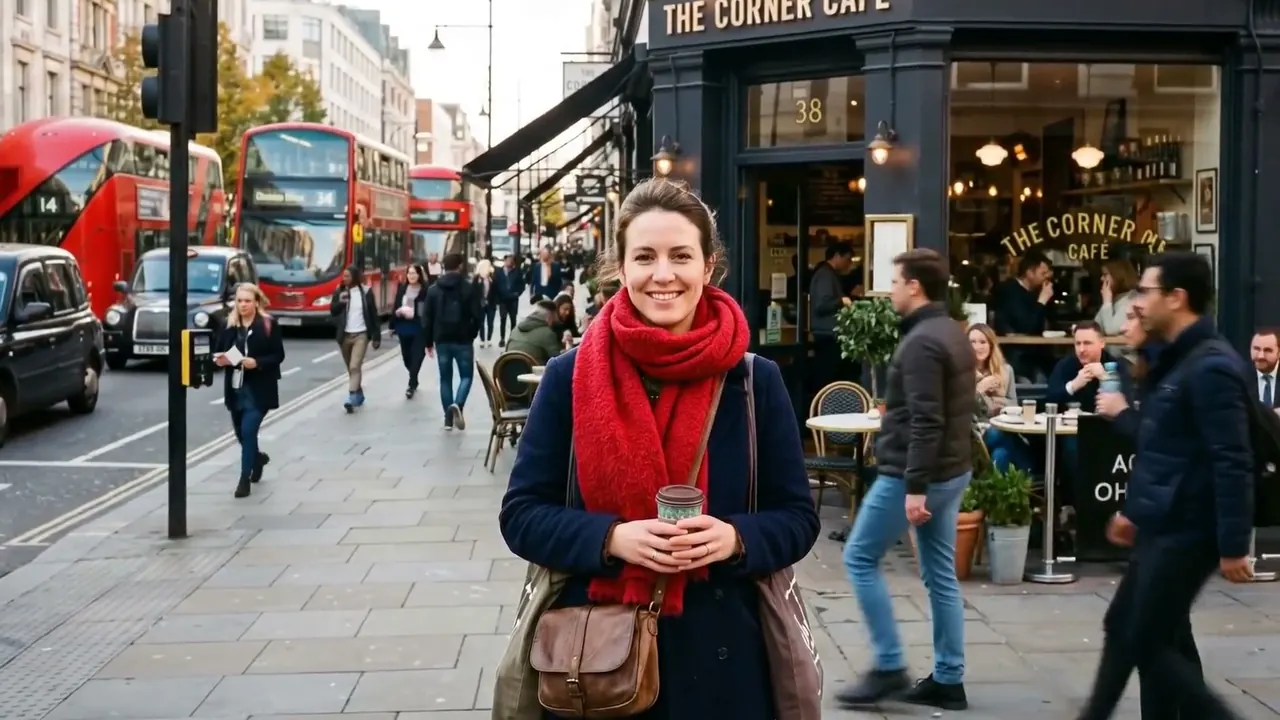
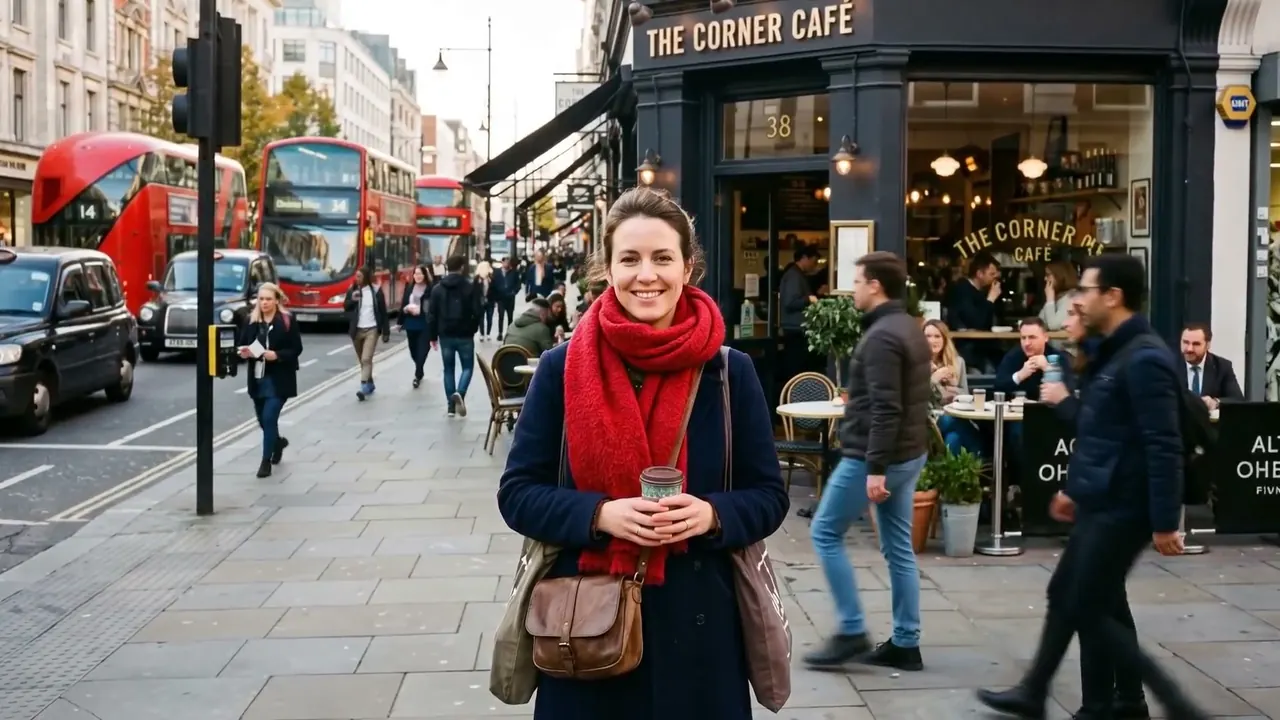
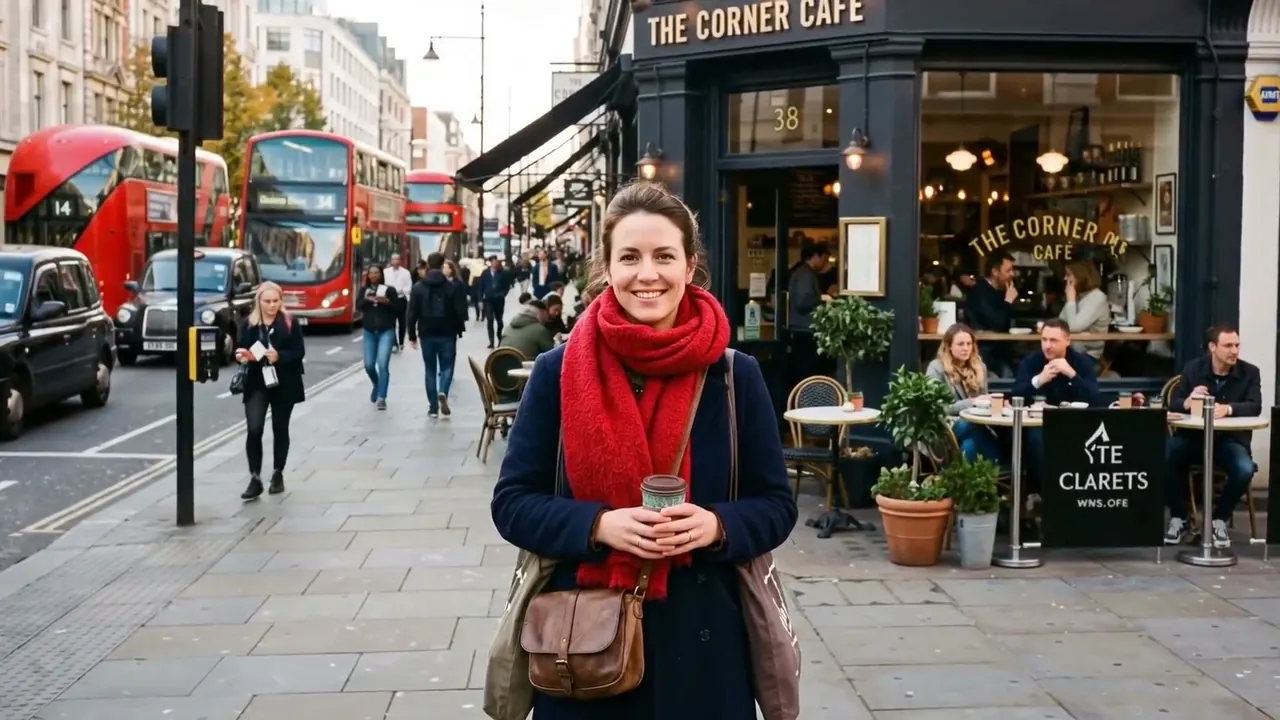
Static Locked-Off
- locked off
- tripod shot
- Silence as tension
- Sparse sound field
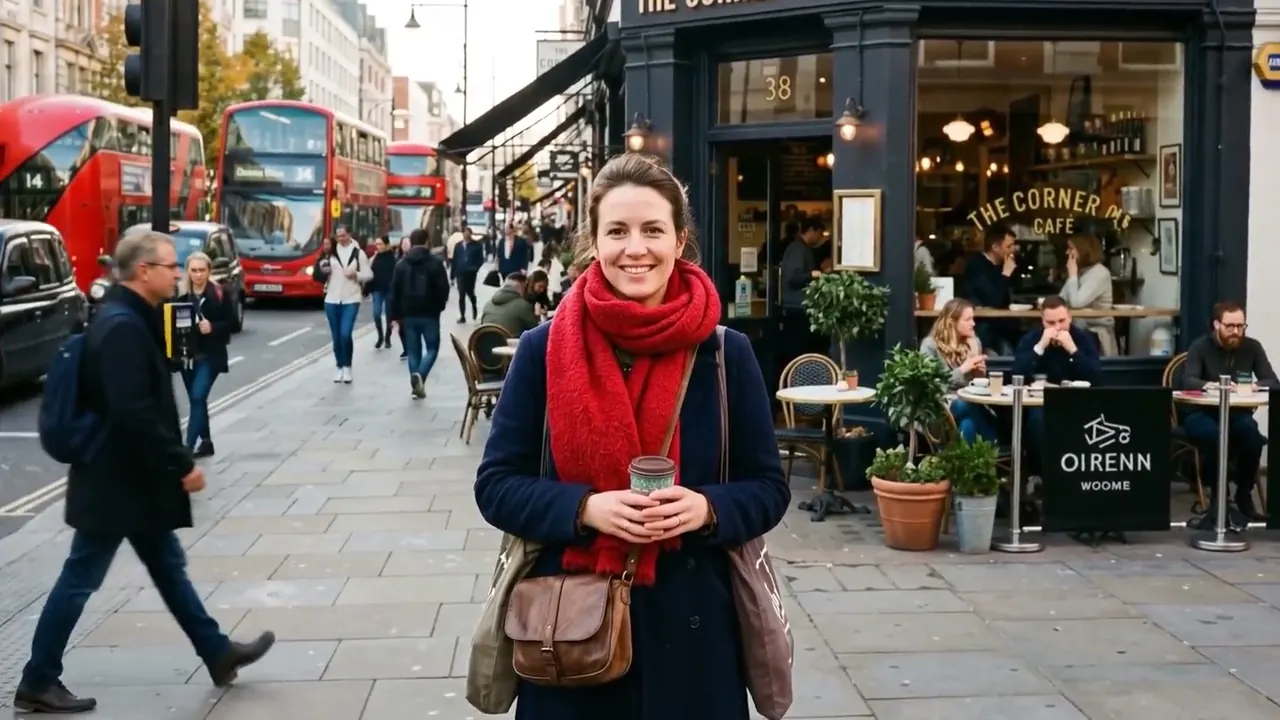
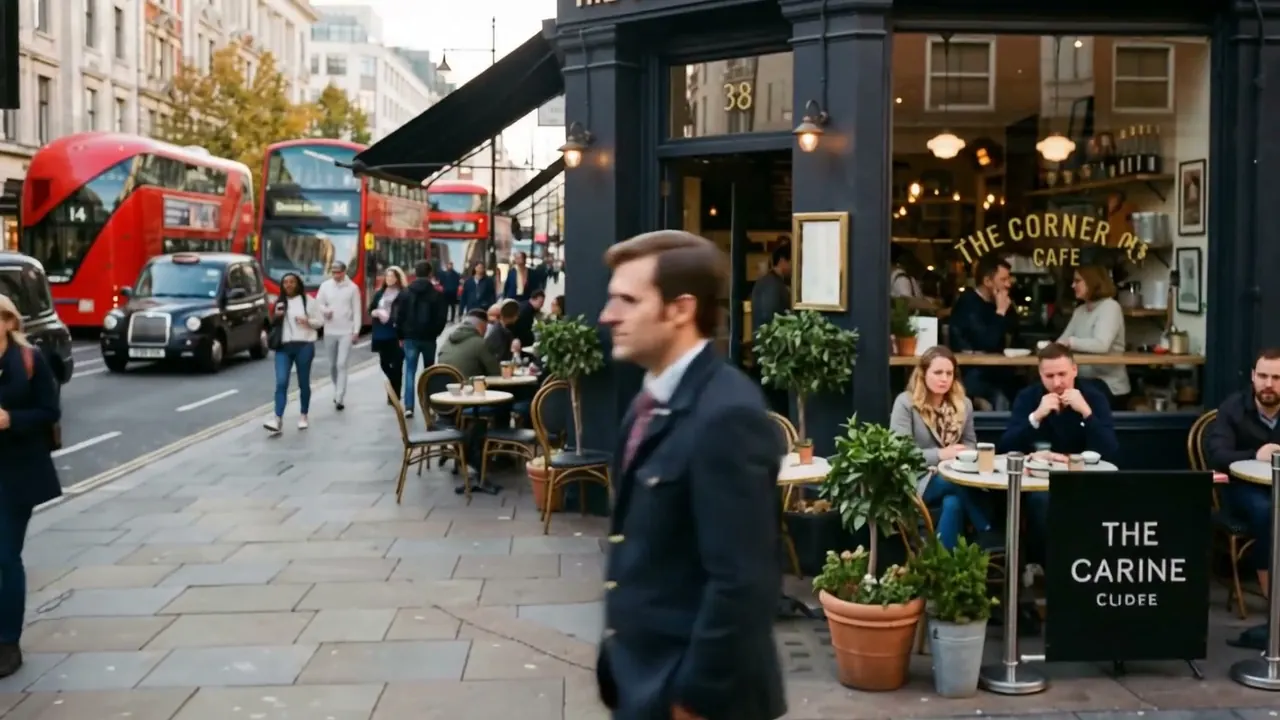
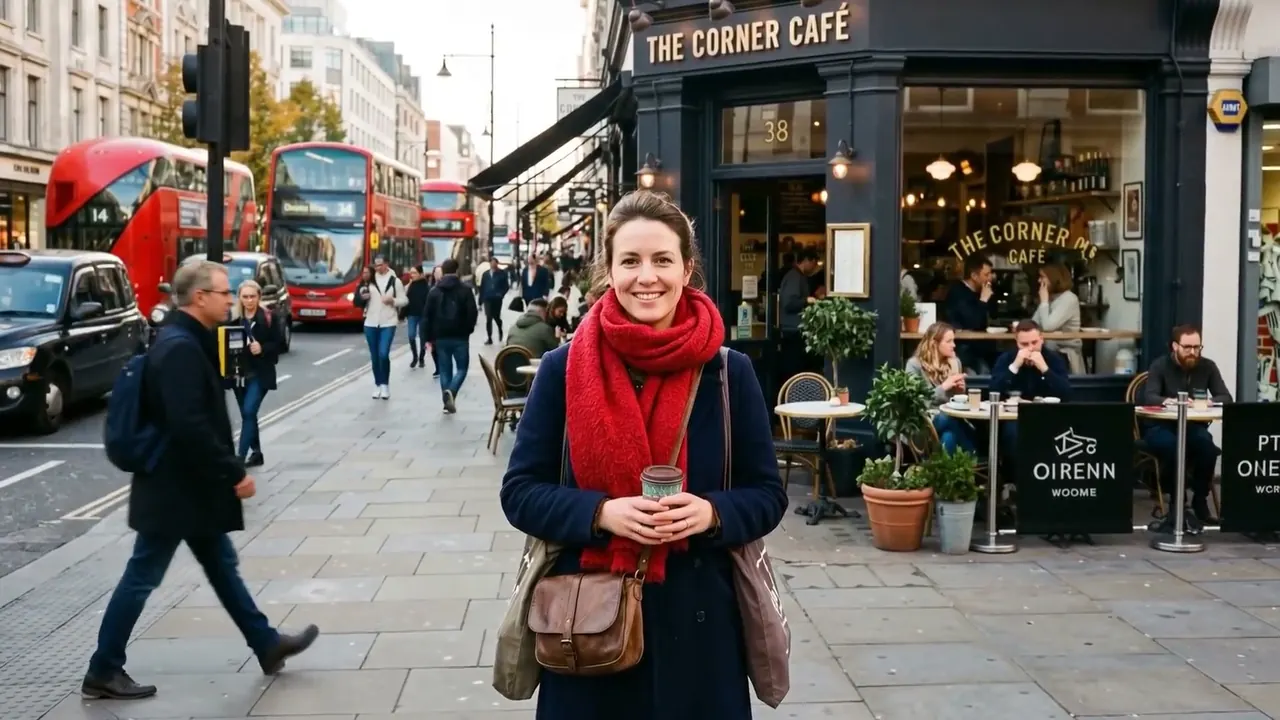
The camera holds one frame and does not move.
Opens a video model with the prompt in it. The price is on the page before you sign in.
What it is for
The camera holds one frame and refuses to help. Nothing reframes, nothing follows, and the audience has to do the looking themselves.
Stillness builds pressure over time. A frame that does not move makes every small thing inside it significant, and it makes a long wait feel longer, which is usually the point.
How it works
The camera is locked on a tripod or a fixed mount and stays there for the whole take. No drift, no breathing, no small reframe when a subject shifts.
The composition has to be right at the first frame, because there is no chance to fix it. Everything the shot needs has to be inside the rectangle when the take starts.
Subjects then move through the frame instead of the frame following them. Somebody can walk out of shot entirely and the camera lets them go, which is a decision the audience feels.
When to use it
Use it for tension, for comedy where the frame is the joke, for observation, and for any scene where the audience should feel abandoned by the camera.
Avoid it when the action leaves the frame and matters. A locked camera will happily film an empty room while the scene happens off screen.
It also pairs well with a cut. Two locked frames of the same space from different positions build geography faster than a moving shot, and each one stays readable.
Told apart from its neighbours
A long take is about duration and says nothing about movement. A static shot is about movement and says nothing about duration. A long take can travel for three minutes, and a static shot can last two seconds.
The two often arrive together and they are still different claims. If you want both, ask for both.
On film
Chantal Akerman shoots Jeanne Dielman, 23 quai du Commerce, 1080 Bruxelles (1975) almost entirely in locked frames at a fixed height, holding on a kitchen while an ordinary task runs its full length. The camera never intervenes, and the refusal to cut or reframe is what makes the routine unbearable by the end.
- Jeanne Dielman, 23 quai du Commerce, 1080 Bruxelles (1975)
The prompt
Replace the blanks, keep the rest. Then run it on a video model.
static camera on <subject>, completely still frame, no drift and no reframe, locked composition
What goes wrong
Models add a slow drift or a gentle push by default, because movement is what they associate with video. Say completely still, no drift and no reframe, and say it twice if the first pass moves.
The second failure is a frame with nothing happening in it. A static camera needs motion inside the rectangle, so name what moves while the camera does not.
A third problem is a composition that runs out of room. Check that everything the scene needs is inside the frame at the start, because a locked camera cannot follow anybody who leaves it.
Leave out
drift, handheld, zoom
Watch for
Models add drift by default. Say still twice if the first pass moves.
Questions
Shoot it
Pay for the one run. No subscription, and the price is on the model page before you sign in.
Next to it in how the camera is carried