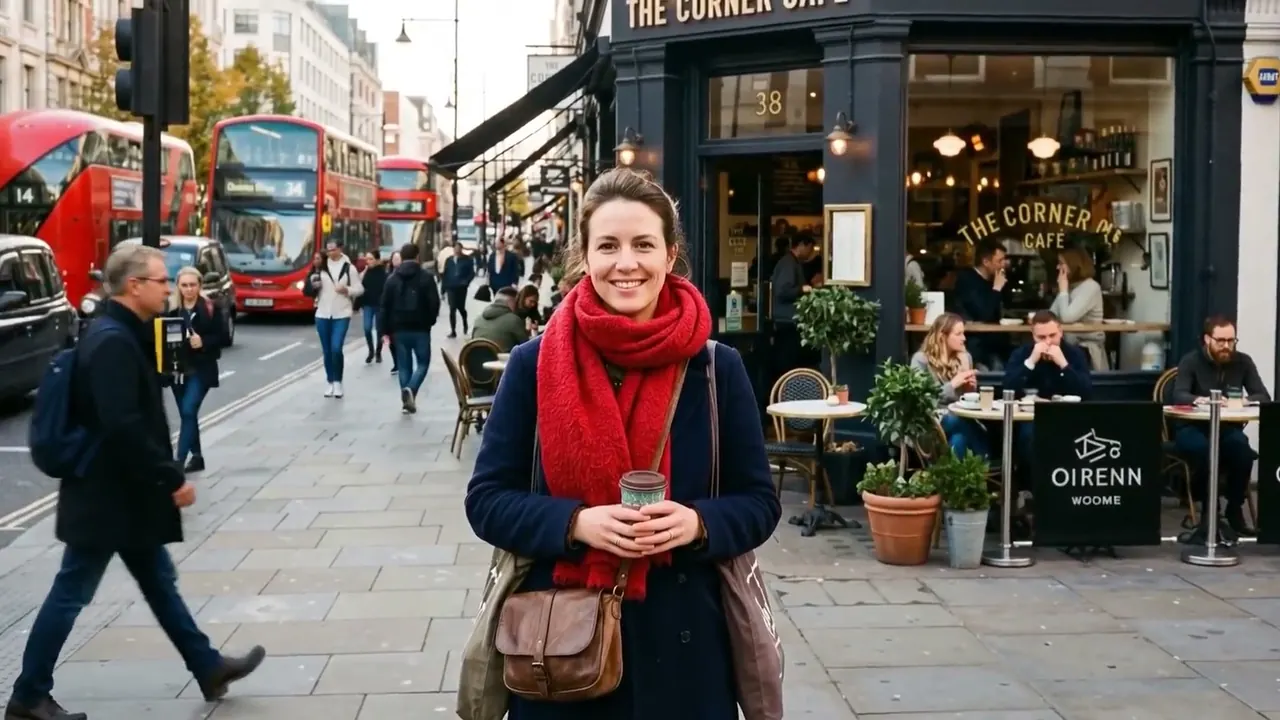
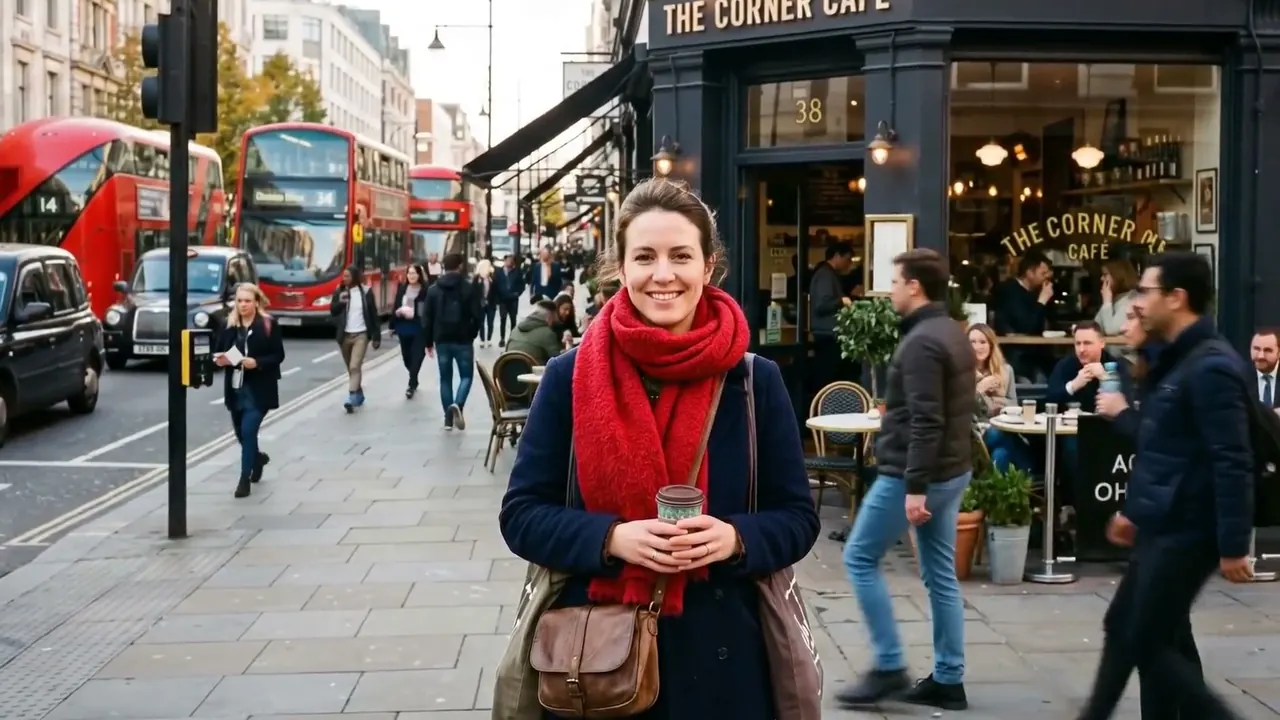
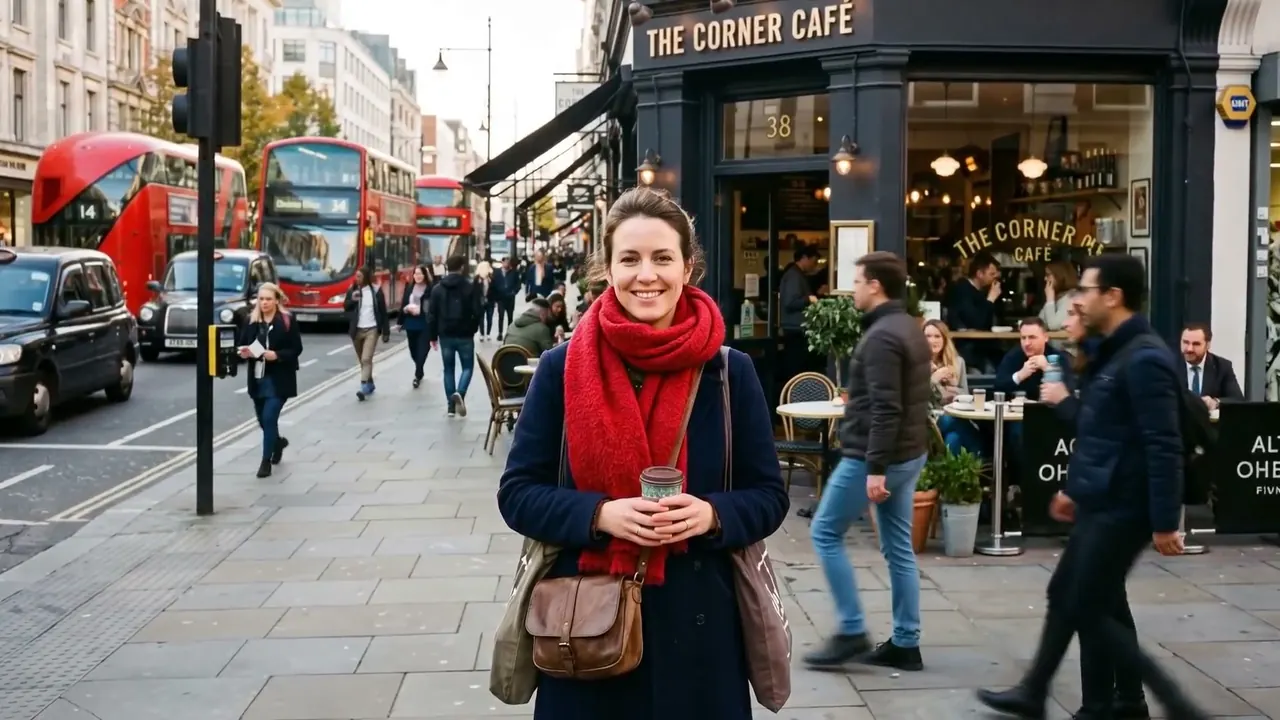
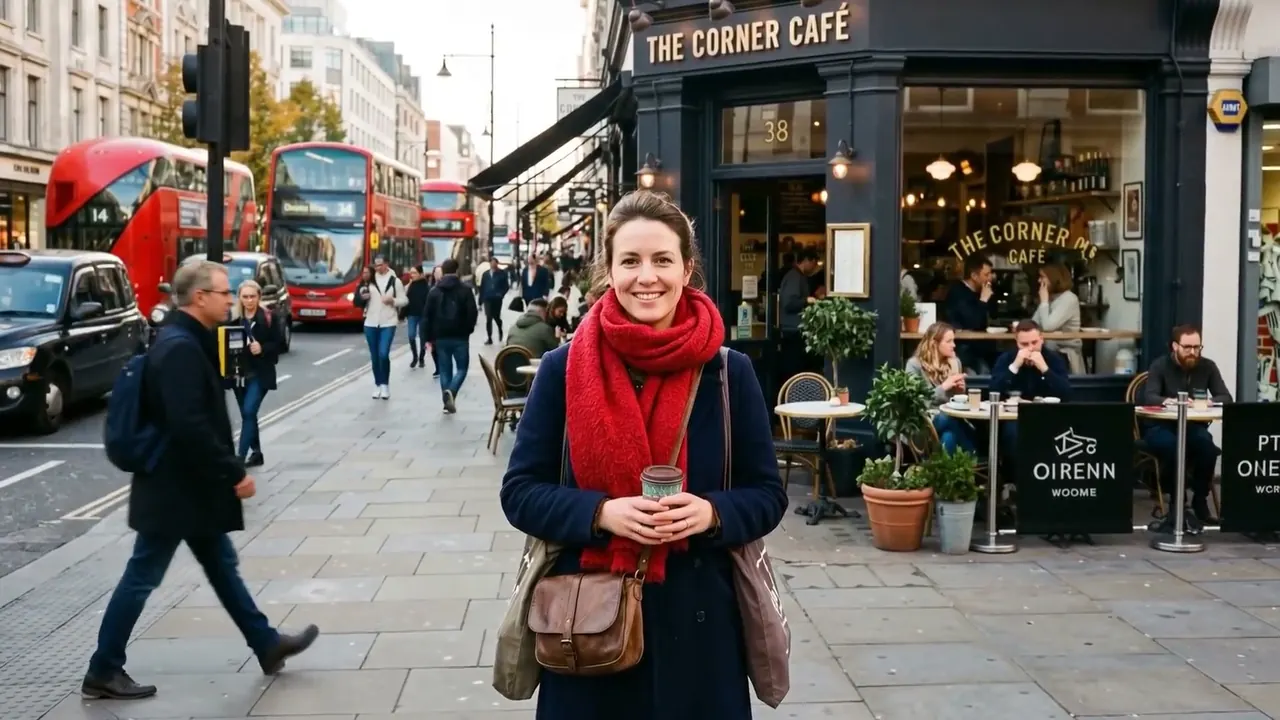
Robo Arm
A motion-control arm repeats an exact path with no error.
Opens a video model with the prompt in it. The price is on the page before you sign in.
What it is for
A motion control arm runs the same path every time, to the millimetre. The value is repeatability rather than speed.
That is what makes layered shots possible. Run the move once with a subject and again without, and the two passes line up exactly, so they can be combined.
The look reads as engineered because it is. There is no variance between passes, so the audience registers a level of control that no operator could deliver.
How it works
The path is programmed and stored, so the arm plays it back identically on every take. Speed, easing and the position of every axis are all recorded.
It can also replay a move at a different rate. The same path shot slowly and played fast is how a lot of miniature and product work gets its scale.
The frame carries no human signature at all. Constant velocity where it was asked for, exact acceleration where it was not, and nothing in between.
Speed can be changed on playback without changing the path. Shooting the same programmed move at several rates gives options in the edit that no operator could match by hand.
When to use it
Use it for product and effects work, for anything that has to be composited from two passes, and for a move that must match across shots.
Skip it for drama. A move with no human variance in it reads as mechanical, which is fine for a bottle and wrong for a face.
It also solves continuity. A move that has to be identical in two different shots, months apart, is a motion control job and nothing else will do it.
Told apart from its neighbours
A 360 degree orbit describes a path around a subject and says nothing about what carries the camera. A robo arm describes the rig and says nothing about the path.
An orbit can be shot on a dolly track, a gimbal or an arm. Name the rig when the exactness matters, and name the path when the shape matters.
The prompt
Replace the blanks, keep the rest. Then run it on a video model.
motion control arm move around <subject>, precise repeatable path, mechanical accuracy, perfectly steady
What goes wrong
Human motion creeps in and the look collapses. Ask for mechanical accuracy and a perfectly steady frame, and ban drift and handheld by name.
The second failure is a path with no shape. The rig exists to run a complicated move, so describe the curve it follows rather than asking for a straight push.
A third problem is a request that ignores the rig entirely. If the shot does not need exactness or repetition, a gimbal gives the same image for less, so name the reason the precision matters.
A fourth problem is a move with human easing. Ask for exact acceleration and exact stops, since a gentle settle at the end reads as a hand on a wheel.
Leave out
handheld, drift
Watch for
Ask for mechanical accuracy. Any human motion breaks the look.
Questions
Shoot it
Pay for the one run. No subscription, and the price is on the model page before you sign in.
Next to it in how the camera is carried