Through Object Out
- The Passenger final shot
- Viewpoint detaches from protagonist
The camera passes out through a solid thing and into the open.
Opens a video model with the prompt in it. The price is on the page before you sign in.
What it is for
The camera leaves through something solid, and the scene it came from is sealed behind it. A room, a car, a cell, and then the open air.
It usually means release or abandonment. The film has finished with the people inside and is going on without them, which is a hard thing to say with a cut and an easy thing to say with this move.
How it works
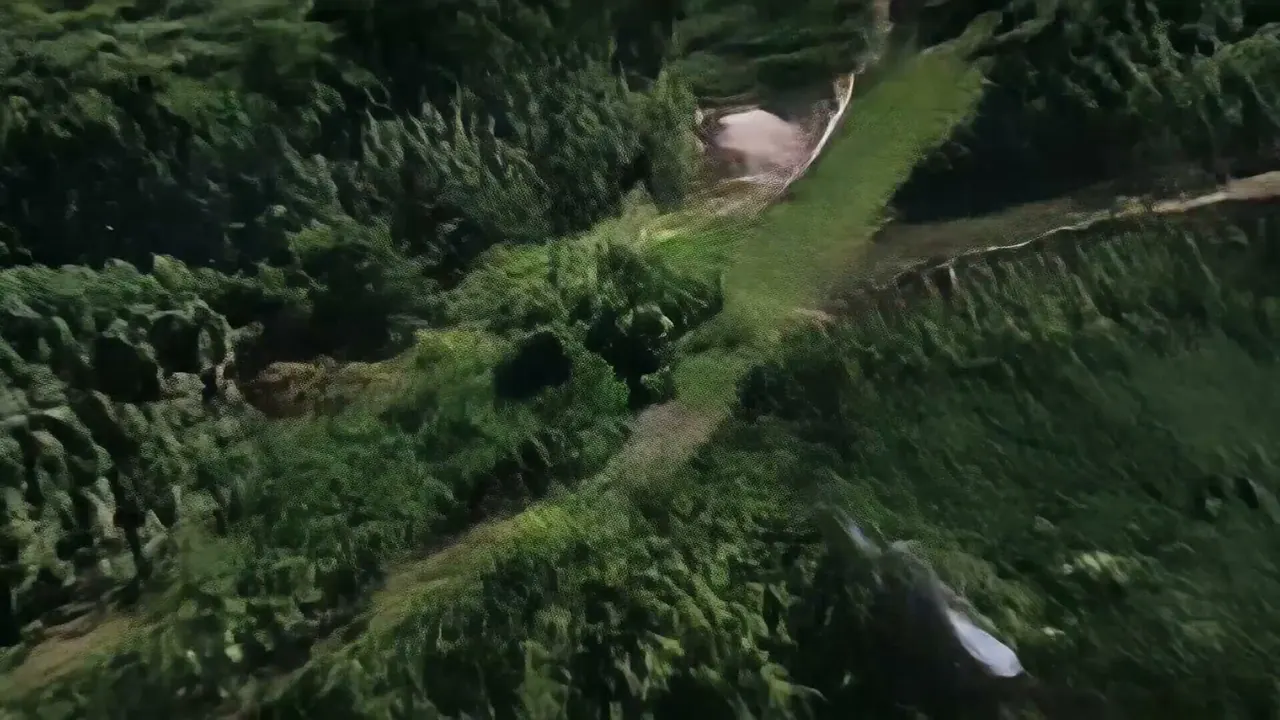
The same construction as the inward version, run the other way. The camera starts inside a space, crosses the surface, and opens into whatever is outside.
Name the object and name the exterior. The model has to build a world that has not been on screen, so tell it whether the far side is a street, a field, a corridor or a drop.
The change in light does most of the work. Interiors are darker than exteriors, and a crossing that carries the exposure shift with it reads as real.
When to use it
Use it to end a scene, to leave a character behind, and for a final shot that widens past the story it has been telling.
Avoid it mid-scene. Once the camera is outside, going back in costs another impossible move or a cut that undoes the first one.
Told apart from its neighbours
A through object in ends closer to a subject and usually ends on somebody. A through object out ends on the world, and the subject is left behind the surface.
The test is the last frame. If the shot finishes on a face, it went in. If it finishes on a place, it went out.
On film
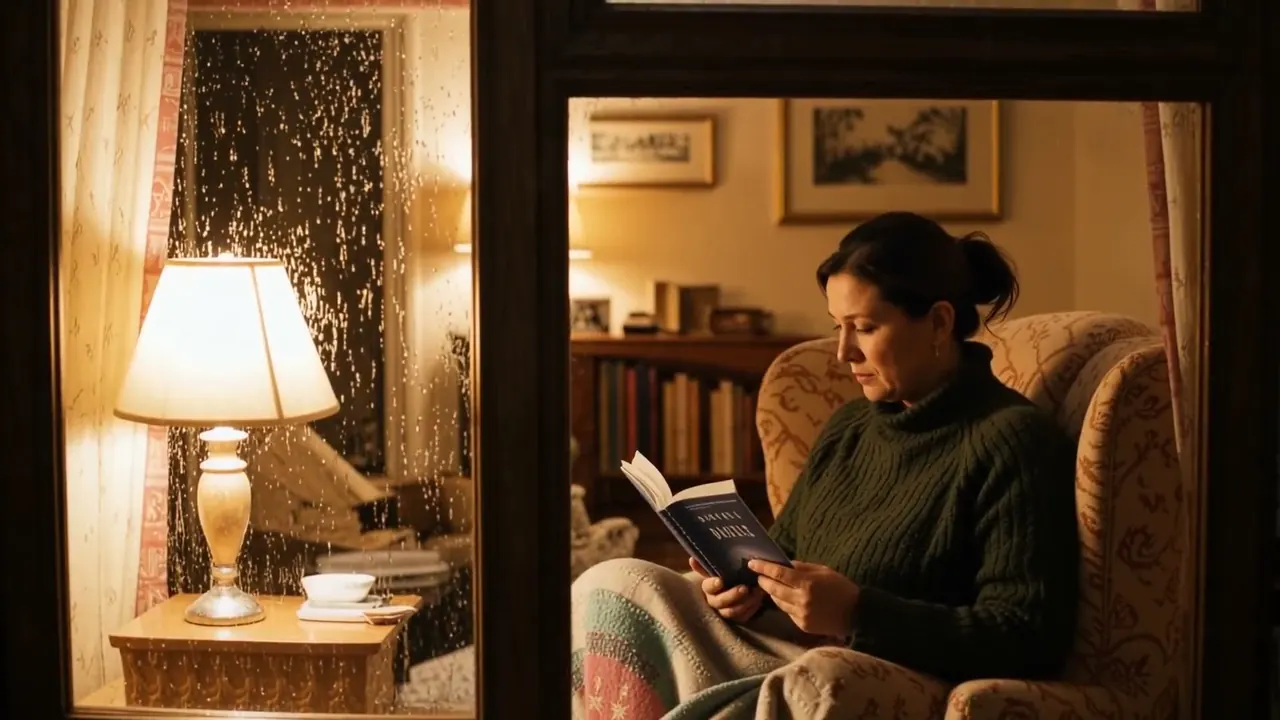
Michelangelo Antonioni takes the camera out through the barred window of a hotel room near the end of The Passenger (1975), crosses into the courtyard and turns back to look at the building. The man inside is left on the other side of the bars, and the film never returns to him.
- The Passenger (1975)
The prompt
Replace the blanks, keep the rest. Then run it on a video model.
camera passes out through <object> away from <subject>, surface parts around the lens, opens into the space beyond
What goes wrong
The move stops at the glass or the wall, because the model has no reason to build the outside. Name what is out there, in the same sentence as the object.
The other failure is a jump. Say the move is one take and the surface gives way around the lens, or the model dissolves through and the crossing is lost.
Leave out
stop at the surface, cut
Watch for
Name the object and the space beyond it. The model needs both to build the pass.
Questions
Shoot it
Pay for the one run. No subscription, and the price is on the model page before you sign in.
Next to it in moves that go through something