
Lenses and optics
Seventeen lenses, and the wording that gets the look of each one.
A lens decides how much fits in the frame and what happens to the space inside it. A wide lens stretches whatever sits near the edge. A long lens stacks the distance flat. Name the focal length and a model renders it.
By focal length
7Widest first. The number is the whole decision: it sets how much fits in the frame and how a face renders.
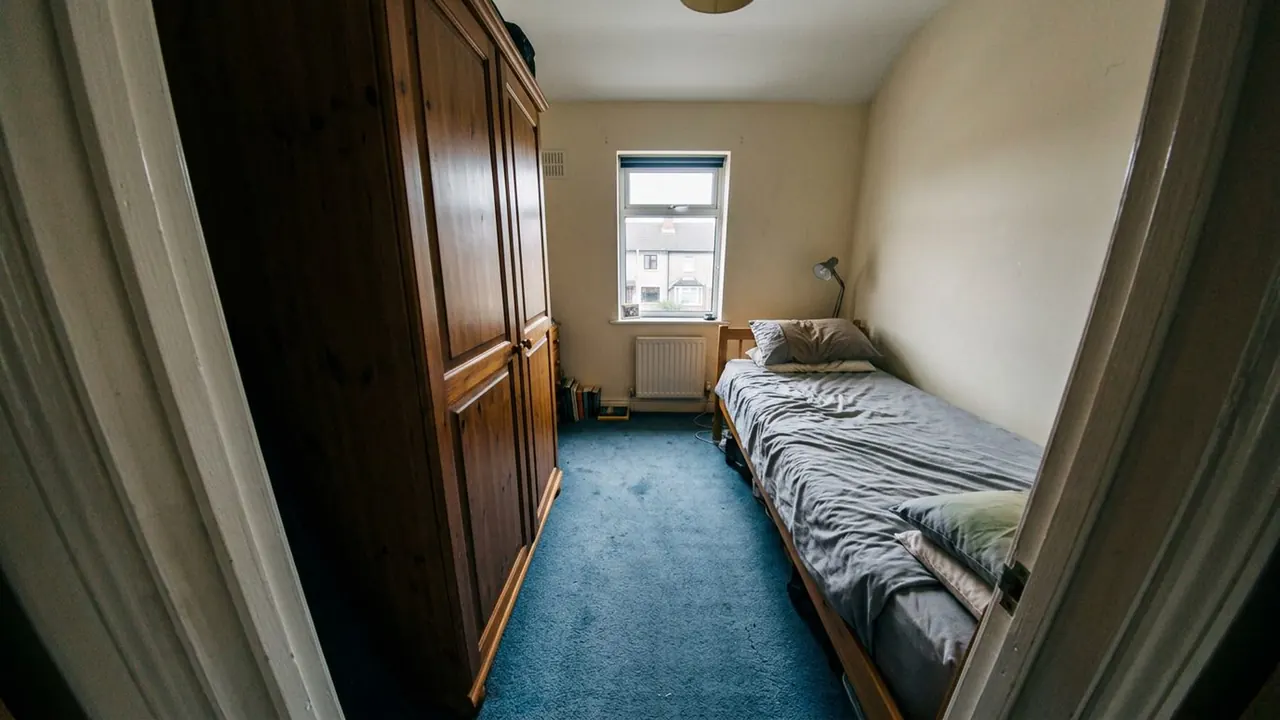
14mm Ultra-Wide
An extremely wide lens takes in almost everything and stretches the edges hard.
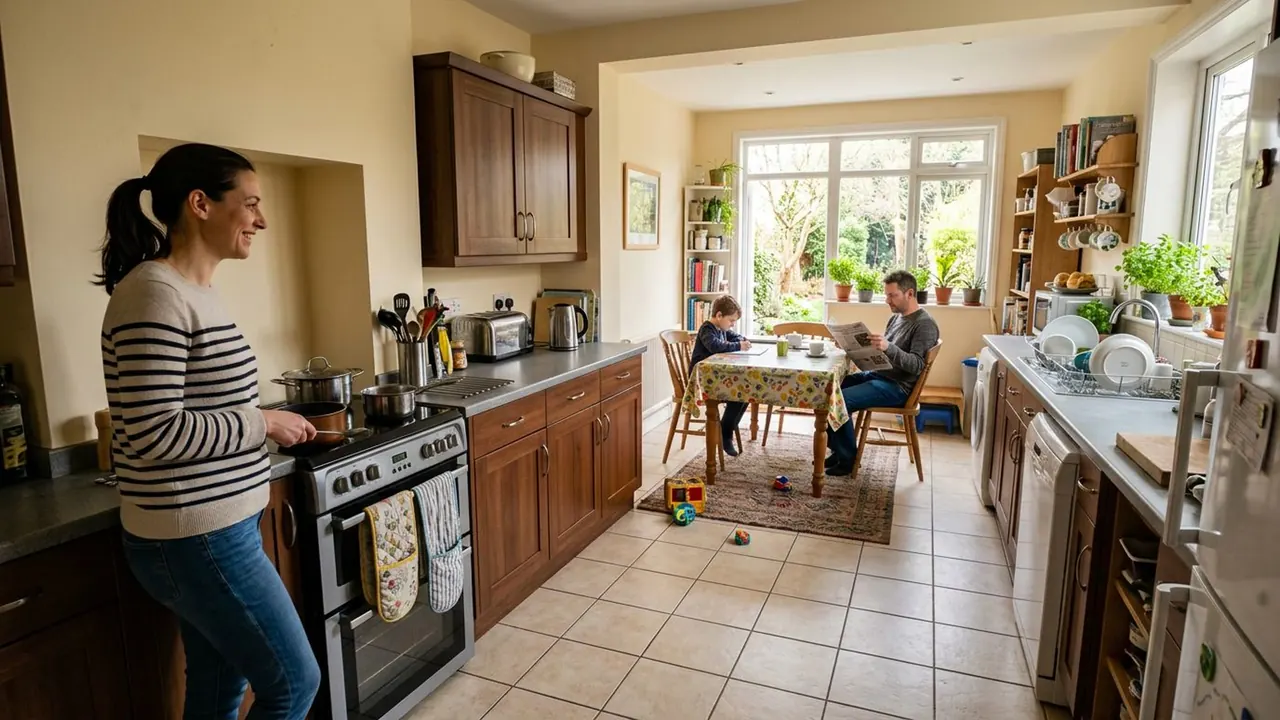
24mm Wide
A wide lens that takes in the room and stretches what sits near the edges.
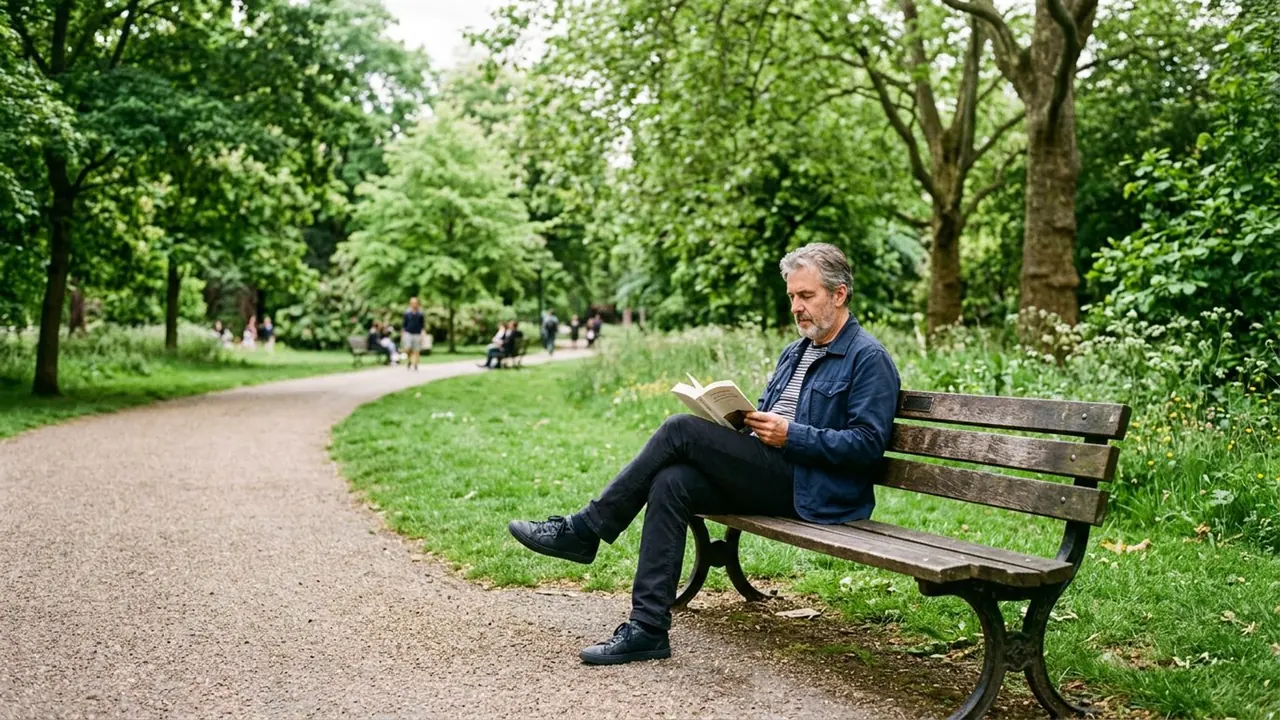
35mm Moderate Wide
A mildly wide lens that shows the setting without calling attention to itself.
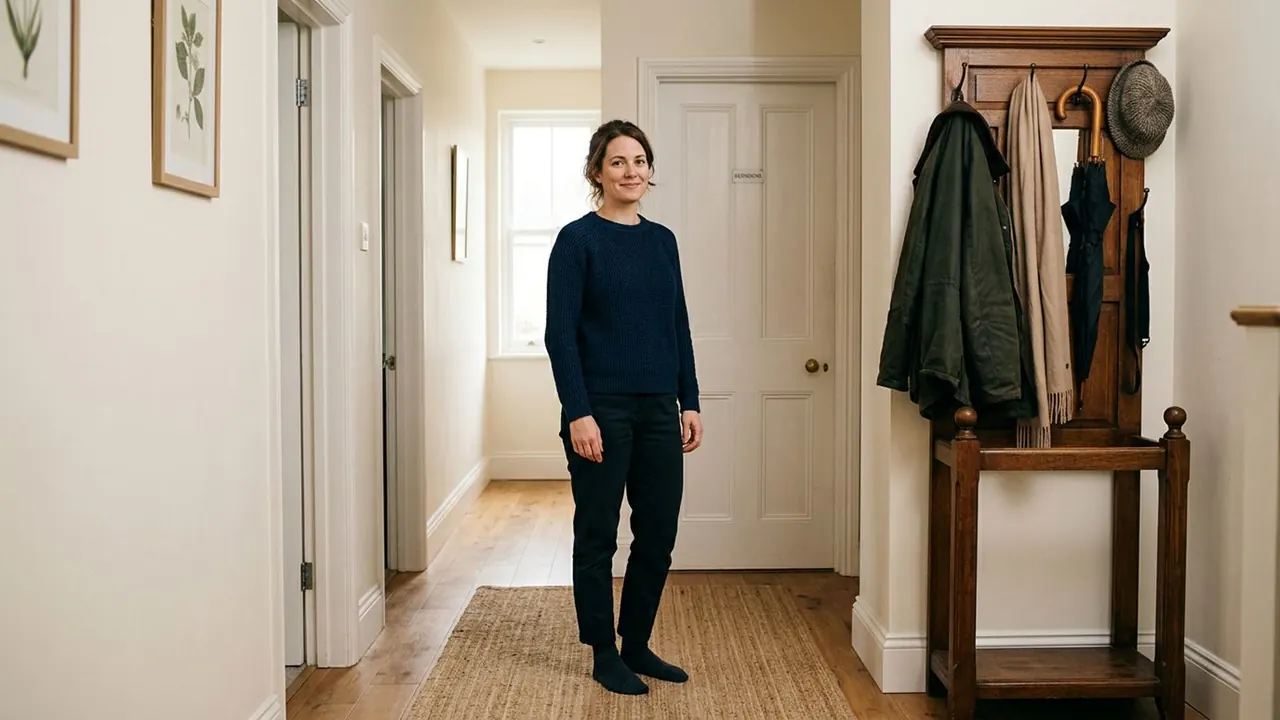
50mm Normal
A lens that renders roughly the way an eye judges distance.
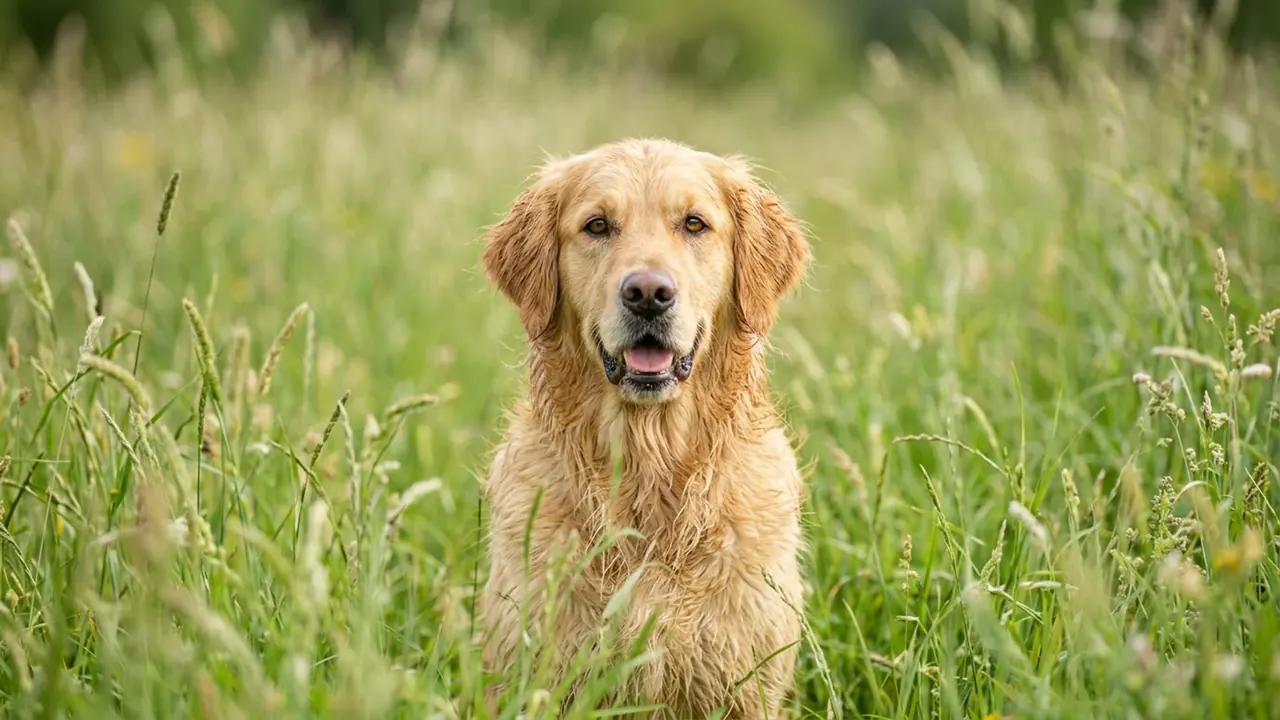
85mm Portrait
A short telephoto that flatters a face and softens the background.
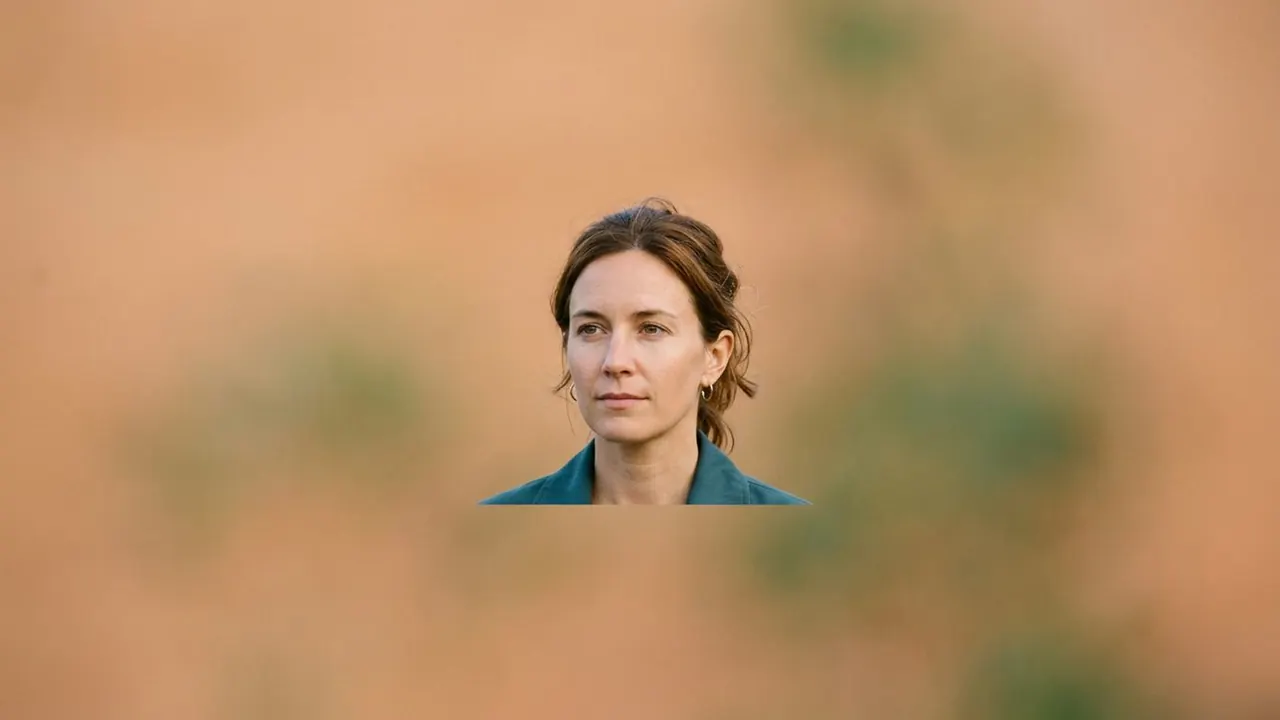
135mm Telephoto
A long lens that isolates a face and flattens everything behind it.
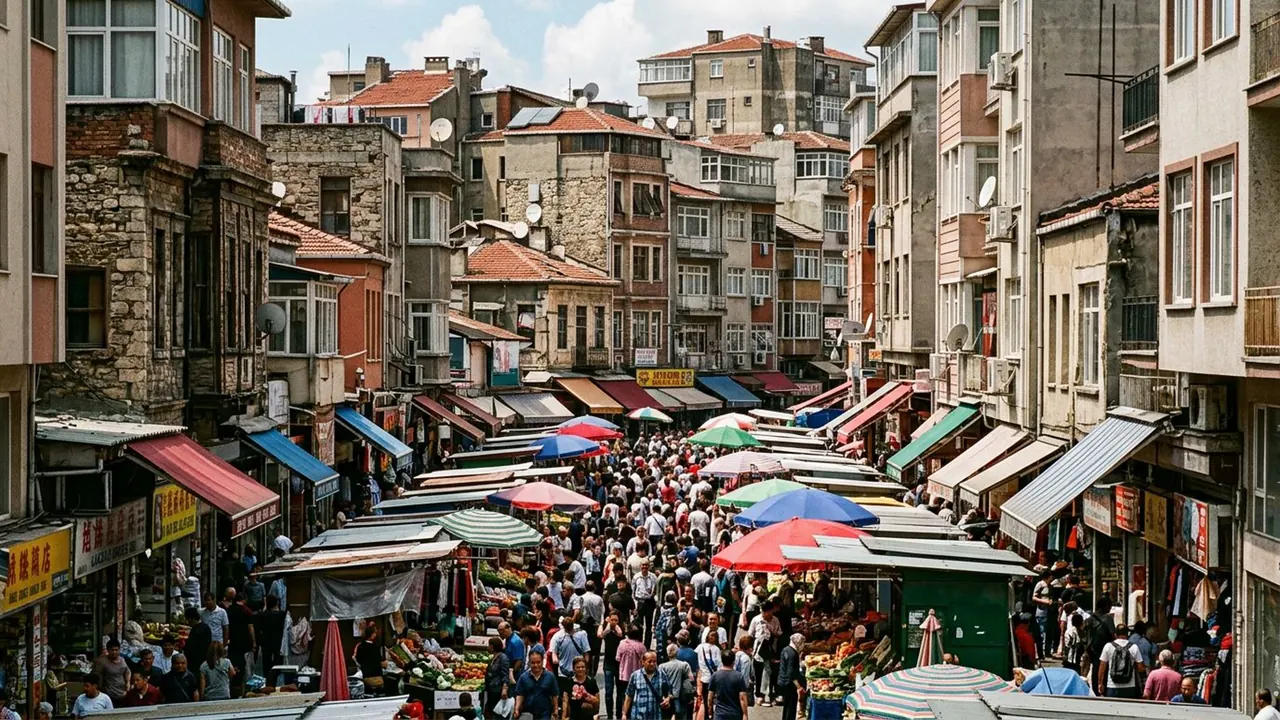
200mm Long Telephoto
A very long lens that stacks distant planes on top of each other.
What the glass does to the picture
5Two lenses at the same focal length can look nothing alike. This is the character part.
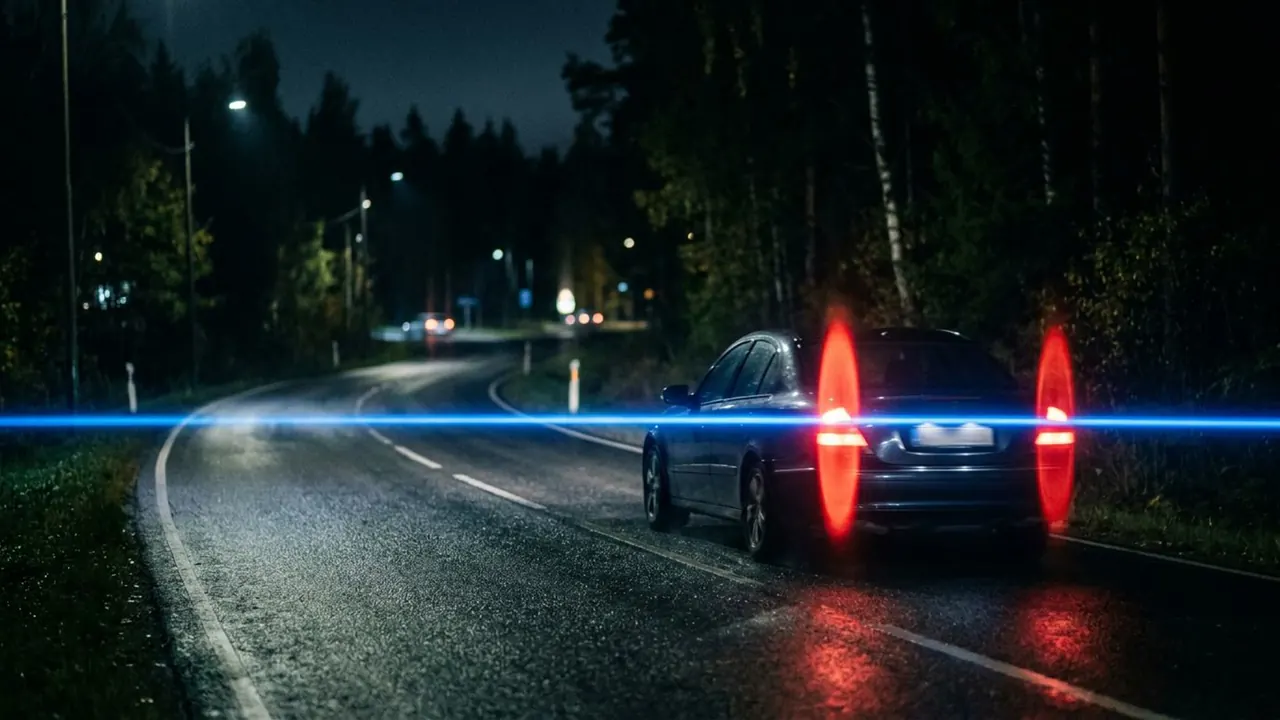
Anamorphic
A squeezed lens that gives oval highlights and long horizontal flares.
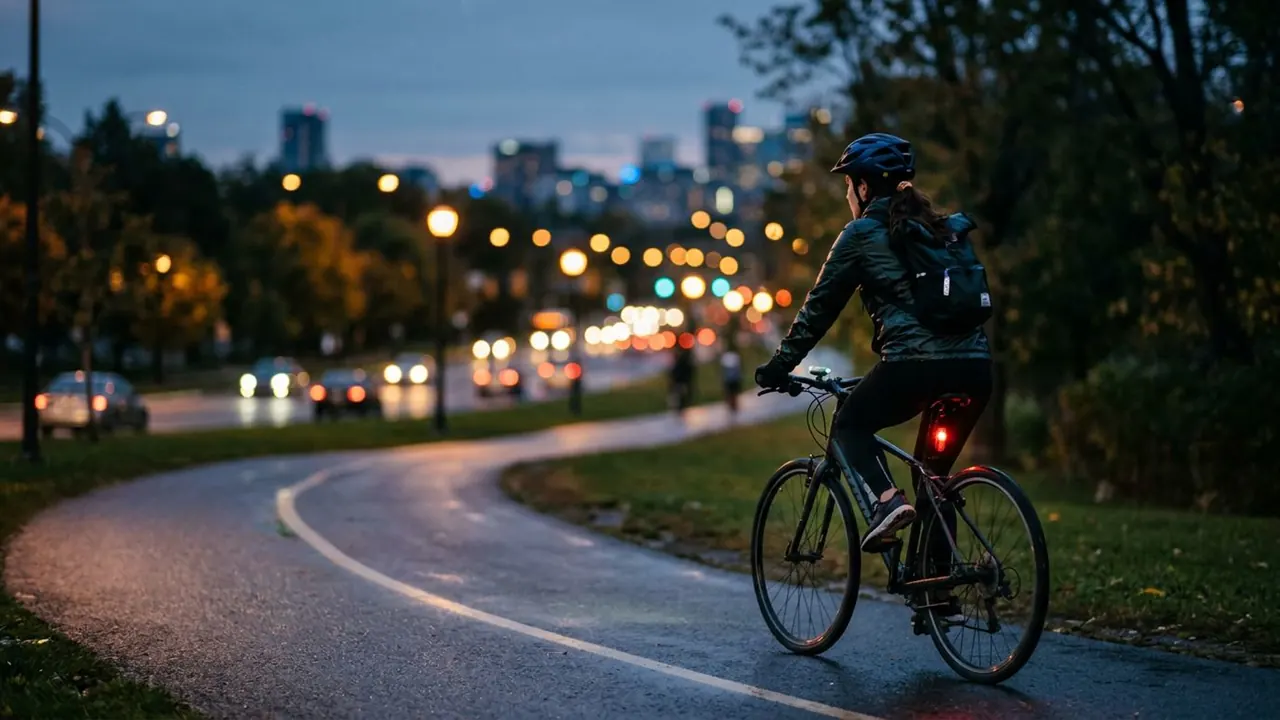
Spherical
A normal lens with round highlights and no squeeze.
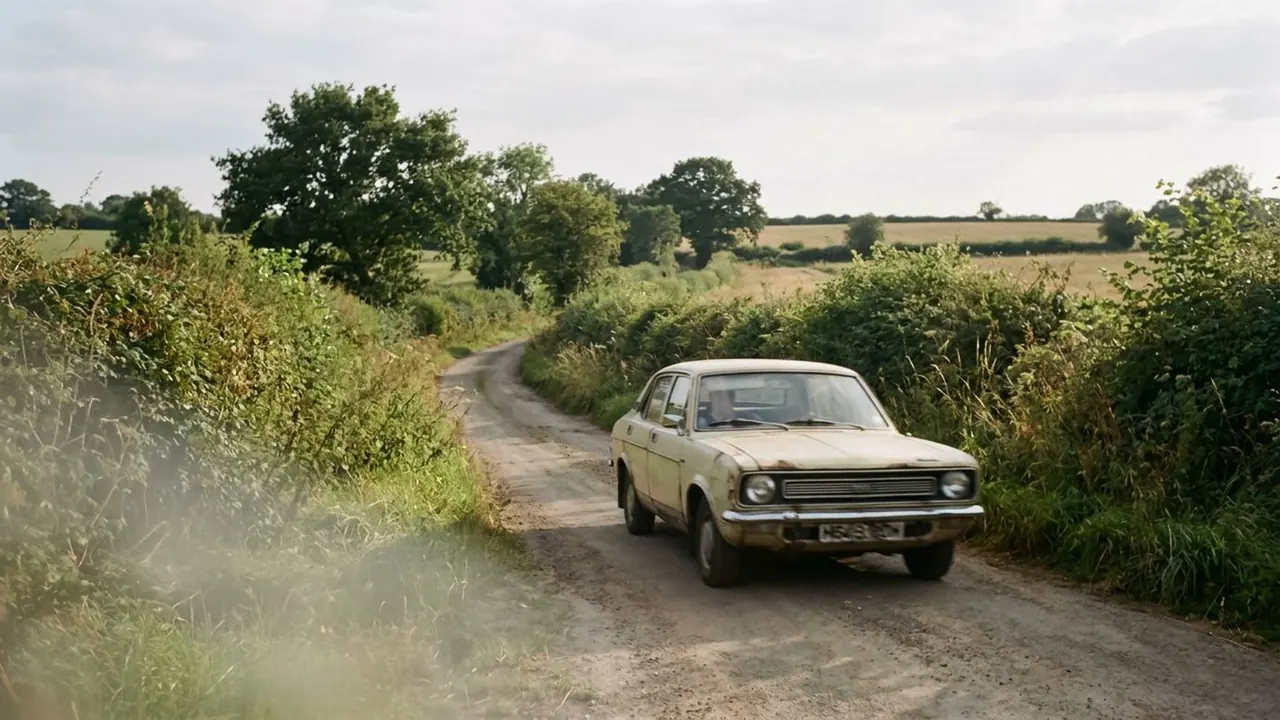
Vintage Cine Glass
Older cine glass renders softer, with lower contrast and uneven flares.
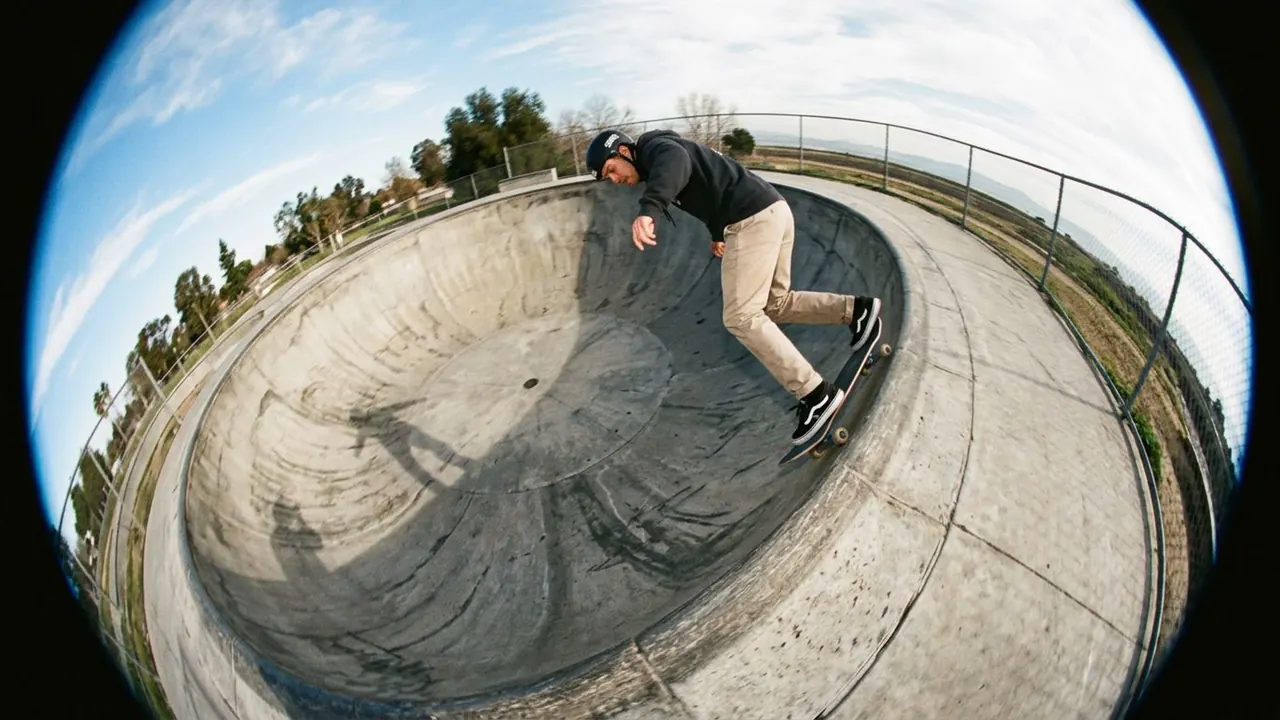
Fisheye
An extreme wide lens bends every straight line into a curve.
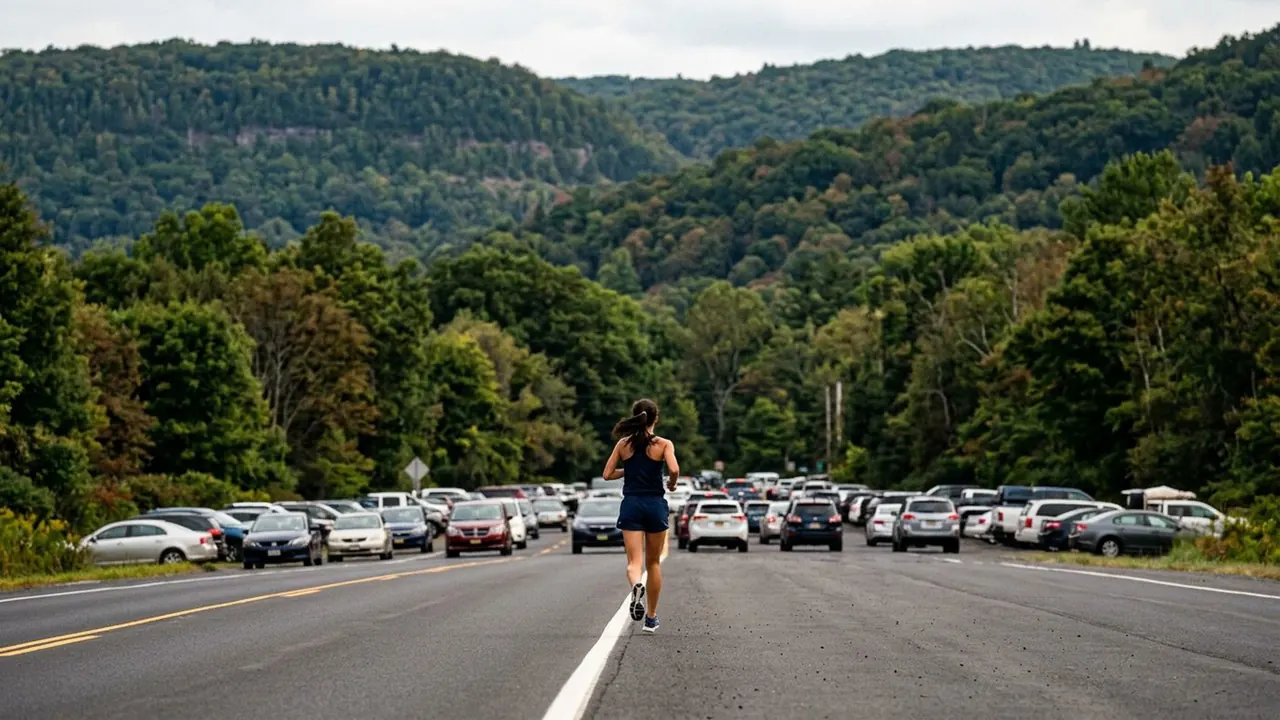
Telephoto Compression
A long lens flattens depth, so far things sit right behind near things.
Lenses that get close
5Glass that focuses where a normal lens cannot, or holds two distances sharp at once.
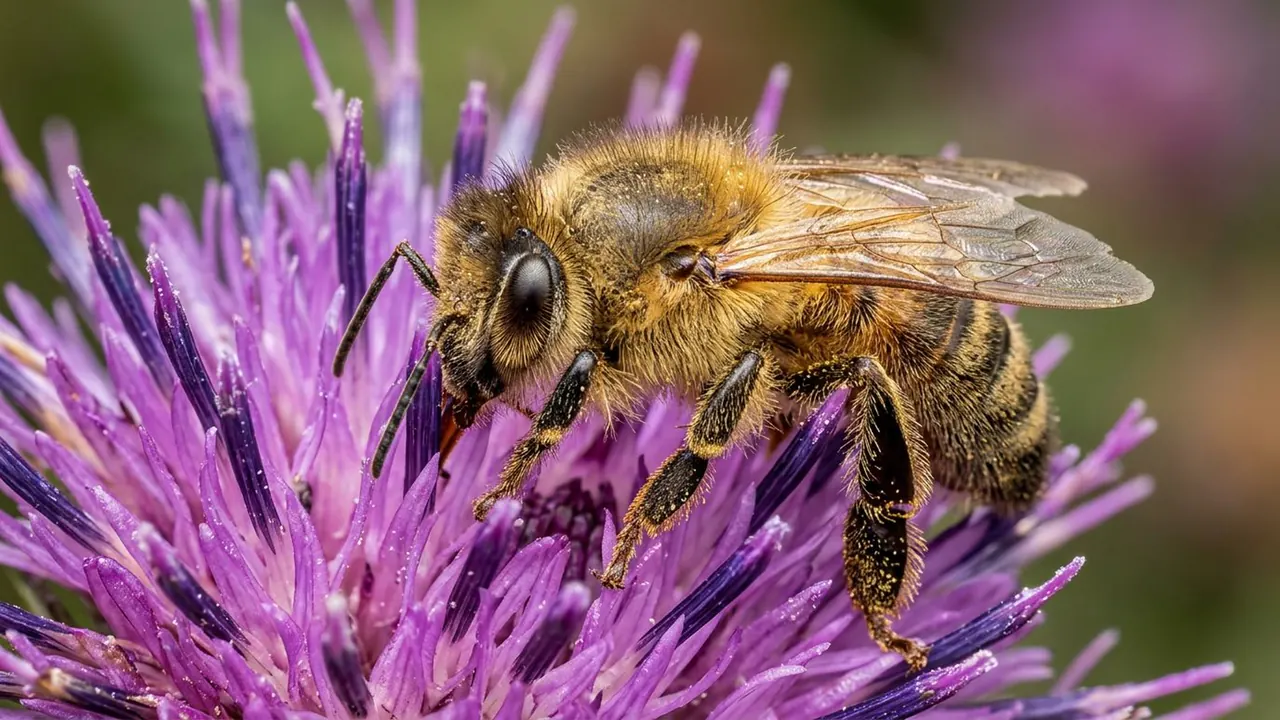
Macro
The lens focuses so close that a small thing fills the frame.
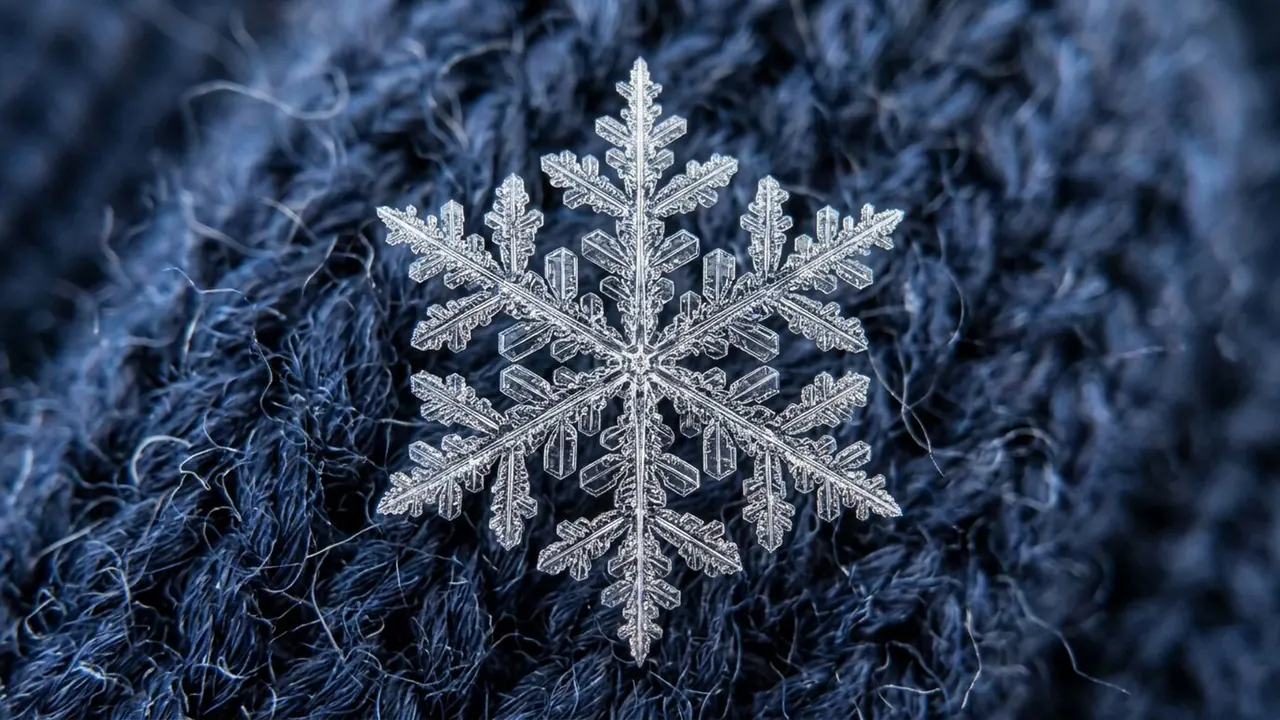
Magnification
A detail is blown up far past what an eye would see.
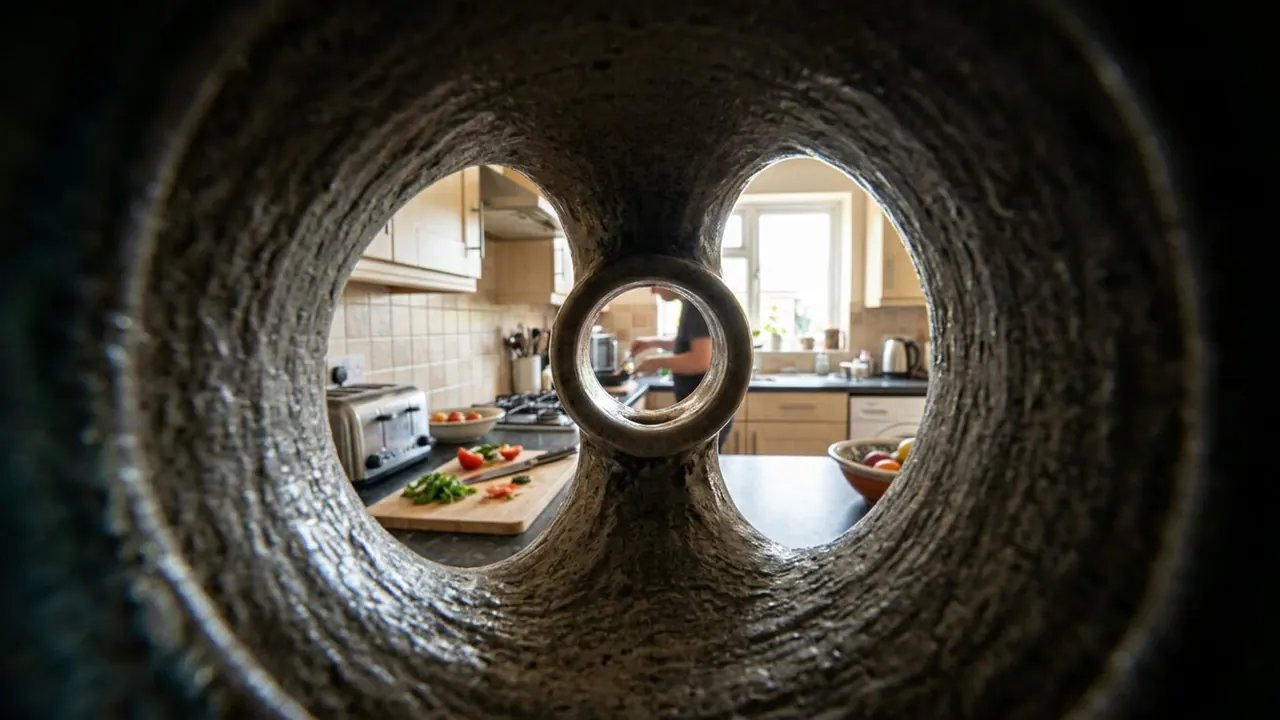
Probe Lens
A long thin lens reaches into a tight space and keeps everything sharp.
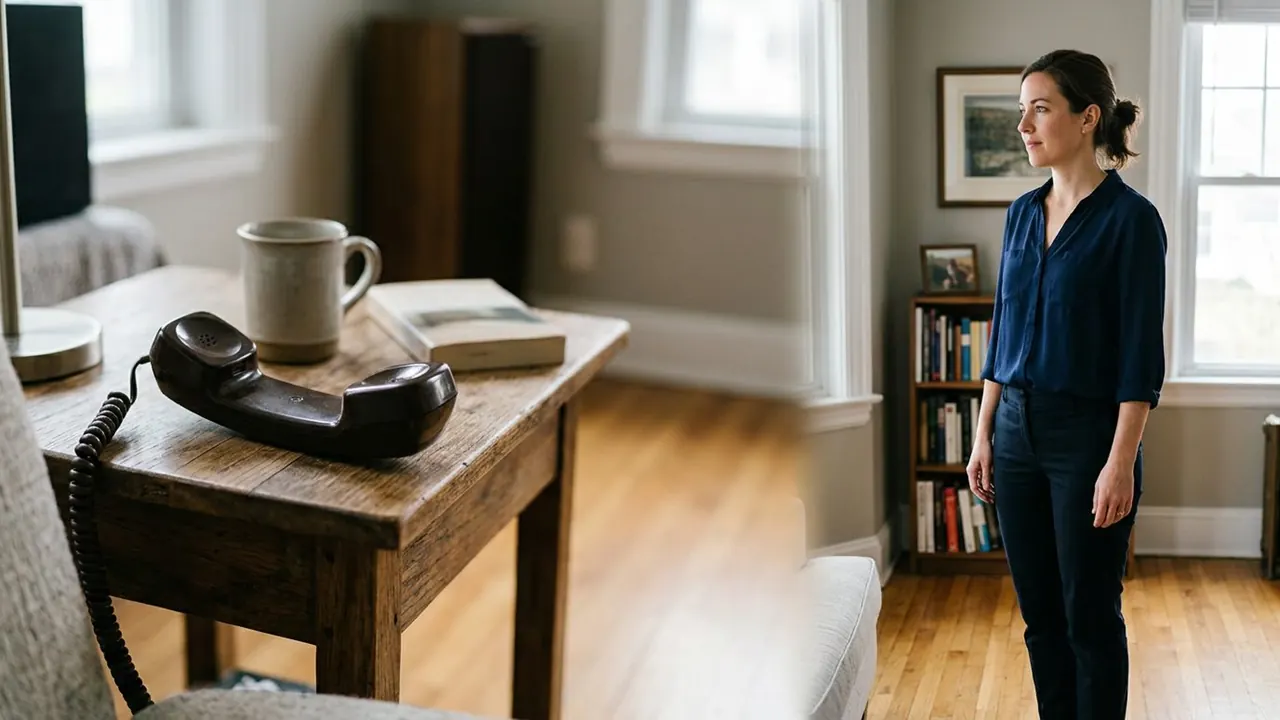
Split Diopter
Half the lens focuses near and half far, so both planes are sharp at once.
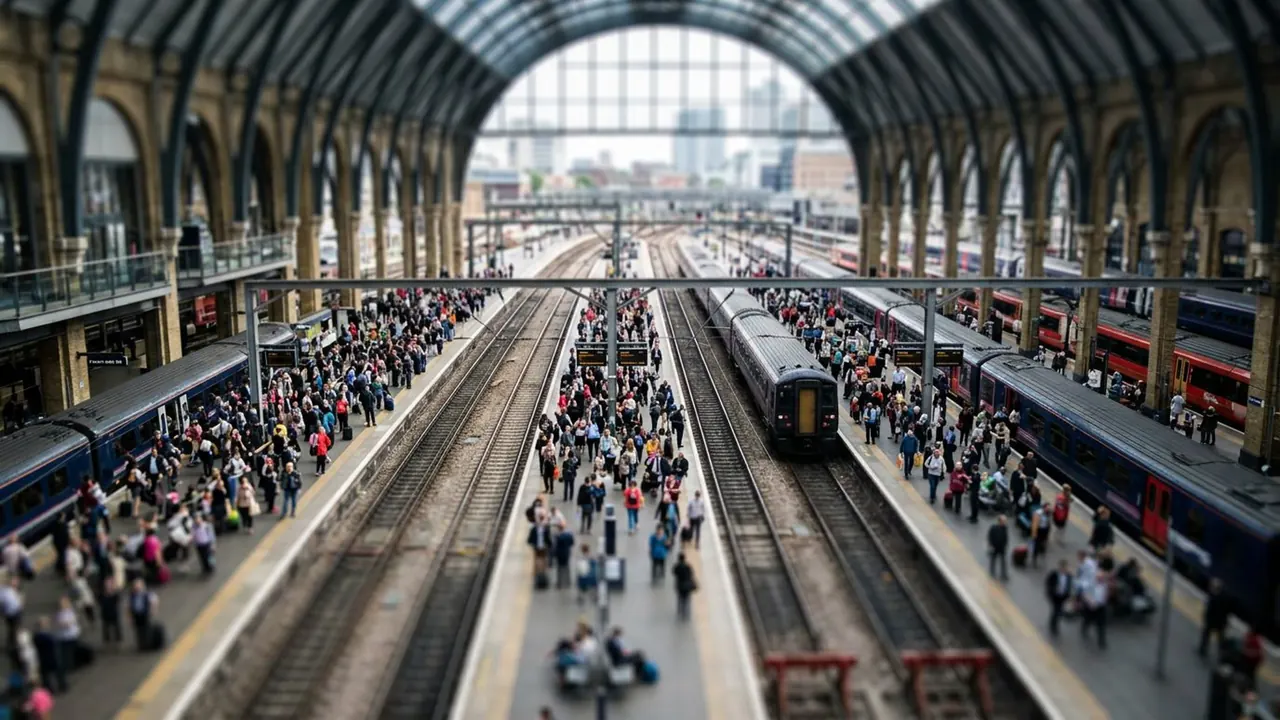
Tilt-Shift
The focus plane tilts, so a band is sharp and the rest falls away.
Run one of them
Copy a prompt into a video model and pay for that one run. No subscription.
Open a video modelOther techniques
Shot typesTwenty-five ways to frame a shot, and the wording that gets each one.25 shot typesCamera anglesNineteen places to put the camera, and the wording that gets each one.19 camera anglesCamera movementEighty-six ways to move the camera, and the wording that gets each one.86 camera movesCompositionThirty-two ways to arrange a frame, and the wording that gets each one.32 composition rulesLightingForty-one lighting setups, and the wording that gets each one.41 lighting setupsColour and film lookNineteen colour looks, and the wording that gets each one.19 colour looksTime and motionTwenty-one ways to bend time in a shot, and the wording for each one.21 time effectsCuts and transitionsTwenty-three ways to get from one shot to the next.23 transitionsIn-camera and optical effectsFifty-seven effects a camera can make on its own, and how to ask.57 effectsAtmosphere and weatherThirteen ways to fill the air, and the wording that gets each one.13 atmosphere effectsGenre looksTwenty-seven genres, and the wording that gets the look of each one.27 genre looksViral looksForty-four looks that travel on short-form video, and how to ask.44 viral looks