85mm Portrait
A short telephoto that flatters a face and softens the background.
Opens a video model with the prompt in it. The price is on the page before you sign in.
What it is for
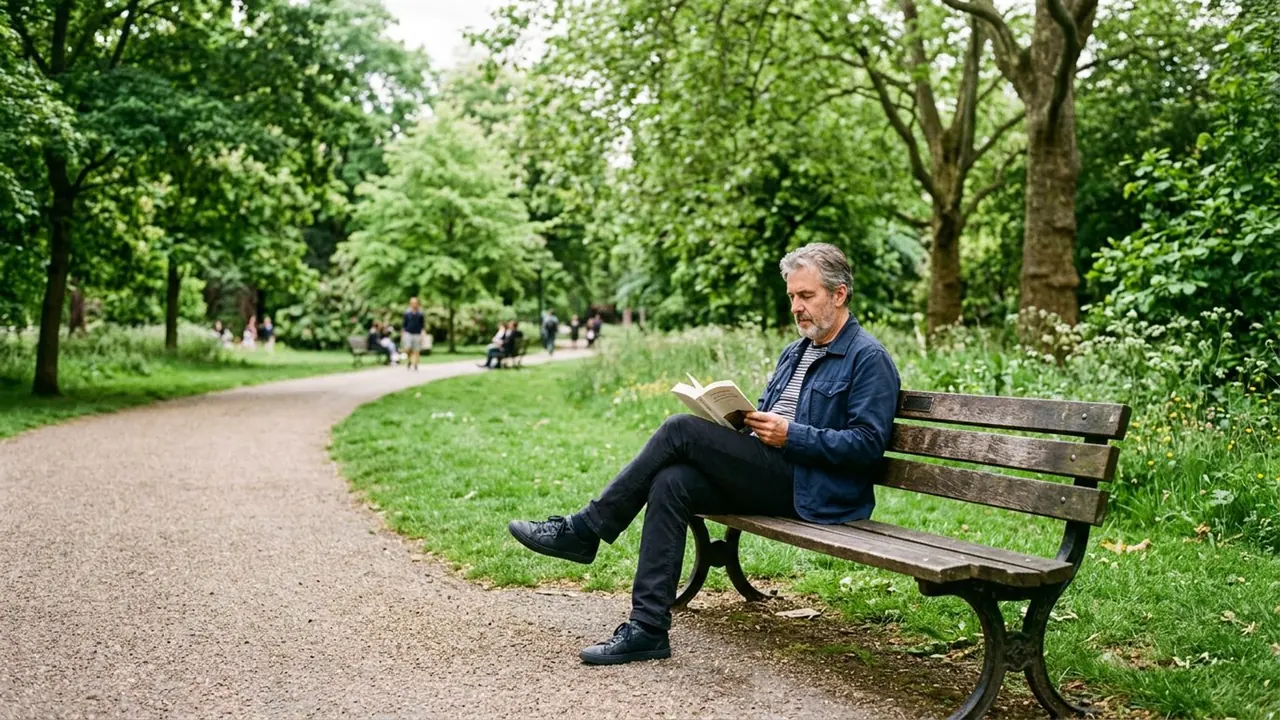
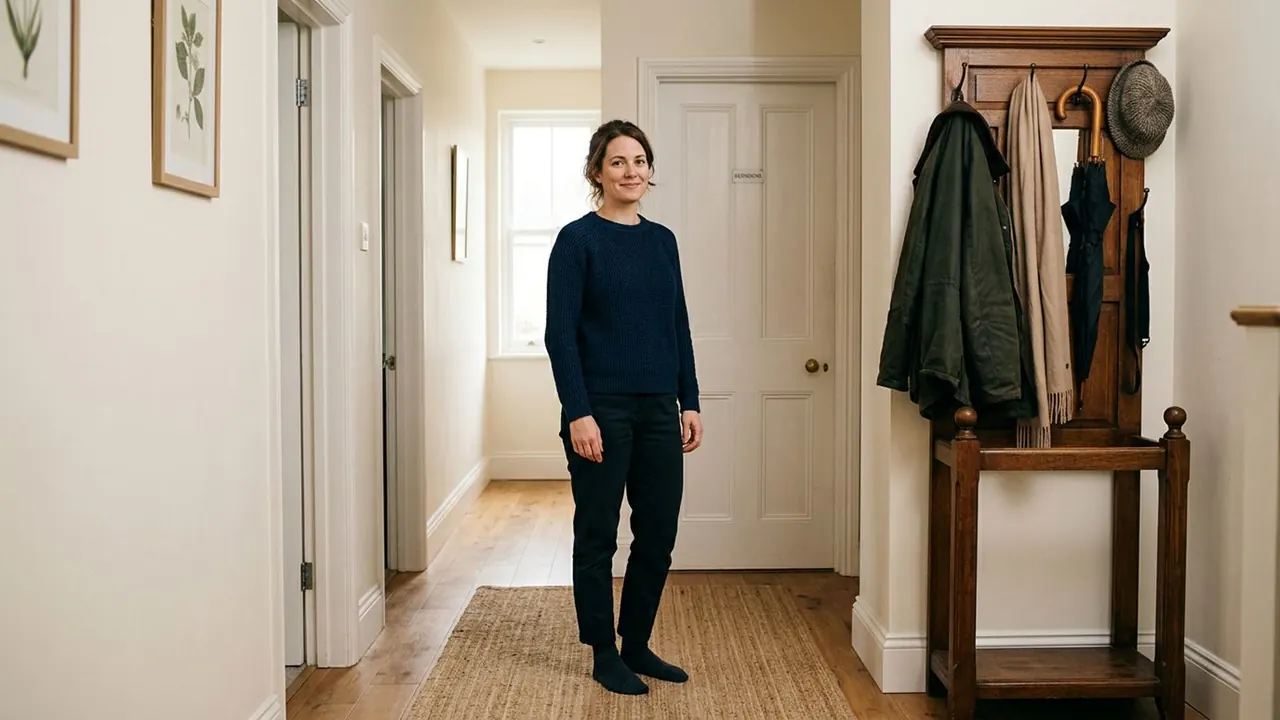
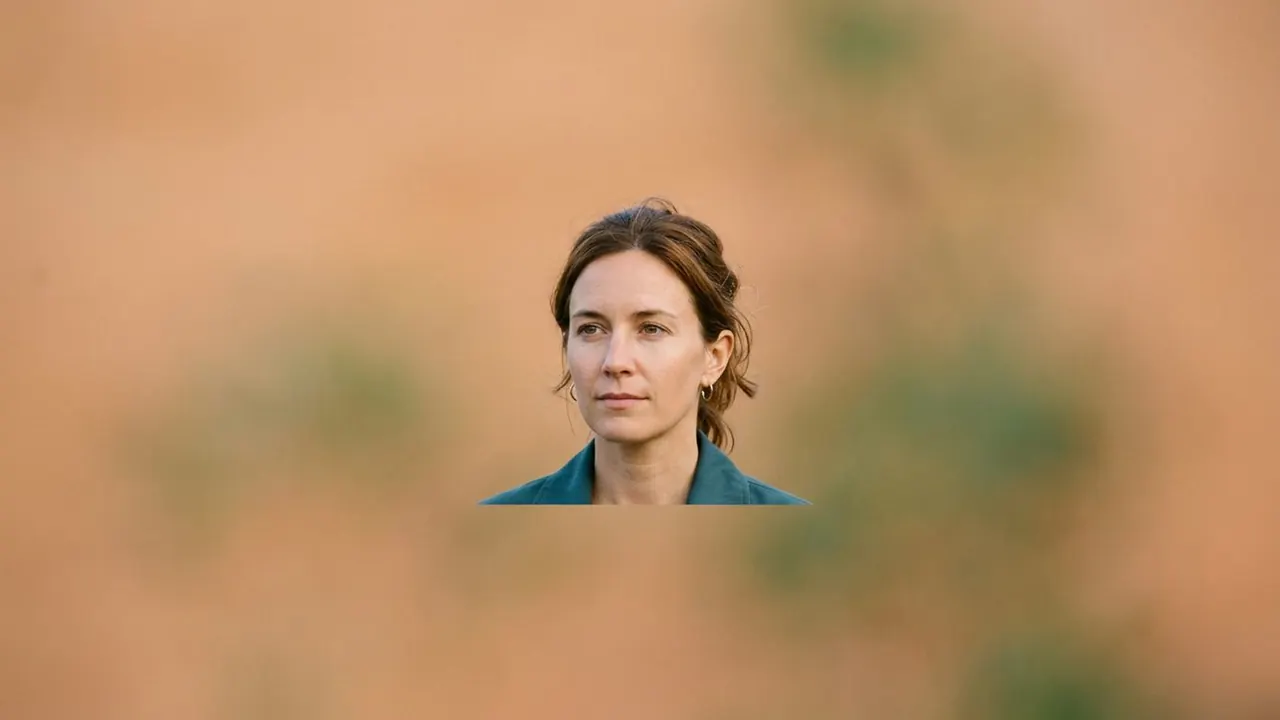
An 85mm renders a face the way portraiture wants it. The camera stands back far enough that the nose stops leading, the cheekbones settle, and the head reads as a shape instead of a perspective problem.
It also removes the room. The background goes soft and far, so nothing behind the person competes with them, which is the second half of what the lens is for.
How it works
A head fills the frame from roughly one and a half to two metres away. That distance is what flattens the face, and the flattering part is the distance rather than the glass.
Depth of field is shallow. At f/1.8 on a head-and-shoulders crop the sharp zone runs a few centimetres, so the eyes land and the ears soften. Focus on the near eye and accept that the far one goes.
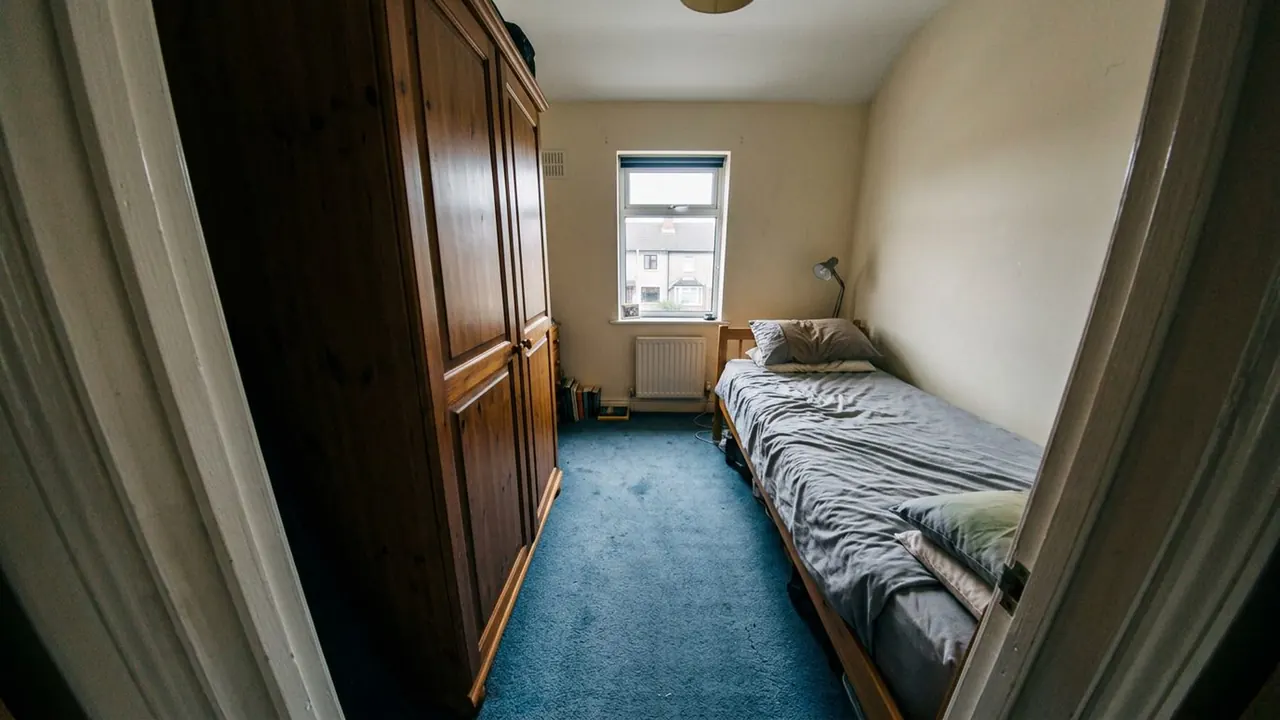
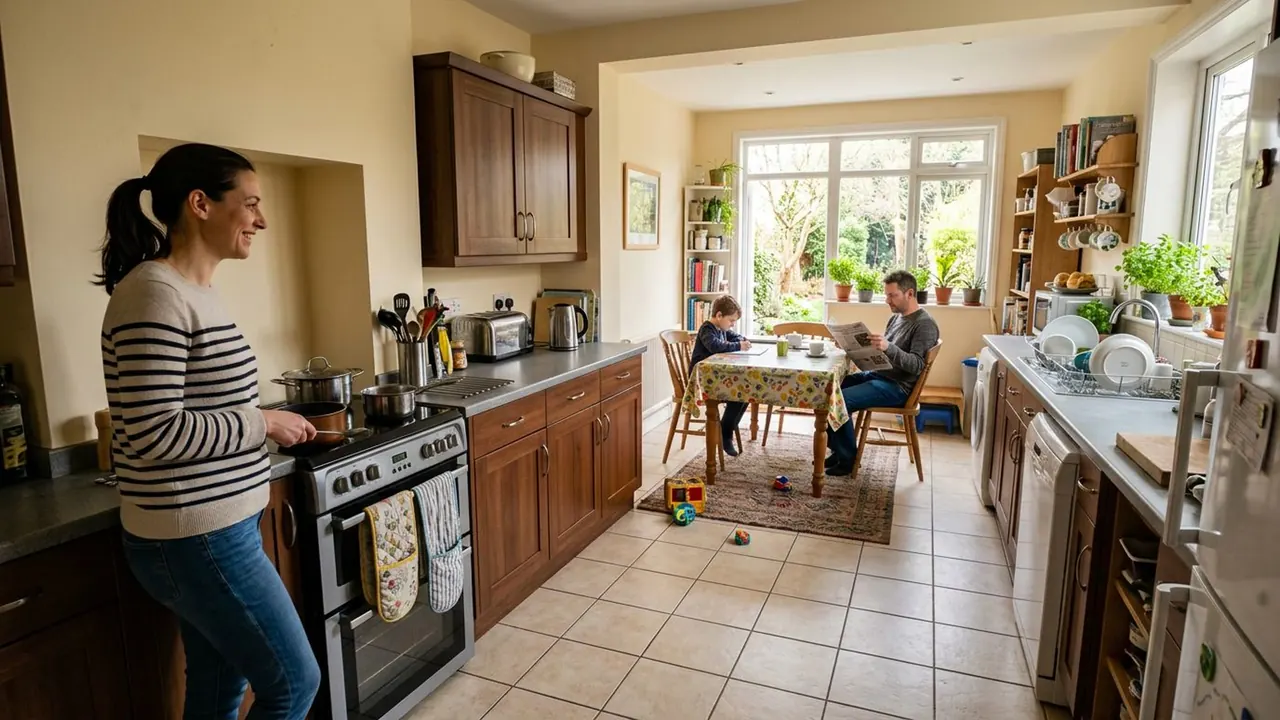
Backgrounds render larger than they are, because the narrow field of view takes a small slice of the wall and magnifies it. A lamp three metres back becomes a broad soft glow with no lamp left in it.
When to use it
Use it for interviews, portraits, talking heads and any close coverage where the subject has to dominate the frame.
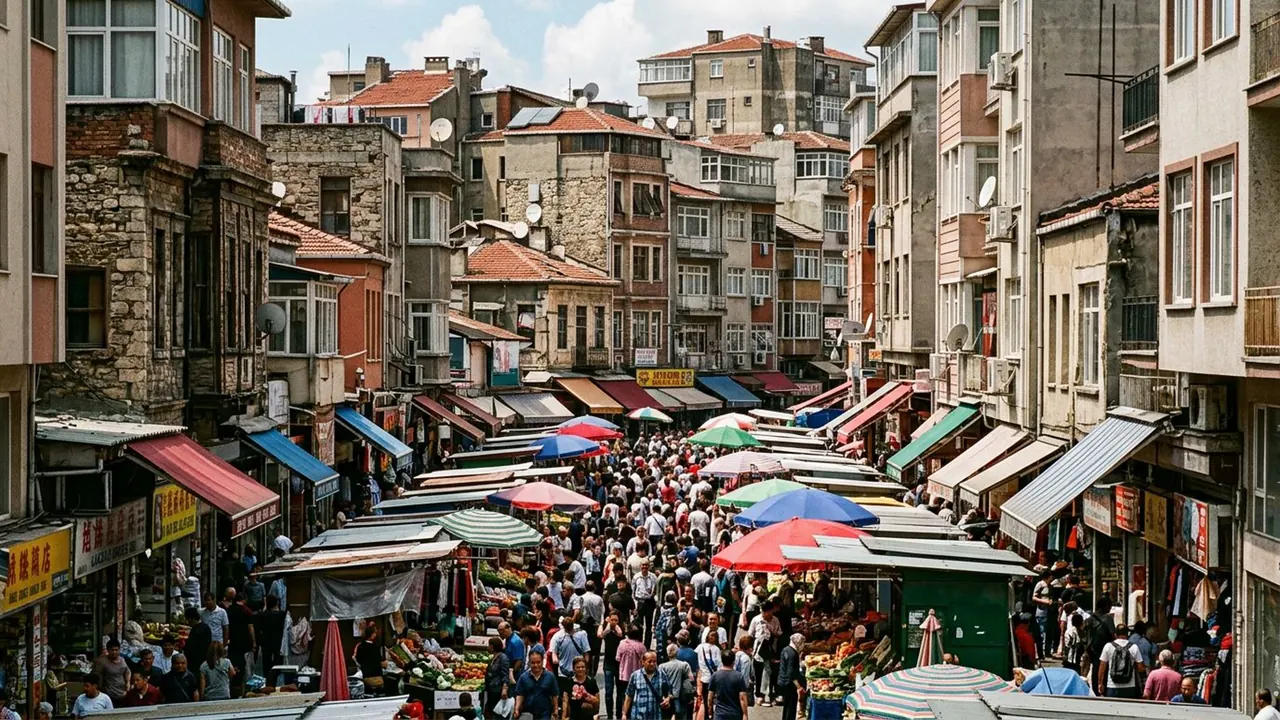
Skip it when the location matters. An 85mm reduces a room to a wash of colour, so a shot that has to say where somebody is needs a wider length.
Told apart from its neighbours
A 50mm is a normal lens. It keeps the room readable and renders the face without flattening it. An 85mm stands back, compresses the features and drops the background away.
Match the head size on both and look behind the subject. If you can tell what room it is, you are on the 50mm.
The prompt
Replace the blanks, keep the rest. Then run it on a video model.
shot on an 85mm portrait lens of <subject>, flattering facial rendering, background falling soft behind
What goes wrong
The model returns the crop with a sharp background, which loses half the reason to name the lens. Ask for the background falling soft behind, and say how soft.
The other failure is a wide lens used close to fake the crop. Say the camera stands back at portrait distance, so the face renders flat instead of bending toward the lens.
Leave out
wide angle, deep focus
Watch for
It is the default for a face. Ask for the soft background or you lose half the reason.
Questions
Shoot it
Pay for the one run. No subscription, and the price is on the model page before you sign in.
Next to it in by focal length