Probe Lens
A long thin lens reaches into a tight space and keeps everything sharp.
Opens a video model with the prompt in it. The price is on the page before you sign in.
What it is for
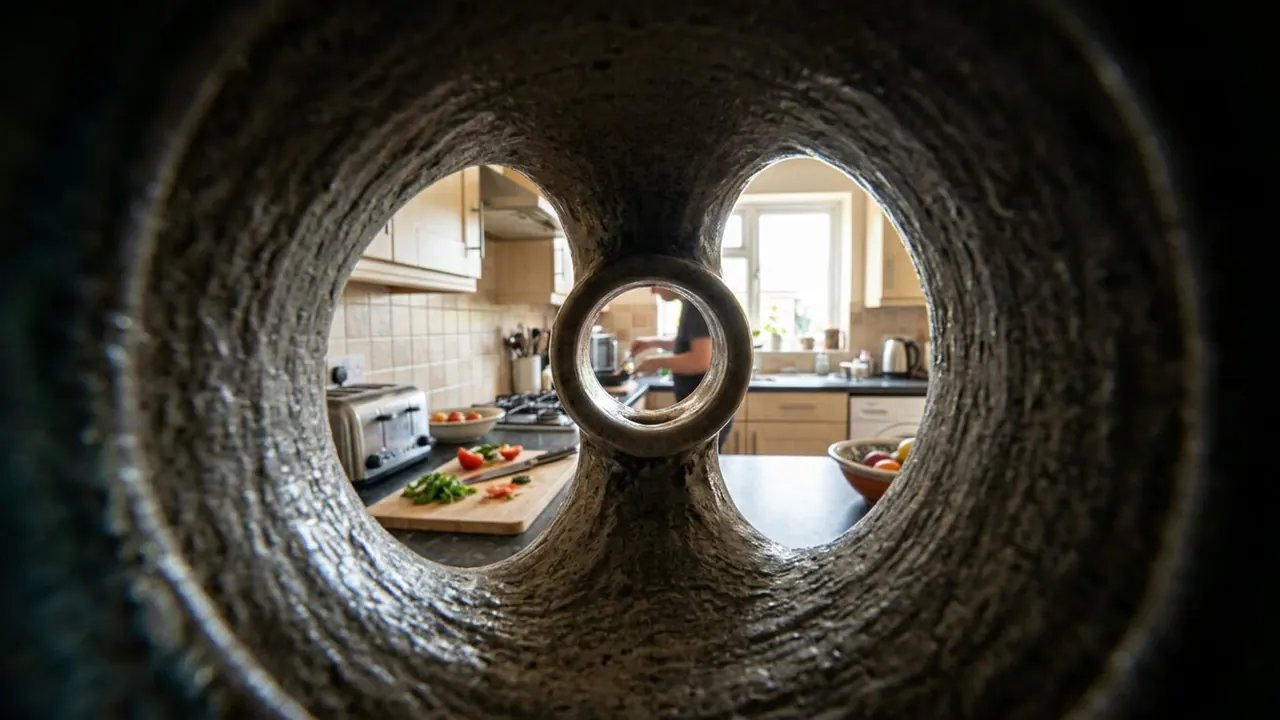
A probe lens is a long thin tube with a tiny front element, so the camera can go where a camera cannot fit. Inside a glass, through a keyhole, along a table top at the height of a crumb.
The access is only half of it. The other half is that everything stays sharp, so the shot reads as a journey through a space instead of a detail pulled out of one.
How it works
The front element is small and the maximum aperture is narrow, commonly around f/14. That is why the depth of field runs deep at close range, where a macro lens would have millimetres.
Many probe lenses light from the front element itself, because nothing else can reach the subject once the tube is inside a confined space.
The tube can be dipped or sealed, which is how the shot gets under water in a glass or down inside a machine. Movement along the tube axis is the natural gesture: it goes in, and it keeps going.
When to use it
Use it for food, for product interiors, for a move that travels through a small space, and for any shot that should feel impossible to have got.
Skip it when the subject is a face or anything at normal scale. The lens is built for close and confined, and it has nothing to offer a room.
Told apart from its neighbours
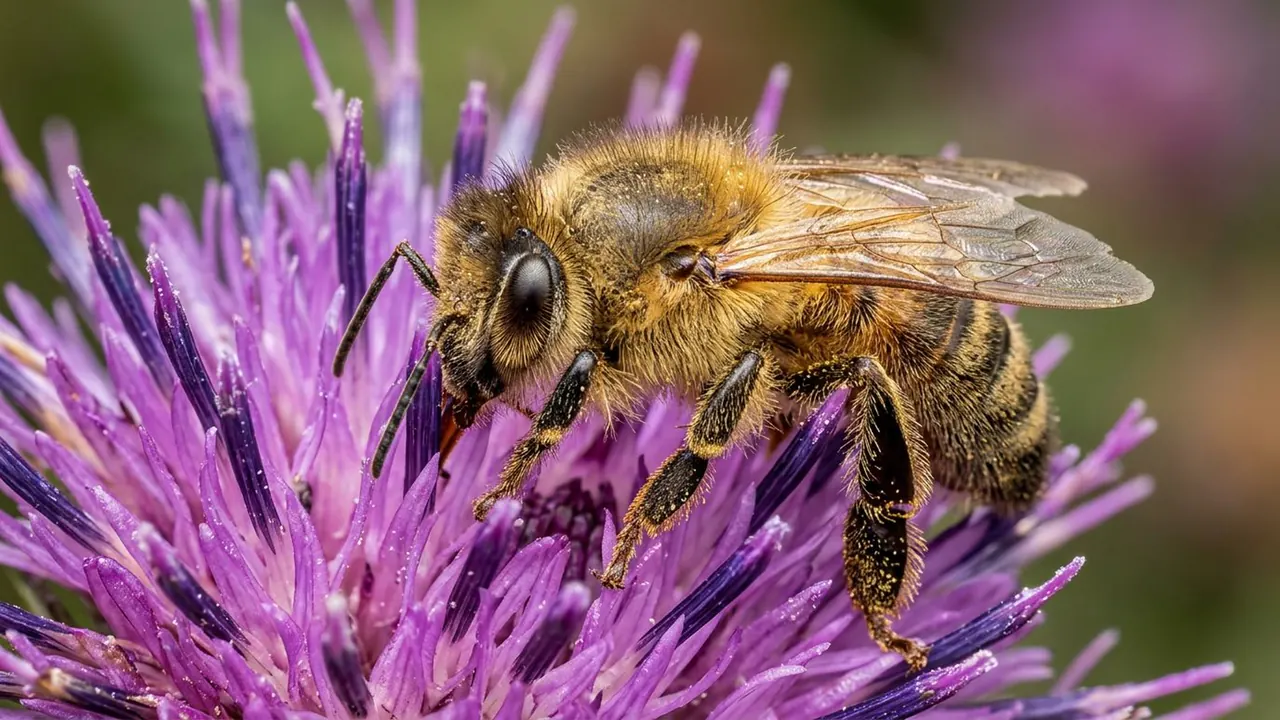
A macro focuses very close and gives you almost no depth of field, so one plane is sharp and the rest dissolves.
A probe lens focuses close and holds the whole tunnel sharp from front to back. Deep focus at close range is the part that no macro gives you.
The prompt
Replace the blanks, keep the rest. Then run it on a video model.
probe lens moving into <space> toward <subject>, tiny front element close to surfaces, deep focus throughout, impossible access
What goes wrong
The model returns a macro shot with a blurred background, which loses the thing that defines the lens. Ask for deep focus throughout, front to back, at close range.
The other failure is a static frame. The probe lens is at its best travelling, so name the move: into the glass, along the table, through the gap.
Leave out
shallow focus, standard lens
Watch for
Deep focus is what separates it from a macro. Ask for it by name.
Questions
Shoot it
Pay for the one run. No subscription, and the price is on the model page before you sign in.