200mm Long Telephoto
A very long lens that stacks distant planes on top of each other.
Opens a video model with the prompt in it. The price is on the page before you sign in.

What it is for
At 200mm the distance between planes collapses. A figure, the car behind them and the building behind that arrive stacked one on top of the other, as though the street had been folded up.
That stacking does something no other tool does. It makes a subject look trapped inside their background, or makes a crowd look denser than it is, without moving a single thing in the scene.
How it works
The field of view is around 12 degrees on full frame. Working distance for a person runs to five metres and beyond, and for the compression to show there has to be real depth in the scene behind them.
Give it layers. A 200mm pointed at a subject with a blank wall behind has nothing to stack, so the shot looks like an ordinary tight frame. Put three things at three distances and the lens presses them together.
Heat haze, dust and air all become visible at this length, because the lens is looking through a long column of atmosphere. That shimmer is part of why long lens exteriors read the way they do.
When to use it
Use it for crowded streets, for a figure approaching from far away, and for any shot where the background should close in on the subject.
Skip it indoors and skip it when the geography has to stay clear. Compression destroys the audience's sense of how far apart things are.
Told apart from its neighbours
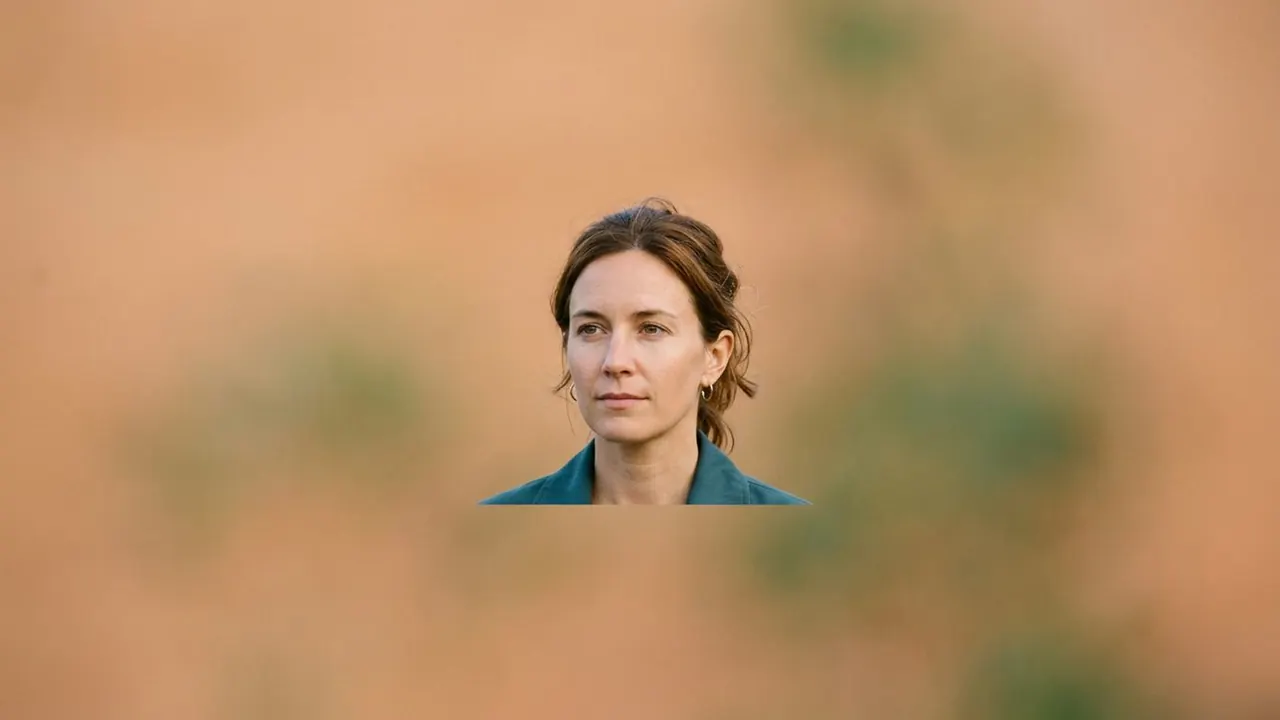
A 135mm isolates a subject and softens the background. A 200mm goes past isolation into stacking, where the far plane arrives enlarged and sits directly behind the near one.
Count the planes. On a 135mm the background is one soft wash. On a 200mm you can still recognise what is back there, and it looks much closer than it is.
The prompt
Replace the blanks, keep the rest. Then run it on a video model.
shot on a 200mm lens of <subject>, extreme compression, distant background stacked close behind, heavy separation
What goes wrong
The model returns a shallow portrait with a blurred background and calls it compression. Ask for layers at different distances and say they arrive stacked close behind one another.
The other failure is a sharp, deep frame. Name the separation and say the far plane is enlarged, or the lens number alone changes nothing.
Leave out
wide angle, deep focus
Watch for
The compression is the shot. Give it layers at different distances to stack.
Questions
Shoot it
Pay for the one run. No subscription, and the price is on the model page before you sign in.
Next to it in by focal length