Macro
- Extreme-detail photography
- Plan macro
The lens focuses so close that a small thing fills the frame.
Opens a video model with the prompt in it. The price is on the page before you sign in.
What it is for
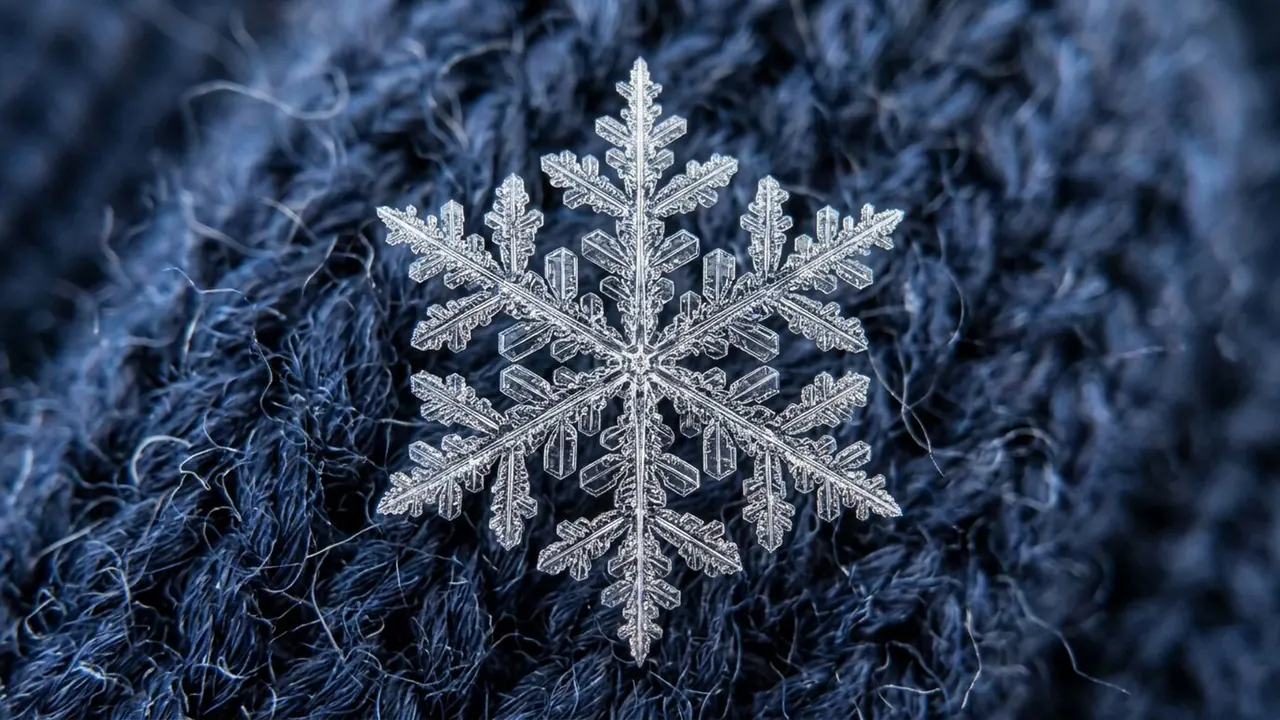
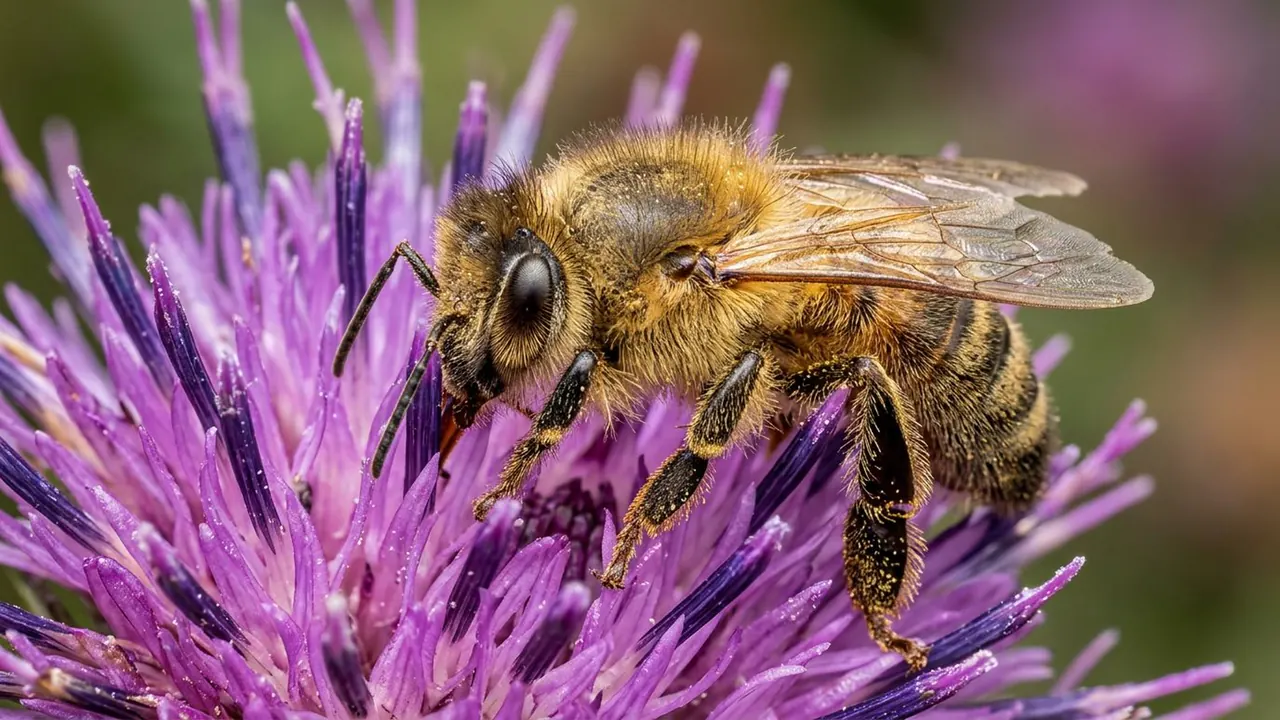
A macro lens focuses close enough that something small fills the whole frame. Skin becomes landscape, a droplet becomes an object with weight, and the audience sees texture no eye reports.
It also changes the pace of a cut. A macro insert holds attention hard, because there is nothing else in the frame to look at and no context to search for.
How it works
True macro means a reproduction ratio of one to one or better: the subject projects onto the sensor at life size. That is the line between a macro lens and a lens that merely focuses close.
Depth of field collapses at that distance. At one to one the sharp zone can measure a millimetre or two even stopped well down, so one plane holds focus and everything in front of and behind it goes.
Light is the practical problem. The lens sits so close to the subject that the camera shades it, which is why macro work uses light coming from the side or from a ring around the front element.
When to use it
Use it for inserts of small objects, for texture, for anything mechanical, and for the beat where a story turns on a detail.
Avoid it when the audience needs to know where they are. A macro shot carries no geography, so it has to be cut against something wider.
Told apart from its neighbours
An extreme close-up is a framing size and can be reached by any lens that crops tight enough. A macro is a lens capability, and it goes far past what a crop can reach.
The test is scale. If the subject is smaller than a coin and still fills the frame, it took a macro. A face filling the frame is an extreme close-up that any lens can deliver.
On film
Darren Aronofsky cuts Requiem for a Dream (2000) around macro inserts of pills, banknotes and dilating pupils, repeated as a rhythm. The shots work because at that scale the objects stop being props and become the subject of the scene.
- Requiem for a Dream (2000)
- Amélie (2001)
The prompt
Replace the blanks, keep the rest. Then run it on a video model.
macro shot of <subject>, extreme close focus, surface texture filling the frame, paper-thin depth of field
What goes wrong
The model returns a tight crop with a deep, even focus, which is a close-up and not a macro. Name the paper thin depth of field and say which single plane is sharp.
The other failure is a clean subject on a blank surface. Give it texture and a material, because at this scale the surface is most of the picture.
Leave out
wide, deep focus
Watch for
Depth of field is almost nothing. Name the one plane that must be sharp.
Questions
Shoot it
Pay for the one run. No subscription, and the price is on the model page before you sign in.
Next to it in lenses that get close