Telephoto Compression
- Distant viewpoint
- Compressed perspective
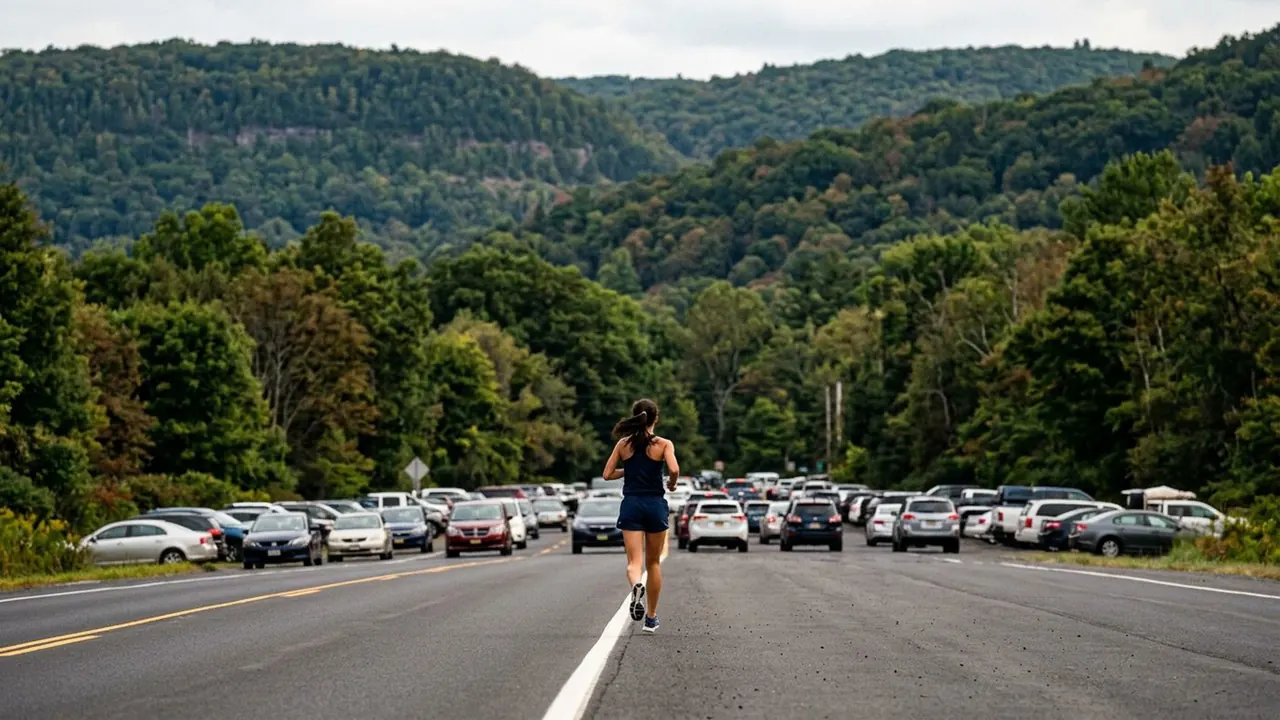
A long lens flattens depth, so far things sit right behind near things.
Opens a video model with the prompt in it. The price is on the page before you sign in.
What it is for
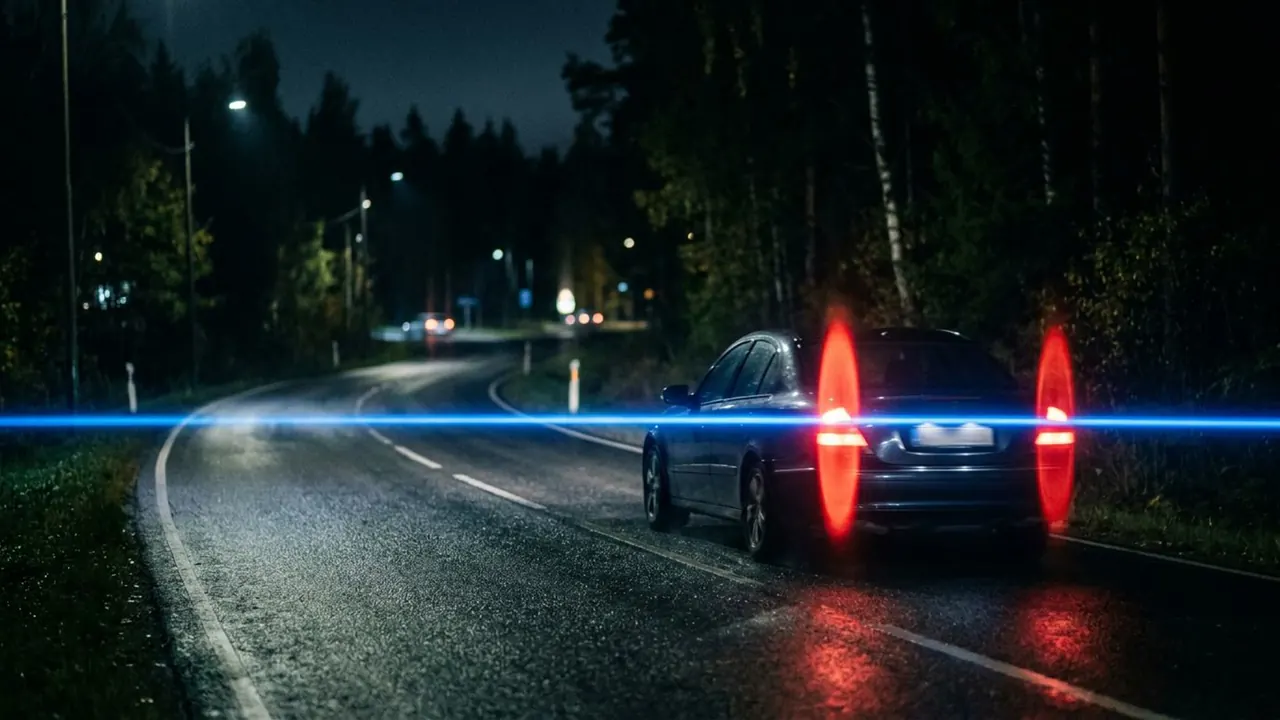
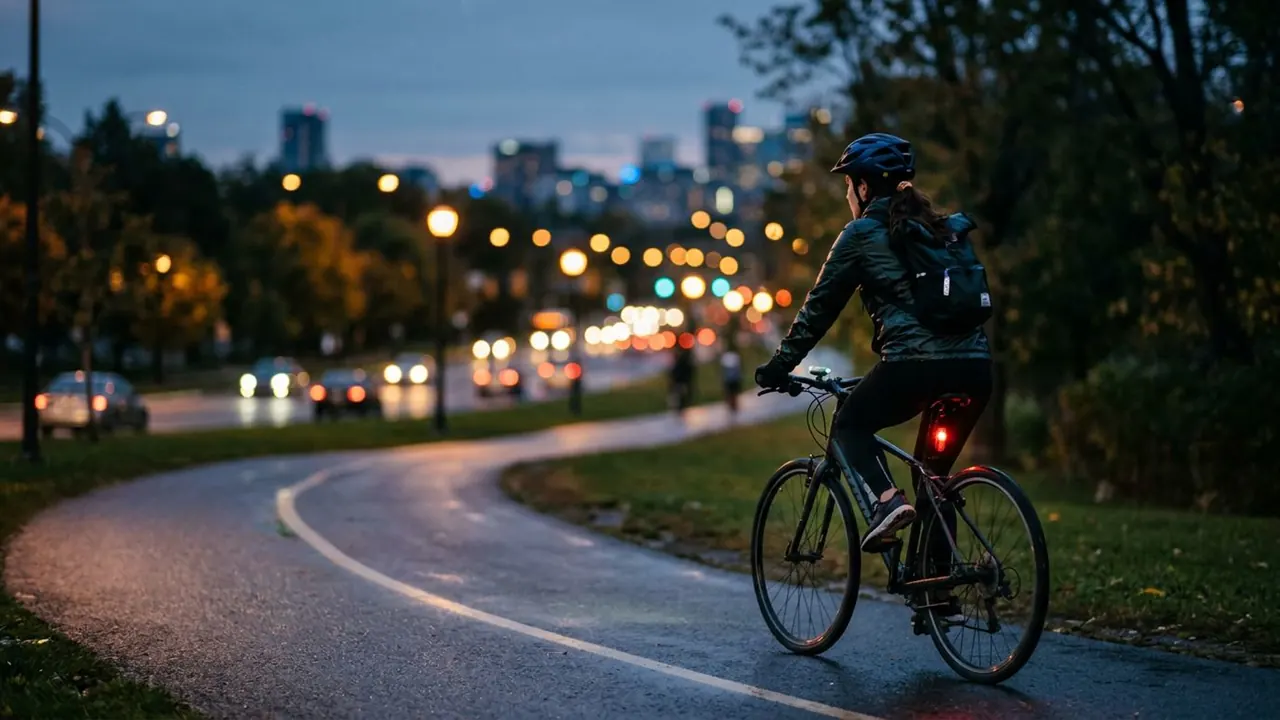
Compression is what a long lens does to distance. Objects metres apart arrive looking like they are touching, so a street collapses into a wall of cars and a crowd becomes a solid mass.
It changes the meaning of a shot without changing anything in it. A person walking toward camera on a long lens seems to make no progress, which is why the technique carries so much dread and so much futility.
How it works
The effect comes from camera distance, and focal length is how you get that distance while keeping the subject large. Standing fifty metres back and cropping in gives the same compression as a long lens at fifty metres.
It needs separation to compress. Three planes at three distances press together visibly. One subject against a near wall gives you nothing, because there was no depth there to flatten.
Long lenses through a long column of air also pick up heat shimmer and haze, which is why compressed exteriors so often look as though the picture is moving slightly.
When to use it
Use it for approaches, for traffic, for crowds, and for any shot where a background should press in on a subject.
Avoid it when the audience needs to judge distance. Compression makes a far thing look near, so a chase or a rescue built on how far apart two people are loses its stakes.
Told apart from its neighbours
A 200mm names a lens. Compression names the effect that lens produces, and you can reach it with a shorter length by standing further back and cropping.
Ask what the sentence is about. If it is about which glass is on the camera, use the focal length. If it is about planes pressing together, use compression.
On film
David Lean shoots the mirage sequence in Lawrence of Arabia (1962) on a very long lens, and the rider seems to make almost no progress across the sand for minute after minute. The compression is what removes the sense of distance closing.
- Lawrence of Arabia (1962)
- Payback (1999)
The prompt
Replace the blanks, keep the rest. Then run it on a video model.
heavy telephoto compression on <subject>, background stacked close behind, depth flattened, layers pressed together
What goes wrong
The model returns a shallow depth of field portrait and treats blur as compression. Ask for the background stacked close behind the subject and say the planes are pressed together.
The other failure is a flat scene with nothing to compress. Name a foreground, a middle and a background, and put real distance between them in the description.
Leave out
wide angle, deep space
Watch for
Compression needs distance between the planes to compress. Put layers in the scene.
Questions
Shoot it
Pay for the one run. No subscription, and the price is on the model page before you sign in.