
Cuts and transitions
Twenty-three ways to get from one shot to the next.
A transition is a shot built to be cut. A model gives you one clip at a time, so most of these are two runs and a join: prompt the frame that leaves, prompt the frame that arrives, and the match is what sells it.
The hard cuts
6No blend and no shape. The cut lands, and the change is the point.
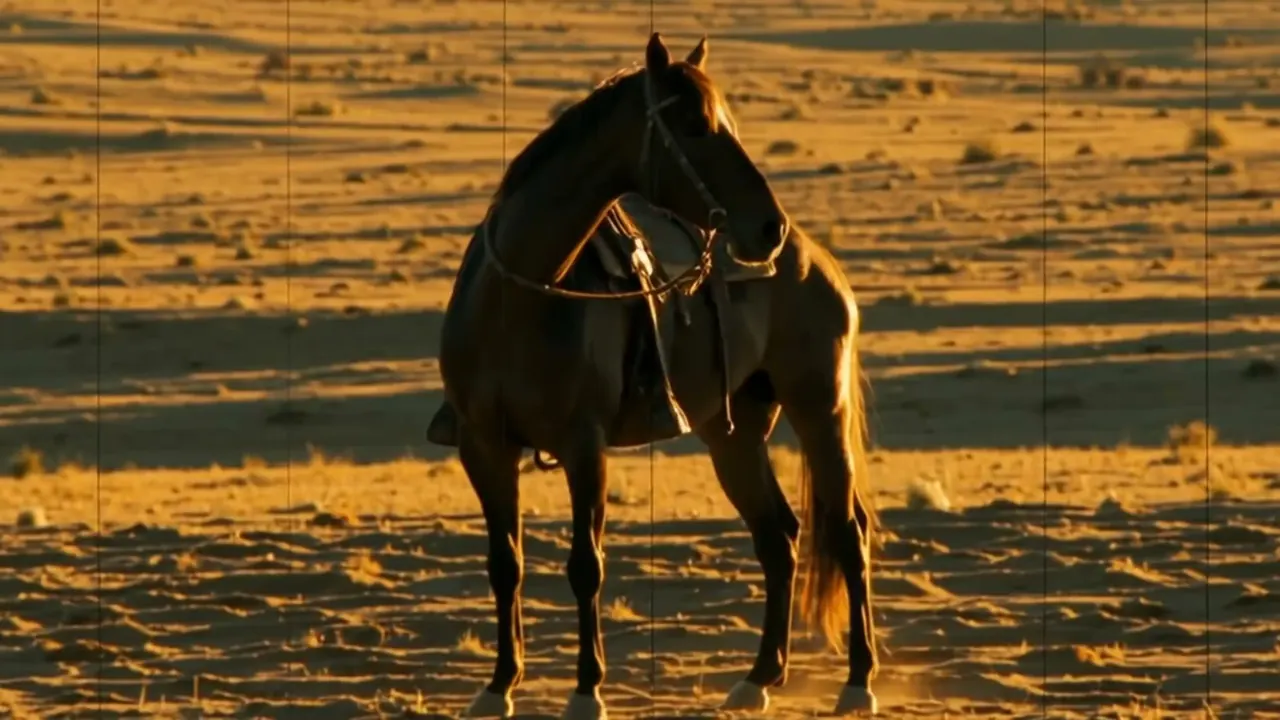
Jump Cut
A cut inside the same shot skips time and leaves a visible jolt.
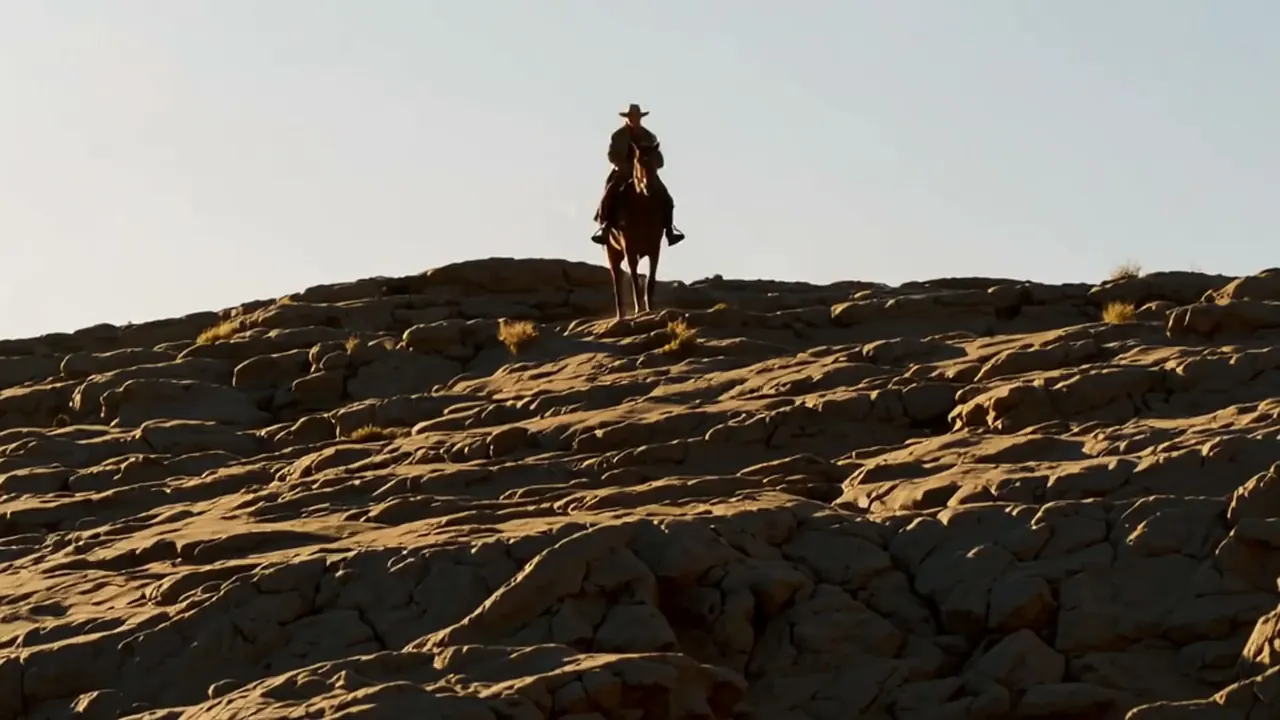
Axial Cut
The cut jumps straight along the lens axis to a closer or wider version of the same frame.
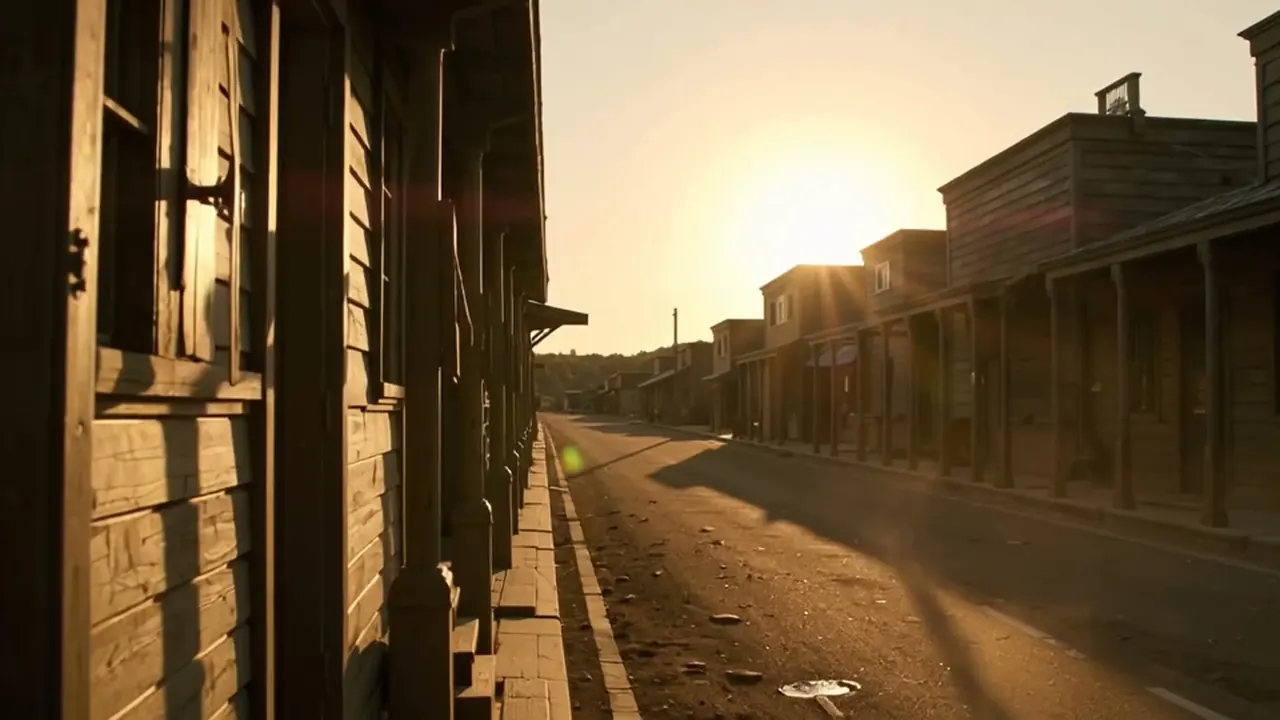
Smash Cut
A hard cut lands between two shots that contradict each other.
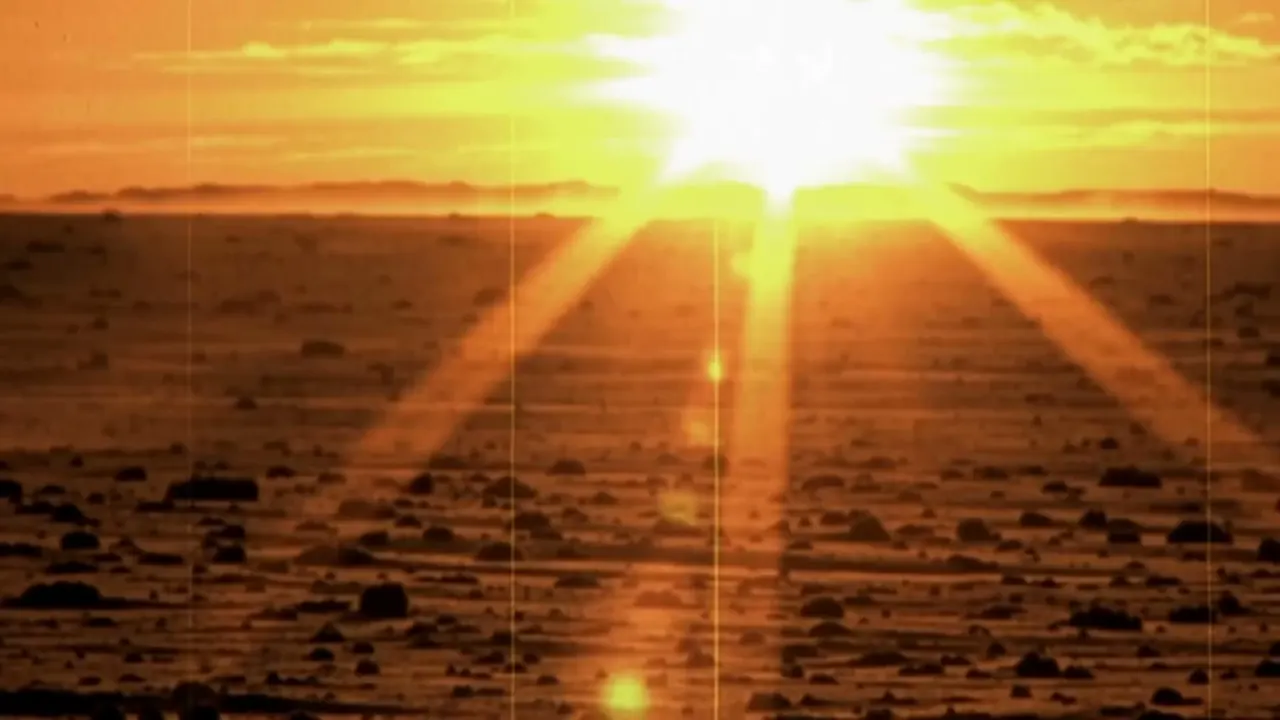
Crash Cut
An abrupt cut lands with no easing on either side.
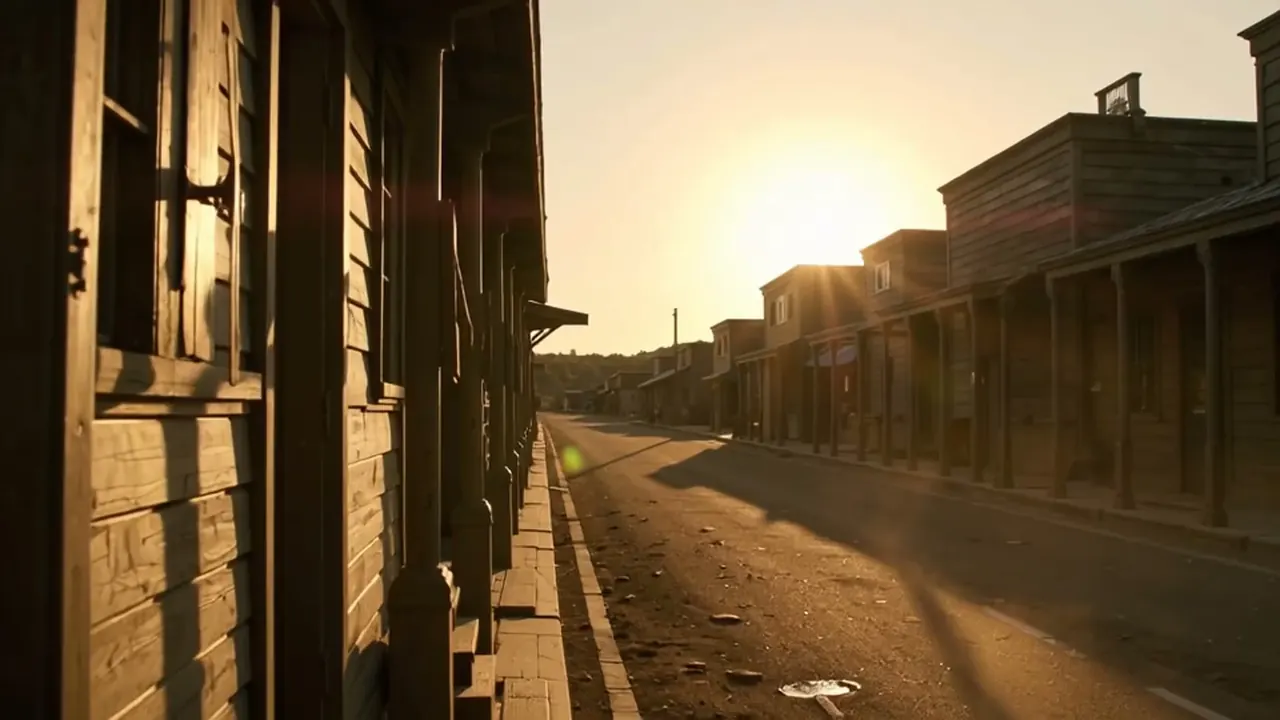
Flash Cut
A frame or two appears so briefly it registers below conscious reading.
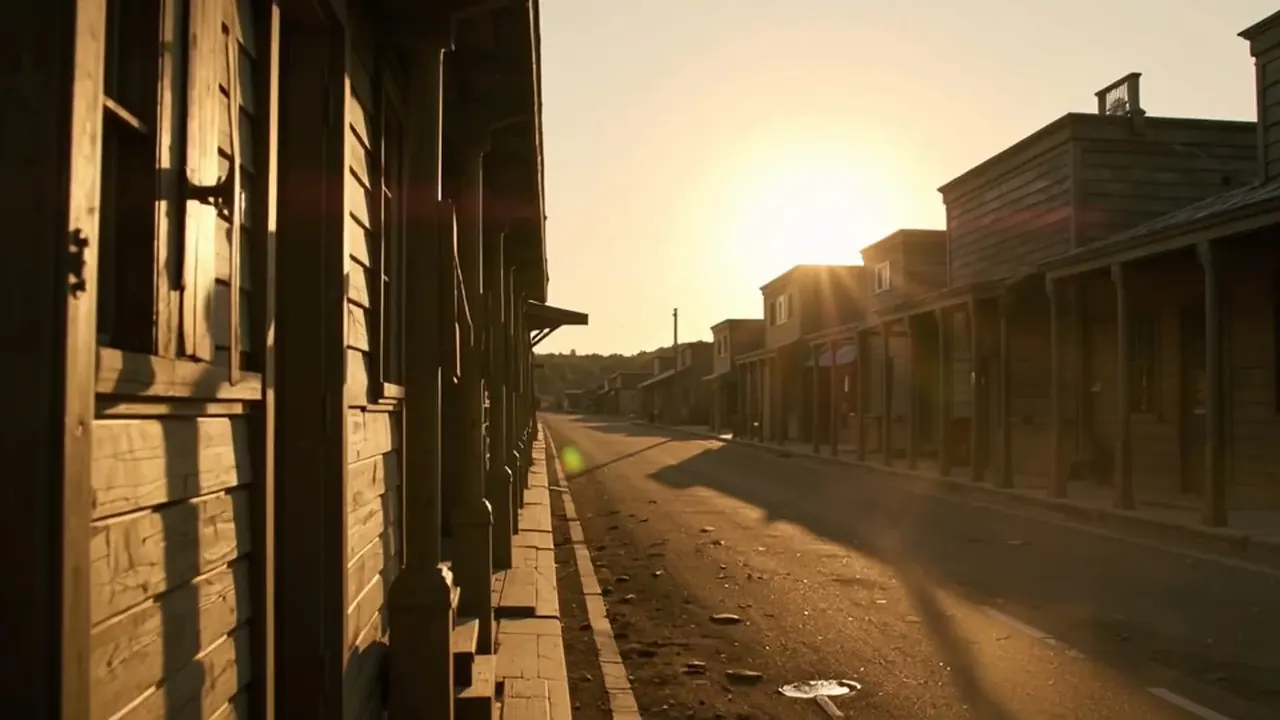
Quick Cuts
Shots arrive fast, one after another, with no room to settle.
Cuts that hide the join
6Something carries across the cut, so the join reads as one continuous action.
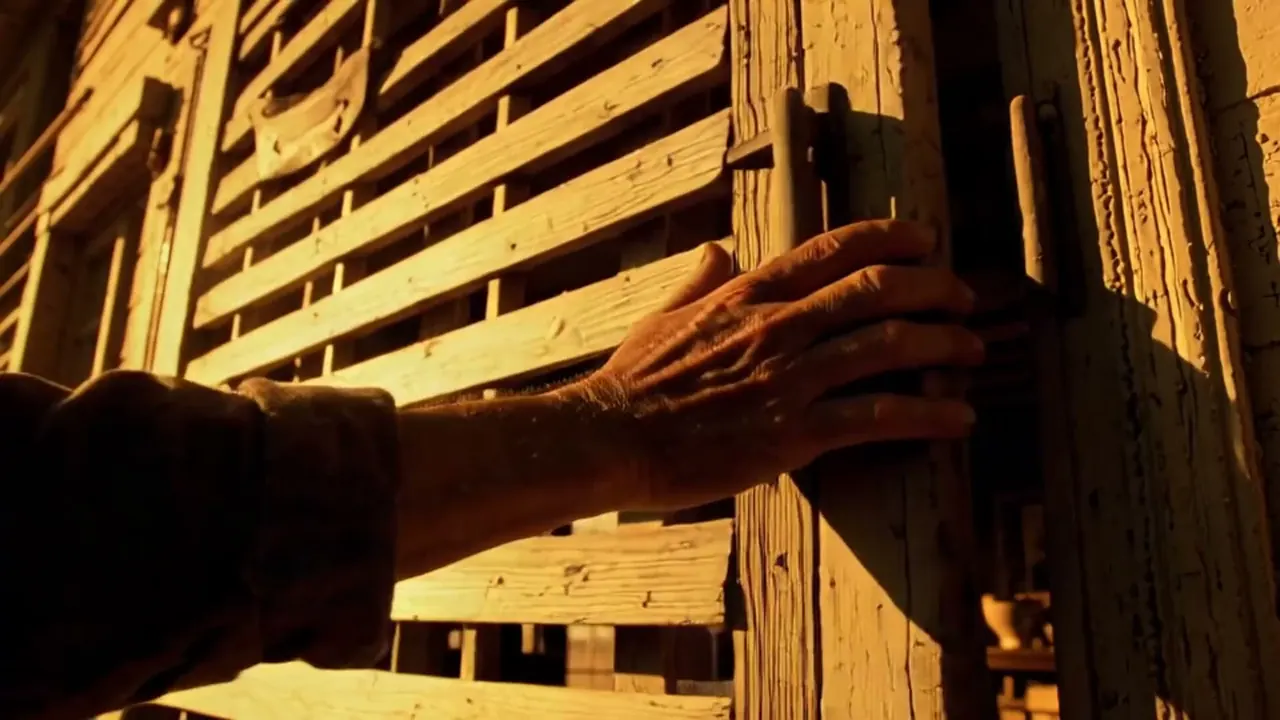
Match on Action
A movement starts in one shot and finishes in the next.
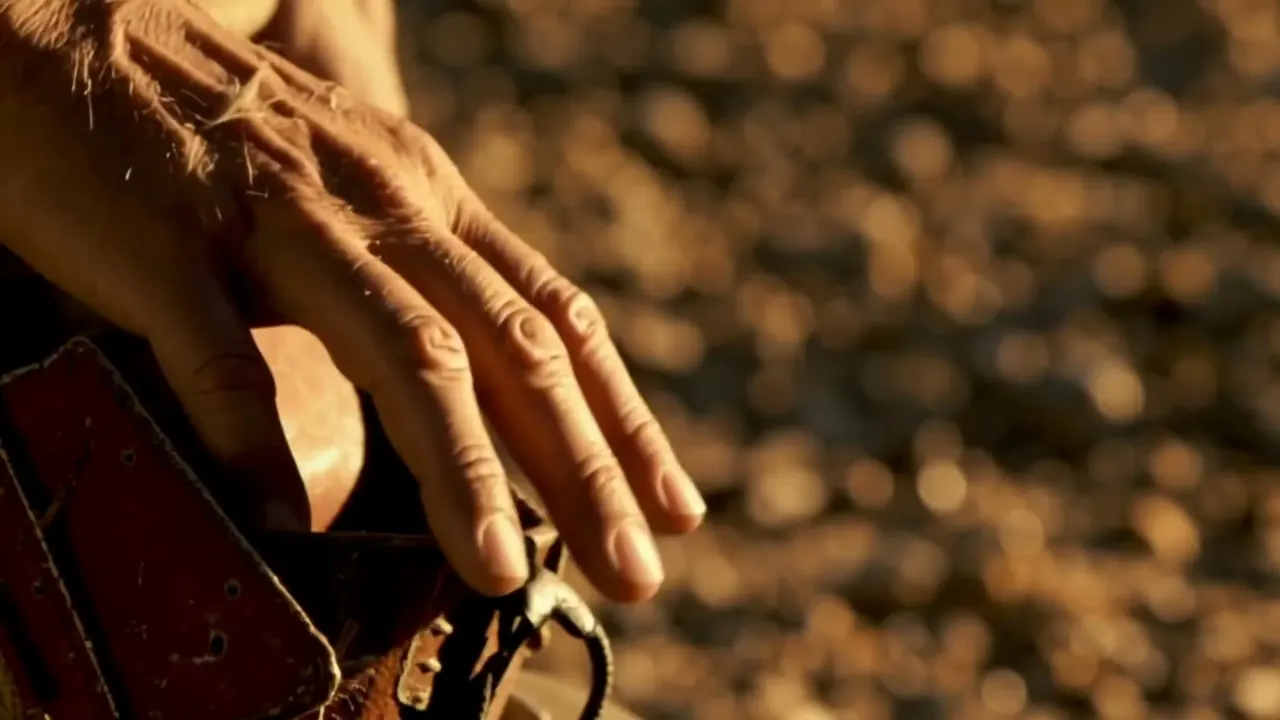
Match Cut
Two shots are linked by a similarity that carries across the cut.
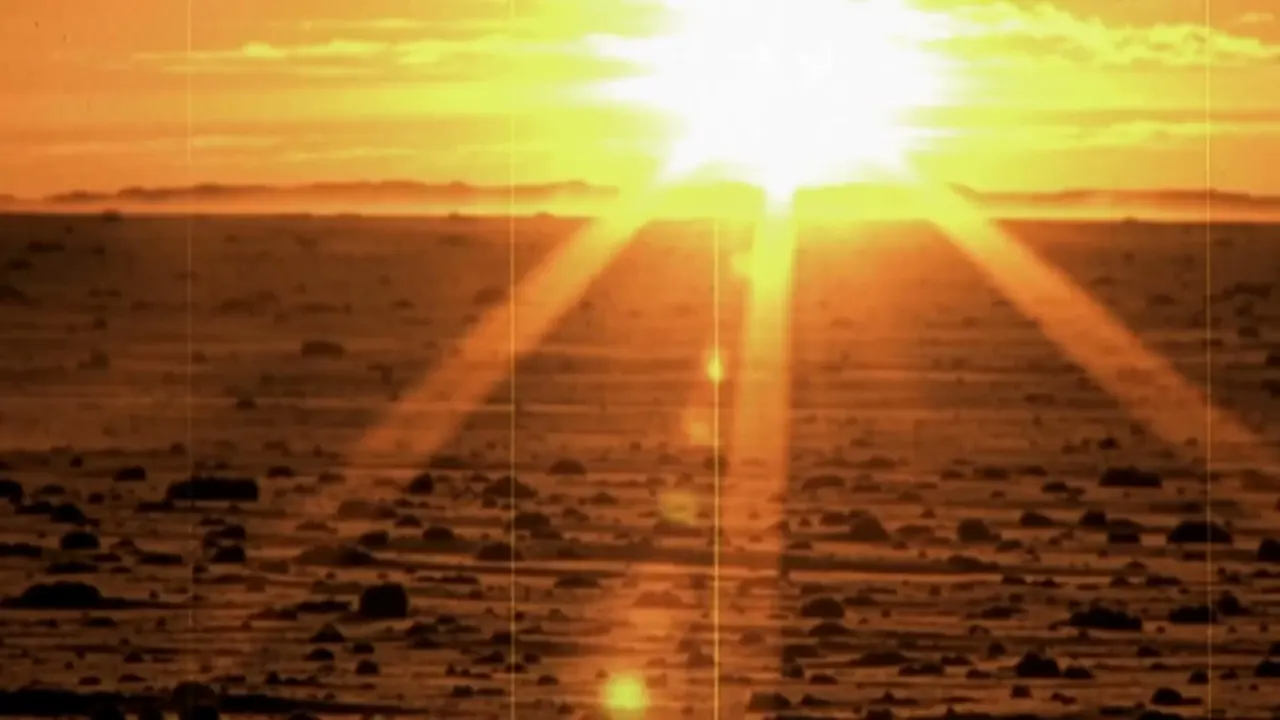
Graphic Match
Two shots share a shape, so the cut between them feels inevitable.
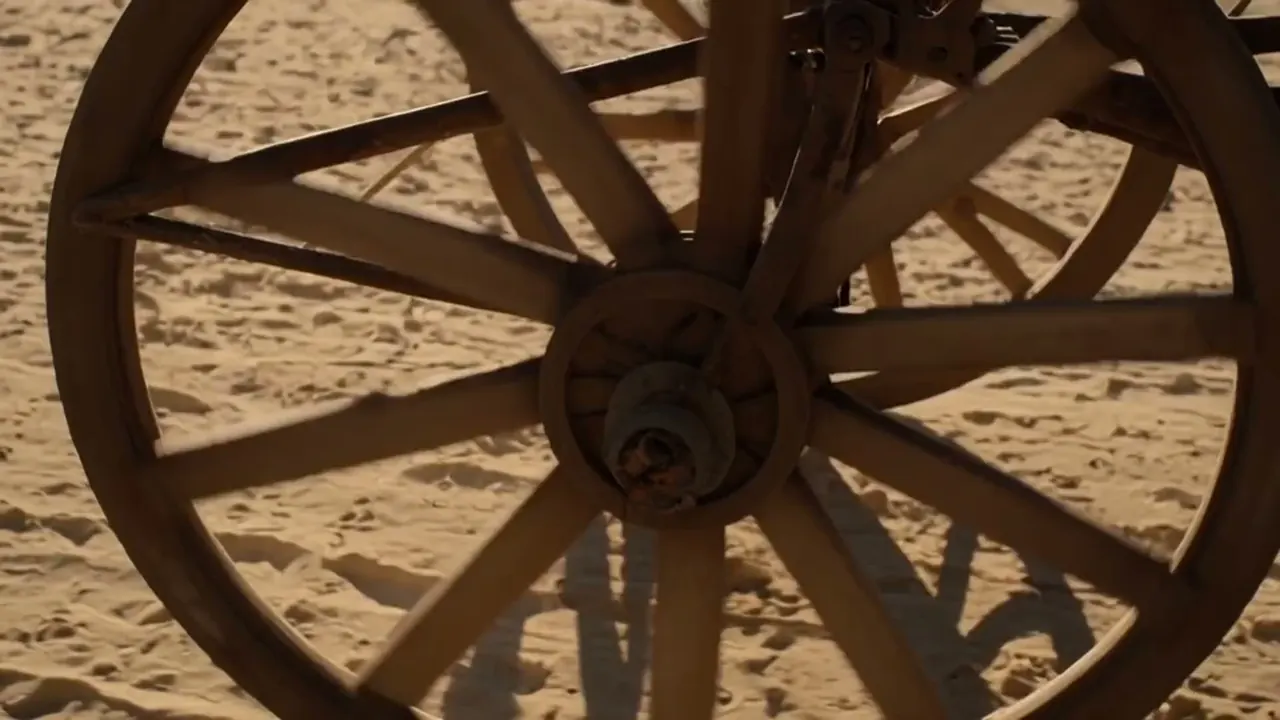
Match Motion
A movement in one shot continues into a different movement in the next.
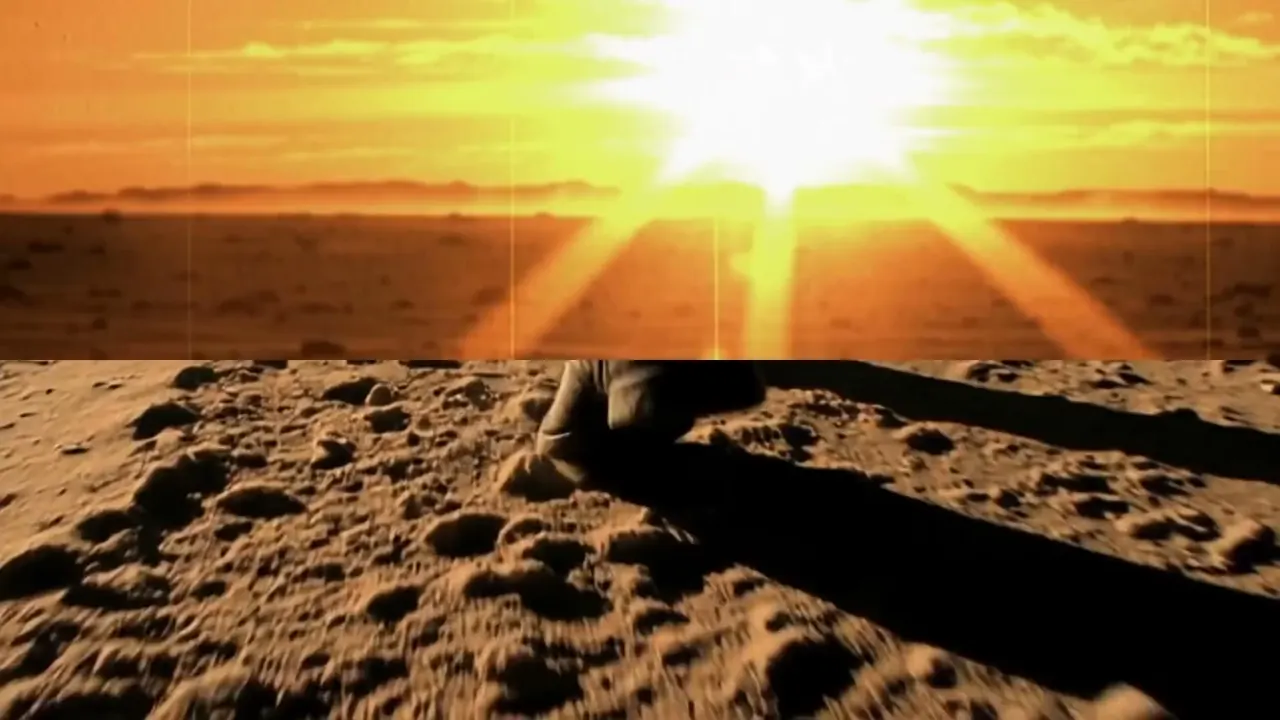
Match Split
Two halves from different shots meet on a seam and read as one frame.
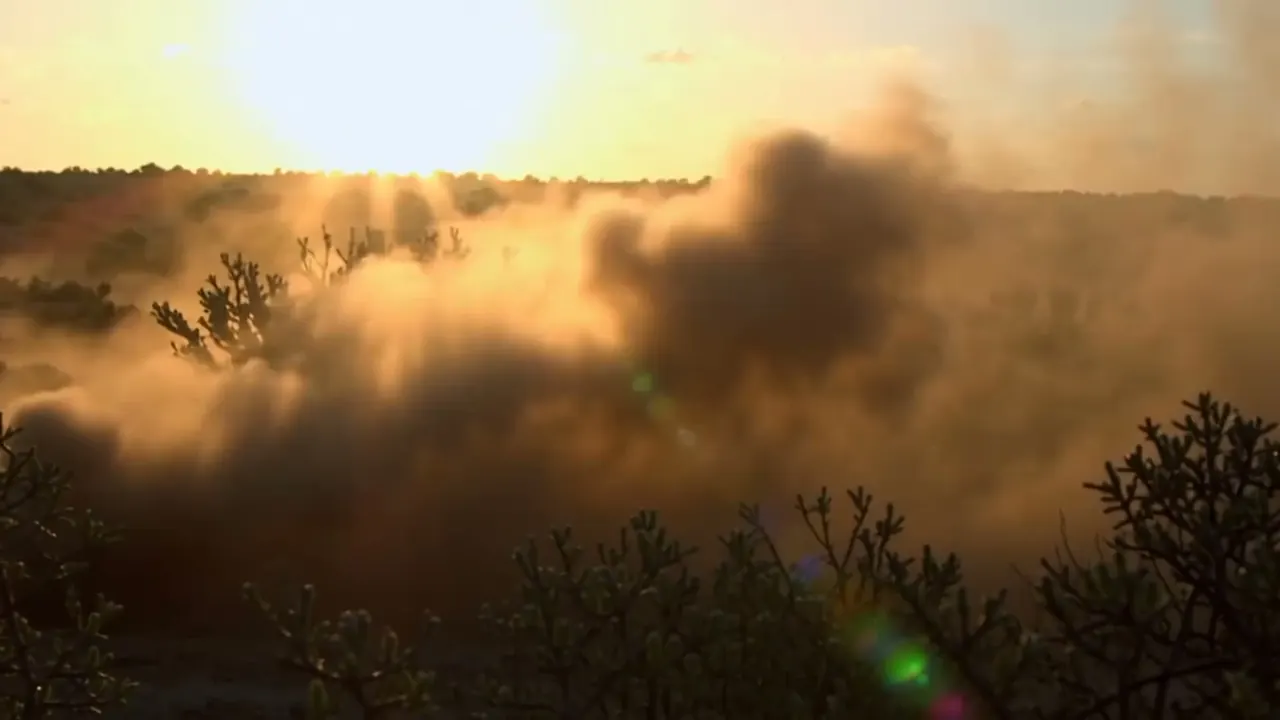
Invisible Cut
A cut is hidden inside a wipe, a whip or darkness, so the shot seems unbroken.
Transitions with a shape
6The frame itself changes: a blend, a wipe, a closing circle. These are drawn rather than cut.
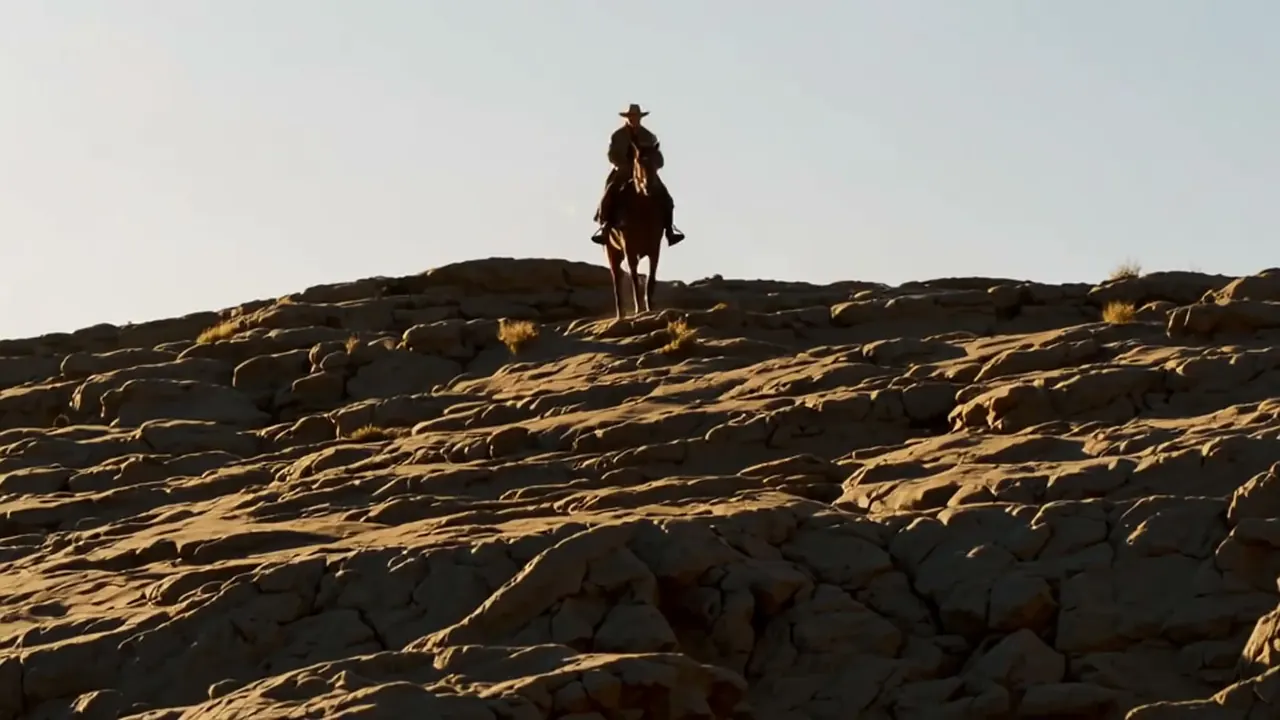
Dissolve
One image fades into the next, and both are visible in the middle.

Fade In / Fade Out
The image resolves out of or into a solid colour.
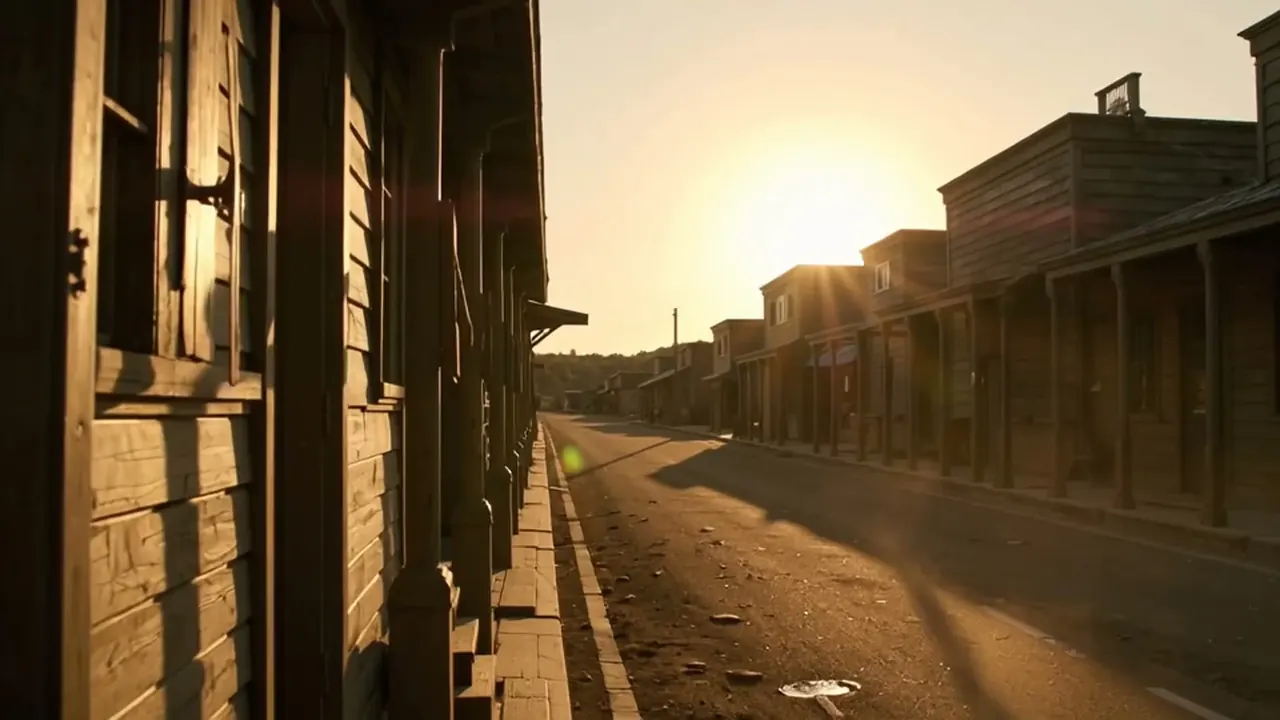
Wipe
A hard edge travels across the frame and replaces one image with the next.
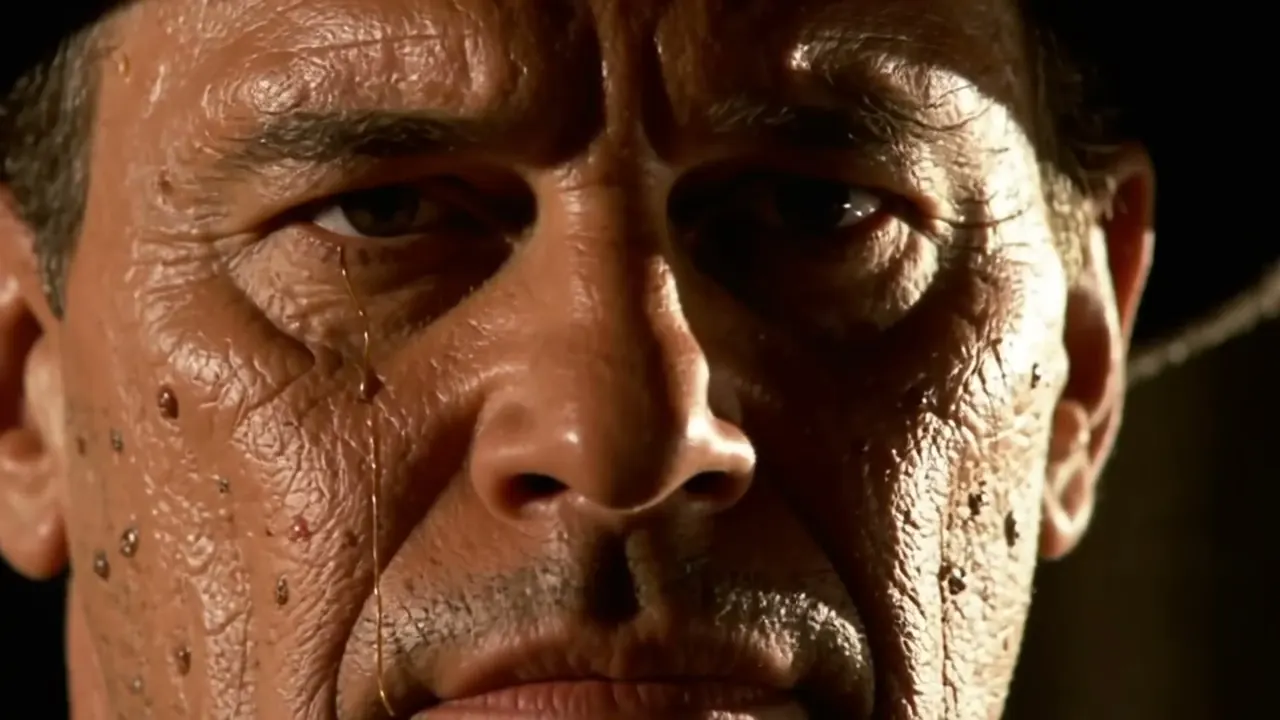
Iris
A circle closes in on or opens out from one part of the frame.
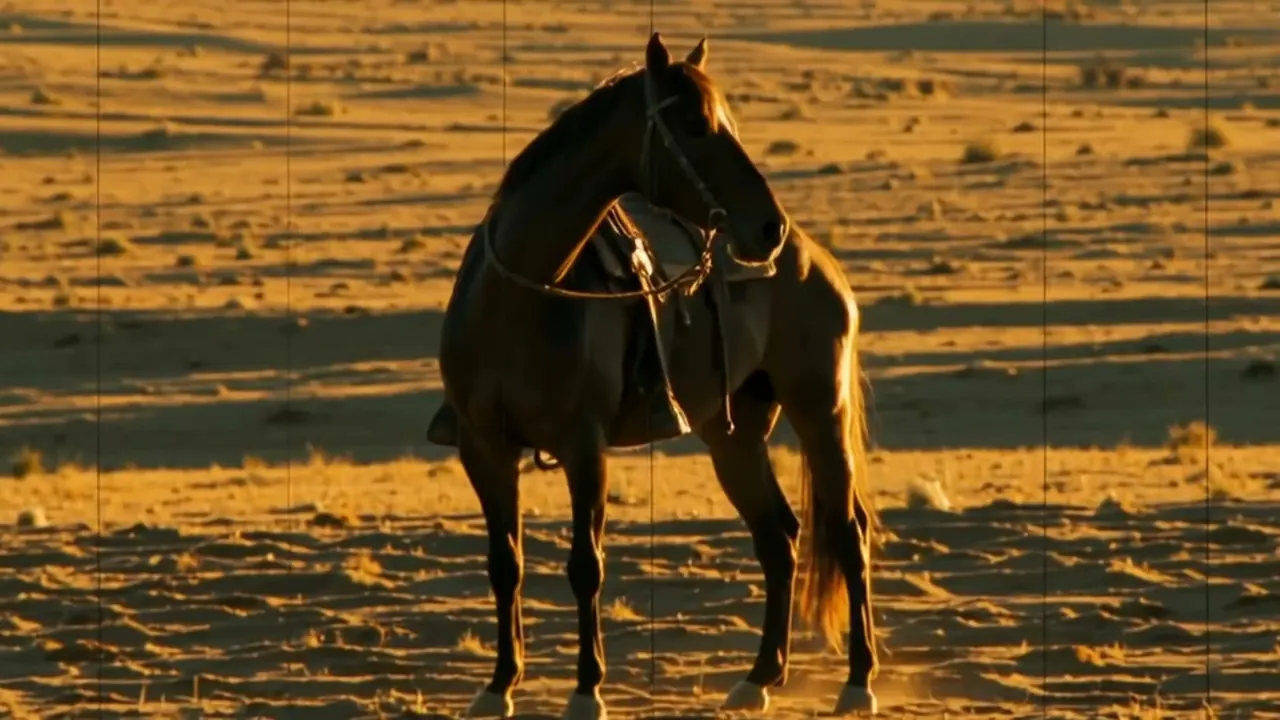
Transitions
A shaped move carries the film from one shot into the next.
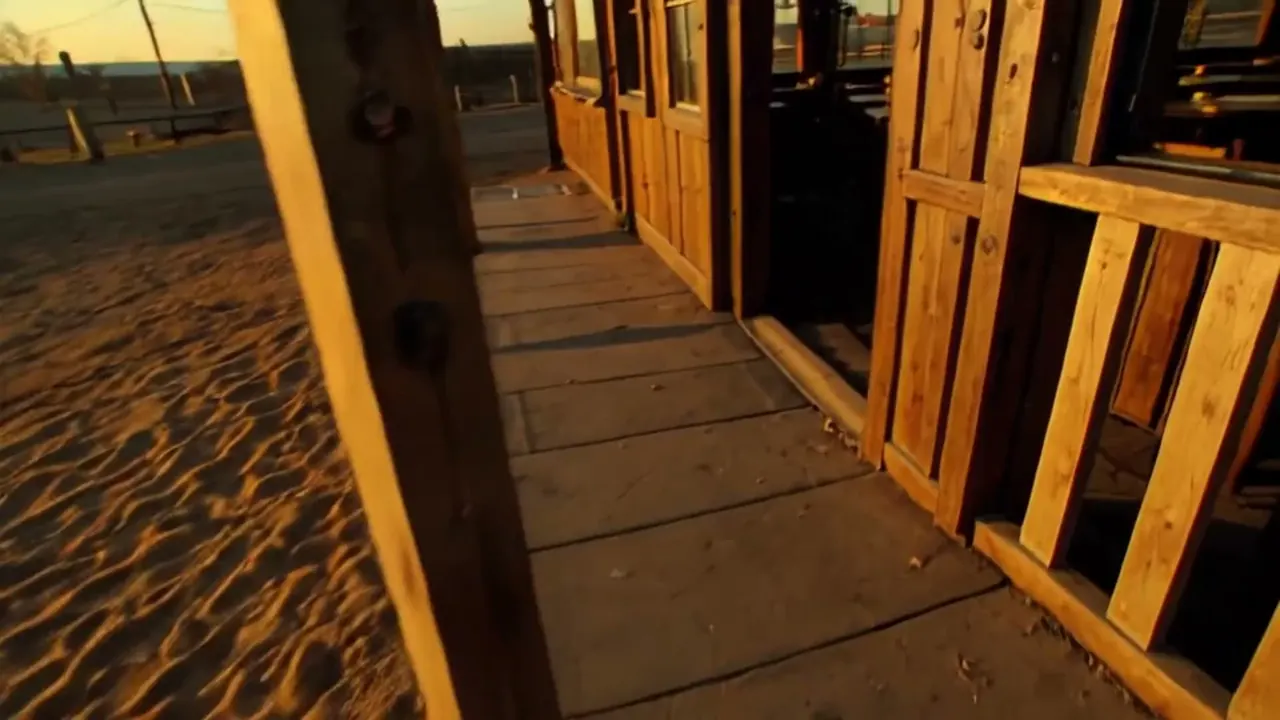
Set Transition
The camera moves and the set changes around it without a cut.
Cutting between two places
5Structures rather than single joins. The film holds two lines at once, or compresses a long stretch into a run of short shots.
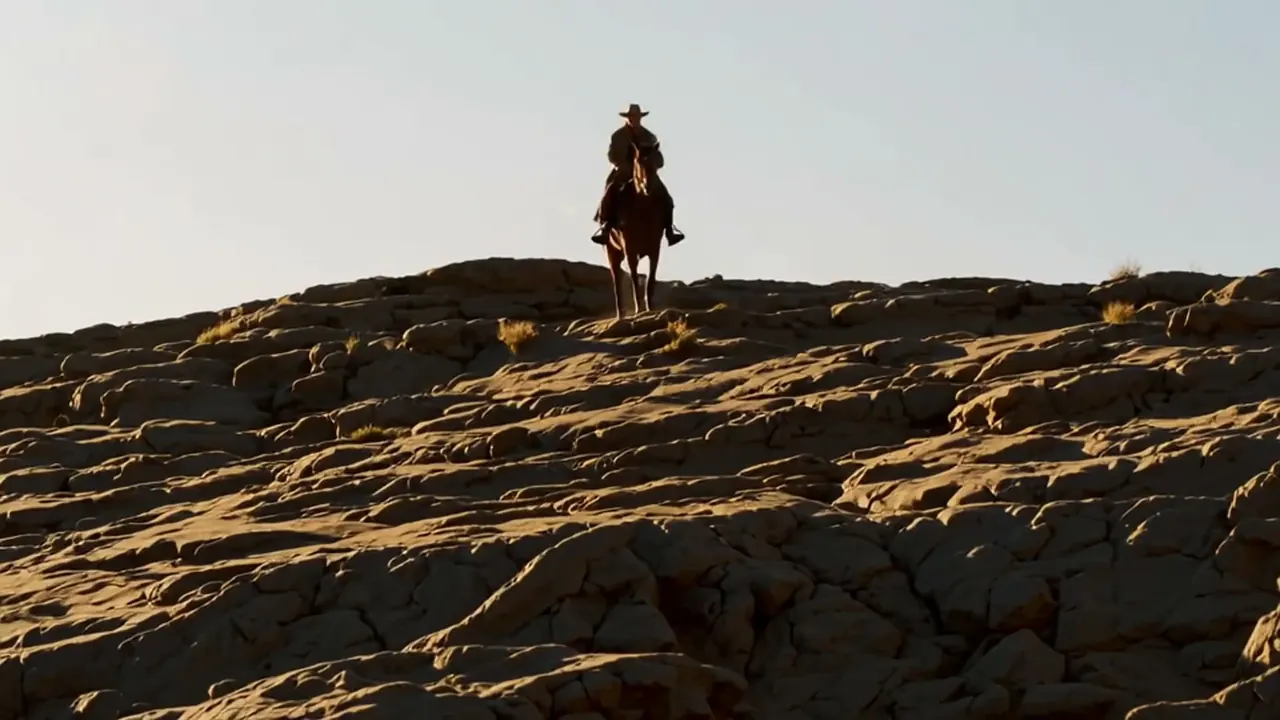
Cross-Cutting
The film alternates between two places happening at the same time.
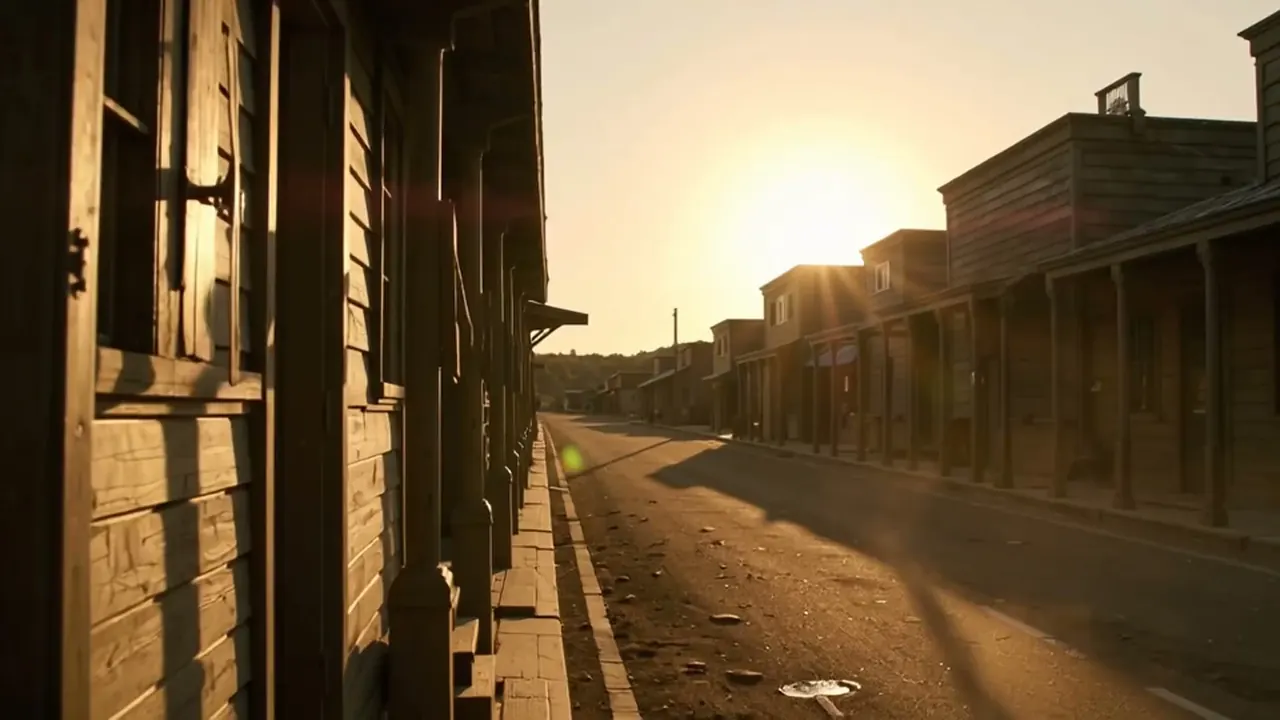
Montage
A run of short shots compresses a long stretch of time.
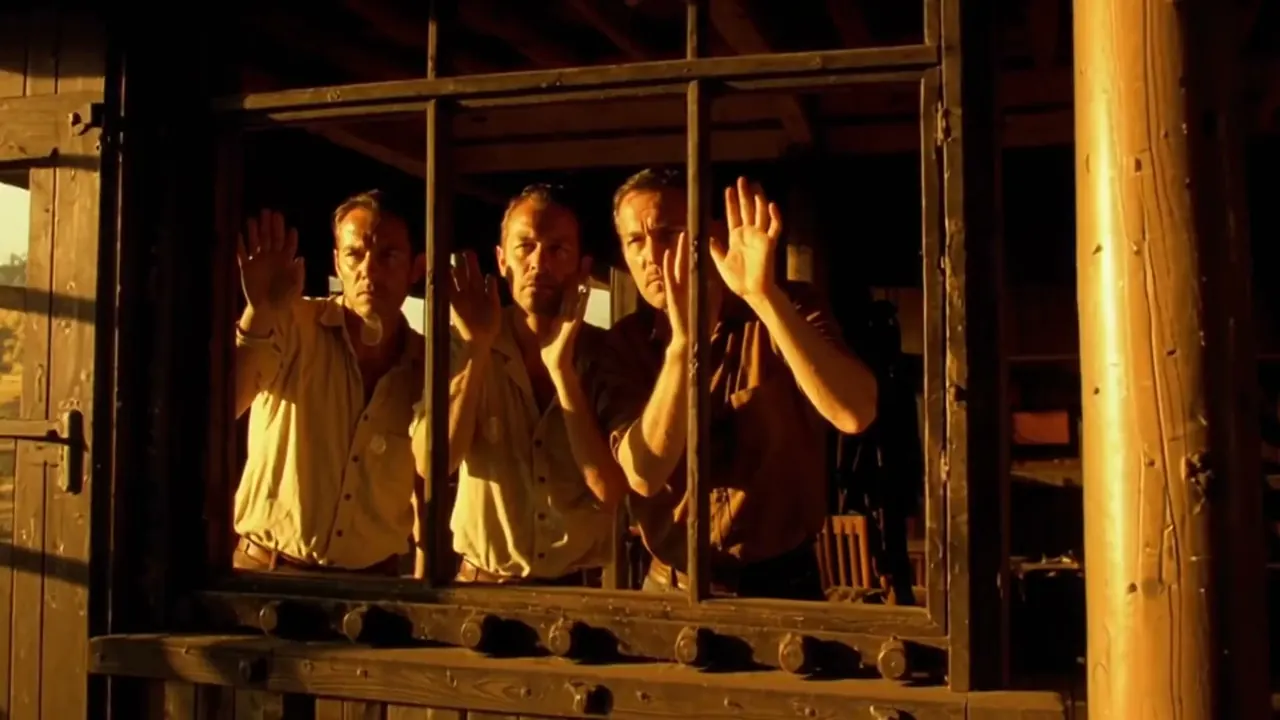
Fragments
Short broken pieces of a scene arrive out of order.
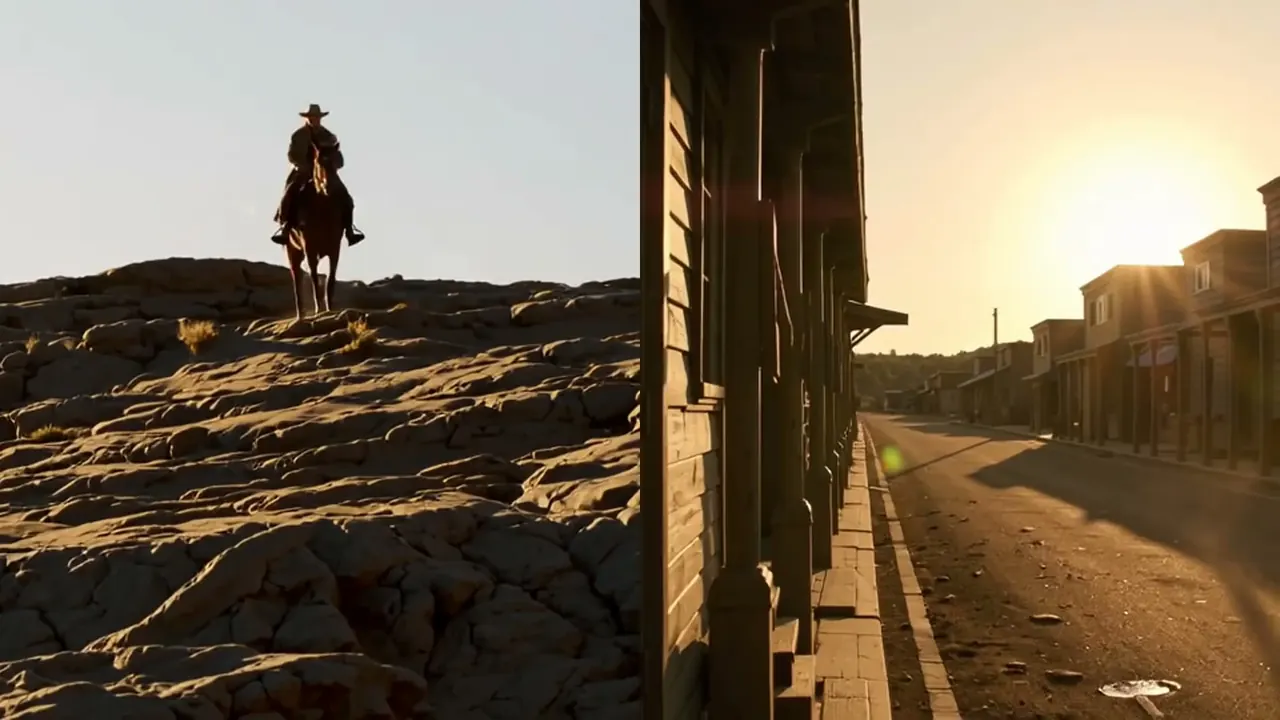
Split Screen
The frame divides, and two images play at once.
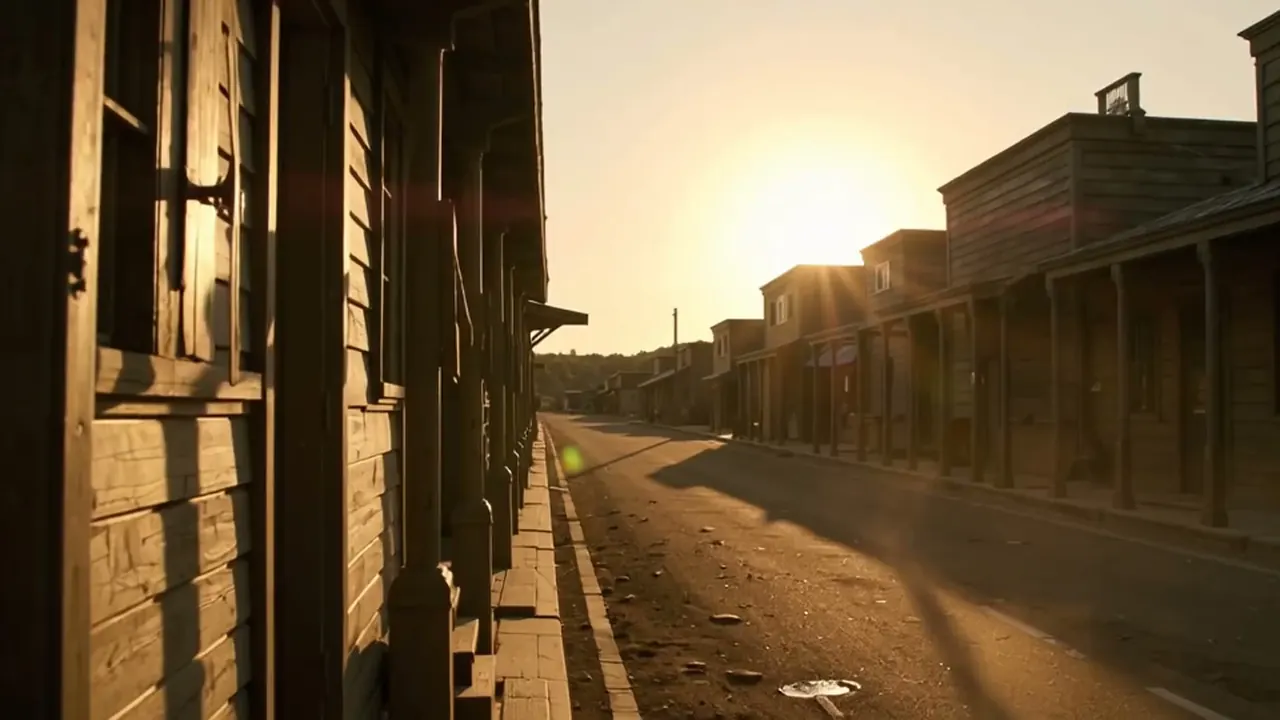
J-Cut and L-Cut
The picture changes before or after the sound does, so the two overlap.
Run one of them
Copy a prompt into a video model and pay for that one run. No subscription.
Open a video modelOther techniques
Shot typesTwenty-five ways to frame a shot, and the wording that gets each one.25 shot typesCamera anglesNineteen places to put the camera, and the wording that gets each one.19 camera anglesCamera movementEighty-six ways to move the camera, and the wording that gets each one.86 camera movesCompositionThirty-two ways to arrange a frame, and the wording that gets each one.32 composition rulesLightingForty-one lighting setups, and the wording that gets each one.41 lighting setupsLenses and opticsSeventeen lenses, and the wording that gets the look of each one.17 lensesColour and film lookNineteen colour looks, and the wording that gets each one.19 colour looksTime and motionTwenty-one ways to bend time in a shot, and the wording for each one.21 time effectsIn-camera and optical effectsFifty-seven effects a camera can make on its own, and how to ask.57 effectsAtmosphere and weatherThirteen ways to fill the air, and the wording that gets each one.13 atmosphere effectsGenre looksTwenty-seven genres, and the wording that gets the look of each one.27 genre looksViral looksForty-four looks that travel on short-form video, and how to ask.44 viral looks