Split Screen
- Rashomon structure
- Replayed encounter
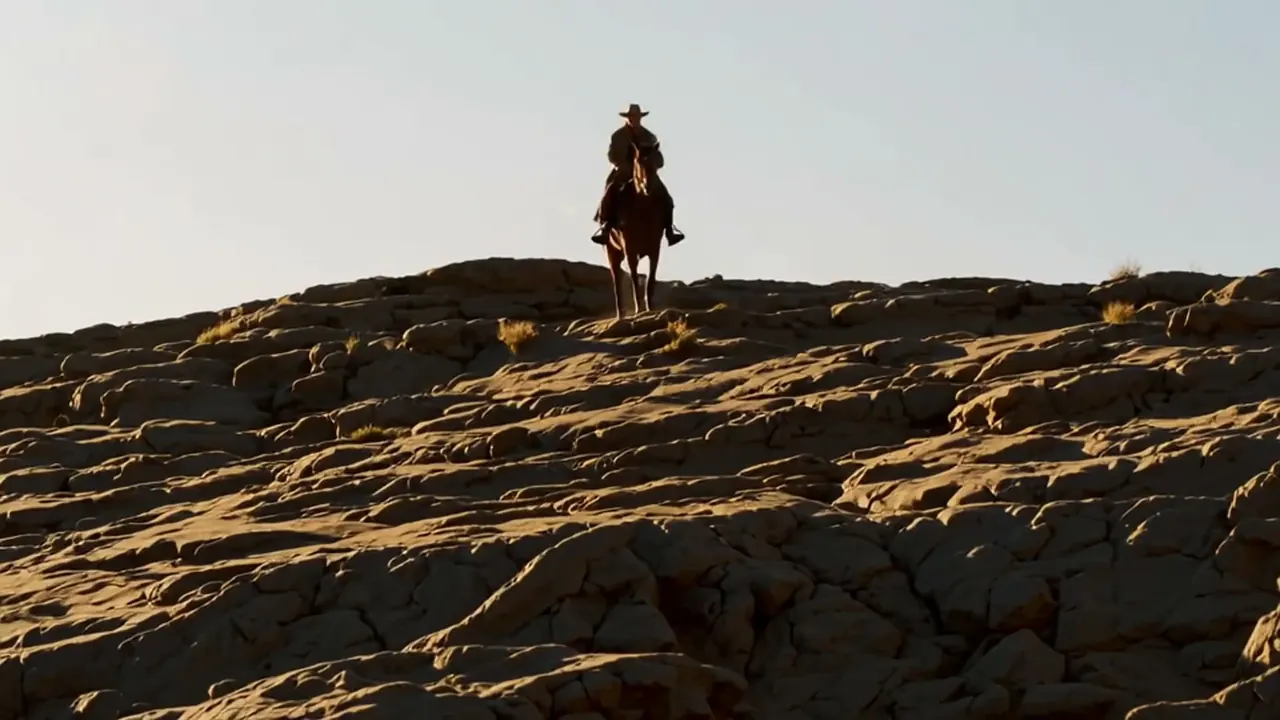
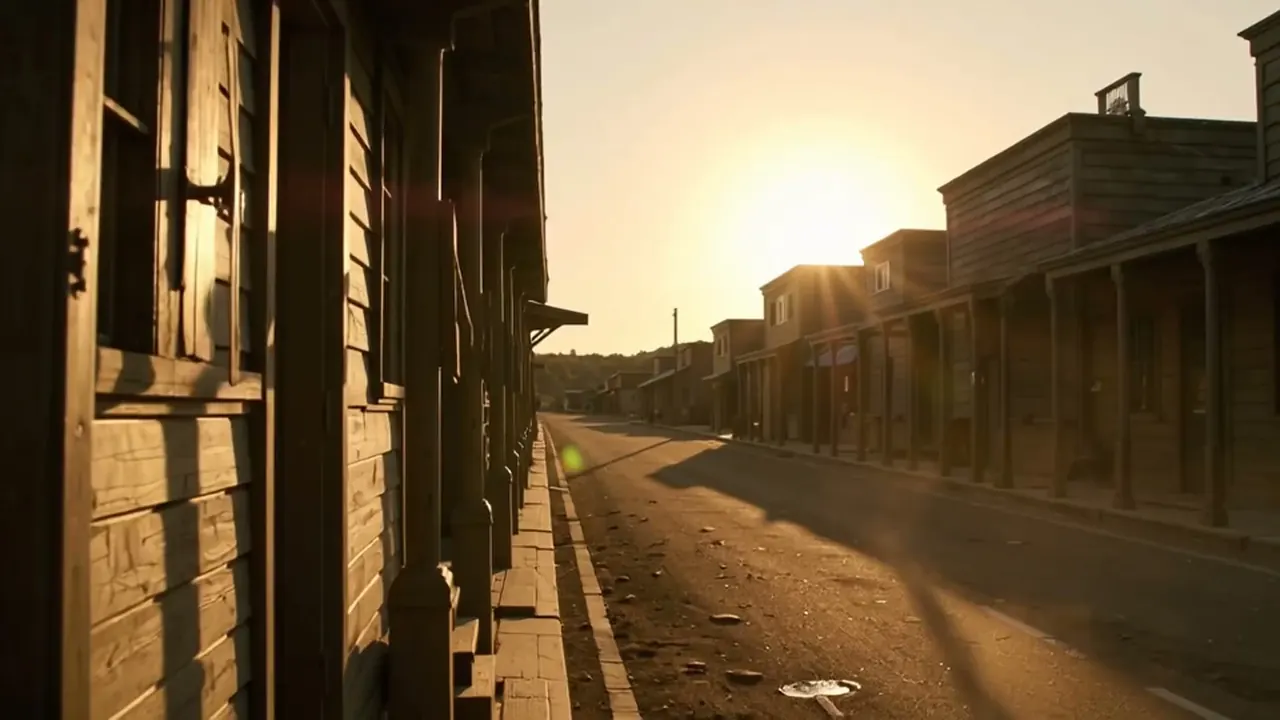
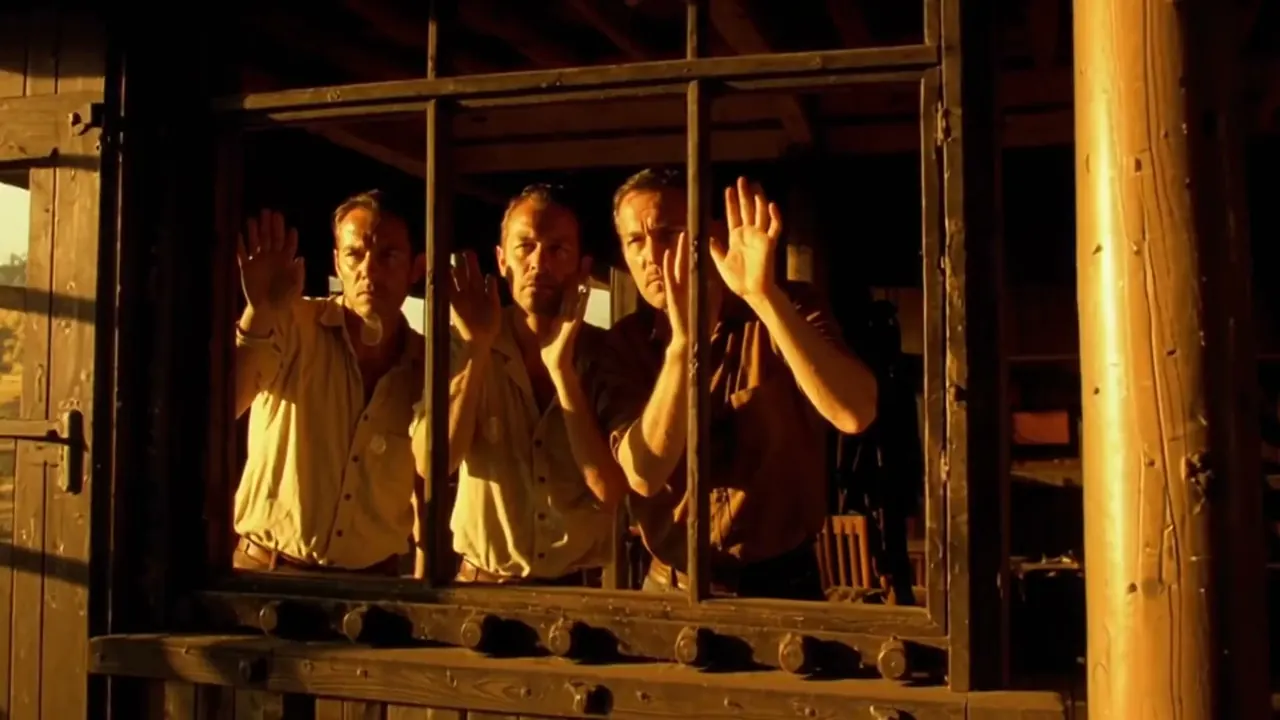
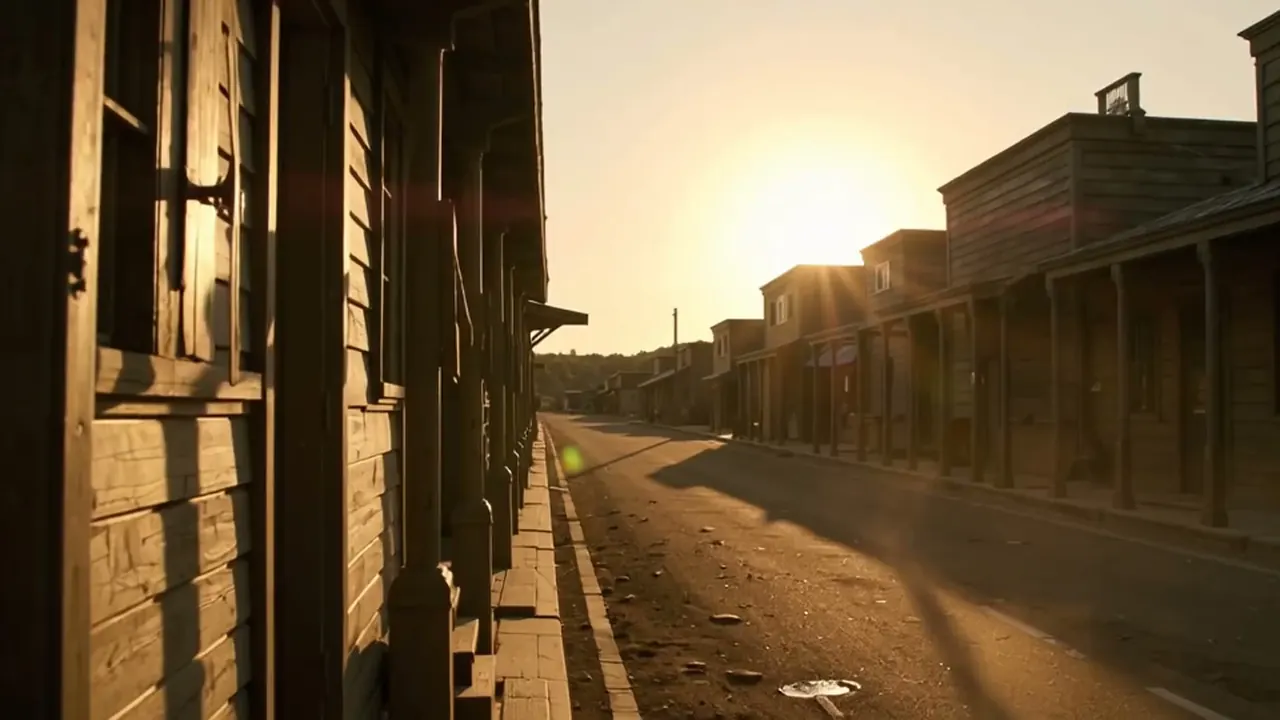
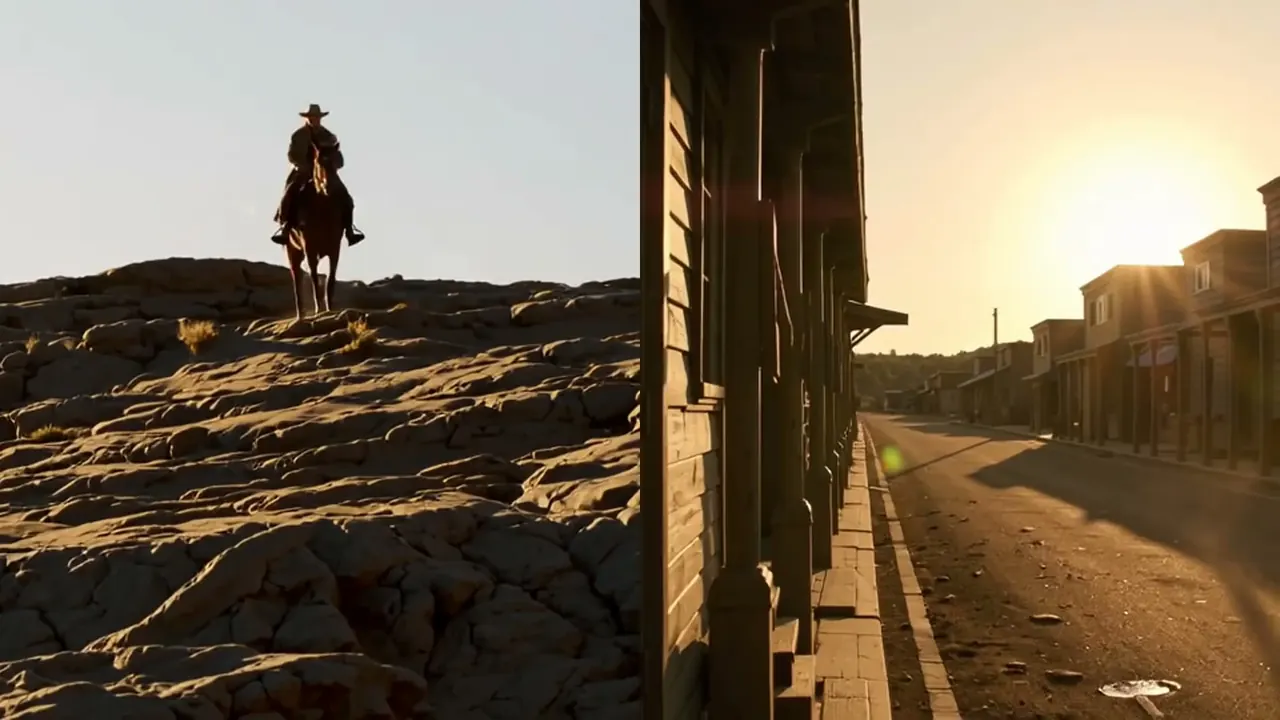
The frame divides, and two images play at once.
Opens a video model with the prompt in it. The price is on the page before you sign in.
What it is for
The frame divides and two or more images play at once. The audience watches both, and the comparison happens in the moment rather than across a cut.
It also refuses to choose. A phone call cut conventionally decides whose reaction matters on every line, and a split screen hands that decision to the person watching.
How it works
The divide is usually a hard vertical or horizontal line, and the number of panels sets the register. Two panels read as a conversation or a comparison. Six or more read as surveillance, or as a system rather than a scene.
Composition has to account for the crop. Each panel is a tall or short slice of a normal frame, so subjects sit closer to the centre of their panel than they would in a full frame.
Generate each panel separately and compose them. A model asked to split a frame usually returns one image with a line drawn through it, so the division belongs in the edit.
When to use it
Use it for simultaneous action, for phone calls, for a comparison the audience should make themselves, and for a heist or a process with several moving parts.
Avoid it when one panel matters far more than the other. A split screen promises both sides are worth watching, and it looks careless when they are not.
Told apart from its neighbours
Cross-cutting alternates between two strands and shows one at a time. A split screen shows them together, so the audience never loses either.
A match split hides its seam and asks the audience to read one frame. A split screen shows the divide on purpose. Whether the line is meant to be seen is the whole difference.
On film
Norman Jewison and the editor Hal Ashby build long multi panel sequences in The Thomas Crown Affair (1968), with the frame breaking into a grid so the heist and the polo match play as systems of moving parts rather than as scenes.
- The Thomas Crown Affair (1968)
- Jackie Brown (1997)
The prompt
Replace the blanks, keep the rest. Then run it on a video model.
split screen with <subject A> on the left and <subject B> on the right, hard dividing line, both playing at once
What goes wrong
The model returns a single image with a painted line across it. Render each panel as its own clip and lay them side by side in a compositing step.
The second failure is panels that fight each other. Keep the light level and the palette close across the panels, and let one panel hold the movement at any moment, or the frame reads as noise.
Leave out
single frame, cut
Watch for
Generate each side separately and compose. A model rarely splits a frame on request.
Questions
Shoot it
Pay for the one run. No subscription, and the price is on the model page before you sign in.