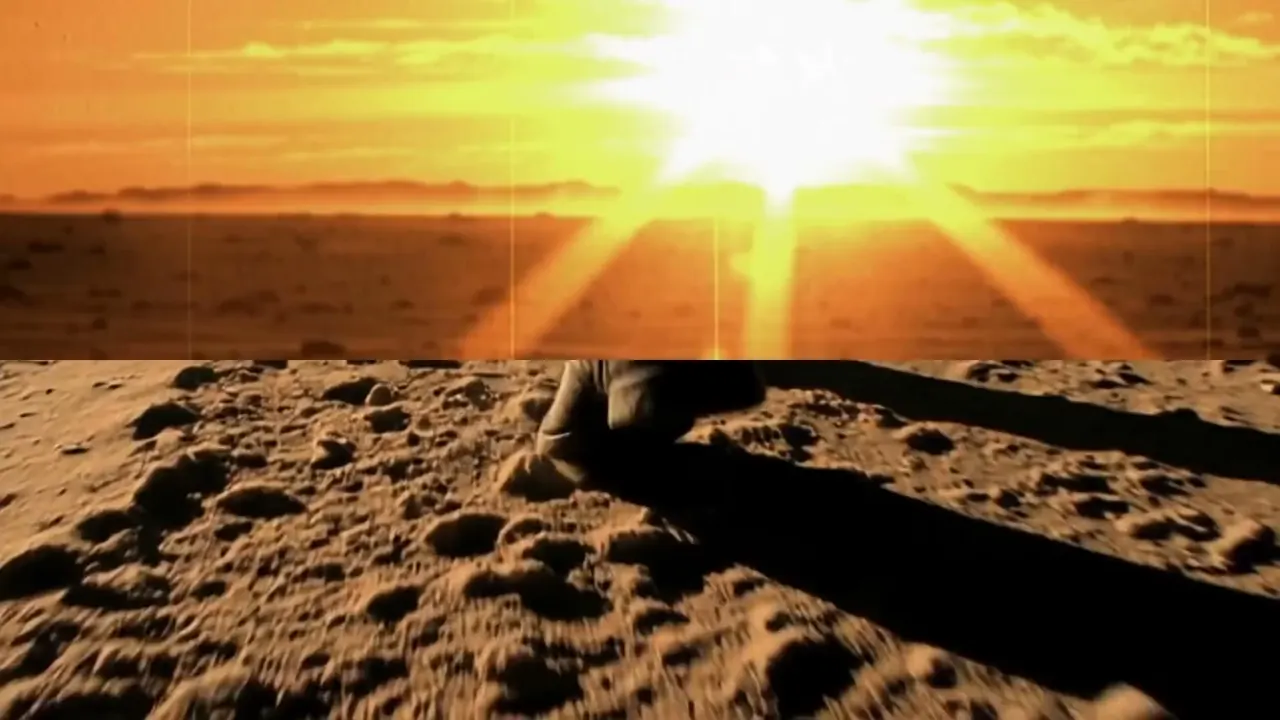
Invisible Cut
- Substitution splice
- Stop trick
A cut is hidden inside a wipe, a whip or darkness, so the shot seems unbroken.
Opens a video model with the prompt in it. The price is on the page before you sign in.
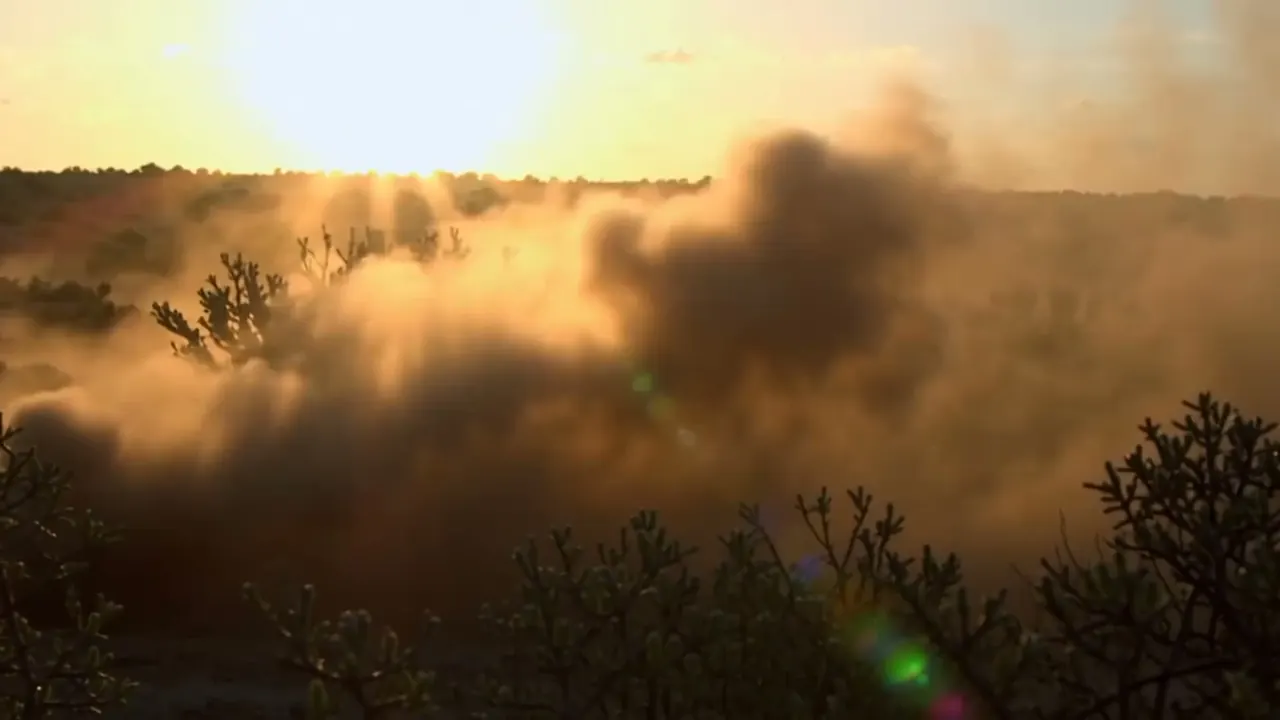
What it is for
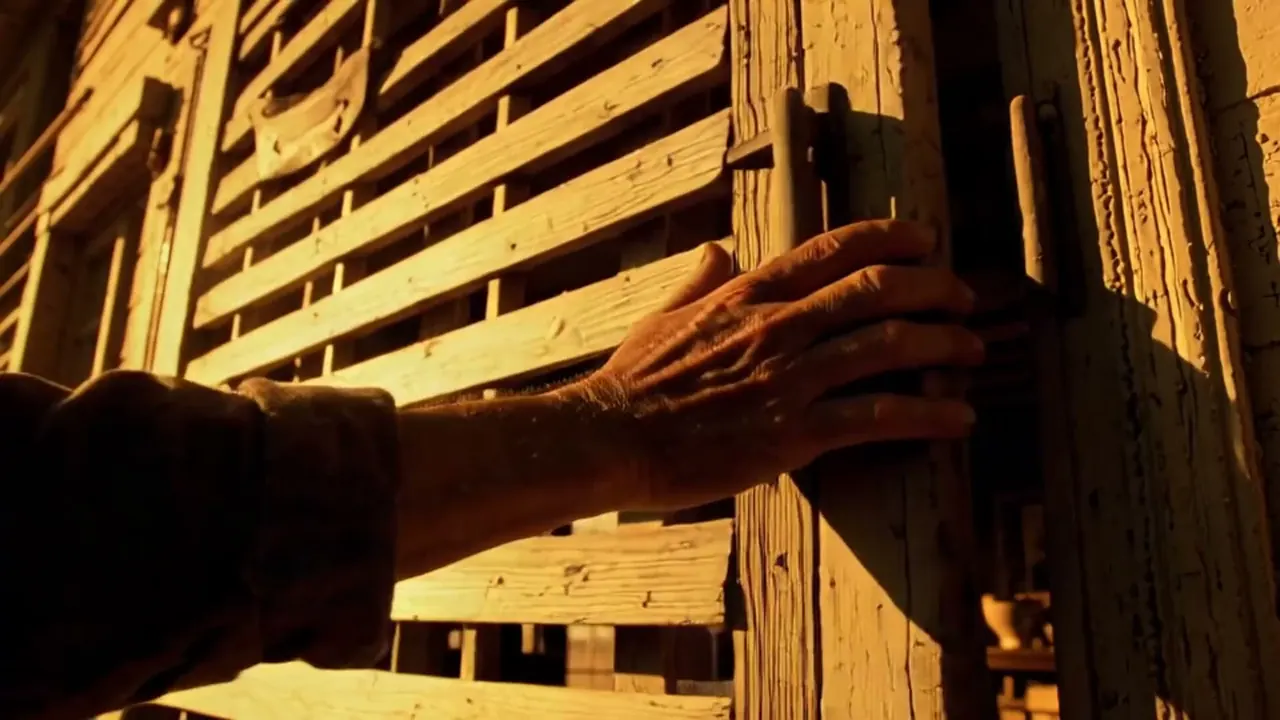
The cut is buried inside something that fills the frame, so the shot appears to run on without a break. A body passing the lens, a whip pan, a doorway, a patch of darkness.
It buys the feel of a single take without the cost of one. A sequence that seems unbroken holds the audience in real time, and the hidden joins are where the film changes location, actor or day.
How it works
Find the cover first. Both shots need a moment where one object fills the whole frame, and the cut lands in the middle of that moment.
Speed and direction have to carry across. If the camera is panning right at twenty degrees a second when the frame blacks out, it is panning right at twenty degrees a second when it clears.
Two runs and a join. Prompt the first shot ending with the camera passing behind a foreground object, and the second beginning as the camera emerges from behind one, then overlap the two where the frame is full and cut there.
When to use it
Use it to build a sequence that reads as one take, to change location mid movement, and to hide a join that a standard cut would make obvious.
Skip it when the film wants the audience to feel the edit. The device removes rhythm by design, so a scene built on cutting loses its shape.
Told apart from its neighbours
A oner is genuinely one unbroken take with nothing hidden in it. An invisible cut is several takes joined where the audience cannot see the join. The result looks the same and the method does not.
A wipe uses a travelling edge that the audience is meant to see. An invisible cut uses the same idea and works to keep it unnoticed.
On film
Georges Melies found the device by accident and used it deliberately in The Vanishing Lady (1896), stopping the camera, removing the performer and starting again, so the substitution happens in one apparently continuous shot. Sam Mendes builds all of 1917 (2019) out of long takes joined inside darkness and passing objects, so the film plays as two unbroken shots.
- The Vanishing Lady (1896)
- A Trip to the Moon (1902)
- 1917 (2019)
The prompt
Replace the blanks, keep the rest. Then run it on a video model.
camera passes behind <foreground object> and emerges in <new scene>, cut hidden by the pass, movement continuous
What goes wrong
The model returns a plain camera move with no full frame moment, and there is nowhere to put the cut. Ask explicitly for the camera to pass behind a close foreground object that fills the frame.
The second failure is a change of speed across the join. State the camera movement, its direction and its rate in both prompts, and keep the words the same.
Leave out
visible cut, dissolve
Watch for
Hide the join behind something that fills the frame. That is where the cut goes.
Questions
Shoot it
Pay for the one run. No subscription, and the price is on the model page before you sign in.
Next to it in cuts that hide the join