Fragments
- Constructed action
- Montage implication
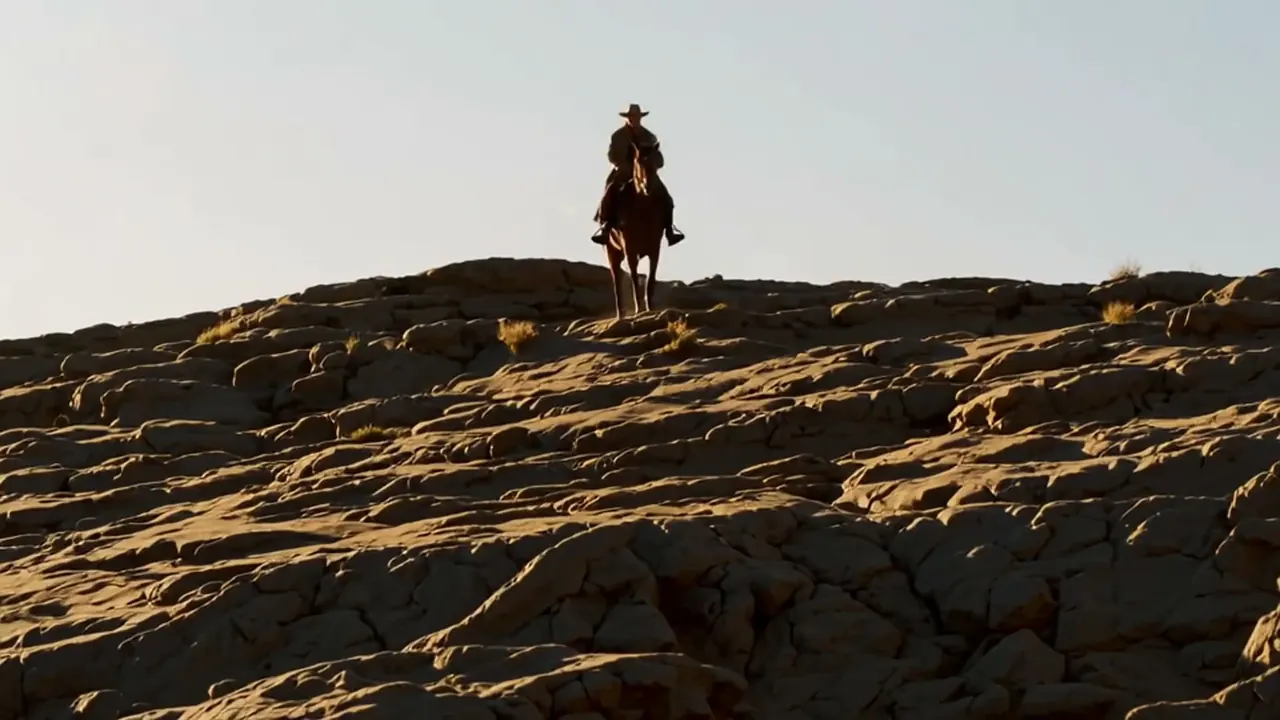
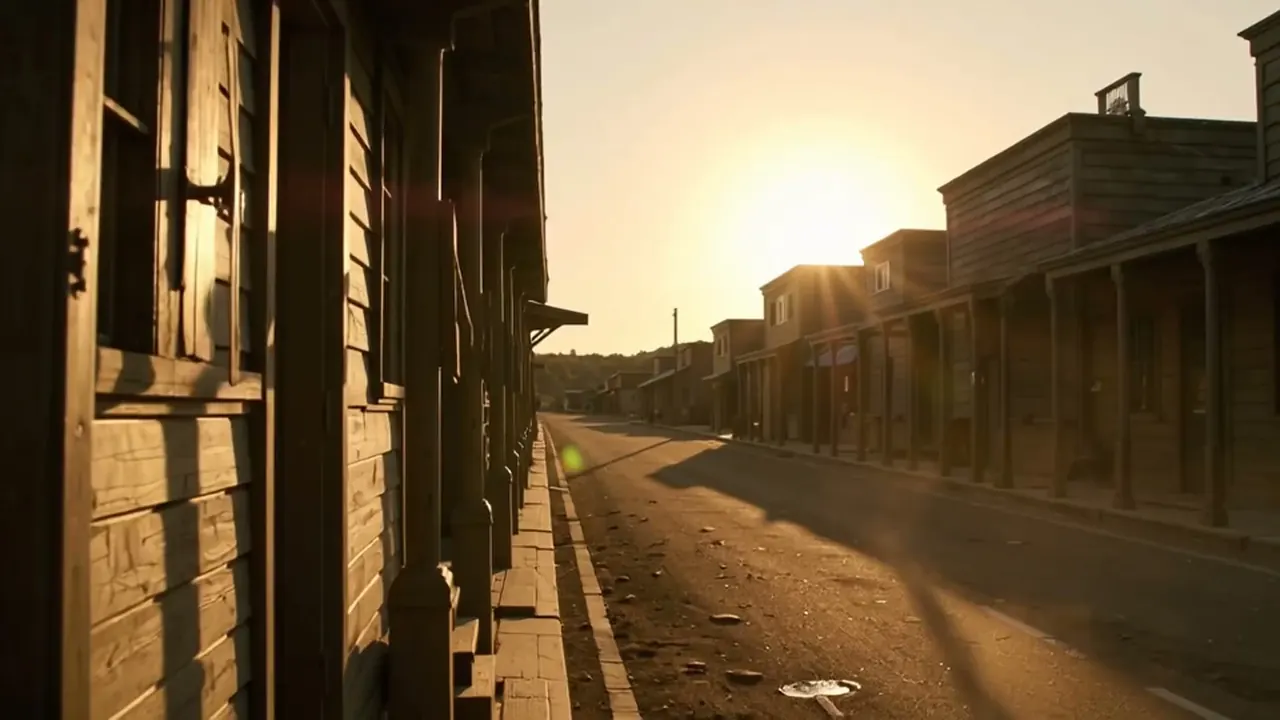
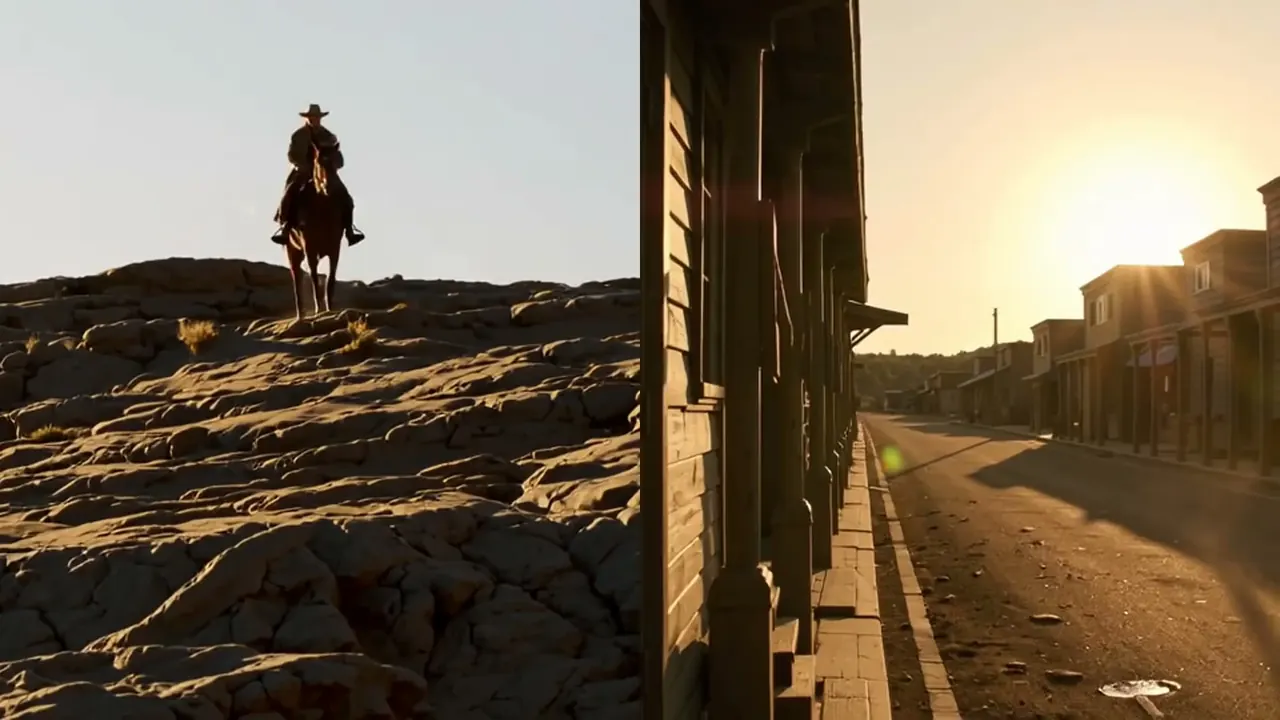
Short broken pieces of a scene arrive out of order.
Opens a video model with the prompt in it. The price is on the page before you sign in.
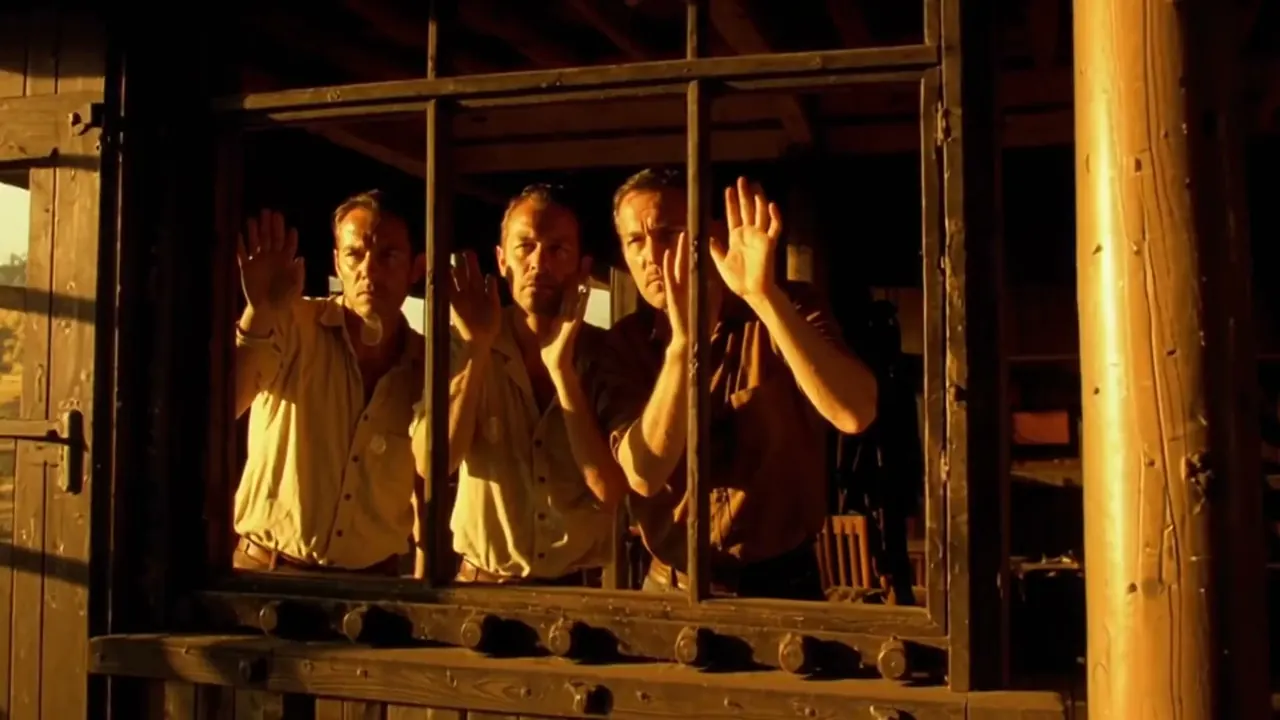
What it is for
The scene arrives in pieces, none of them complete, and often out of order. The audience assembles an event they never saw whole.
Withholding is the point. A fragmented scene can be more violent, more confusing or more traumatic than a clear one, because the missing parts are supplied by the person watching.
How it works
Each fragment shows part of the action. A hand, a shape, a piece of the room, a movement without its beginning or end. No shot contains enough to explain what is happening.
Order and repetition are tools. Running fragments out of sequence makes the event feel remembered rather than witnessed, and repeating one piece makes it the thing that will not go away.
Render each fragment as its own short run and assemble. Keep the light, the palette and the space consistent, because the audience is reconstructing one place from pieces and any inconsistency reads as a different scene.
When to use it
Use it for violence, for trauma, for a memory that will not resolve, and for anything the film should imply rather than show.
Avoid it when the audience has to follow what happened. Fragmentation destroys geography by design, so a scene carrying plot information needs a master shot somewhere.
Told apart from its neighbours
Quick cutting is about the rate. Fragments are about what each shot withholds, and a fragmented scene can be cut slowly and still work.
A montage compresses time and moves forward through a process. Fragments circle one event and refuse to complete it.
On film
Alfred Hitchcock assembles the shower scene in Psycho (1960) from dozens of short pieces, and no single shot shows the whole action. Sergei Eisenstein breaks the Odessa Steps sequence in Battleship Potemkin (1925) into fragments of boots, faces and a pram, so the massacre is built entirely out of parts.
- Psycho (1960)
- Battleship Potemkin (1925)
The prompt
Replace the blanks, keep the rest. Then run it on a video model.
short broken fragments of <scene>, partial glimpses, no piece complete, disordered arrival
What goes wrong
The model returns a complete, readable shot of the action, because that is what a normal prompt asks for. Say the frame holds only part of the subject and name the part.
The second failure is fragments from what looks like different scenes. Keep the light, the wardrobe and the surfaces described identically across every run, or the pieces will not assemble.
Leave out
continuous action, master shot
Watch for
Render several short pieces and assemble. Each one should withhold something.
Questions
Shoot it
Pay for the one run. No subscription, and the price is on the model page before you sign in.