Match Motion
- Motion bridge
- Seamless spatial jump
A movement in one shot continues into a different movement in the next.
Opens a video model with the prompt in it. The price is on the page before you sign in.
What it is for
A movement in one shot hands over to a different movement in the next, and the momentum carries the audience across. What moves changes. The moving does not stop.
It is how a film crosses a gap without losing pace. A sequence that would sag at a cut keeps its energy because the eye is still tracking something.
How it works
Direction and speed have to agree. A subject travelling left to right hands over to something else travelling left to right at a similar rate. A reversal at the join throws the audience out.
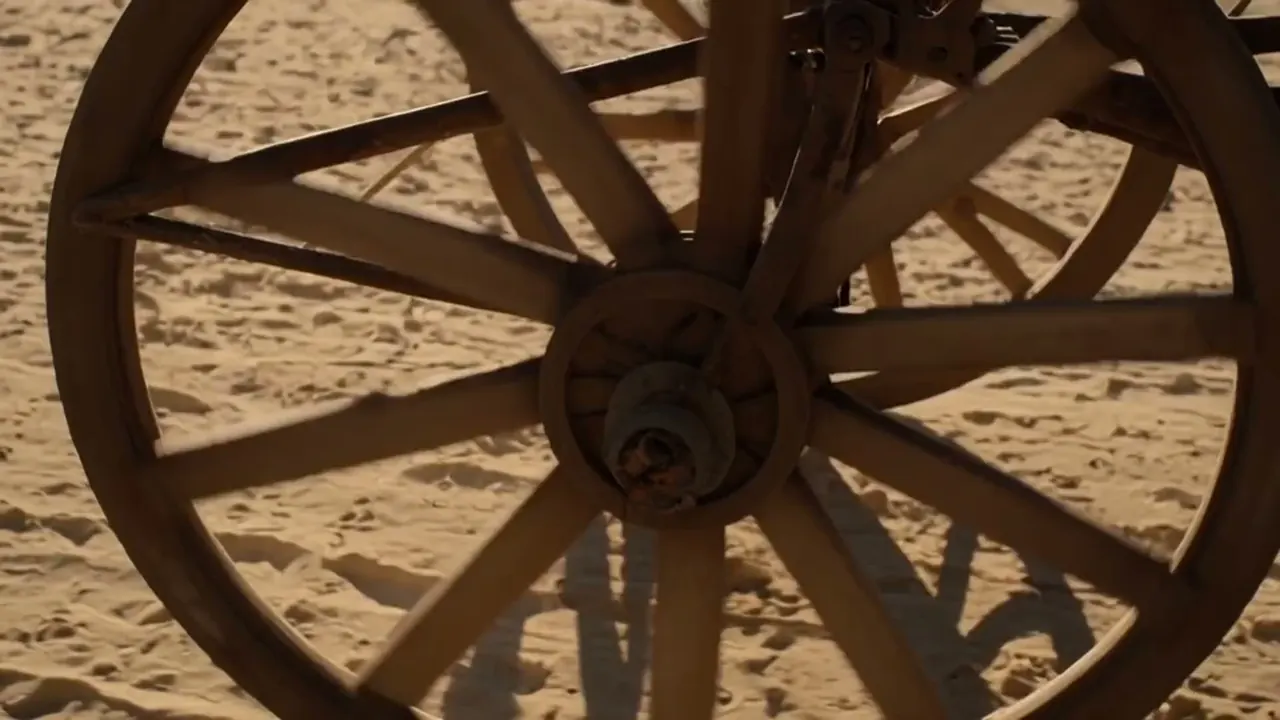
The two movements can be completely different in kind. A falling body handing over to a diving bird, a turning wheel handing over to a turning record. The match lives in the vector rather than in the subject.
Two runs and a join. Write the direction across frame and the speed into both prompts, in the same words, and cut on the frame where the two are moving most alike.
When to use it
Use it to move between scenes with momentum, and inside a montage where each shot should push into the next. It suits any sequence that should feel driven.
Avoid it when the film should settle. A motion match keeps the audience moving, so a scene that needs to land is better ended on stillness.
Told apart from its neighbours
A match on action keeps the same action, the same subject and the same moment across two angles. A match motion swaps the subject and keeps only the movement.
A graphic match holds a shape still across the cut. Match motion holds a vector. One matches what the frame looks like, the other matches where it is going.
On film
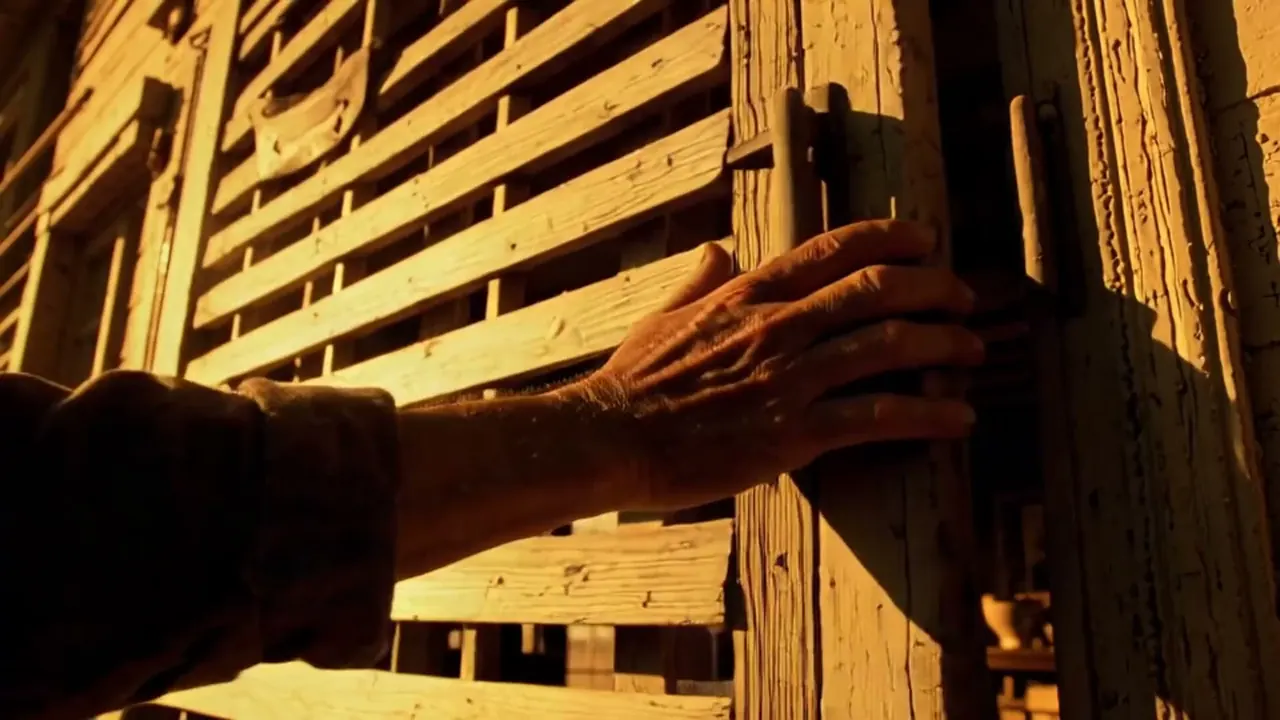
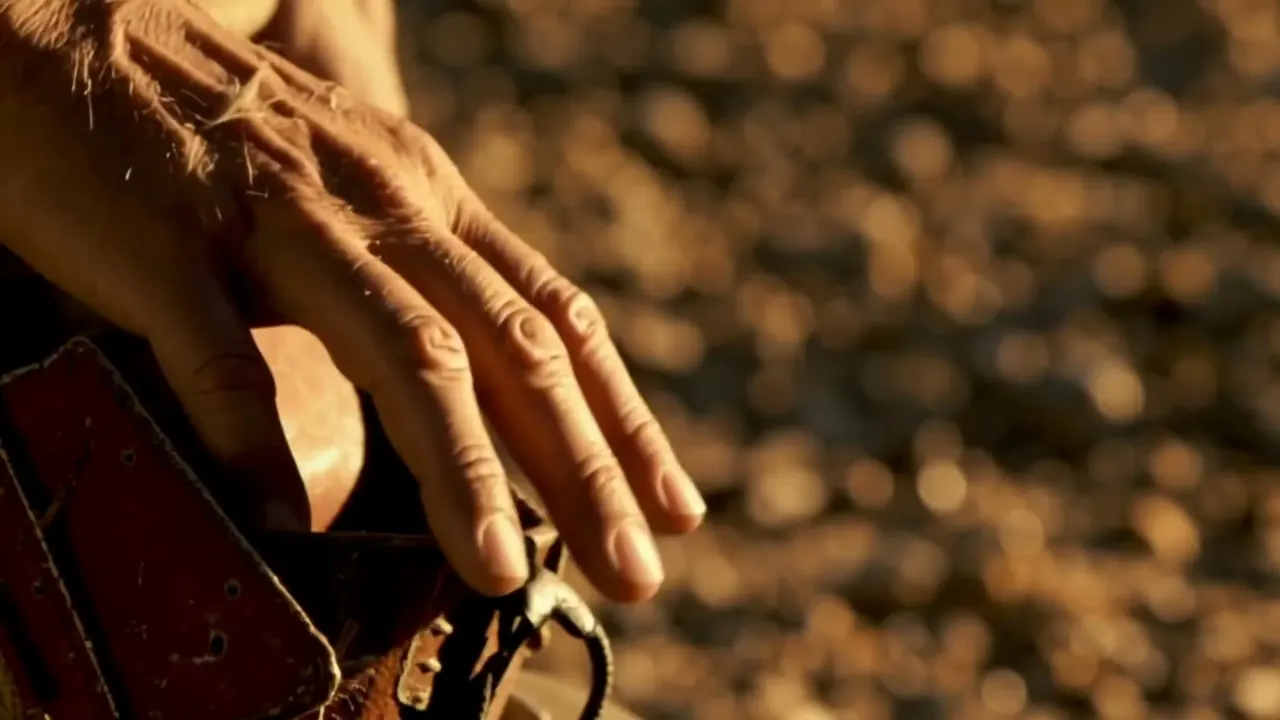
Mike Nichols cuts in The Graduate (1967) from Benjamin launching himself onto an air mattress in a swimming pool to the same movement landing him on a bed. The body keeps travelling and the place changes underneath it.
- The Graduate (1967)
- Paprika (2006)
The prompt
Replace the blanks, keep the rest. Then run it on a video model.
<motion> in <shot A> continuing as <matching motion> in <shot B>, same direction and speed across the join
What goes wrong
The two clips move in opposite directions, and the join reads as a bounce. Name the direction across frame in both prompts, such as travelling left to right, and repeat the words exactly.
The second failure is mismatched speed. A fast movement handing over to a slow one drops the momentum the cut was built to carry, so state the pace in both runs.
Leave out
opposing motion, static
Watch for
Match direction and speed. A reversal at the join breaks it.
Questions
Shoot it
Pay for the one run. No subscription, and the price is on the model page before you sign in.
Next to it in cuts that hide the join