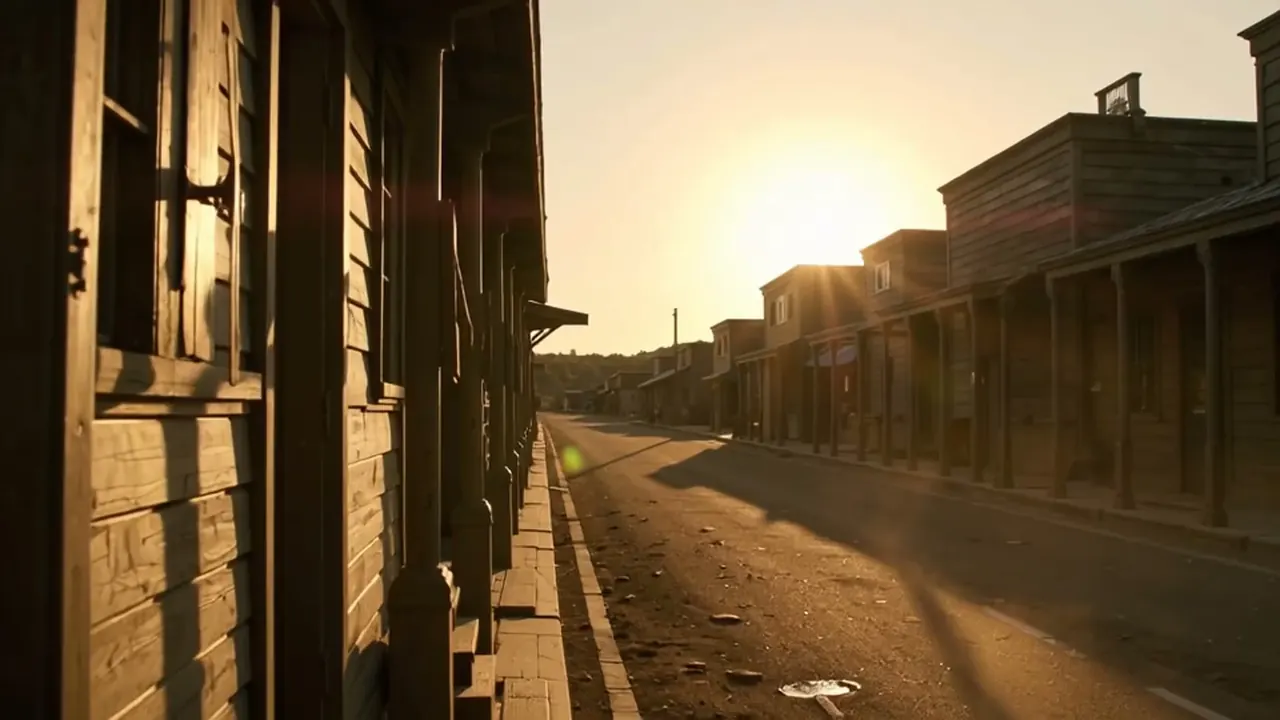
Quick Cuts
- Accelerating cut pattern
- Metric tension
Shots arrive fast, one after another, with no room to settle.
Opens a video model with the prompt in it. The price is on the page before you sign in.
What it is for
Shots arrive faster than the eye can finish reading them, so the sequence builds pressure out of the rate alone. The pace is the content.
It also compresses. A fight, a chase or a run of work that would take a minute in real time passes in fifteen seconds and feels longer than it was.
How it works
Hold each shot for under a second, and often for a third of that. Accelerating the rate across a sequence is the standard shape, because a constant fast rate flattens out and stops registering.
Give each shot one readable thing. A face, a hand, a door, a single movement. Anything more complicated is lost at this length, so the prompts should be simpler than usual rather than richer.
Every shot is its own run. Keep the light, the palette and the direction of movement consistent across the batch, or the sequence reads as a fault rather than as speed.
When to use it
Use it on action, on a decision coming apart, and on montage where a process has to pass quickly. It suits a scene with a clear direction of travel.
Avoid it on dialogue and on anything the audience has to follow geographically. Fast cutting destroys a sense of space, so a fight nobody can map is the usual casualty.
Told apart from its neighbours
A jump cut stays inside one setup. Quick cuts move between many different setups, and the speed rather than the seam is the effect.
A montage compresses time across a long stretch and usually lets its shots breathe. Quick cutting can serve a montage, and it can also run inside a single continuous moment.
On film
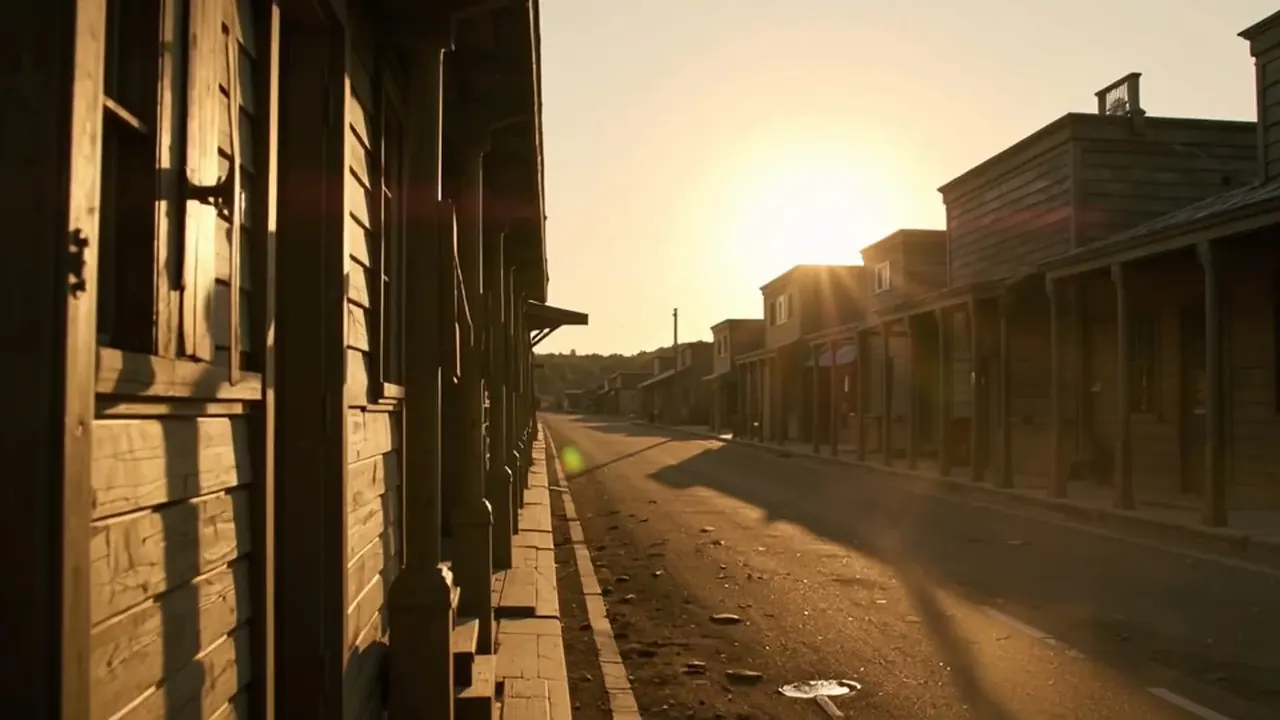
Sergio Leone tightens the cutting through the graveyard standoff at the end of The Good, the Bad and the Ugly (1966), with the shots getting shorter as the wait gets longer. Damien Chazelle and the editor Tom Cross cut the drumming in Whiplash (2014) at a rate that matches the playing, and the film won the Academy Award for editing.
- The Good, the Bad and the Ugly (1966)
- Whiplash (2014)
The prompt
Replace the blanks, keep the rest. Then run it on a video model.
rapid succession of short shots of <subject>, each held briefly, relentless pace, no shot settling
What goes wrong
The model returns one shot with fast camera movement, which reads nothing like fast cutting. Generate each shot separately and set the pace on a timeline.
The second failure is shots that are too busy. At a third of a second a crowded frame is a blur, so strip each prompt down to one subject doing one thing.
Leave out
long take, slow pace
Watch for
Give each shot one readable thing. Anything complex is lost at this speed.
Questions
Shoot it
Pay for the one run. No subscription, and the price is on the model page before you sign in.
Next to it in the hard cuts