
Shot types25
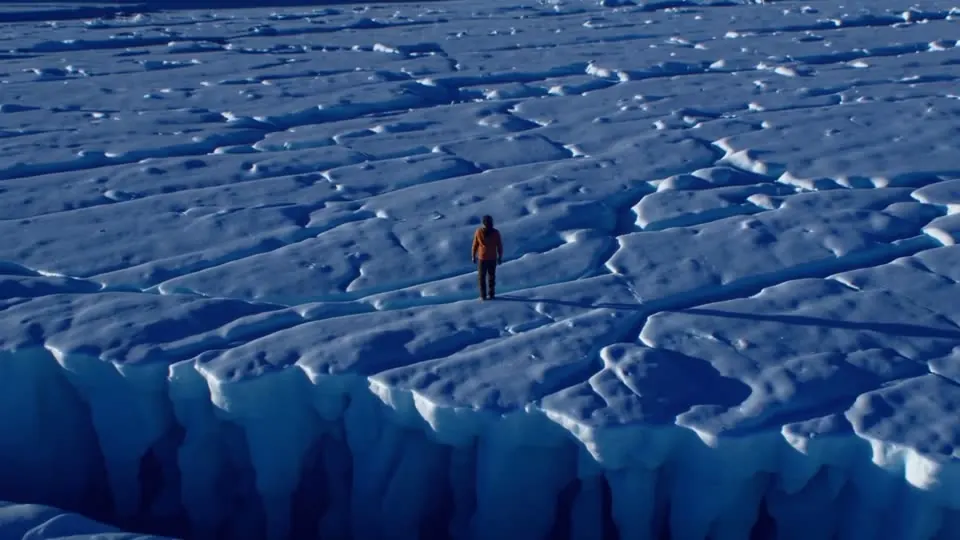
Extreme Long ShotELS
The subject is a speck and the landscape runs the frame.
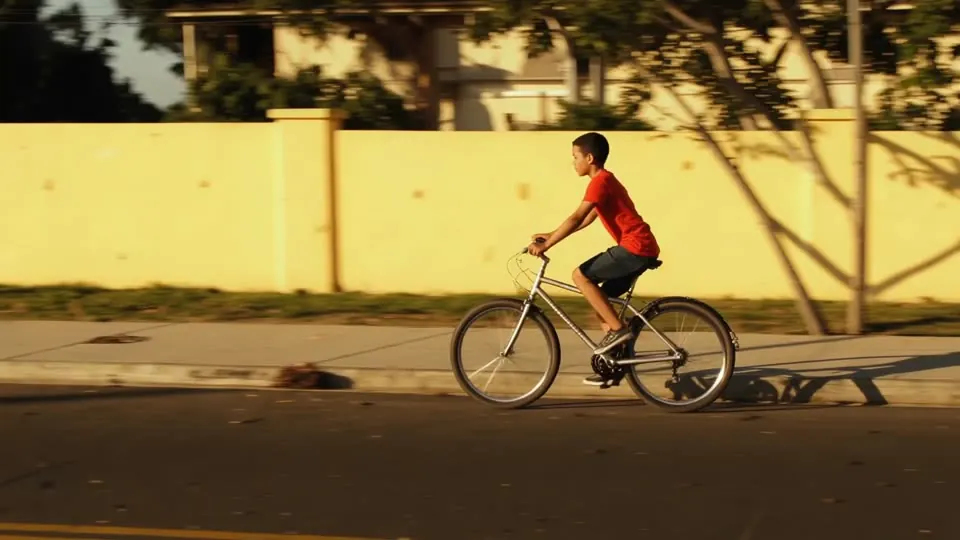
Long ShotWS
The full figure reads, and the setting reads around it.
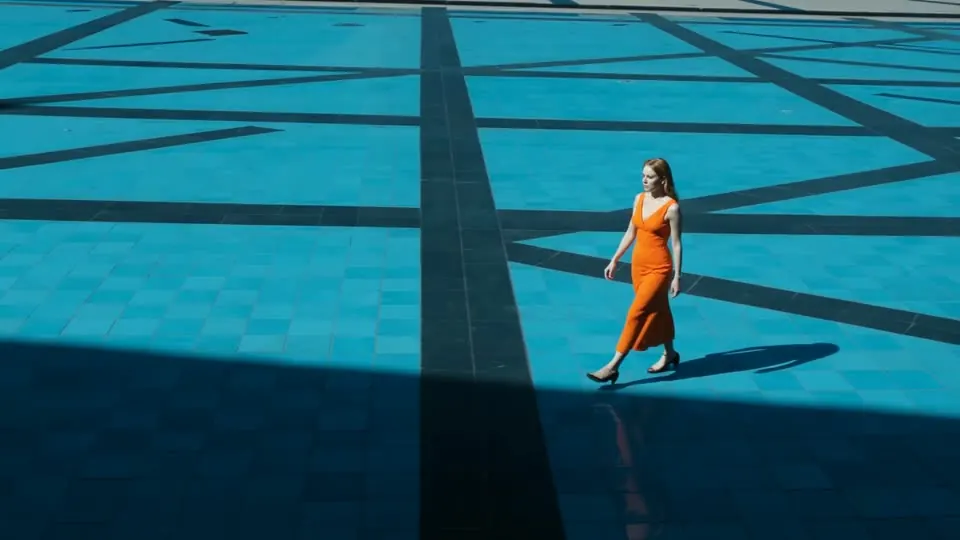
Wide ShotWS
The frame takes in the space around the subject.
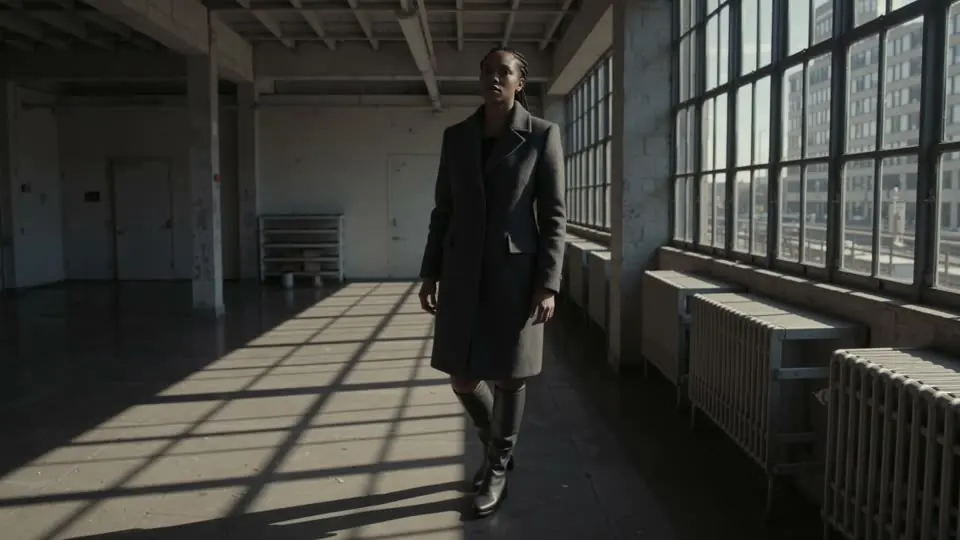
Full BodyWS
The whole body sits in frame, head to feet, with room around it.
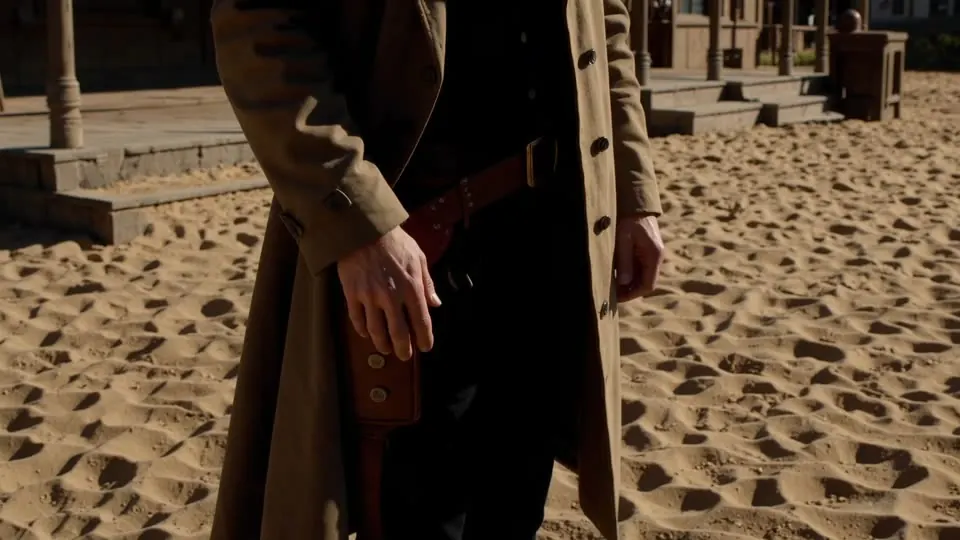
Cowboy Shot
The frame cuts at mid-thigh, so a holster or the hands stay in view.
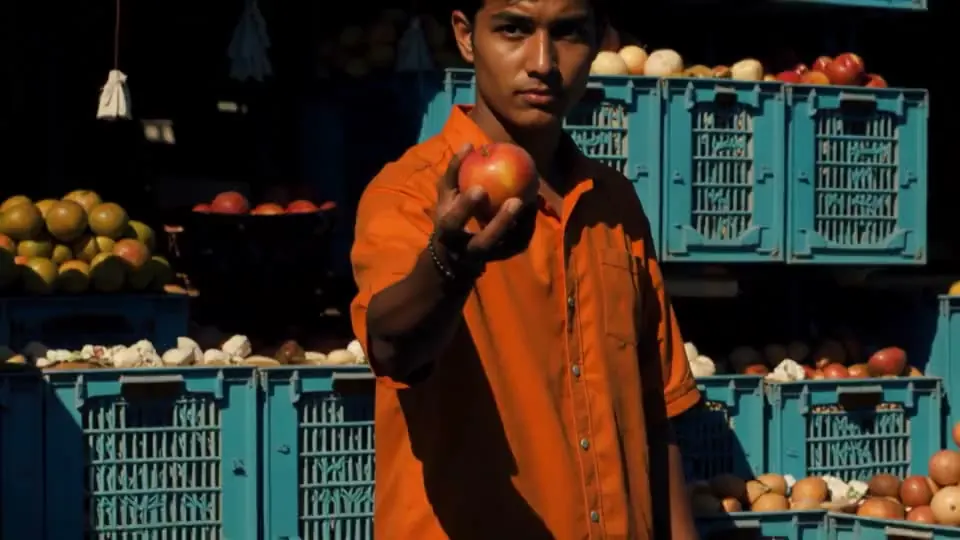
Medium ShotMS
The frame runs from the waist up.
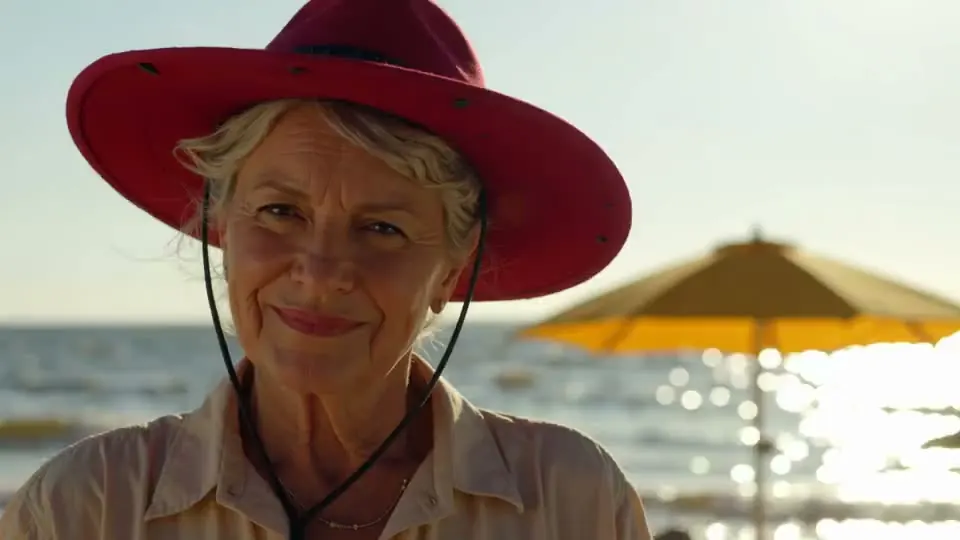
Medium Close-UpMCU
The frame runs from the chest to the top of the head.
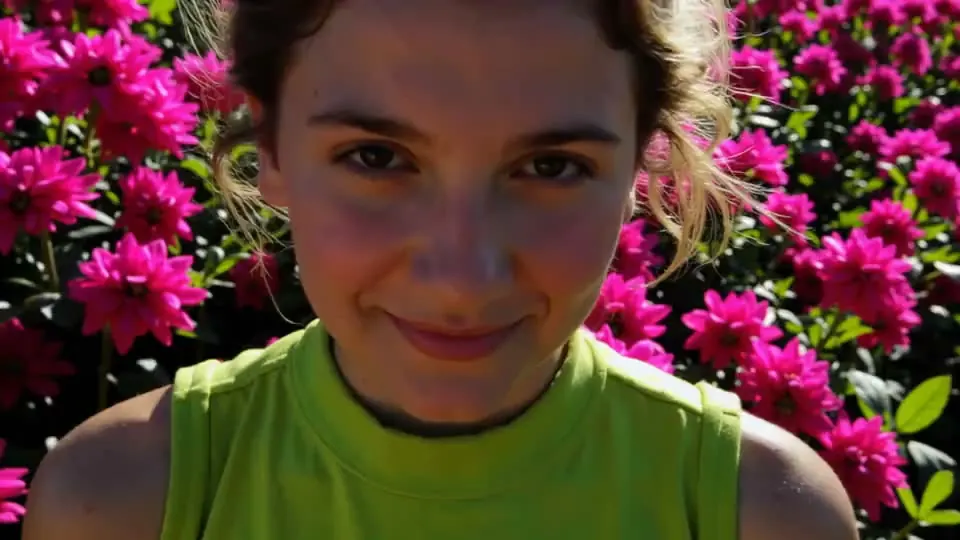
Close-UpCU
The head and a little shoulder fill the frame.
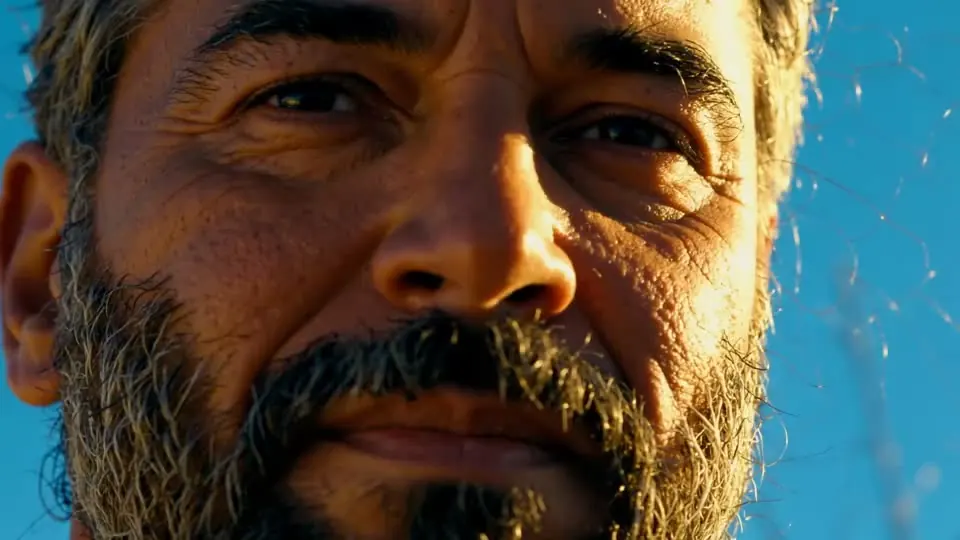
Choker ShotBCU
The frame cuts above the eyebrows and below the chin, tighter than a close-up.
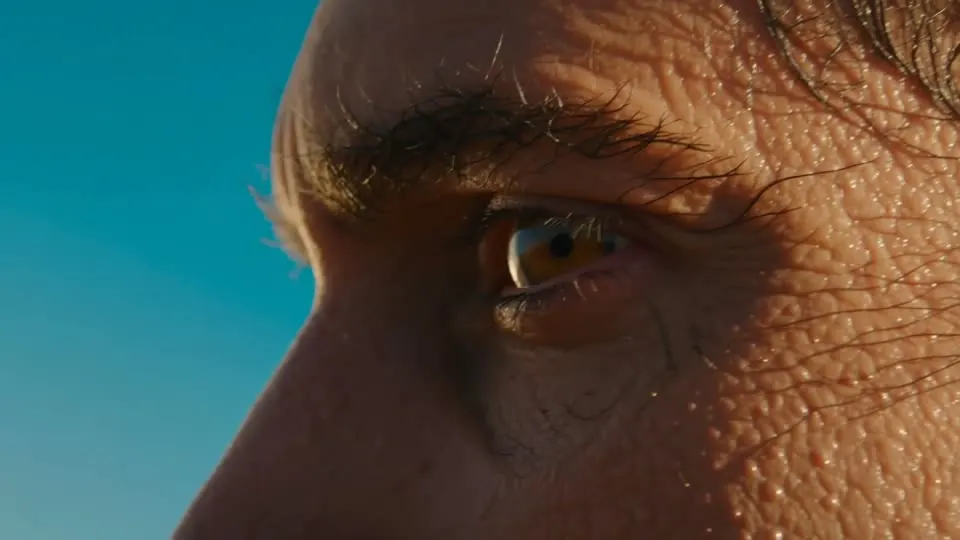
Extreme Close-UpECU
A single feature fills the frame.
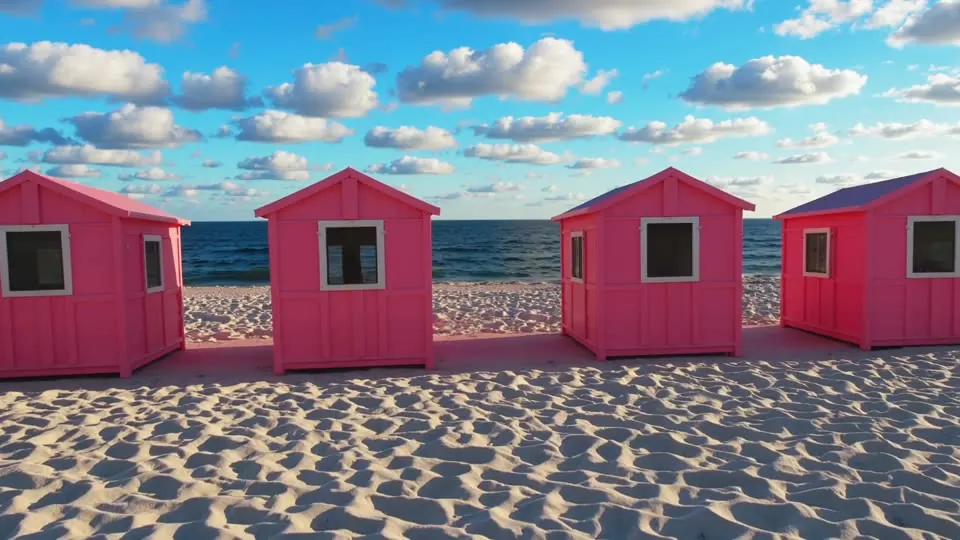
Establishing Shot
A wide frame that says where the scene happens before anyone speaks.
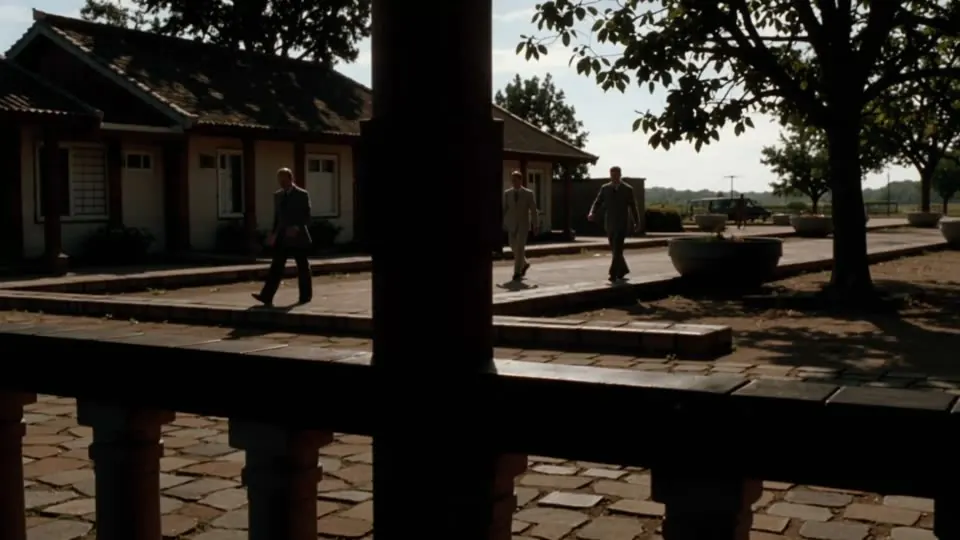
Master Shot
One wide frame covers the entire scene from start to finish.
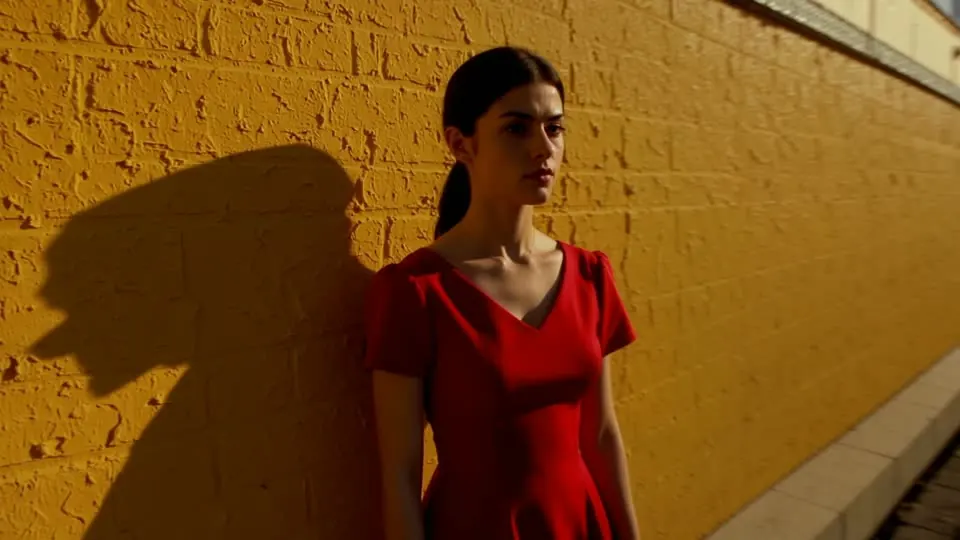
Single
One person alone in the frame with nobody else in shot.
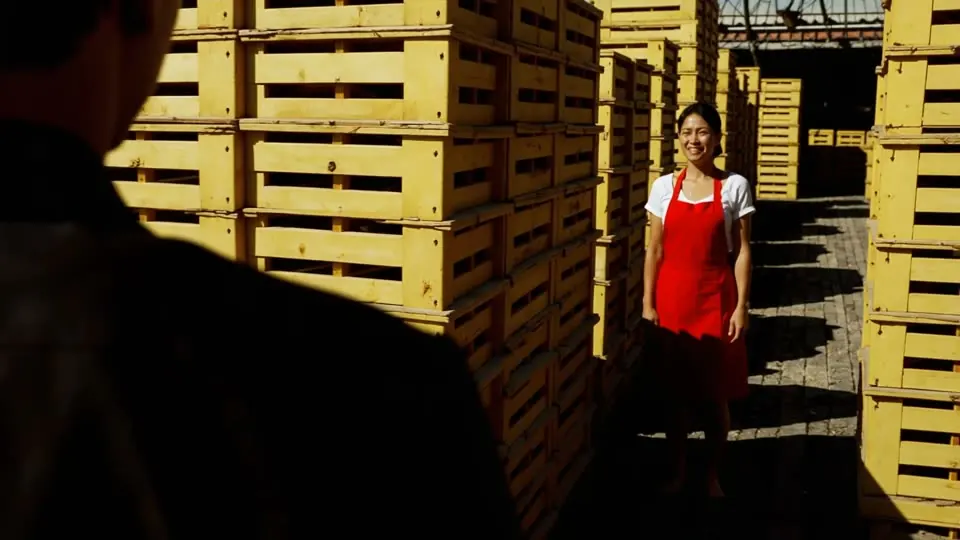
Over-the-Shoulder CoverageOTS
The camera looks past one person's shoulder at another.
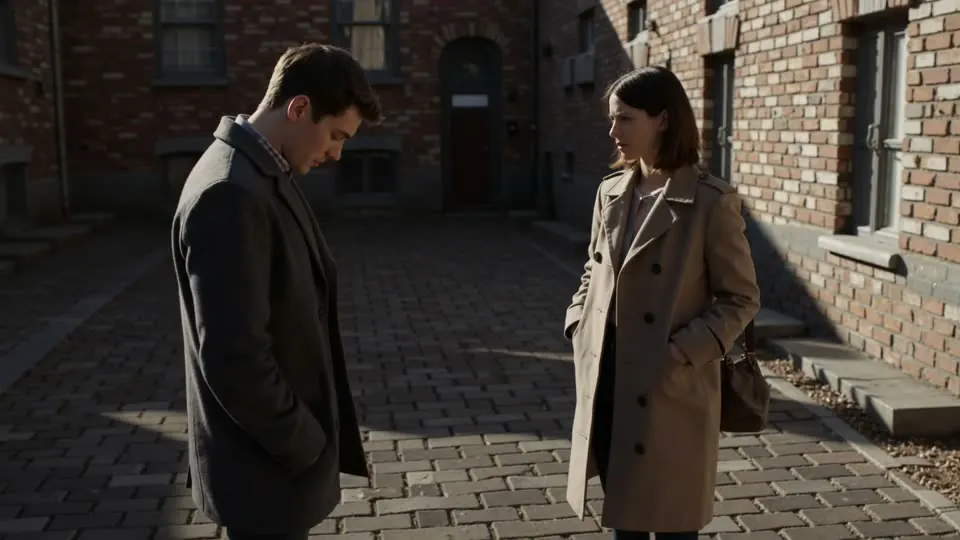
Two-Shot
Two people share one frame, and the gap between them is the content.
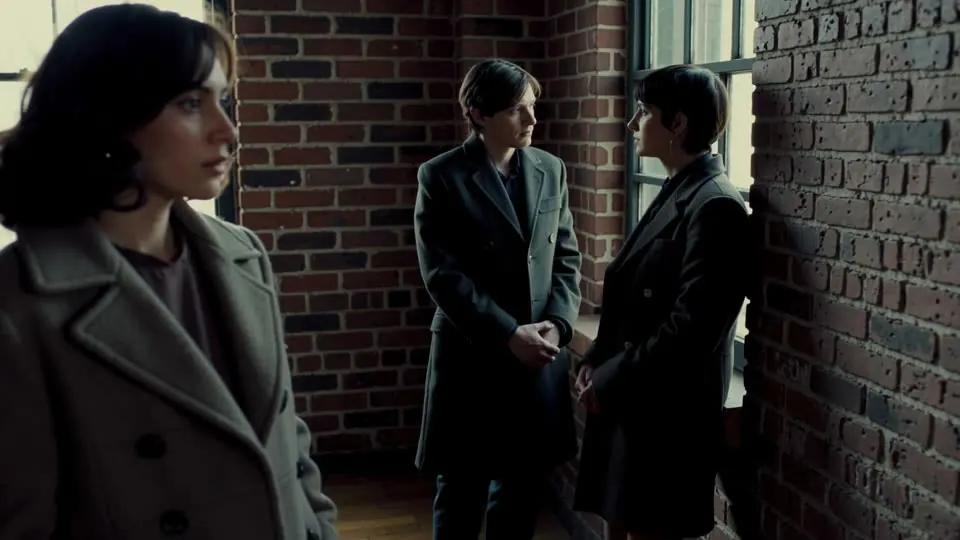
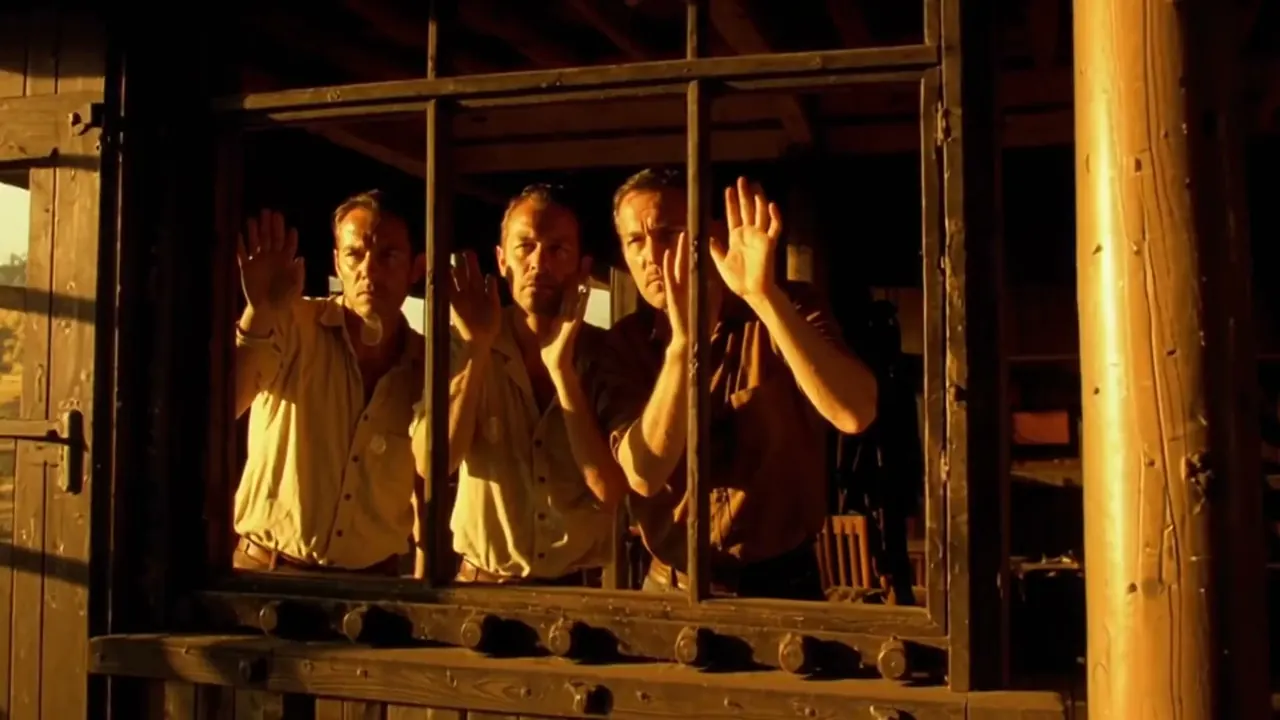
Three-Shot
Three people share the frame and the arrangement carries the relationship.
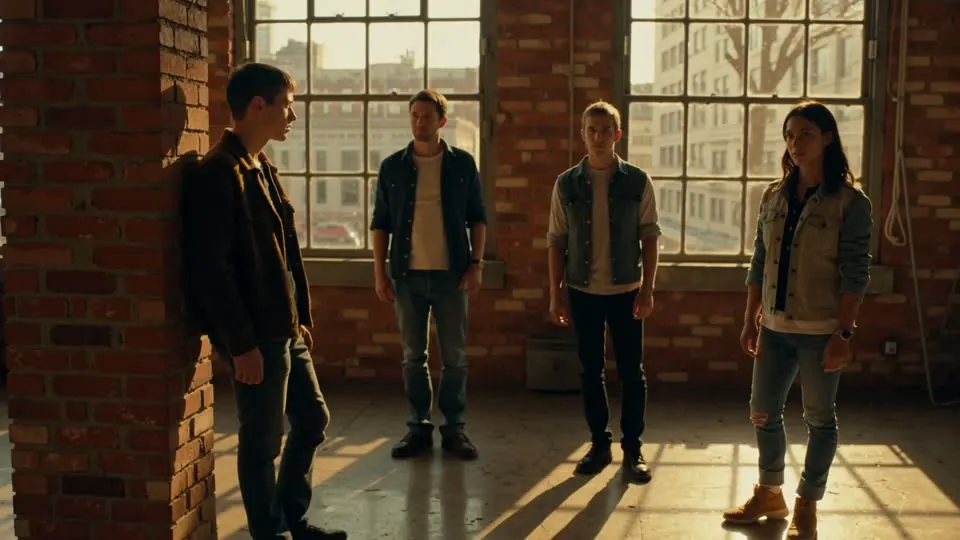
Group Shot
Four or more people share the frame as one unit.
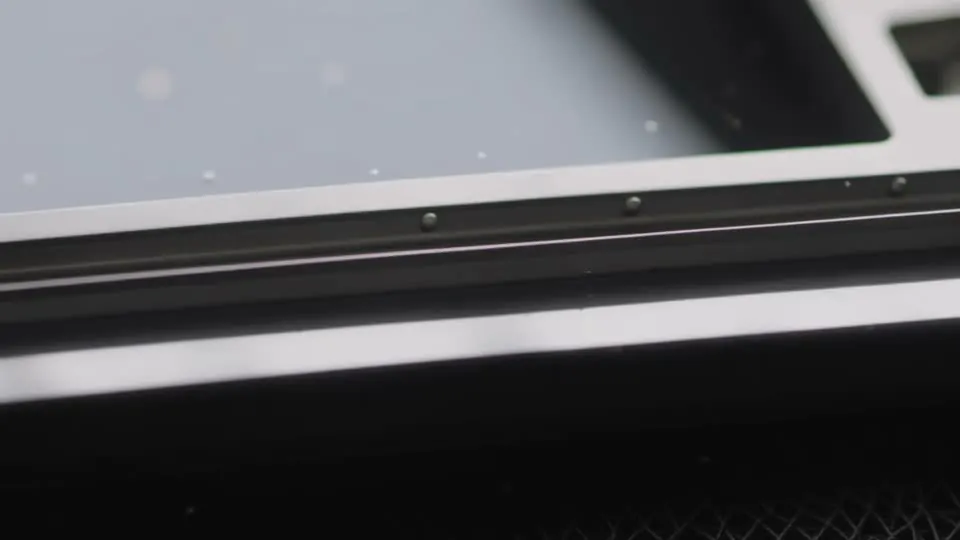
Insert Shot
A detail shot dropped in to hand the audience one piece of information.
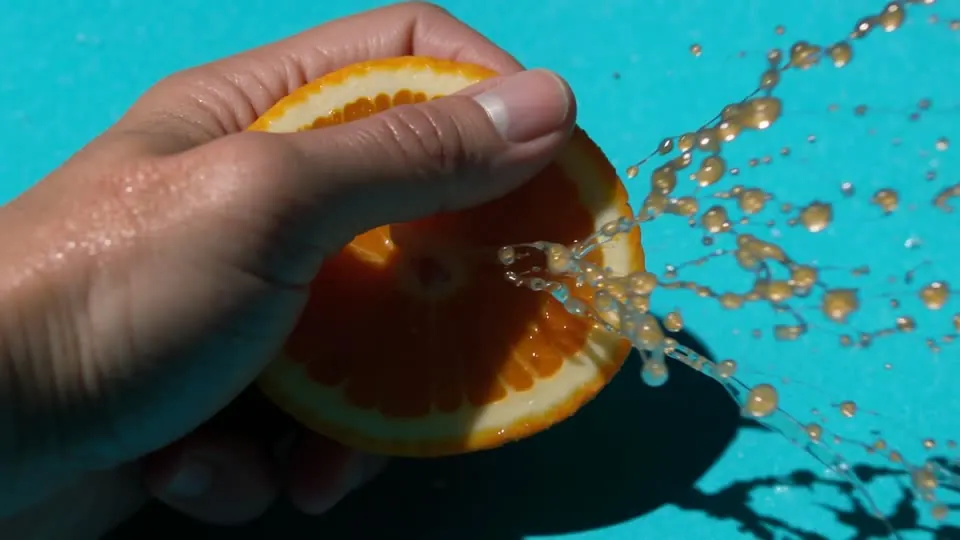
Cut-ins
A tight shot of a detail that belongs to the action you just saw.
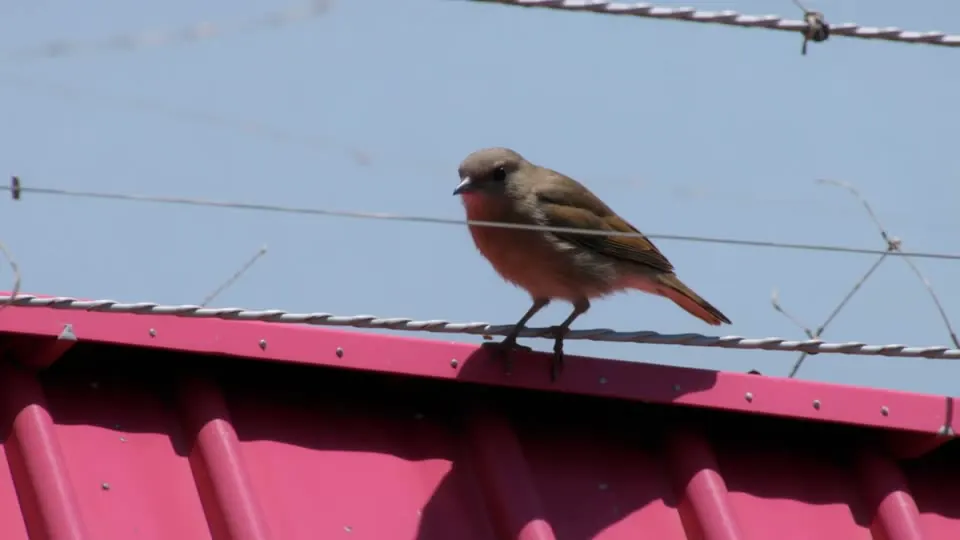
Cutaway
A shot of something outside the main action, used to break away from it.
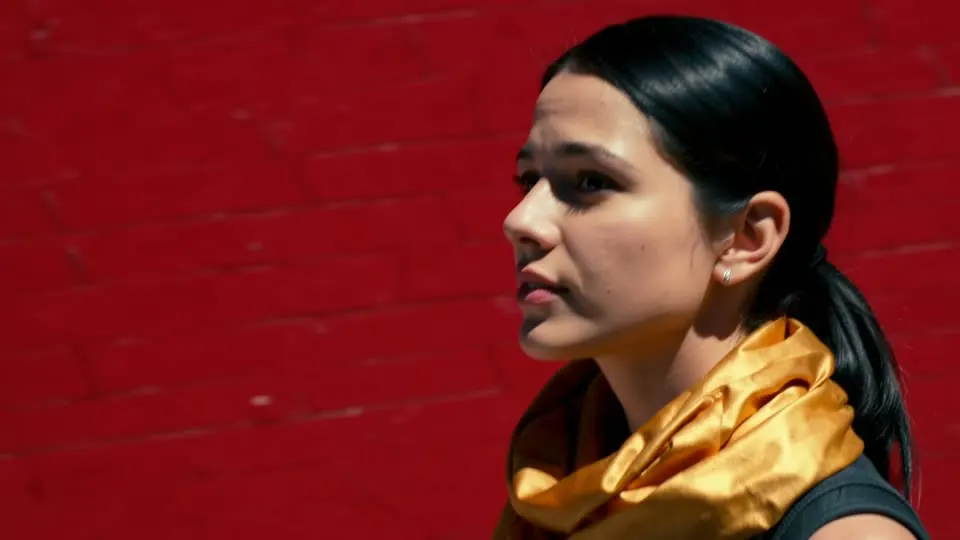
Reaction Shot
A face responding to something that happened off screen.
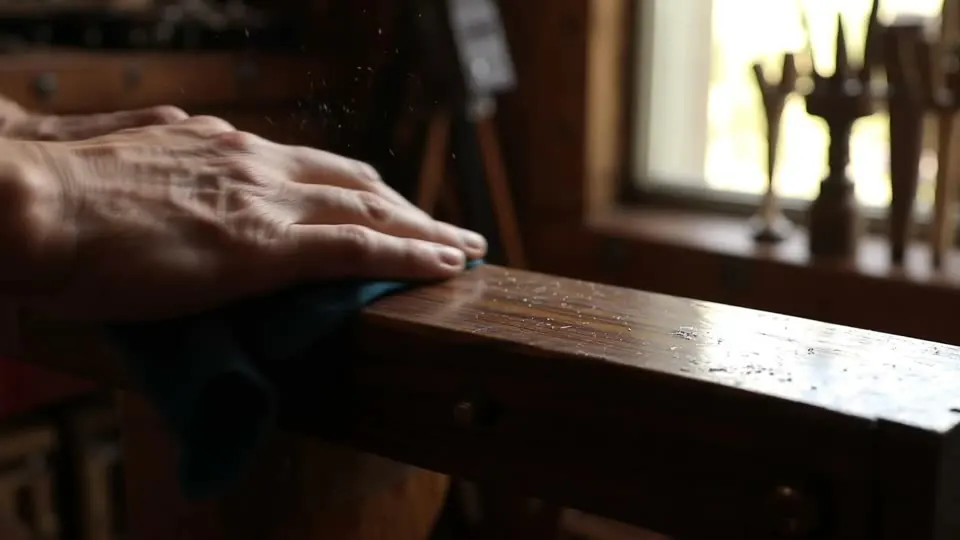
Gesture
The frame follows a hand or a body movement rather than a face.
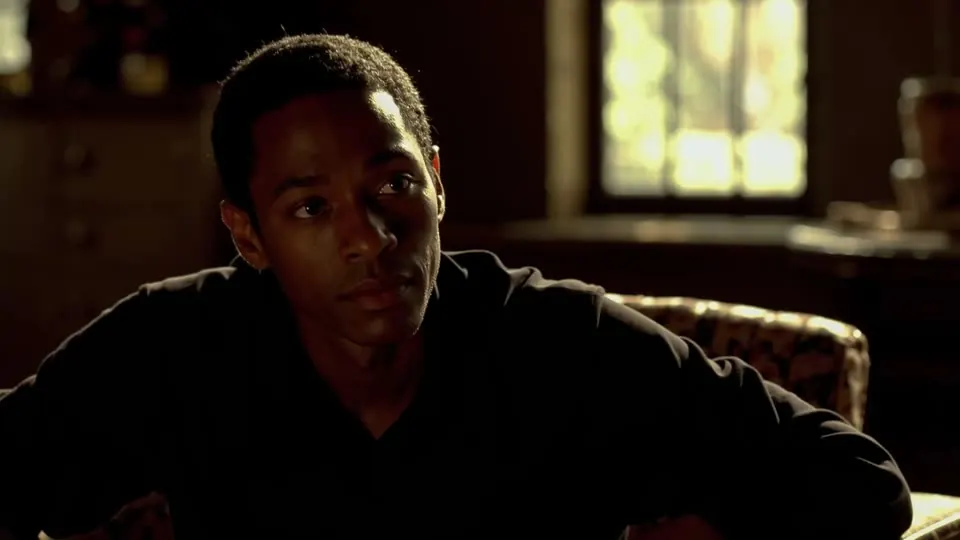
Interview
A seated subject speaks slightly off the lens to an unseen questioner.
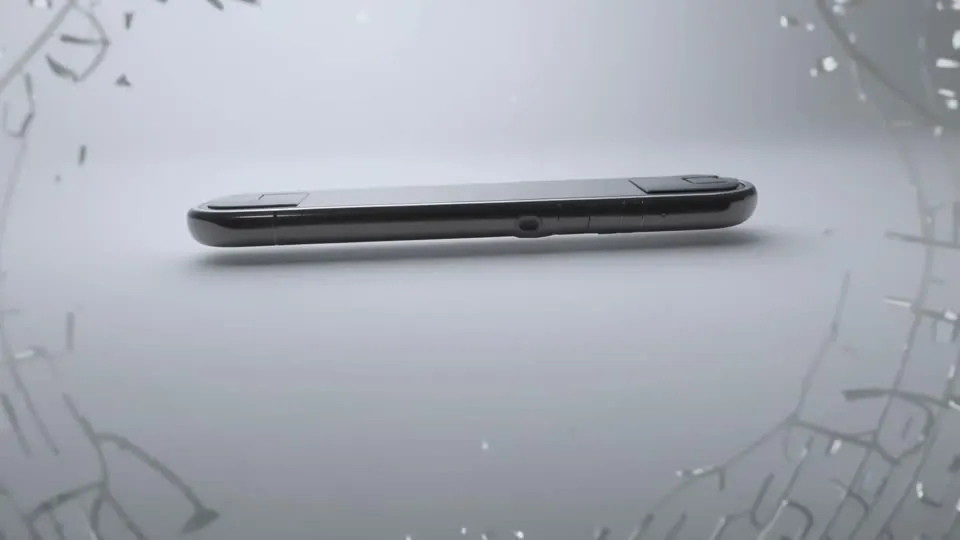
Product
An object is framed and lit to be looked at on its own.
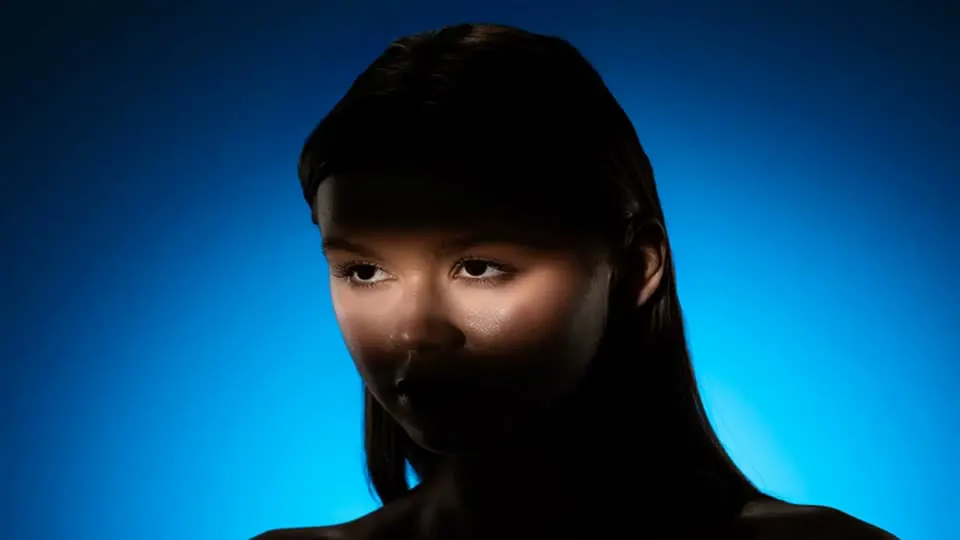
Video Portraits
A held portrait frame where the subject barely moves and looks at the lens.
Camera angles19
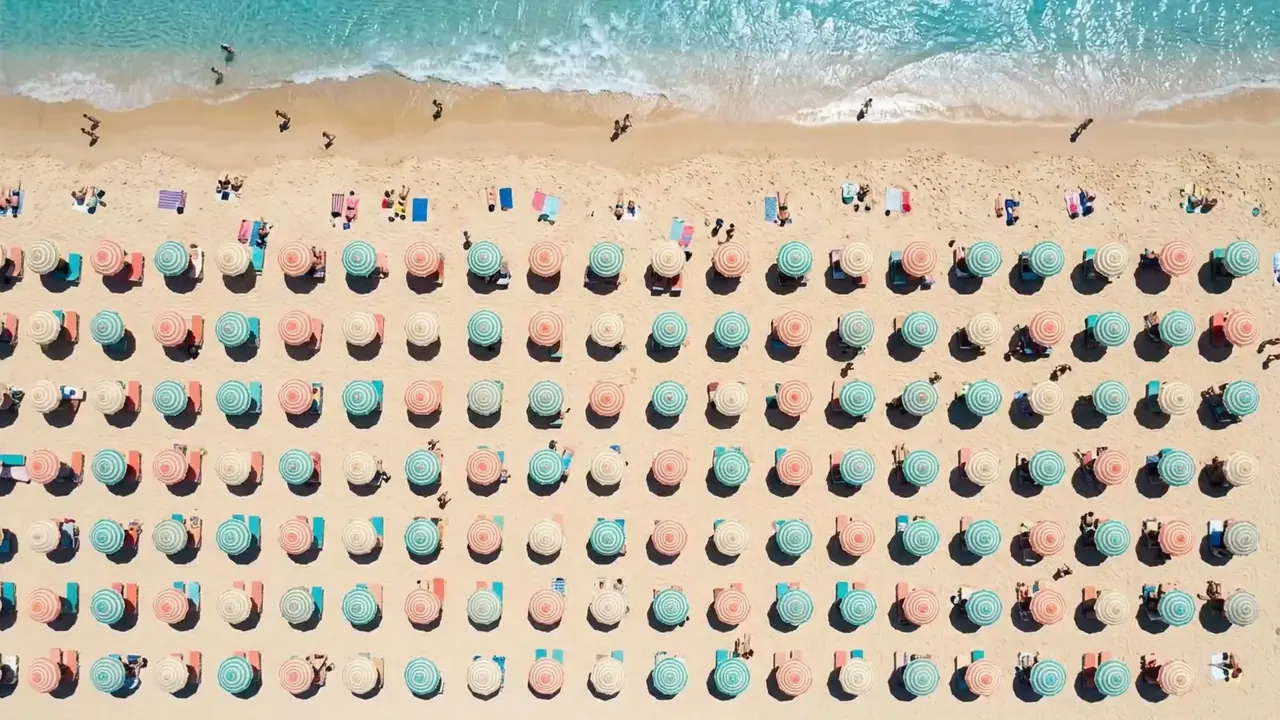
Bird's-Eye View
The camera looks straight down from high above, and the scene reads as a map.
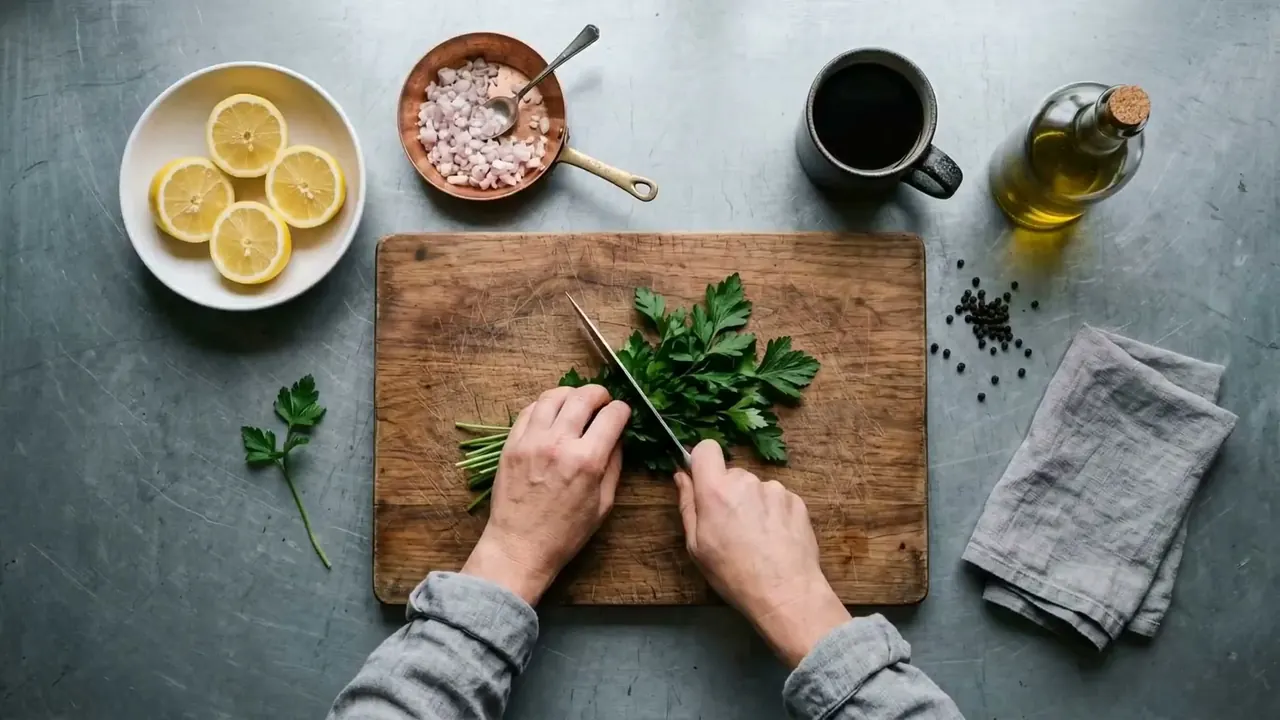
Overhead Top-Down
The camera looks straight down from close range onto a surface.
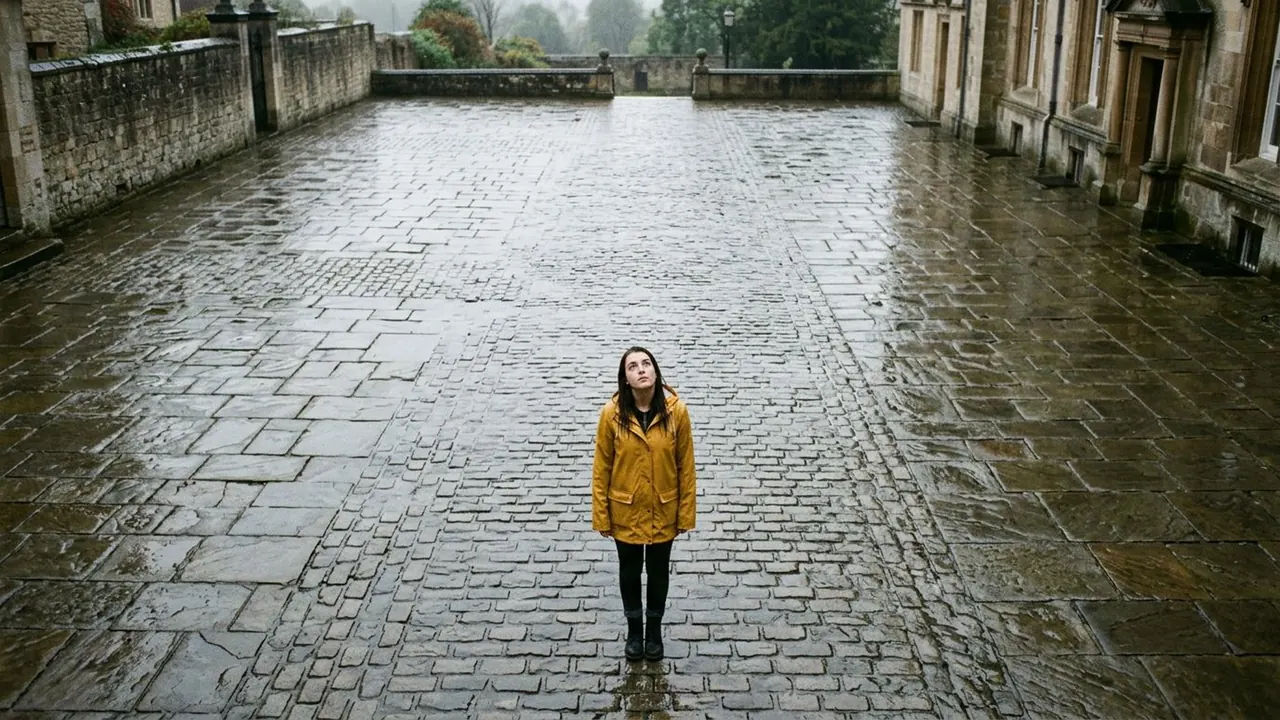
High Angle
The camera looks down at the subject and makes them smaller.
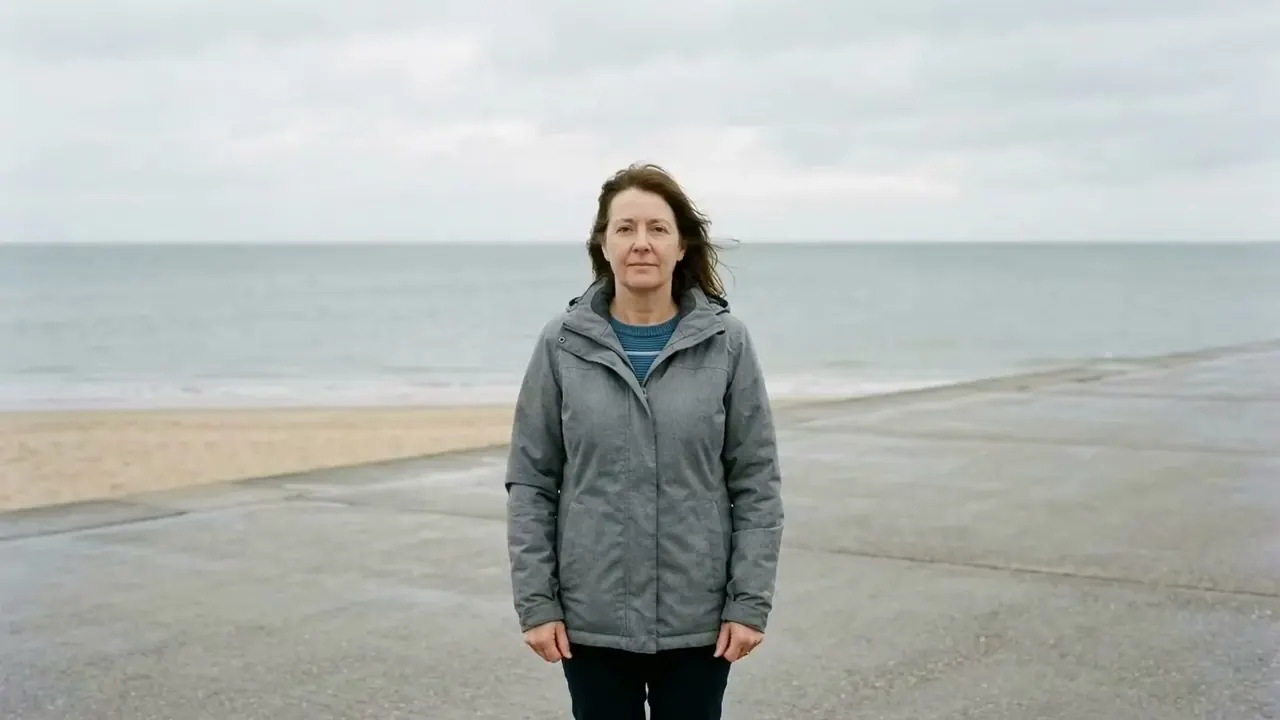
Eye Level
The camera sits at the subject's eye height and judges nothing.
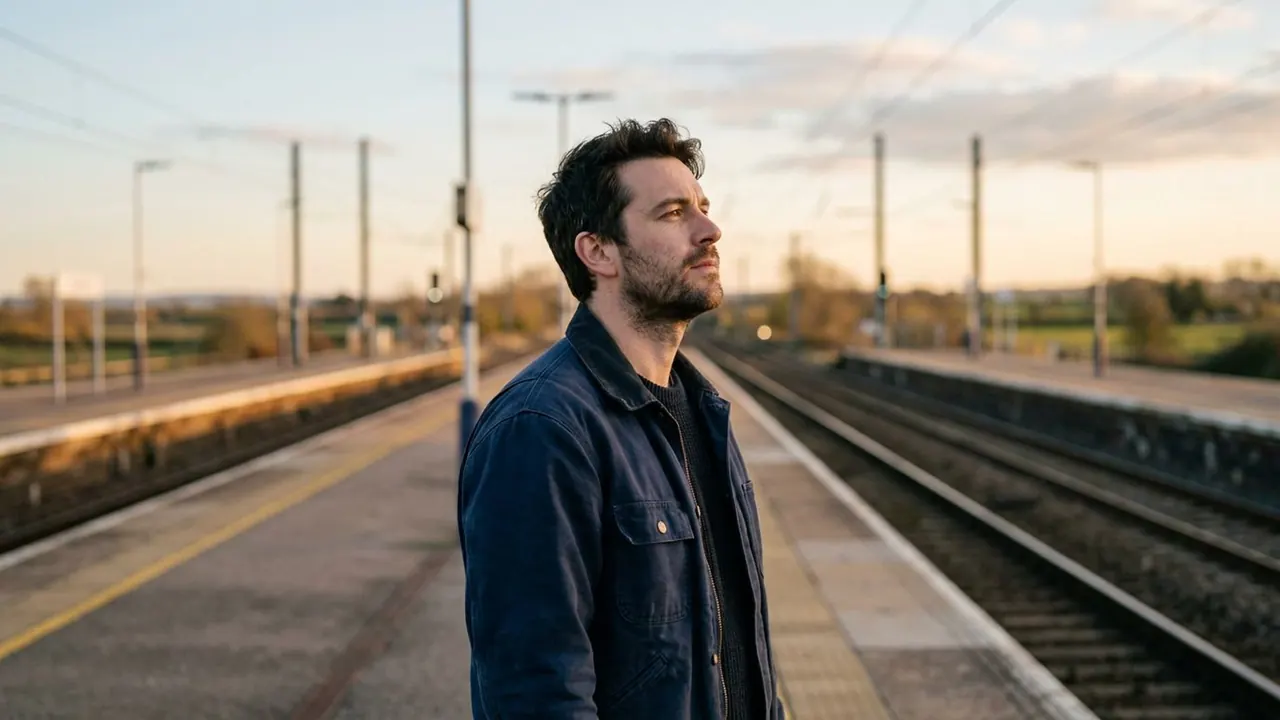
Shoulder Level
The camera sits at shoulder height, a little below the eyes.
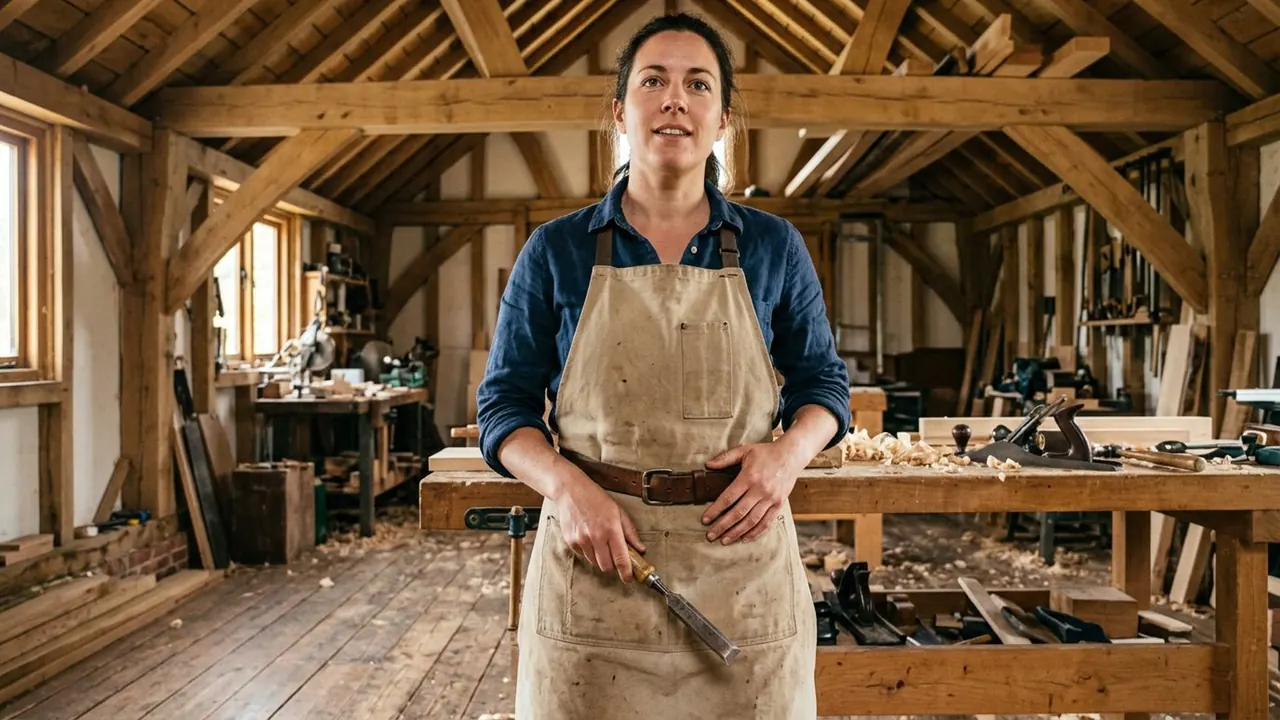
Hip Level
The camera sits at hip height, between a low angle and eye level.
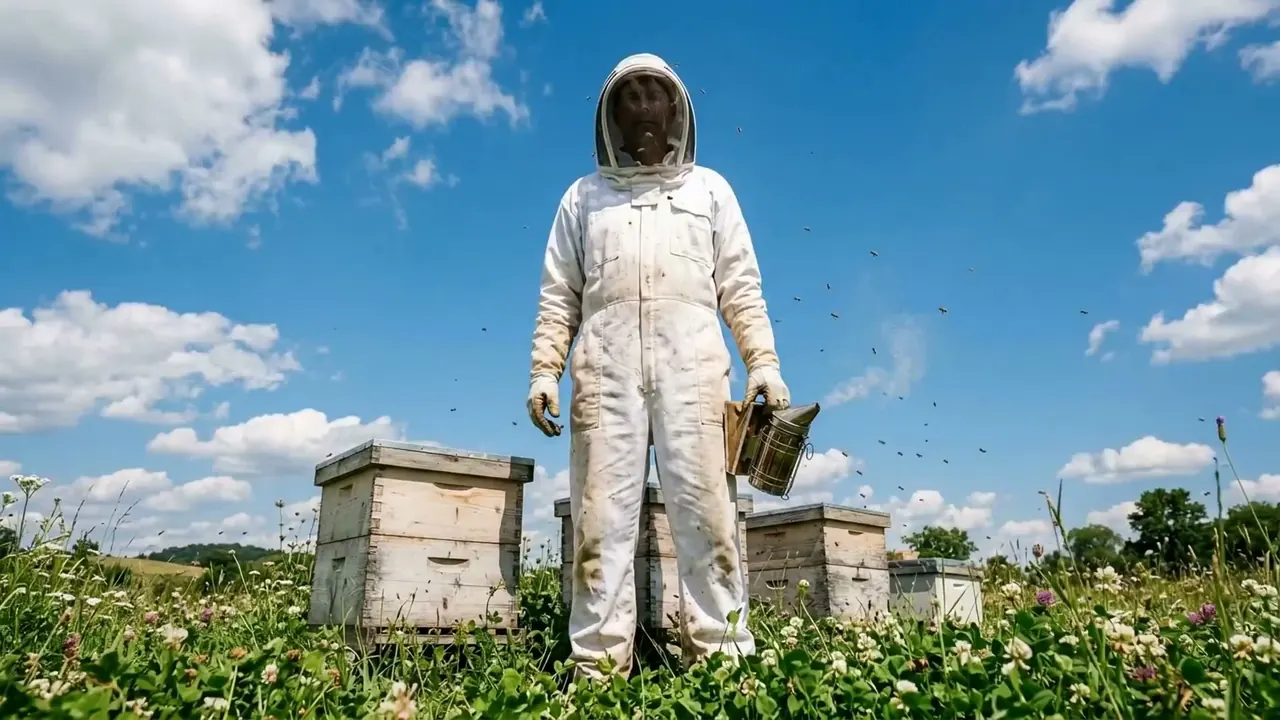
Low Angle
The camera looks up at the subject and makes them large.
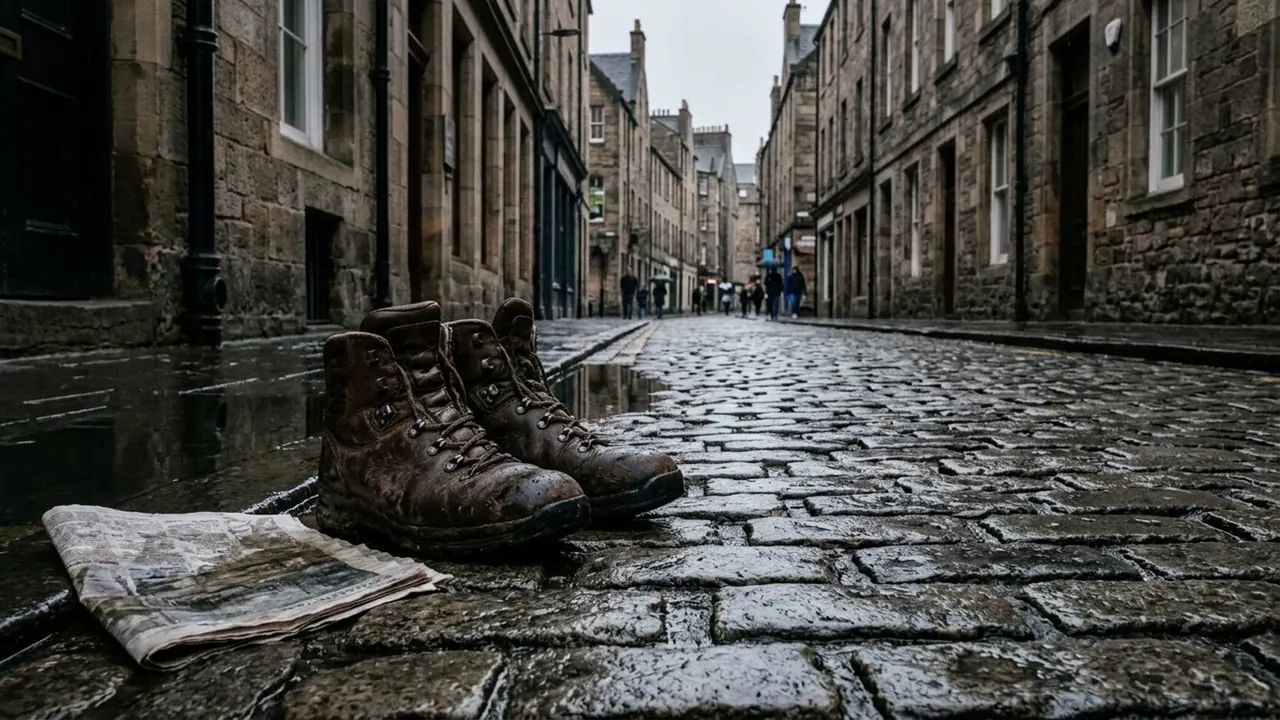
Ground Level
The camera sits on the ground, and the floor runs across the bottom of the frame.
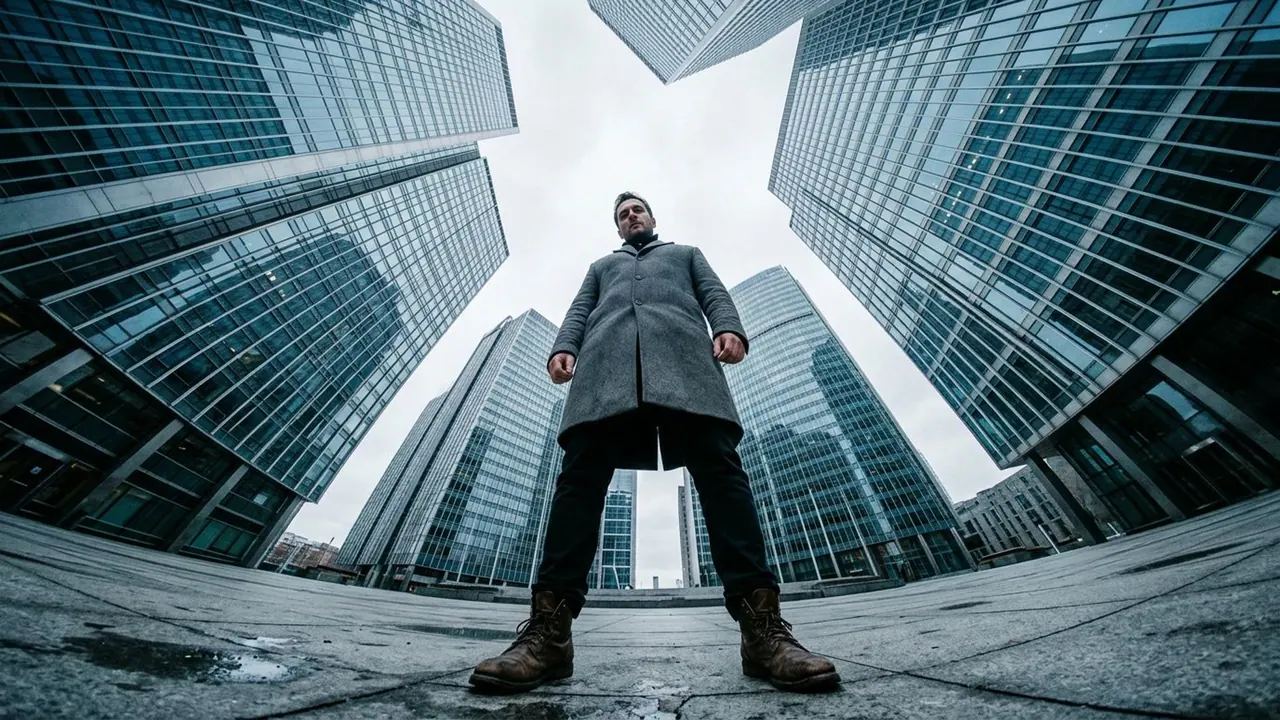
Worm's-Eye View
The camera sits on the ground and looks steeply upward.
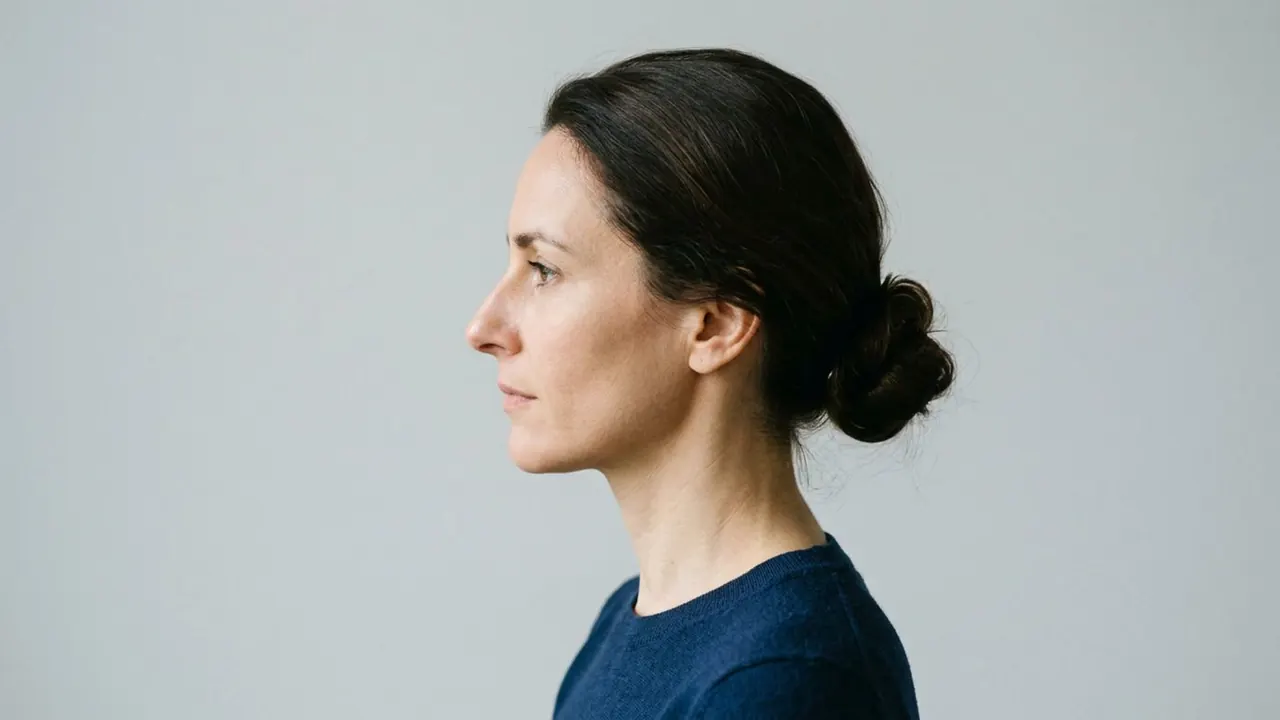
Profile
The subject faces fully sideways, and you see one flat side.
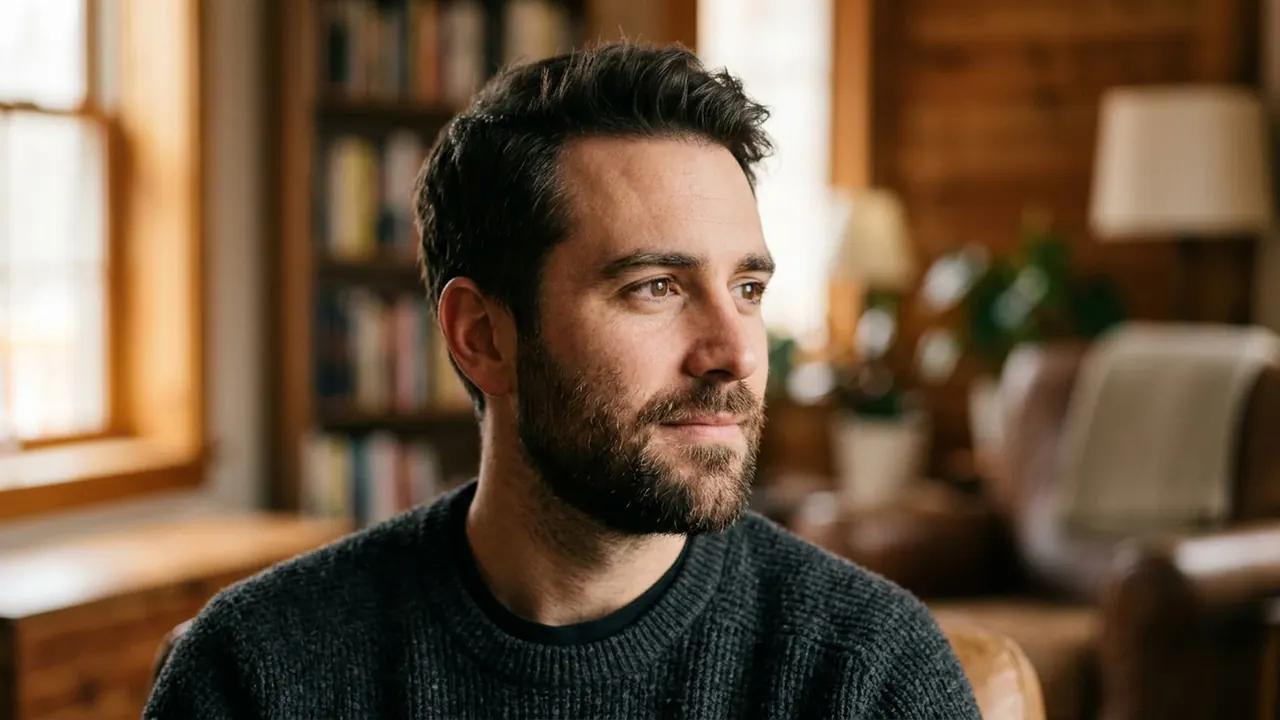
Three-Quarter Angle
The subject turns about halfway between front and profile.

Reverse Angle
The camera turns around and covers the scene from the opposite side.
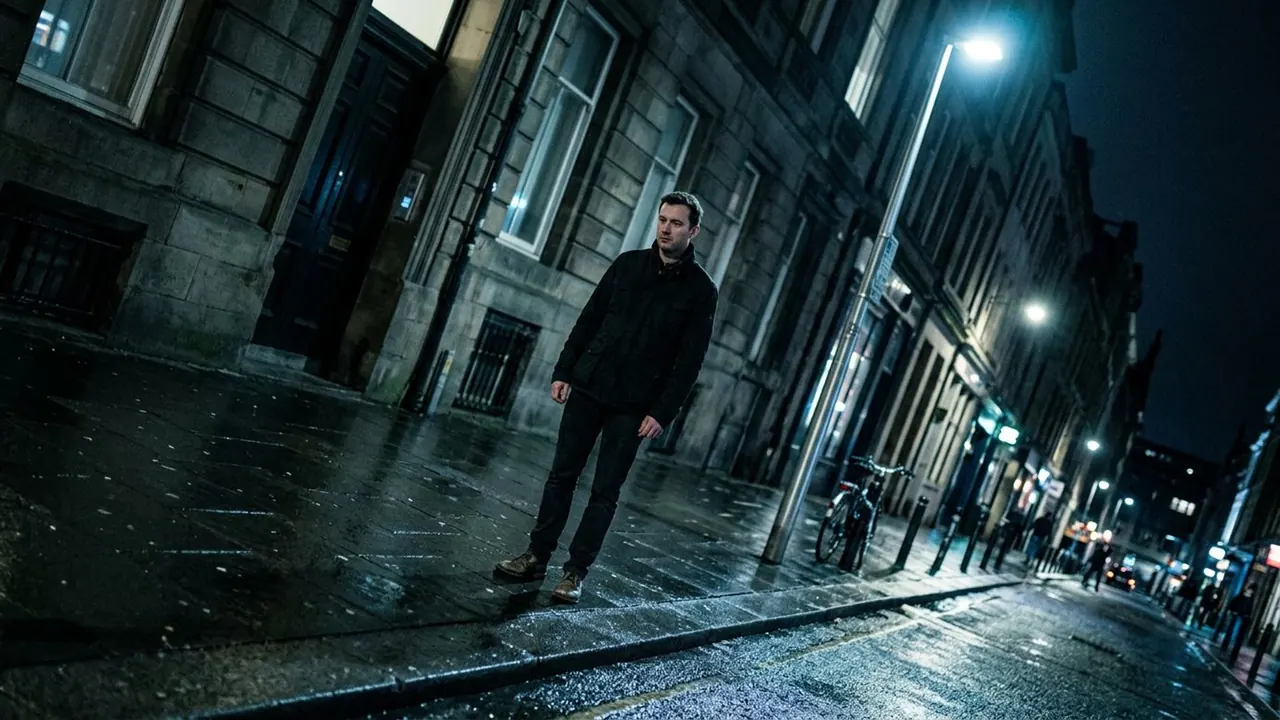
Dutch Angle
The camera holds a fixed cant, so the horizon sits off level for the whole shot.
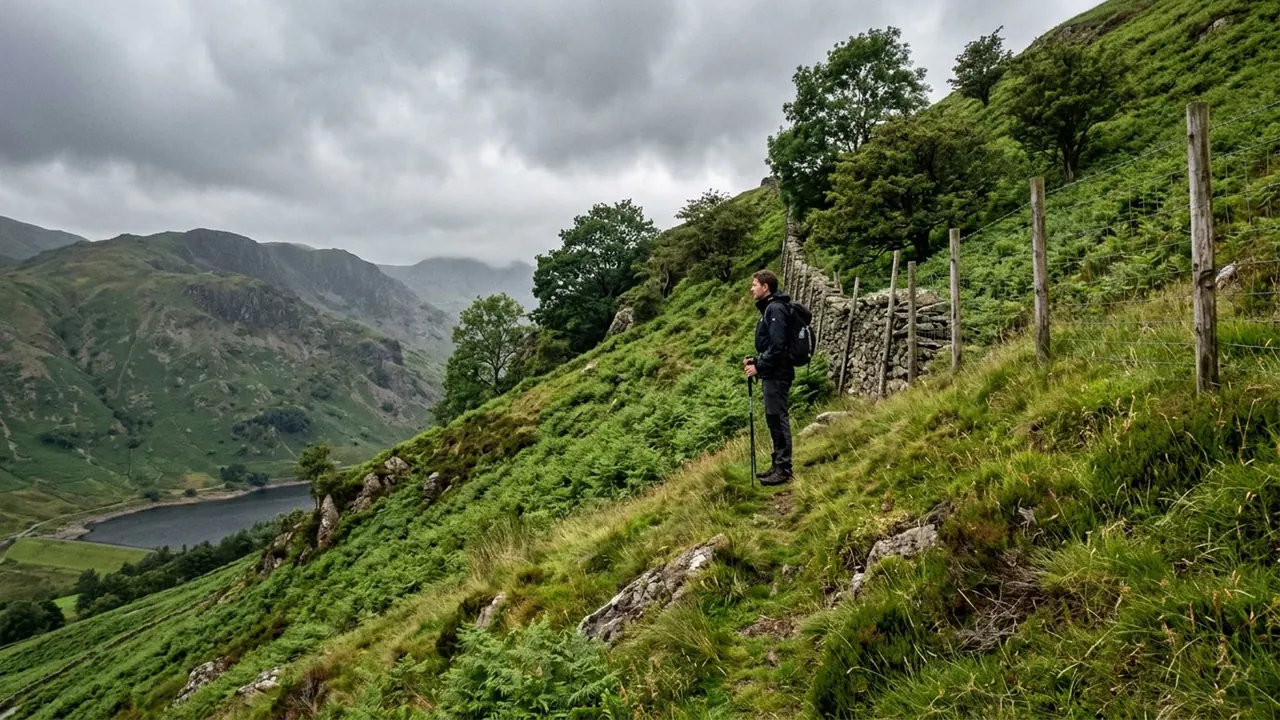
Incline
The camera sits on a slope, so the ground runs diagonally through the frame.
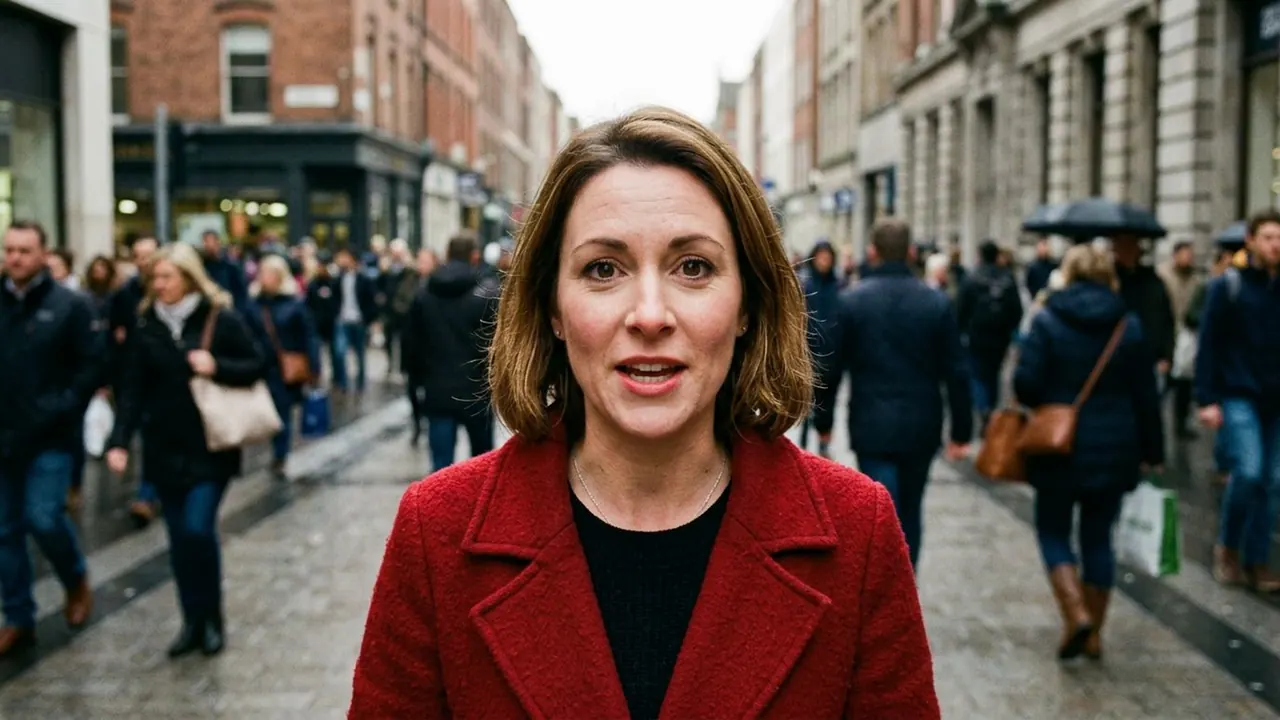
Point of View
The camera shows what a character sees.
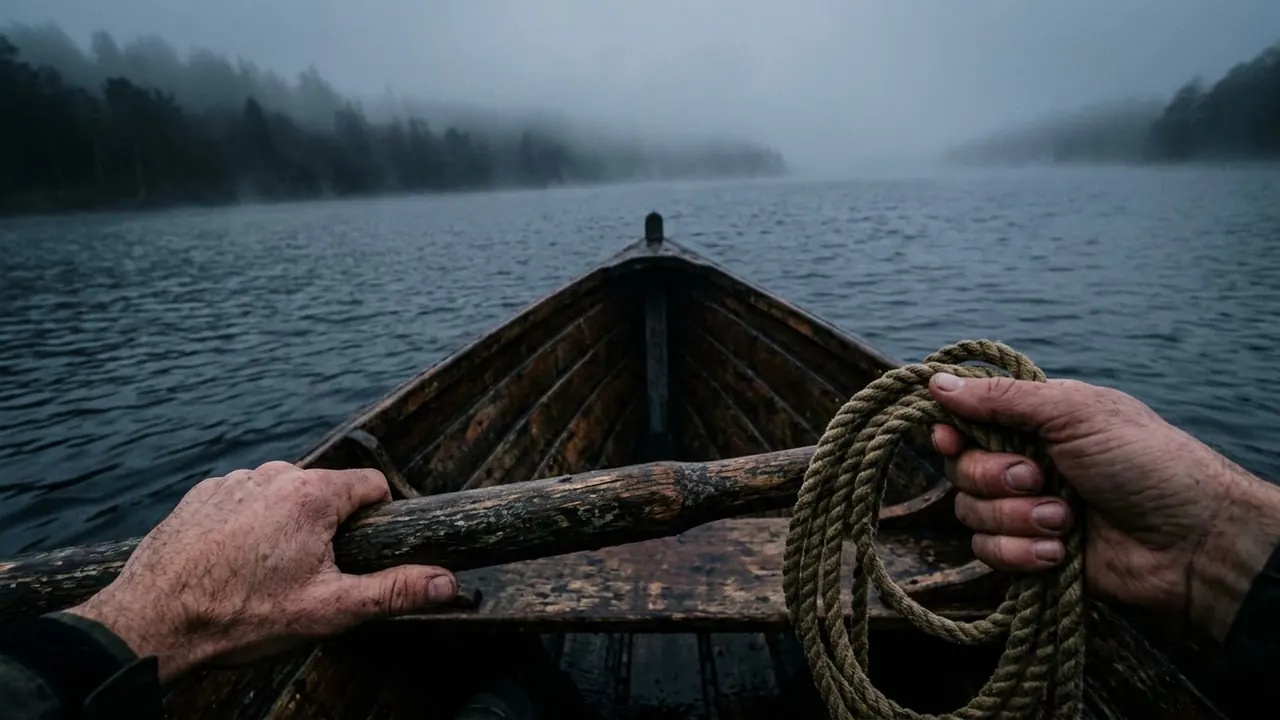
First-Person
The camera stands in for the subject's own eyes.
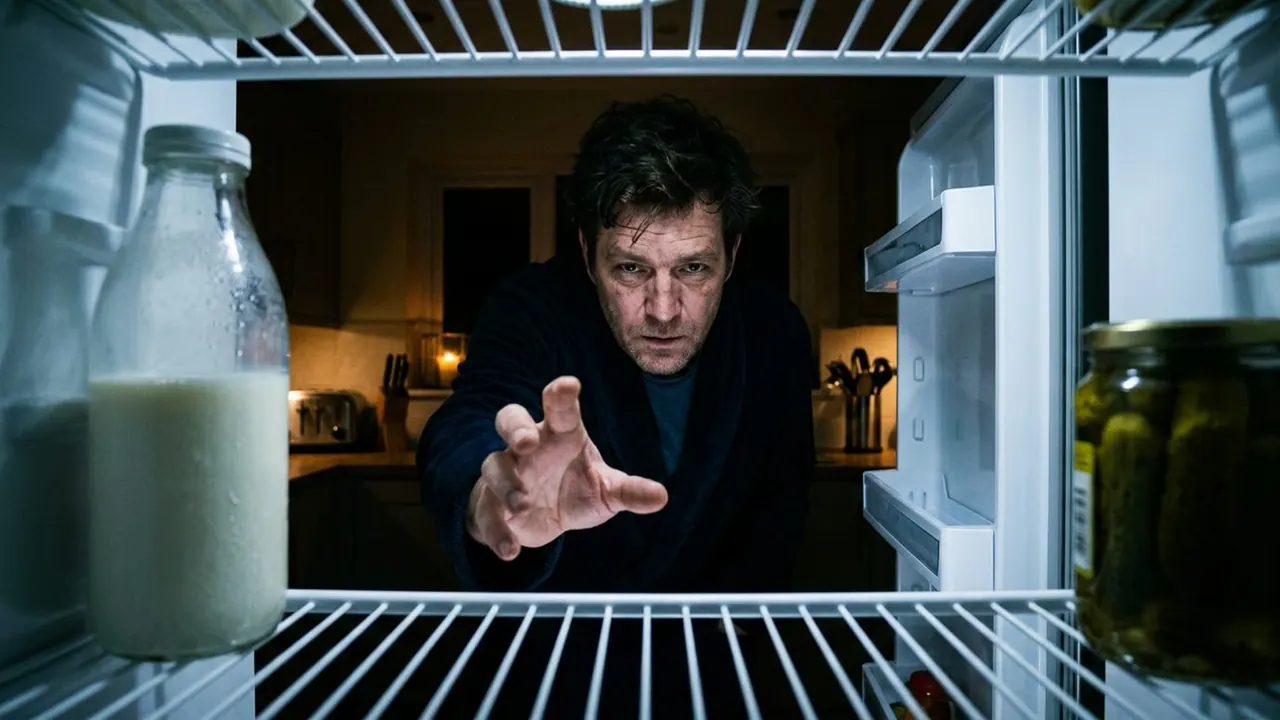
Object POV
The camera takes the position of a thing, not a person.
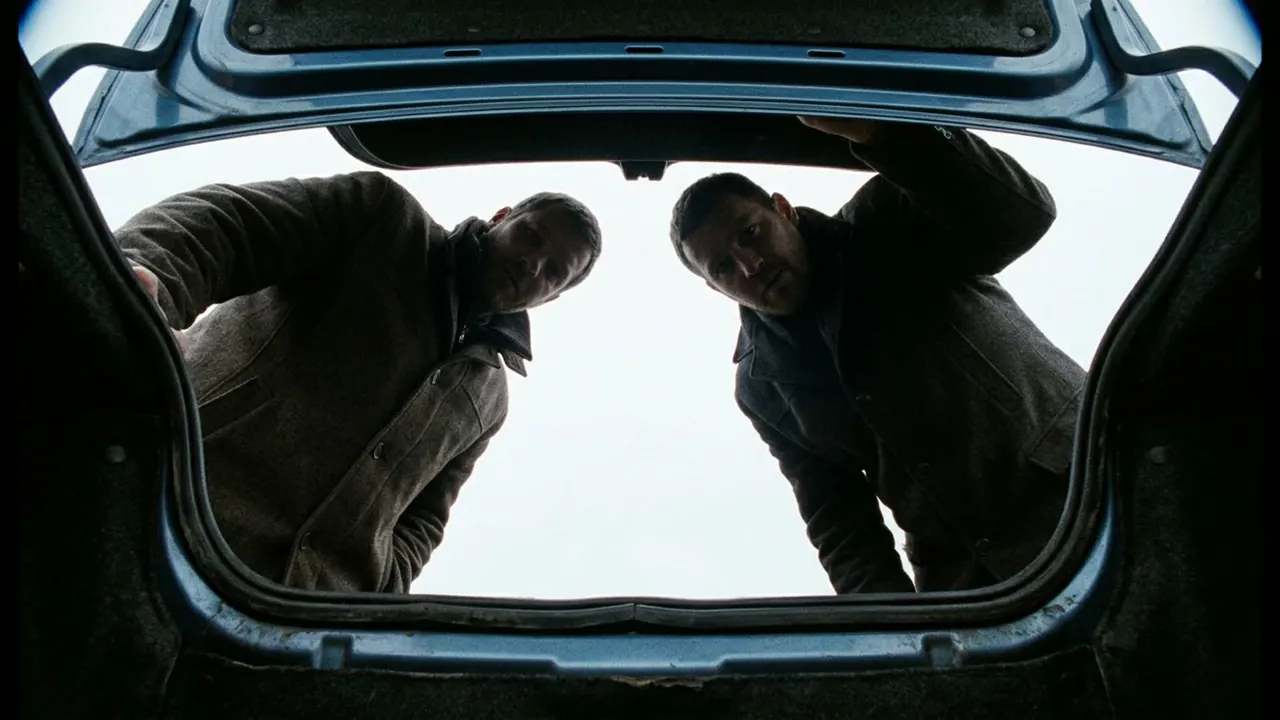
Trunk Shot
The camera looks up from inside a low container at people above.
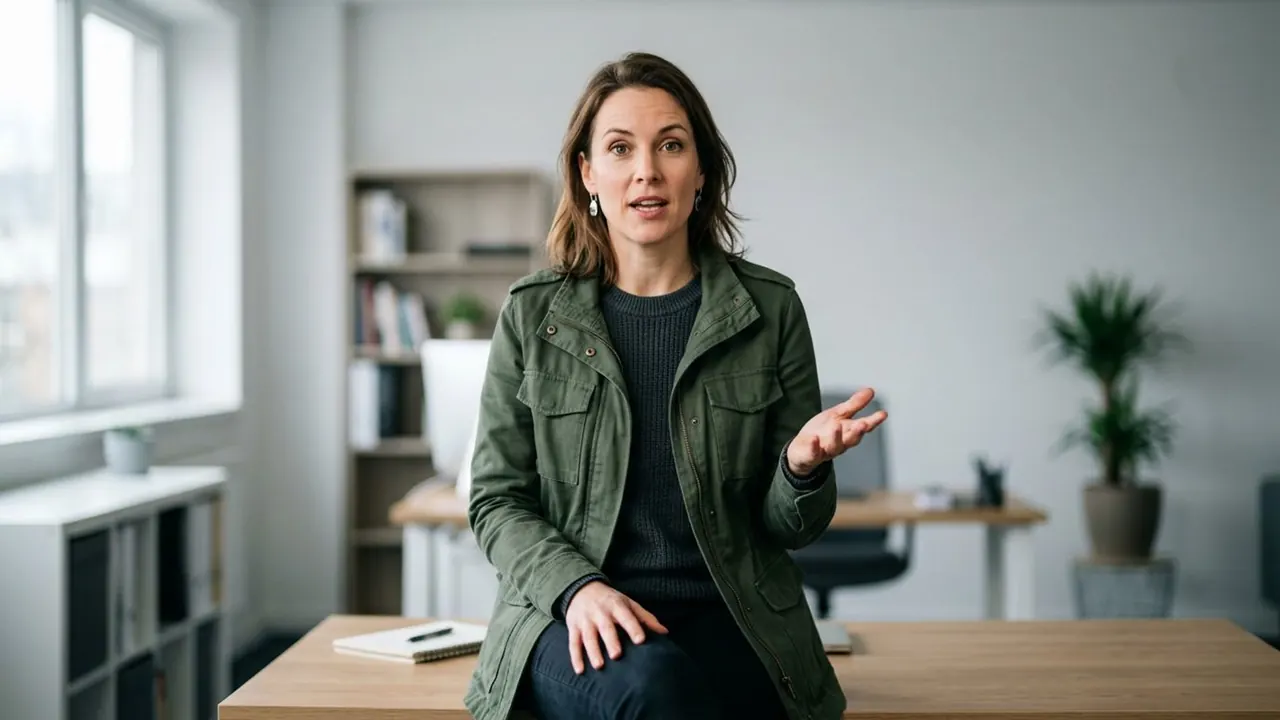
Fourth Wall
The subject looks into the lens and speaks to the audience.
Camera movement86
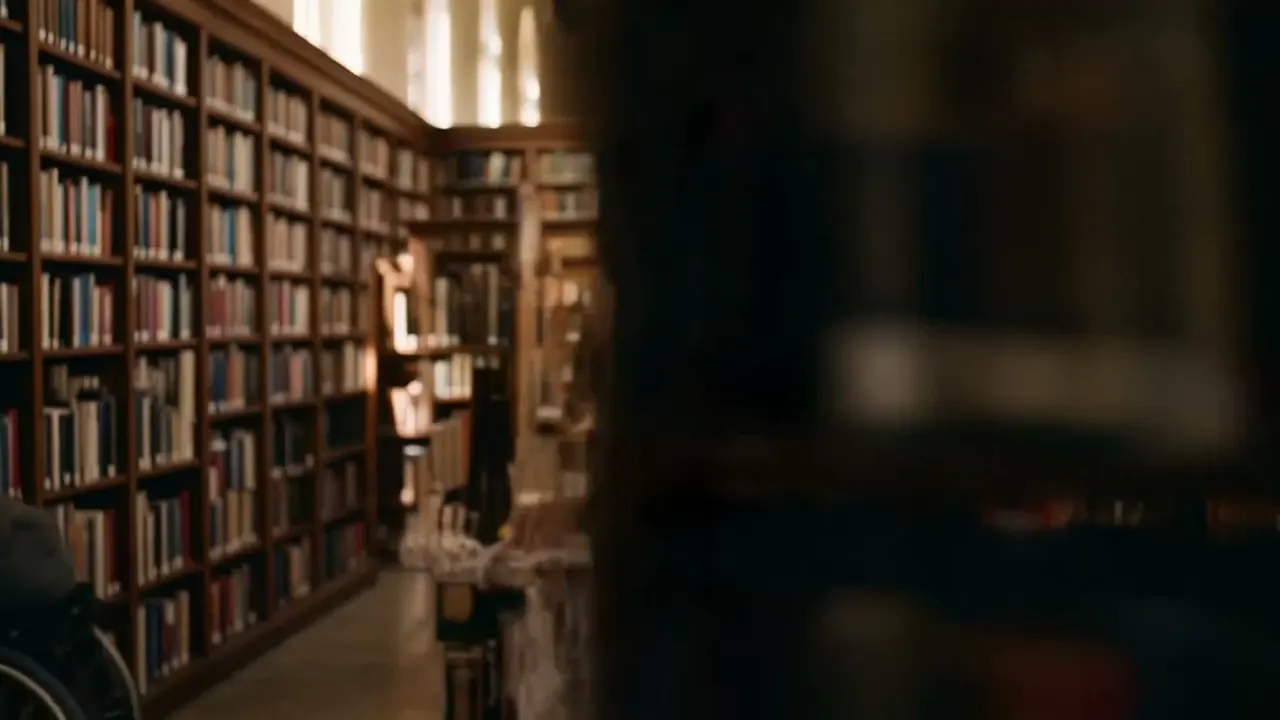
Dolly
The camera body travels on wheels, and the view shifts with real parallax.
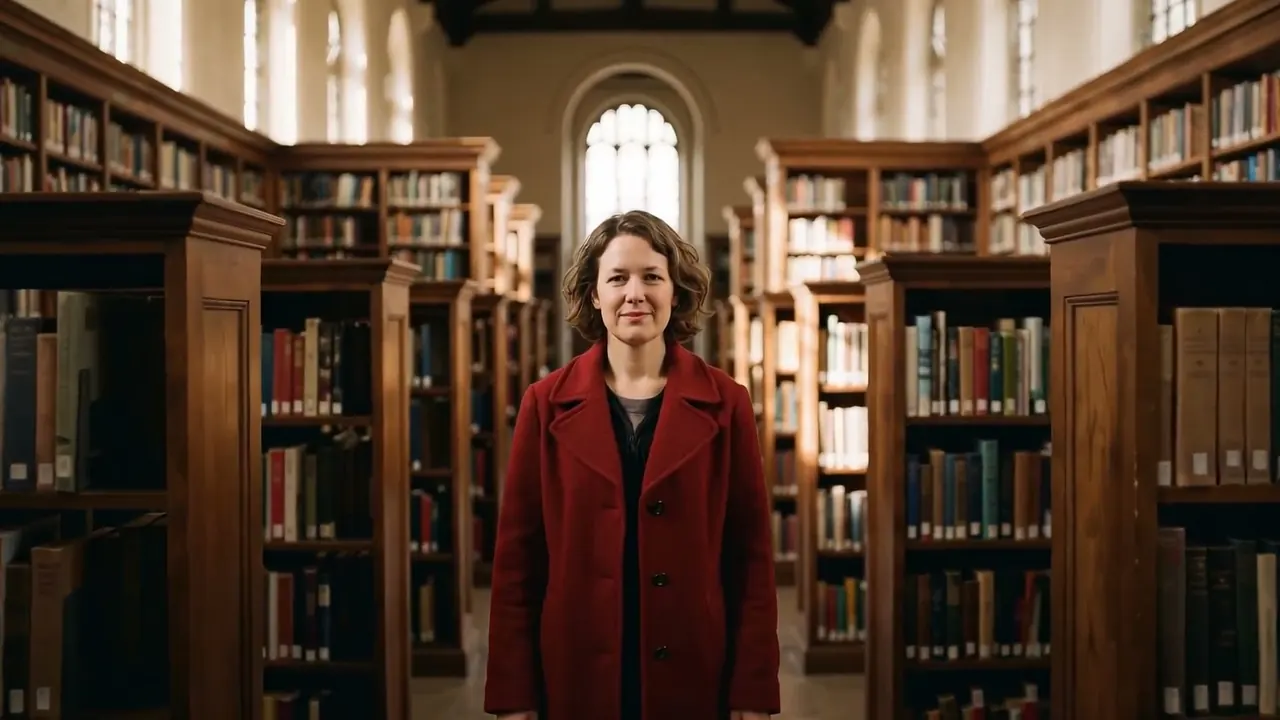
Push In
The camera advances and the frame closes on the subject.
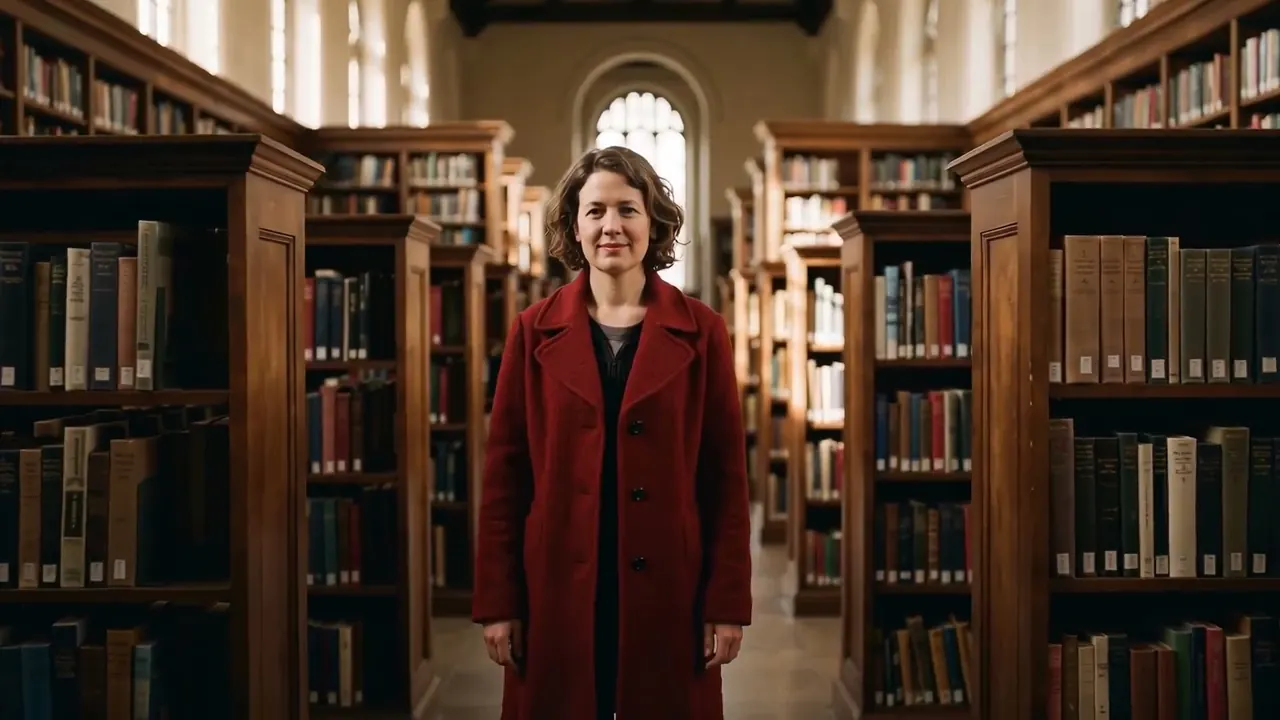
Dolly In
The camera advances toward the subject, and the world opens around it.
Super Dolly In
A very fast travel forward that covers a lot of ground.
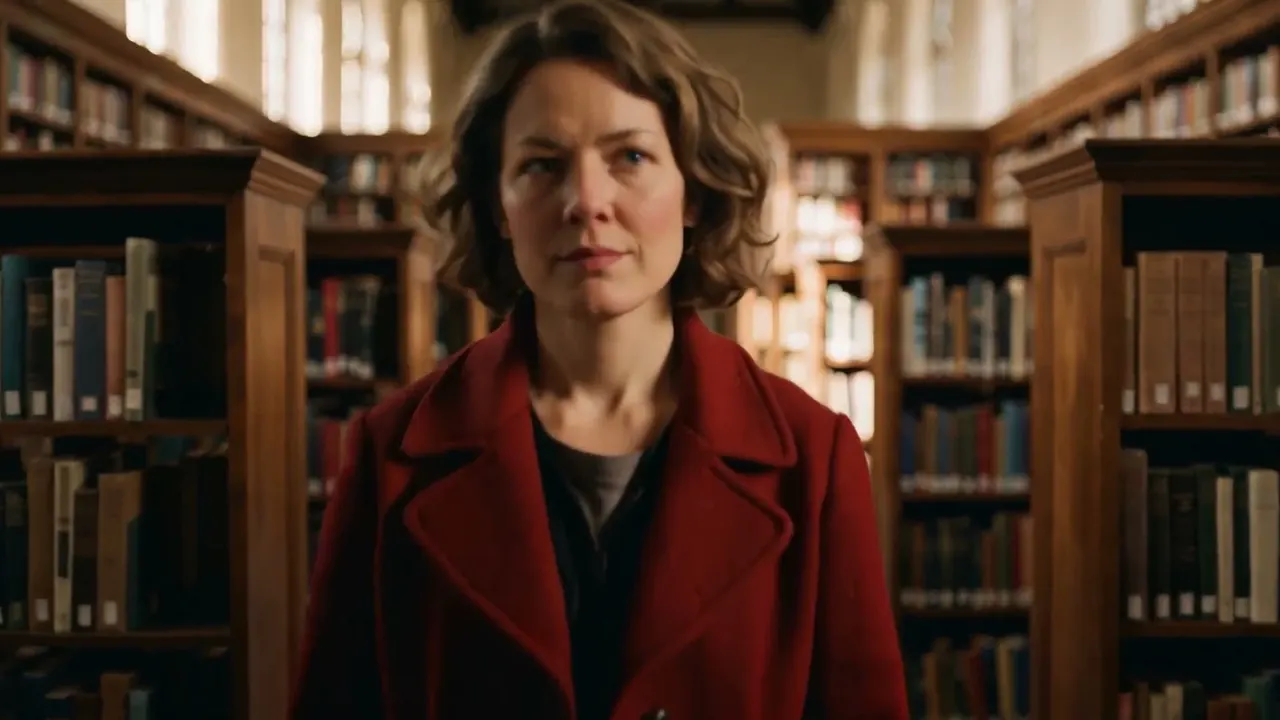
Eyes In
A steady push closes until the eyes fill the frame.
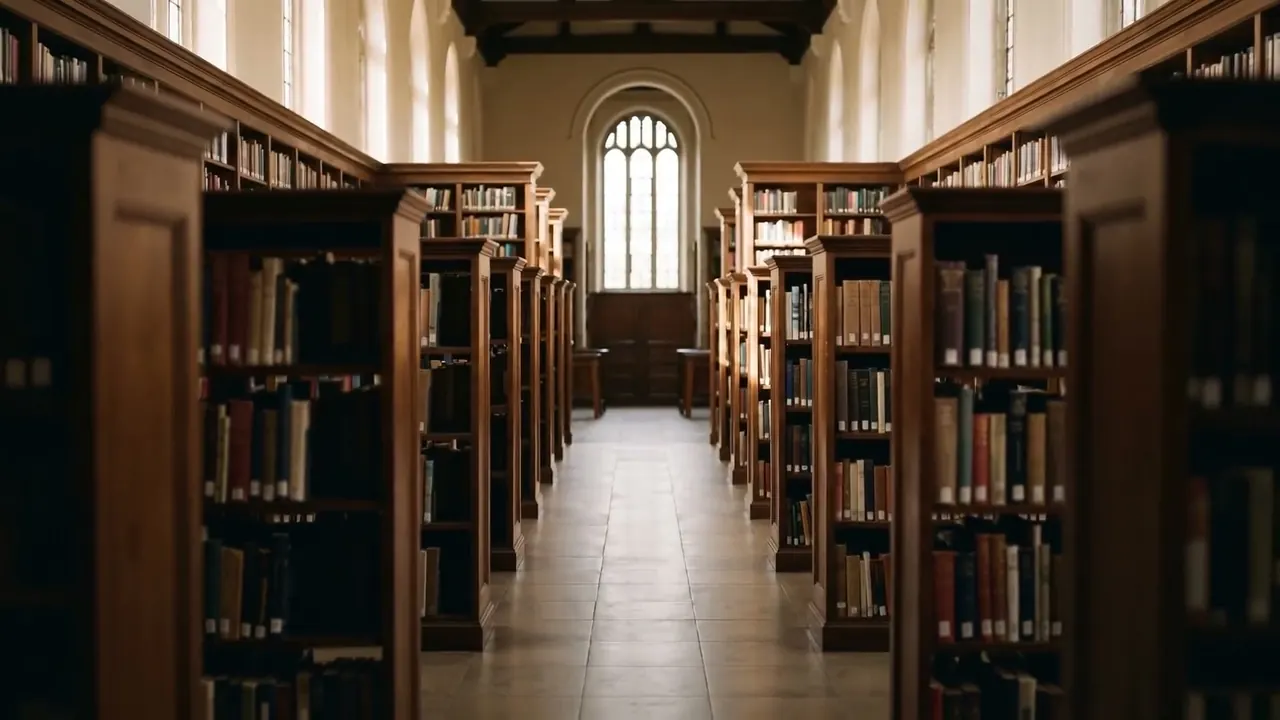
Pull Out
The camera retreats and the frame opens to the setting.
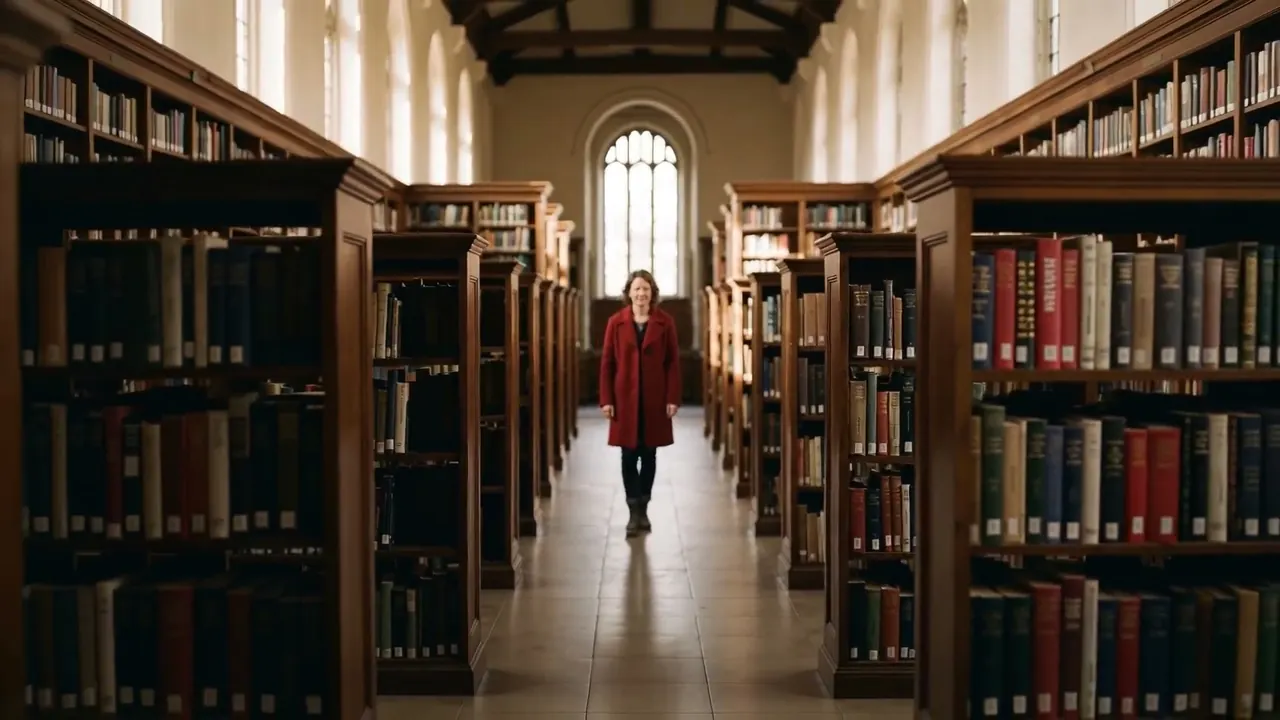
Dolly Out
The camera retreats from the subject, and the setting comes in around it.
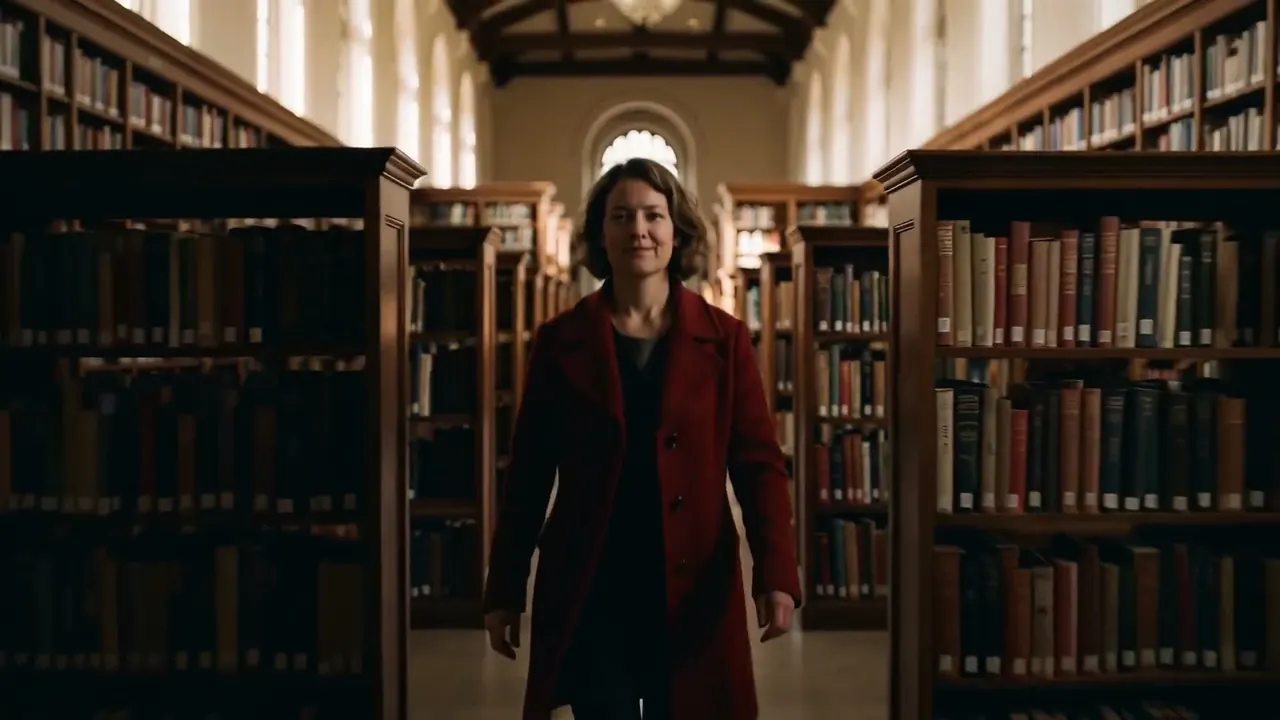
Super Dolly Out
A very fast travel backward that covers a lot of ground.
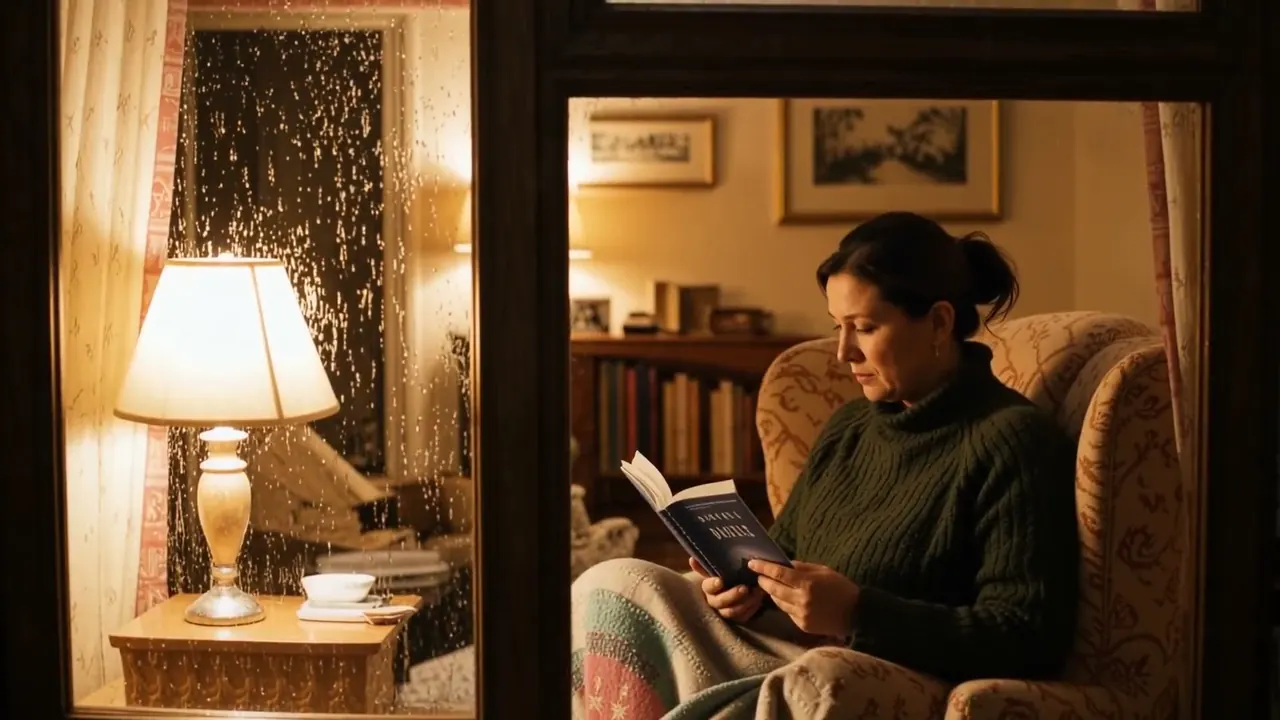
Through Object In
The camera passes through a solid thing and into the space beyond.
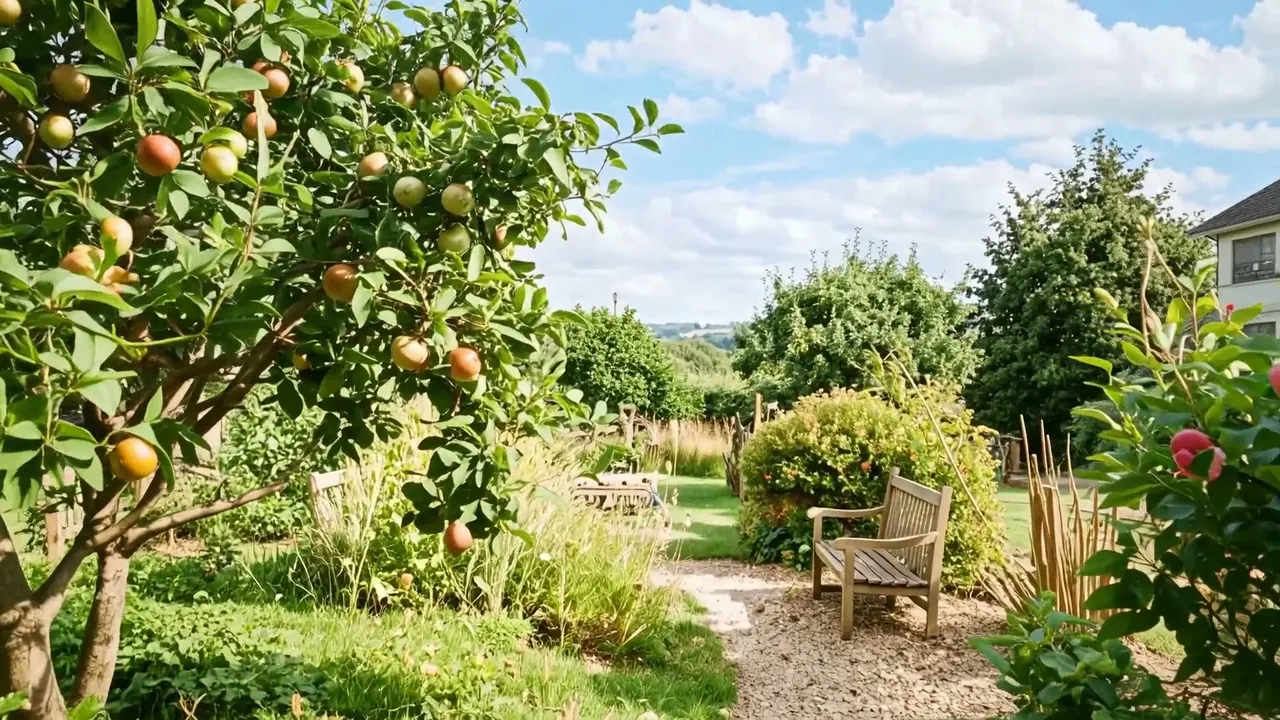
Through Object Out
The camera passes out through a solid thing and into the open.

Pass Through
The camera flies through a gap and out the far side.
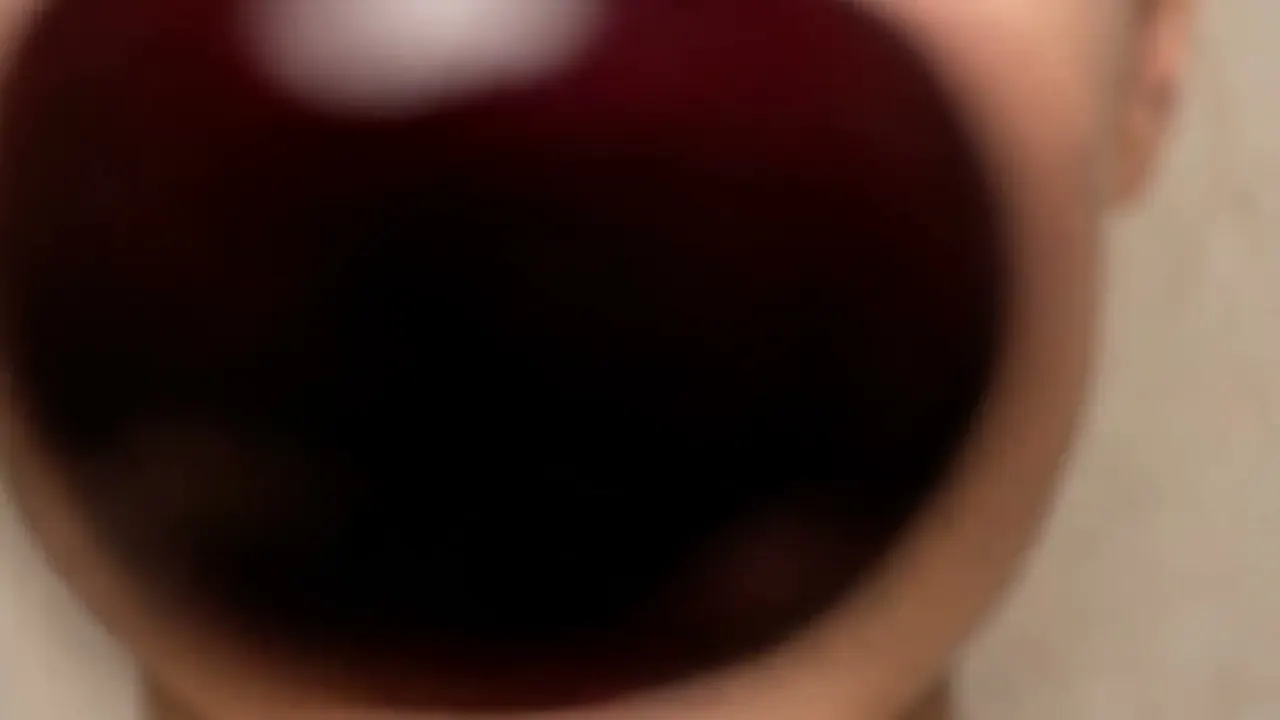
Mouth In
The camera pushes into an open mouth and through into darkness.
Eating Zoom
A fast push closes on food at the mouth.
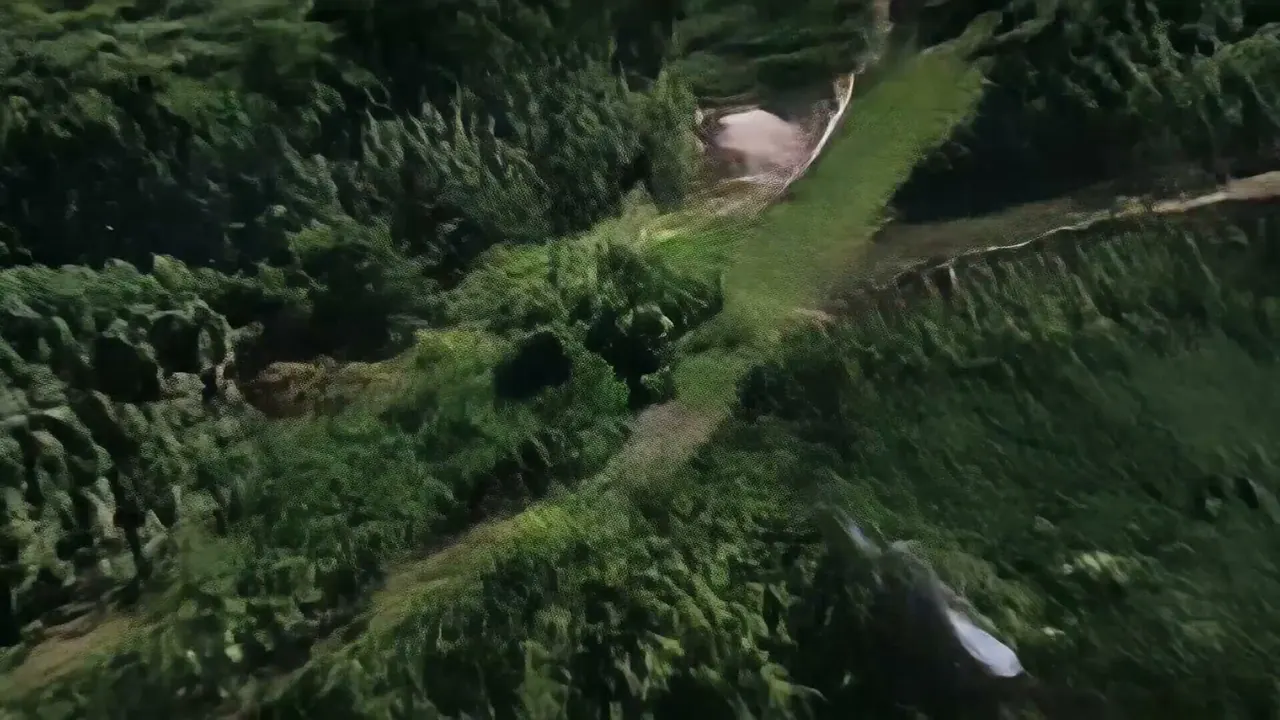
Earth Zoom
One unbroken push runs from orbit down to a detail on the ground.
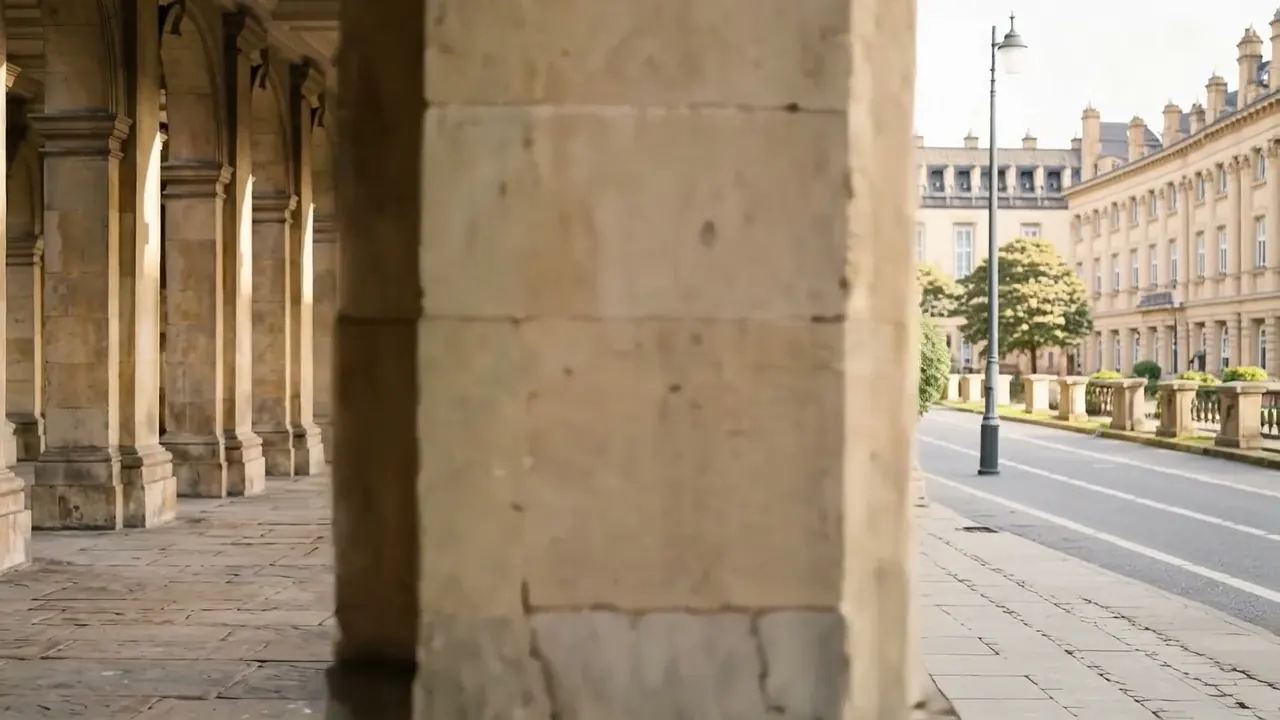
Tracking Shot
The camera travels with a moving subject and keeps pace.
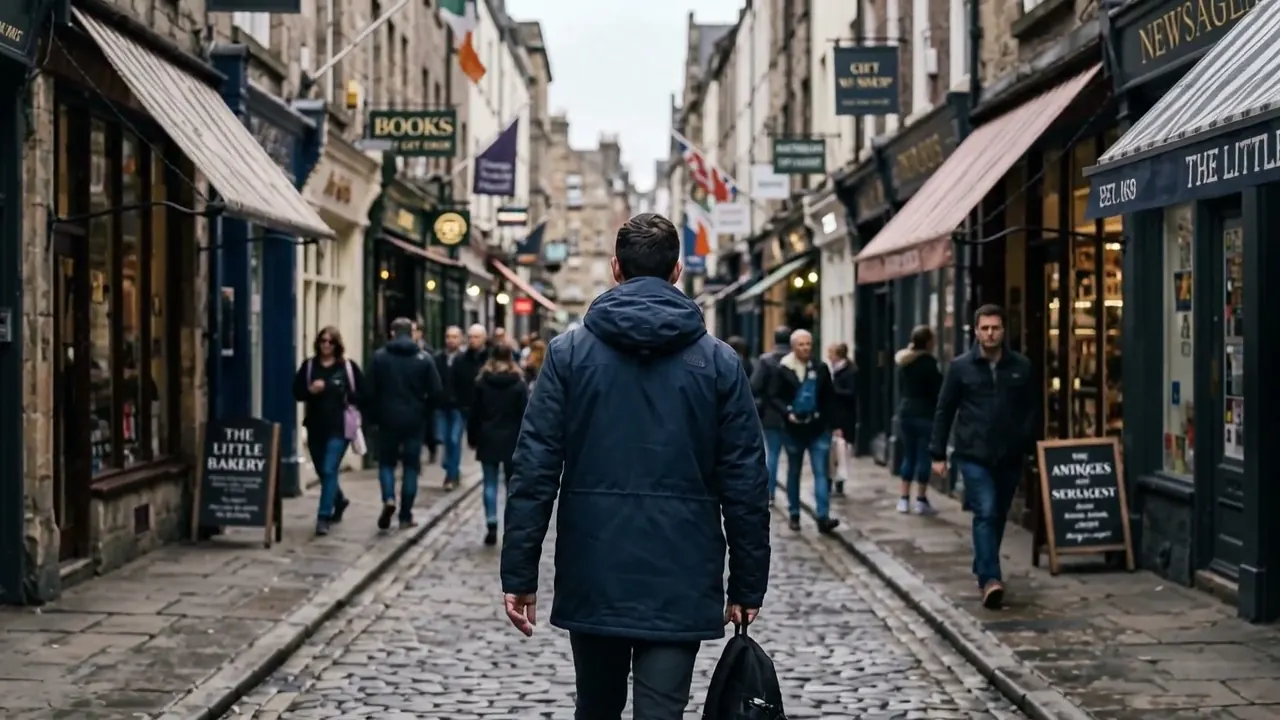
Follow Shot
The camera travels behind the subject and holds a constant distance.
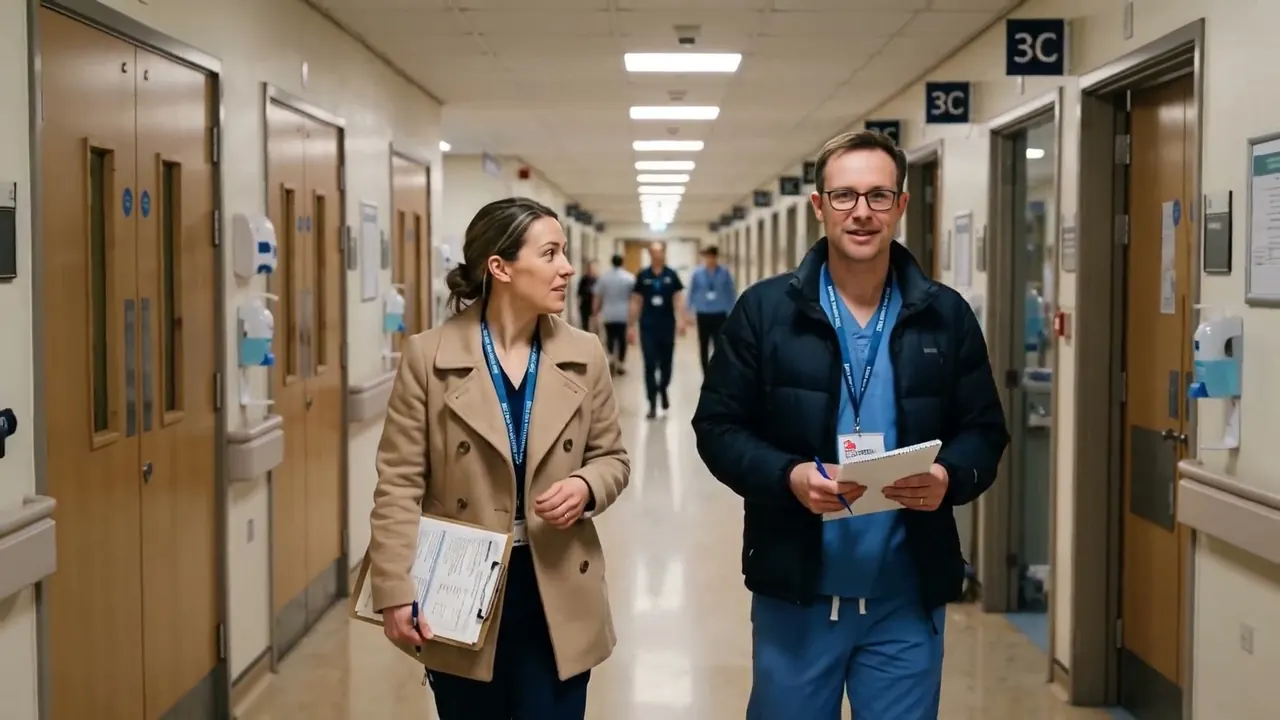
Walk and Talk
The camera retreats ahead of walking subjects who talk as they go.
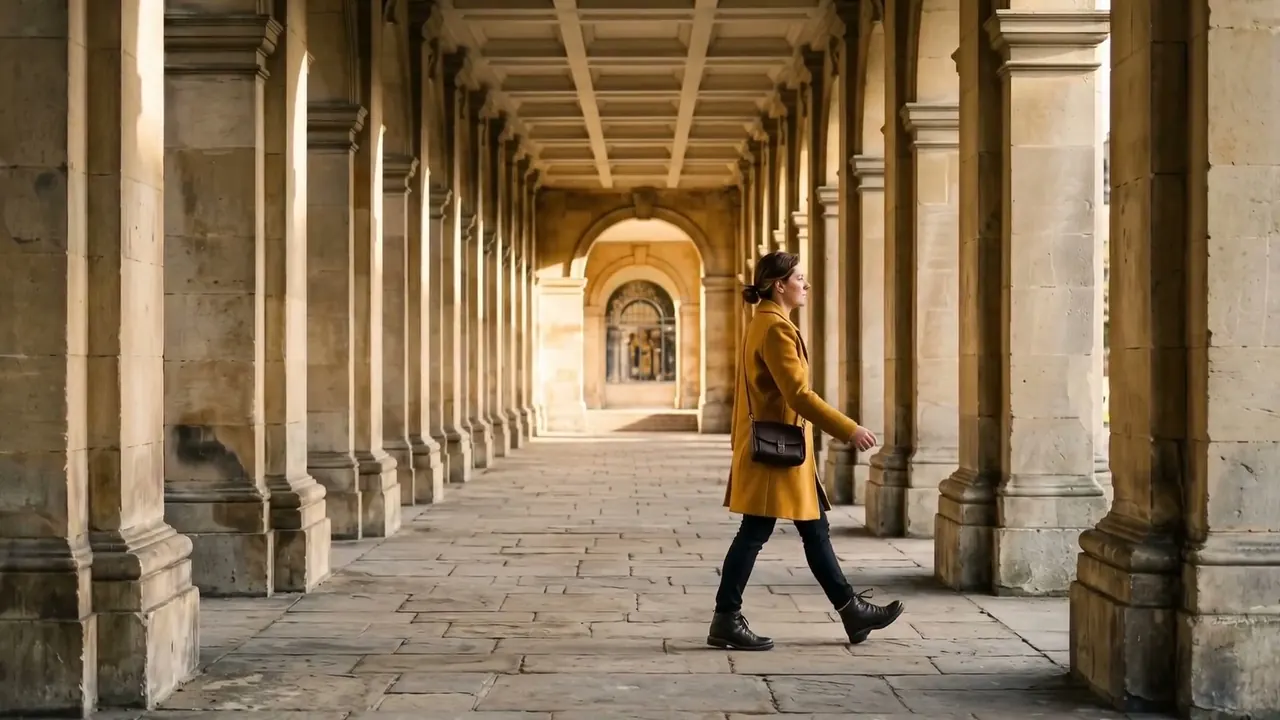
Double Dolly
Camera and subject travel together, so the subject is still and the world slides.
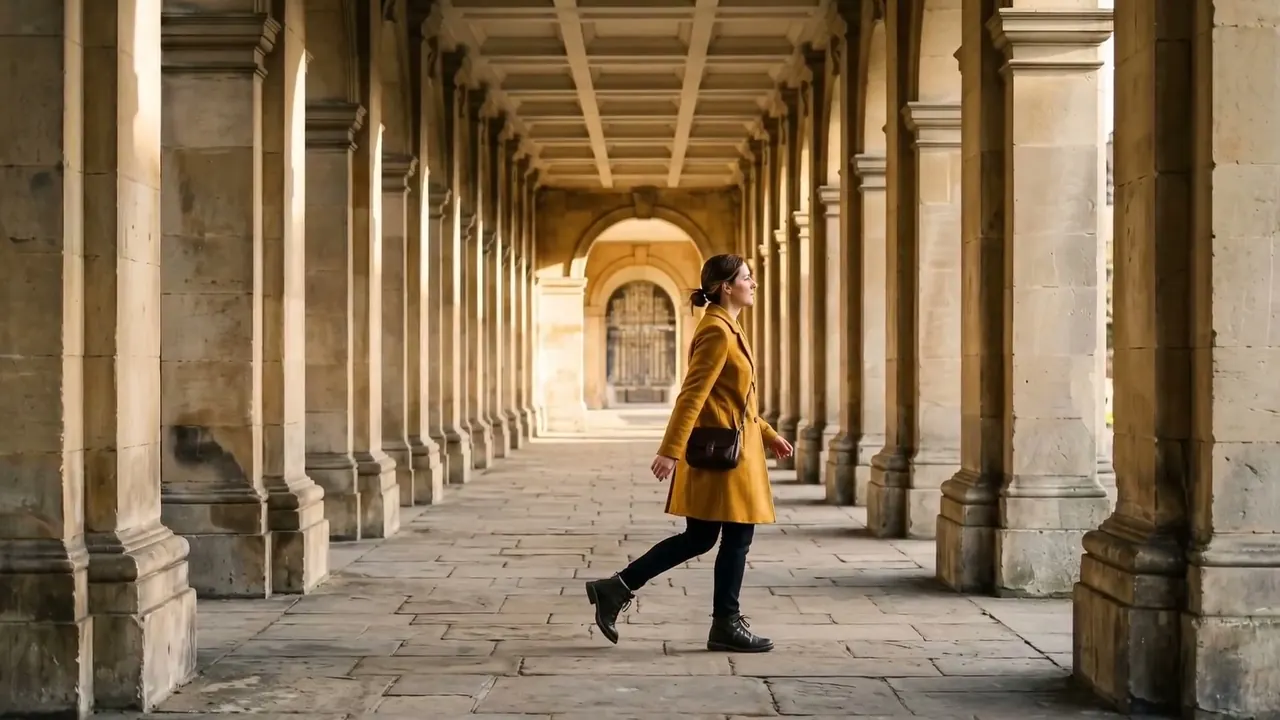
Locked-On
The camera holds the subject in the same spot in frame no matter what moves.
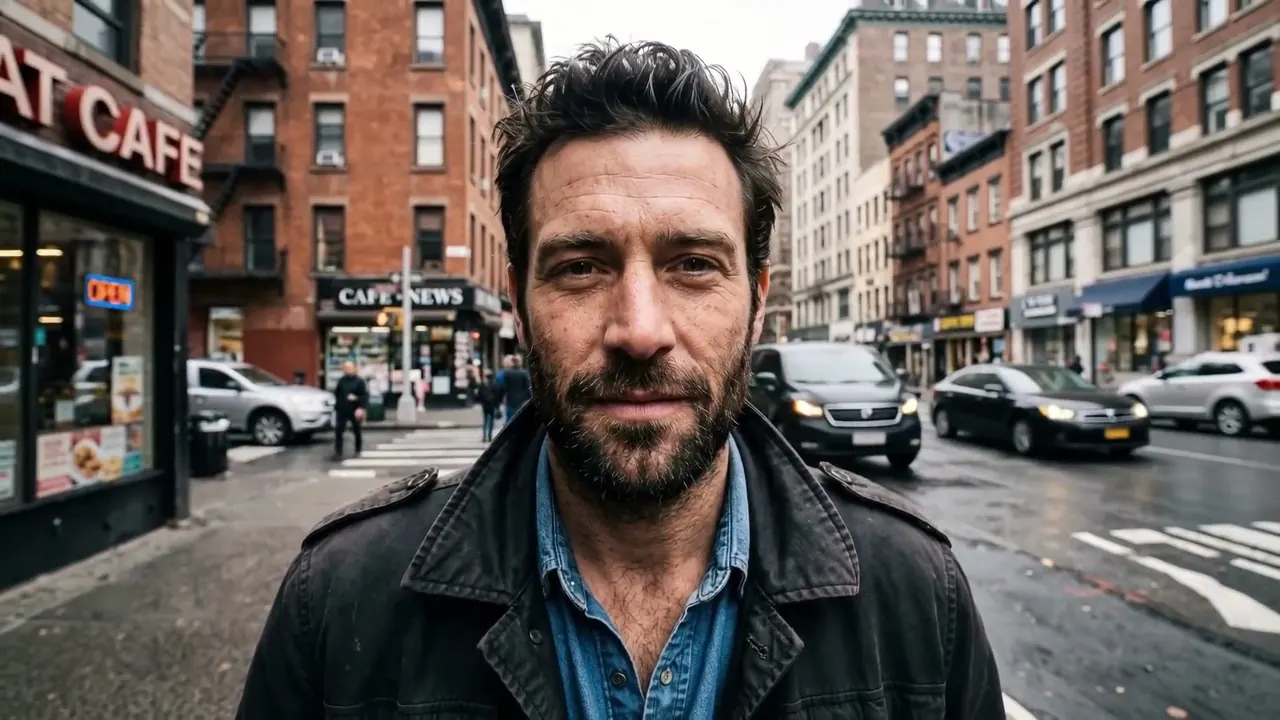
Head Tracking
The camera locks to the subject's head, so the head is still and the world moves.
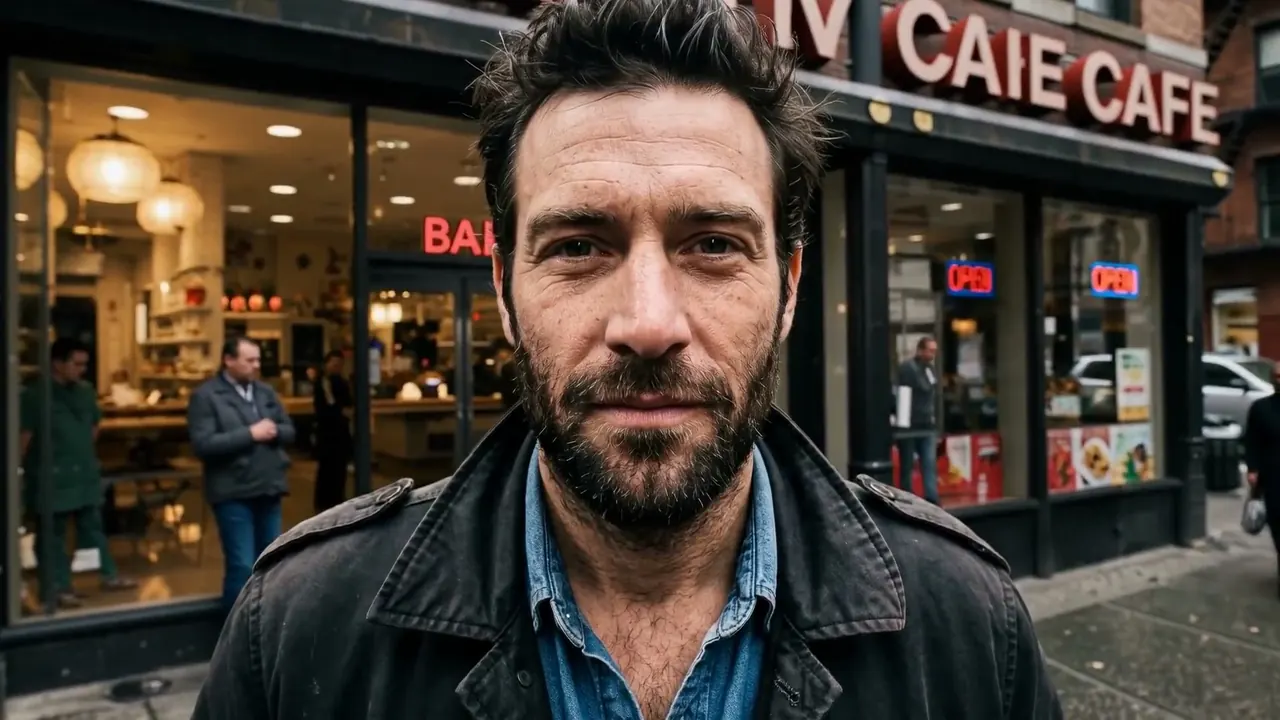
SnorriCam
The camera rigs to the actor's body, so the actor is fixed and the world swings.
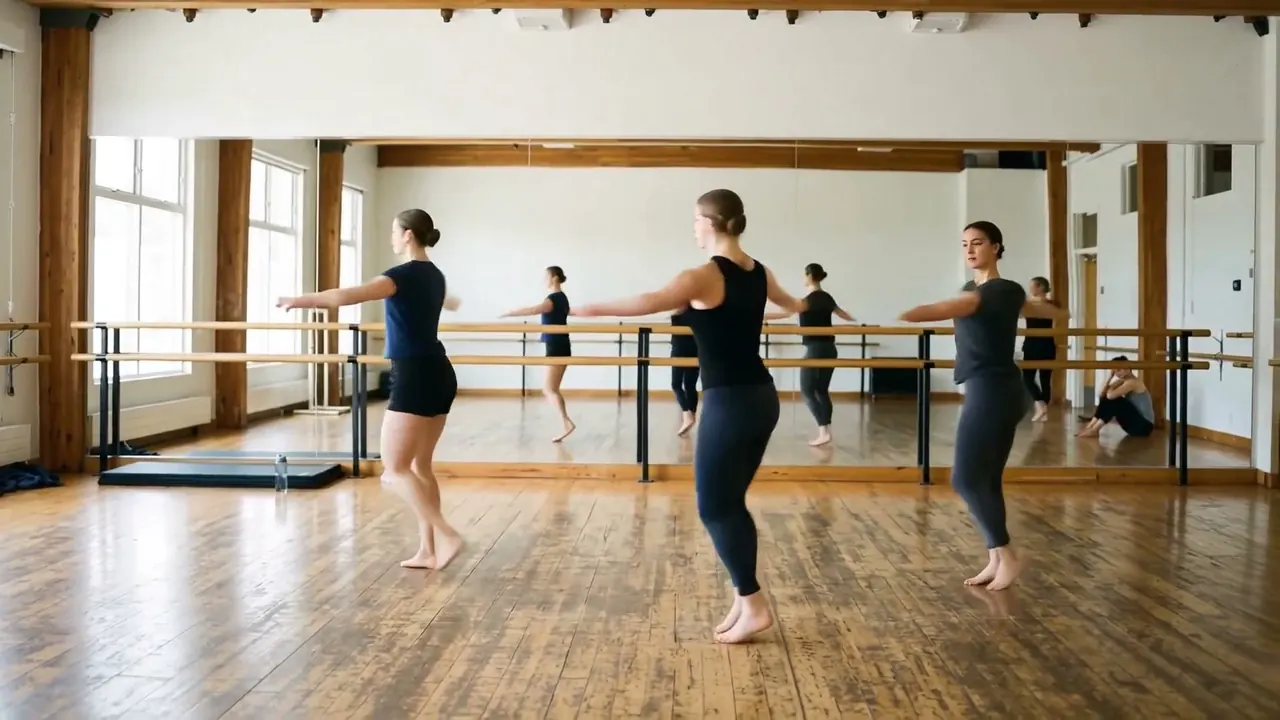
Choreo
The camera moves in step with the performers, as one more dancer.
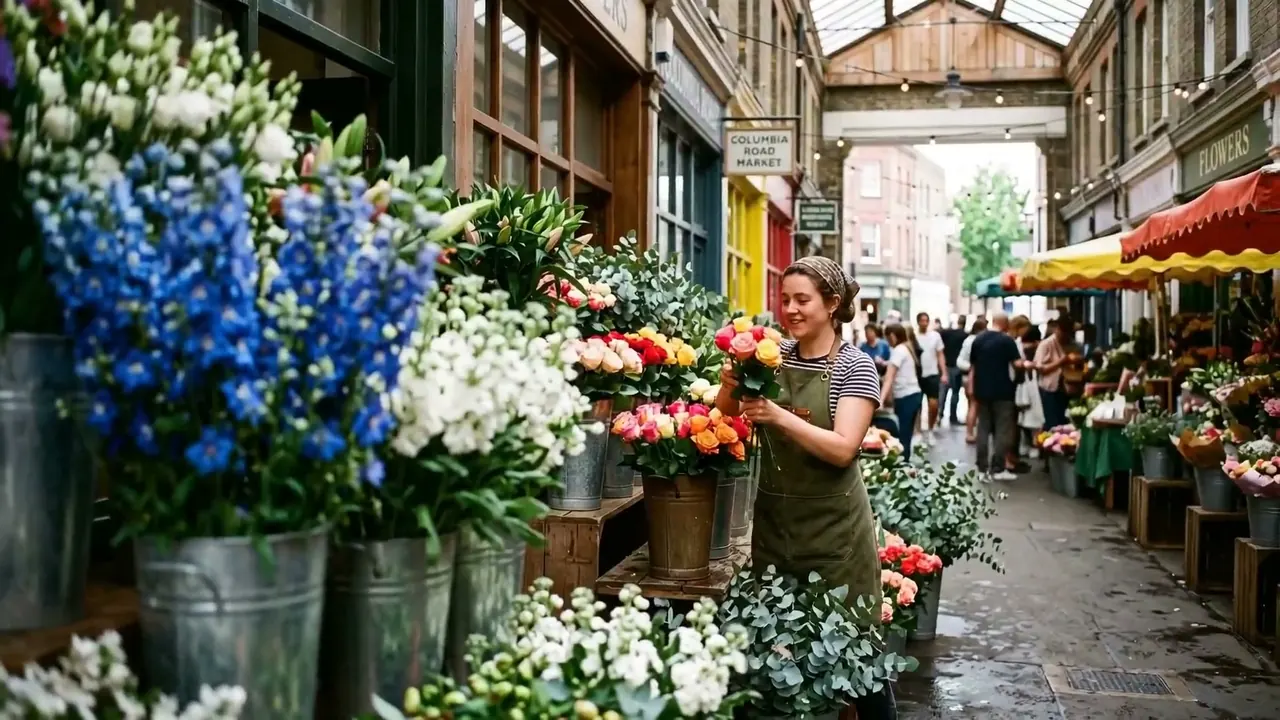
Dolly Left
The camera travels to the left and the background slides right.
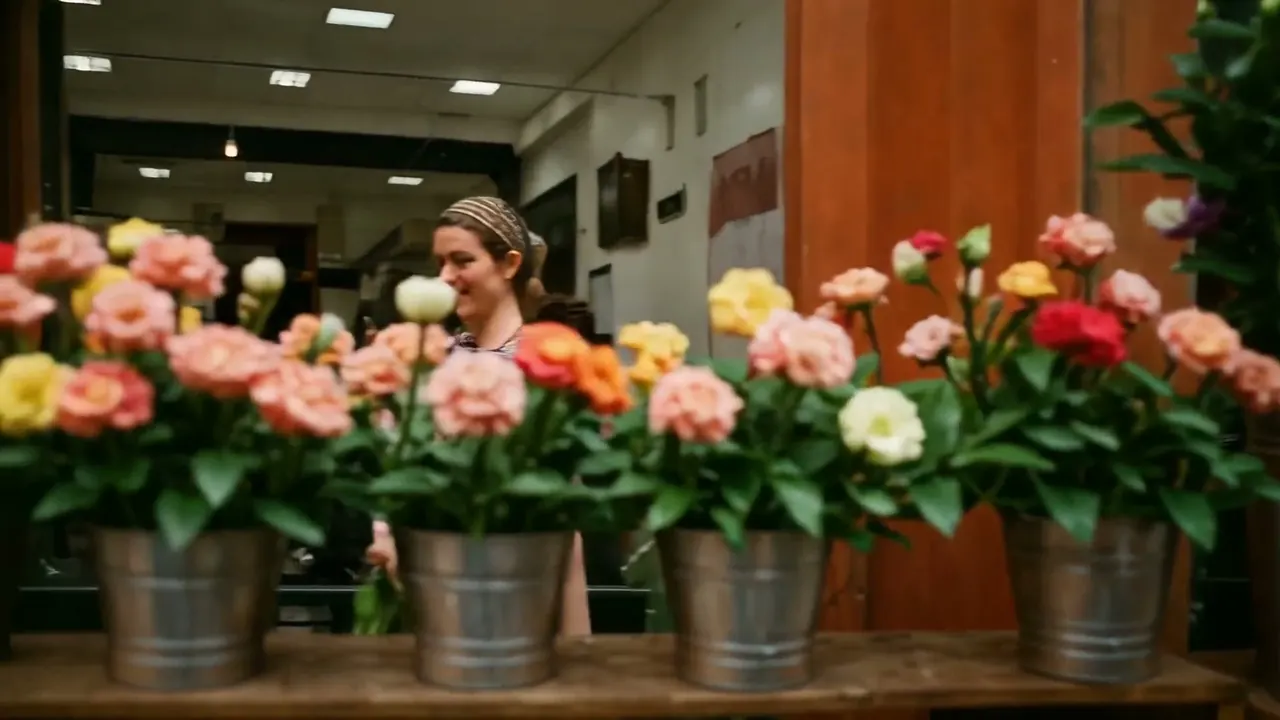
Dolly Right
The camera travels to the right and the background slides left.
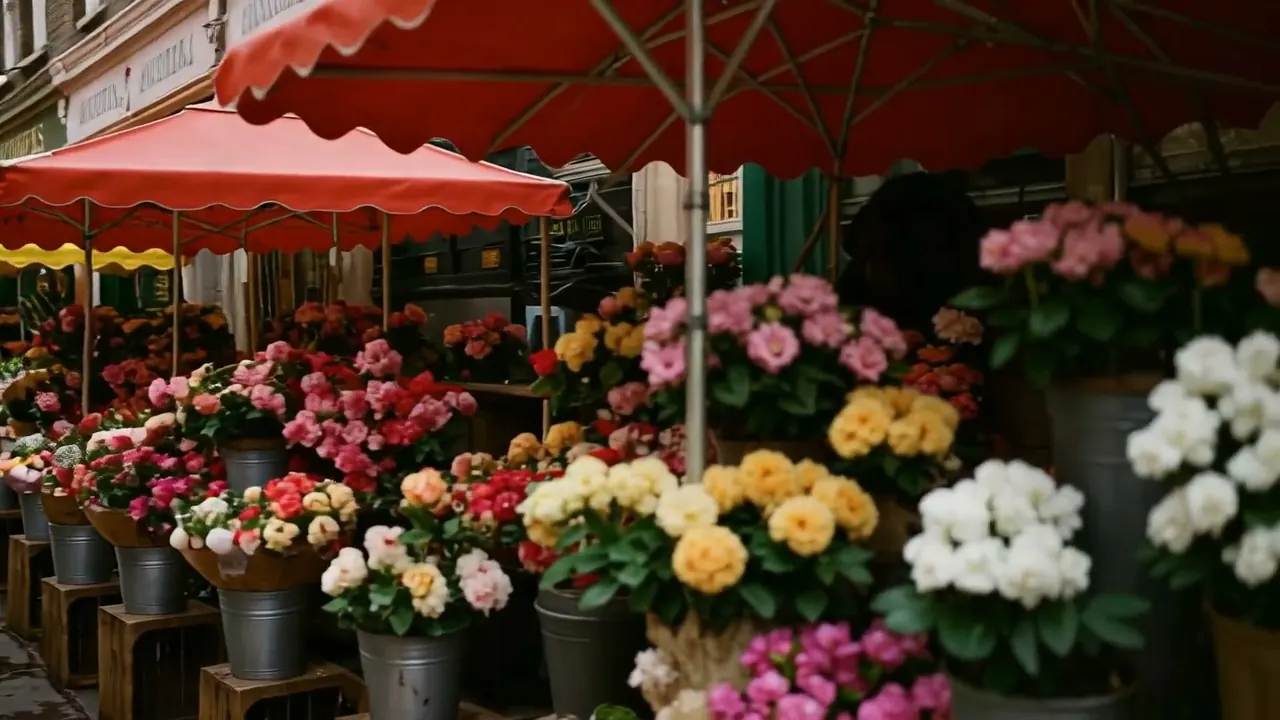
Trucking
The camera travels sideways on a straight line.
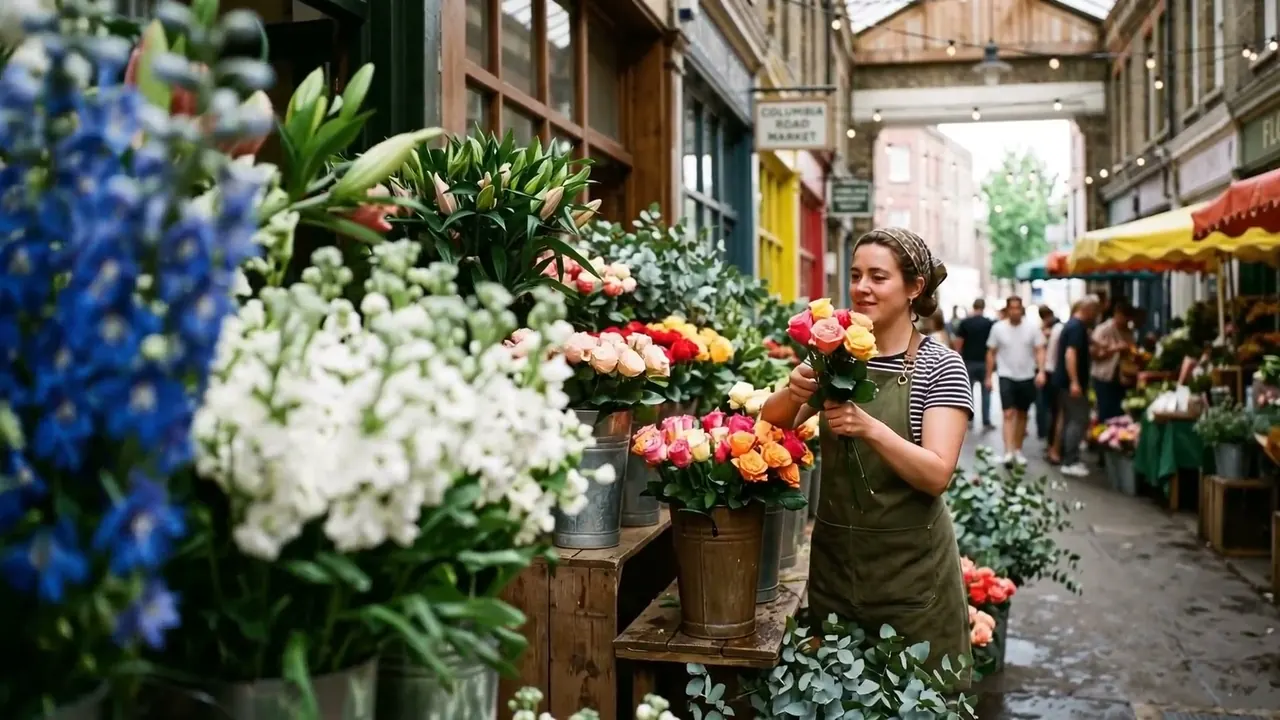
Slider Shot
A short smooth lateral move on a small track.
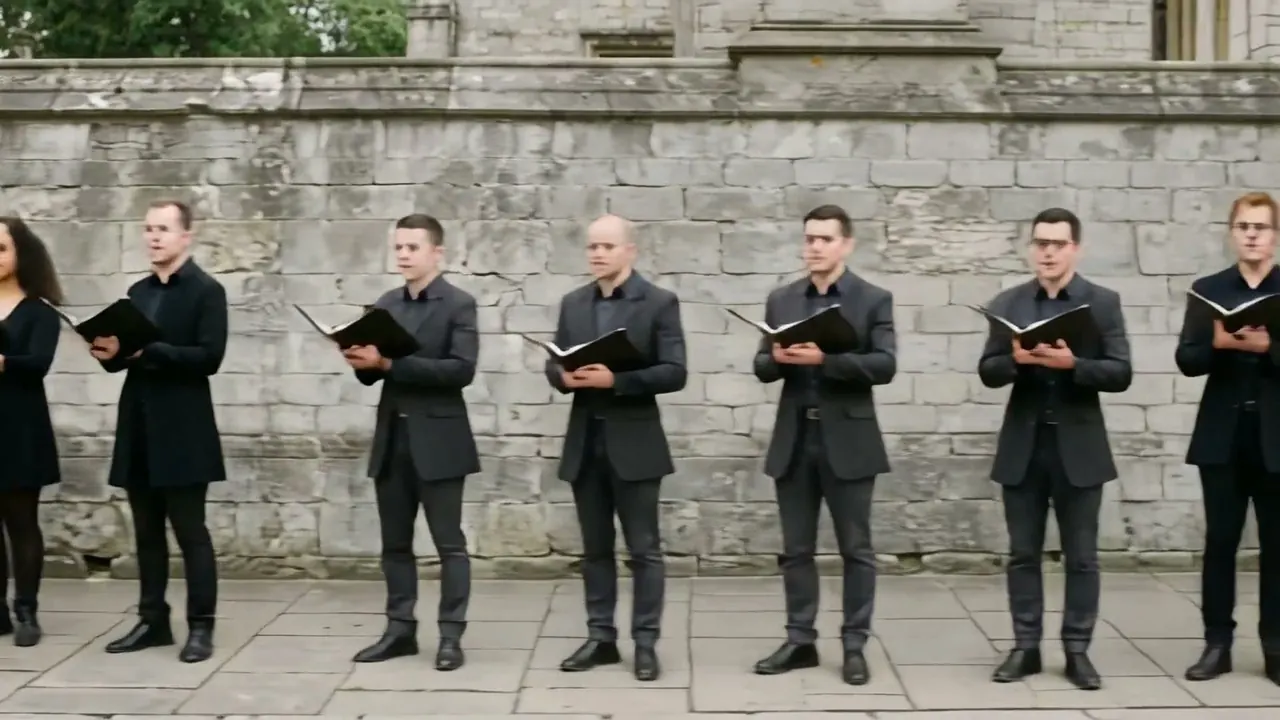
Conveyor
The camera slides along a line of subjects at a steady rate.
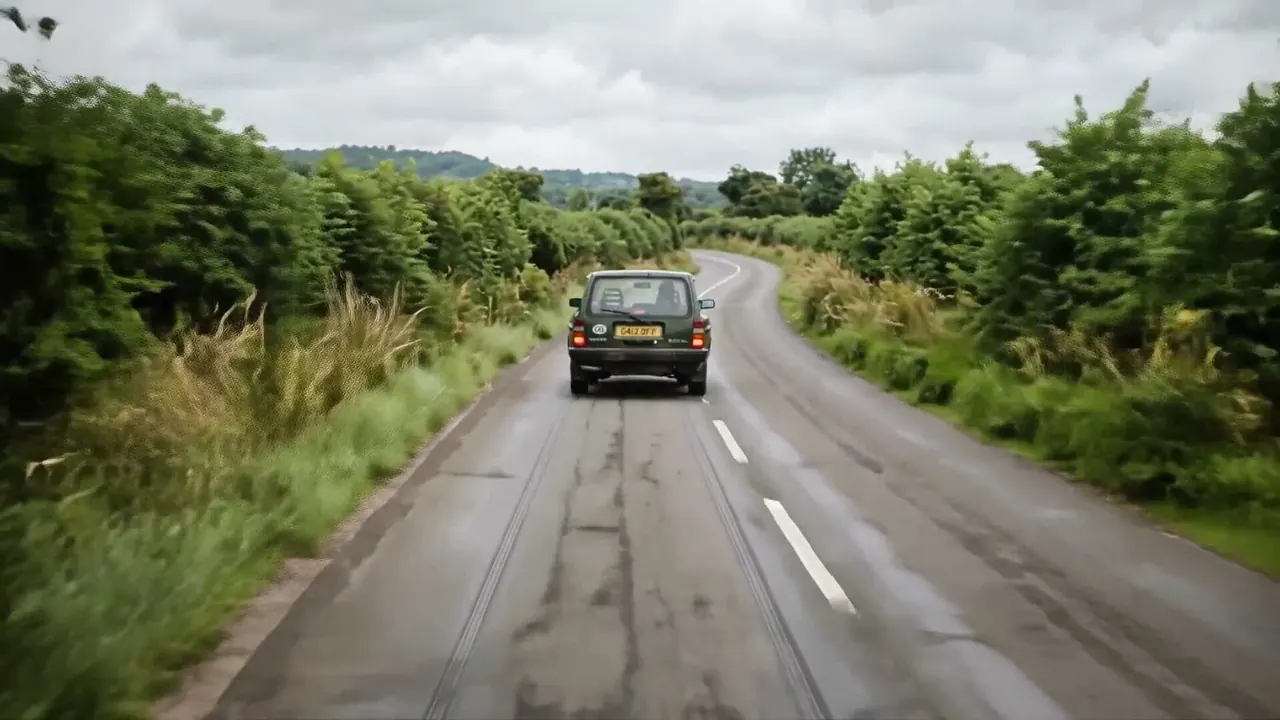
Car Chasing
The camera pursues a moving vehicle and holds it in frame.
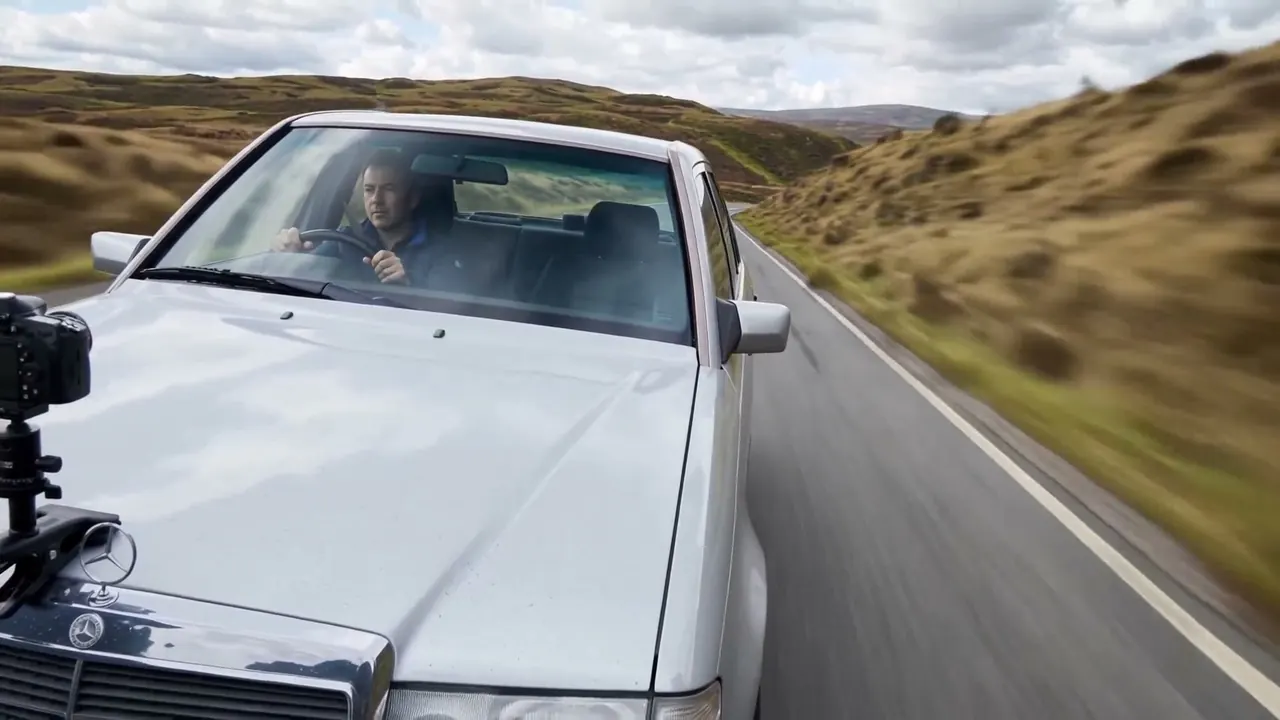
Car Grip
The camera clamps to the car body, so the car is still and the world moves.
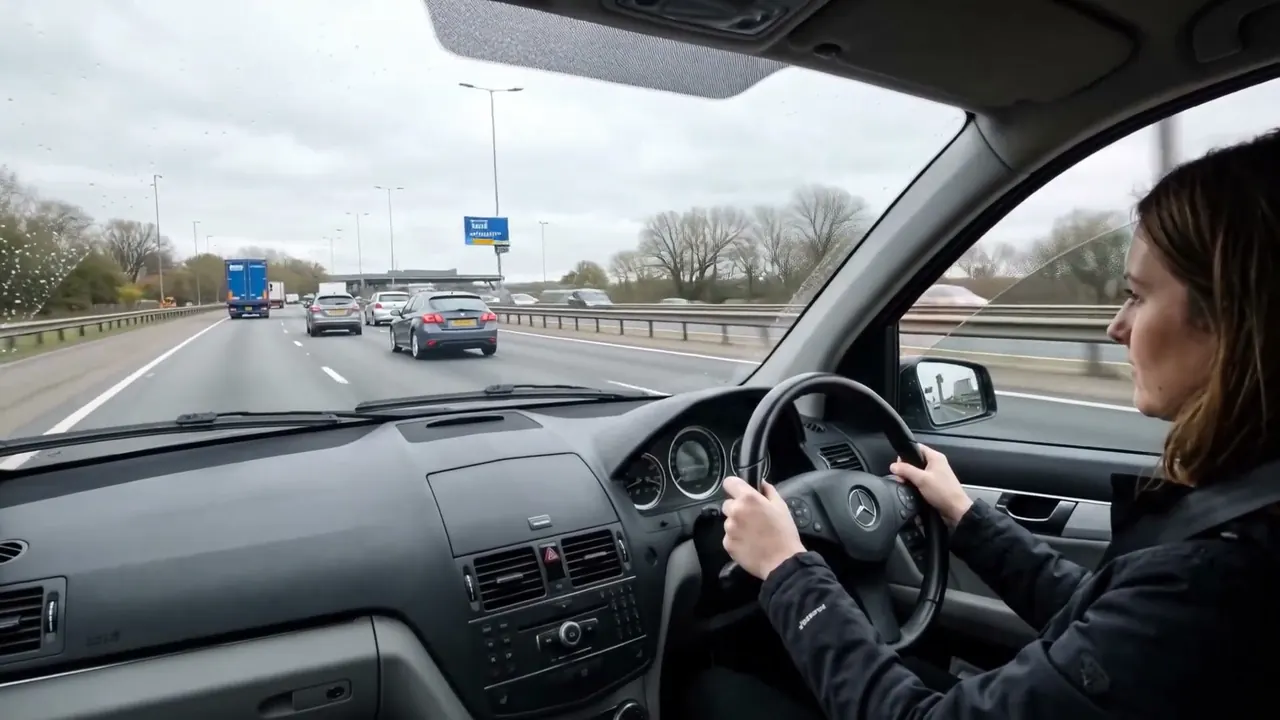
Buckle Up
The camera sits fixed in a vehicle and the world slams past.
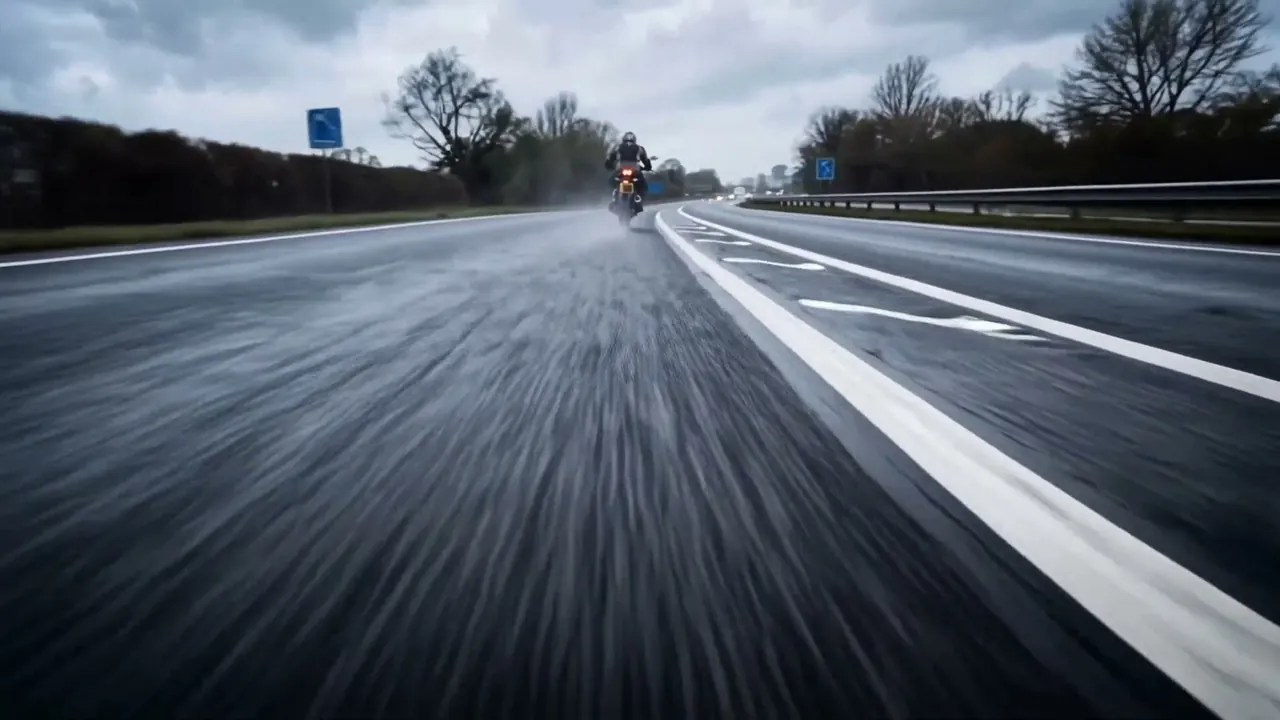
Road Rush
A low camera skims the road surface at speed.
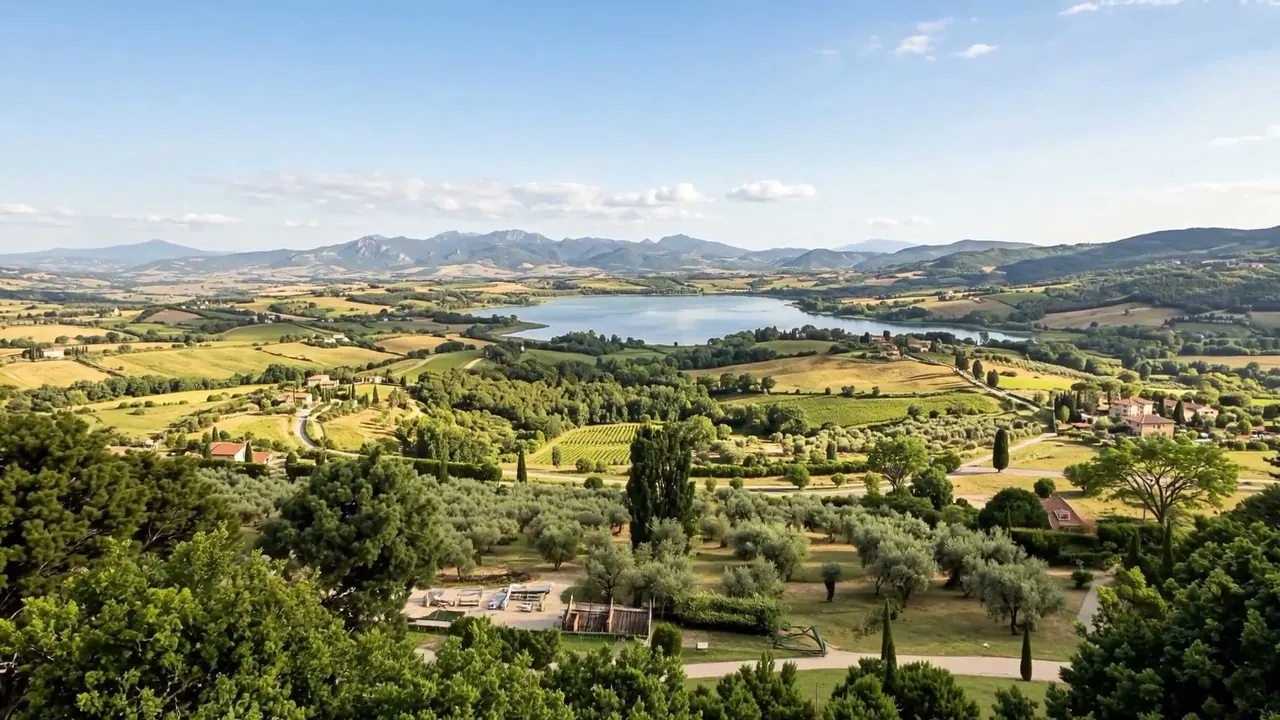
Pan
The camera turns on its own axis, and the view sweeps sideways.
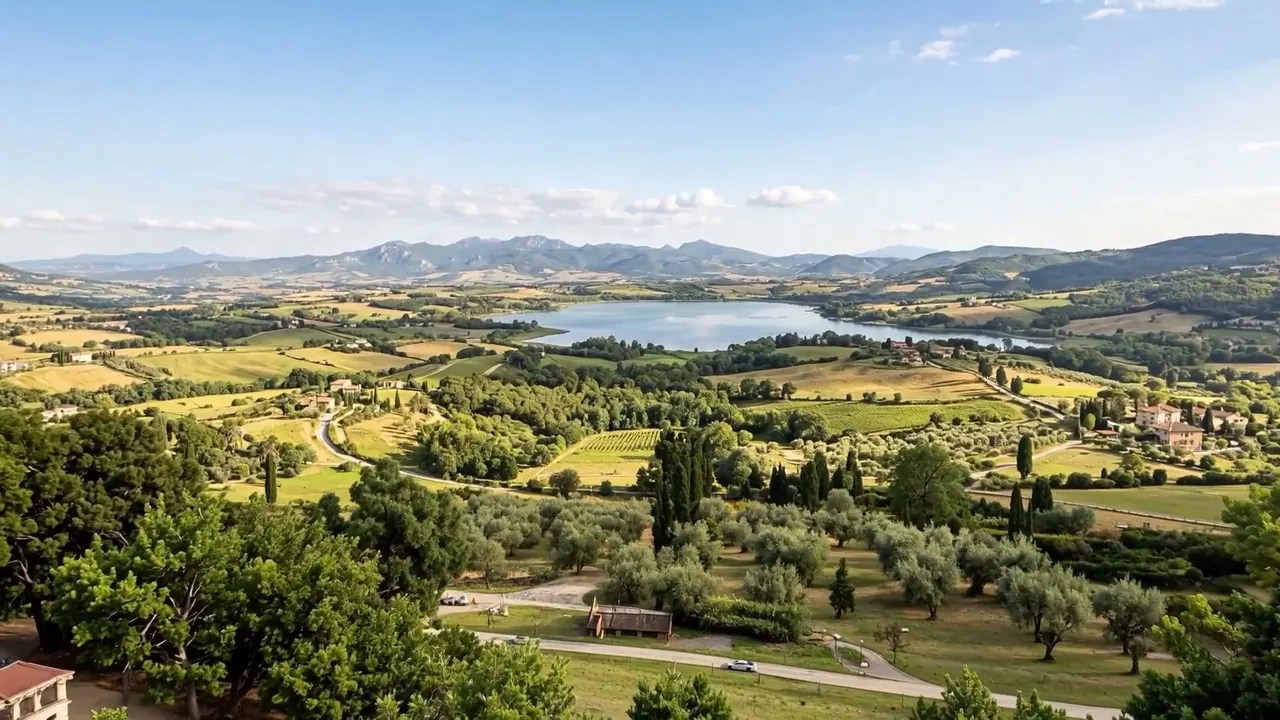
Pan Left
The camera turns to the left and the view sweeps that way.

Pan Right
The camera turns to the right and the view sweeps that way.
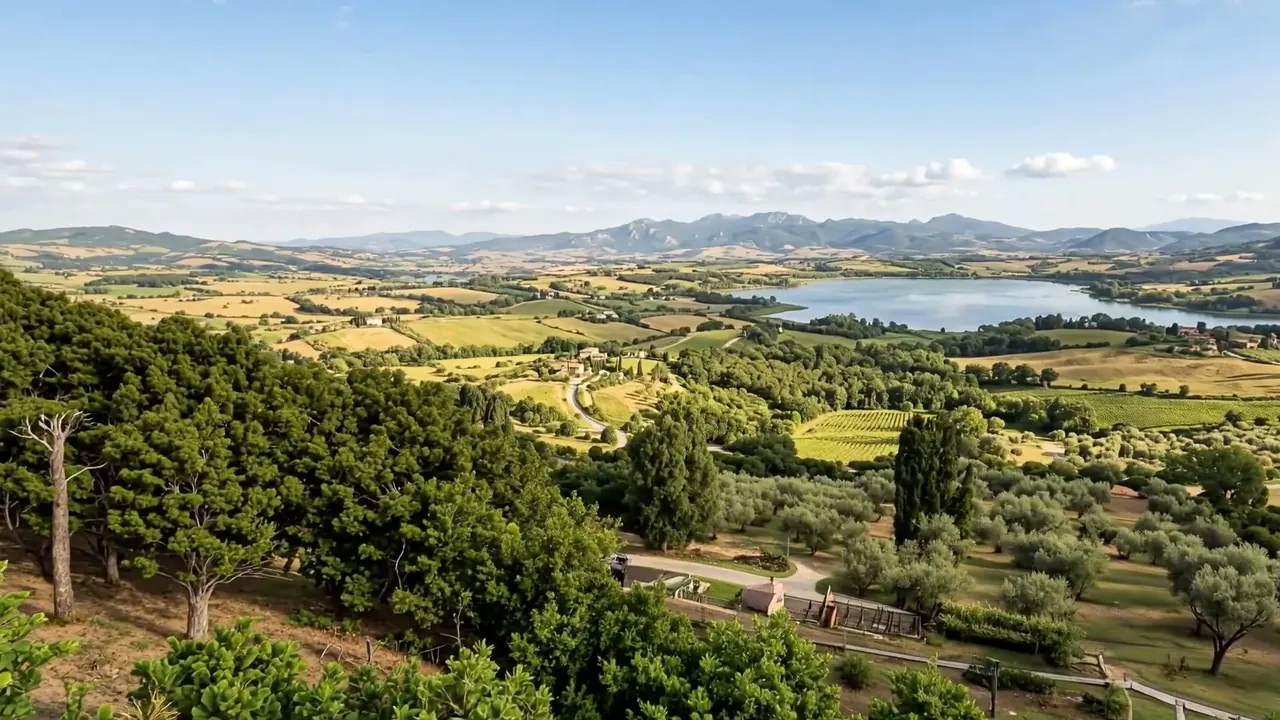
Whip Pan
The camera turns so fast that the frame smears sideways.
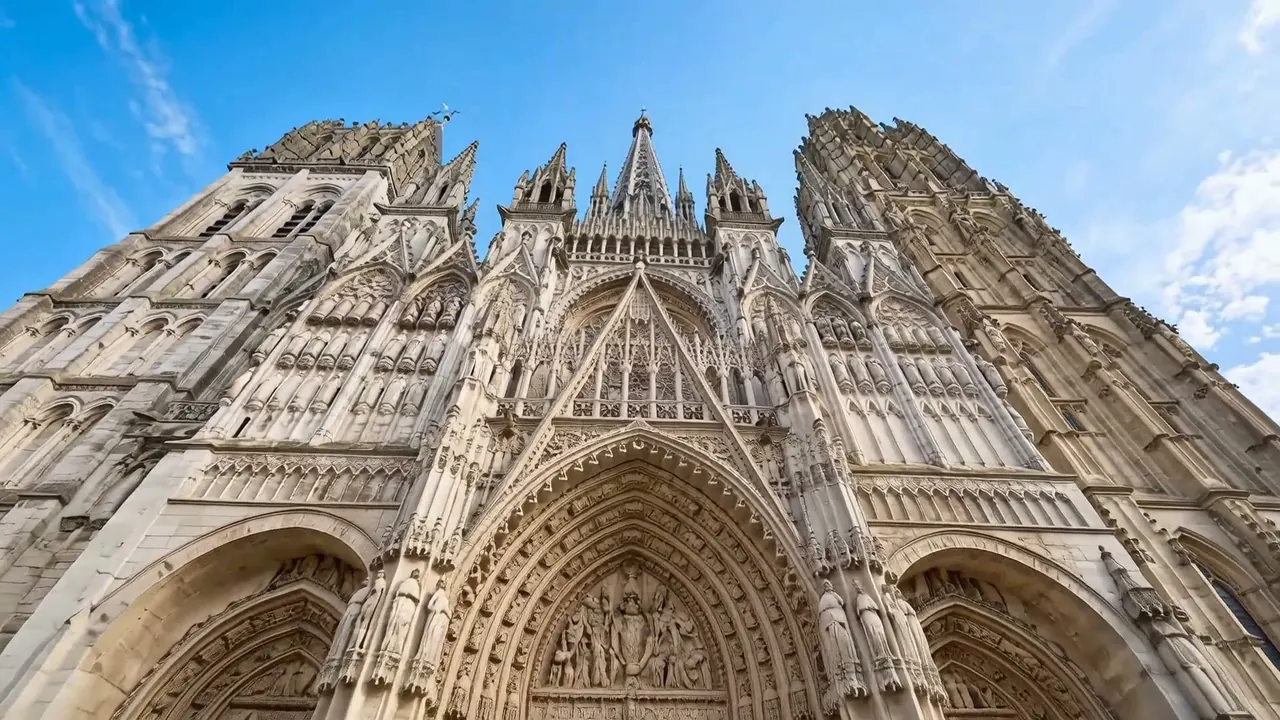
Tilt
The camera pivots up or down on its axis, and the view sweeps vertically.
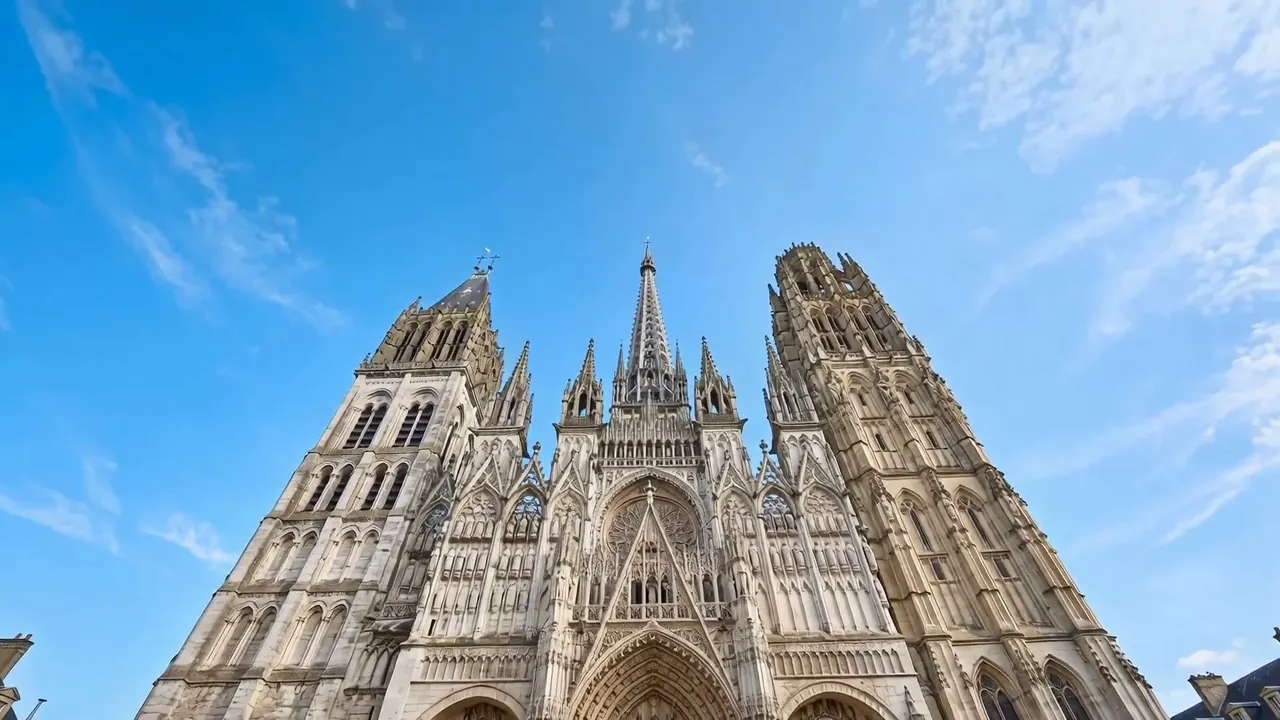
Tilt Up
The camera pivots upward and the view sweeps to the sky.
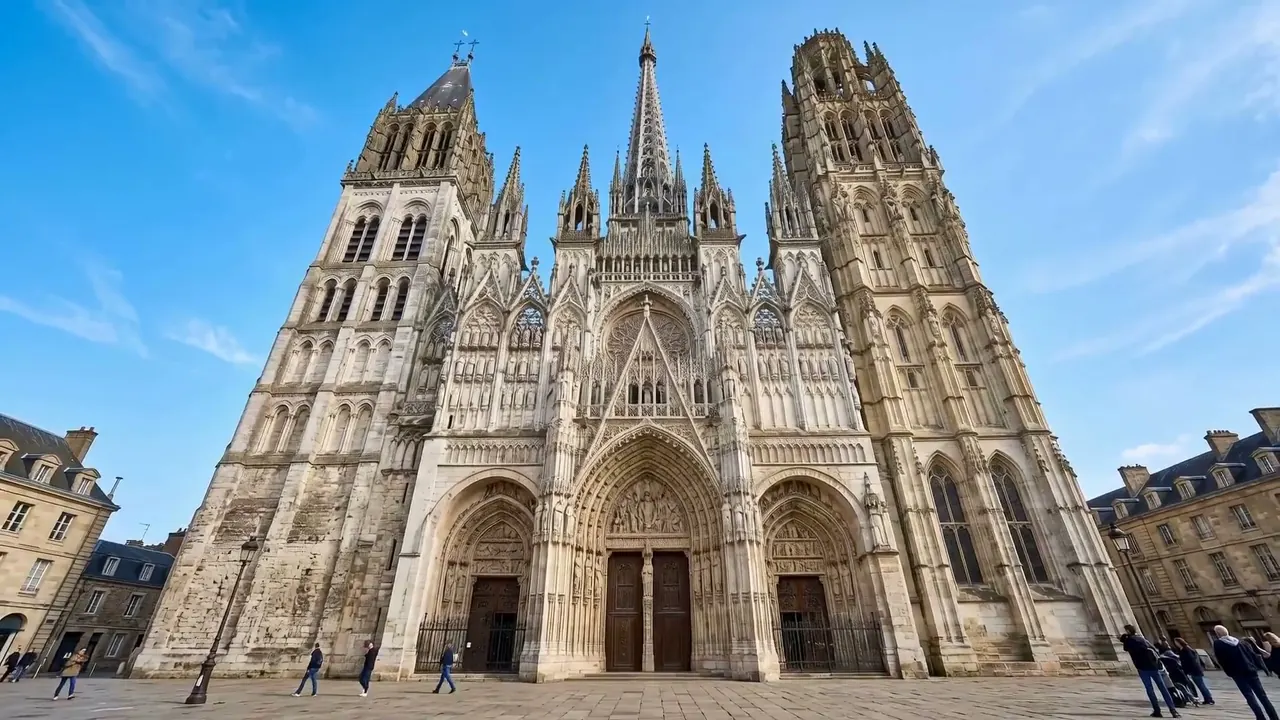
Tilt Down
The camera pivots downward and the view sweeps to the ground.
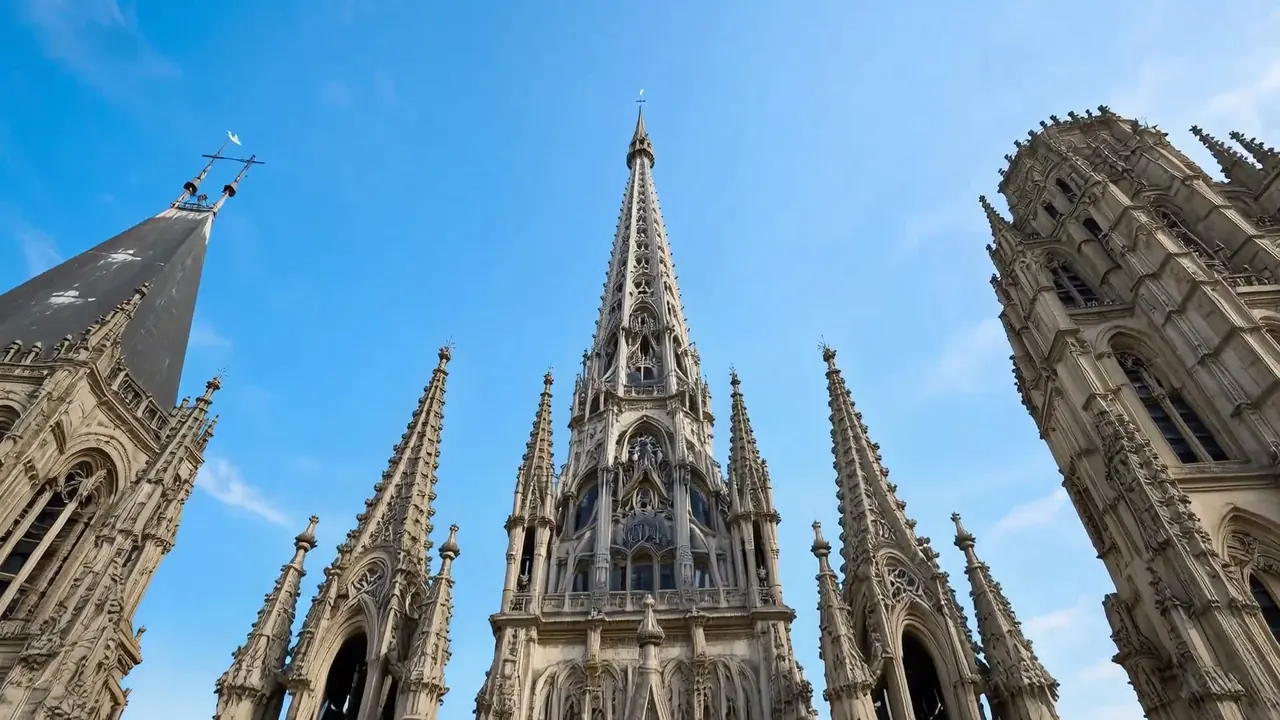
Whip Tilt
The camera pivots so fast that the frame smears vertically.
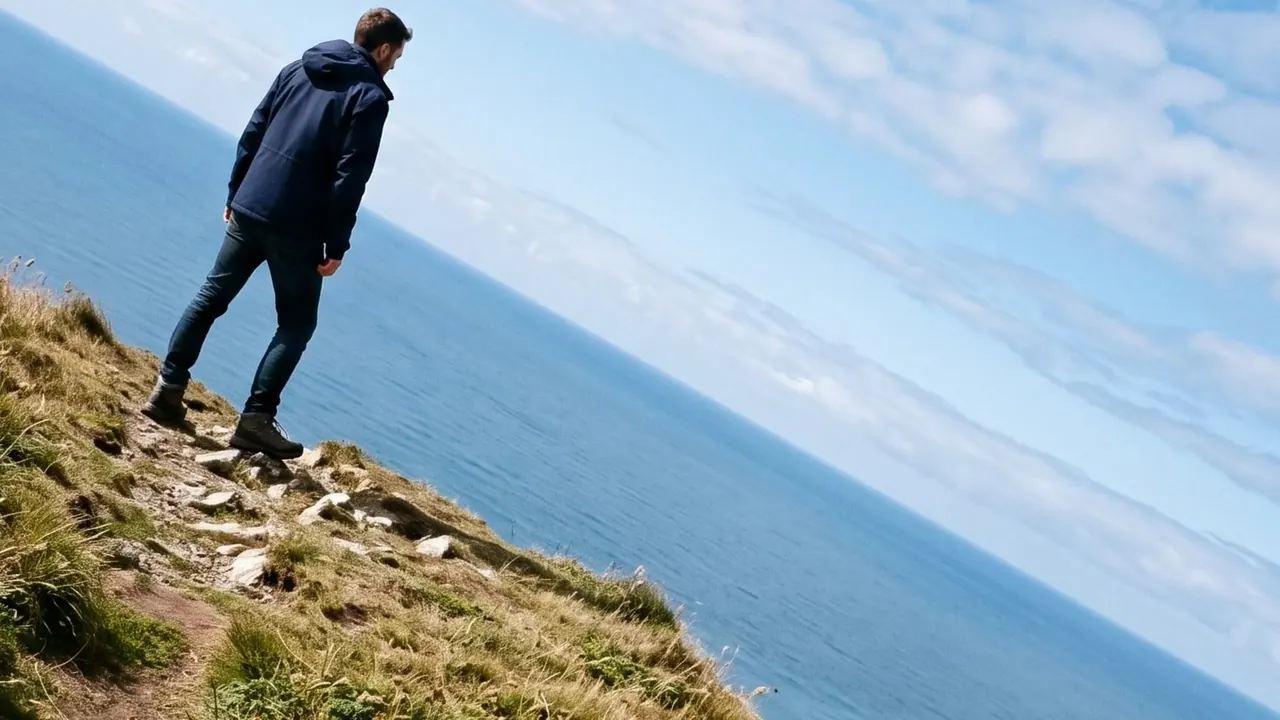
Camera Roll
The camera turns on the lens axis, and the horizon rotates.
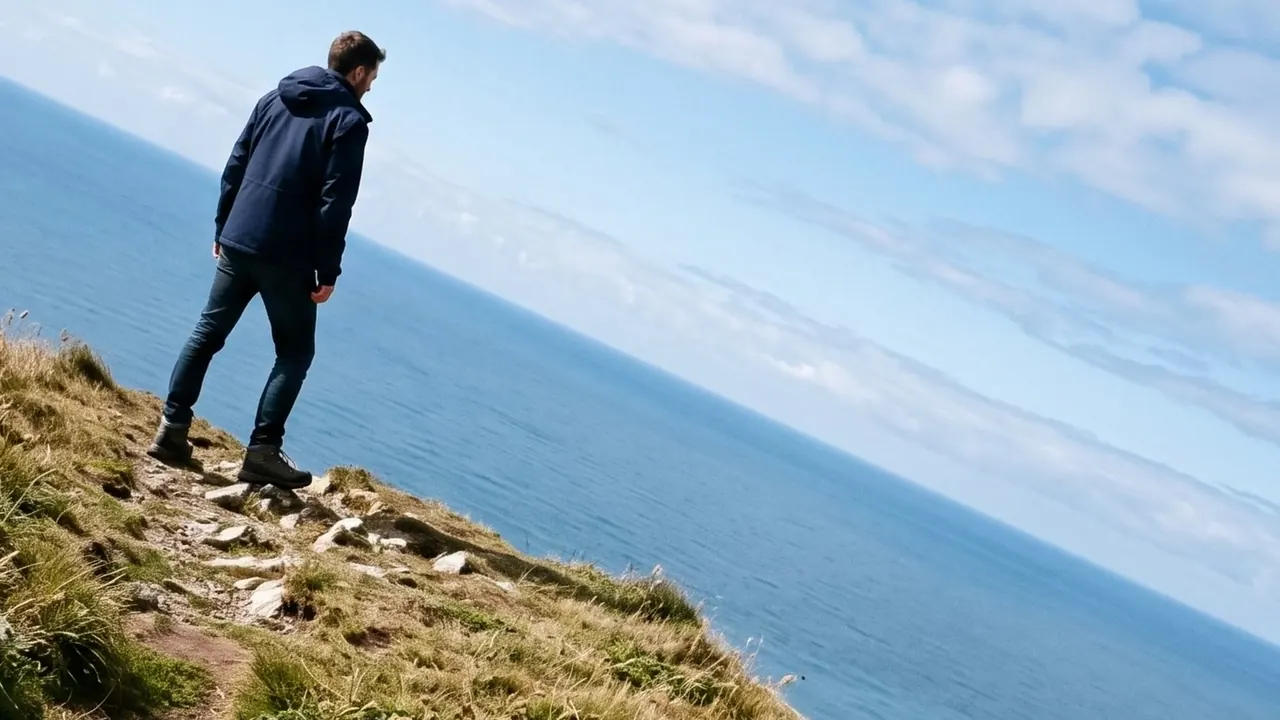
Dutch Roll
The camera tilts off level during the shot, so the horizon leans as you watch.
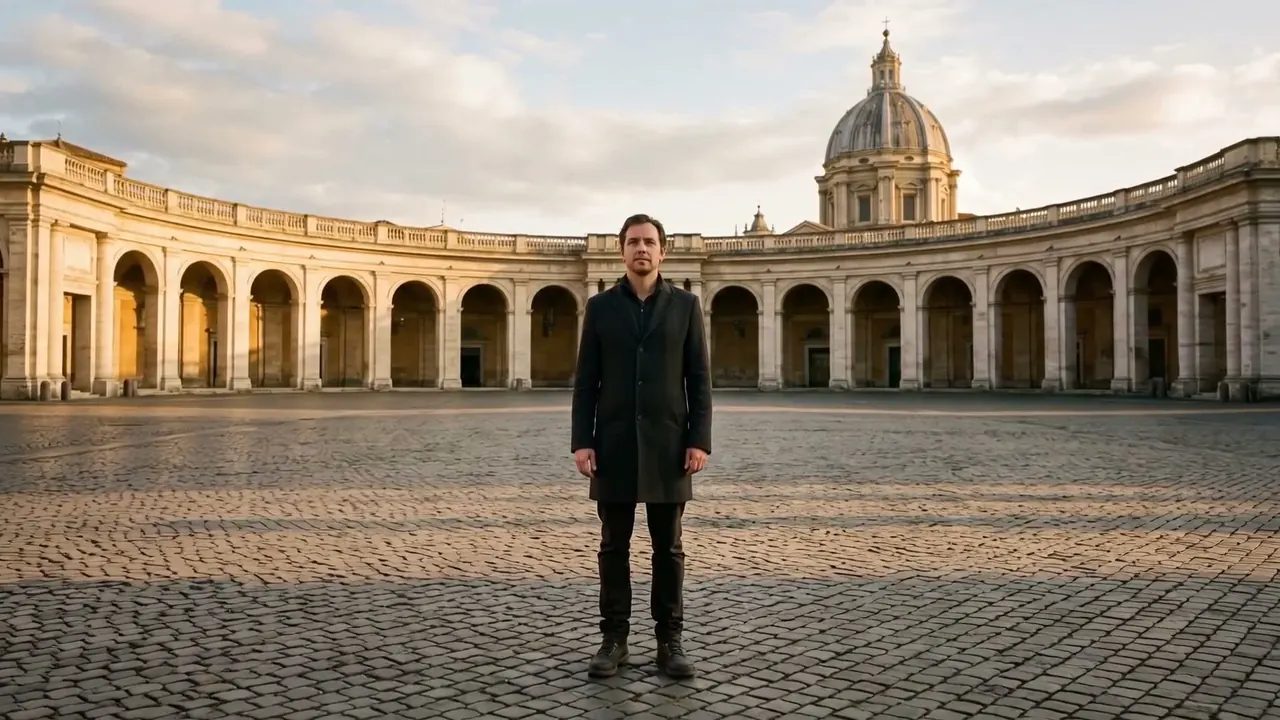
Arc
The camera curves around the subject on part of a circle.
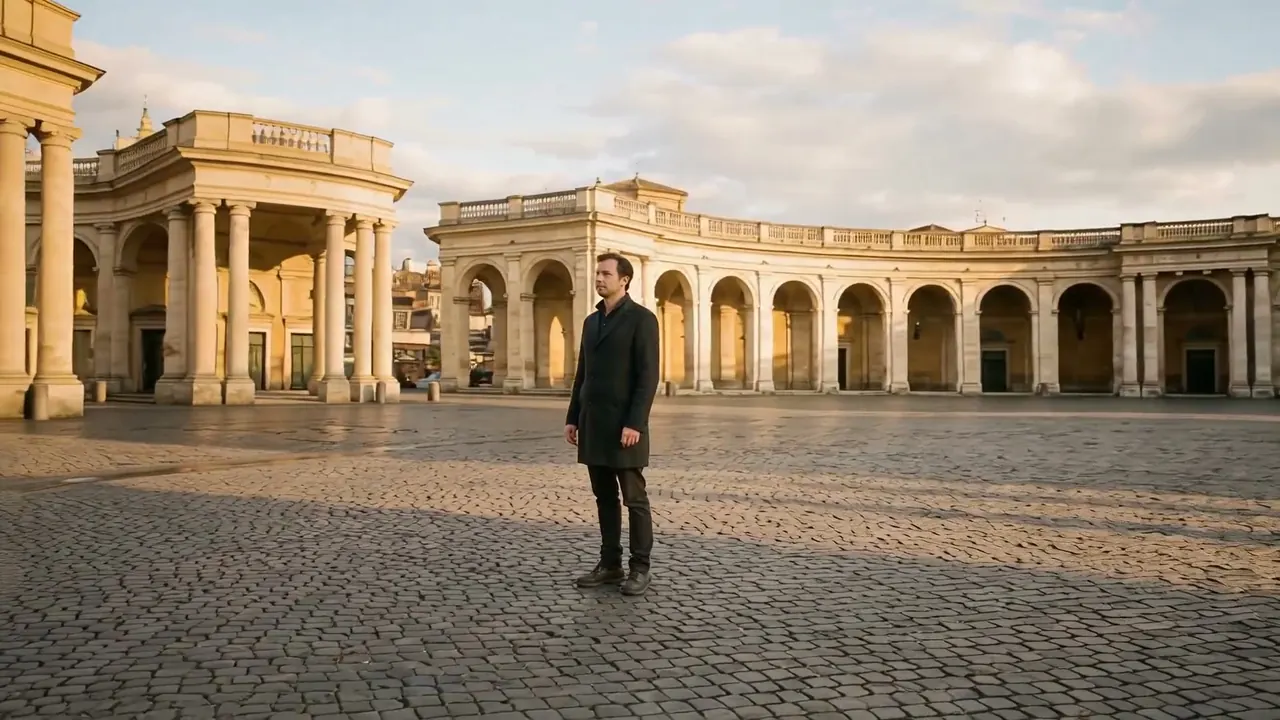
Arc Left
The camera curves around the subject toward the left.
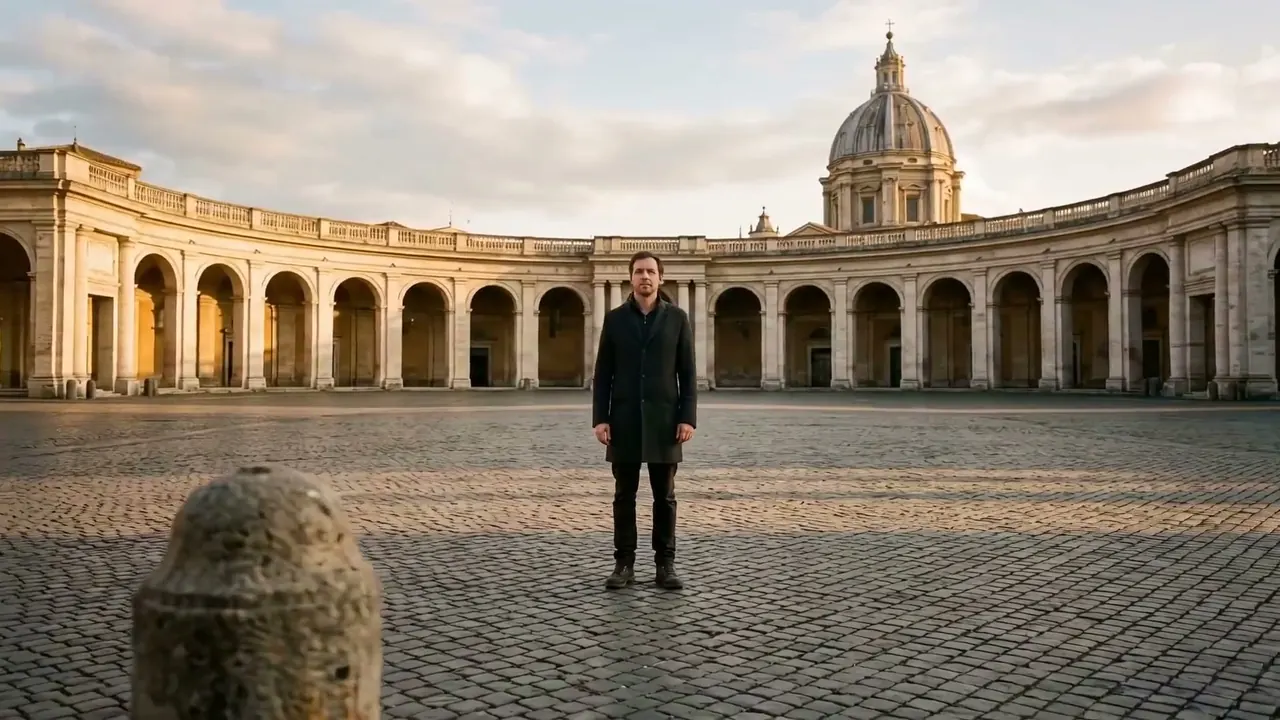
Arc Right
The camera curves around the subject toward the right.
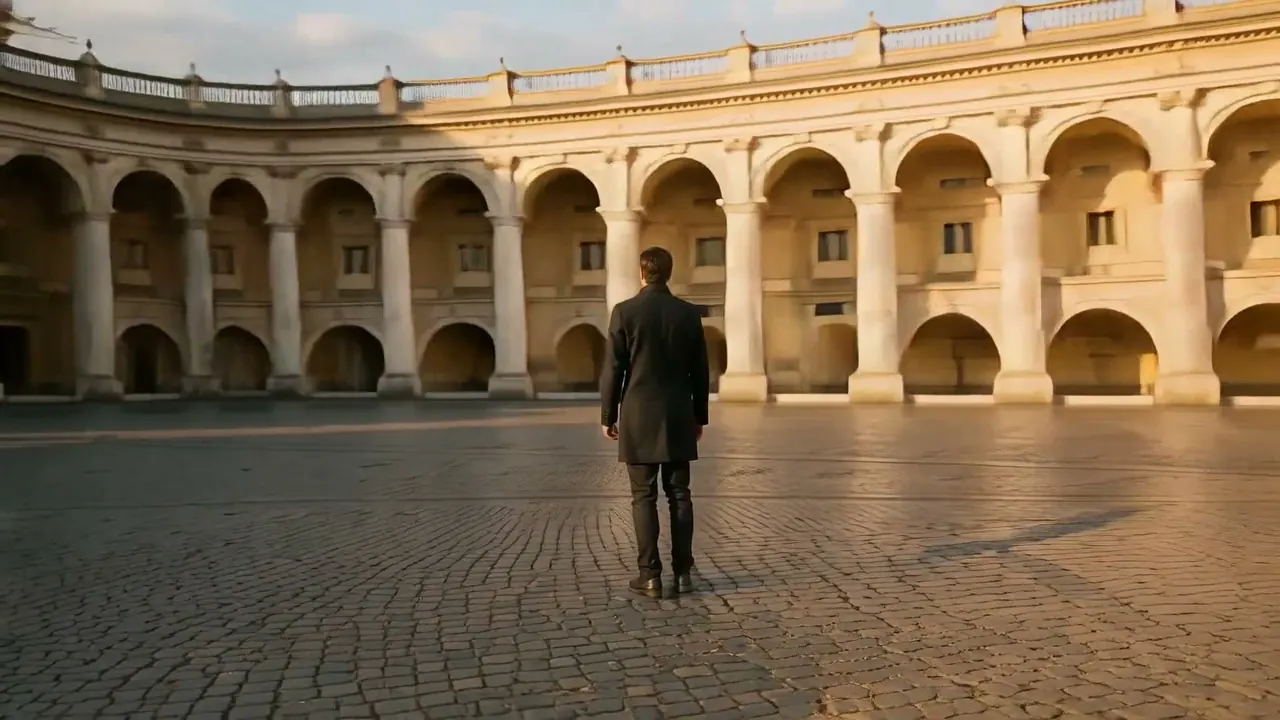
360-Degree Orbit
The camera circles the subject through a complete turn.
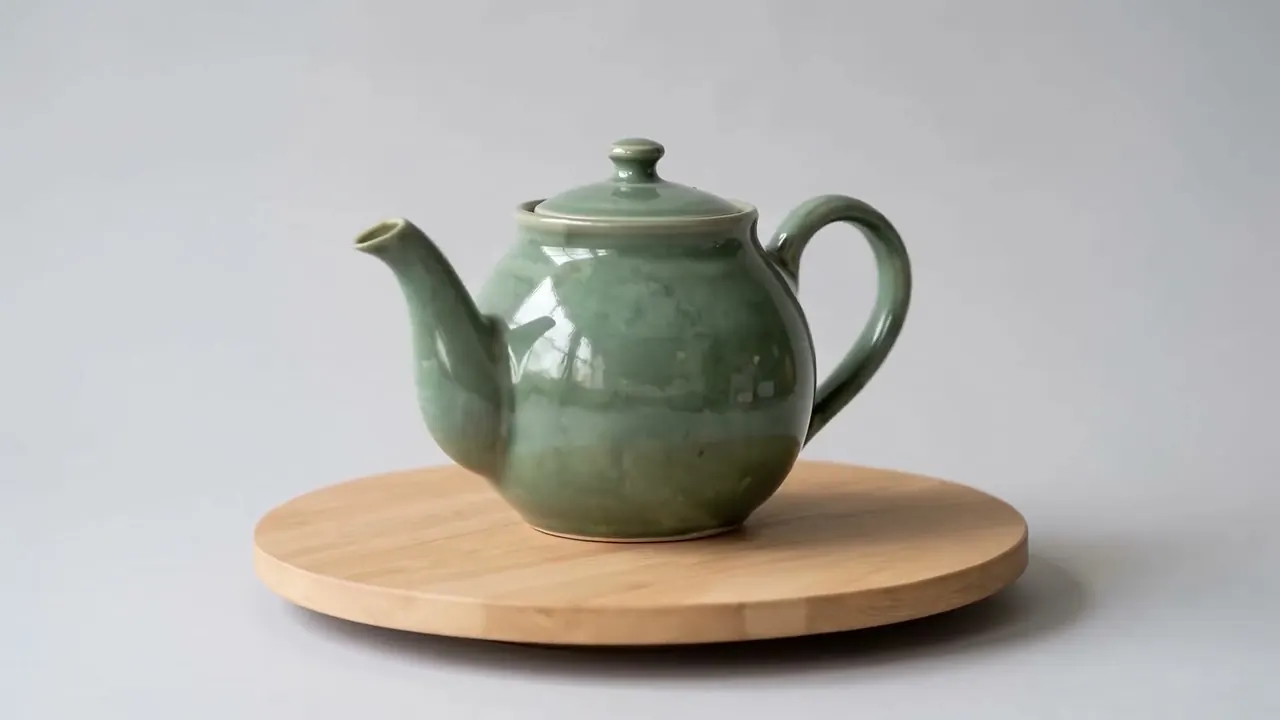
Lazy Susan
The subject turns on a turntable while the camera holds still.
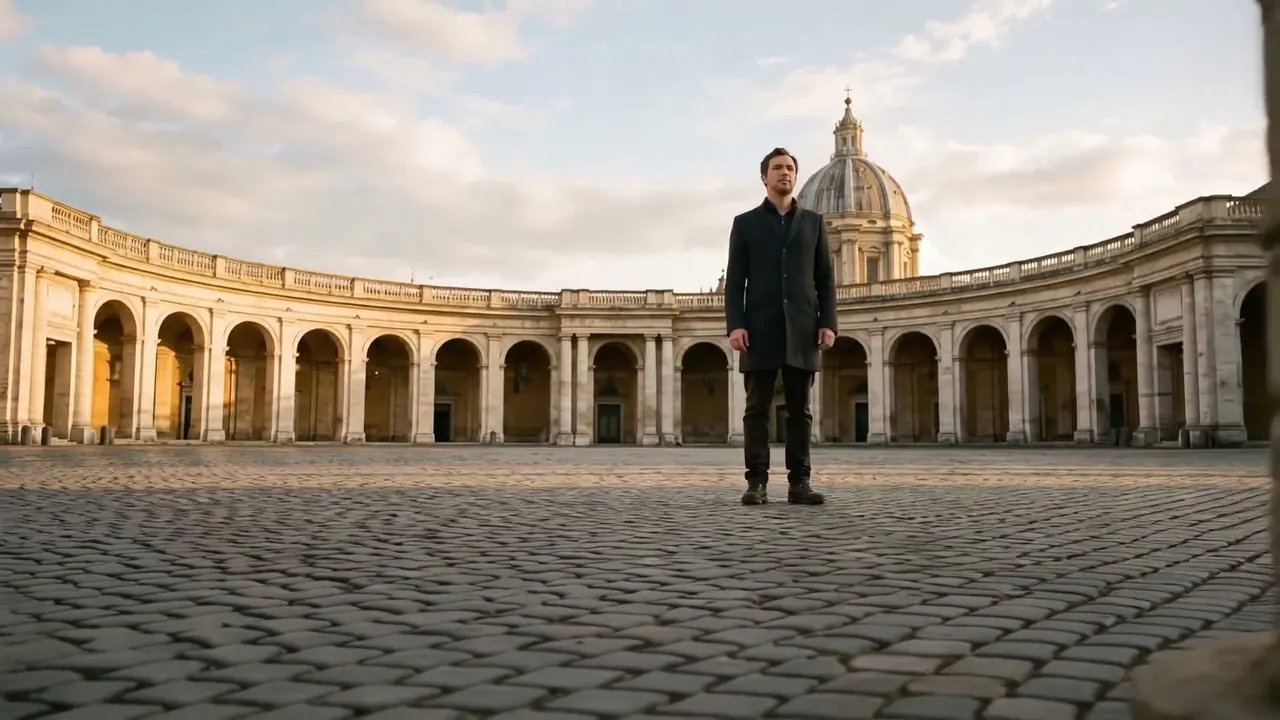
3D Rotation
The scene turns in depth, so near and far edges swing at different rates.
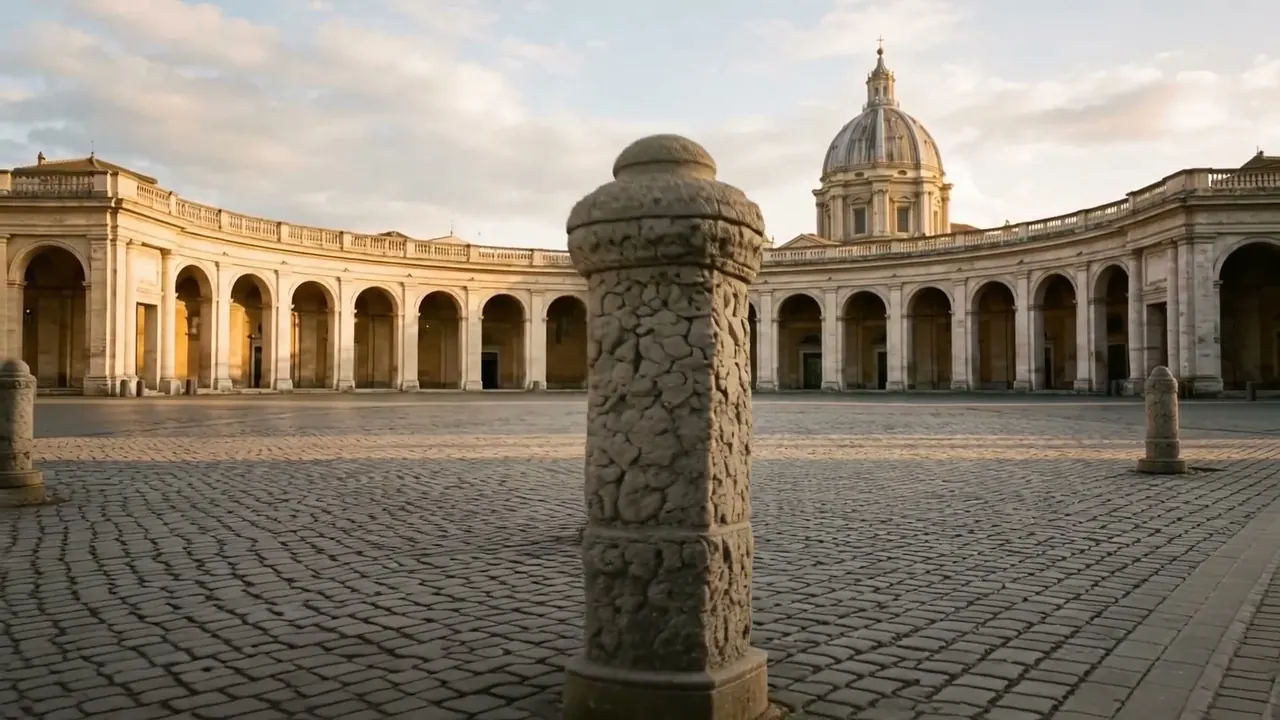
Parallax
Near things slide faster than far things, and the depth becomes obvious.
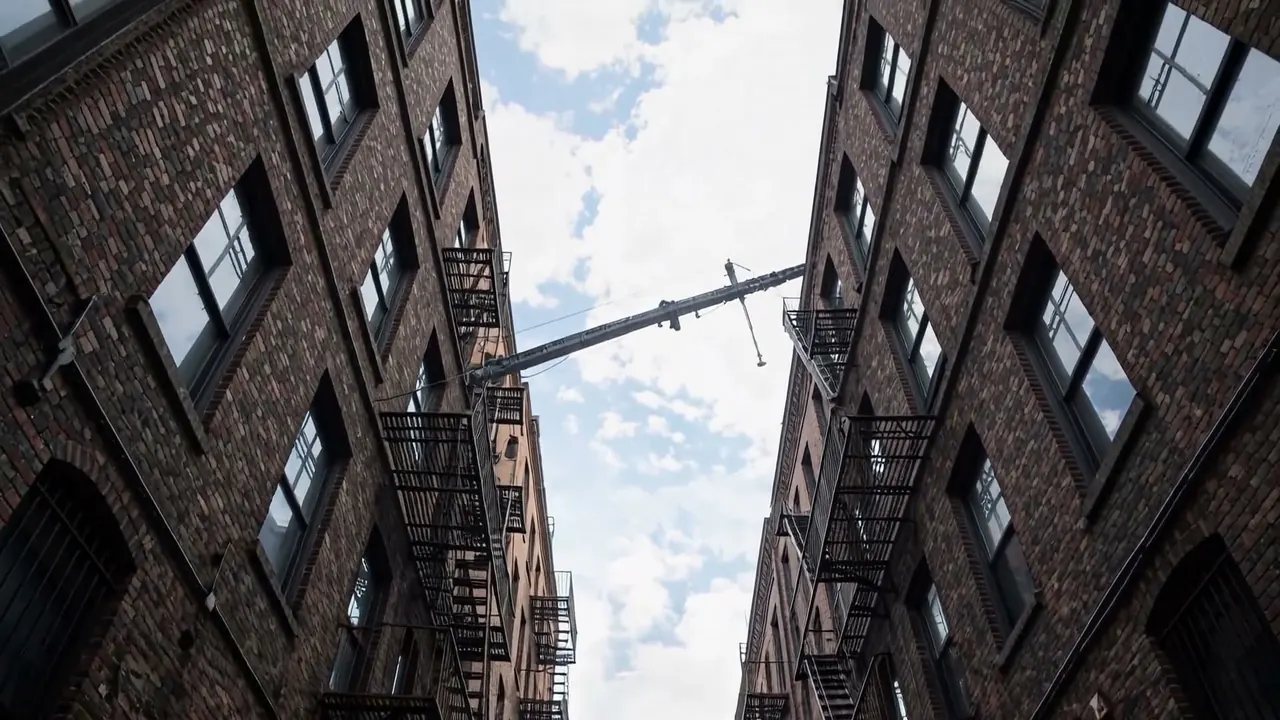
Crane Up
The camera climbs on a crane and opens the view.
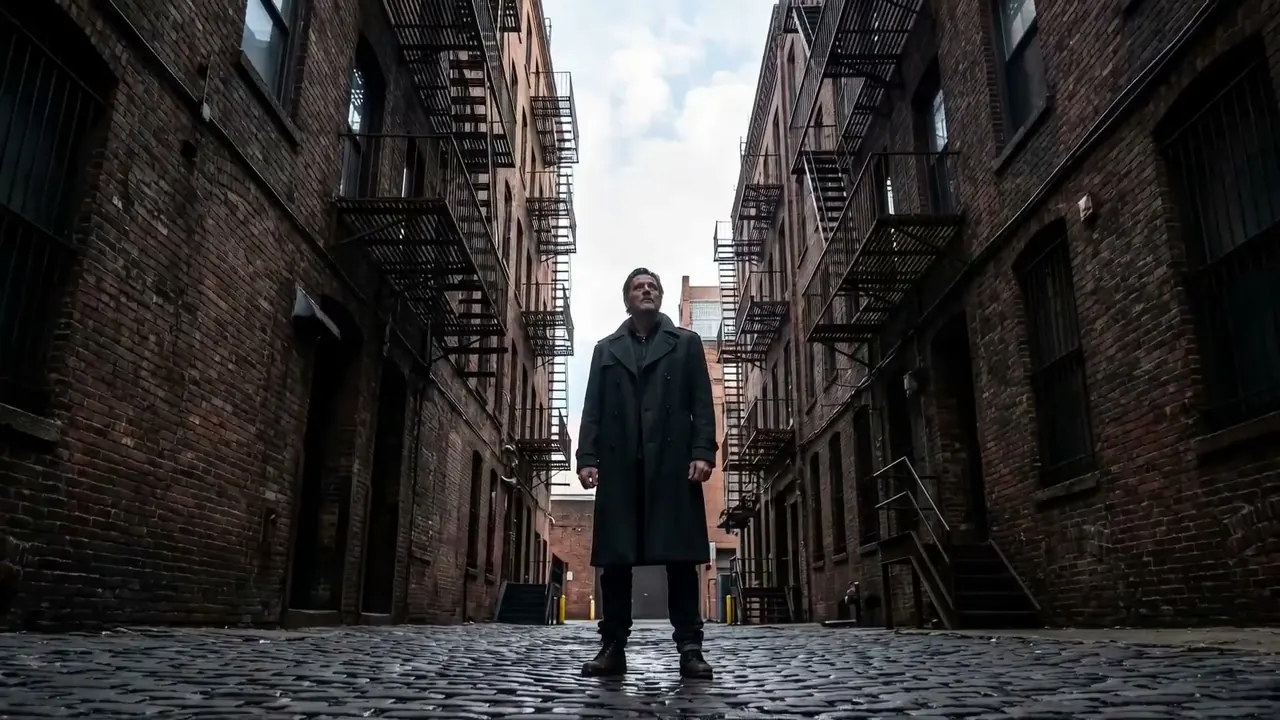
Crane Down
The camera descends on a crane through a tall move.
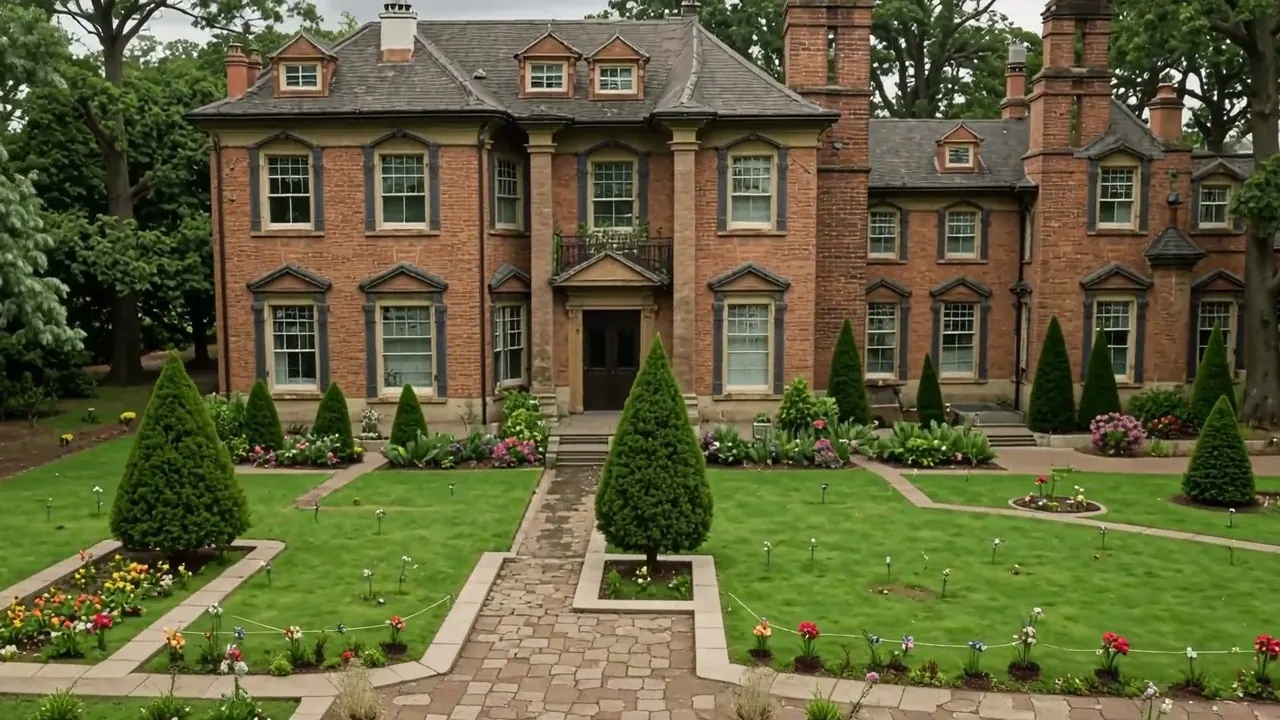
Crane Over
The camera lifts over an obstacle and reveals what sits behind it.
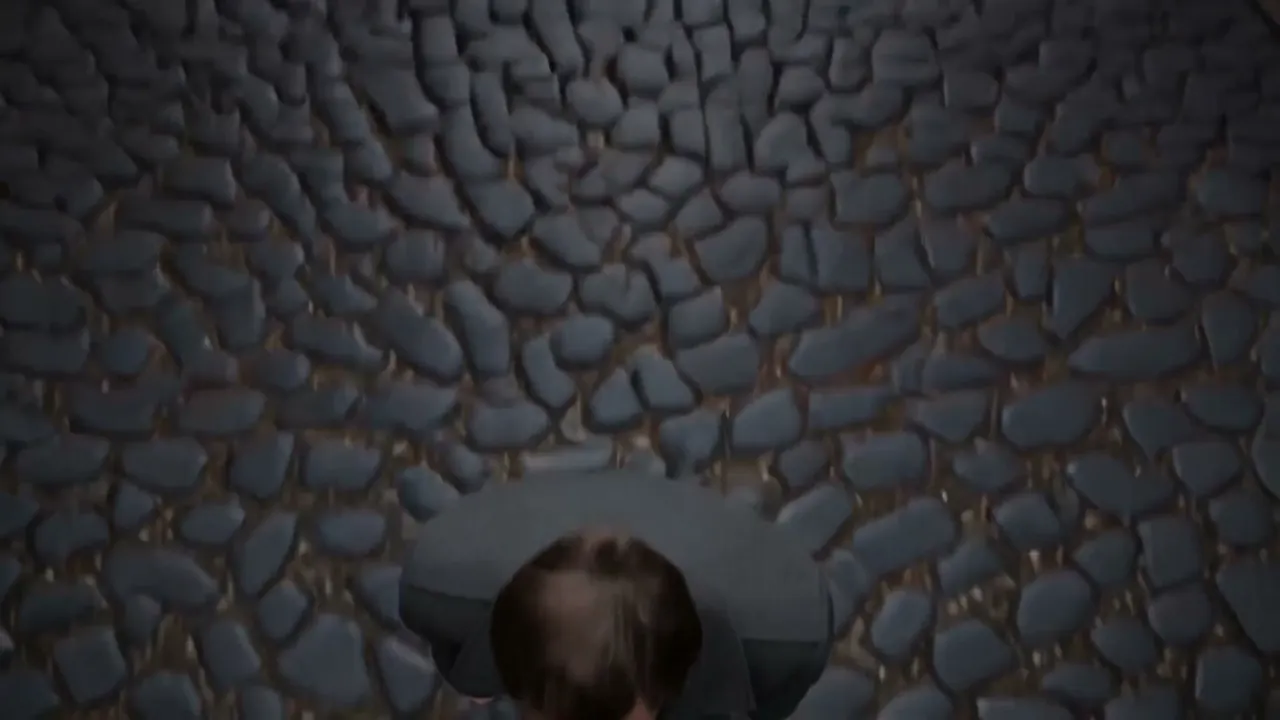
Crane Over The Head
The camera rises over the subject and looks back down.
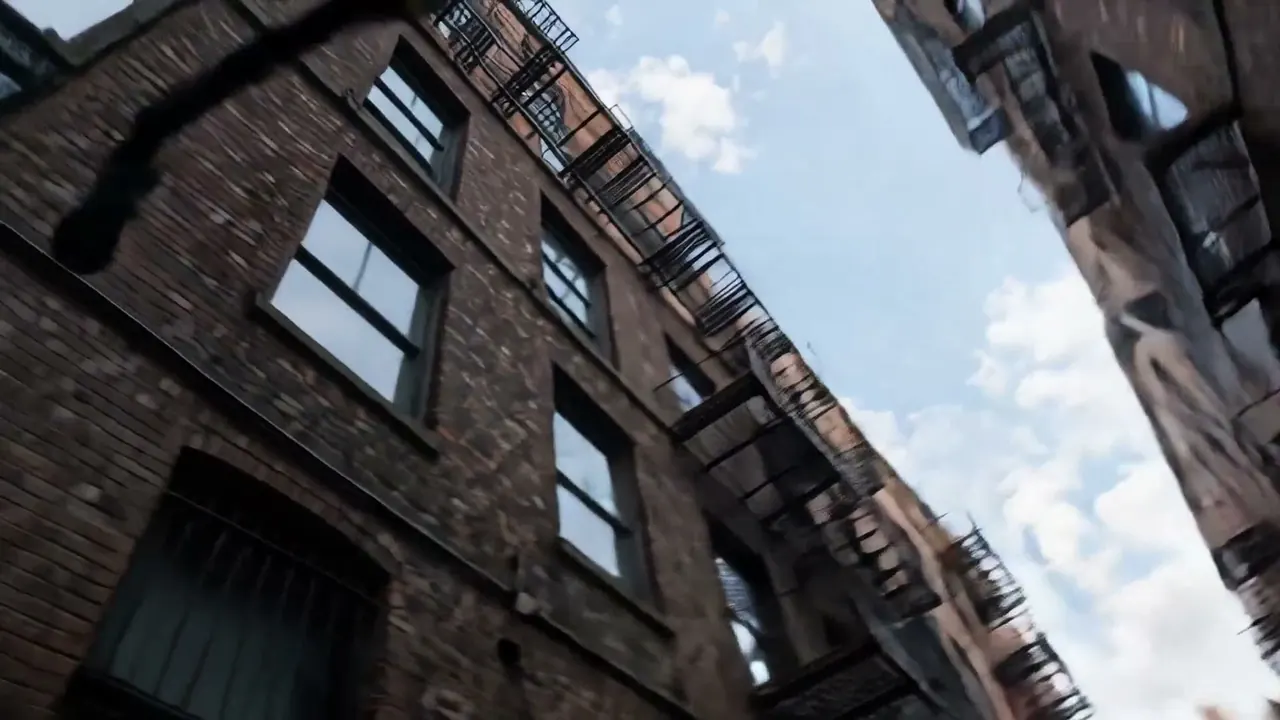
Jib Shot
The camera swings on an arm, and the height changes through the shot.
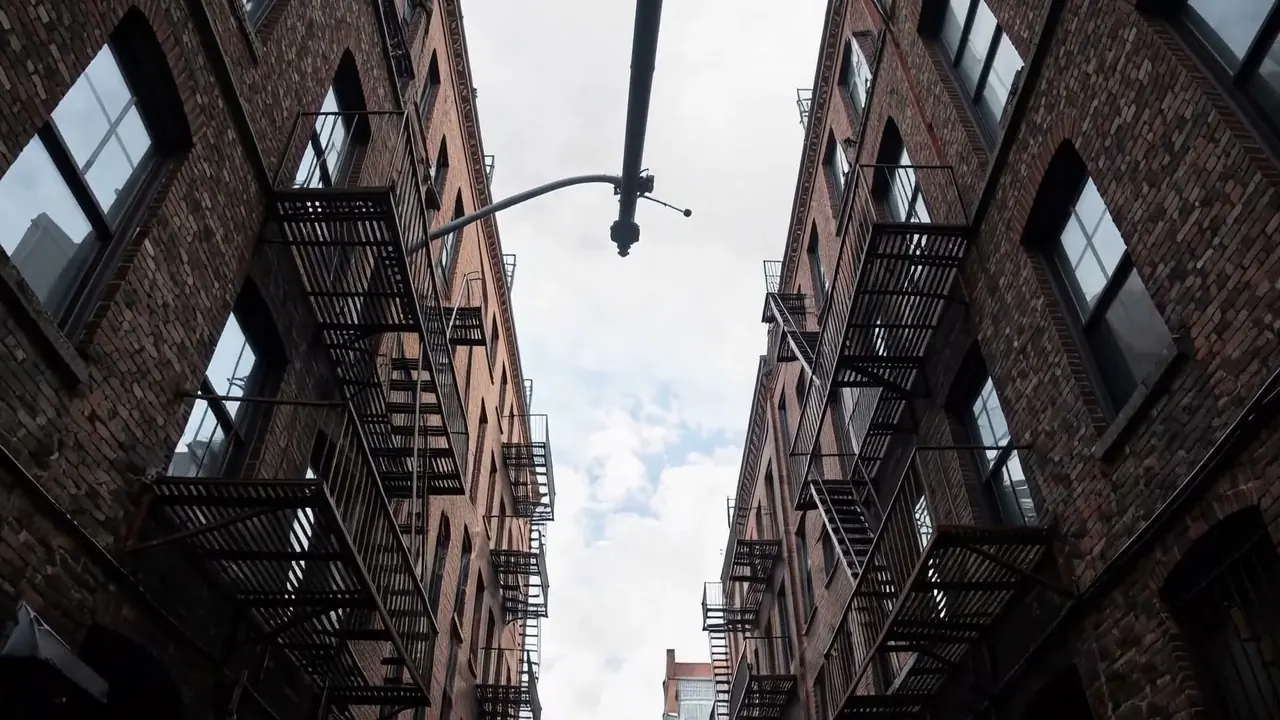
Jib Up
The arm lifts the camera, and the angle rises with it.
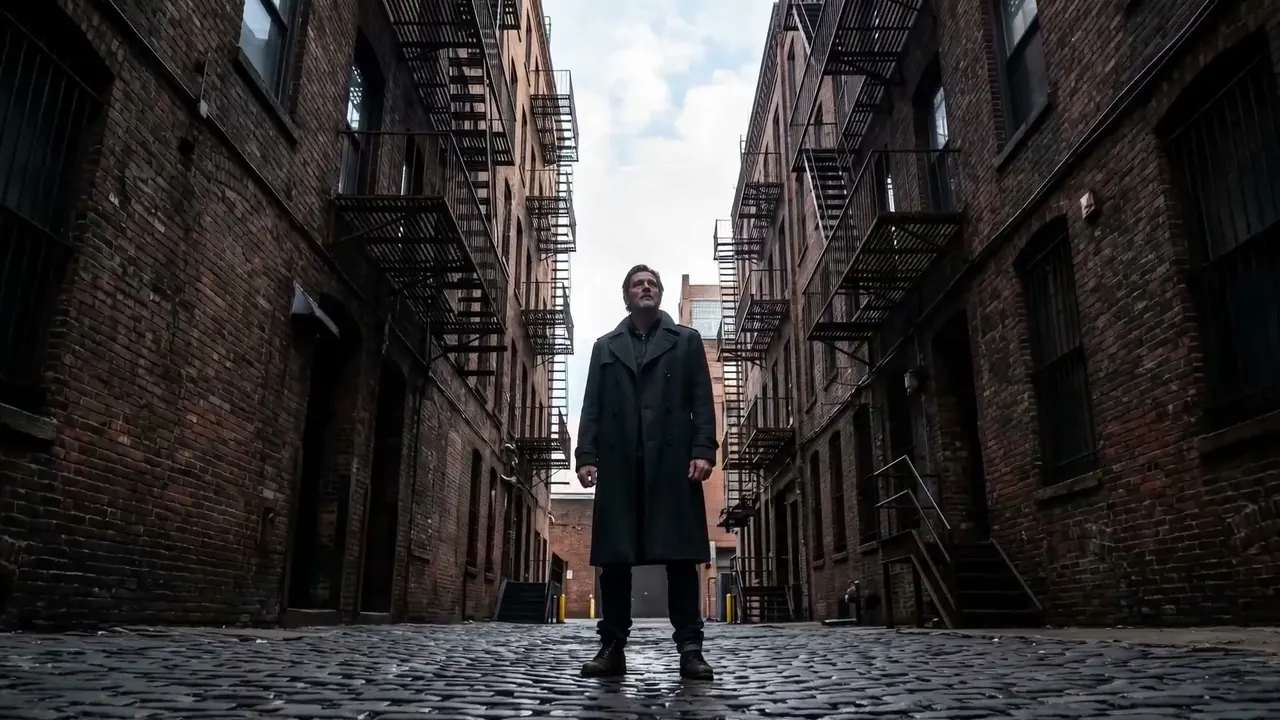
Jib Down
The arm lowers the camera, and the angle drops with it.
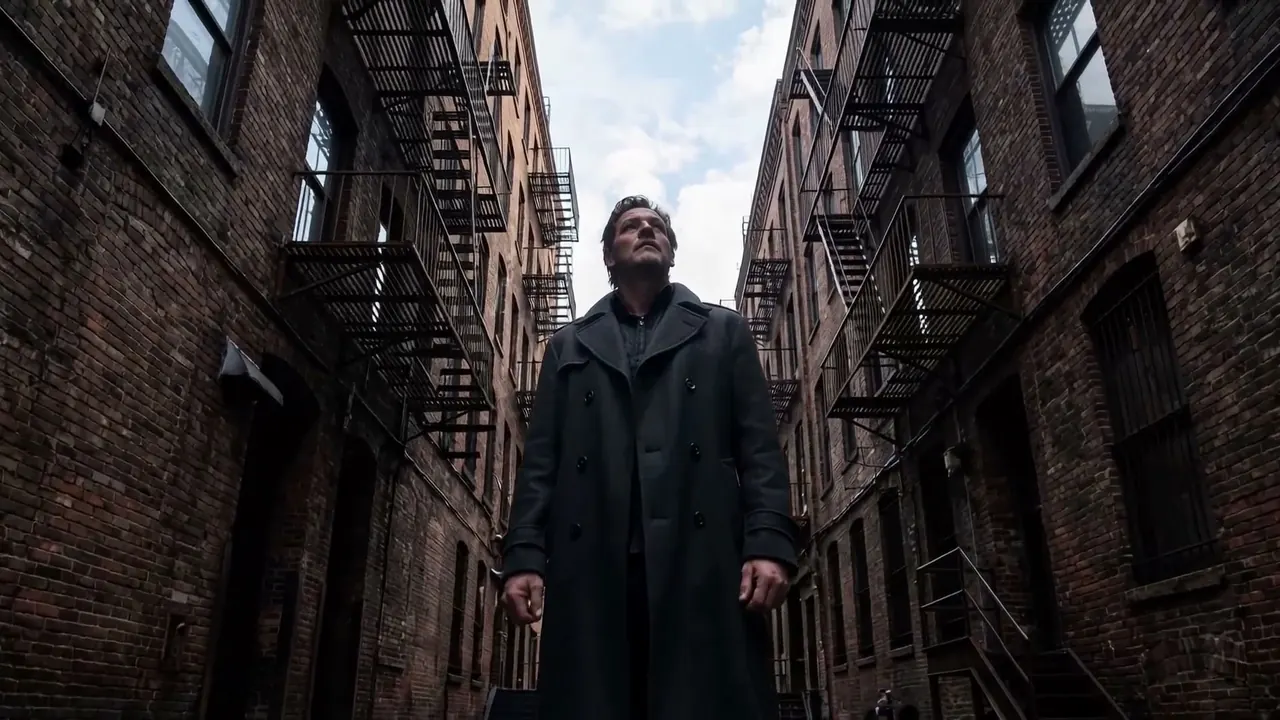
Pedestal Up
The camera body rises straight up, and the framing stays level.
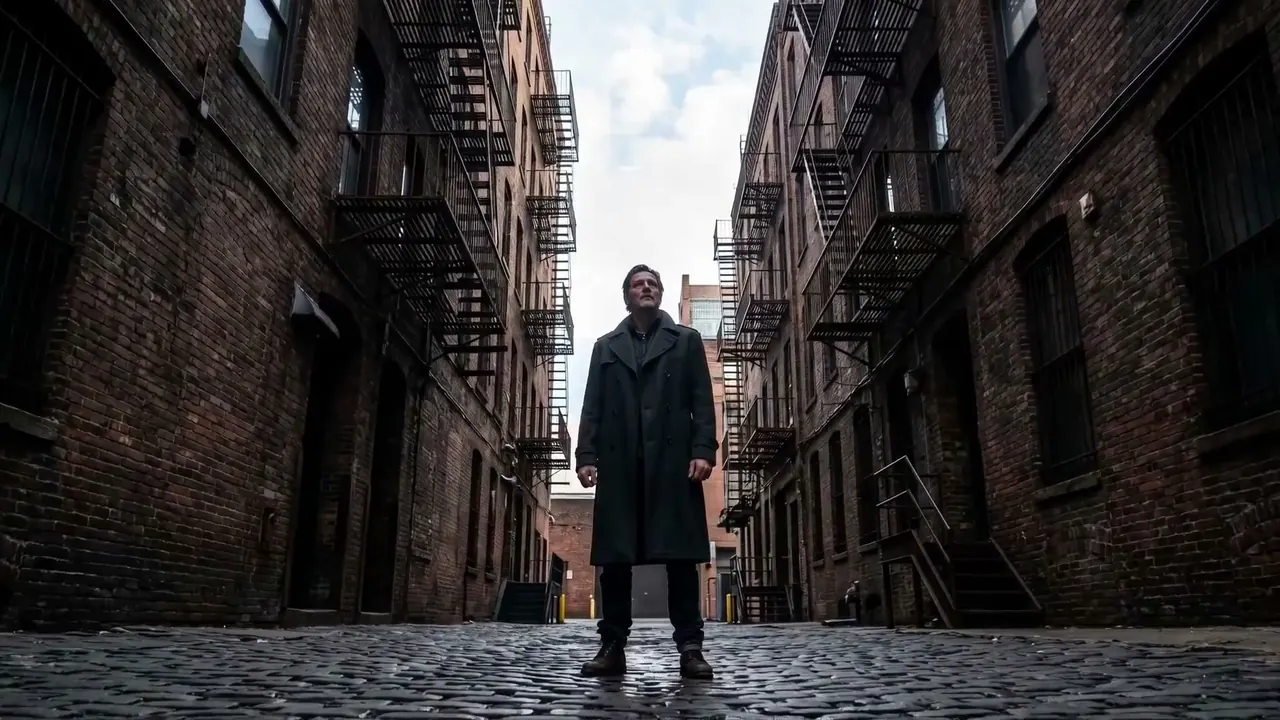
Pedestal Down
The camera body lowers straight down, and the framing stays level.
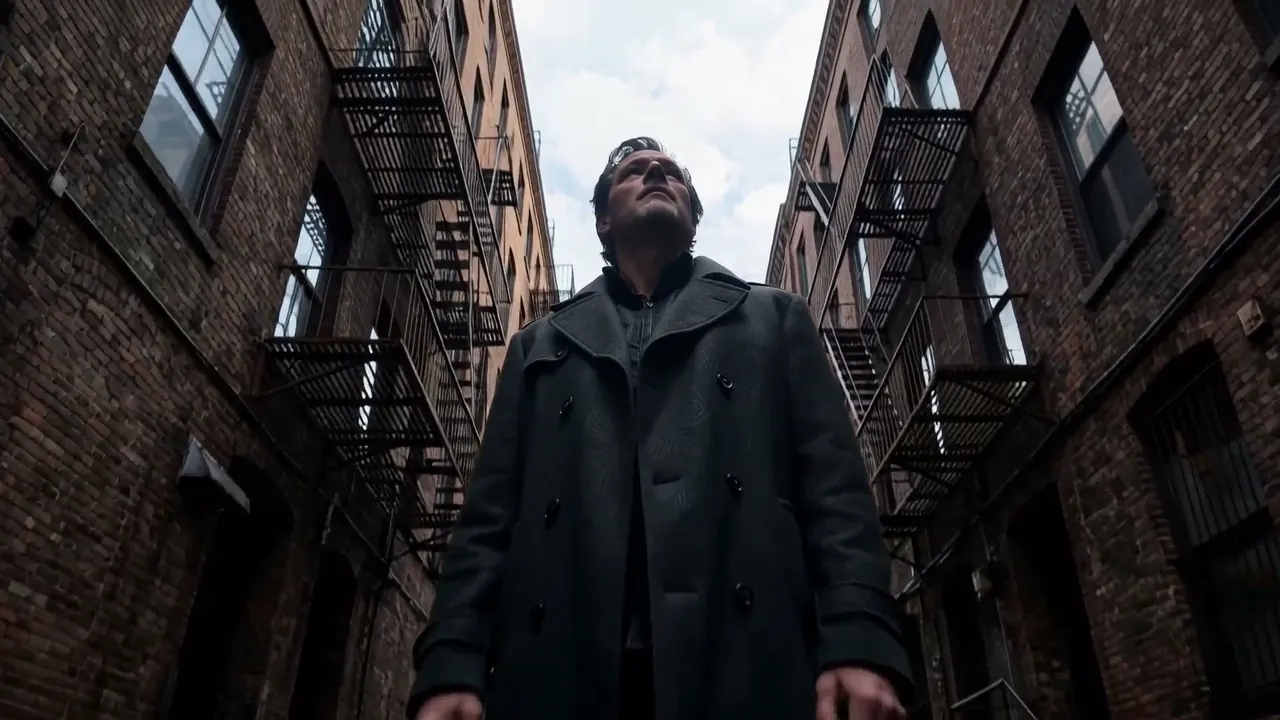
Hero Cam
A low camera rises to the subject and makes them look large.
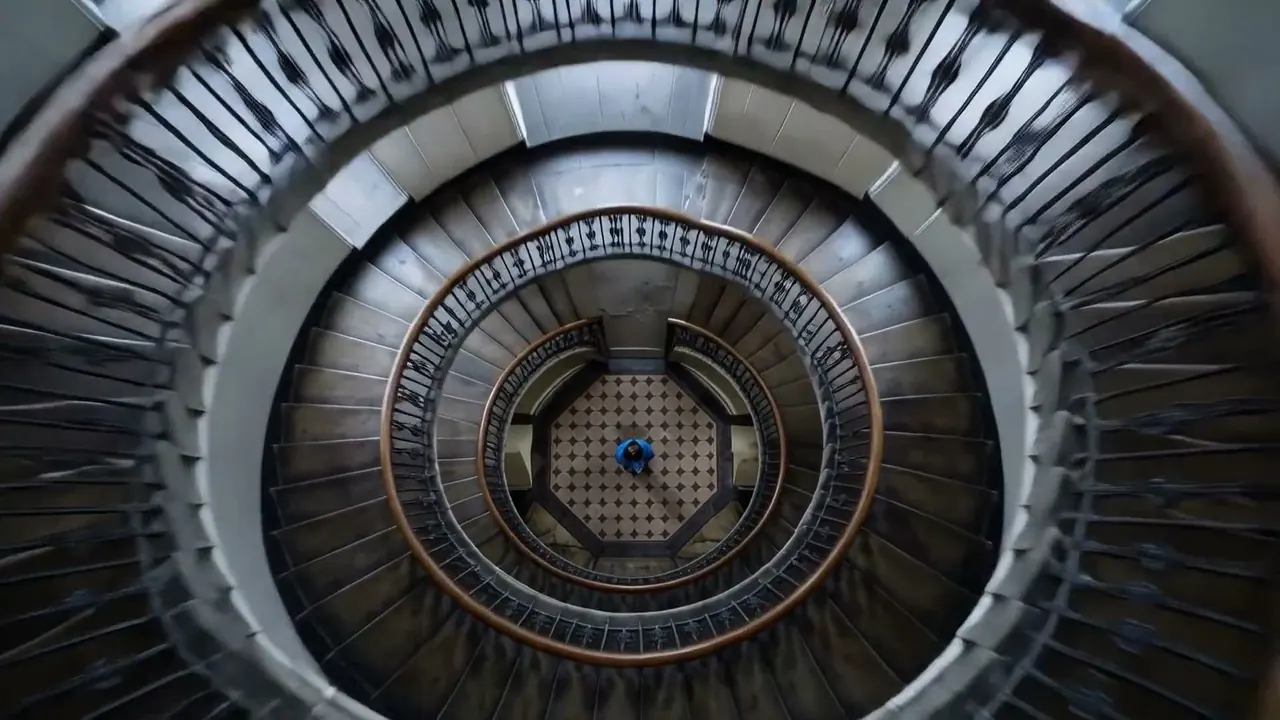
Falling
The camera drops with the subject, and the world rushes upward.
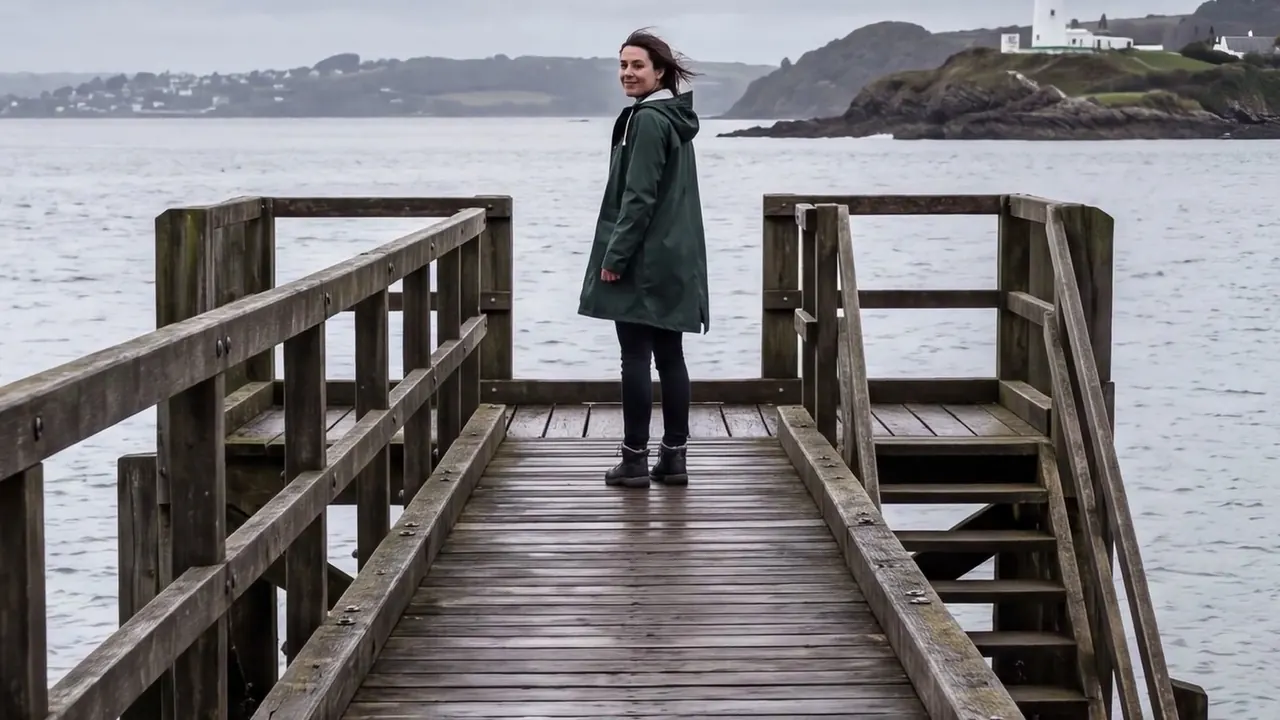
Zoom
The focal length changes, so the frame tightens or opens with no camera travel.
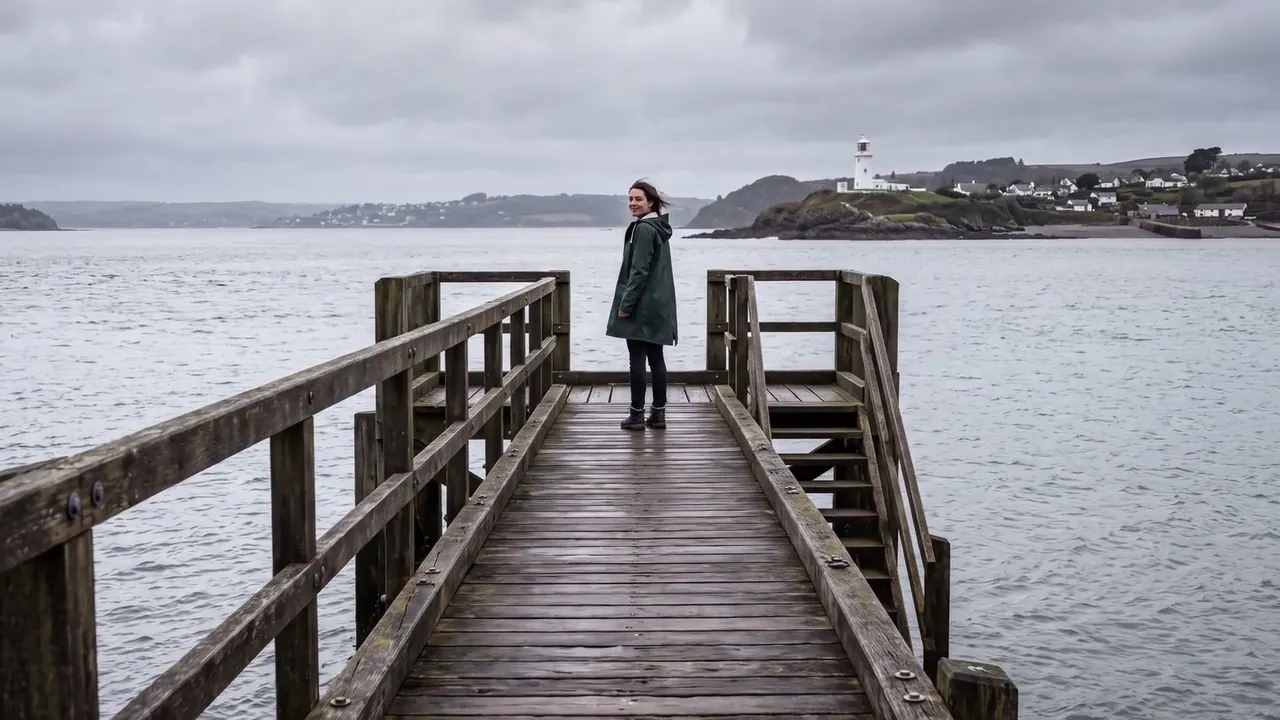
Slow Zoom In
The lens tightens so slowly that the pressure builds before you notice.
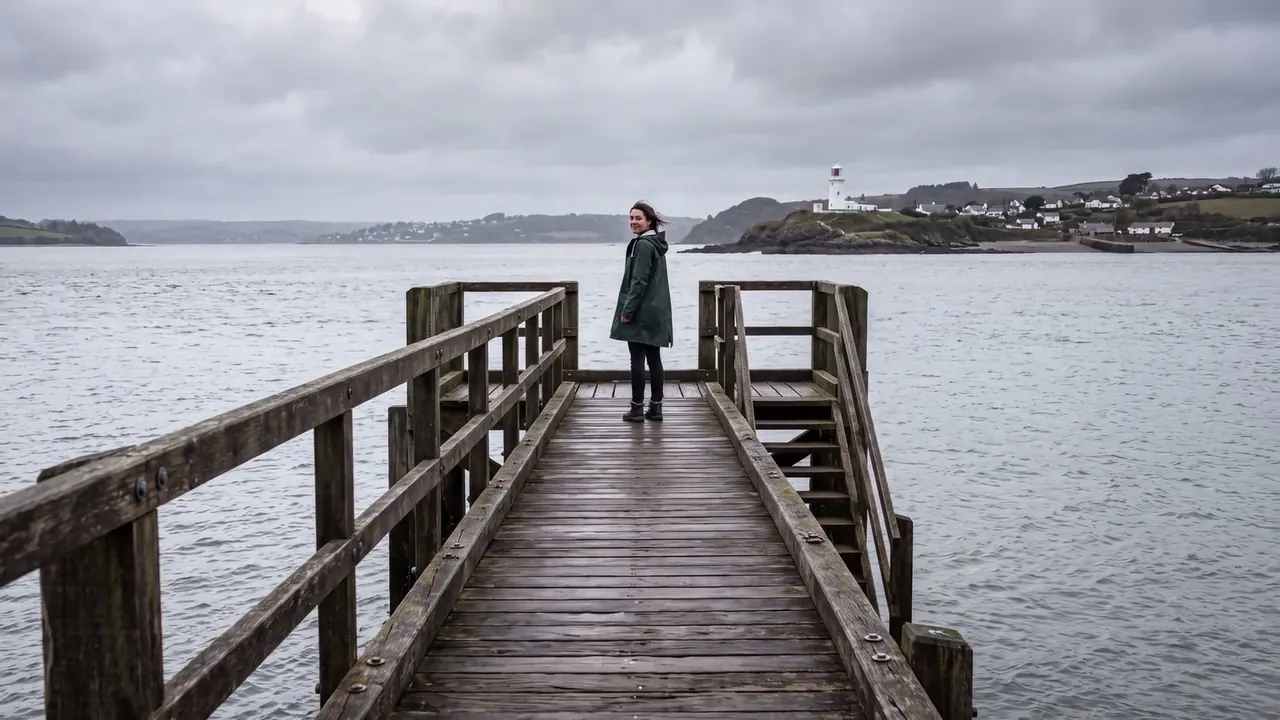
Slow Zoom Out
The lens widens so slowly that the setting arrives quietly.
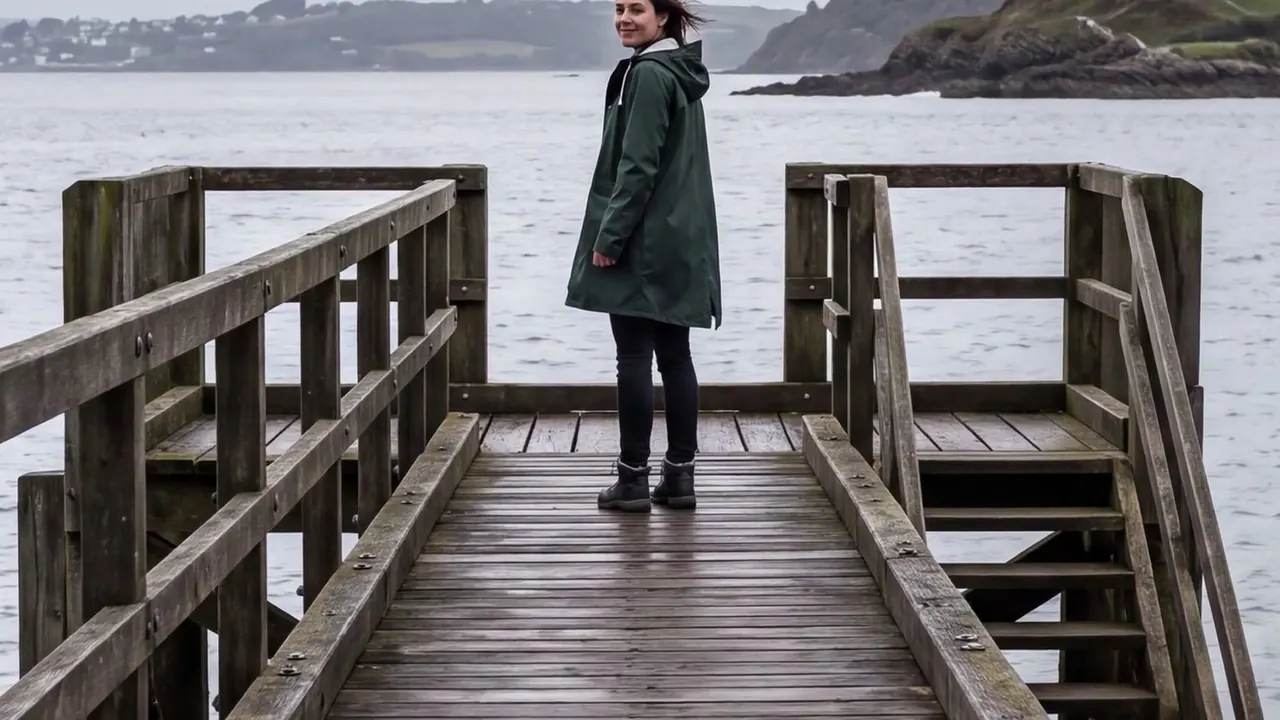
Rapid Zoom In
The lens tightens fast, but not as a single snap.
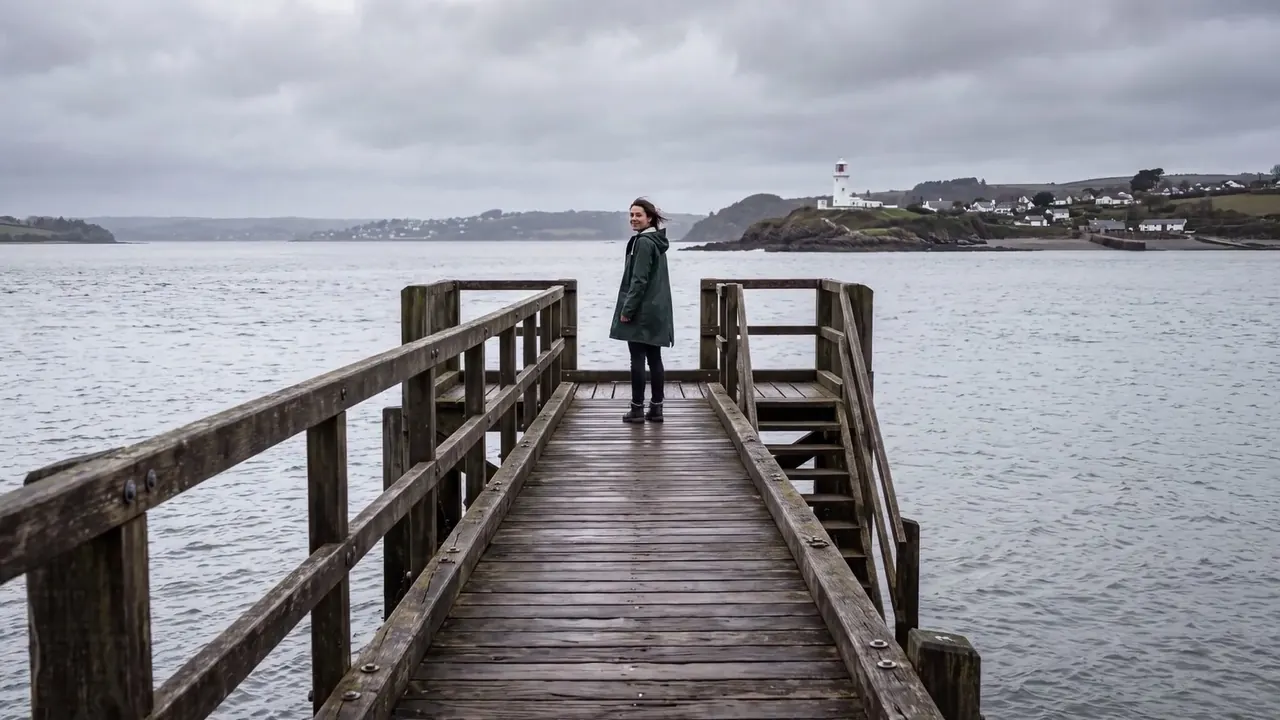
Rapid Zoom Out
The lens widens fast, but not as a single snap.
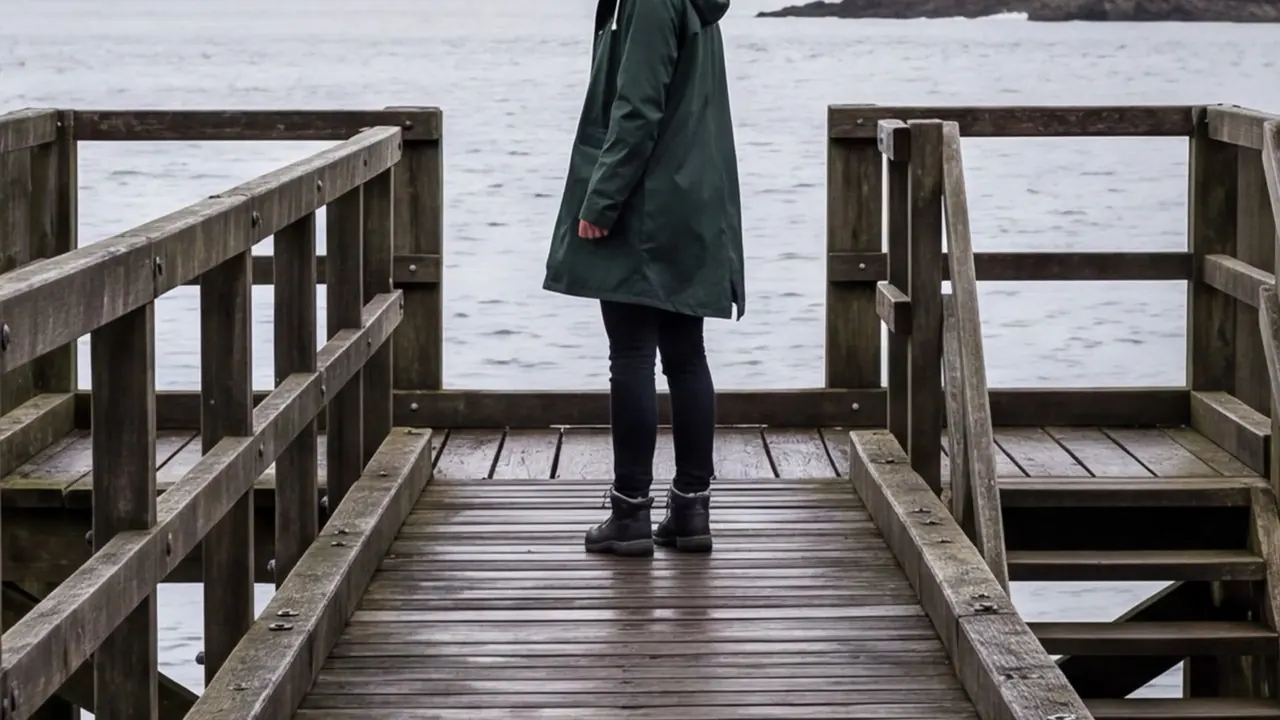
Crash Zoom In
The focal length snaps in, and the frame tightens without the camera moving.
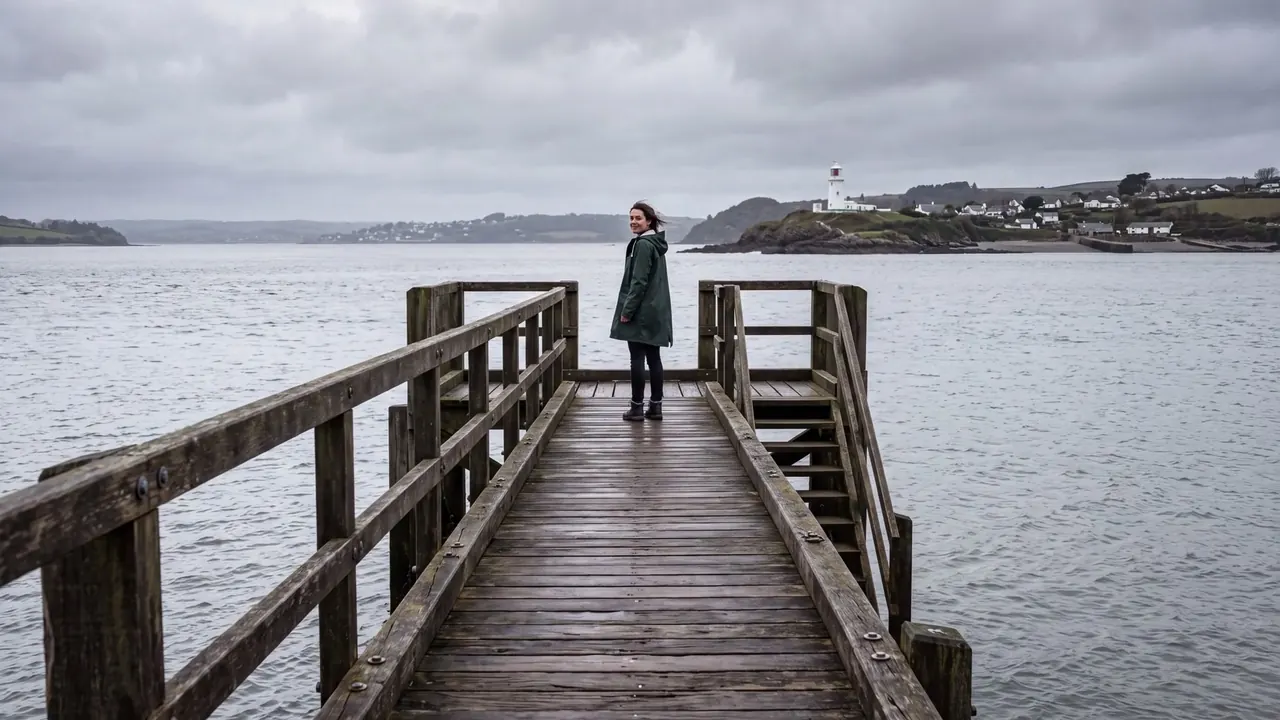
Crash Zoom Out
The focal length snaps out, and the frame opens in an instant.
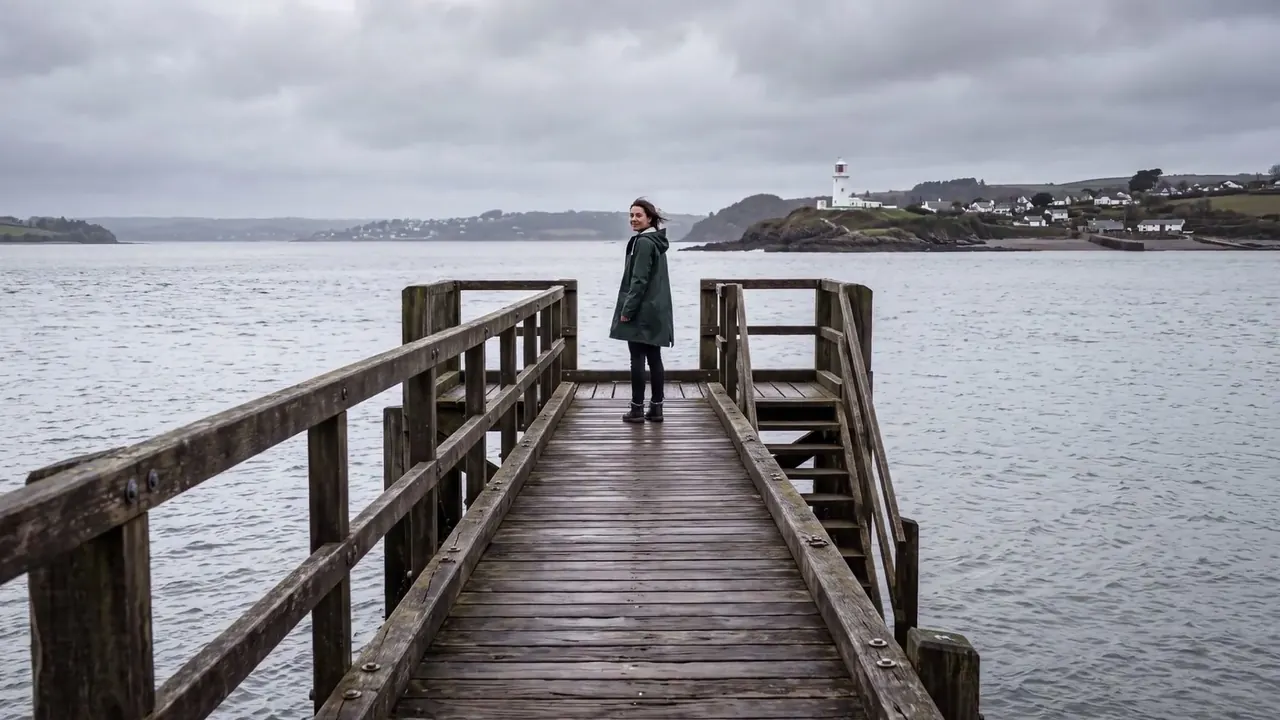
YoYo Zoom
The lens runs in and out repeatedly without stopping.
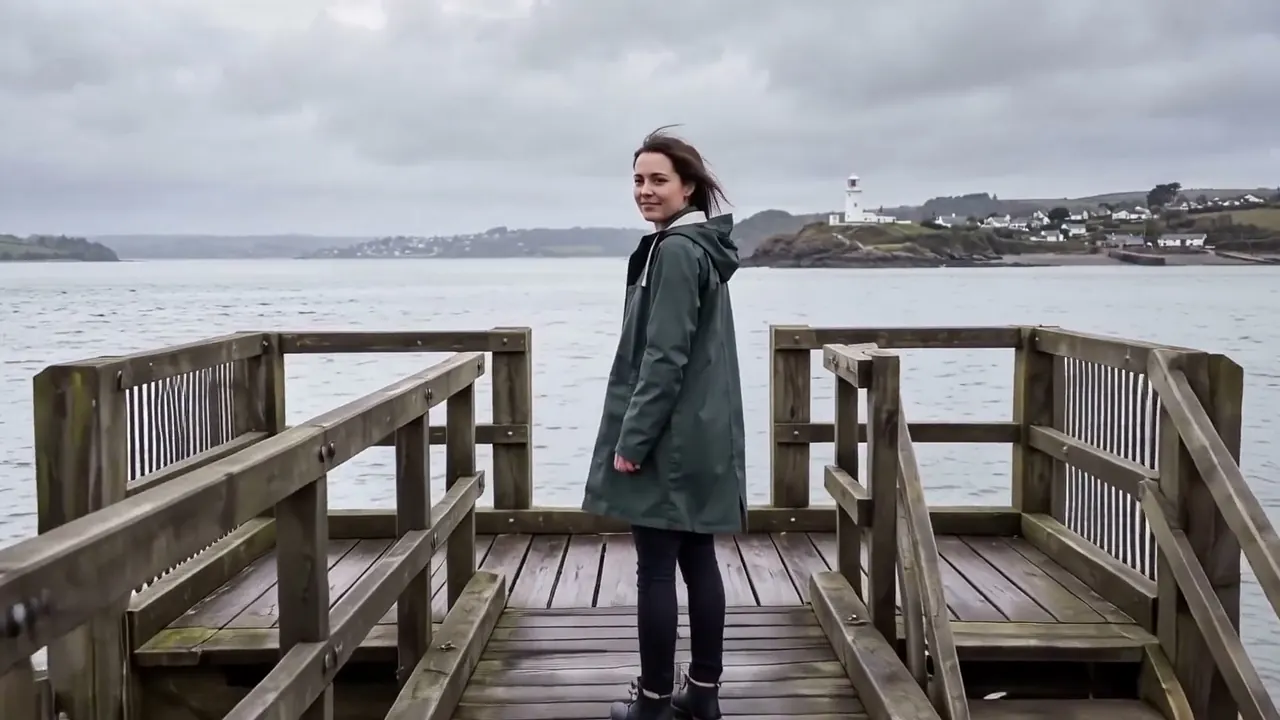
Dolly Zoom
The camera travels one way while the lens zooms the other, so the background warps.
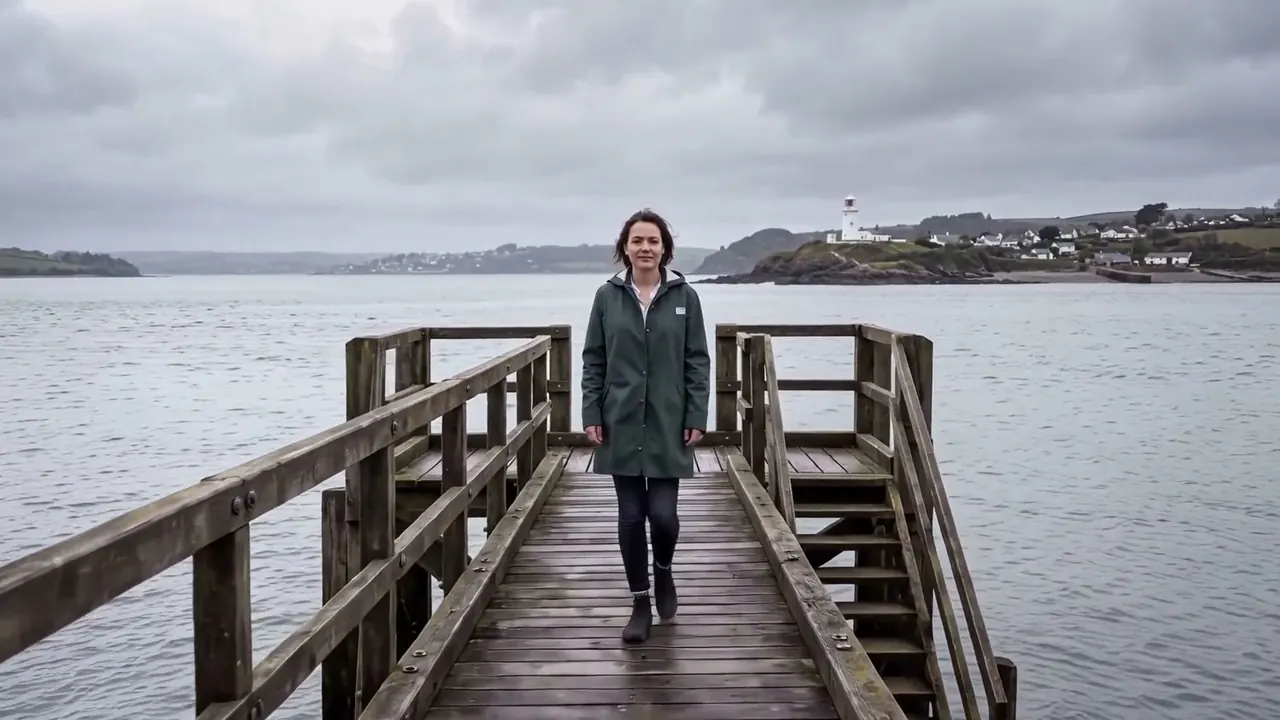
Dolly Zoom In
The camera moves in as the lens widens, so the background pulls away.
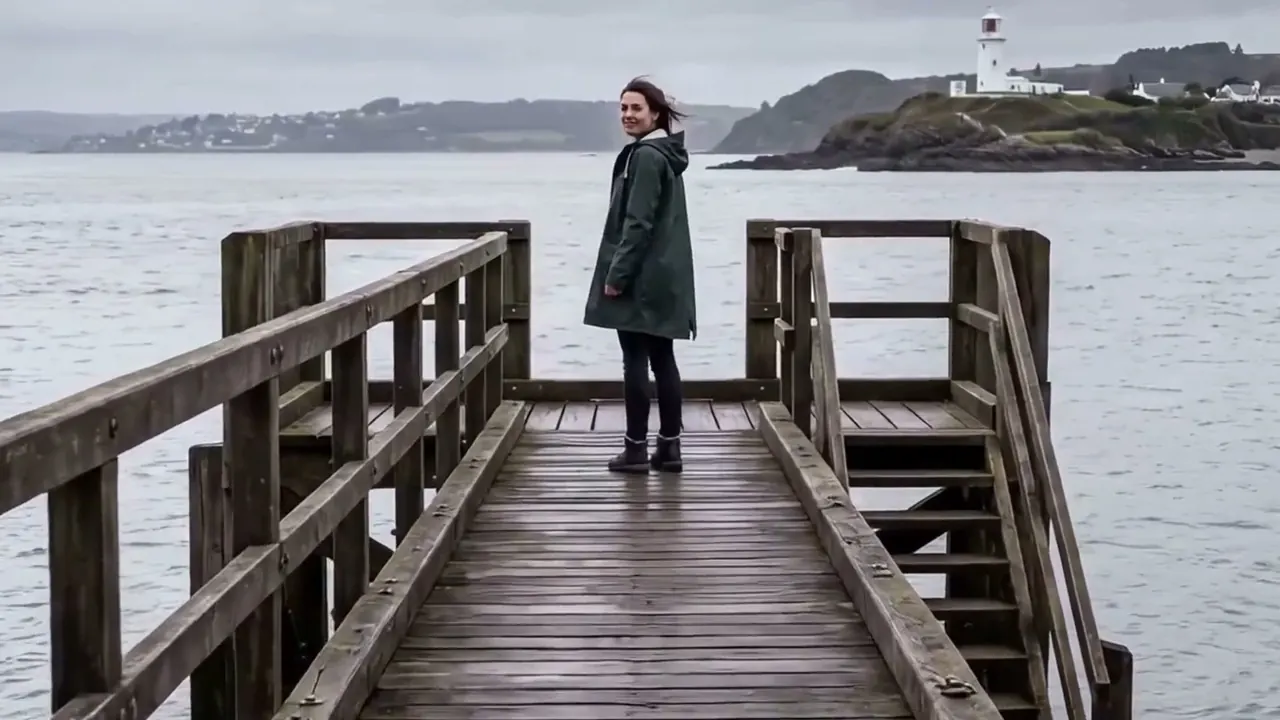
Dolly Zoom Out
The camera moves back as the lens tightens, so the background closes in.
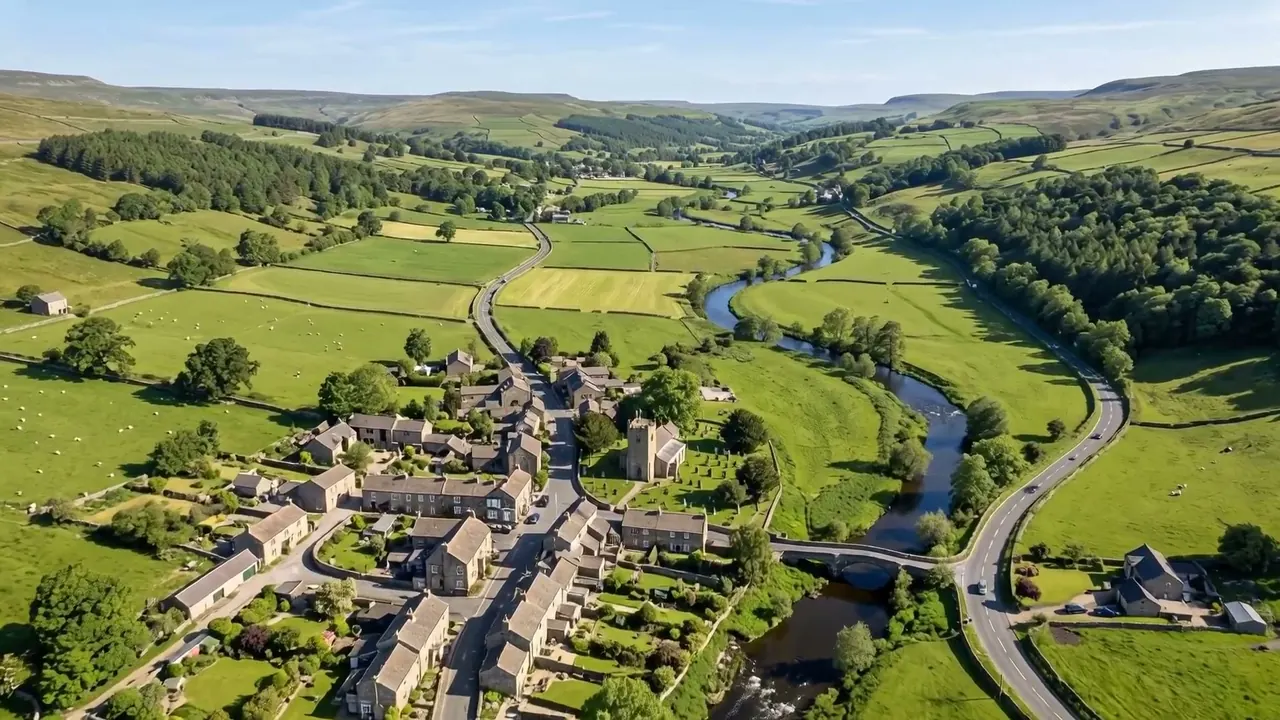
Aerial
A high wide view from the air, moving slowly over a landscape.
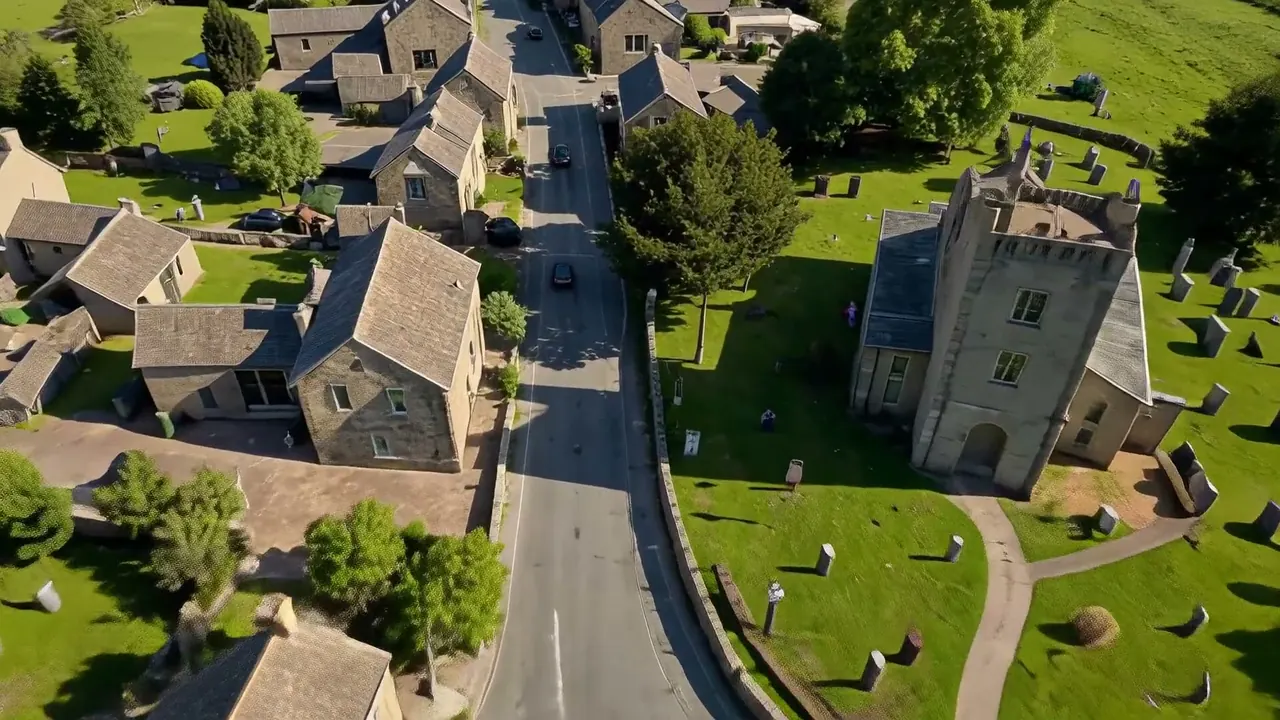
Aerial Push In
The camera descends and advances toward a subject on the ground.
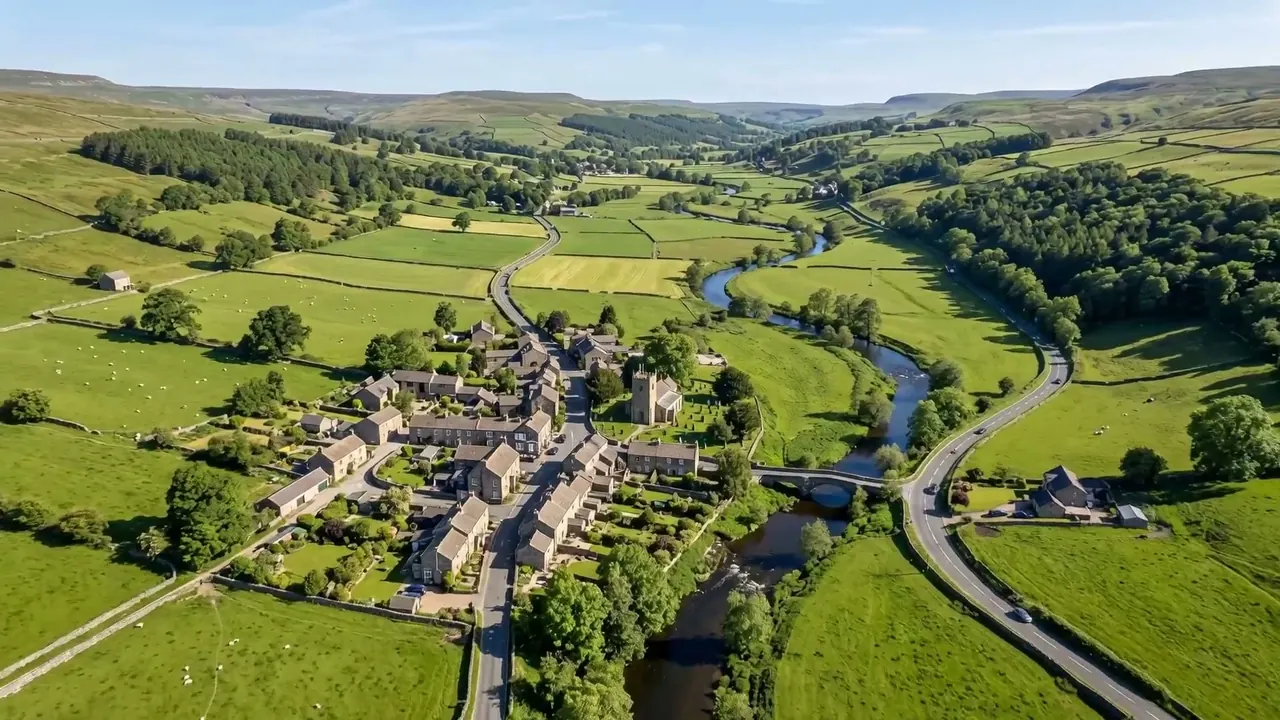
Aerial Pullback
The camera climbs and retreats, and the subject shrinks into its setting.
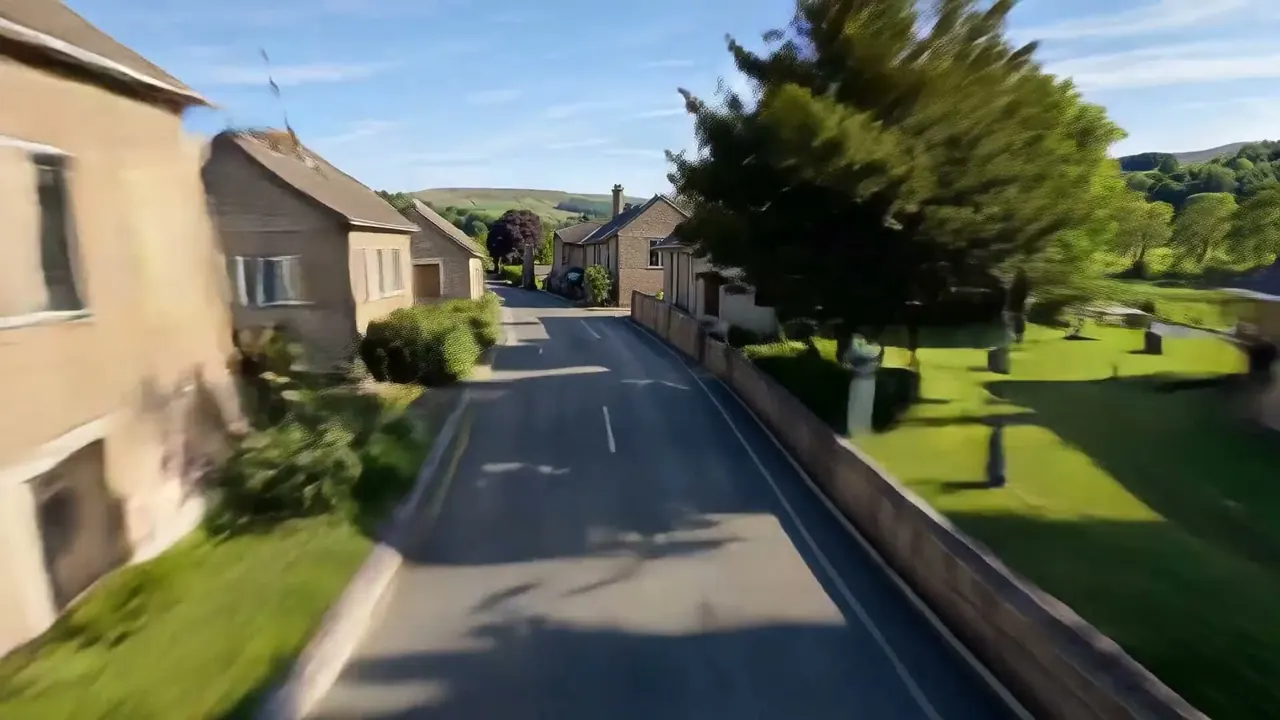
FPV Drone
A racing drone weaves fast and close through the space.
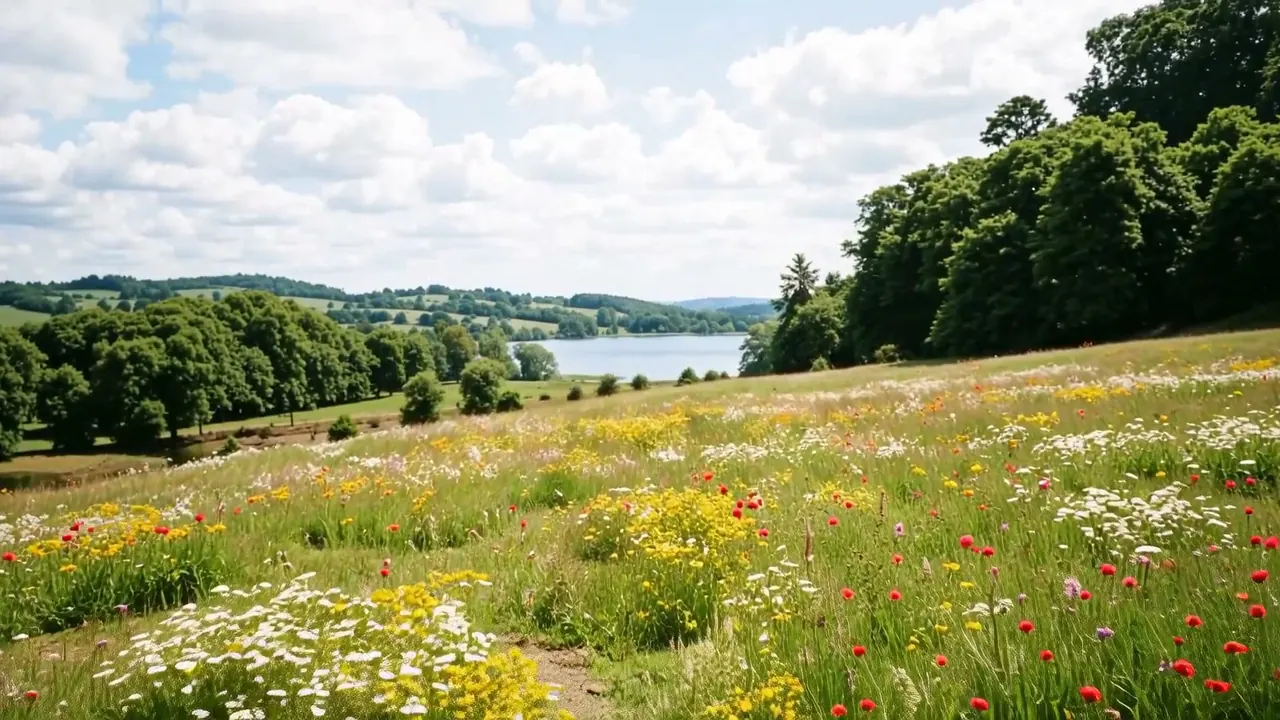
Flying Cam Transition
A flying camera carries the shot from one scene into the next.
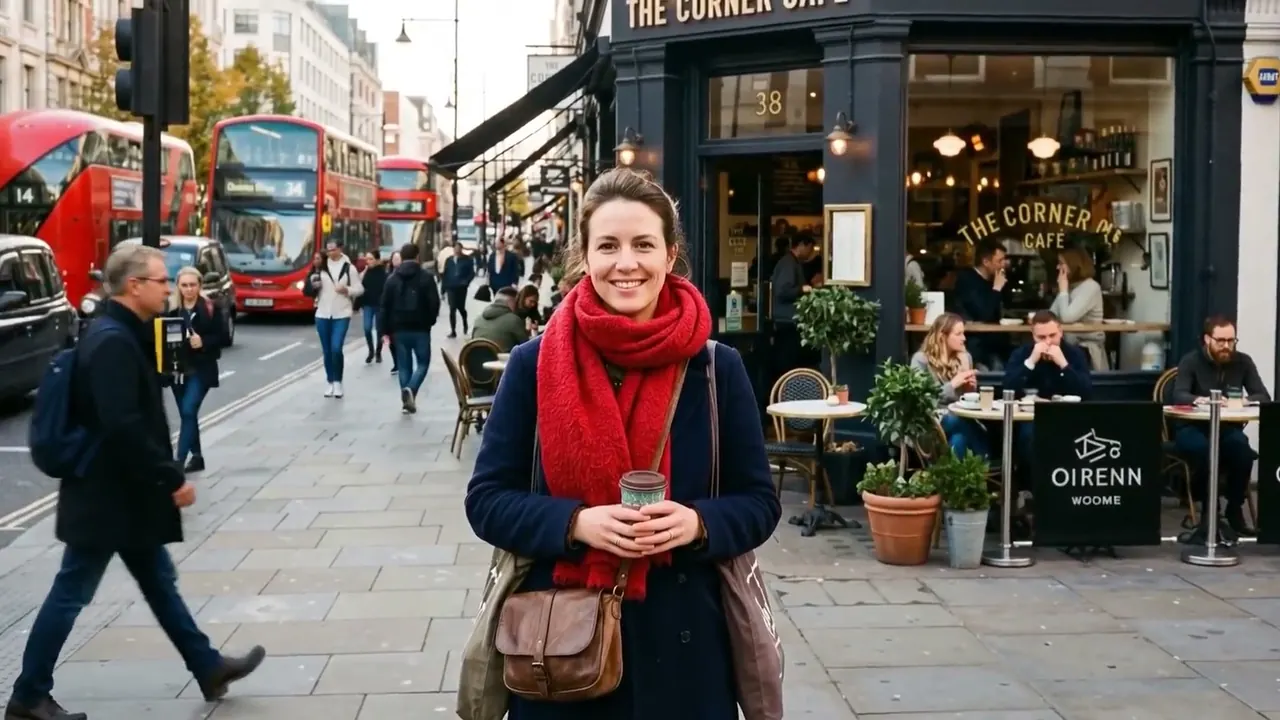
Handheld
An operator holds the camera, so the frame breathes and corrects.
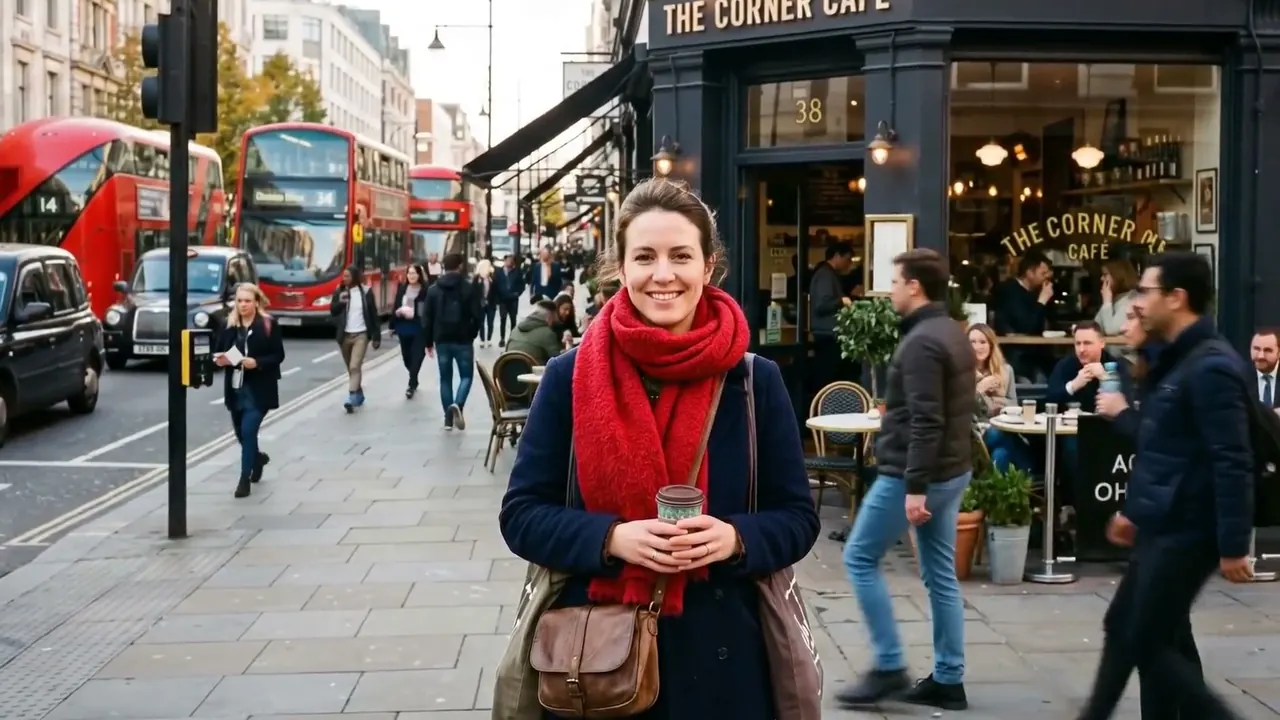
Steadicam
The camera floats smoothly while the operator walks with the subject.
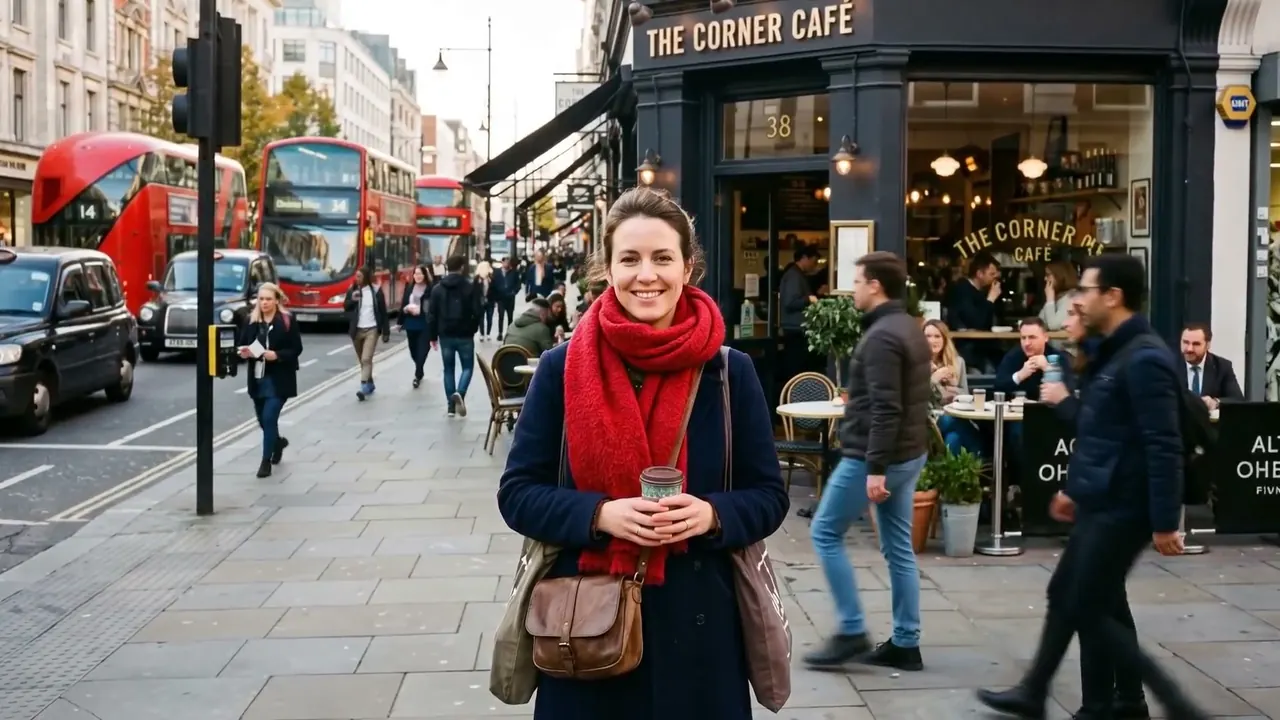
Gimbal Shot
The camera floats smoothly while the operator walks.
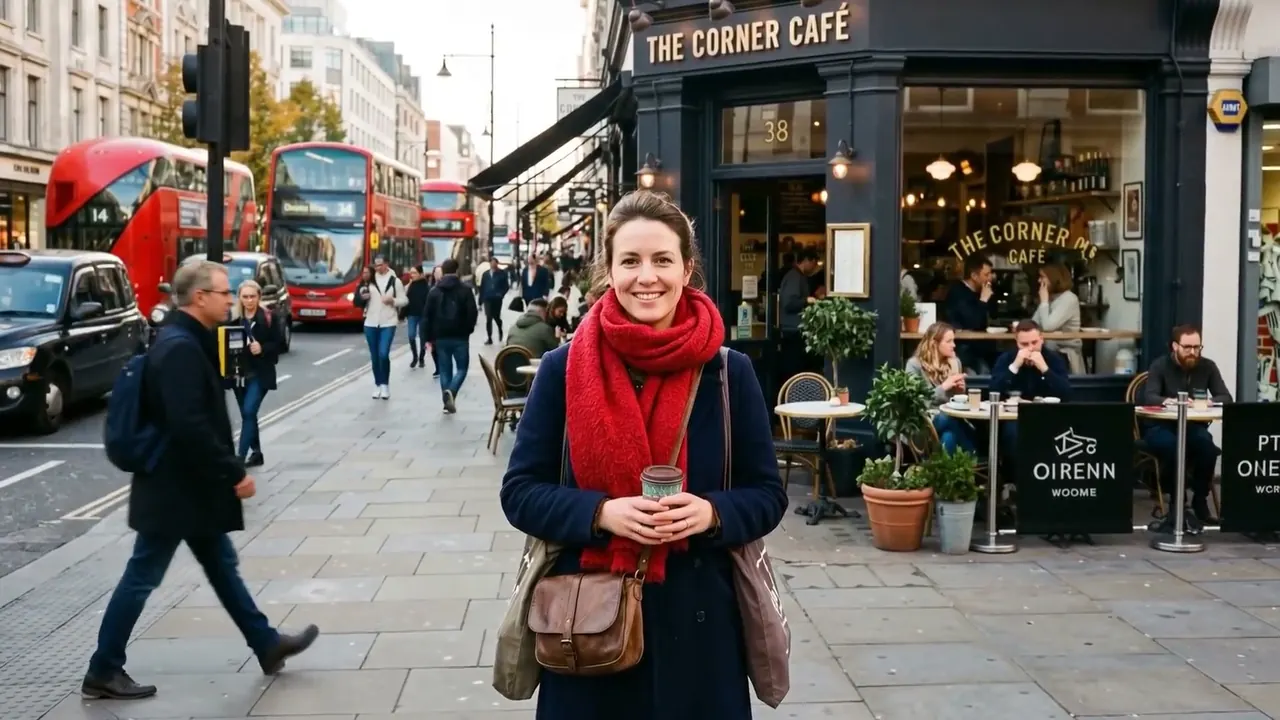
Static Locked-Off
The camera holds one frame and does not move.
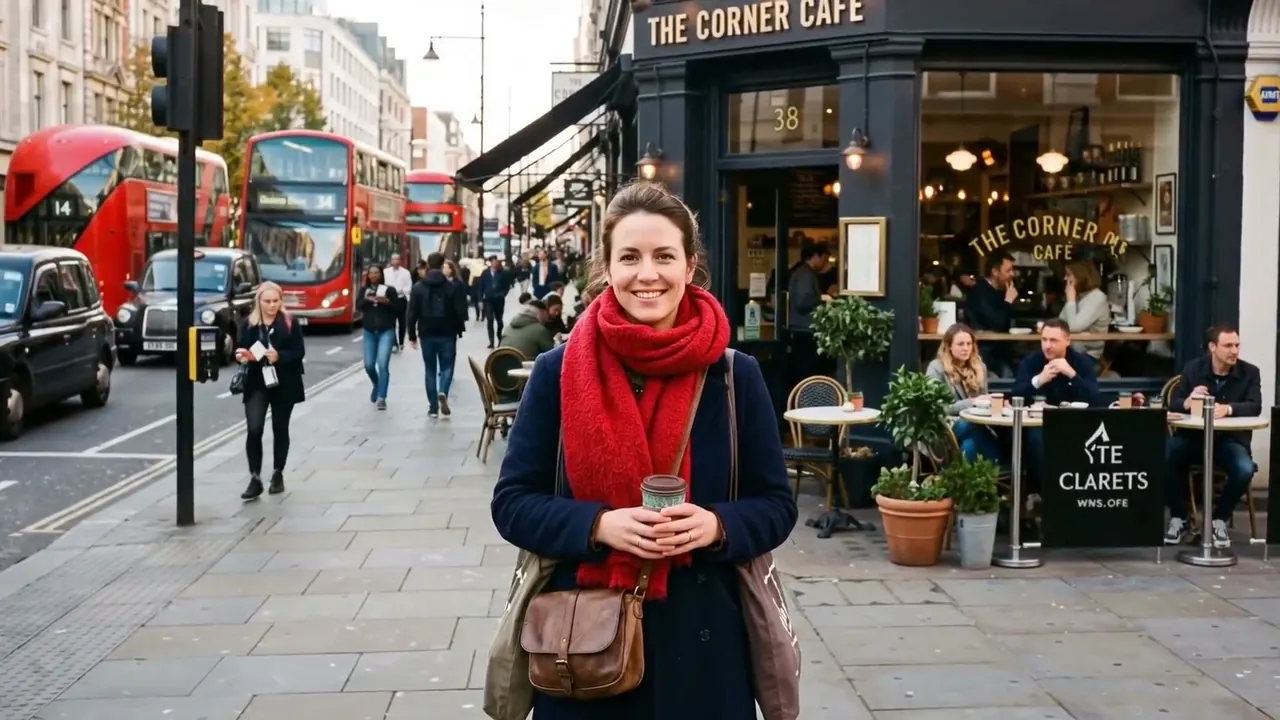
Fixed Cam
The camera does not move, and the subject works inside a locked frame.
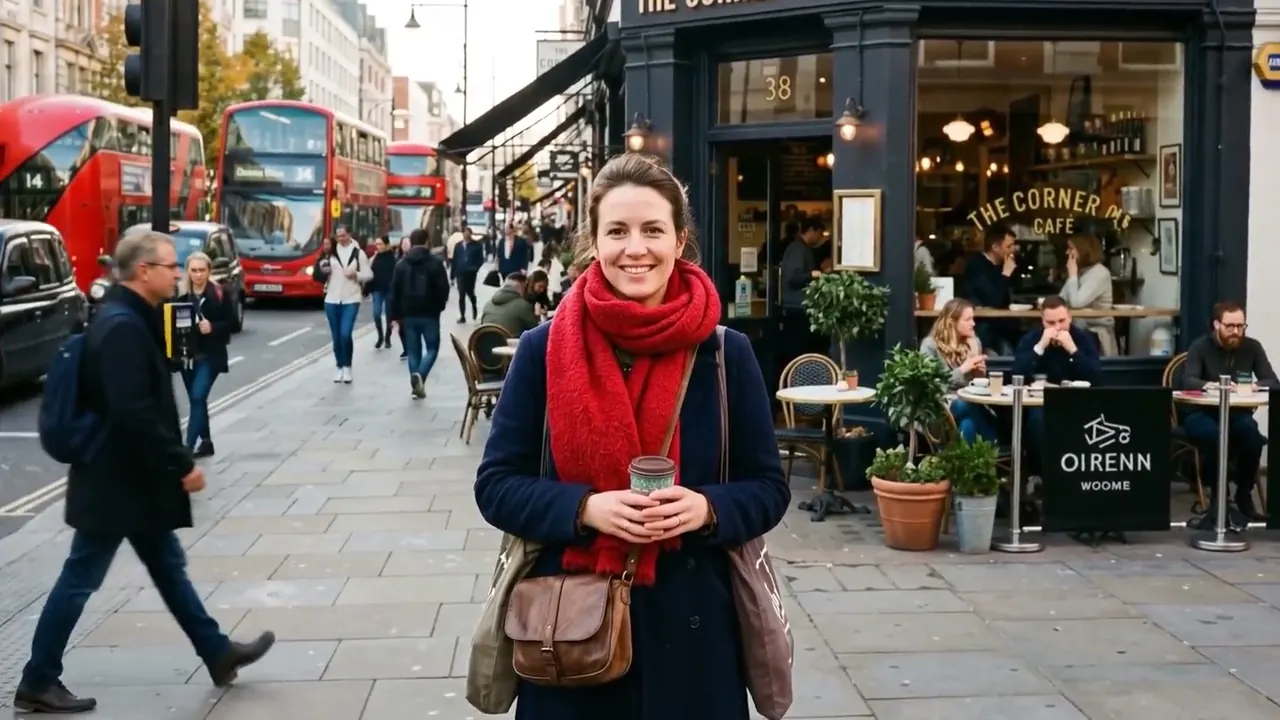
Wiggle
The frame jitters in small erratic steps.
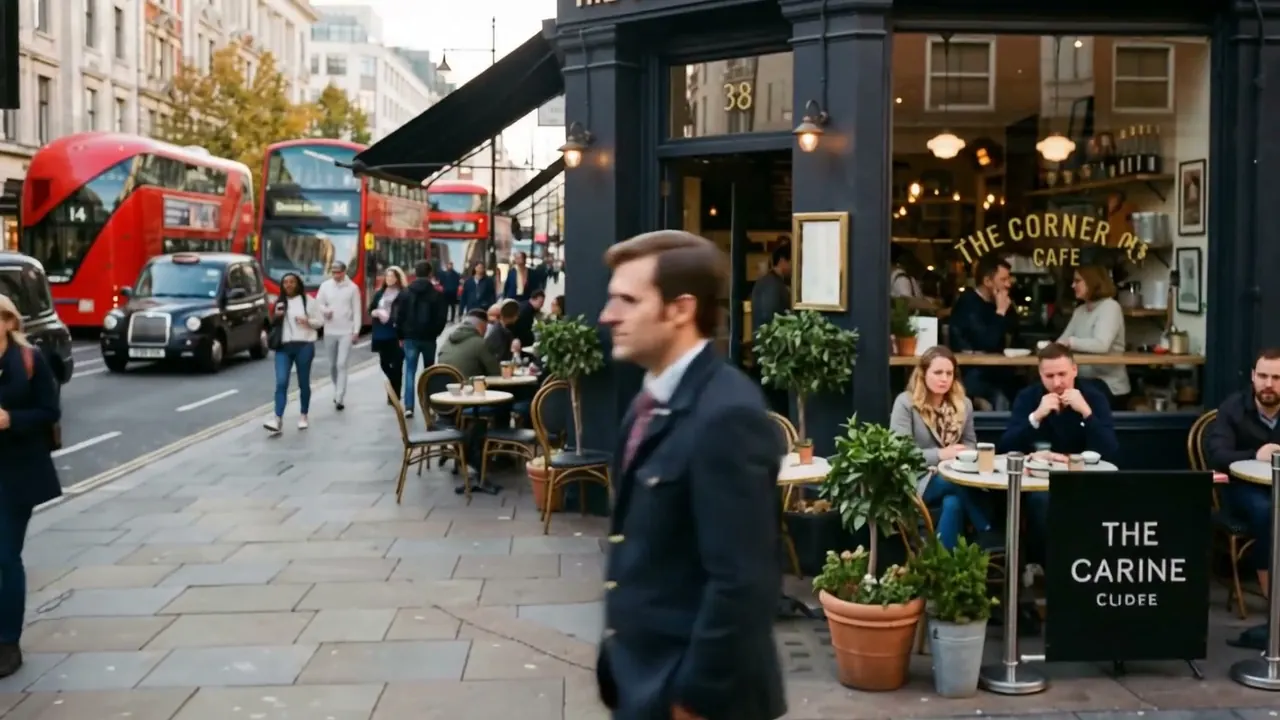
Wandering
The camera drifts with no fixed target, as if looking around.
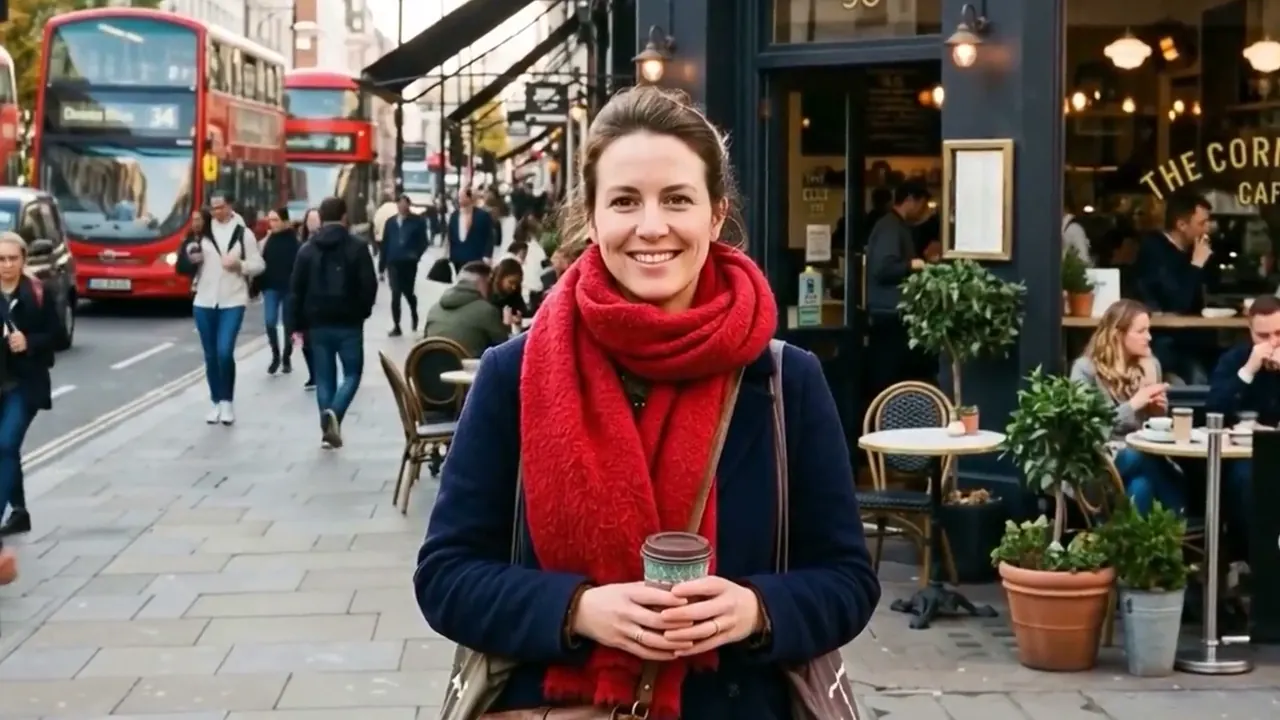
Bolt Cam
A robot arm throws the camera through a fast, exact path.
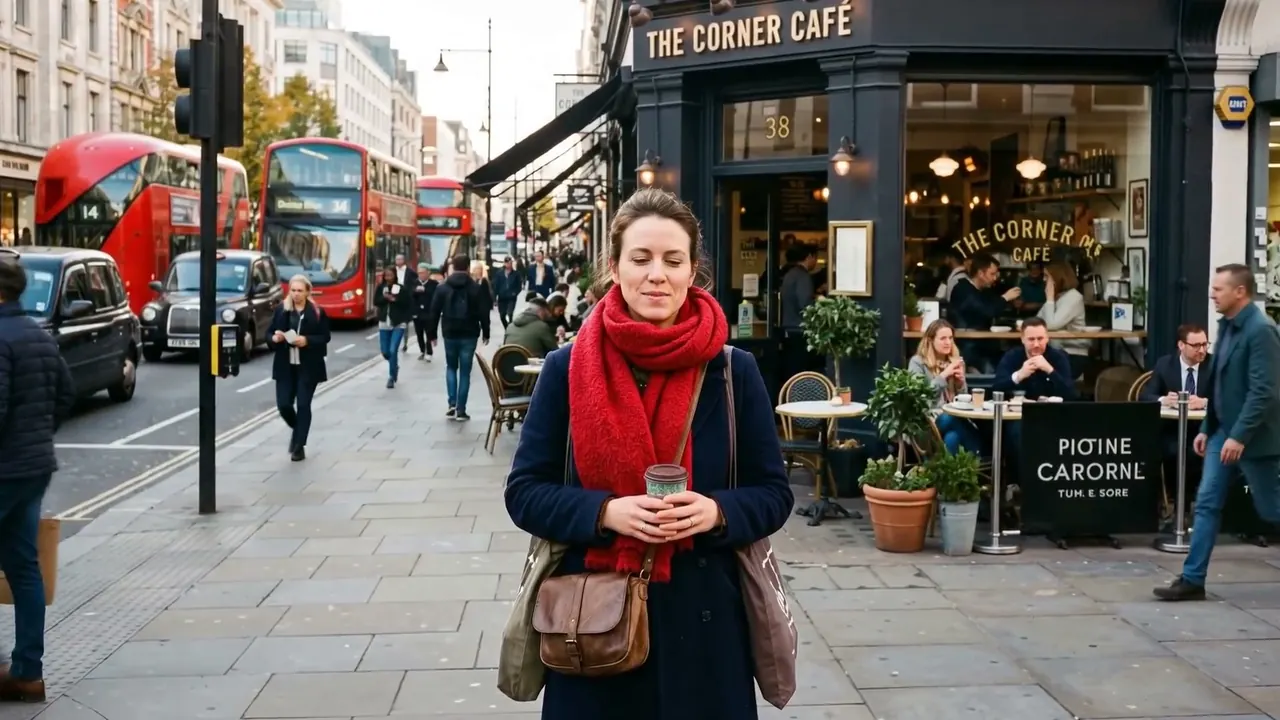
Robo Arm
A motion-control arm repeats an exact path with no error.
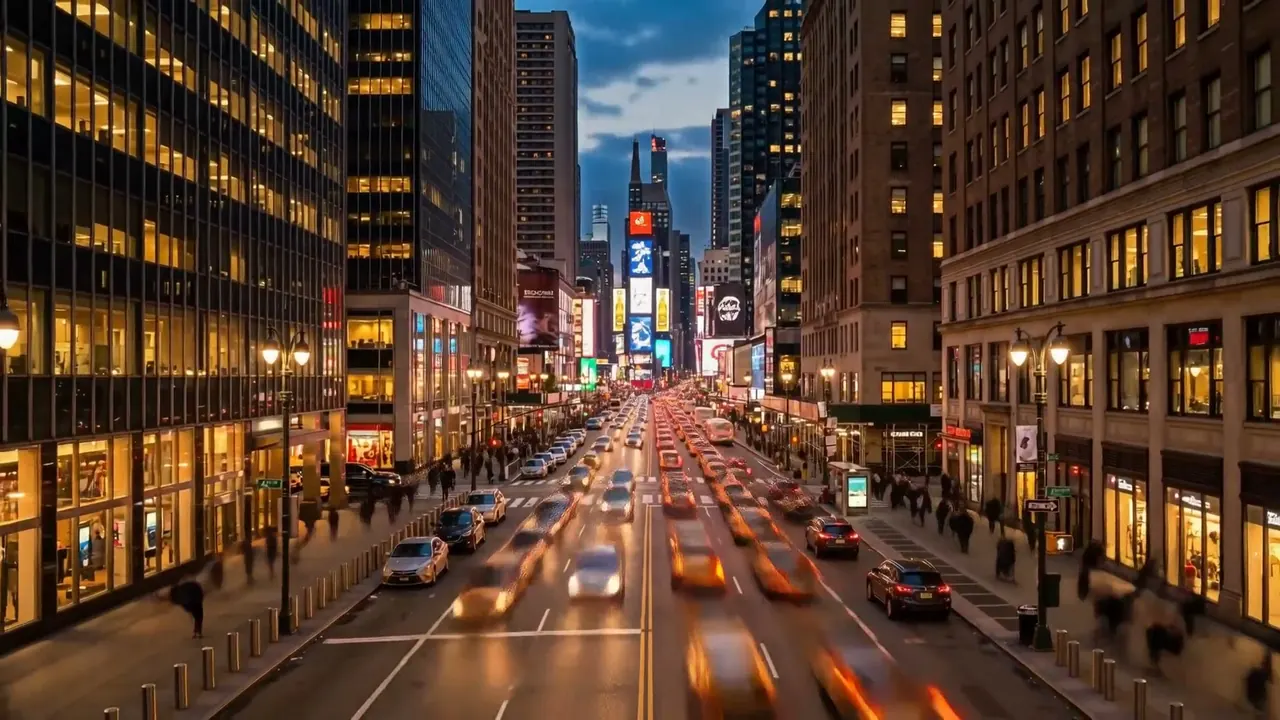
Hyperlapse
A time-lapse that travels, so the camera covers ground at speed.
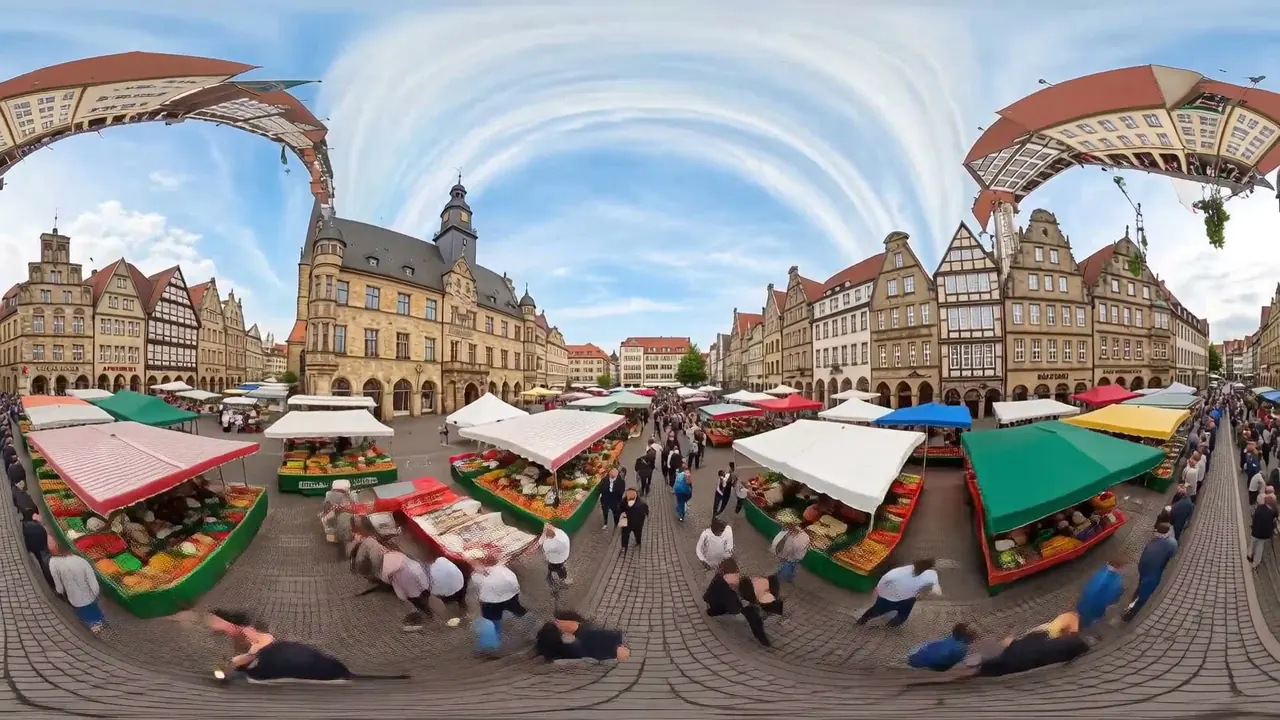
Omnidirectional
The camera sees in every direction at once.
Composition32
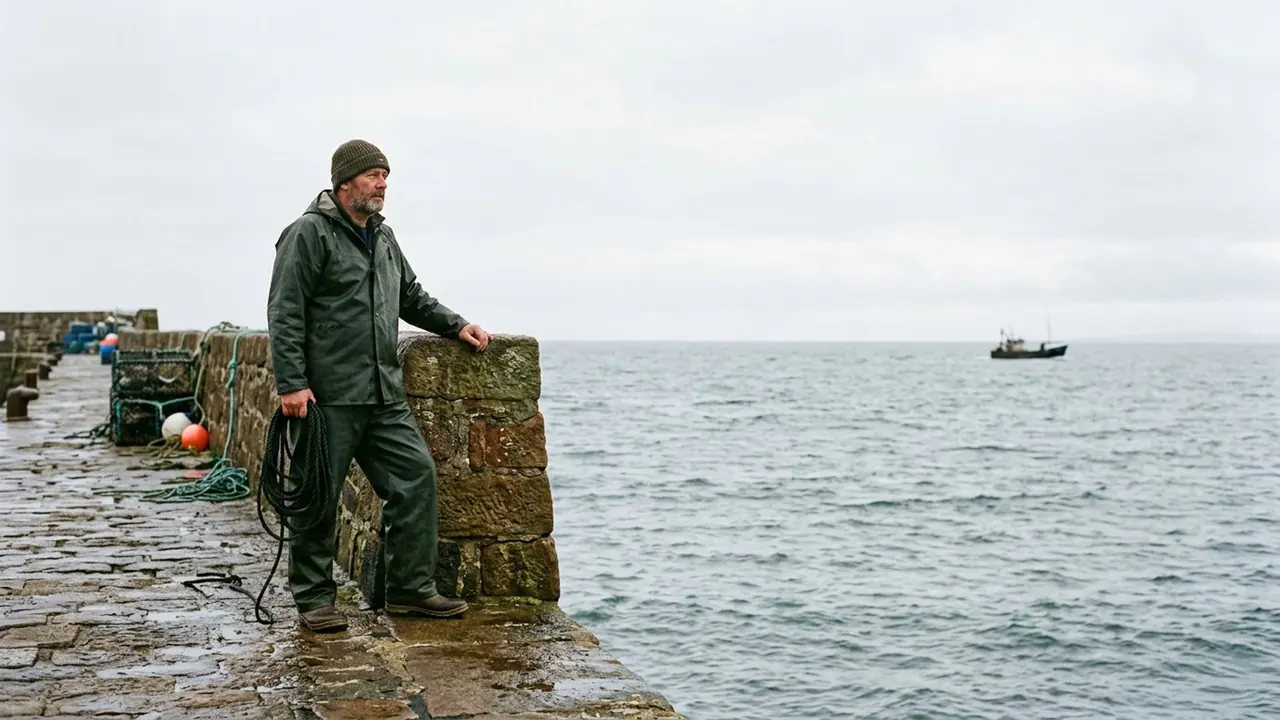
Rule of Thirds
The subject sits on a third line rather than in the middle.
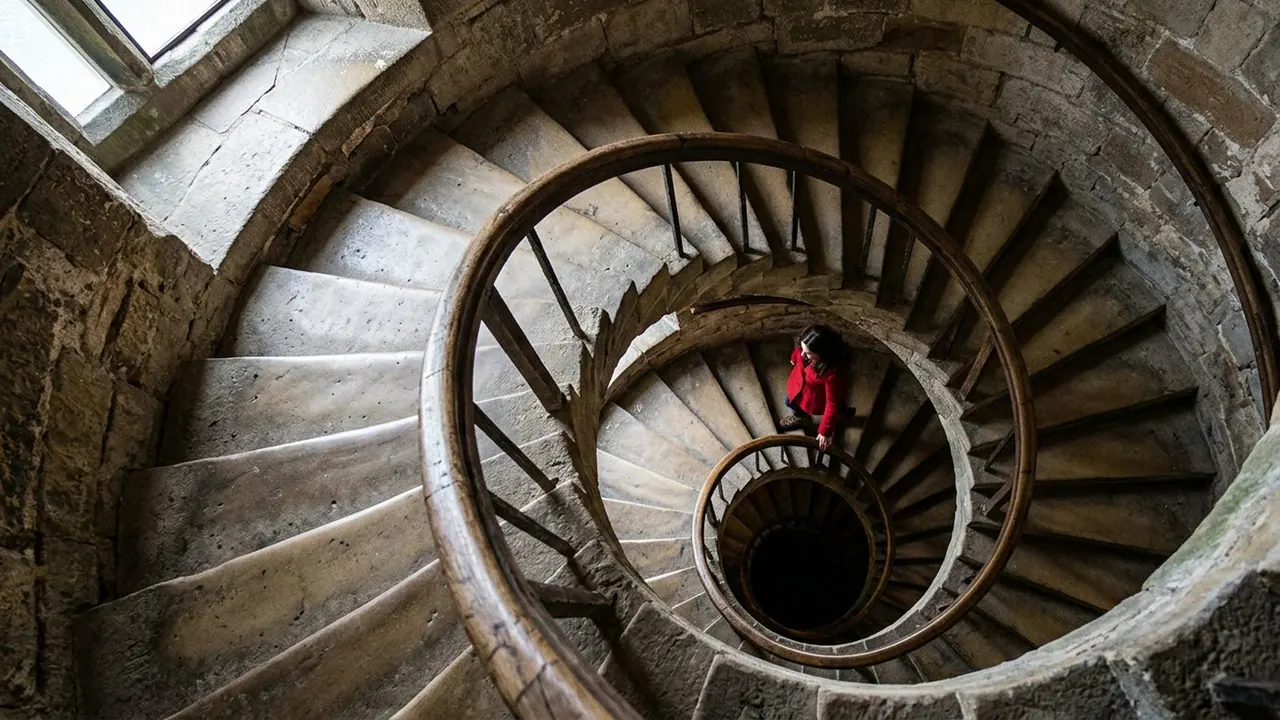
Golden Ratio
The subject sits on a spiral proportion rather than on a simple grid.
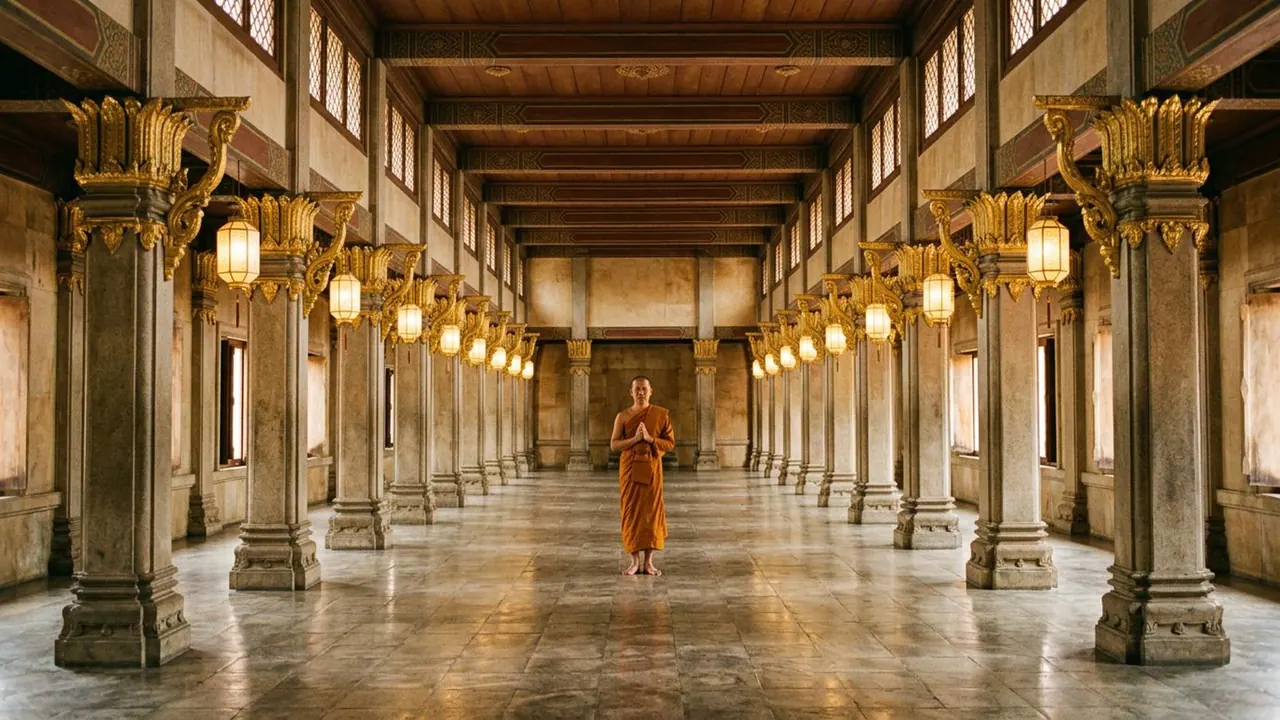
Centered Composition
The subject sits dead centre and the frame is built around that.
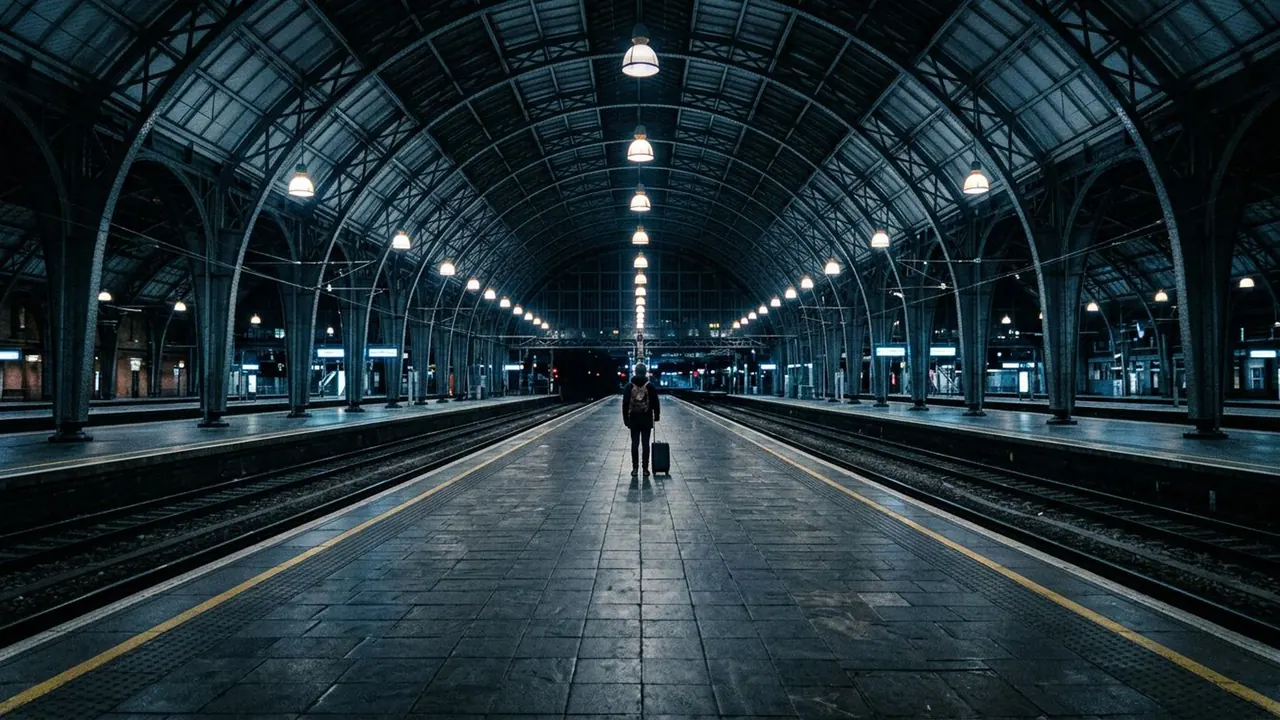
Central Framing
Everything in the frame points the eye to the middle.
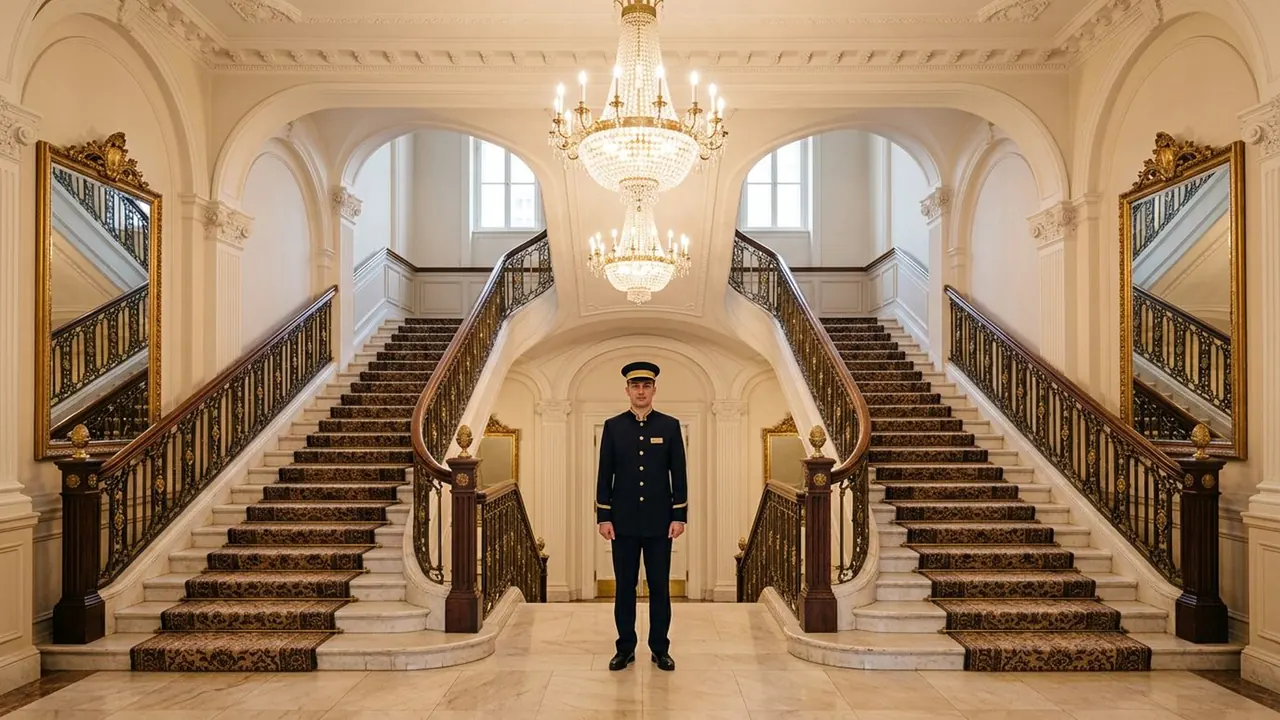
Symmetry
Both halves of the frame mirror each other.
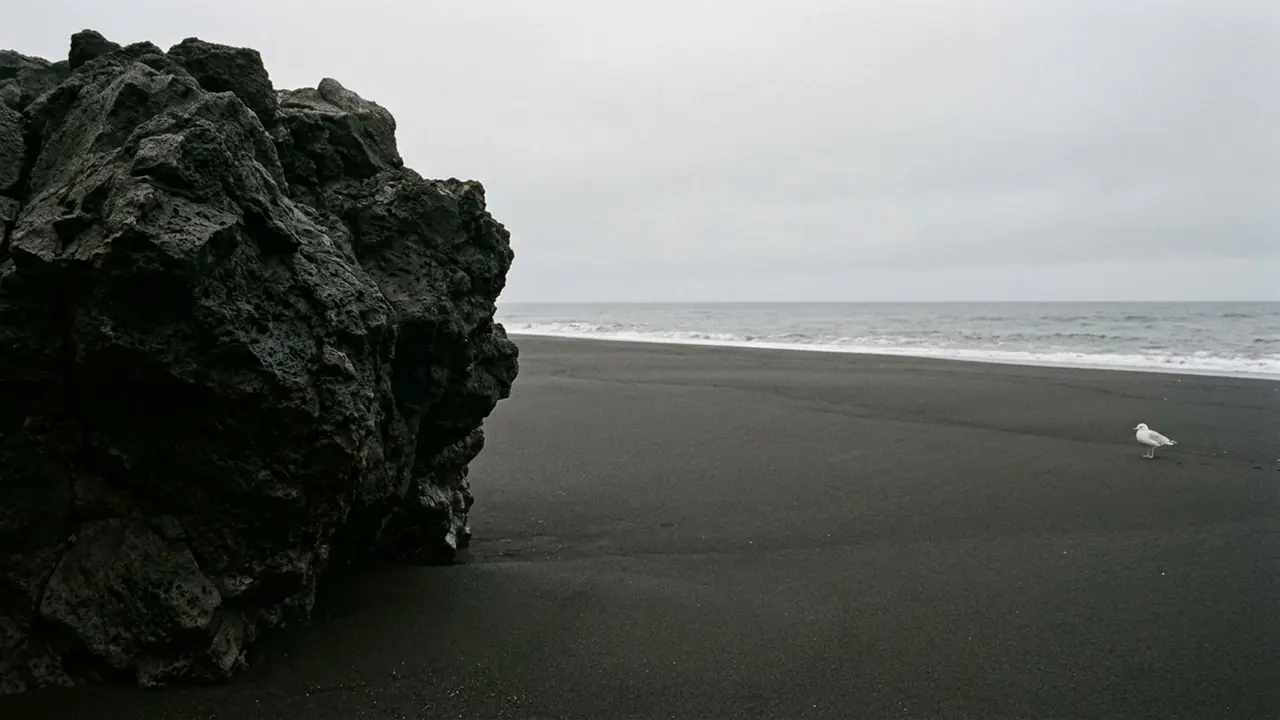
Asymmetry
The weight sits off to one side and the frame stays unbalanced on purpose.
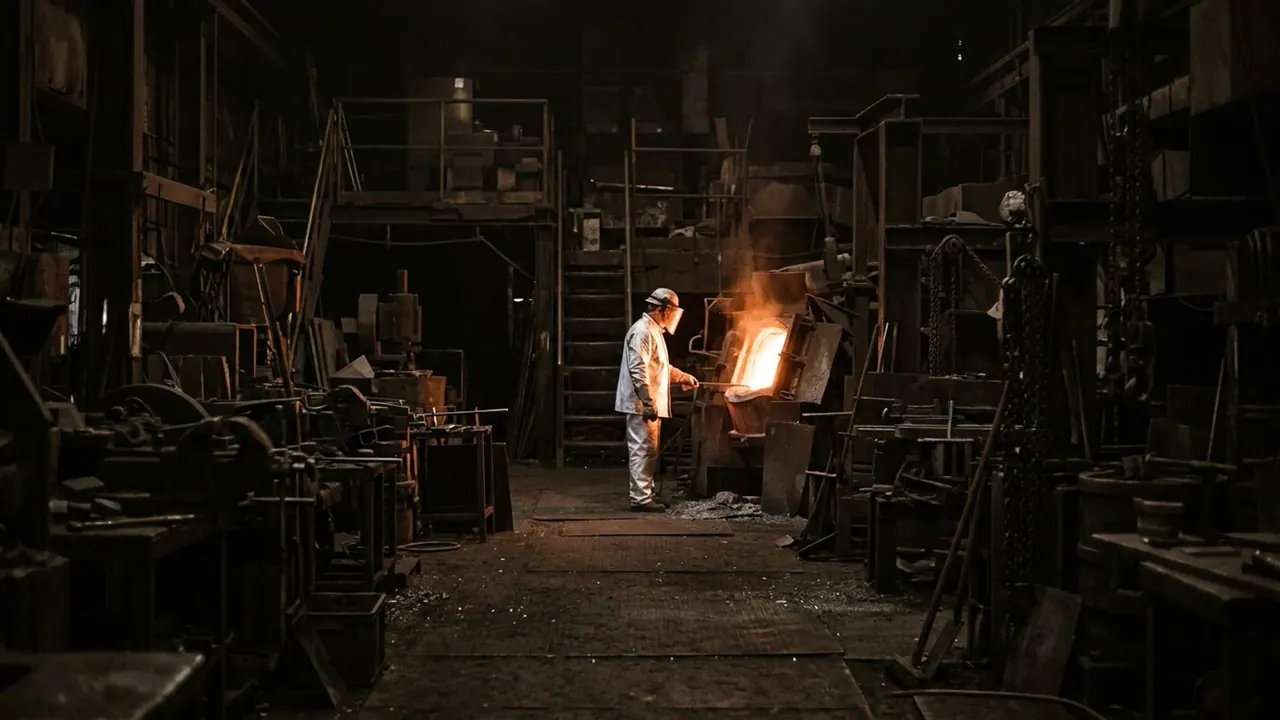
Visual Weight
One part of the frame pulls the eye harder than the rest.
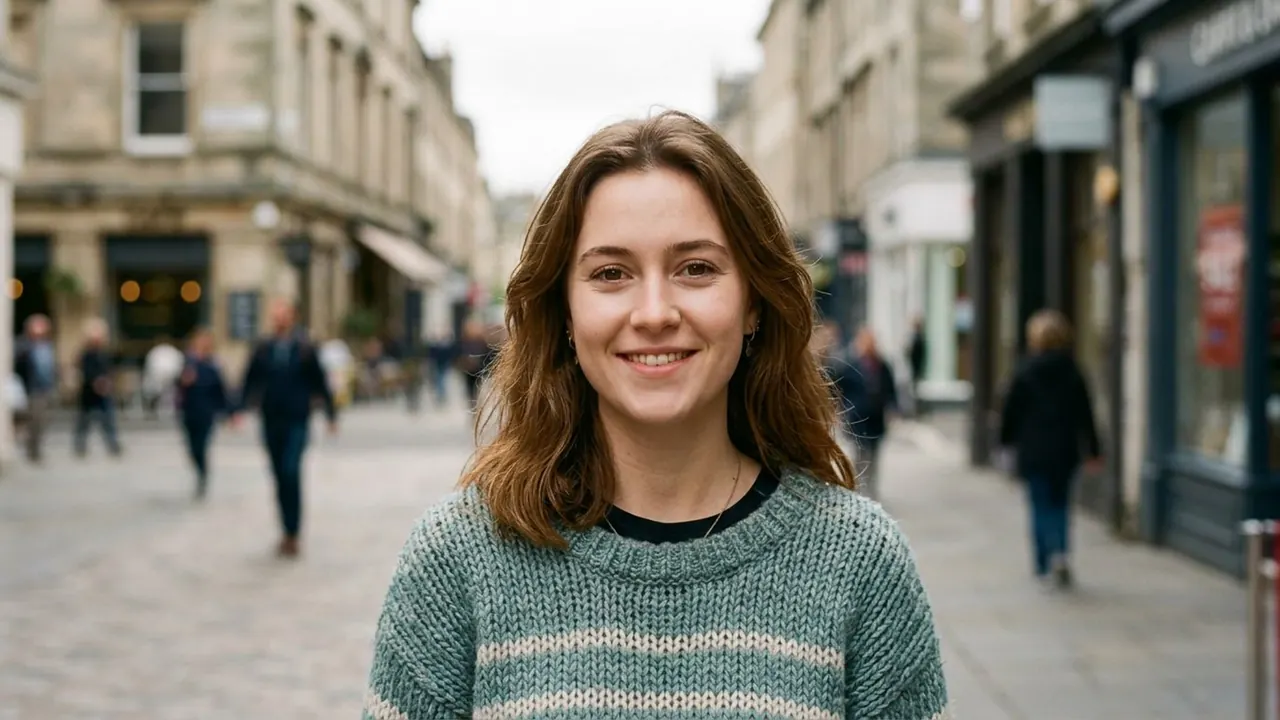
Headroom
The space above the head is measured on purpose.
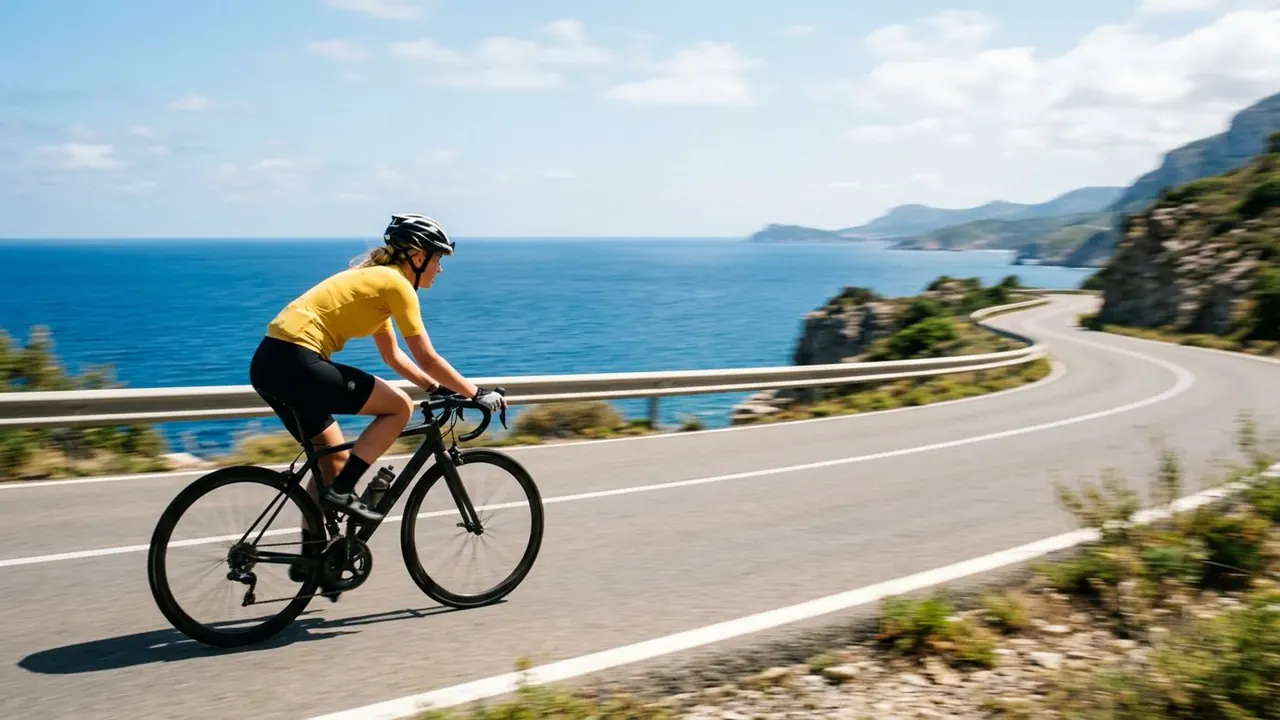
Lead Room
There is space ahead of a moving subject for them to move into.
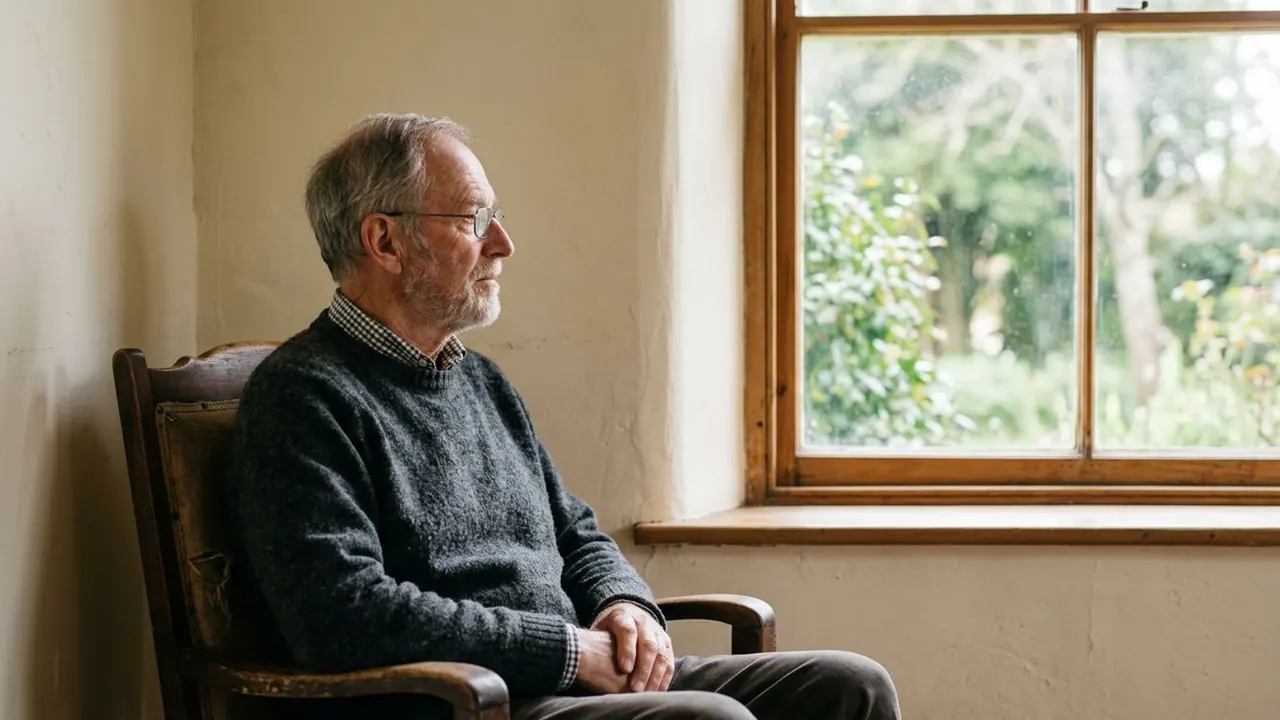
Look Space
There is space ahead of the direction the subject looks.
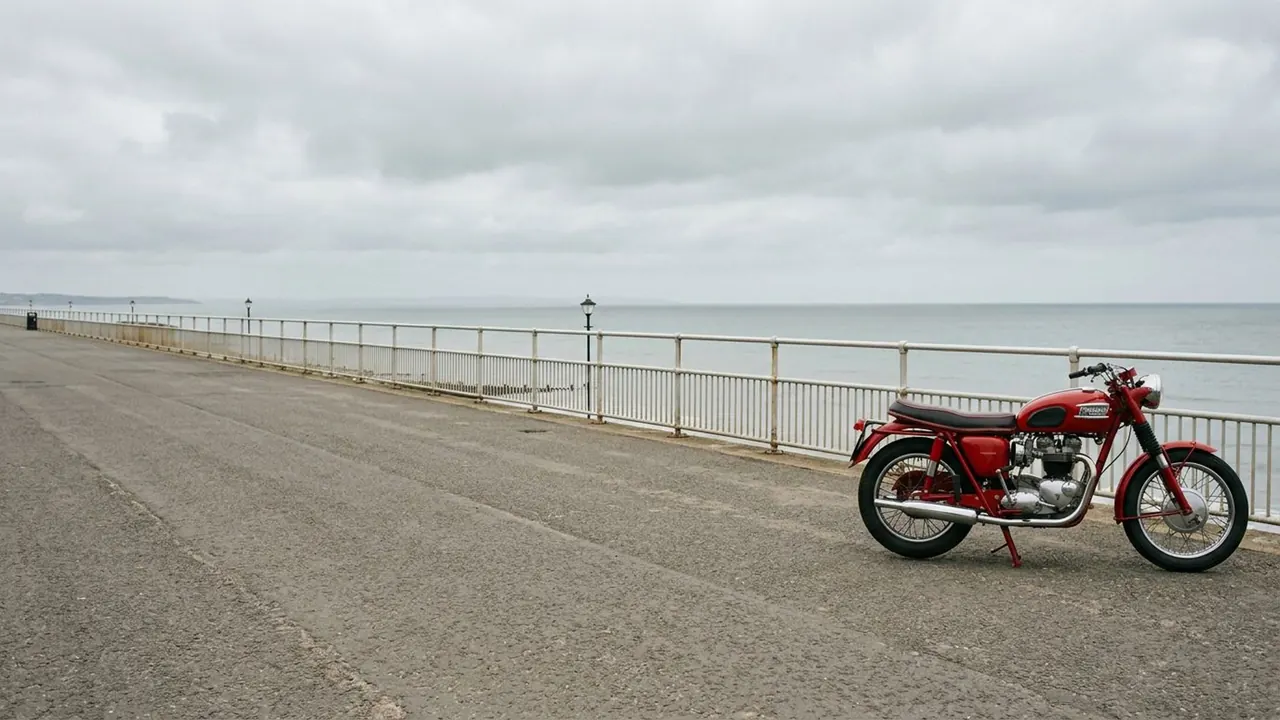
Short Siding
The subject is crowded against the edge they face, so the frame feels tight.
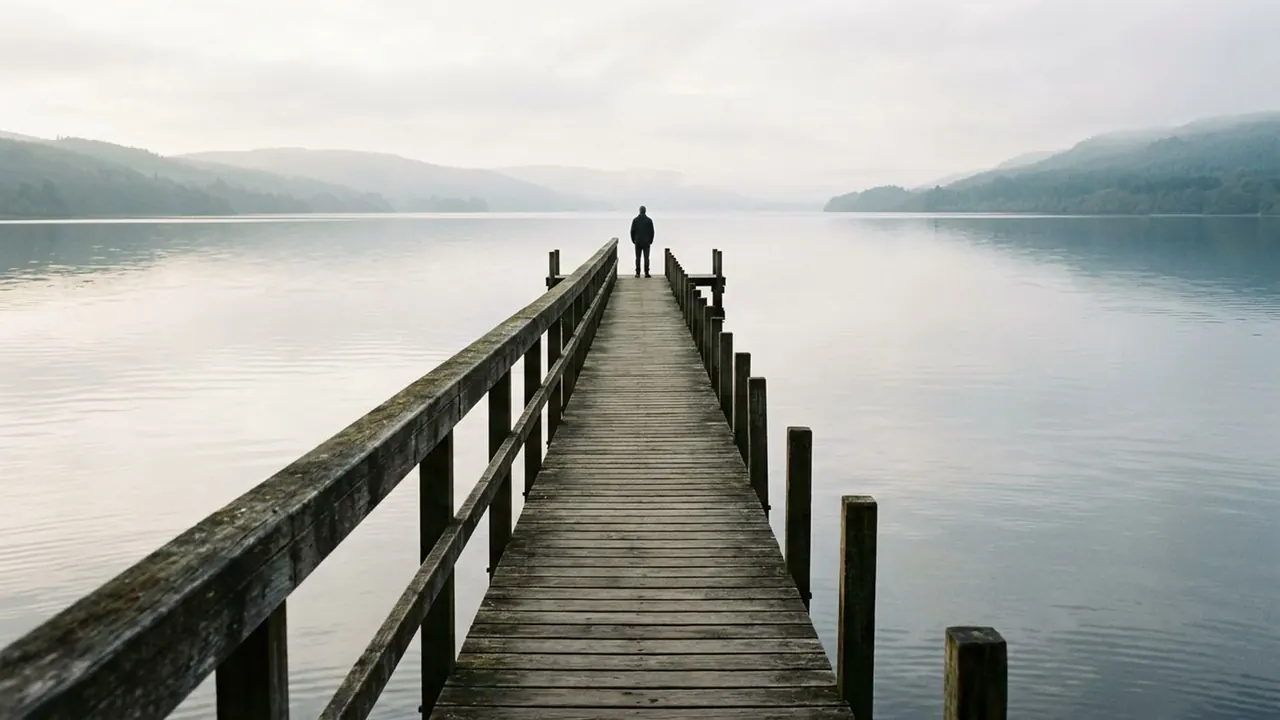
Leading Lines
Lines in the scene run the eye to the subject.
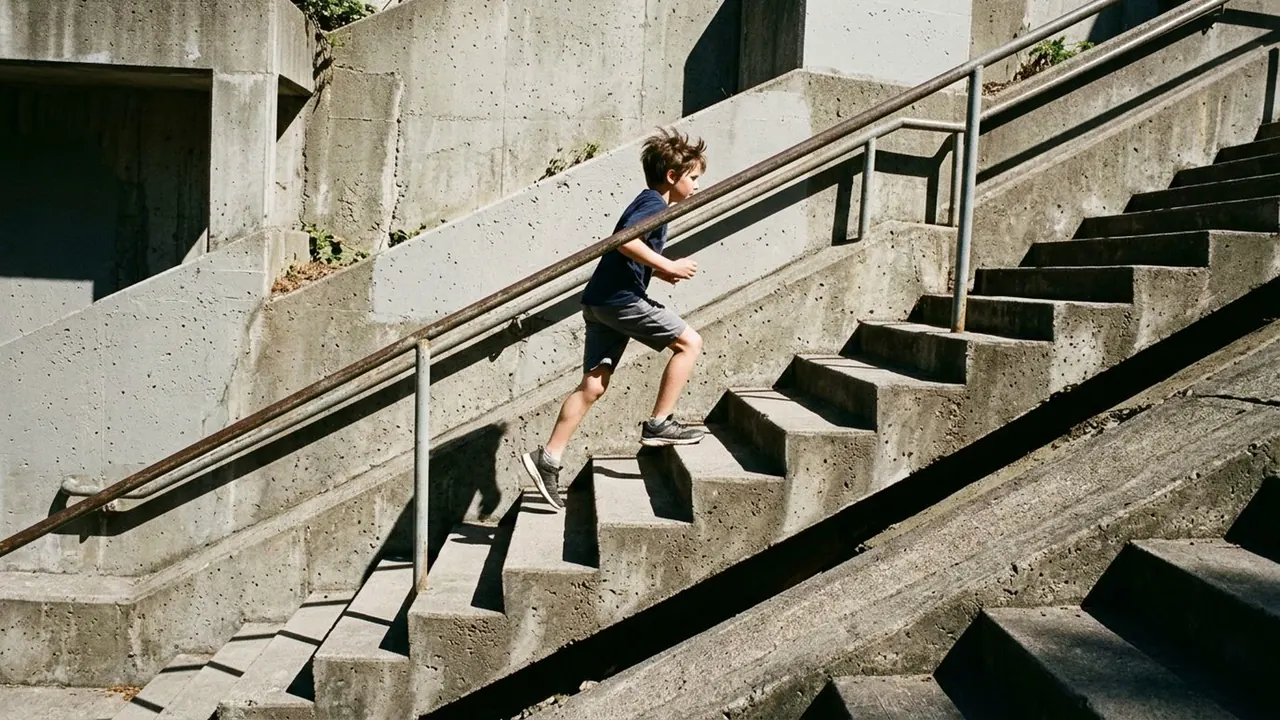
Diagonal Composition
The strong lines run at an angle, so the frame feels in motion.
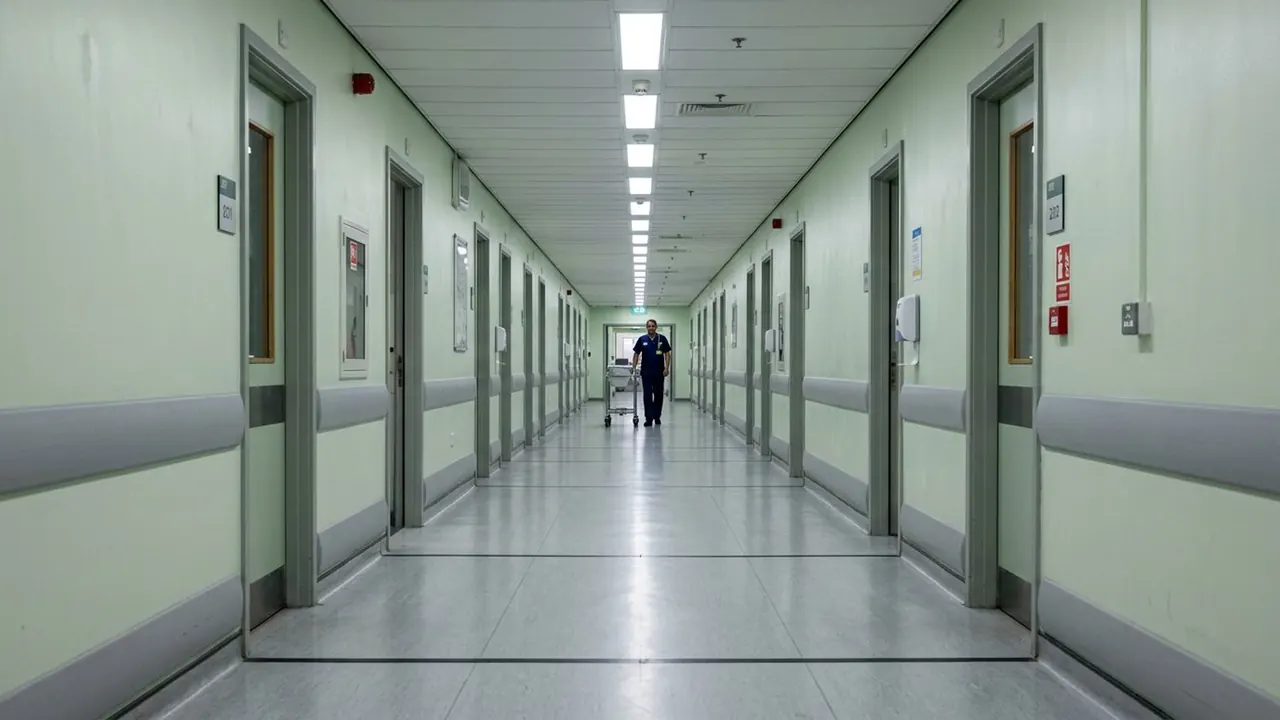
One-Point Perspective
Every line runs to a single point in the middle of the frame.
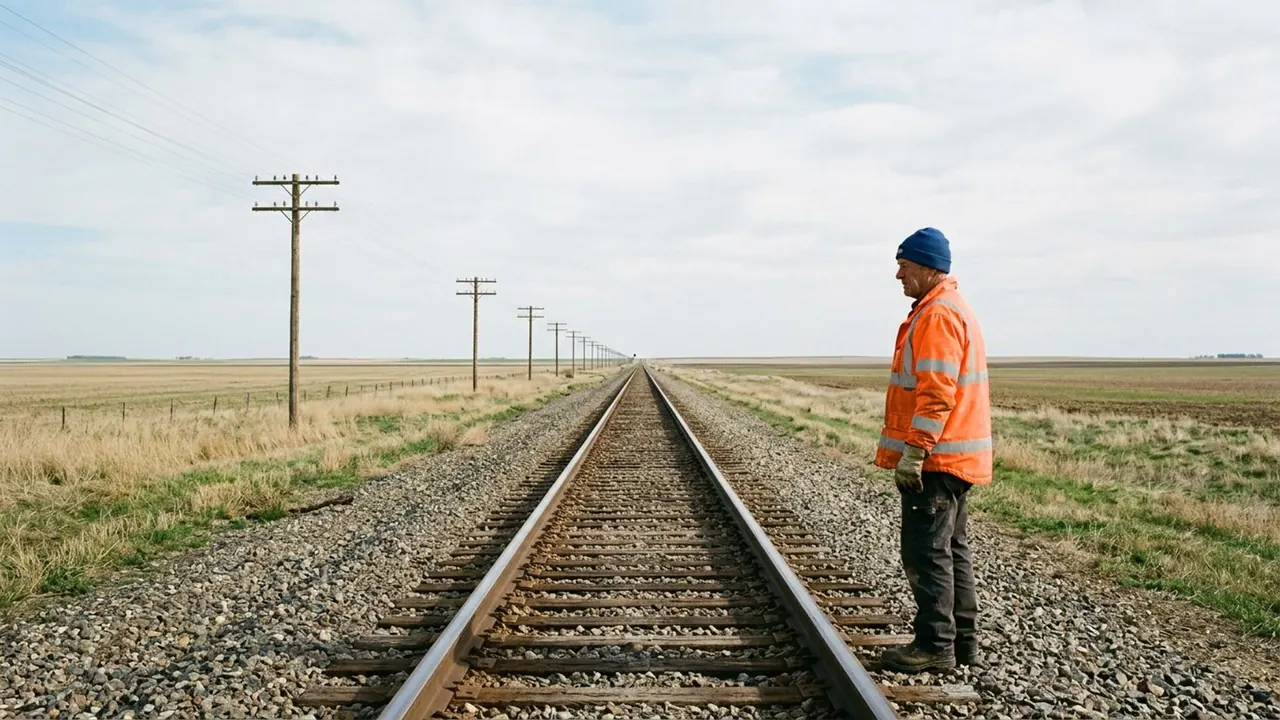
Vanishing Point
Parallel lines converge on one distant point.
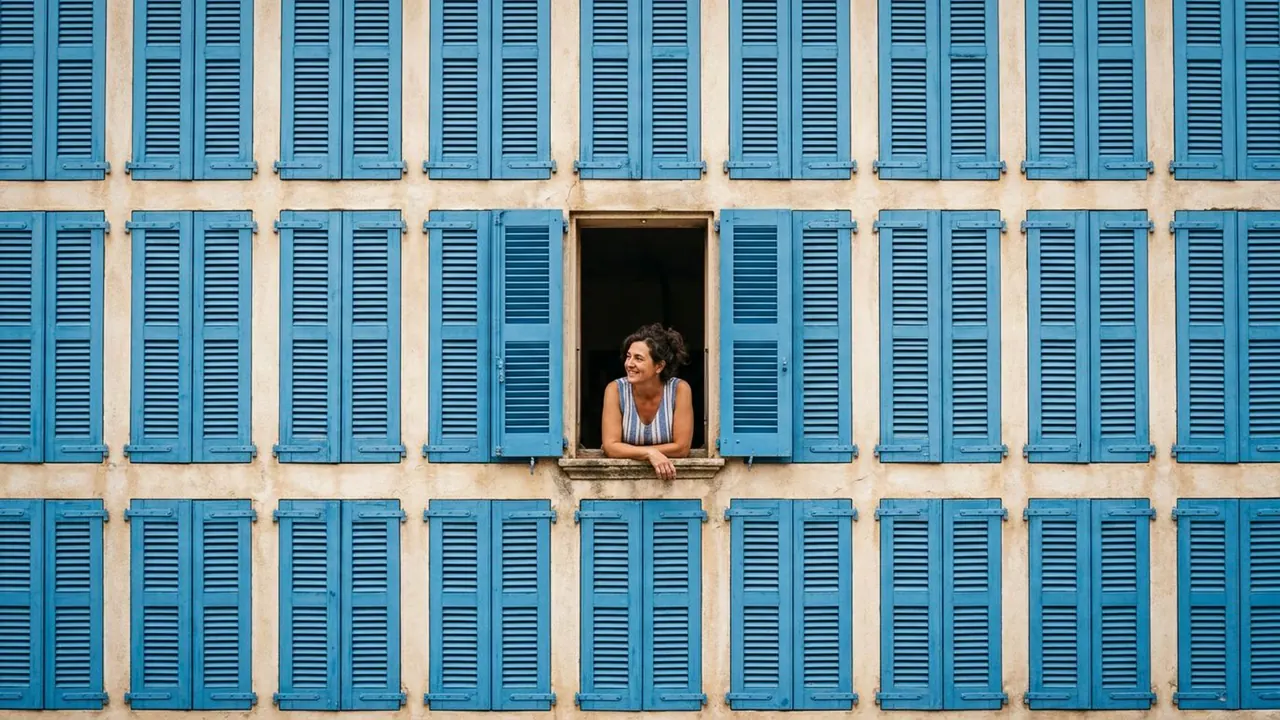
Repetition and Pattern
One element repeats across the frame until it becomes the structure.
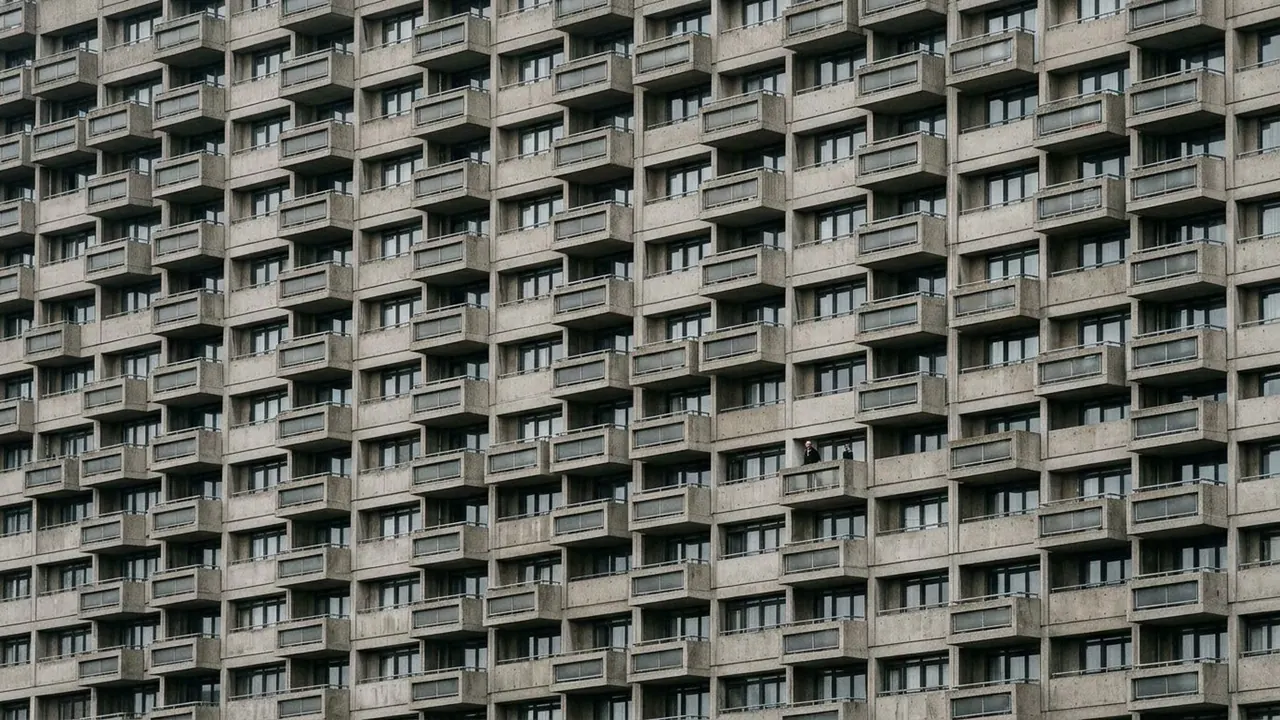
Architexture
Built form fills the frame and reads as pattern rather than as a place.

Layered Depth
Near, middle and far planes all carry something.
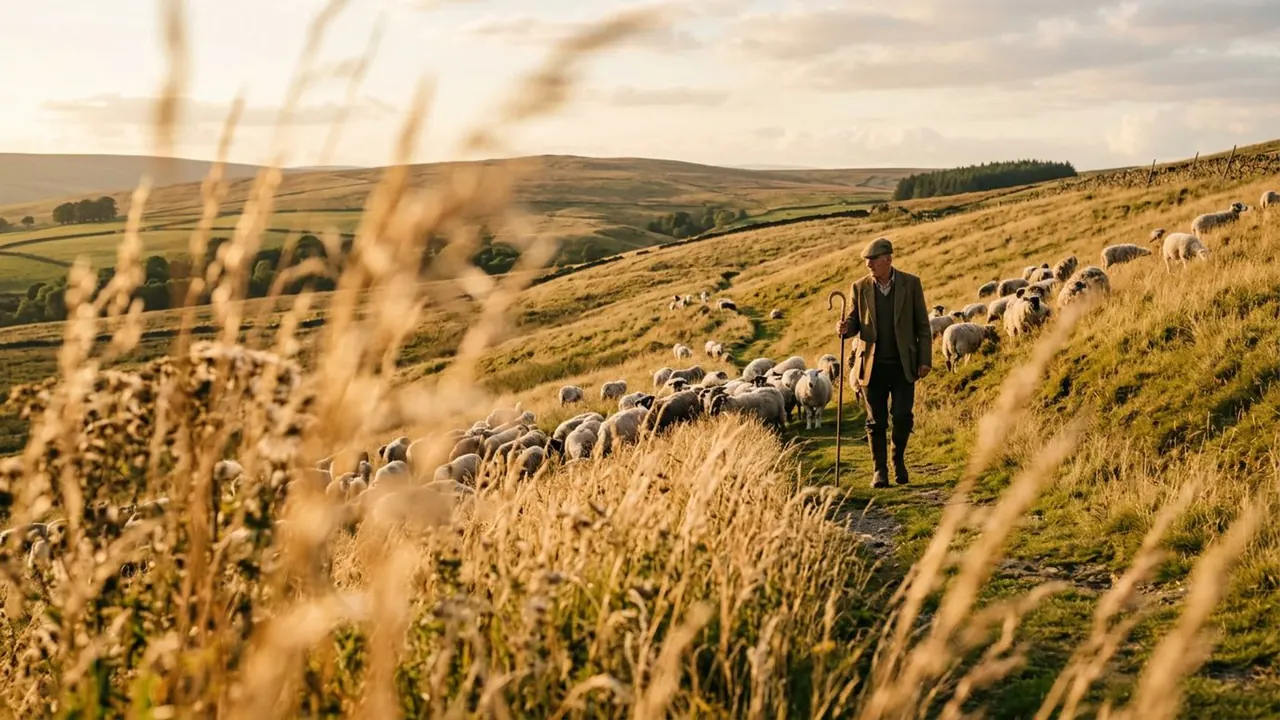
Foreground Interest
Something in the near field gives the frame depth.
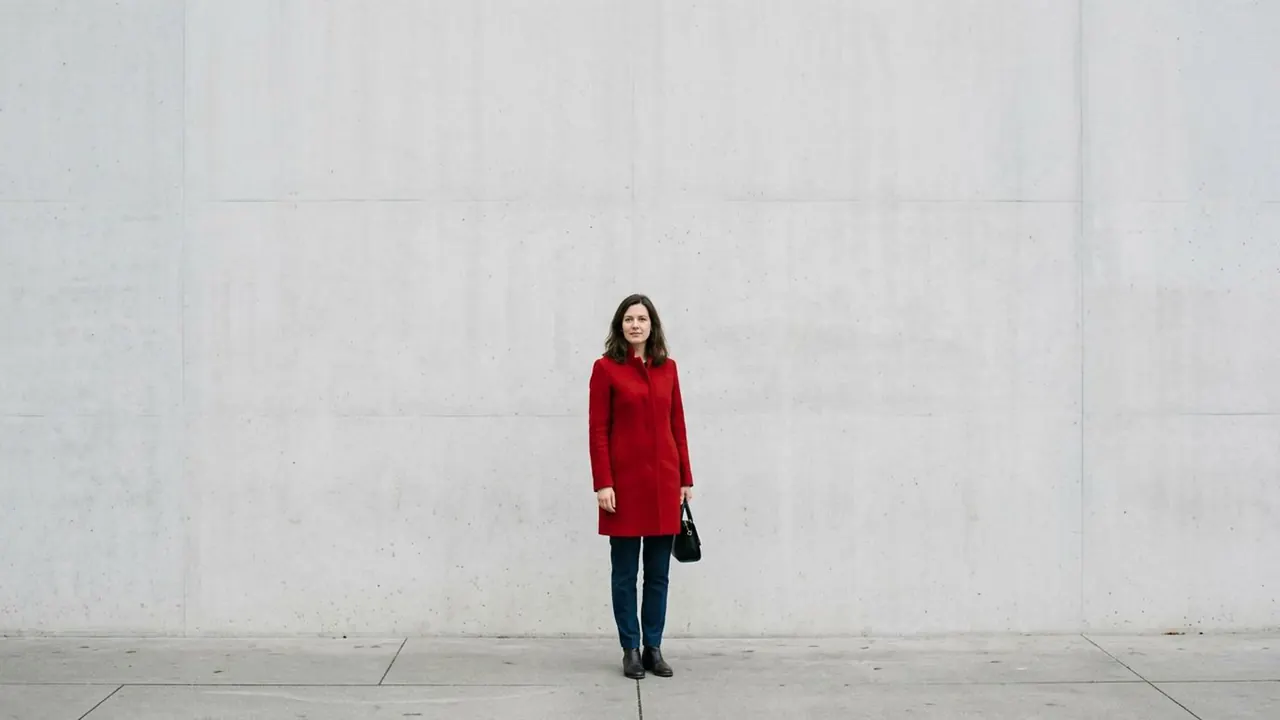
Figure-Ground
The subject separates cleanly from what sits behind it.
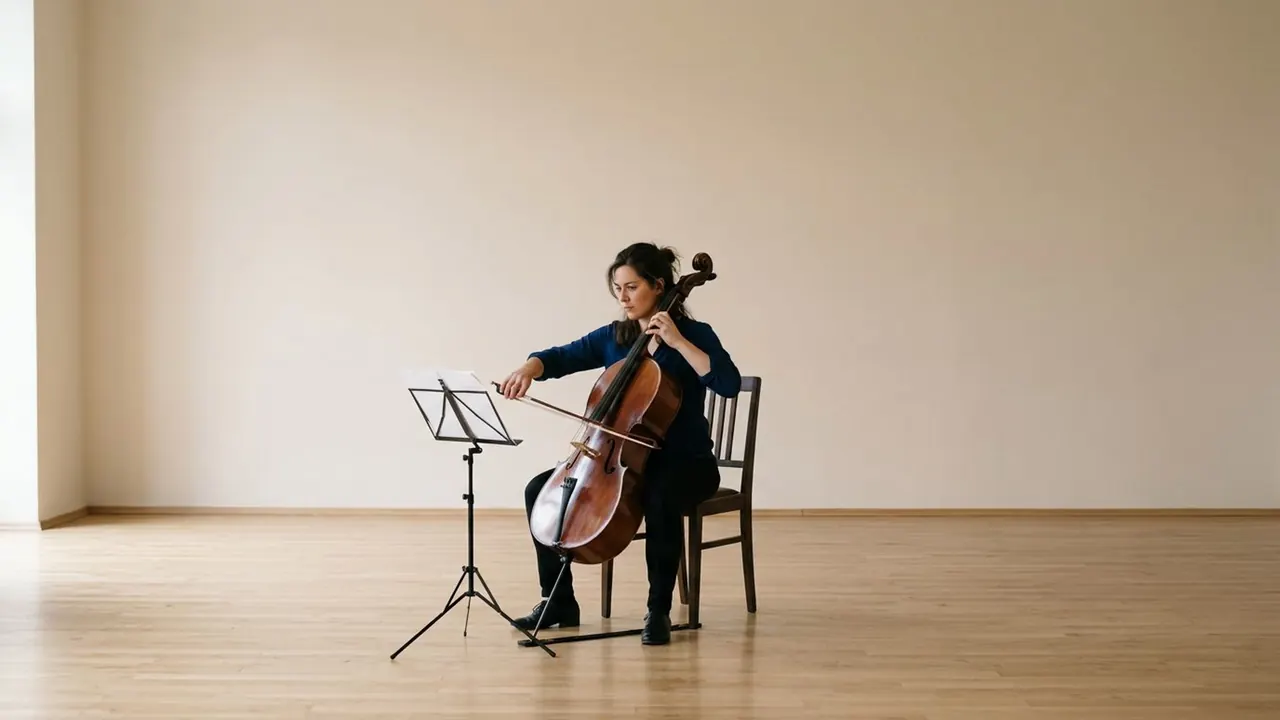
Clean Frame
Nothing intrudes between the camera and the subject.
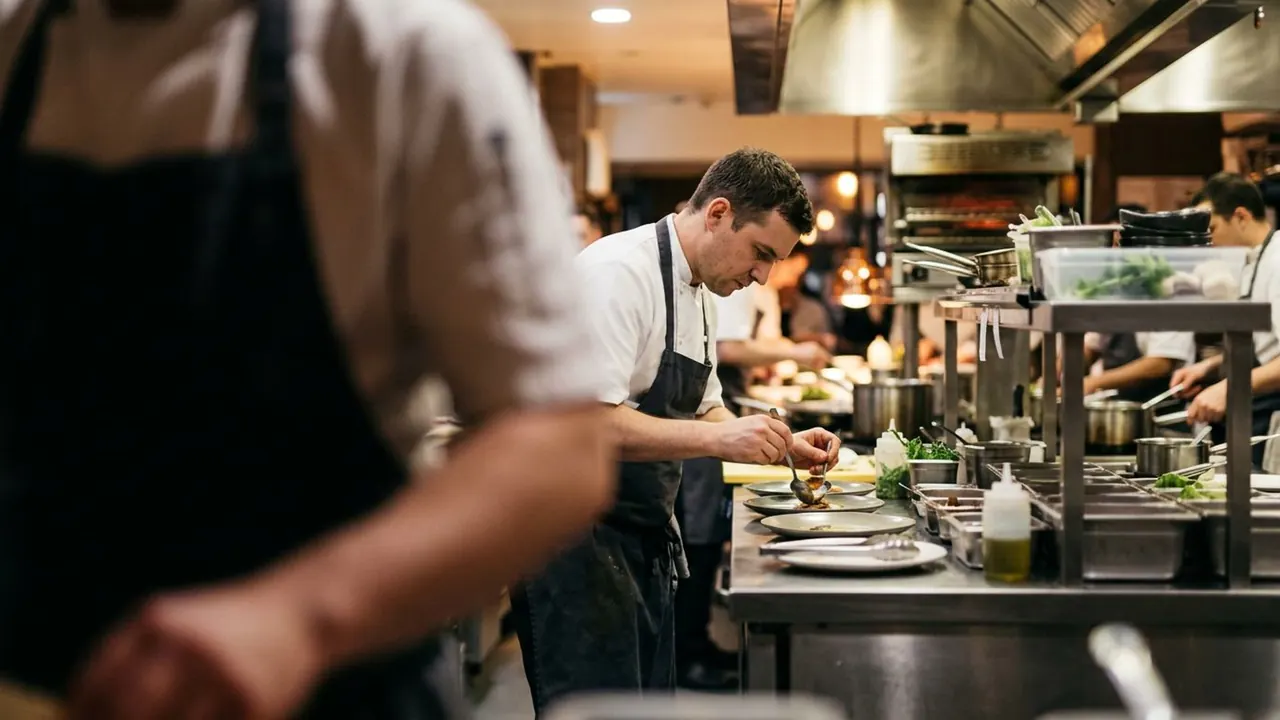
Dirty Frame
Something near the lens intrudes into the edge of the shot.
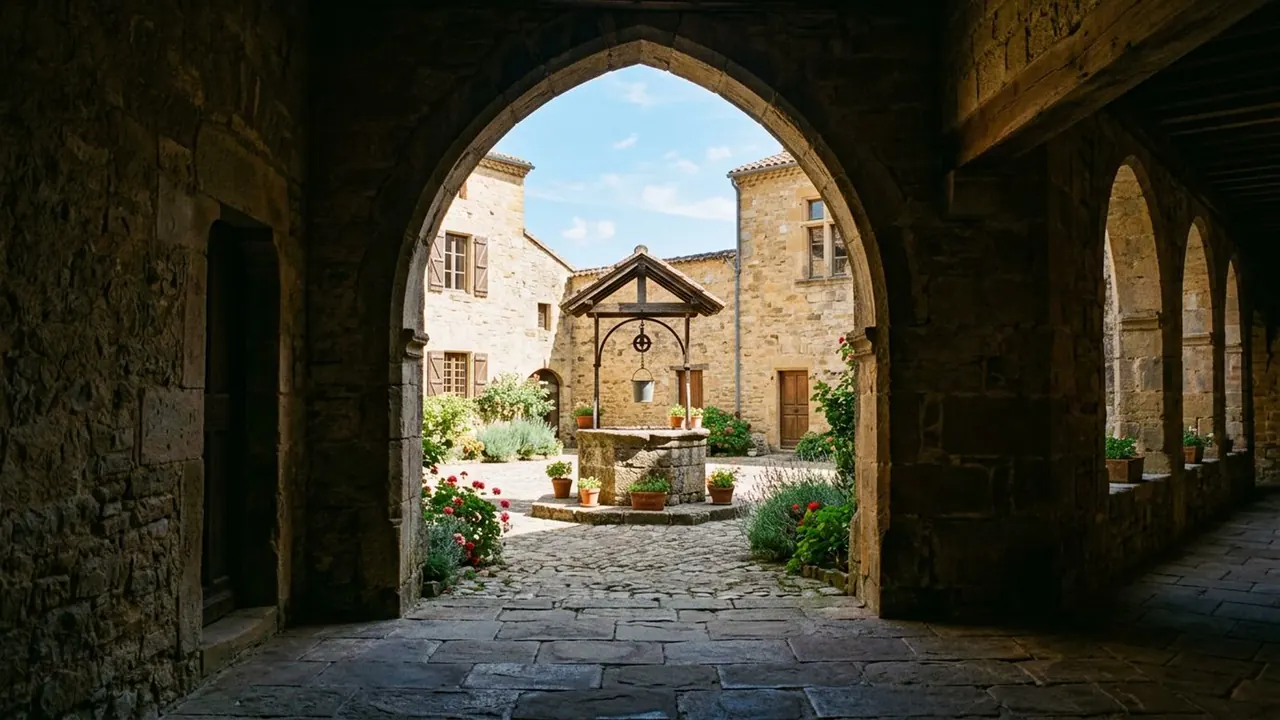
Frame within Frame
Something in the scene forms a second frame around the subject.
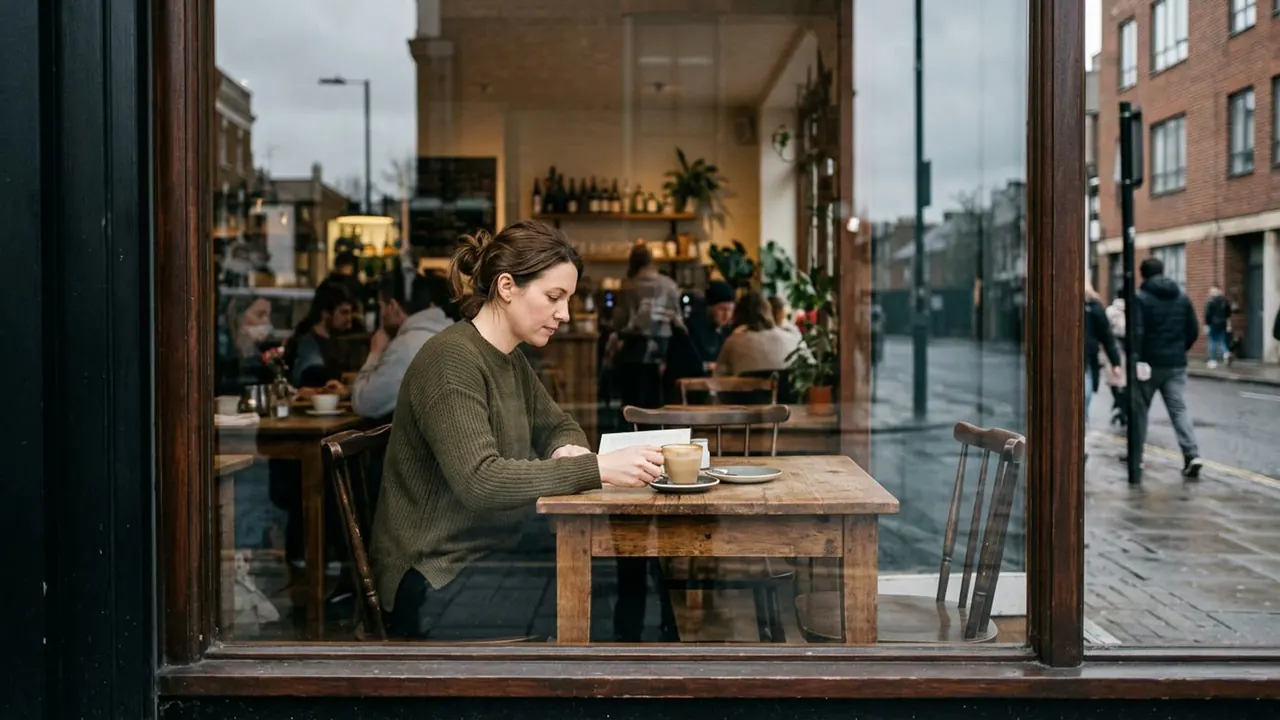
Windows
A window frames the subject and separates inside from out.
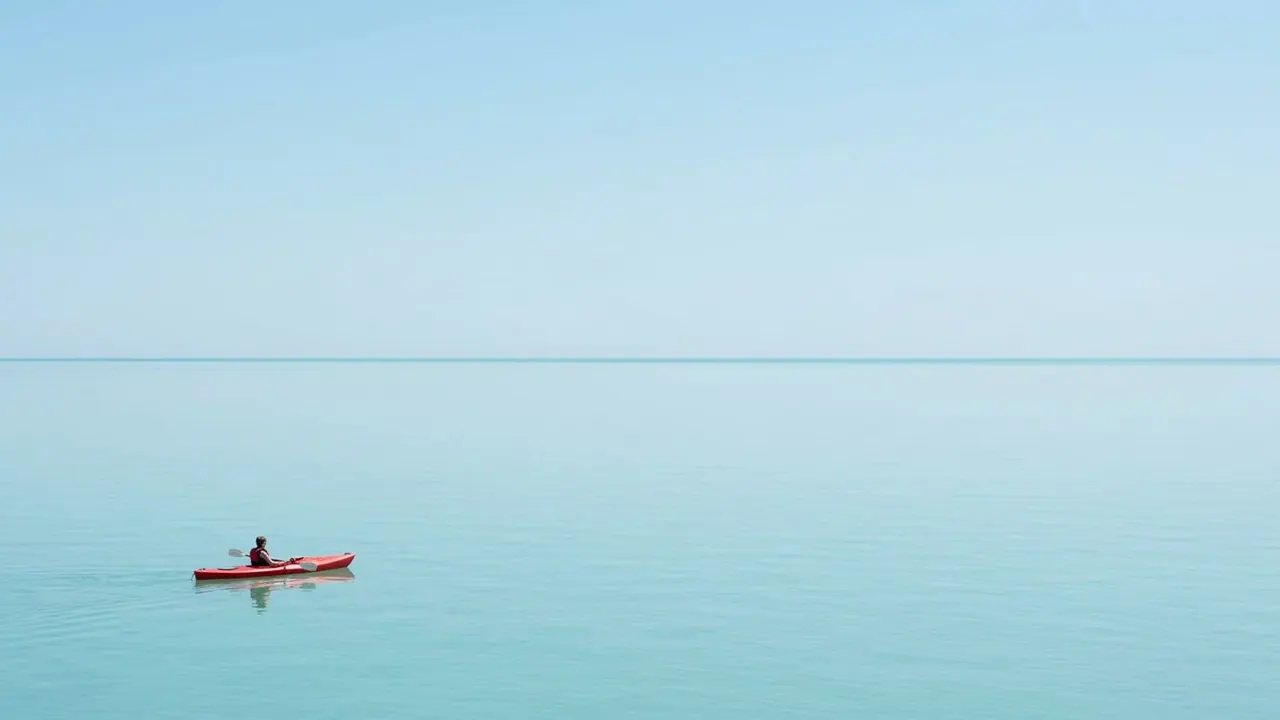
Negative Space
Emptiness takes most of the frame and the subject holds a corner of it.
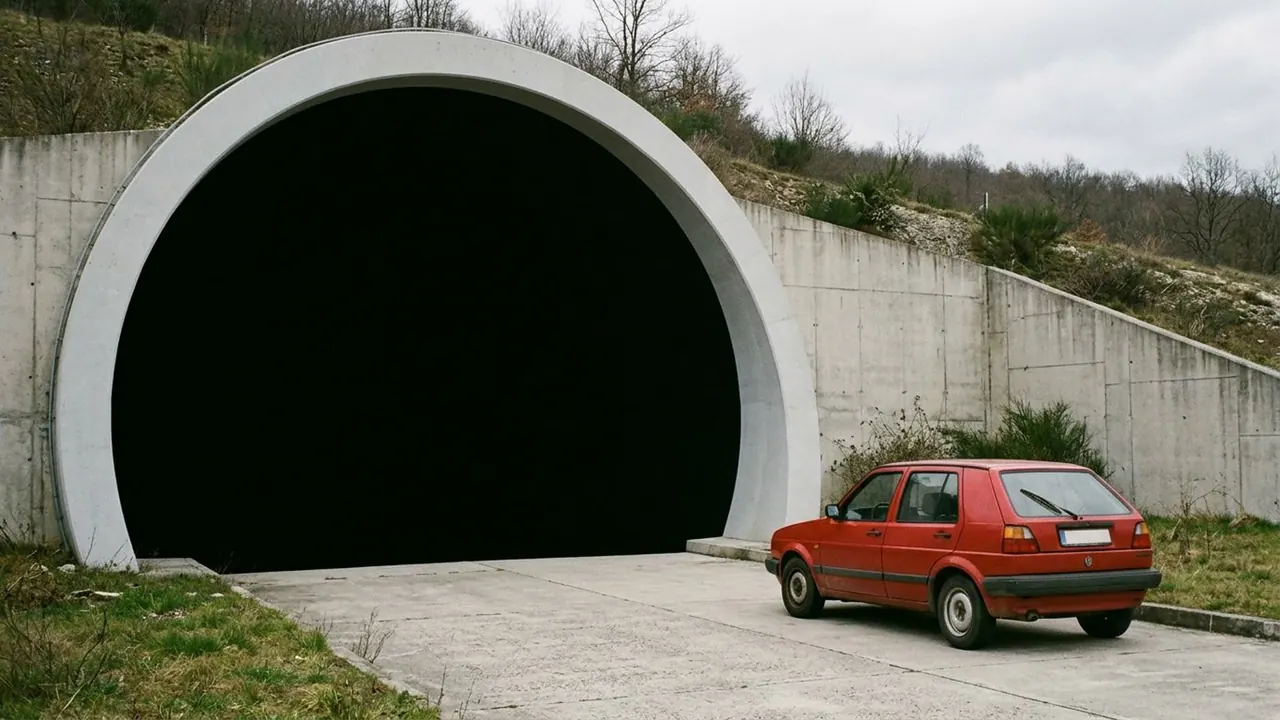
Void
A large emptiness sits in the frame and means something.
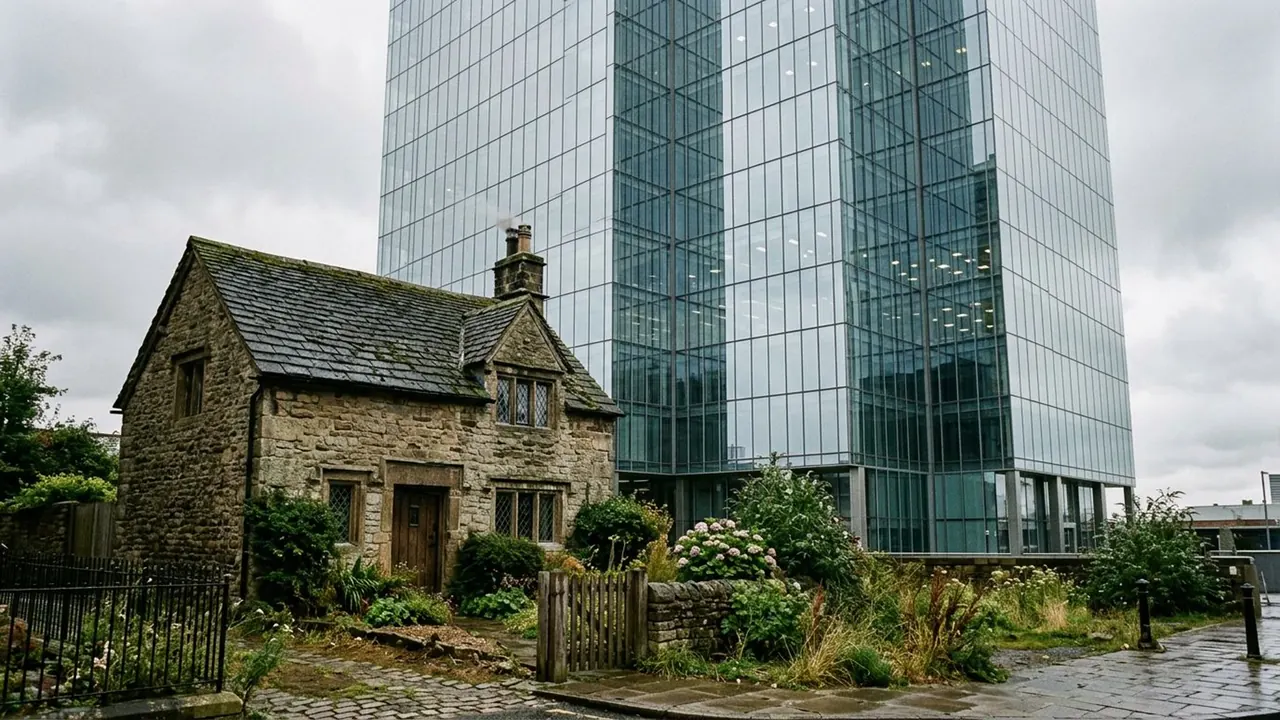
Tonal Contrast
Two opposing things share the frame and define each other.
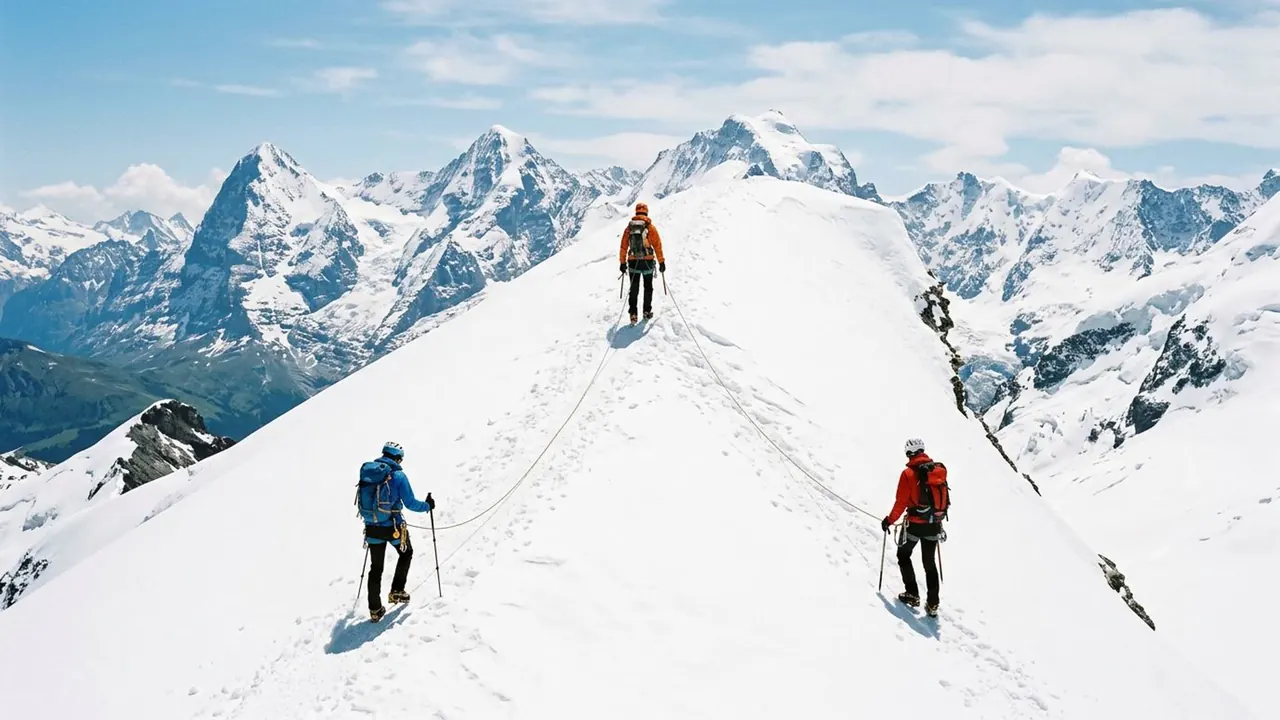
Triangular Composition
Three points in the frame make a triangle that holds it together.
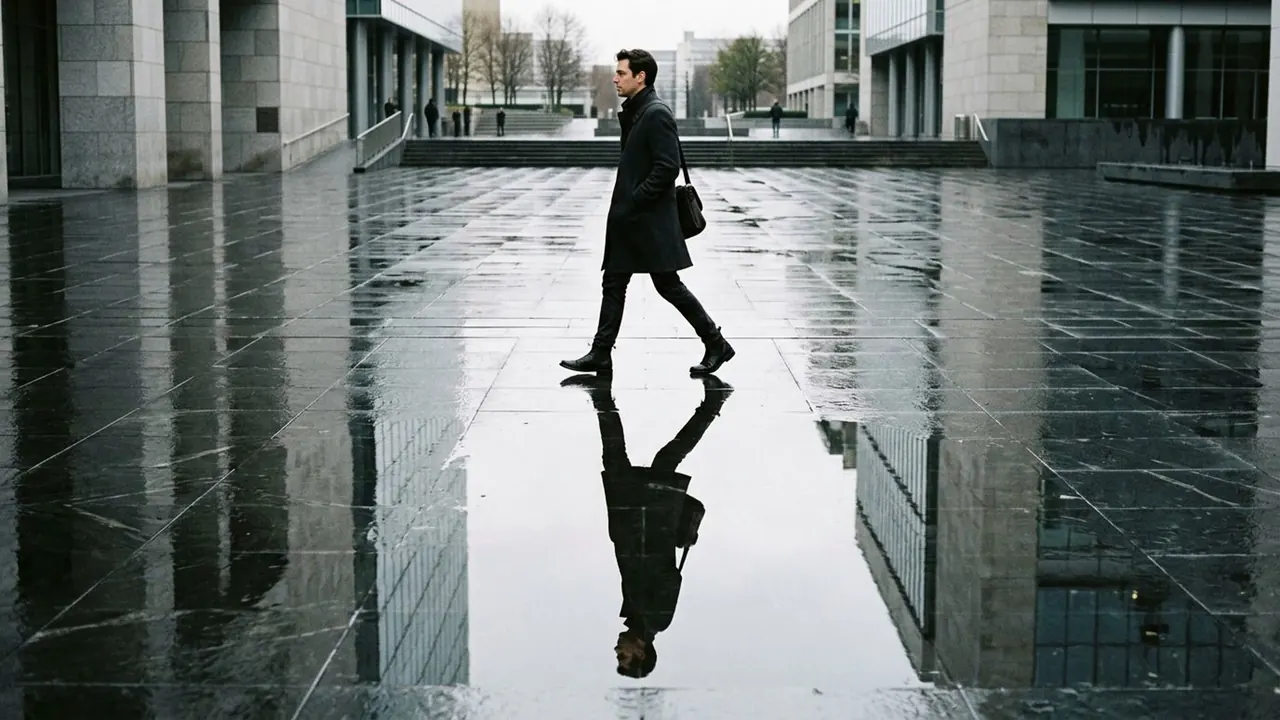
Reflections
A reflective surface gives a second version of the subject.
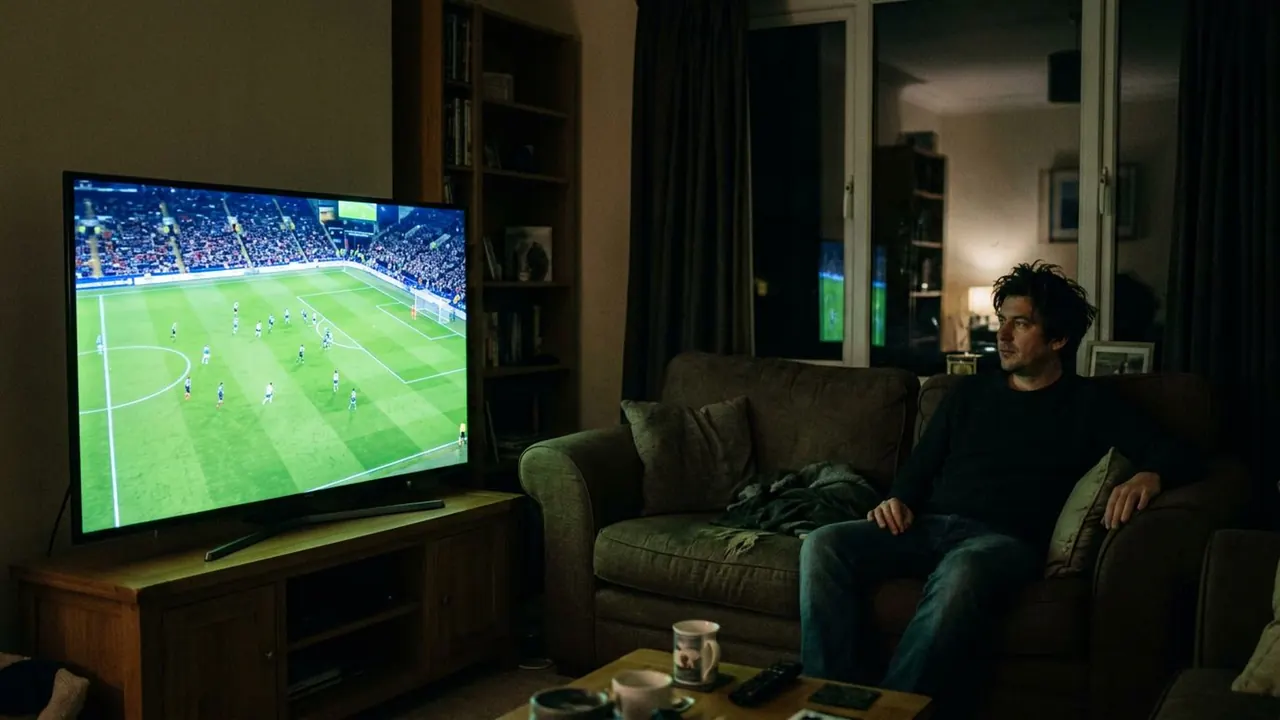
Screen in Screen
A display inside the shot carries its own image.
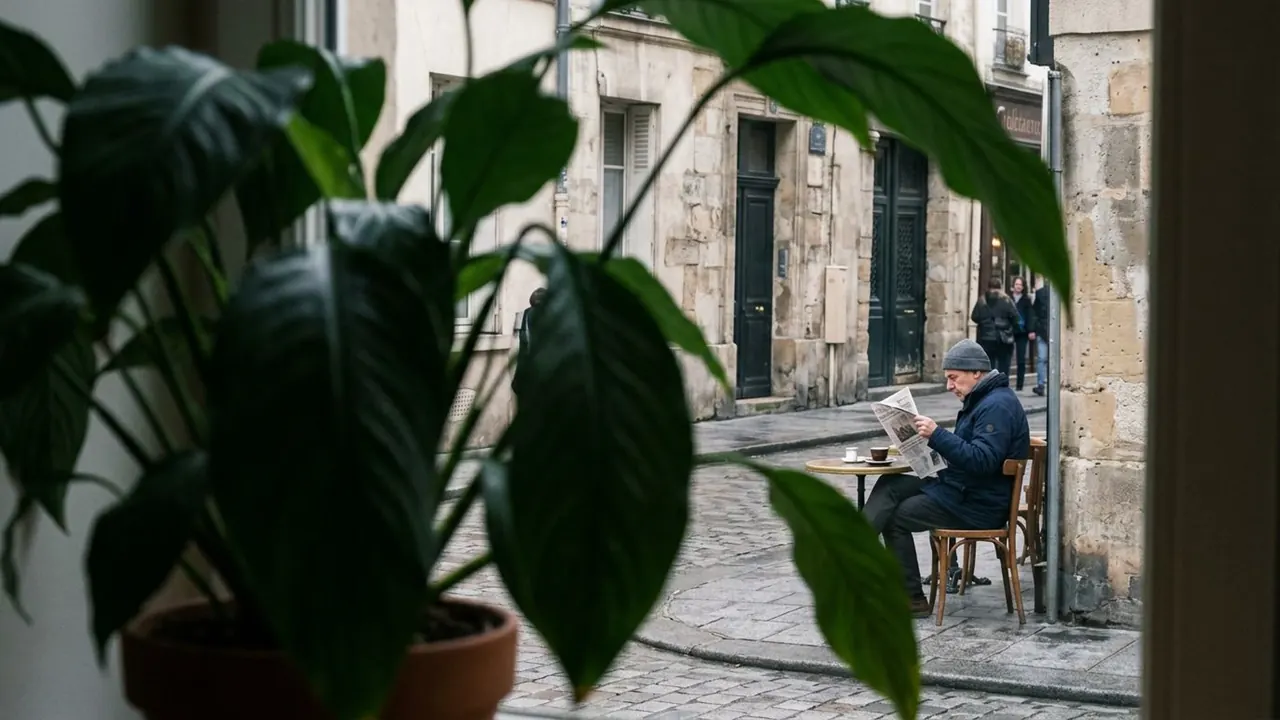
Voyeur
The framing suggests you are watching without permission.
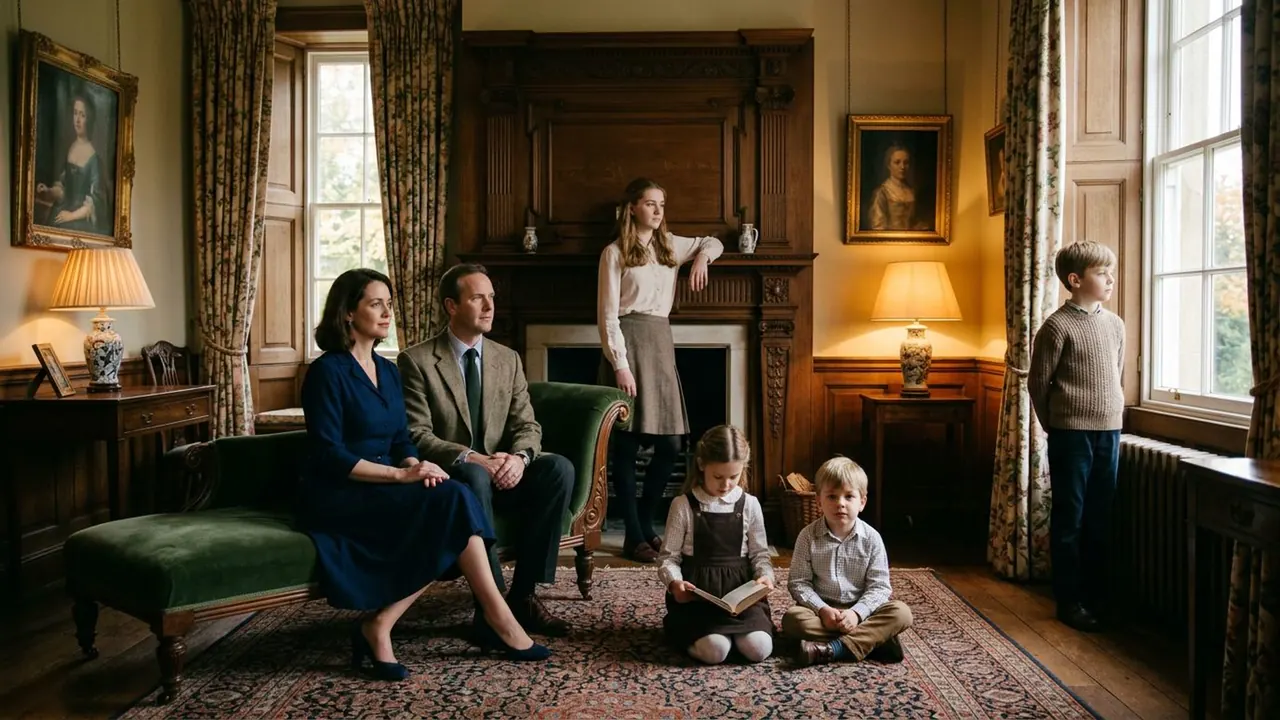
Tableau
Everything is arranged and held still, like a painting that happens to move.
Lighting41
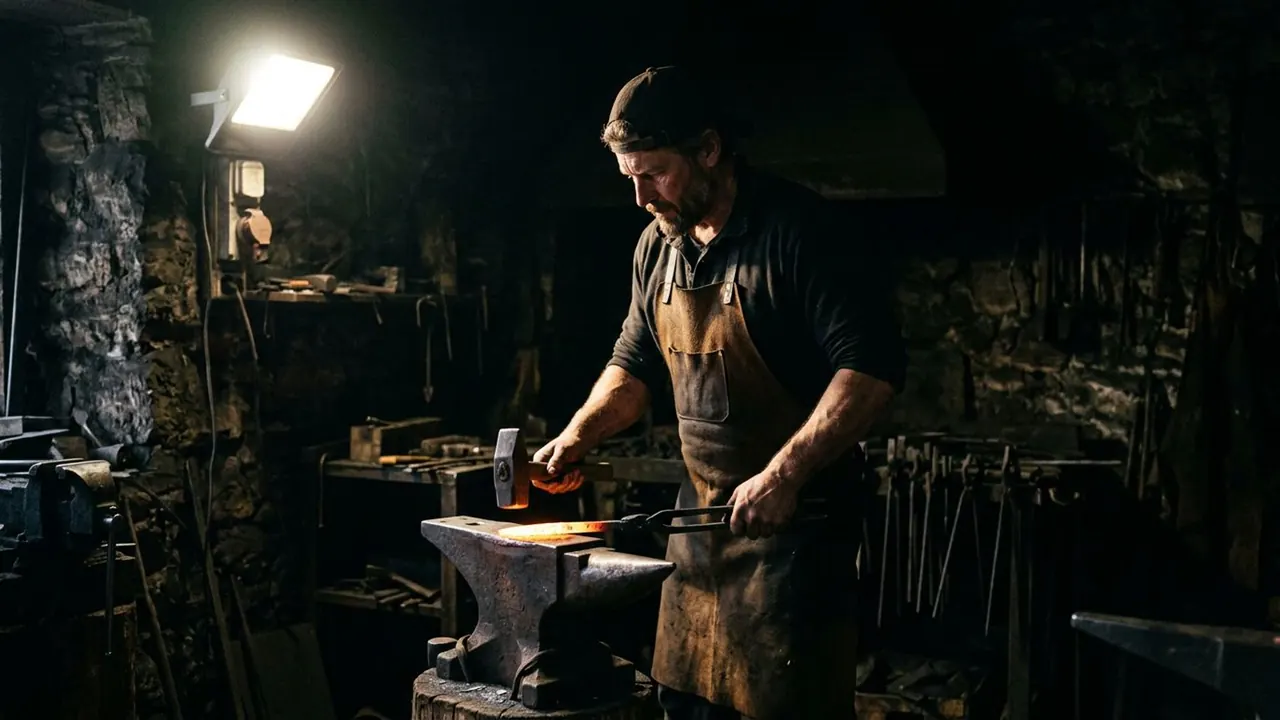
Key Light
One main light does most of the work and sets the shape.
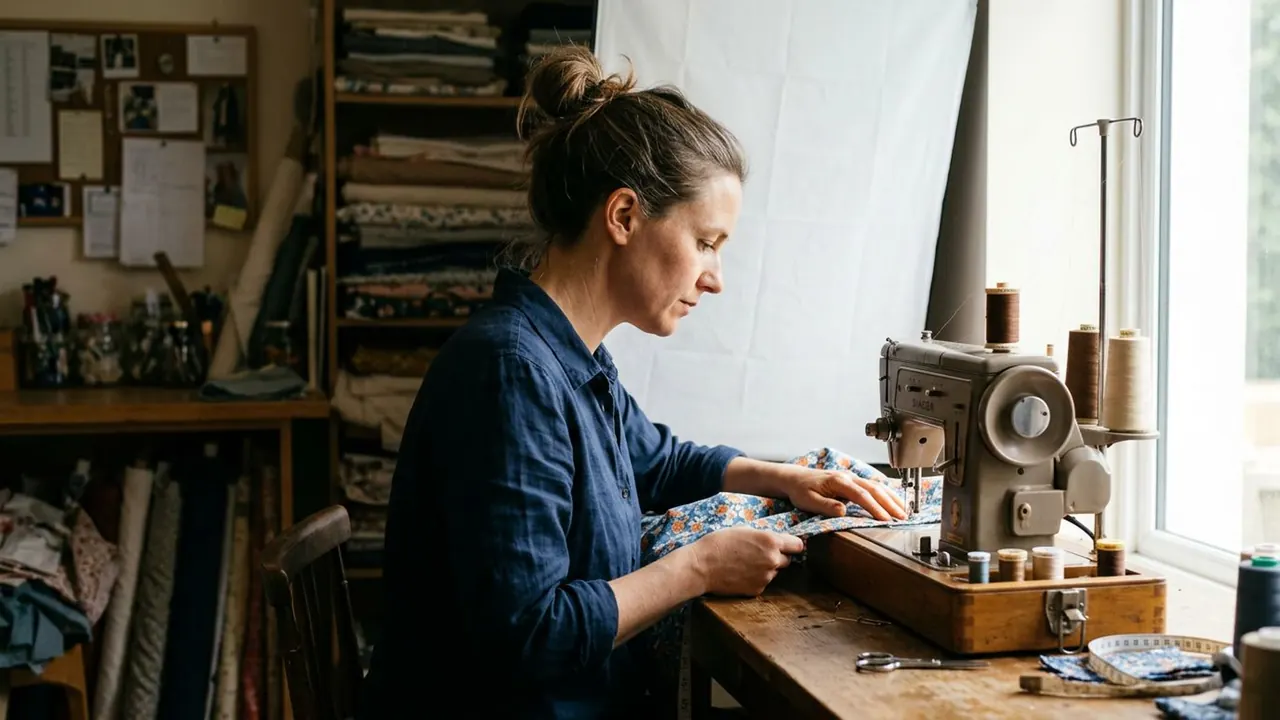
Fill Light
A soft second light lifts the shadow side without killing it.
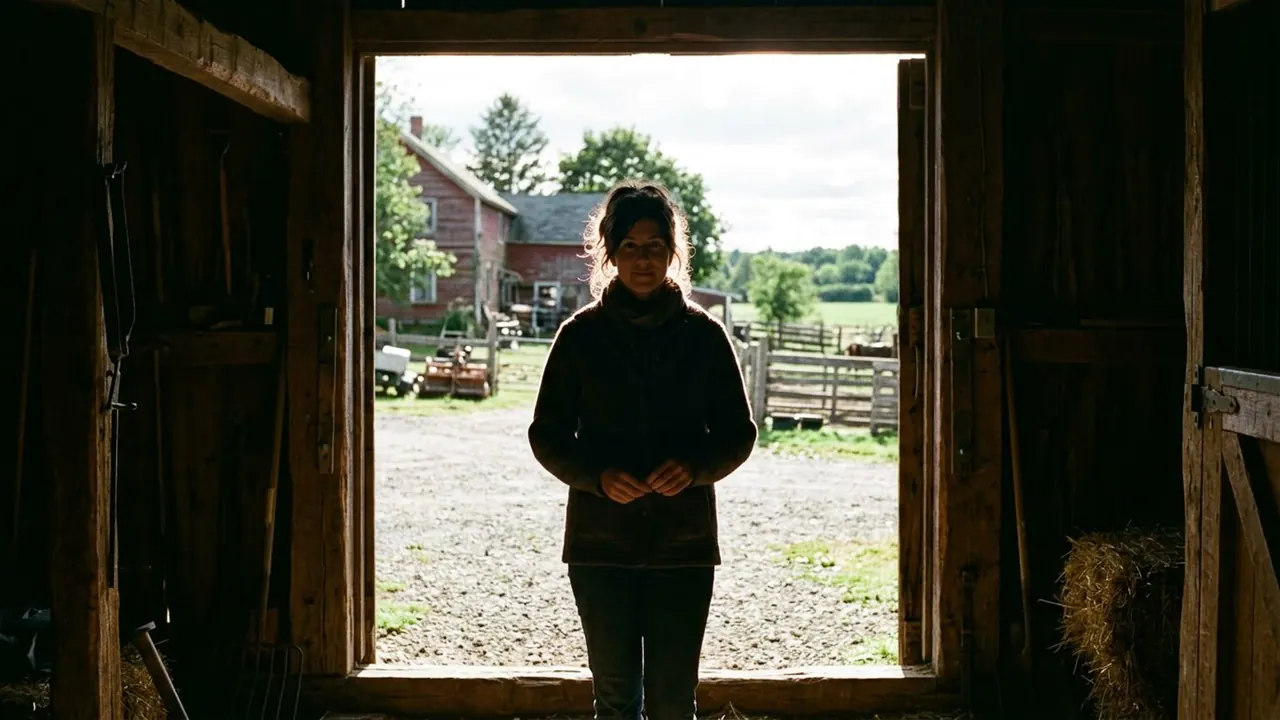
Backlight
The light sits behind the subject and draws an edge around them.
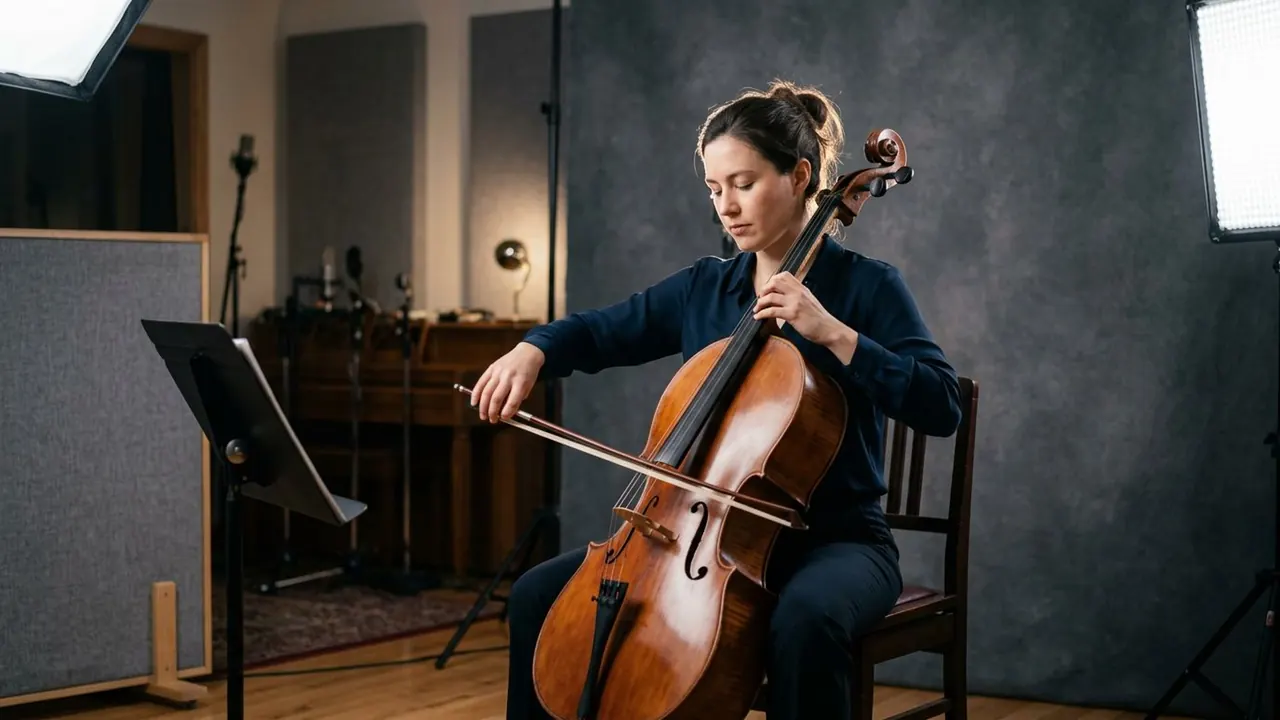
Three-Point Lighting
A key, a fill and a back light shape the subject in the standard way.
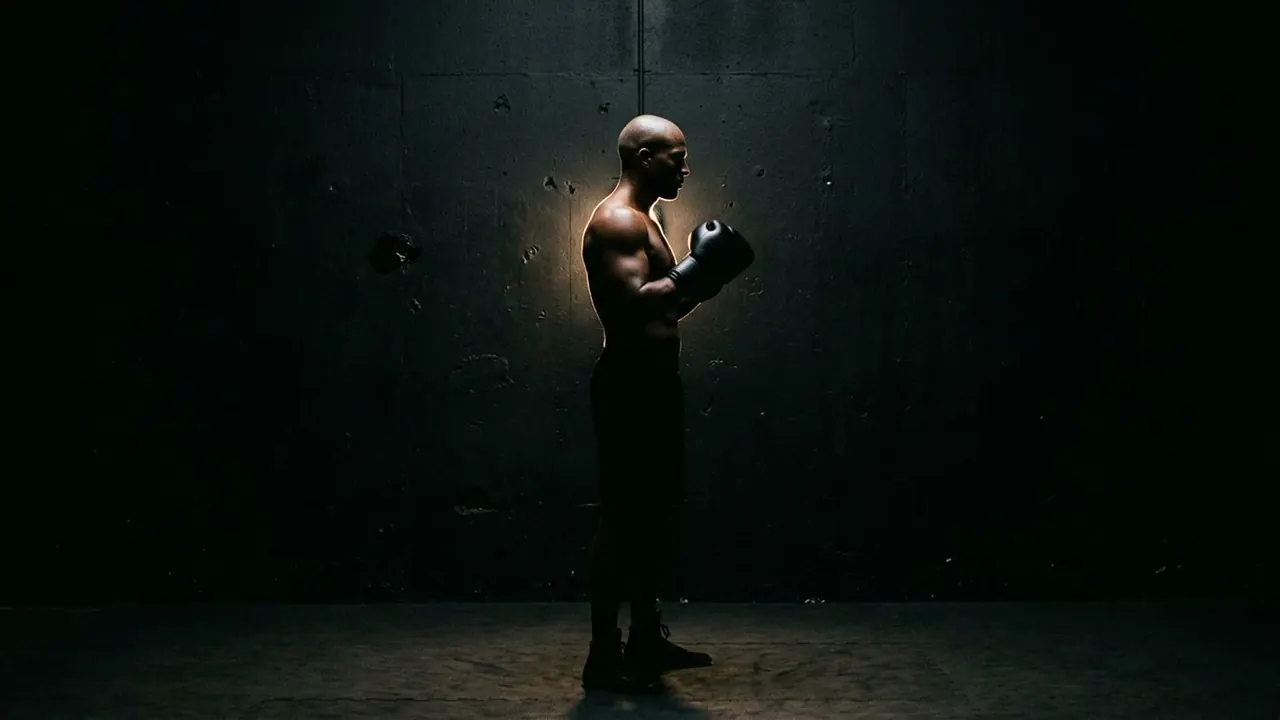
Rim Light
Light from directly behind draws a thin bright outline.
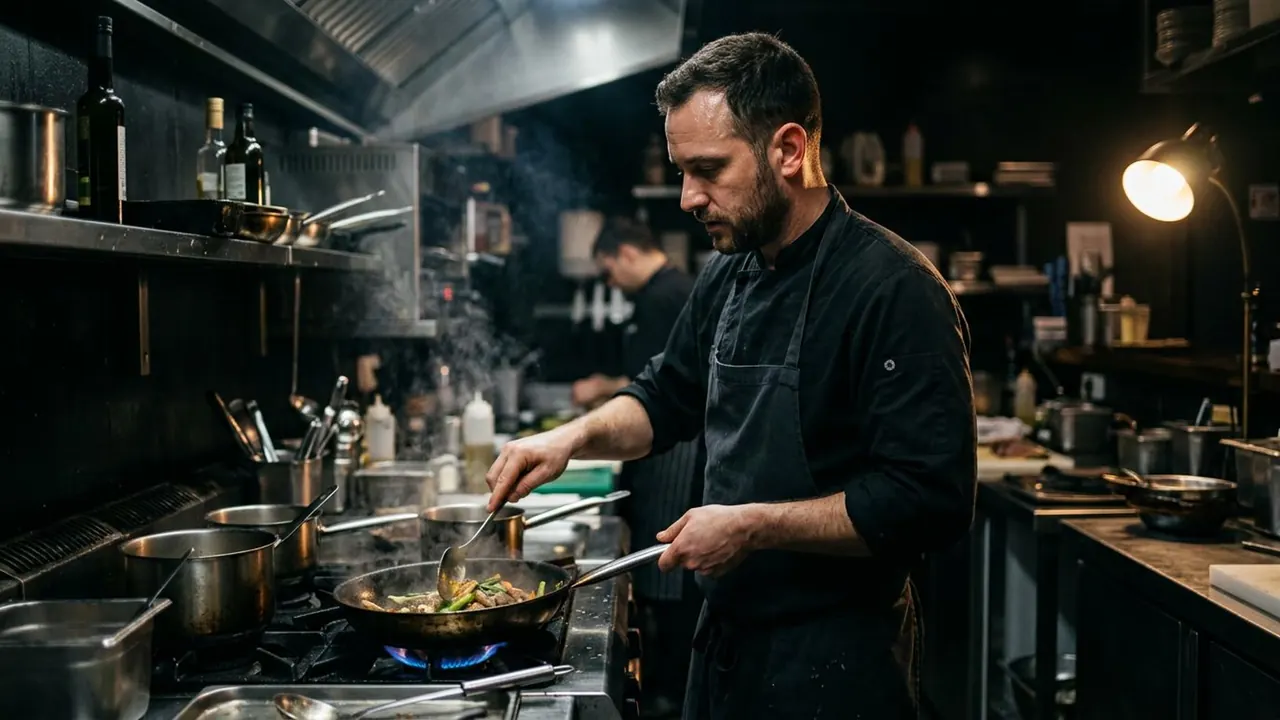
Kicker
A light from behind and to the side draws an edge on the far cheek.
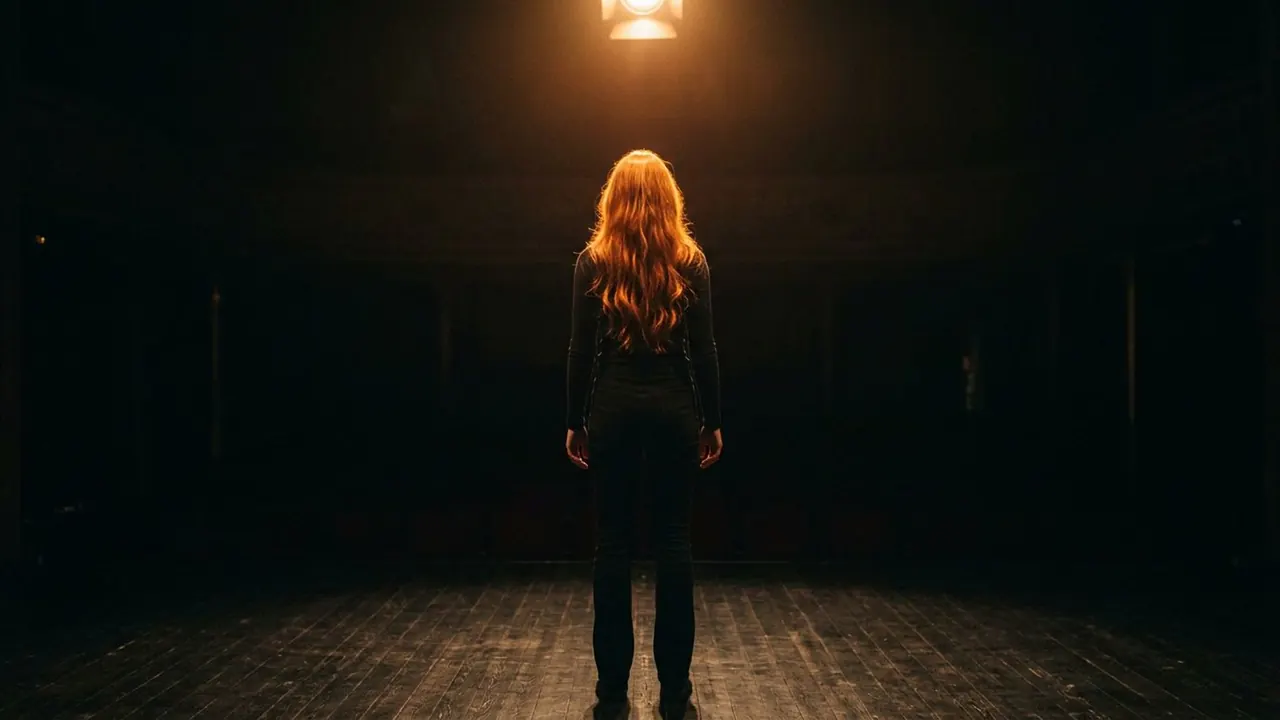
Hair Light
A light from above and behind separates the hair from the background.
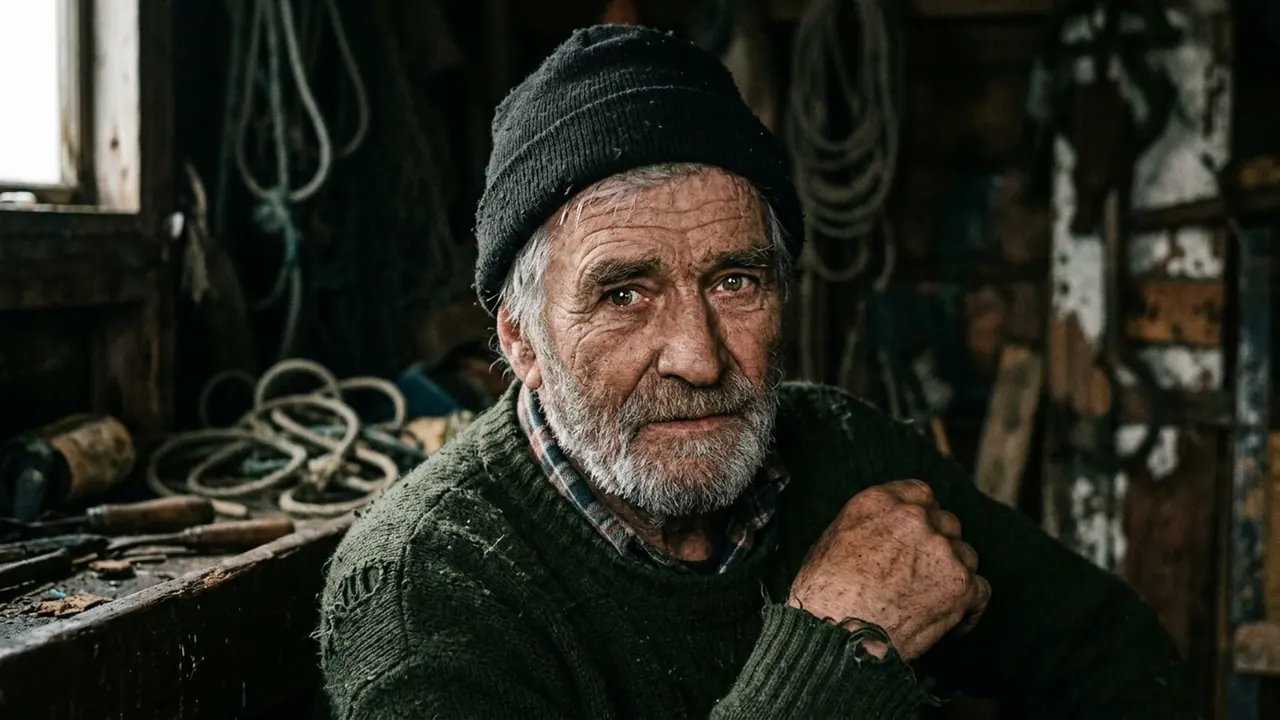
Eye Light
A small source puts a catchlight in the eyes.

Bounce Light
Light is thrown at a surface and reaches the subject soft and indirect.
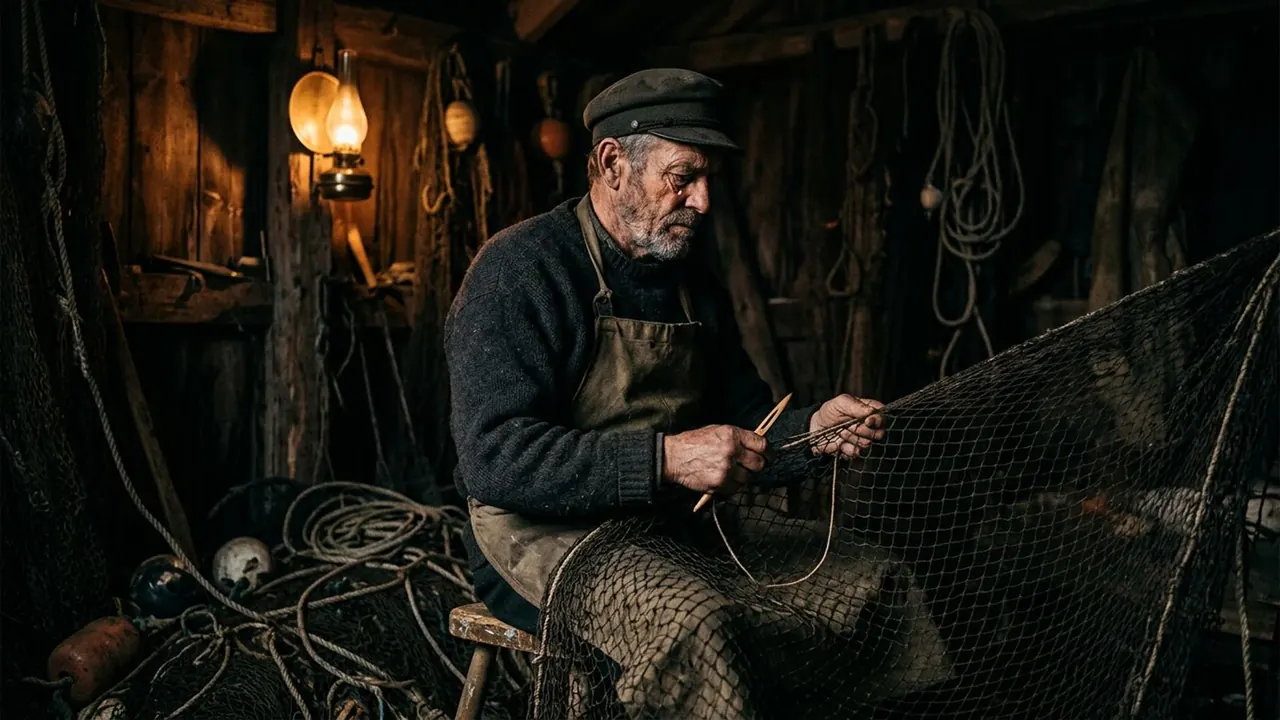
Rembrandt Lighting
A small triangle of light sits on the cheek away from the key.
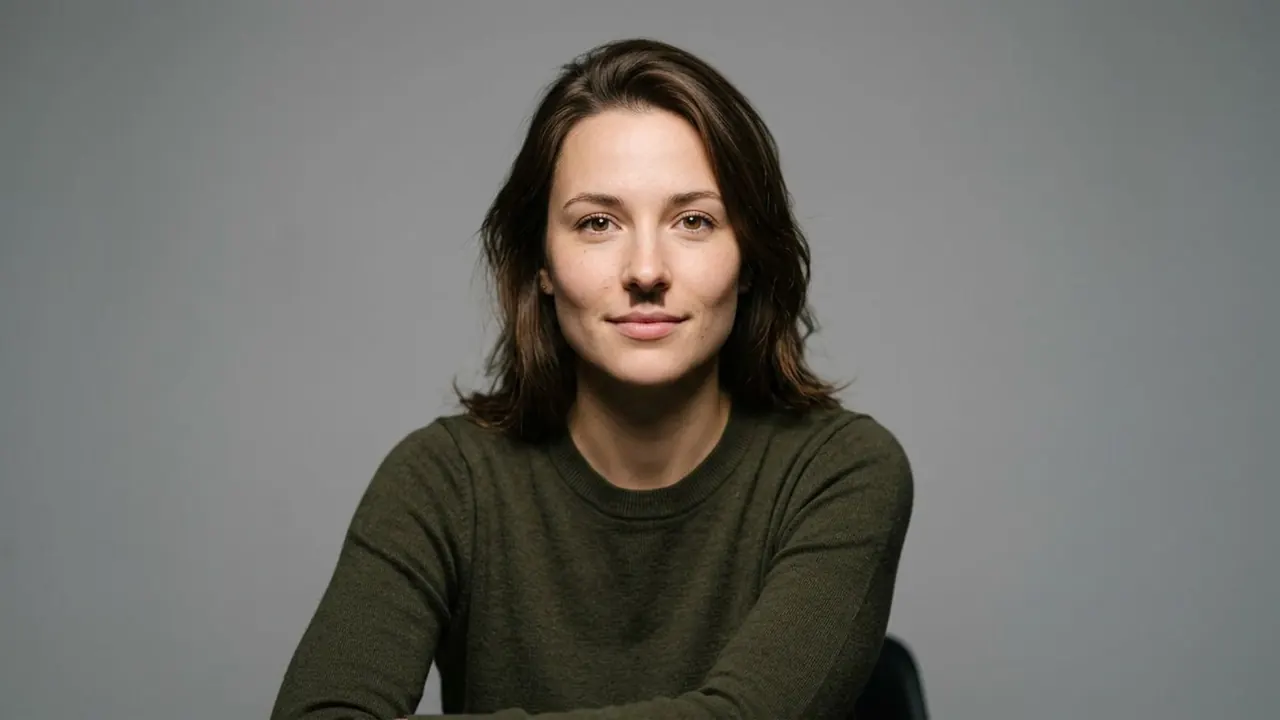
Butterfly Lighting
The light sits high and in front, leaving a small shadow under the nose.
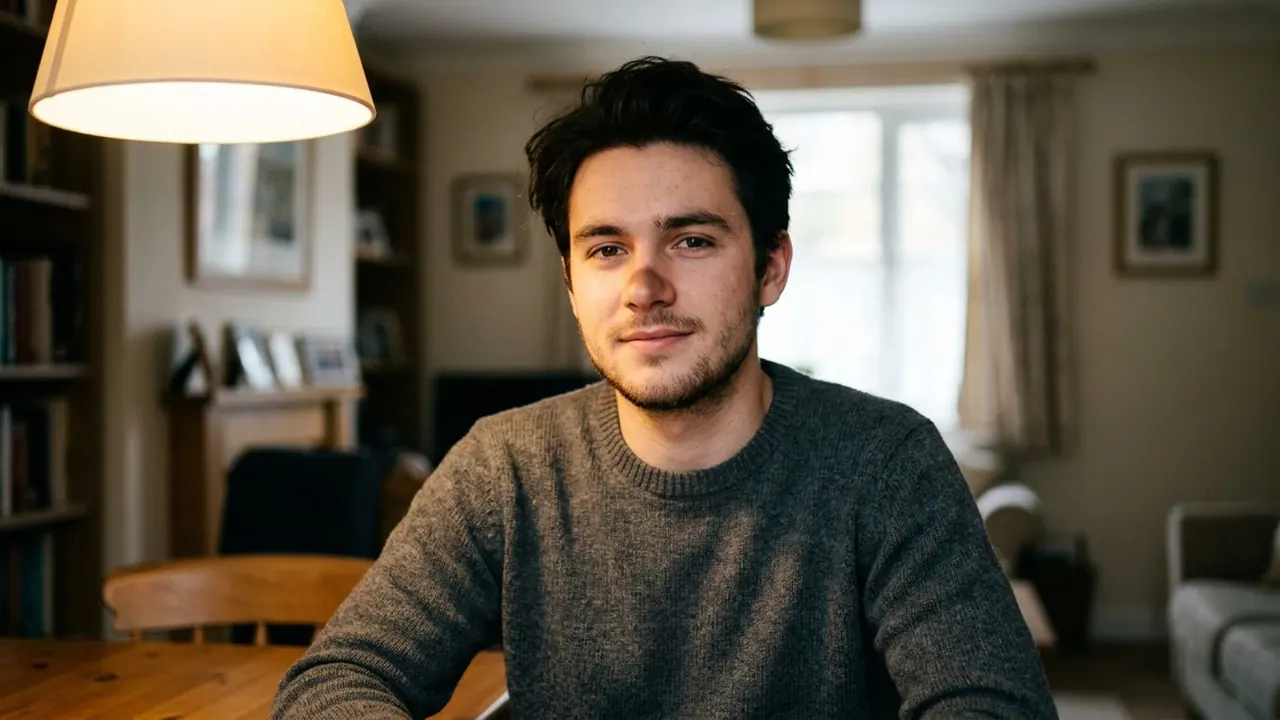
Loop Lighting
The key sits slightly off axis and makes a small loop of shadow beside the nose.
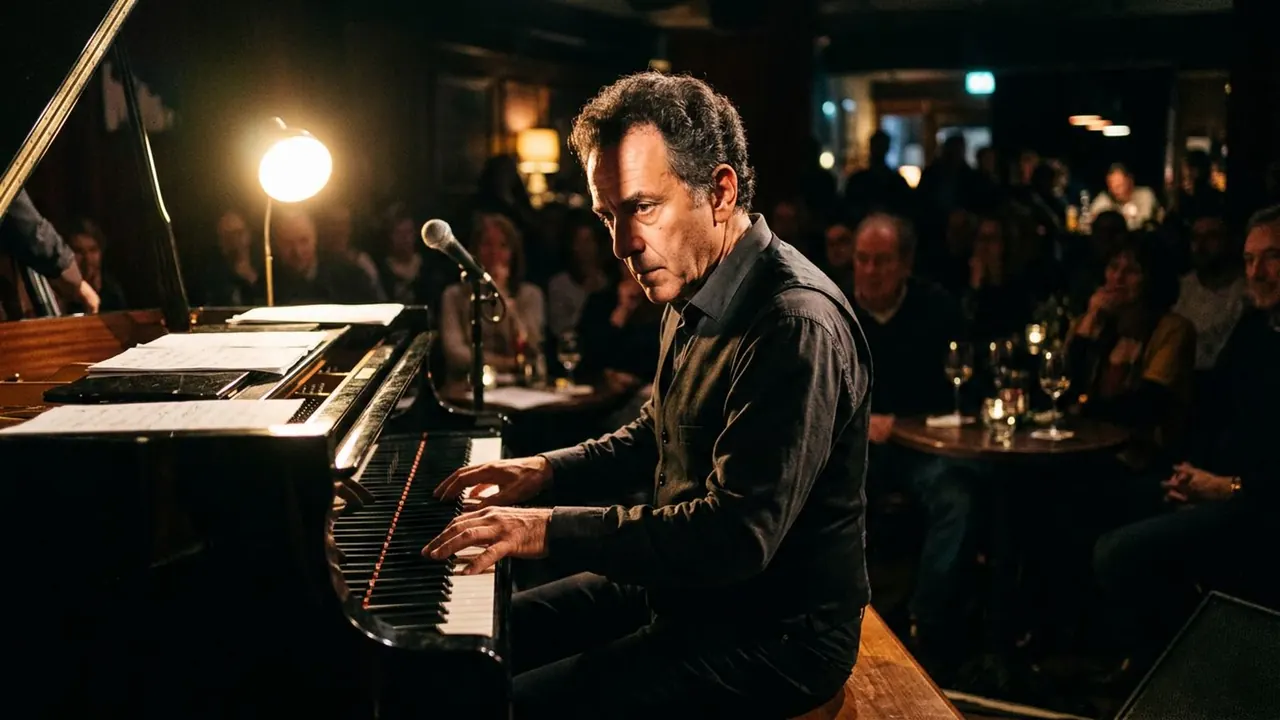
Split Lighting
One half of the face is lit and the other is fully dark.
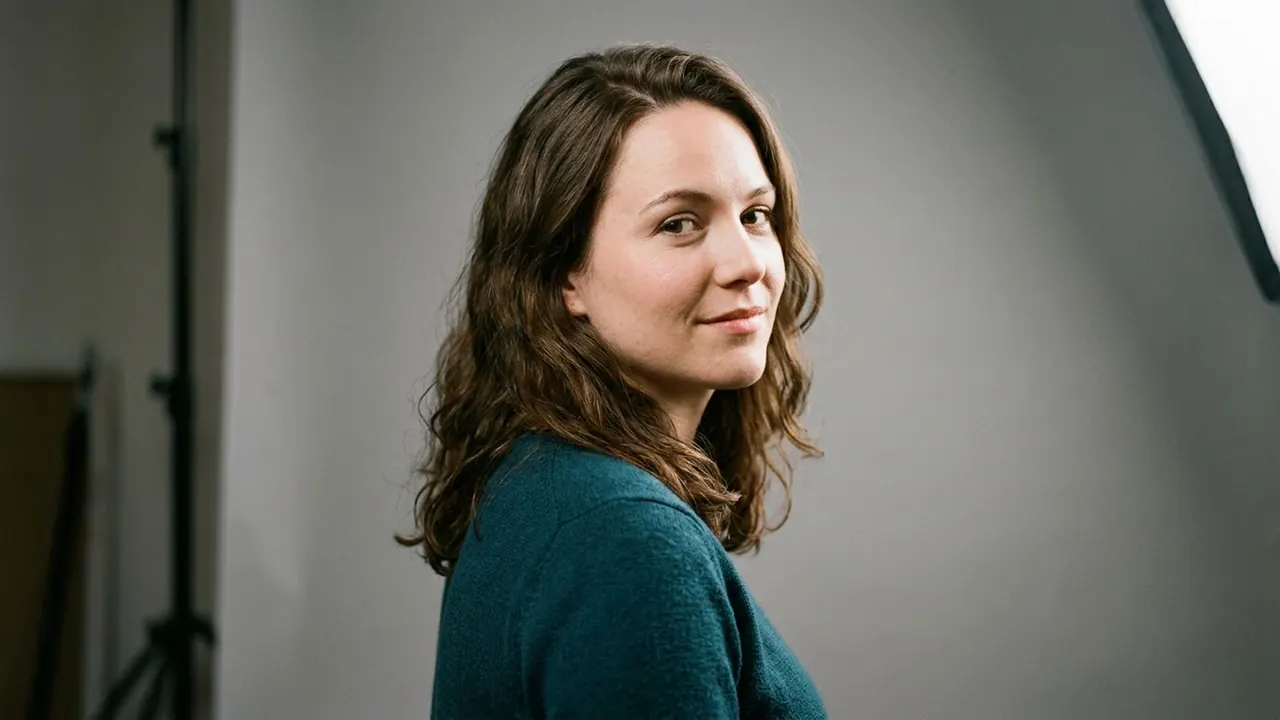
Broad Lighting
The key falls on the side of the face turned toward the camera.
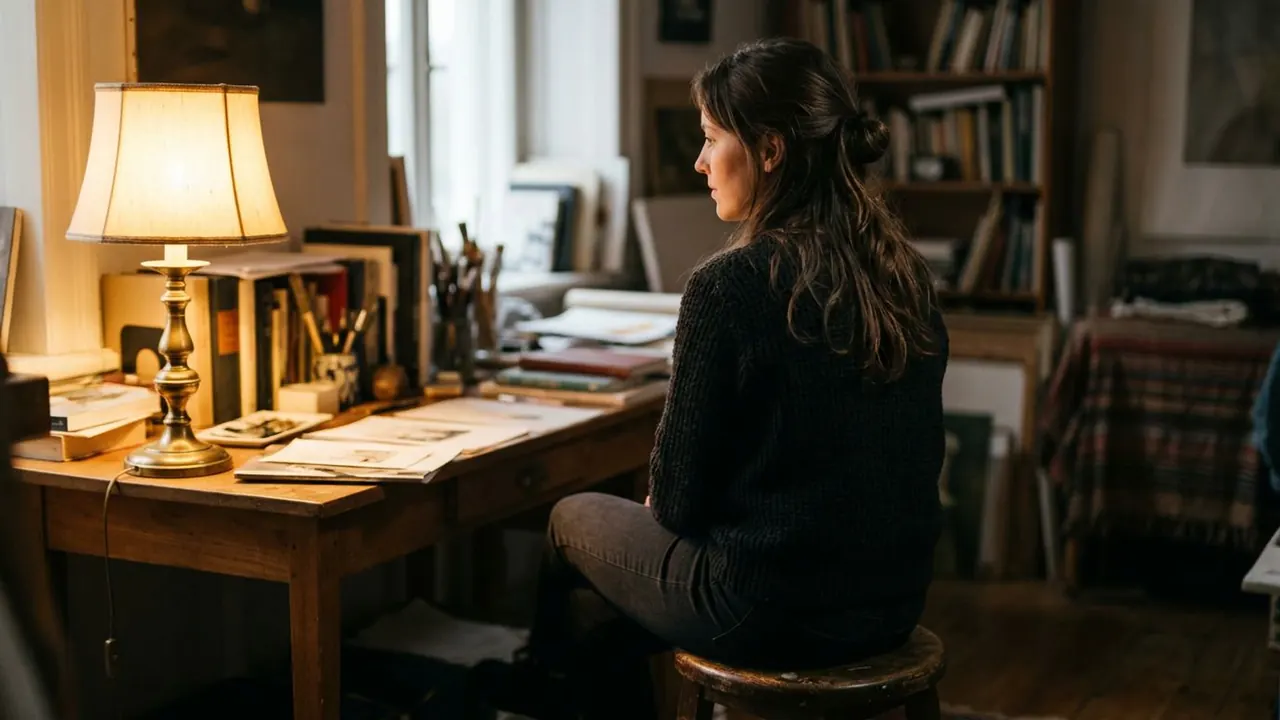
Short Lighting
The key falls on the side of the face turned away from the camera.
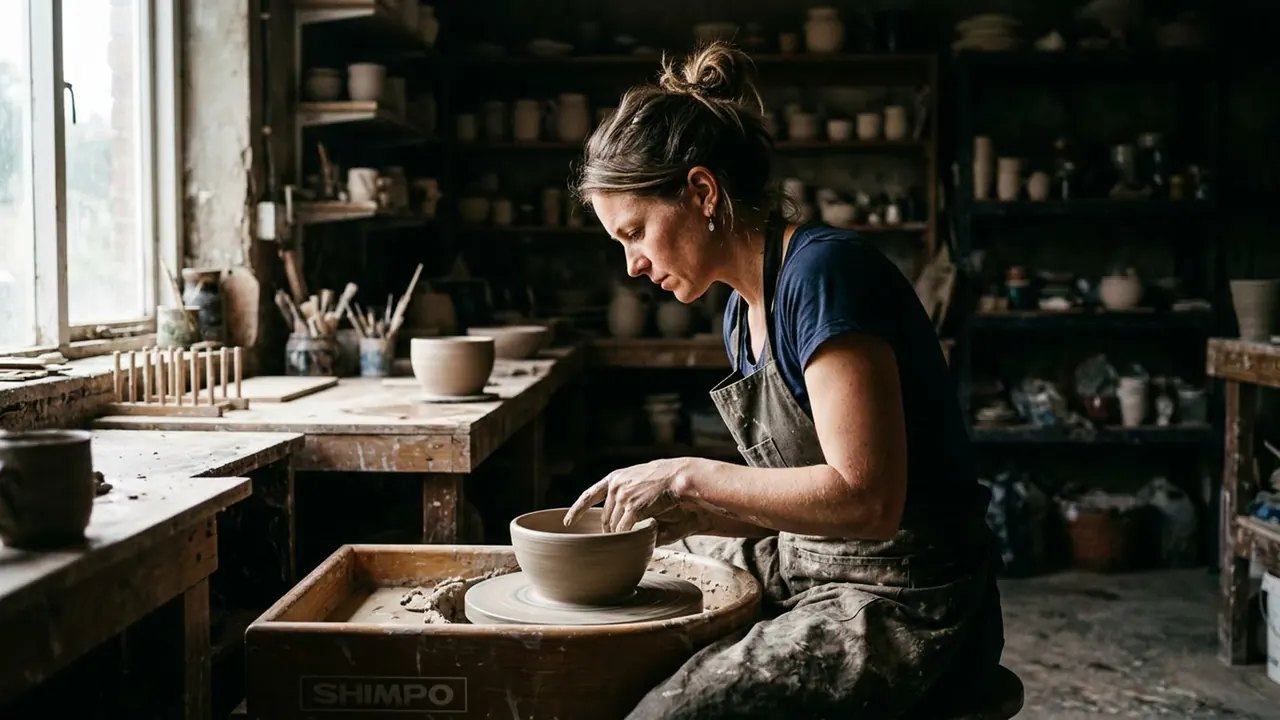
Side Lighting
The light comes from directly beside, so half the face is lit.
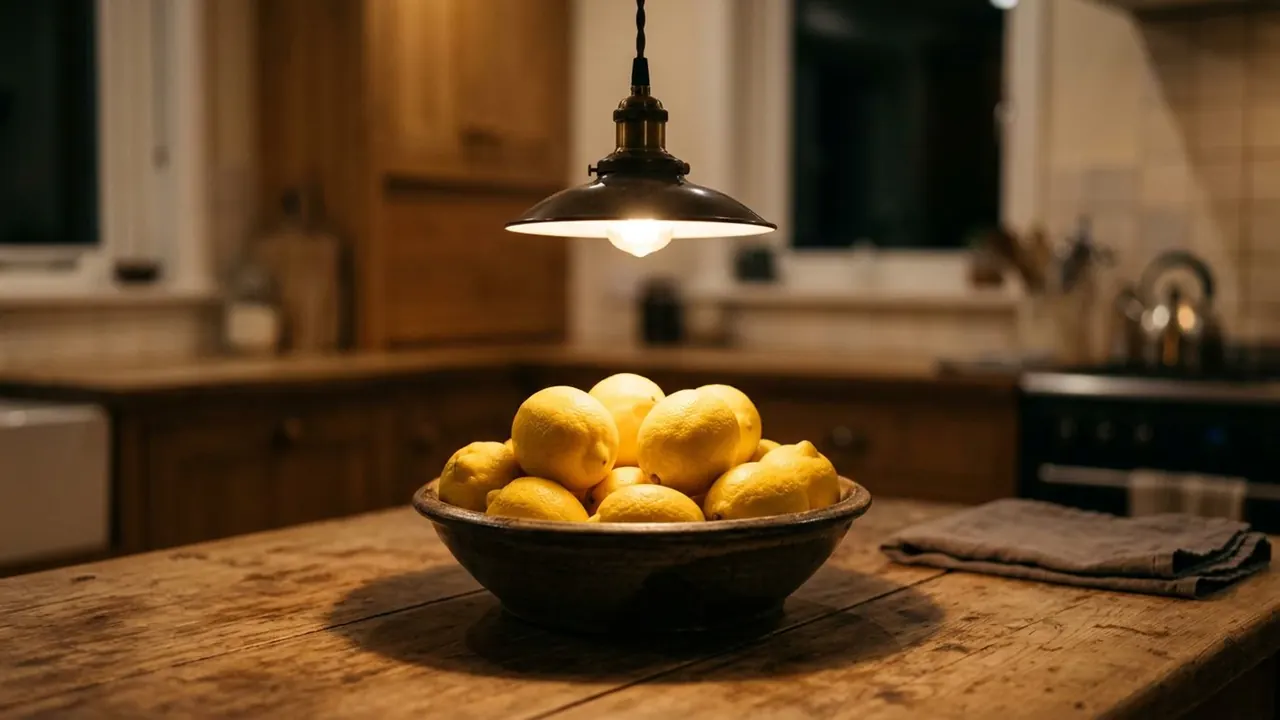
Top Light
The light comes from straight above and the eyes fall into shadow.
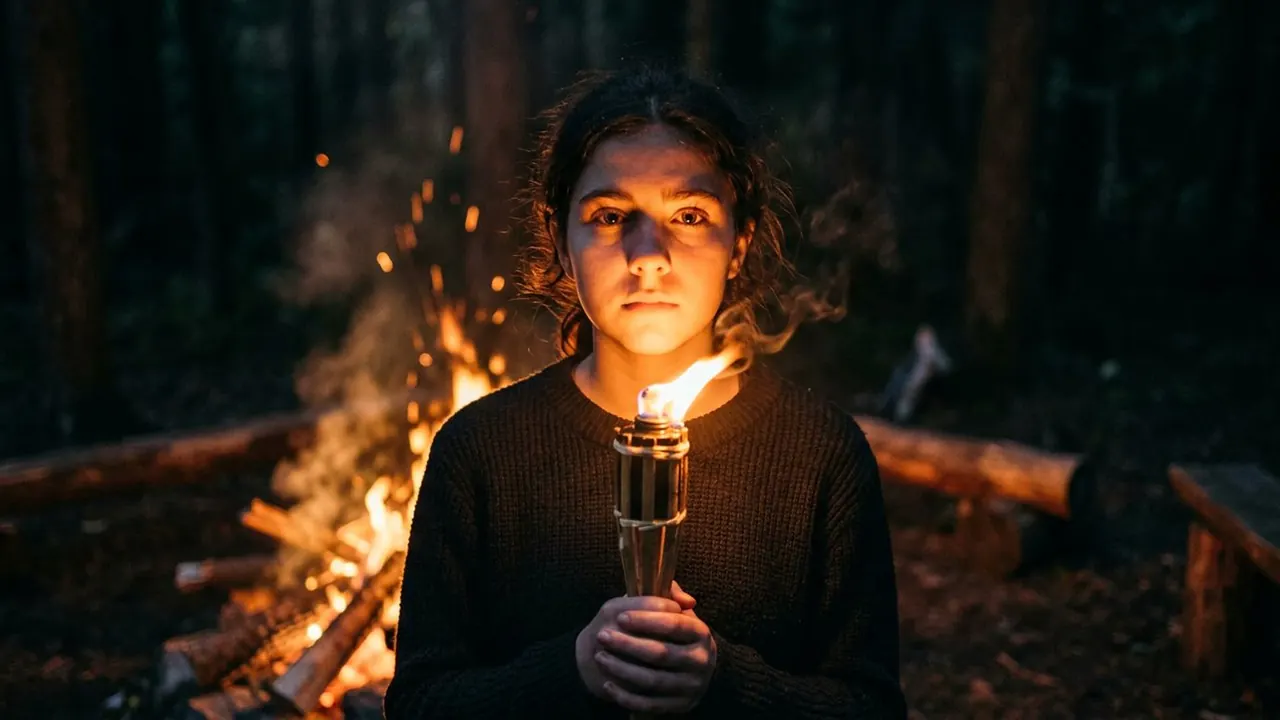
Underlighting
The light comes from below and the shadows fall upward.
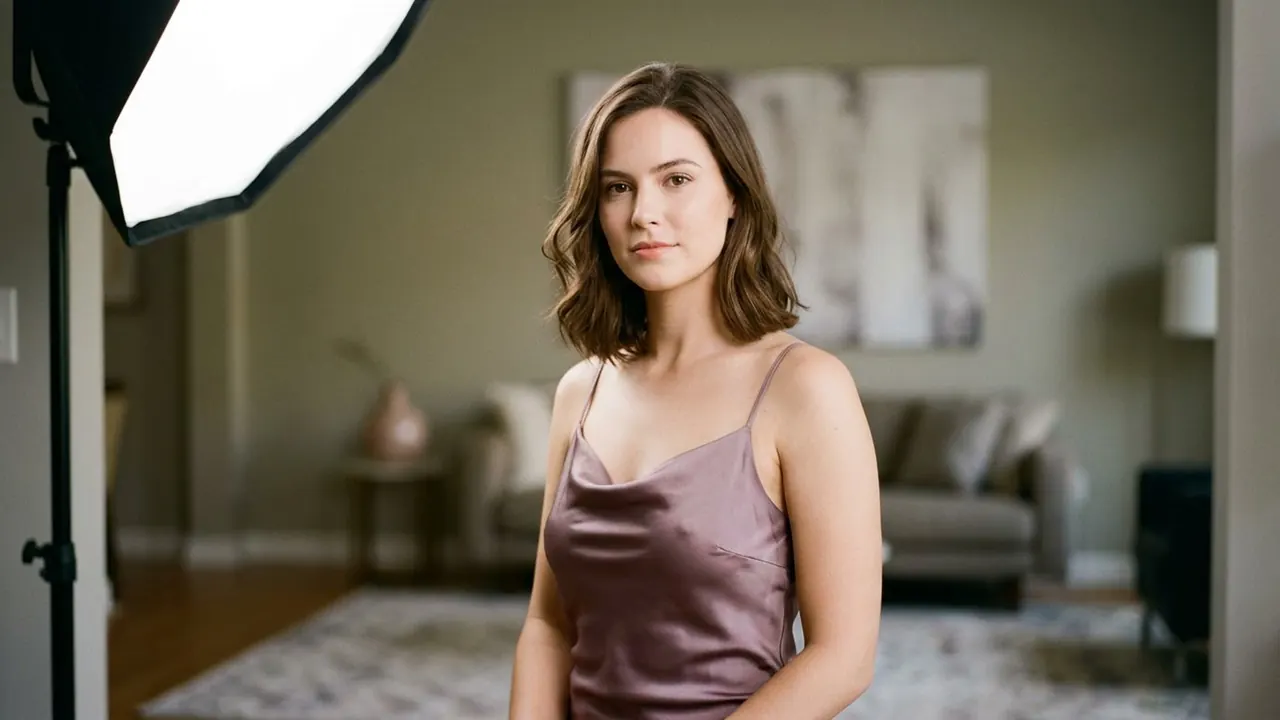
Glam
Soft even light flatters the face and hides texture.
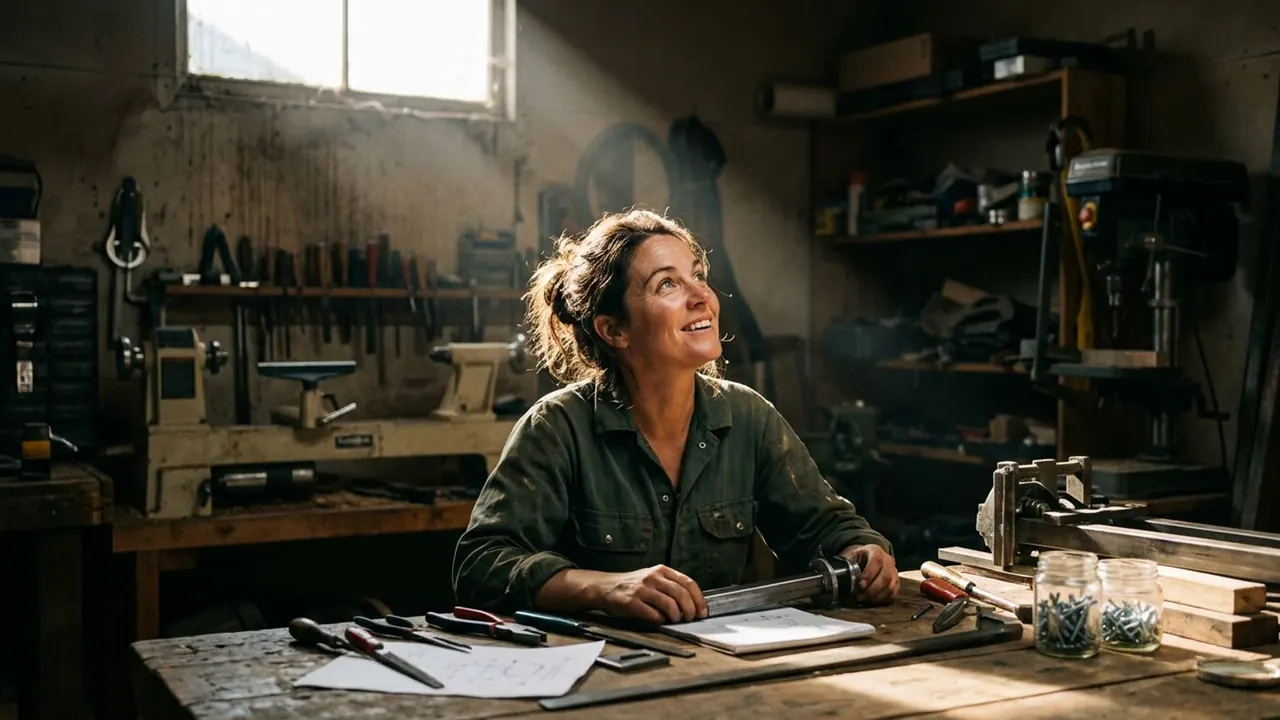
Epiphany
Light arrives on the face at the moment something is understood.
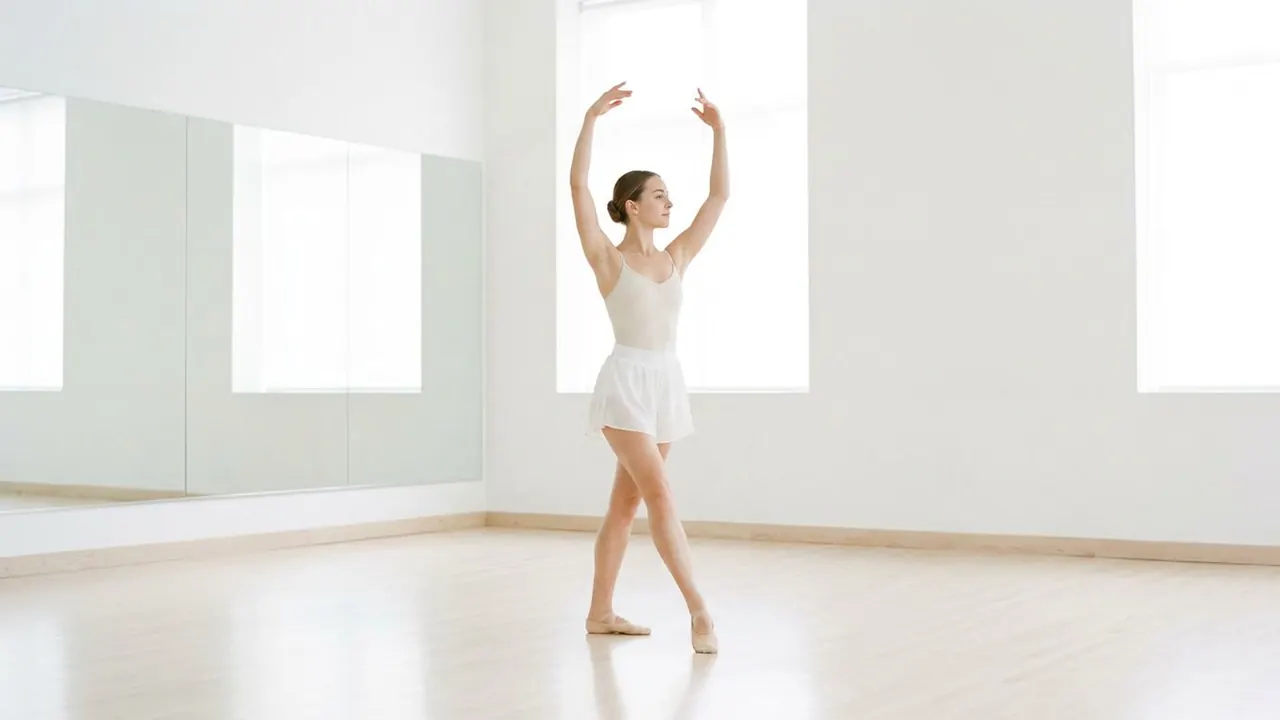
High-Key Lighting
The whole frame is bright and the shadows are nearly gone.
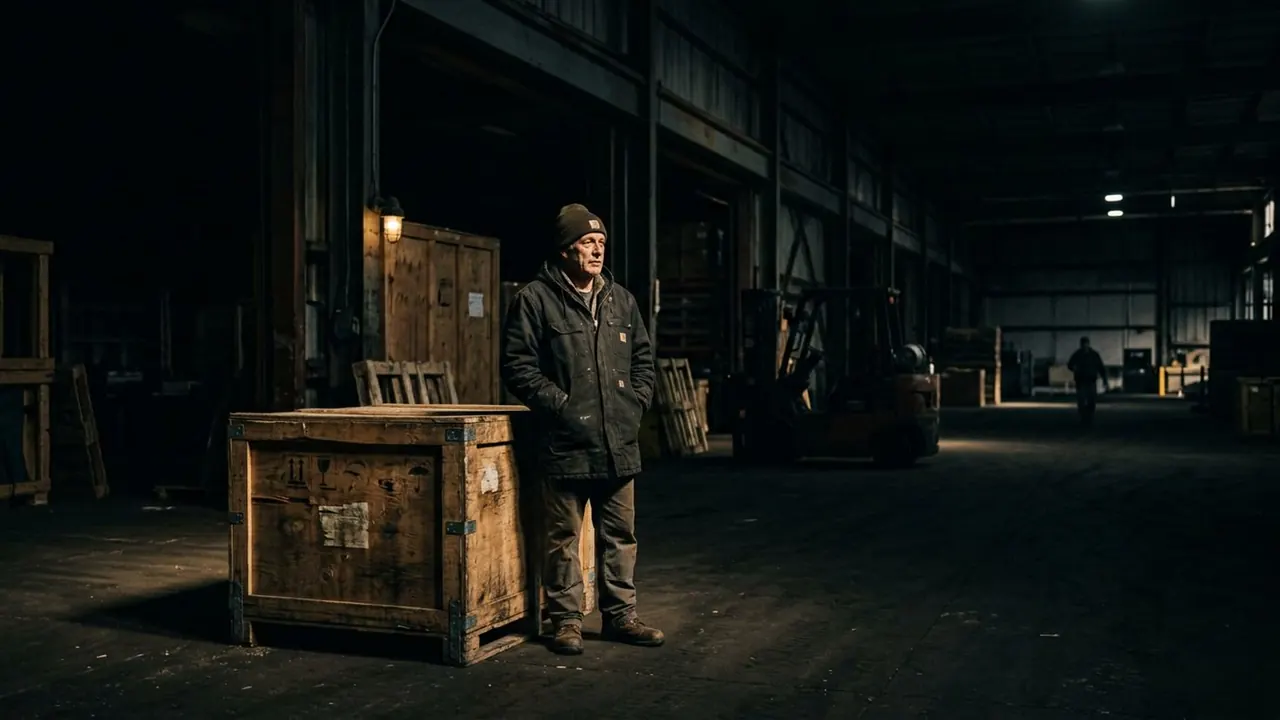
Low-Key Lighting
Most of the frame is dark and only a little is lit.
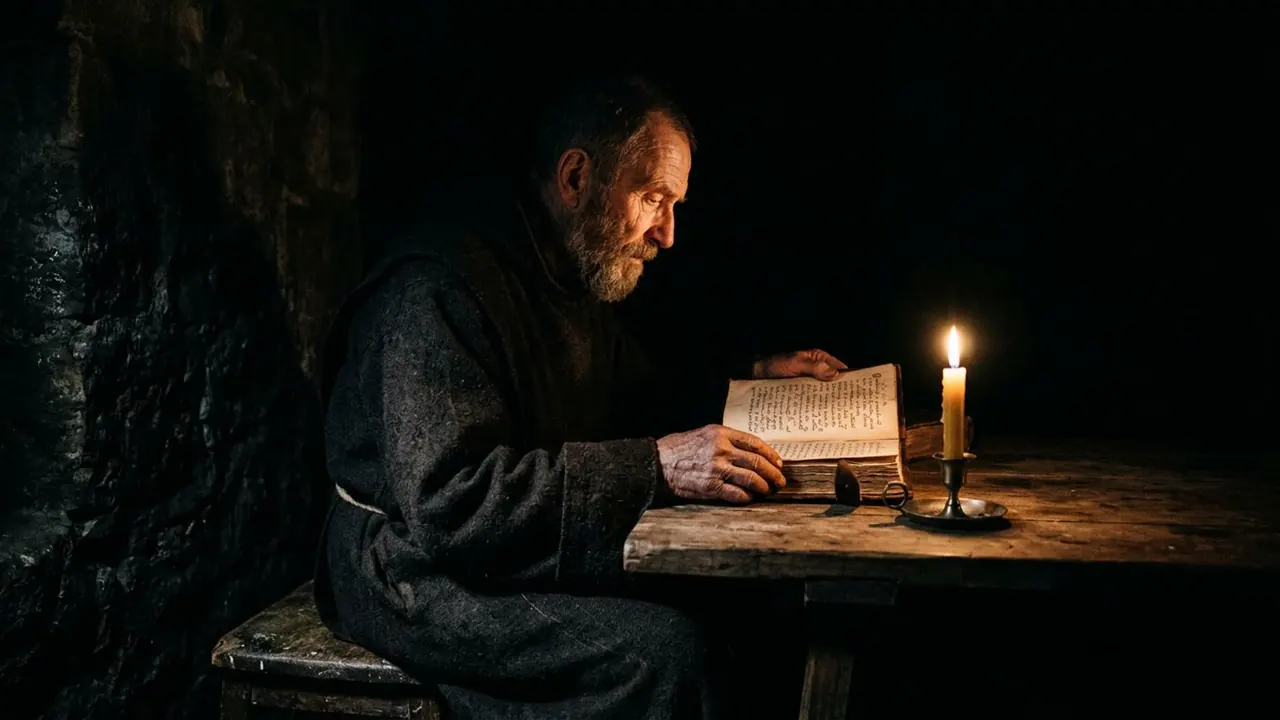
Chiaroscuro
Strong light meets deep dark with very little in between.
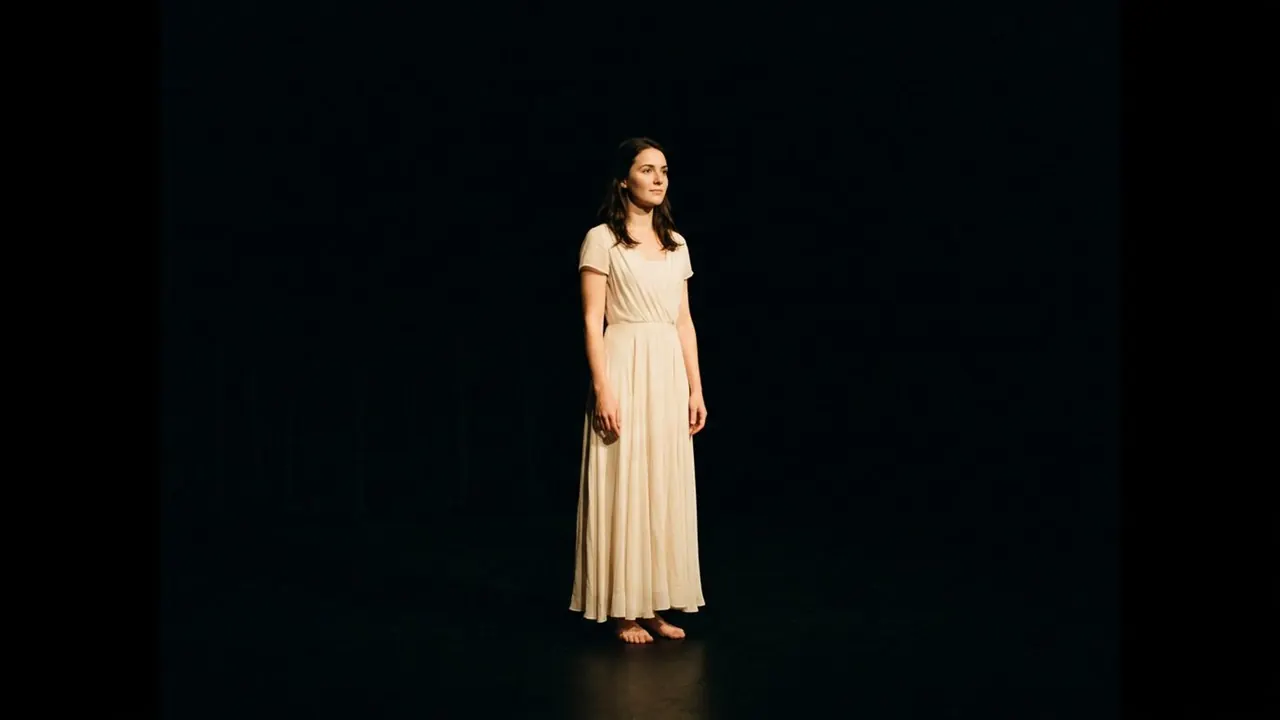
Cameo Lighting
A lit subject stands out against a background that is fully dark.
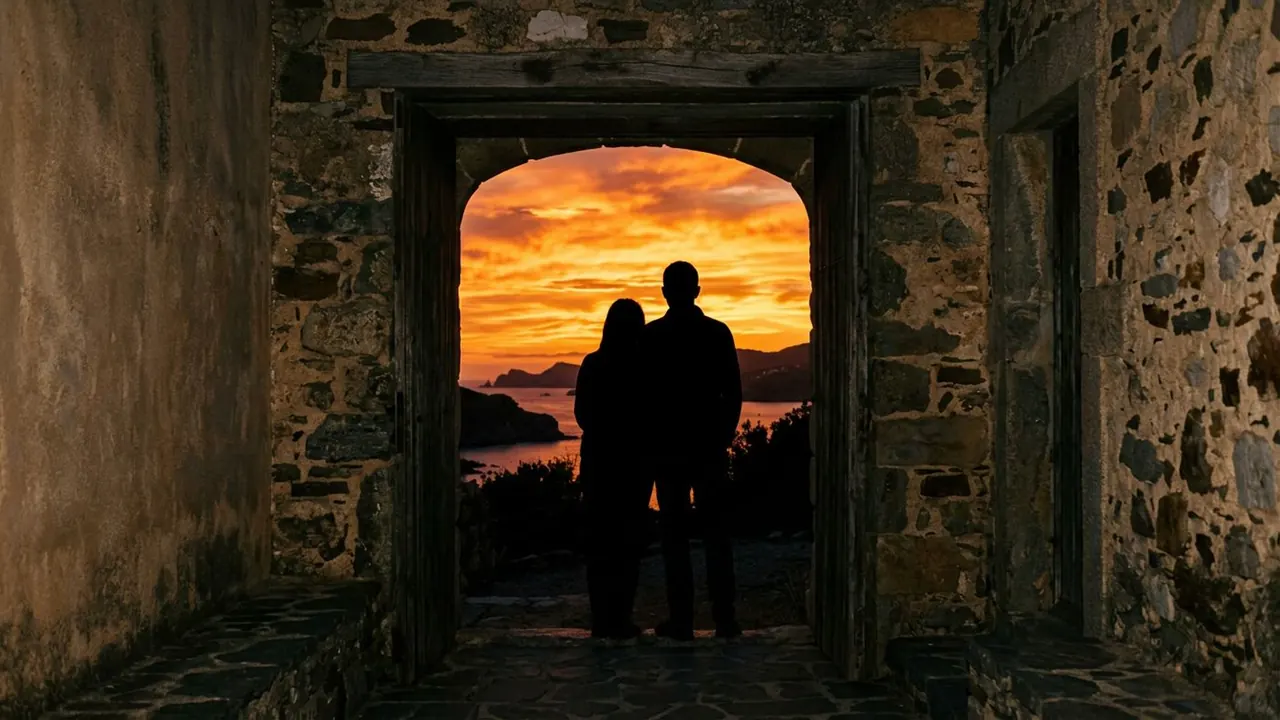
Silhouette
The subject reads as a black shape against a bright background.
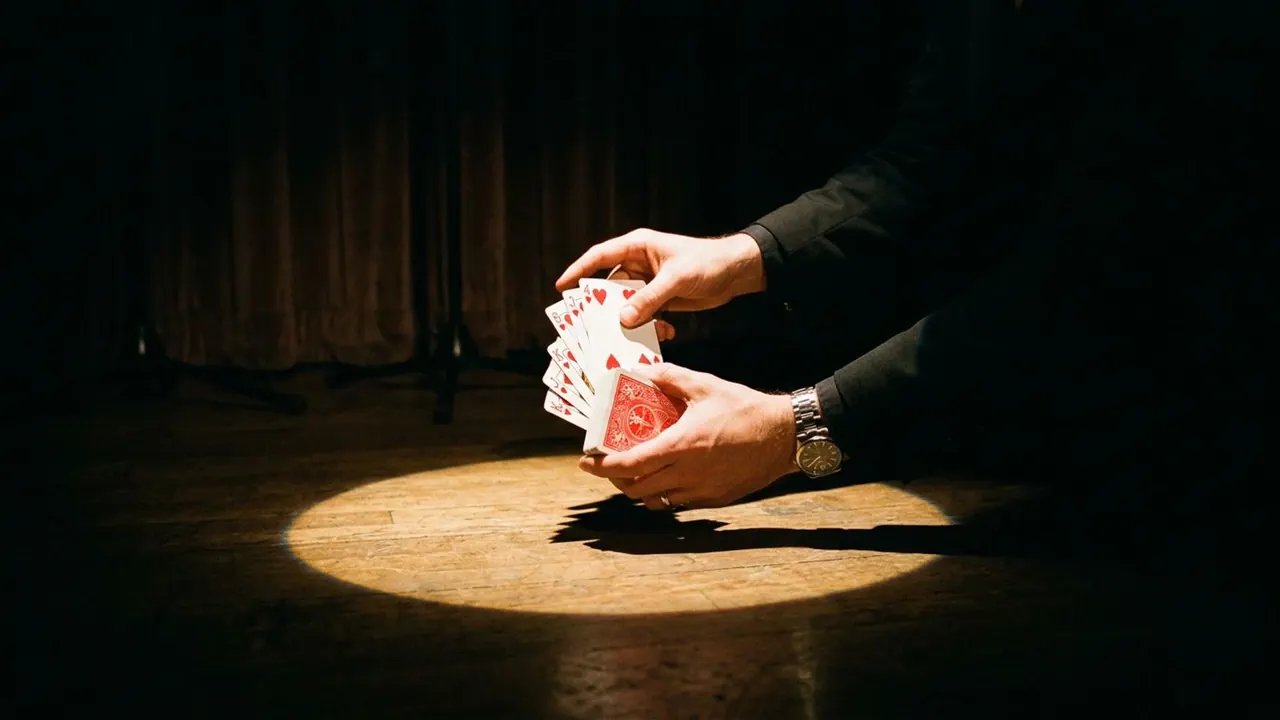
Spotlight
A tight beam lights one small area and the rest falls away.
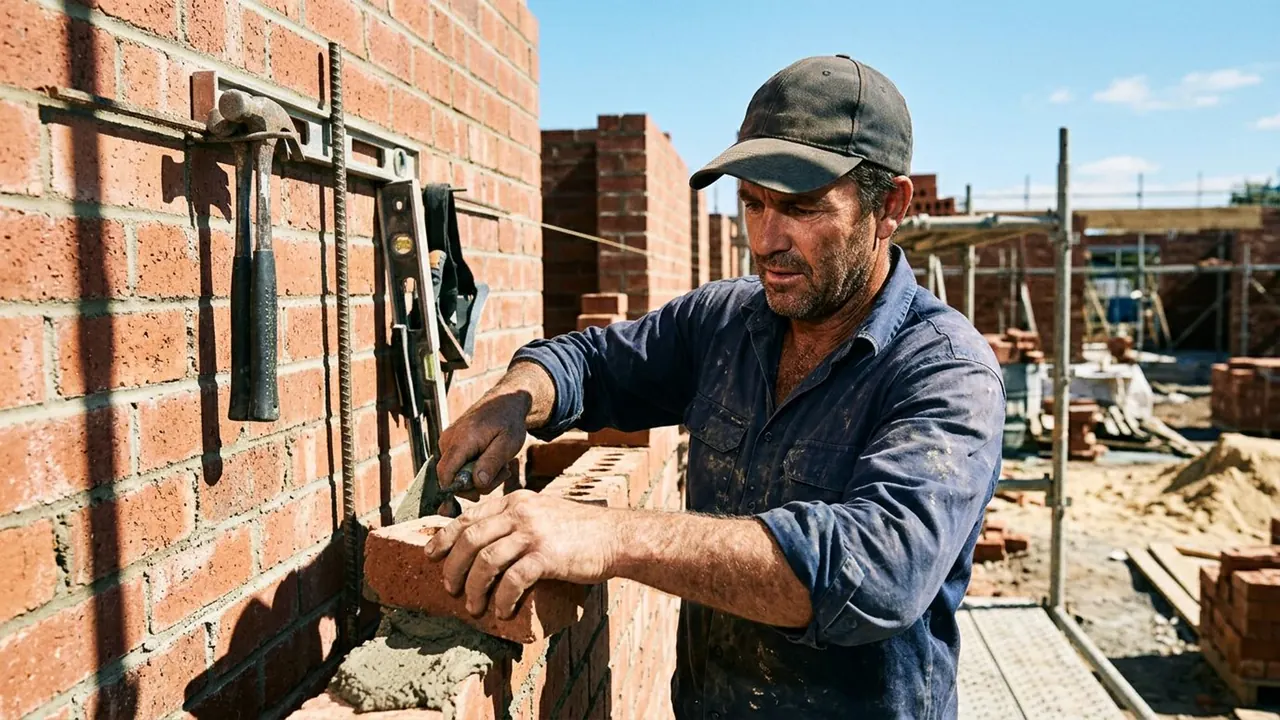
Hard Light
A small source cuts sharp shadow edges.

Soft Light
A large source wraps around the subject and the shadow edges go gentle.
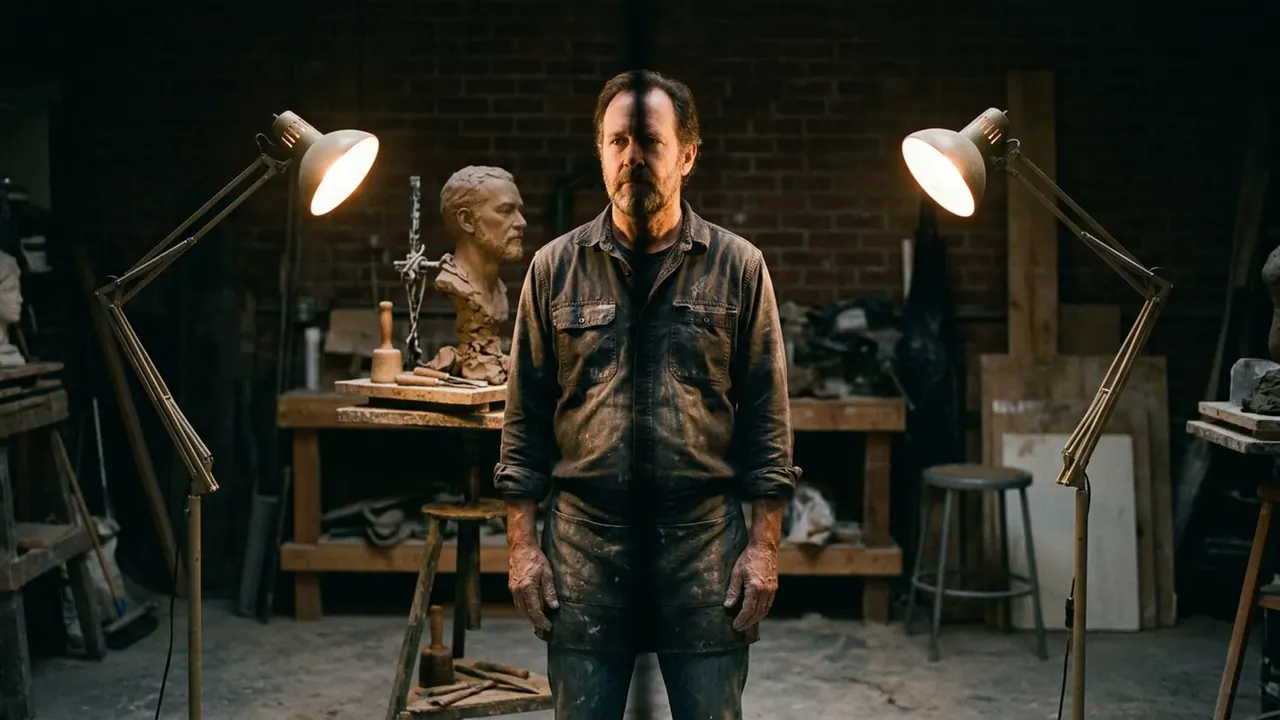
Cross Lighting
Two sources hit from opposite sides and leave a dark line down the middle.
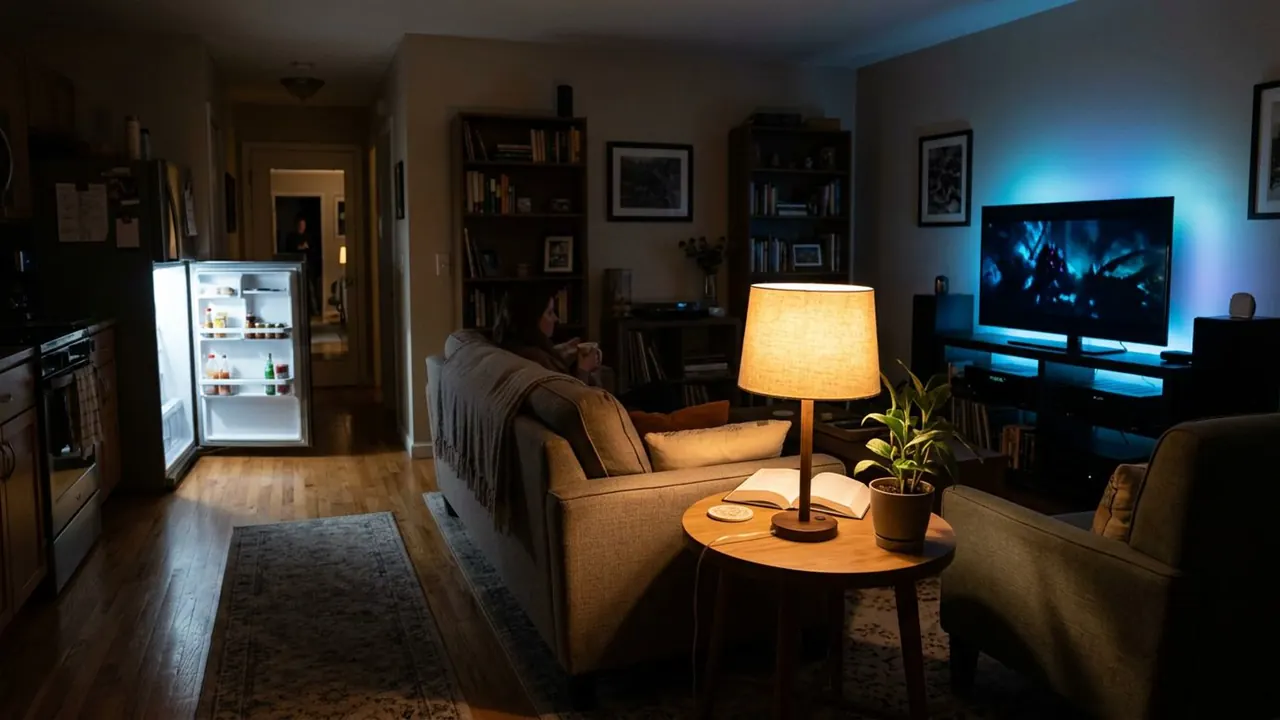
Motivated Lighting
Every light appears to come from something visible in the scene.
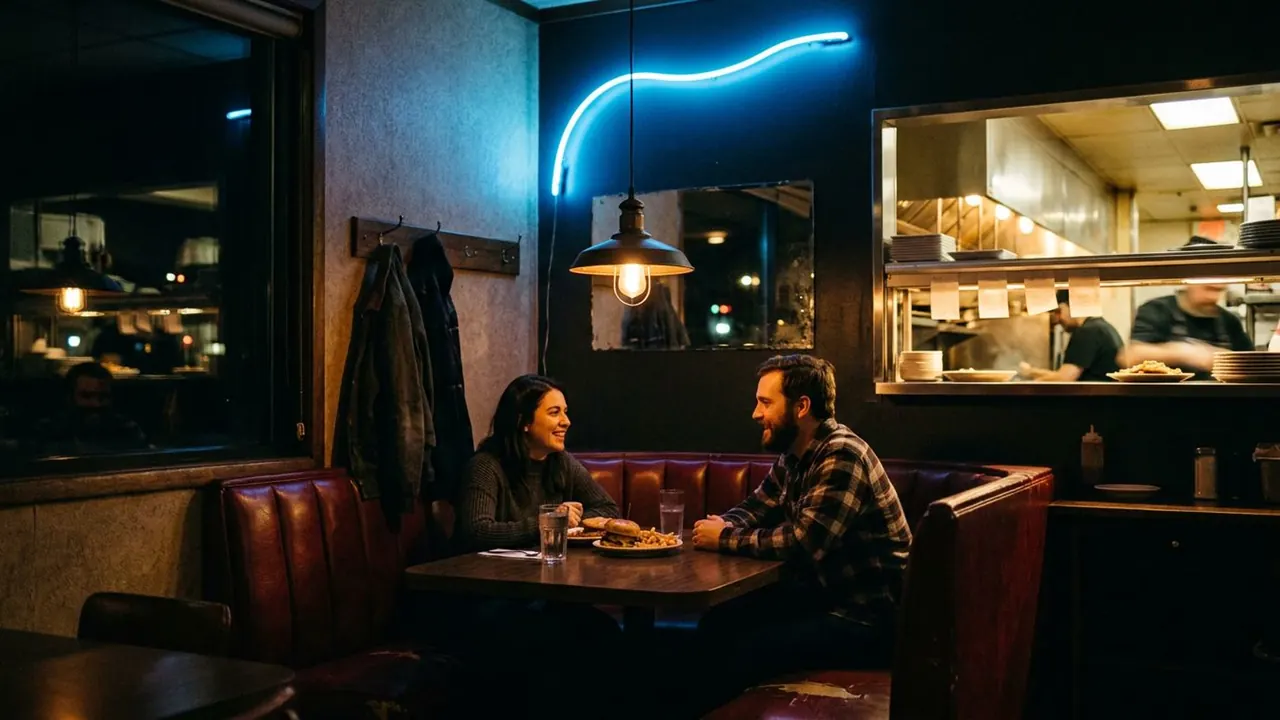
Practical Lighting
Lamps that appear in the shot do the lighting.
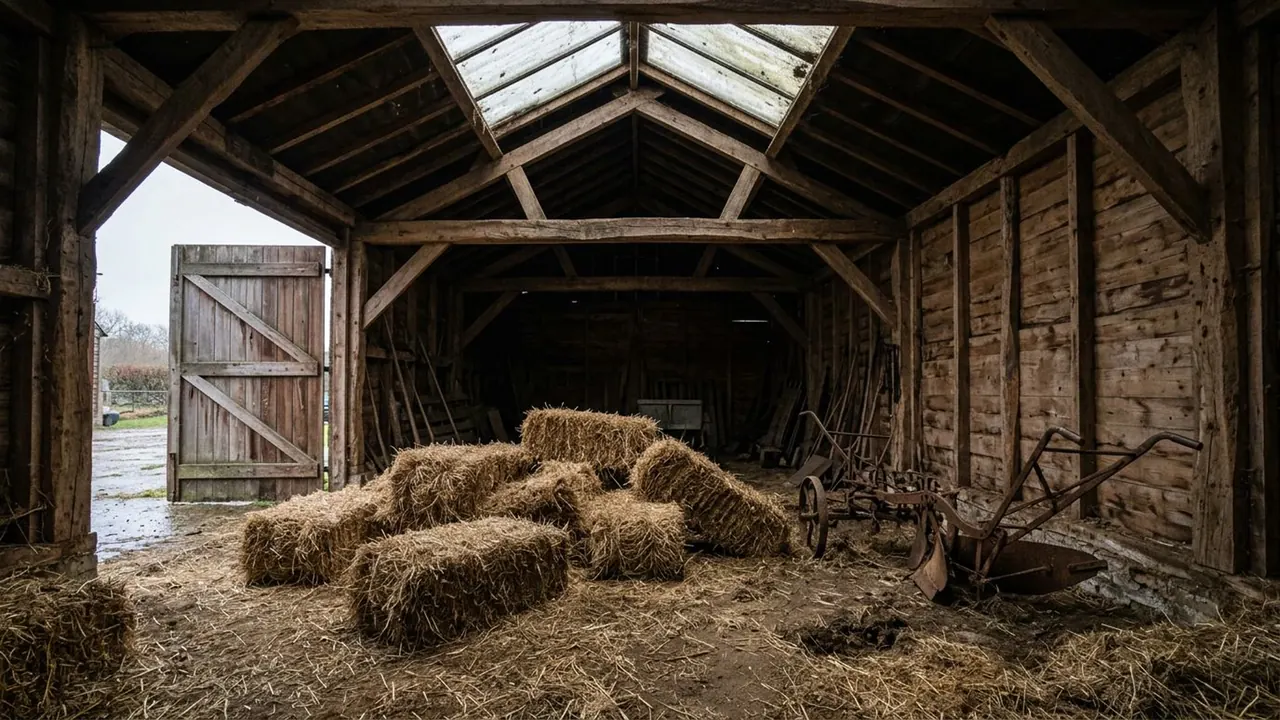
Available Light
Only the light already in the place is used.
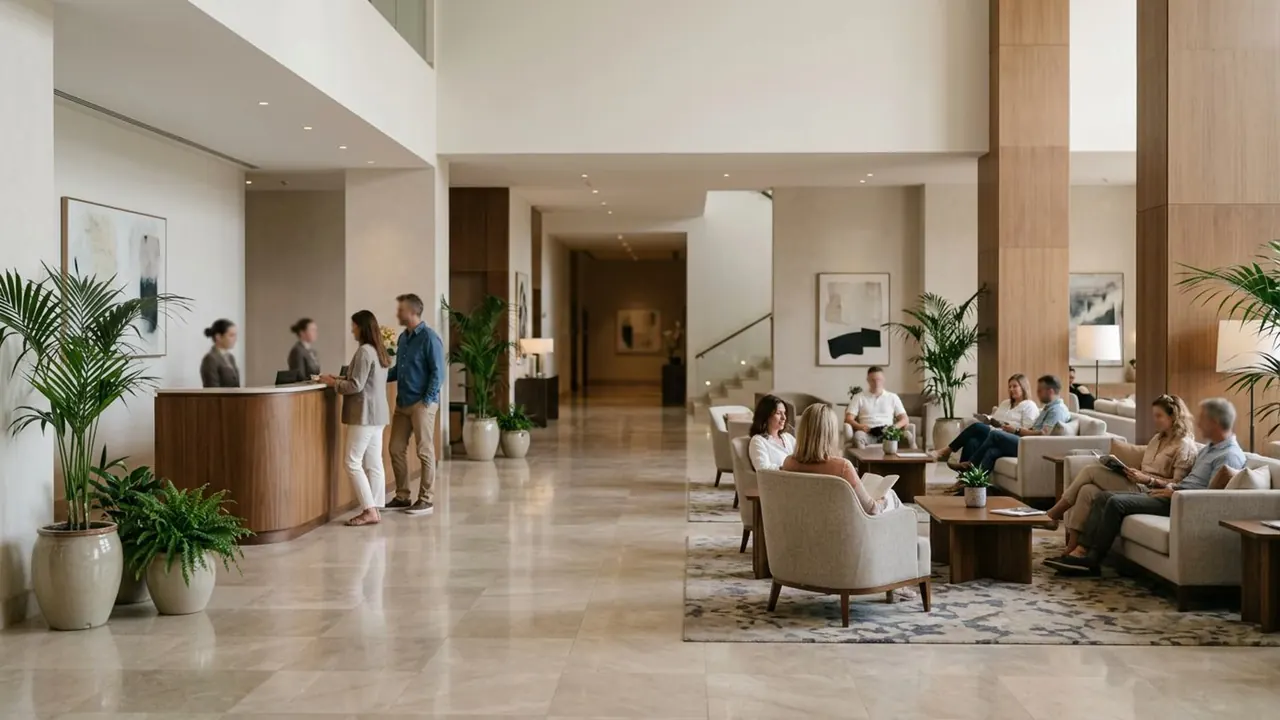
Naturalistic Ambient
A soft general light fills the space with no obvious source.
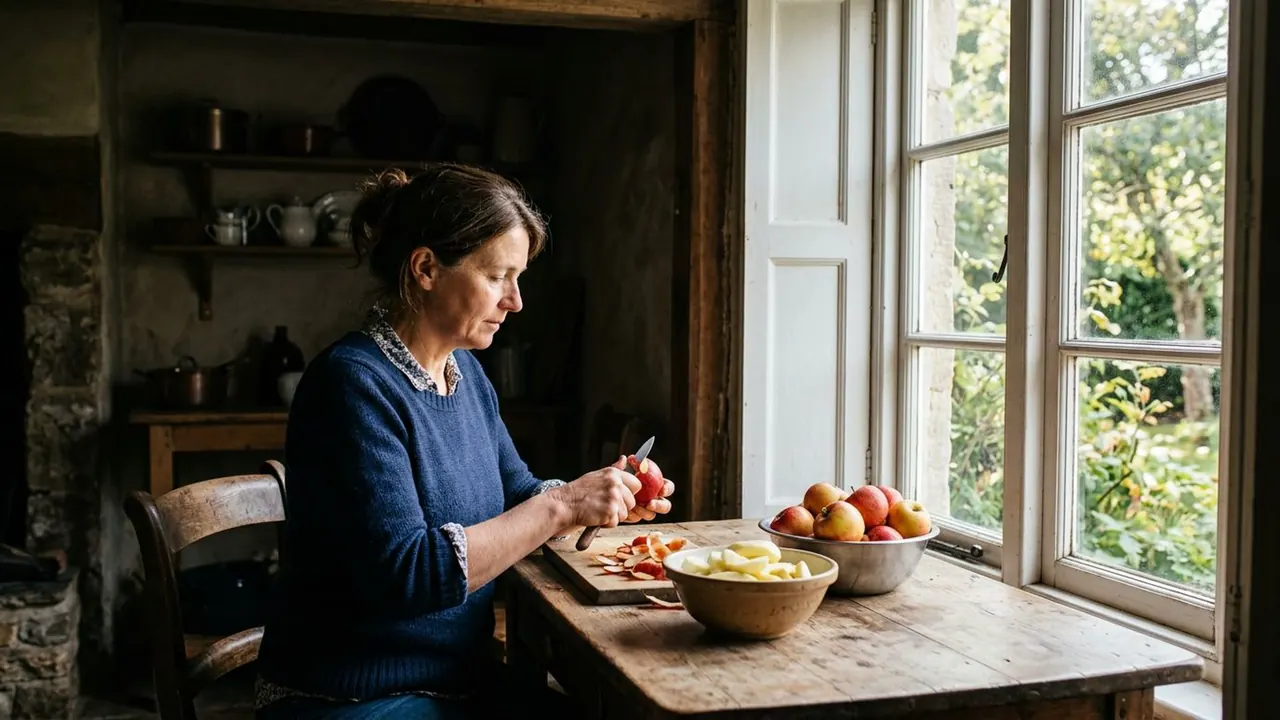
Window Light
A window is the source, so the light is soft, directional and falls off fast.
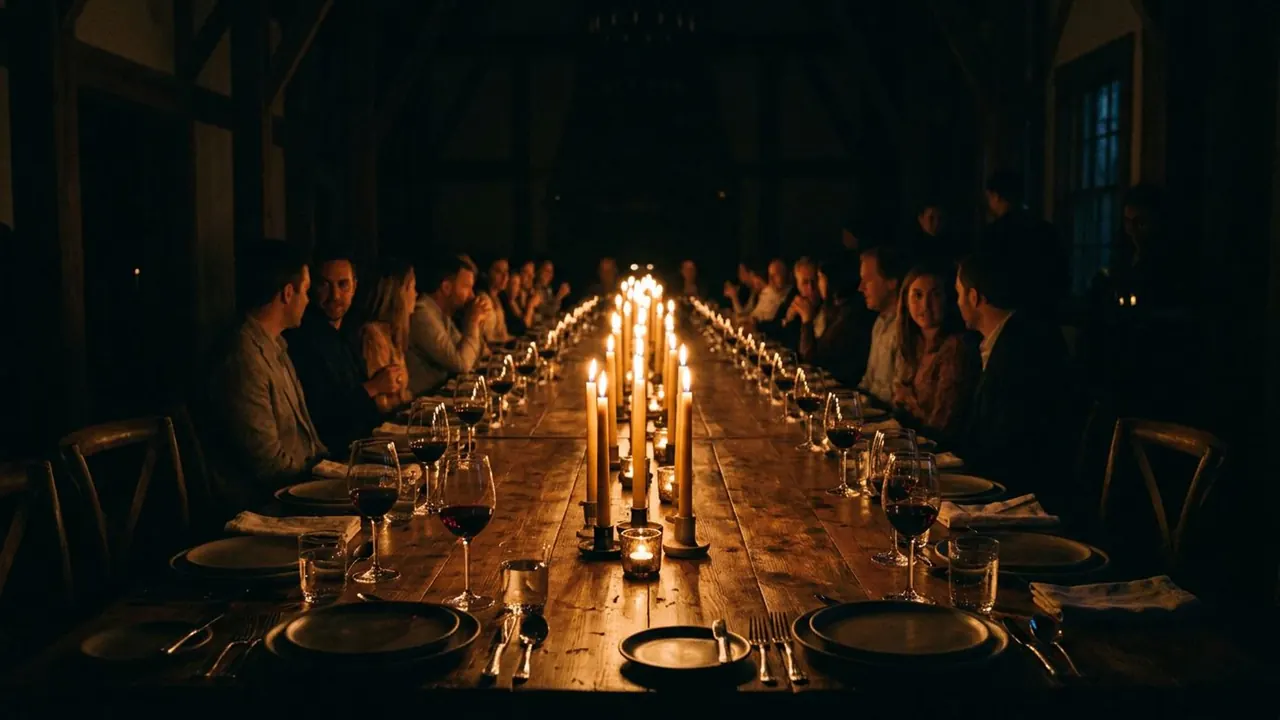
Candlelight
Small warm flames light the scene from close range and flicker.
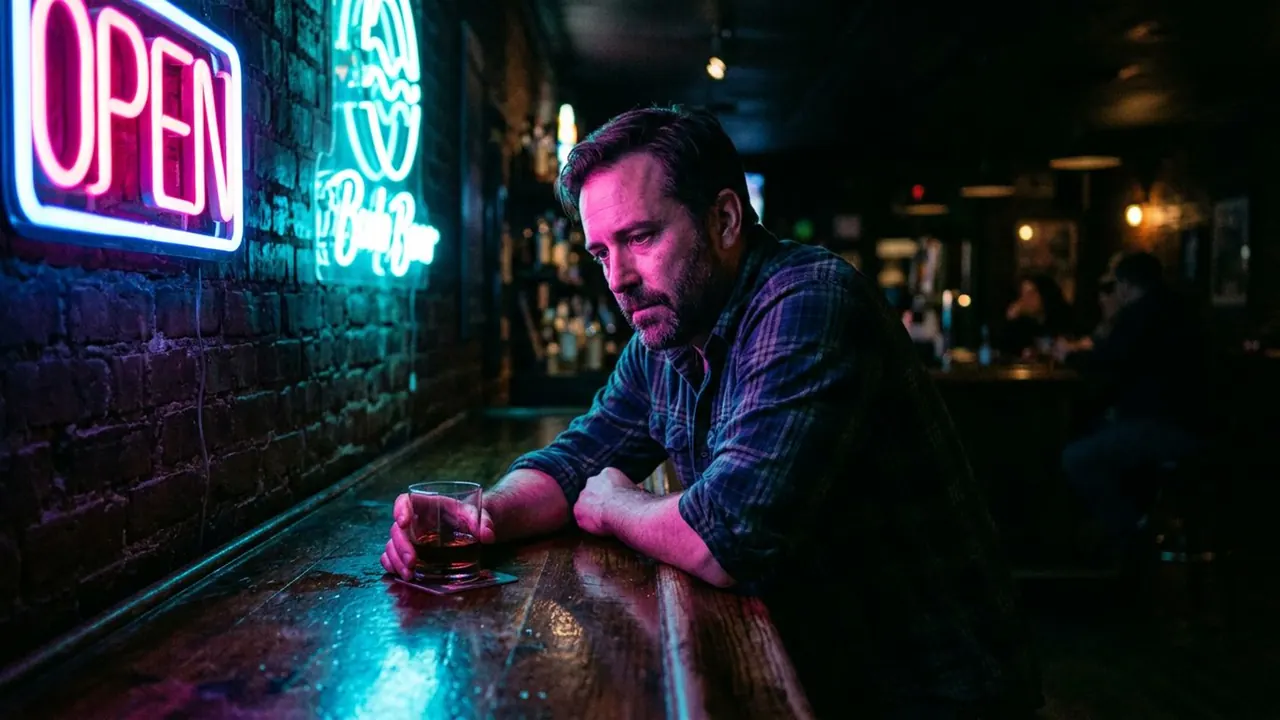
Neon Practicals
Neon signs in the scene light the subject in saturated colour.
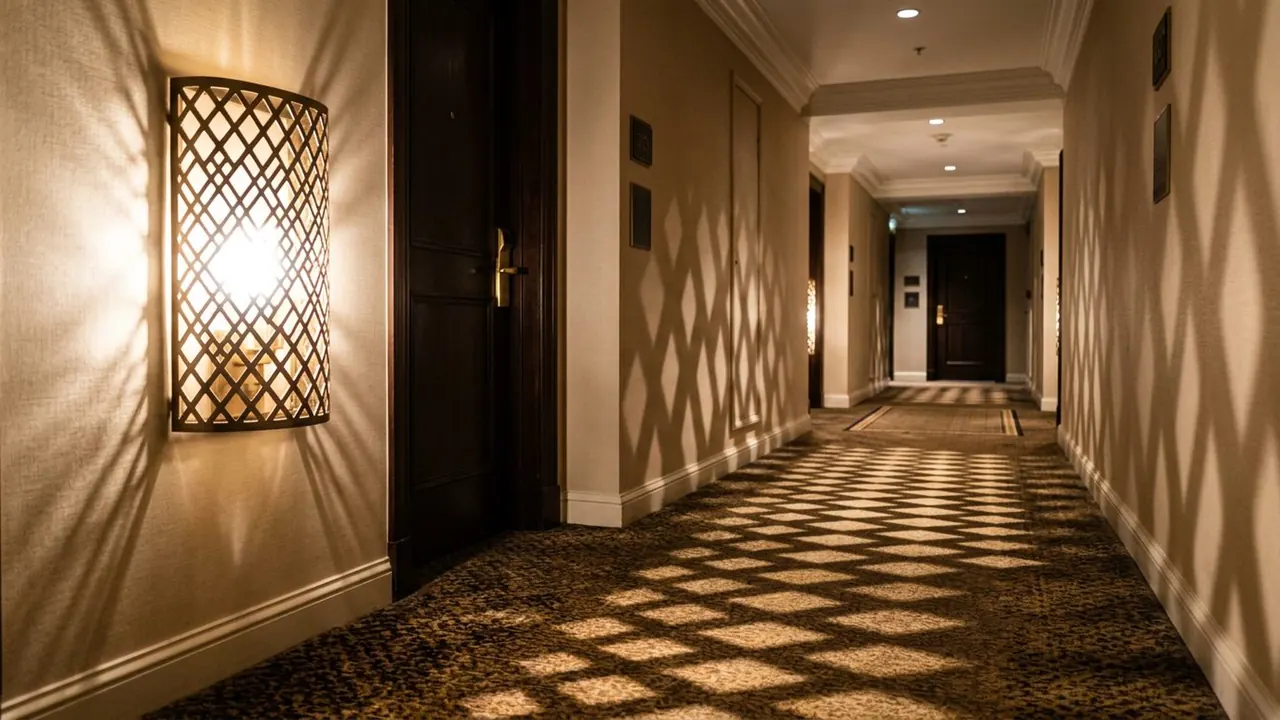
Gobo Lighting
A cut pattern in front of the light throws a shape onto the scene.

Dappled Light
Light passes through something broken and lands in patches.
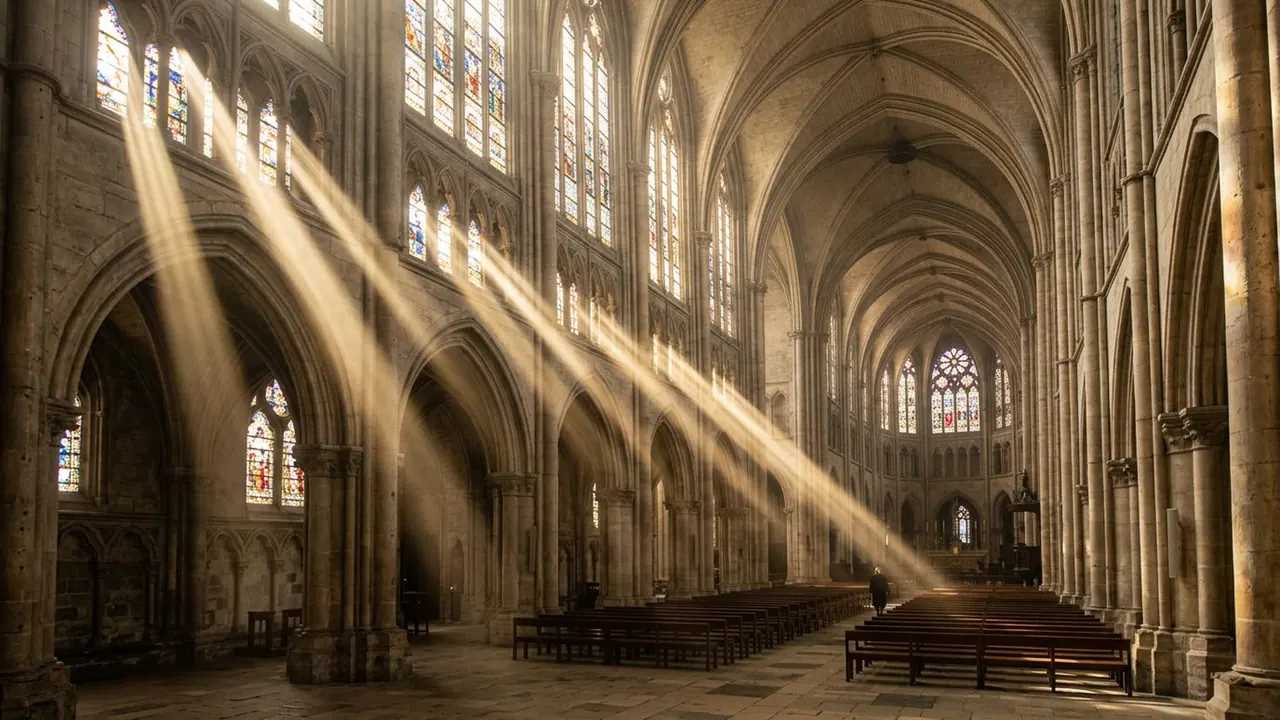
Volumetric Light
Light beams become visible as solid shafts in the air.
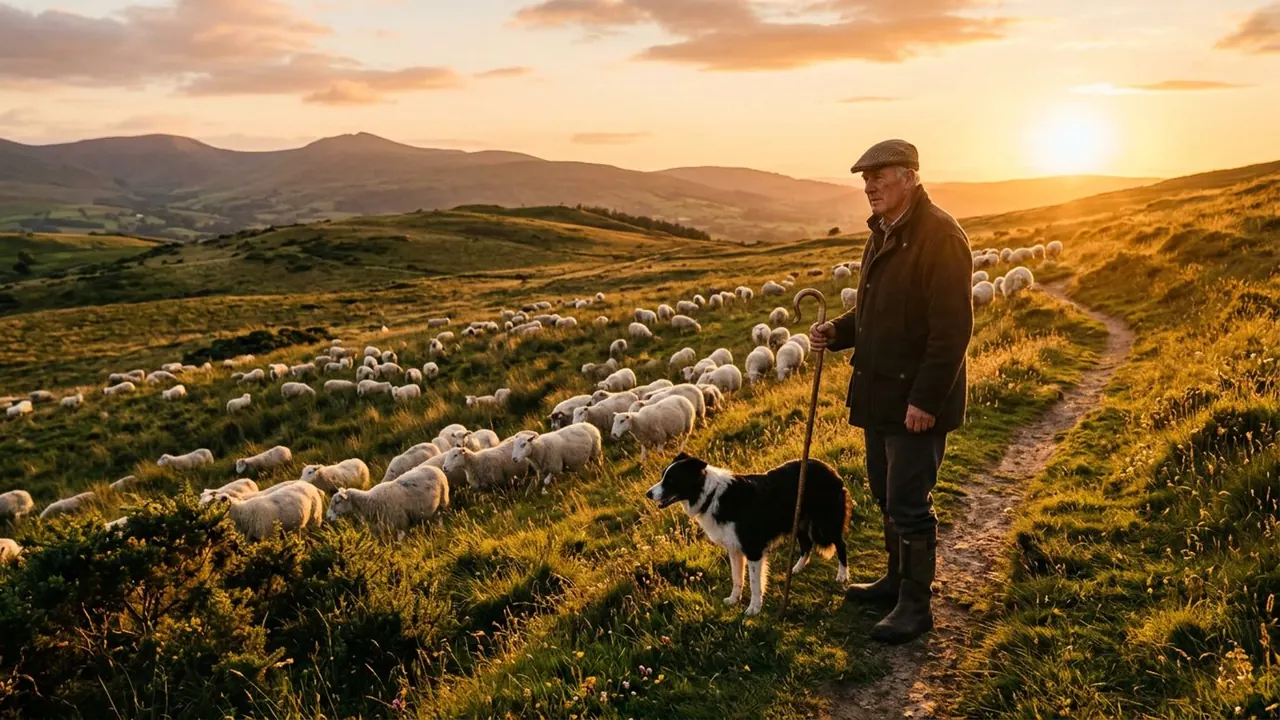
Golden Hour
Low sun near sunrise or sunset lights everything warm and sideways.
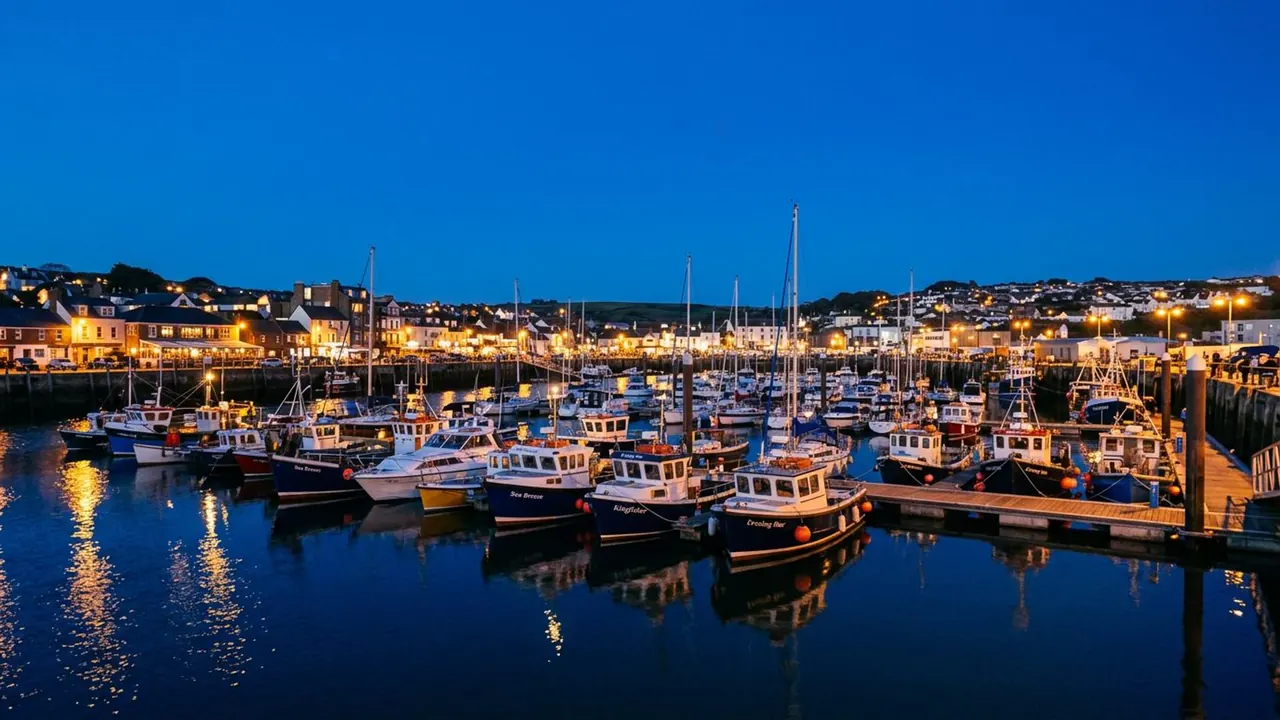
Blue Hour
The short window after sunset when the sky is deep blue and still bright.
Lenses and optics17
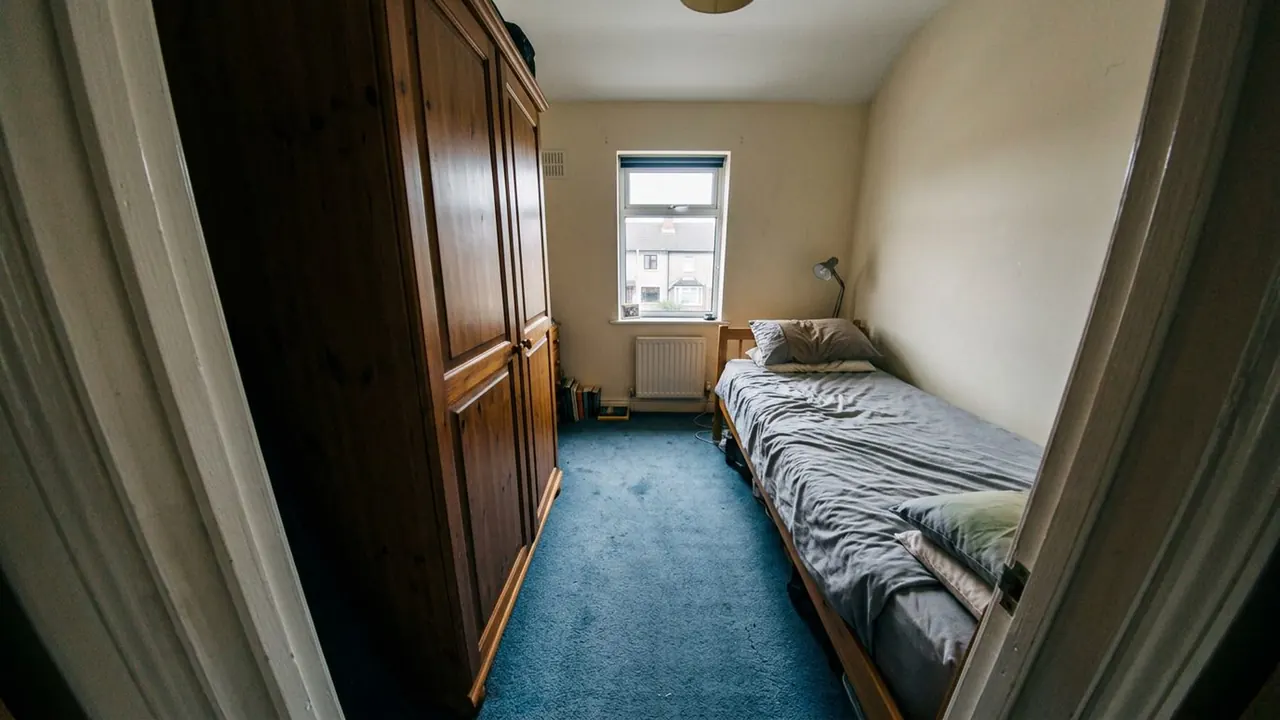
14mm Ultra-Wide
An extremely wide lens takes in almost everything and stretches the edges hard.
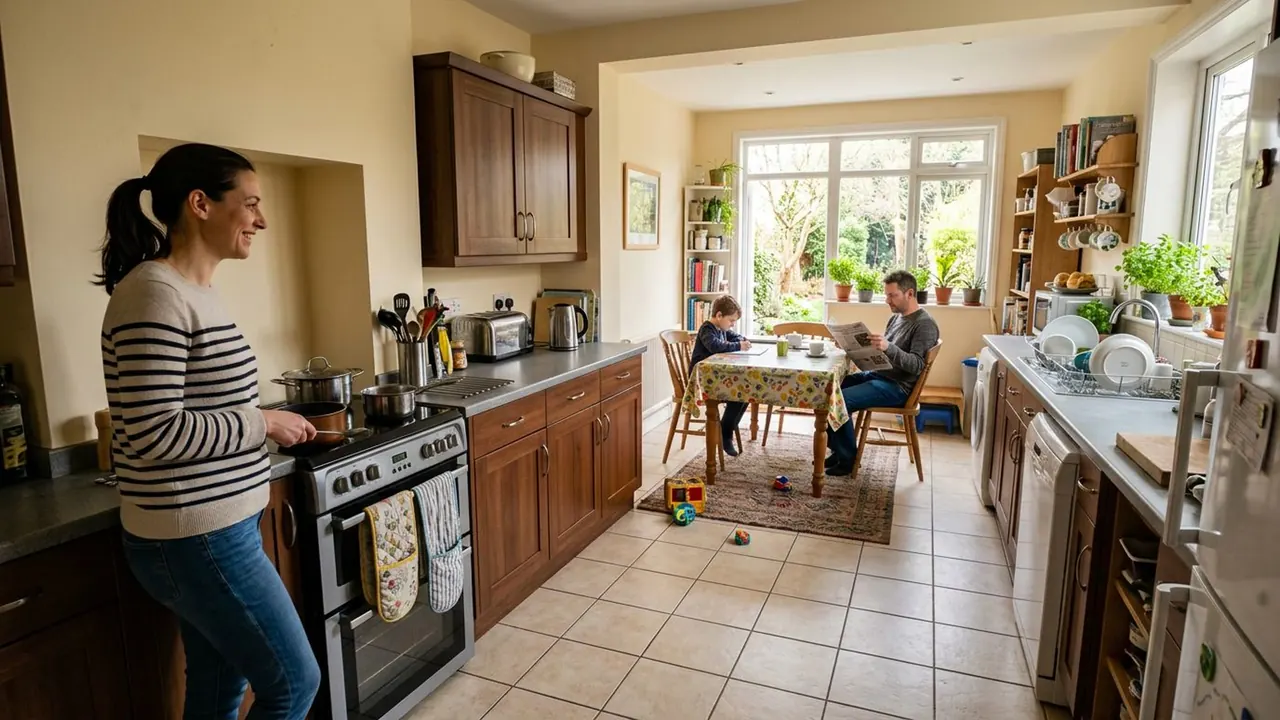
24mm Wide
A wide lens that takes in the room and stretches what sits near the edges.
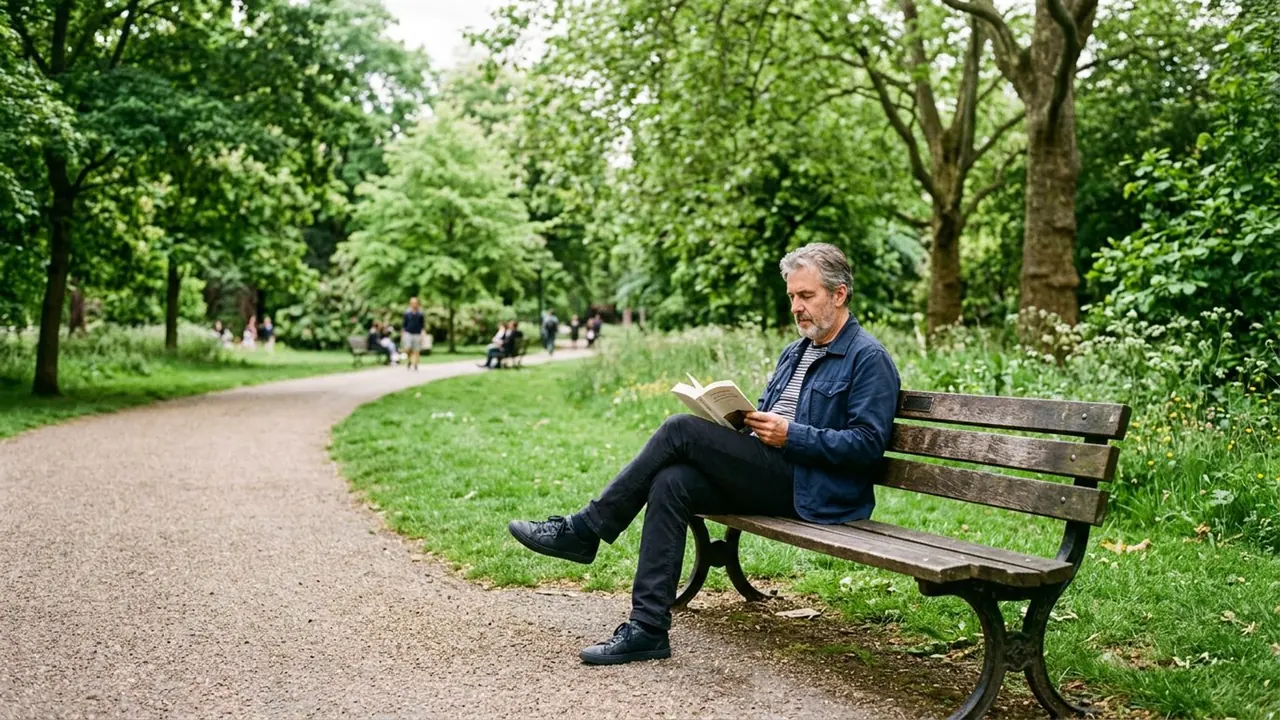
35mm Moderate Wide
A mildly wide lens that shows the setting without calling attention to itself.
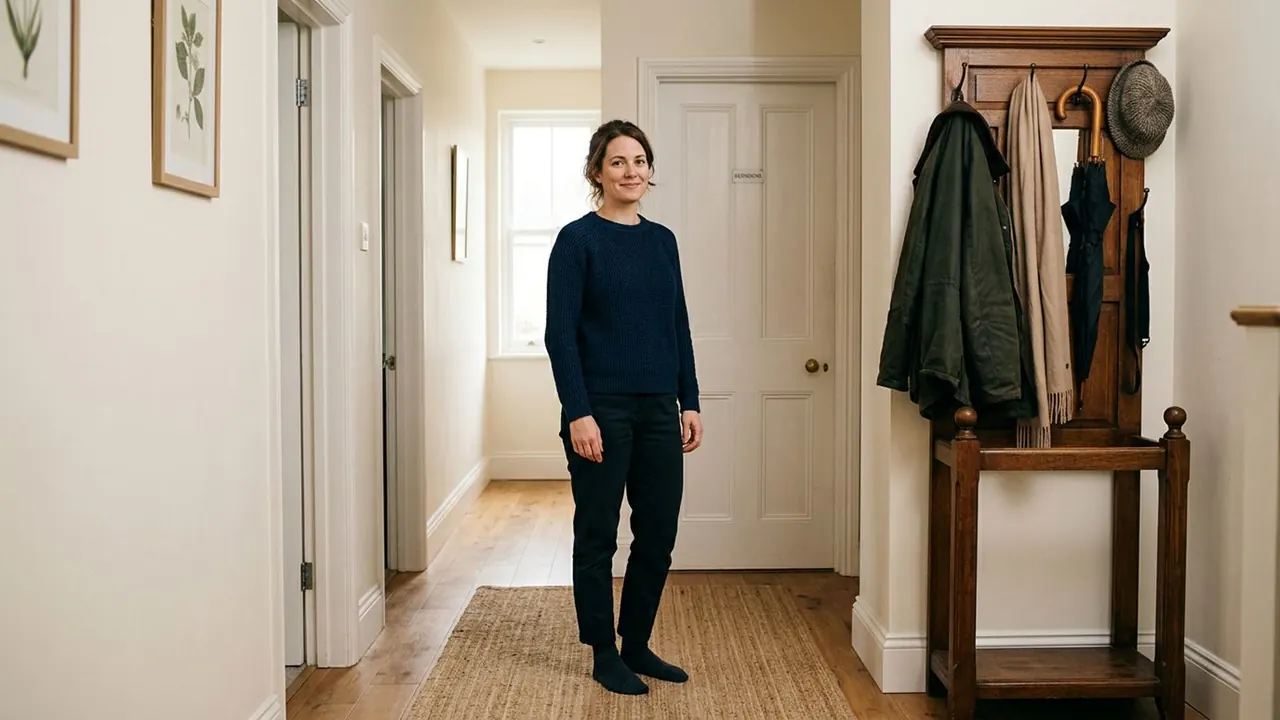
50mm Normal
A lens that renders roughly the way an eye judges distance.
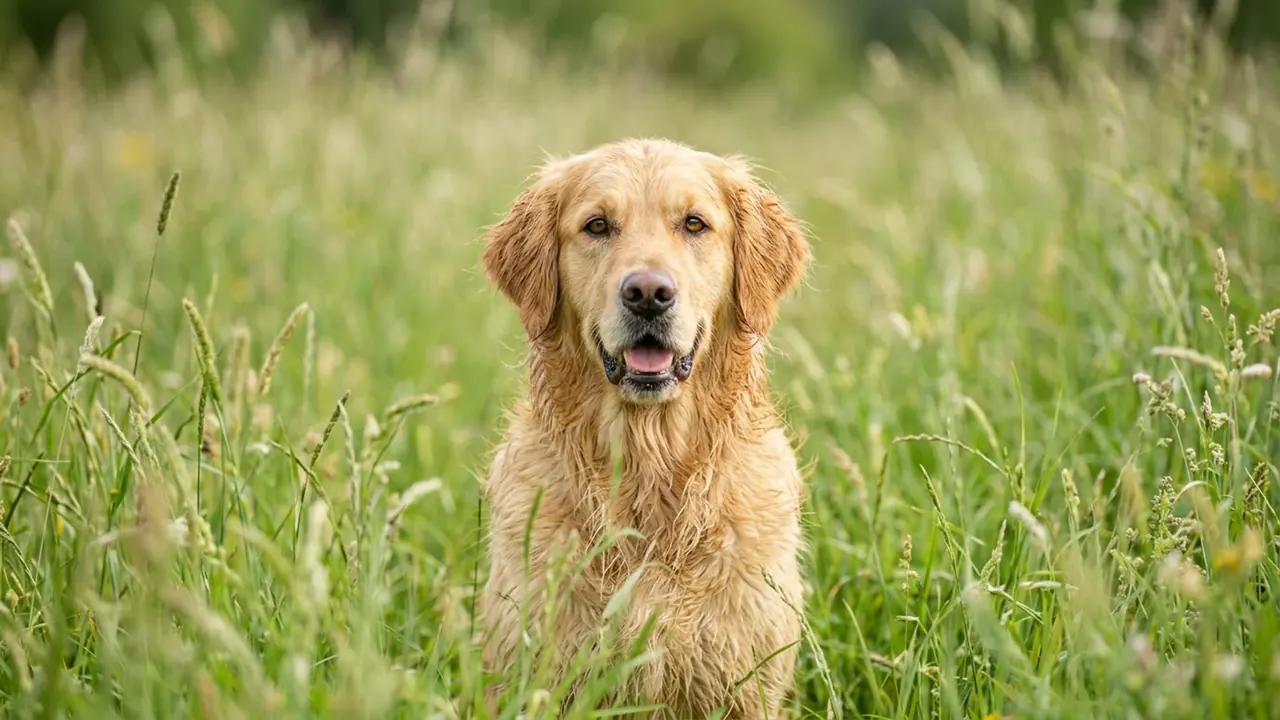
85mm Portrait
A short telephoto that flatters a face and softens the background.
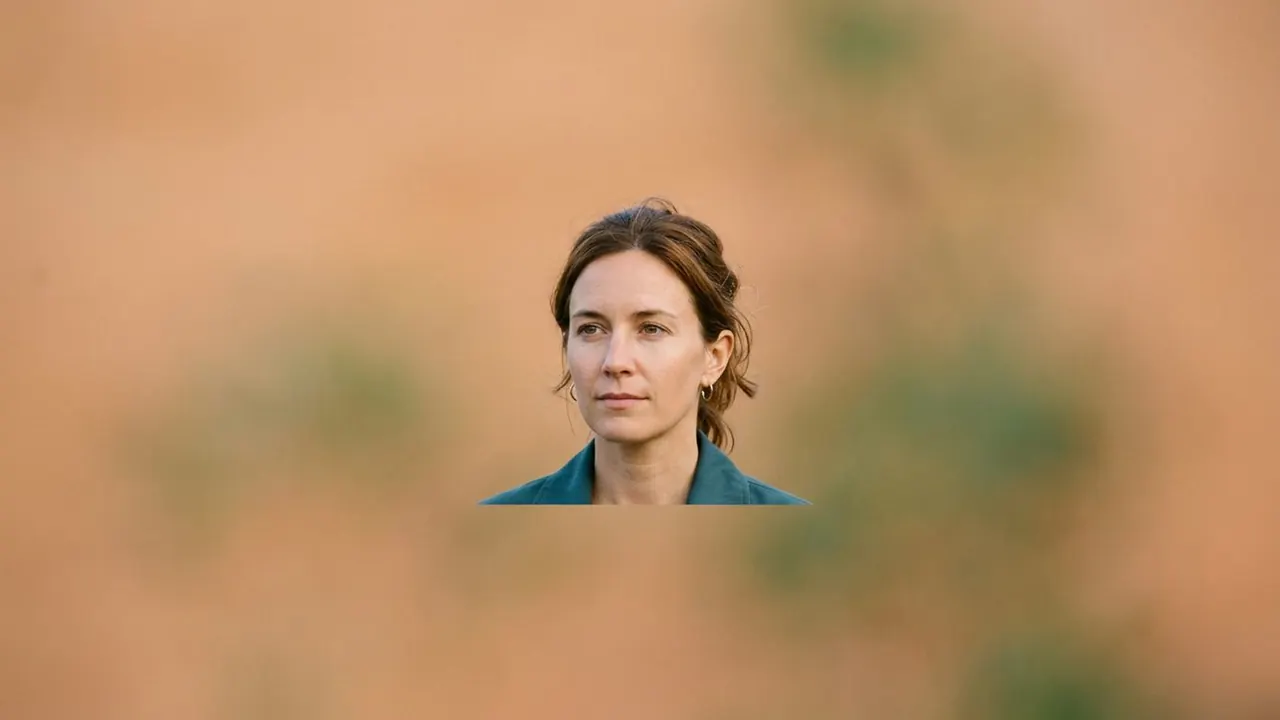
135mm Telephoto
A long lens that isolates a face and flattens everything behind it.
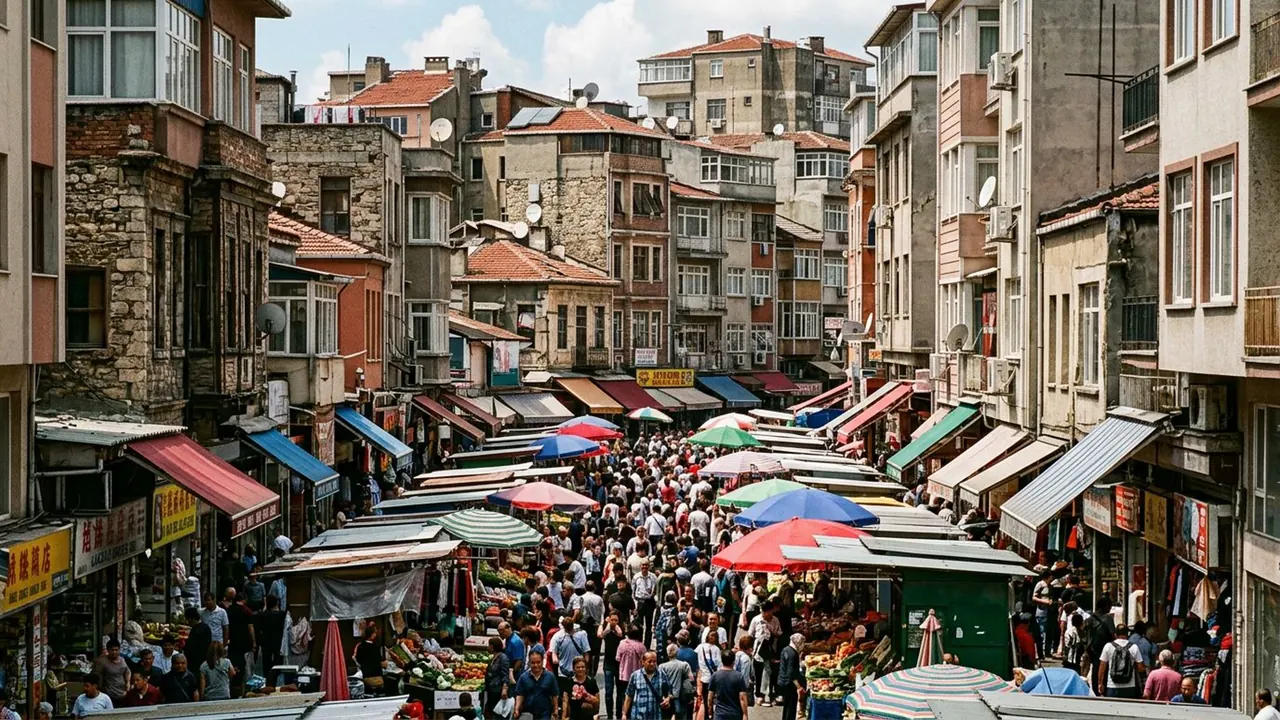
200mm Long Telephoto
A very long lens that stacks distant planes on top of each other.
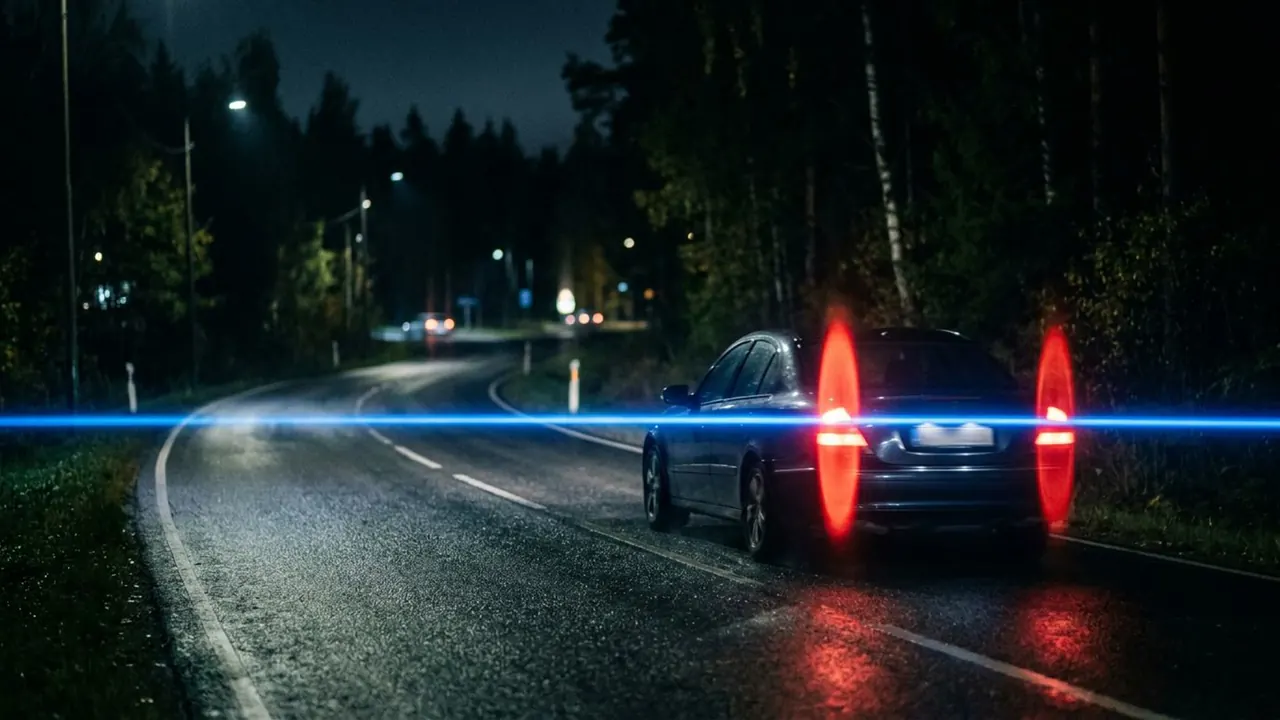
Anamorphic
A squeezed lens that gives oval highlights and long horizontal flares.
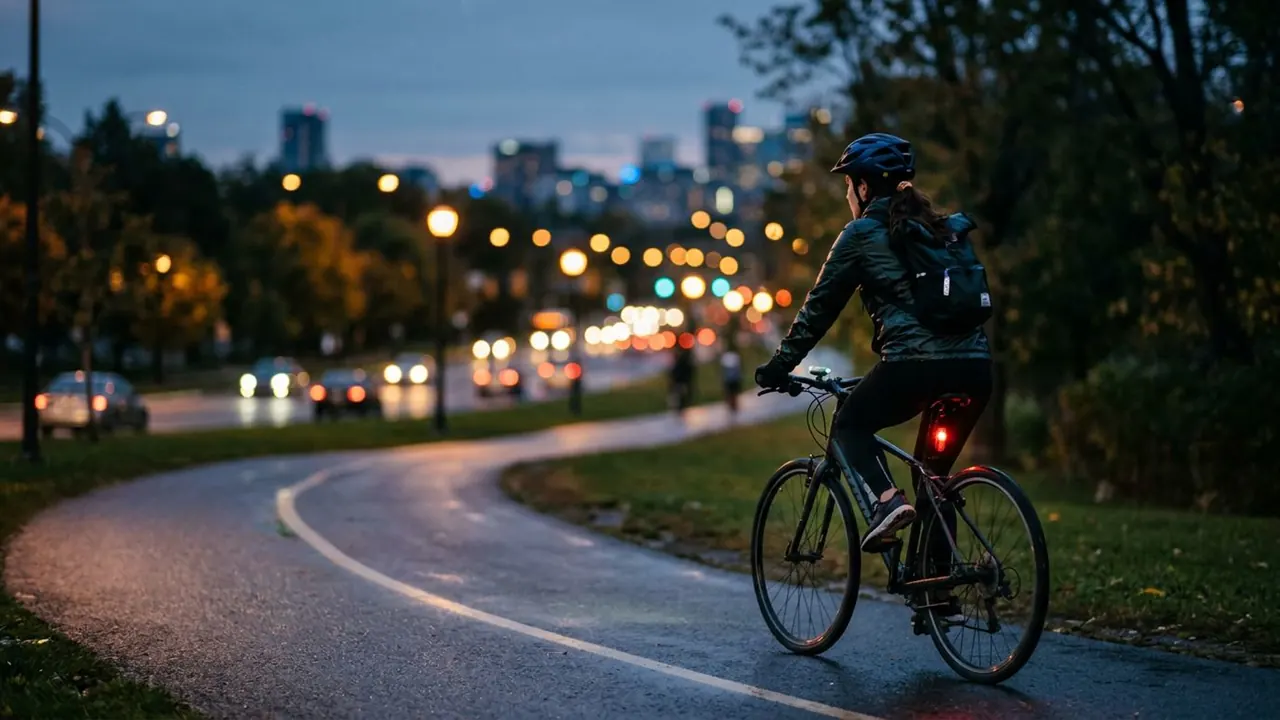
Spherical
A normal lens with round highlights and no squeeze.
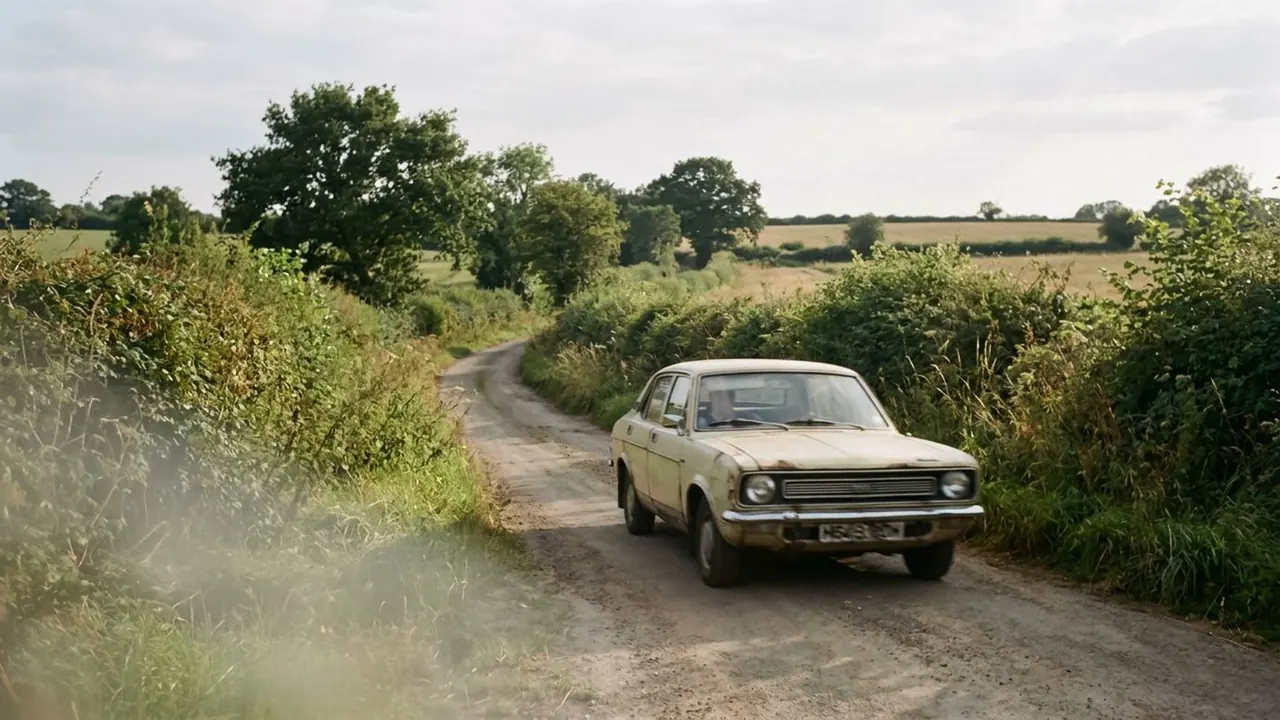
Vintage Cine Glass
Older cine glass renders softer, with lower contrast and uneven flares.
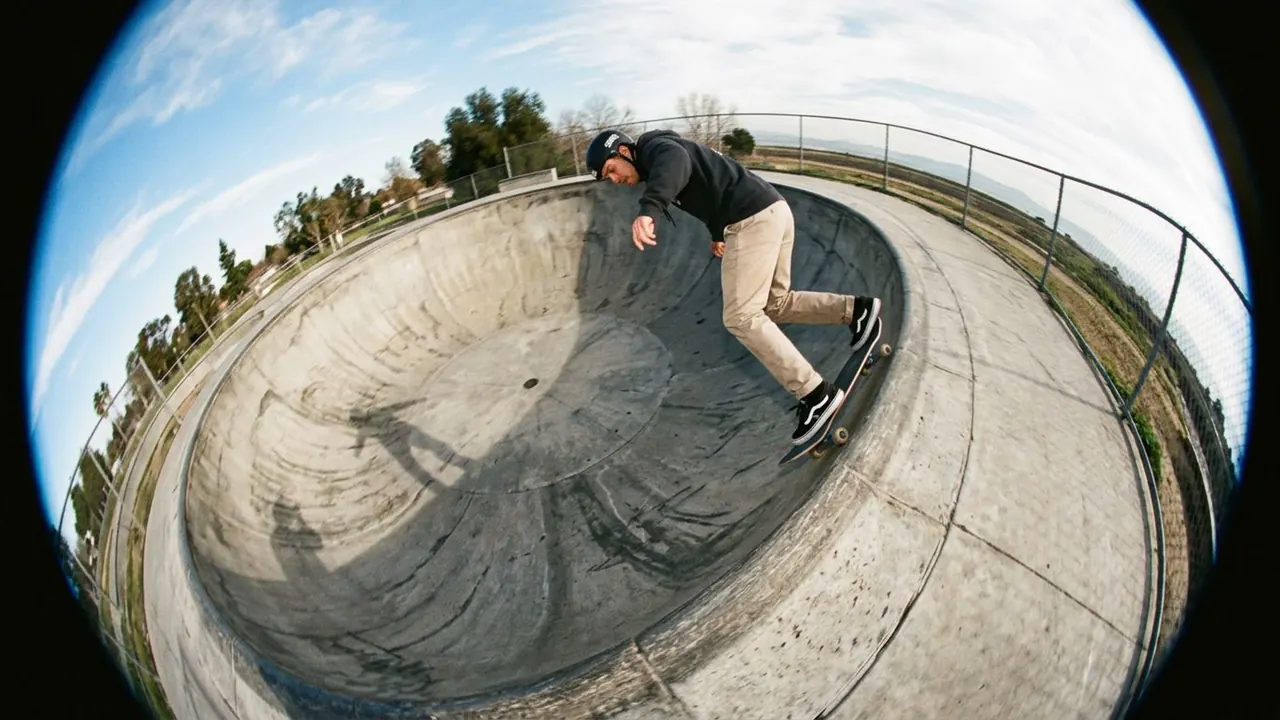
Fisheye
An extreme wide lens bends every straight line into a curve.
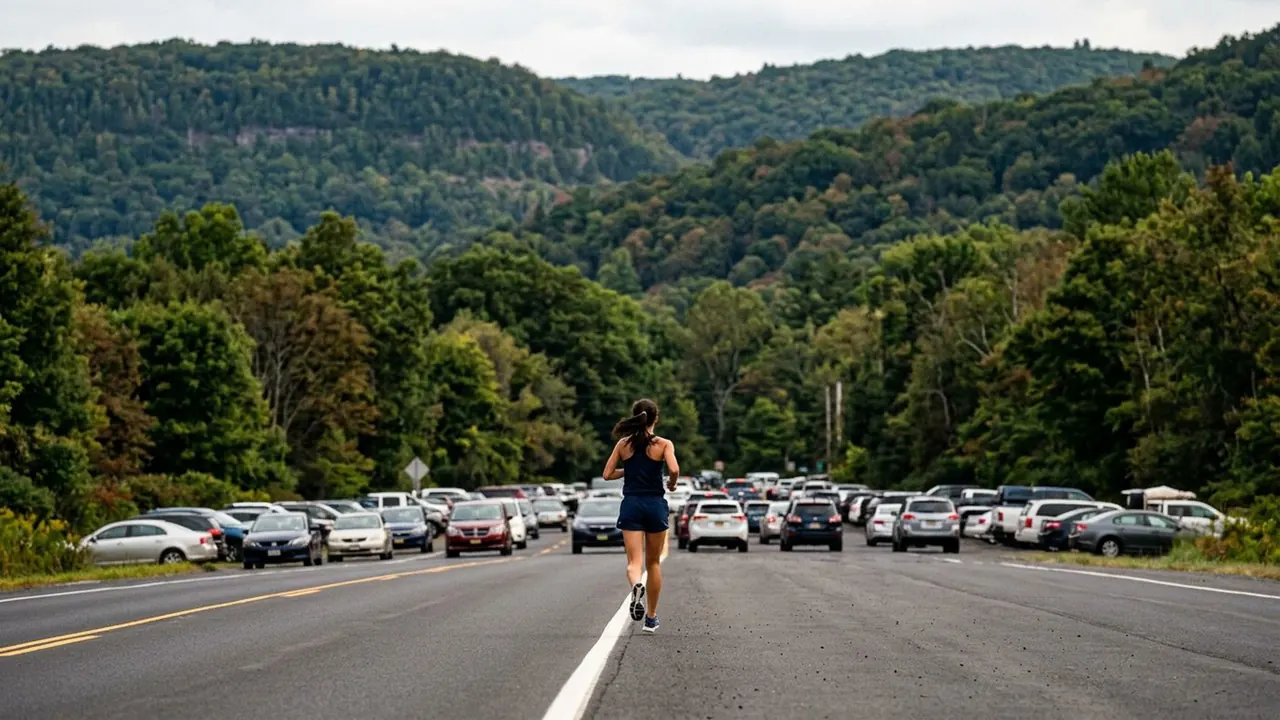
Telephoto Compression
A long lens flattens depth, so far things sit right behind near things.
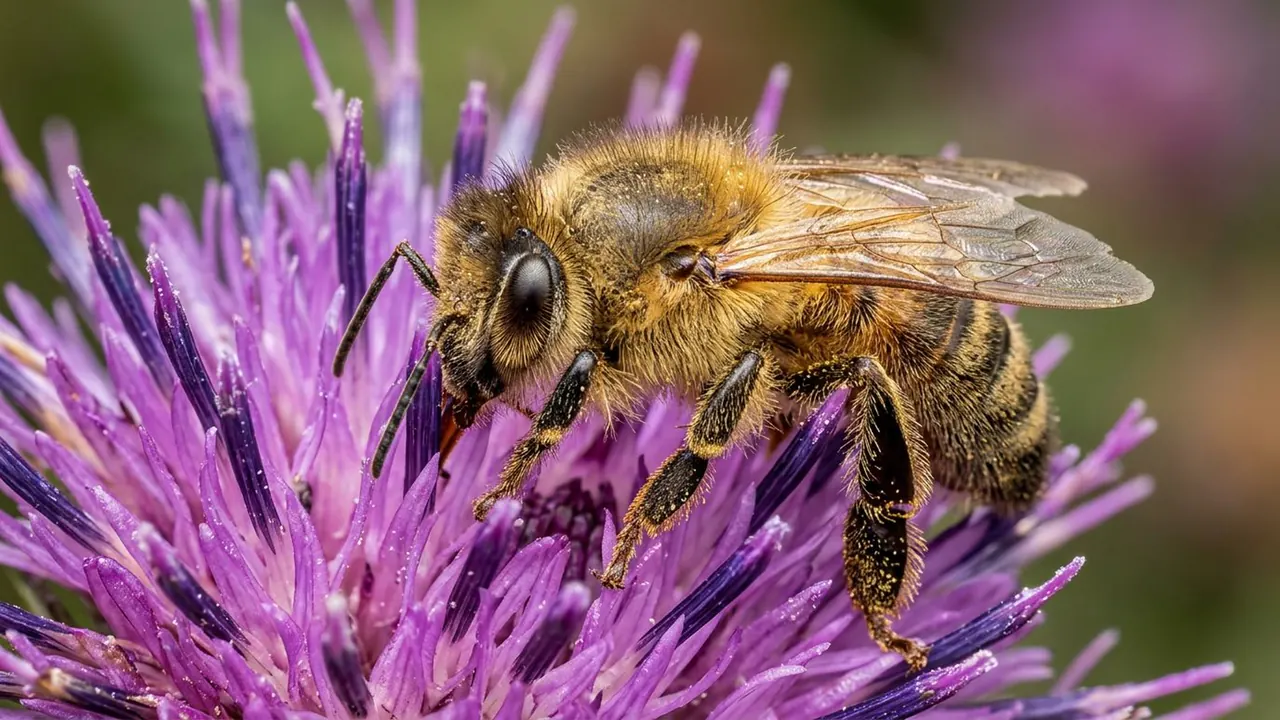
Macro
The lens focuses so close that a small thing fills the frame.
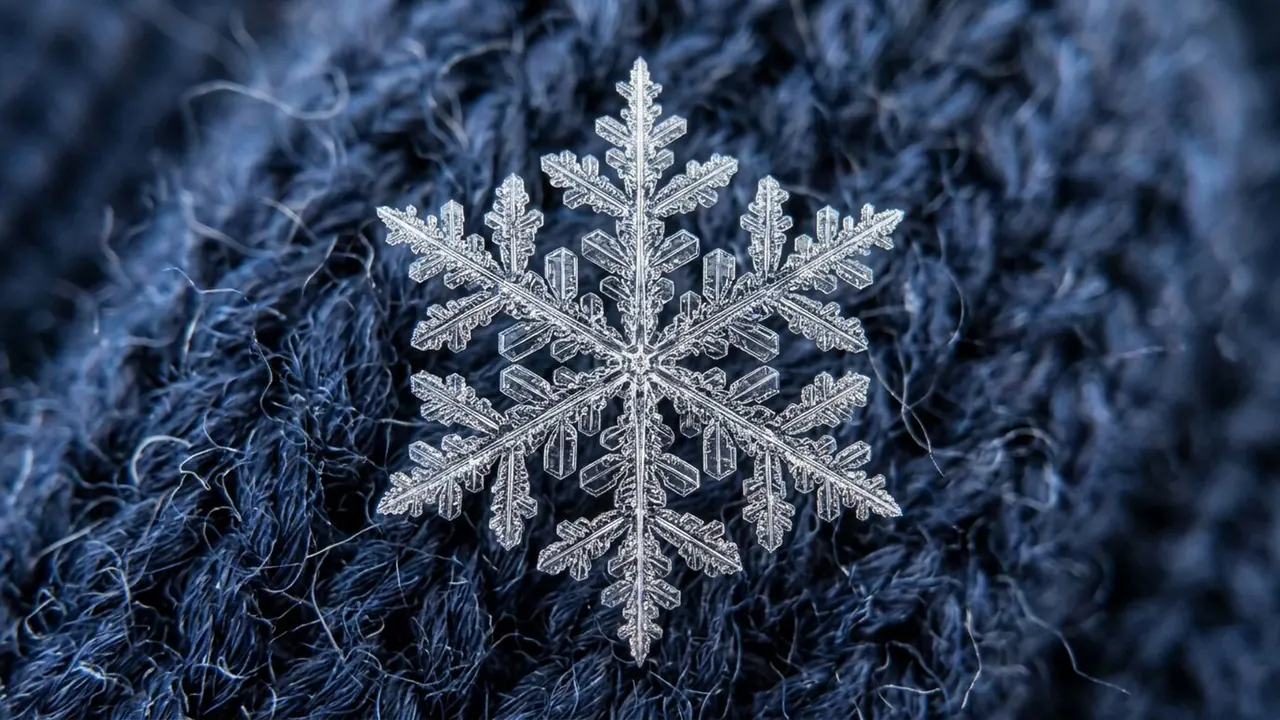
Magnification
A detail is blown up far past what an eye would see.
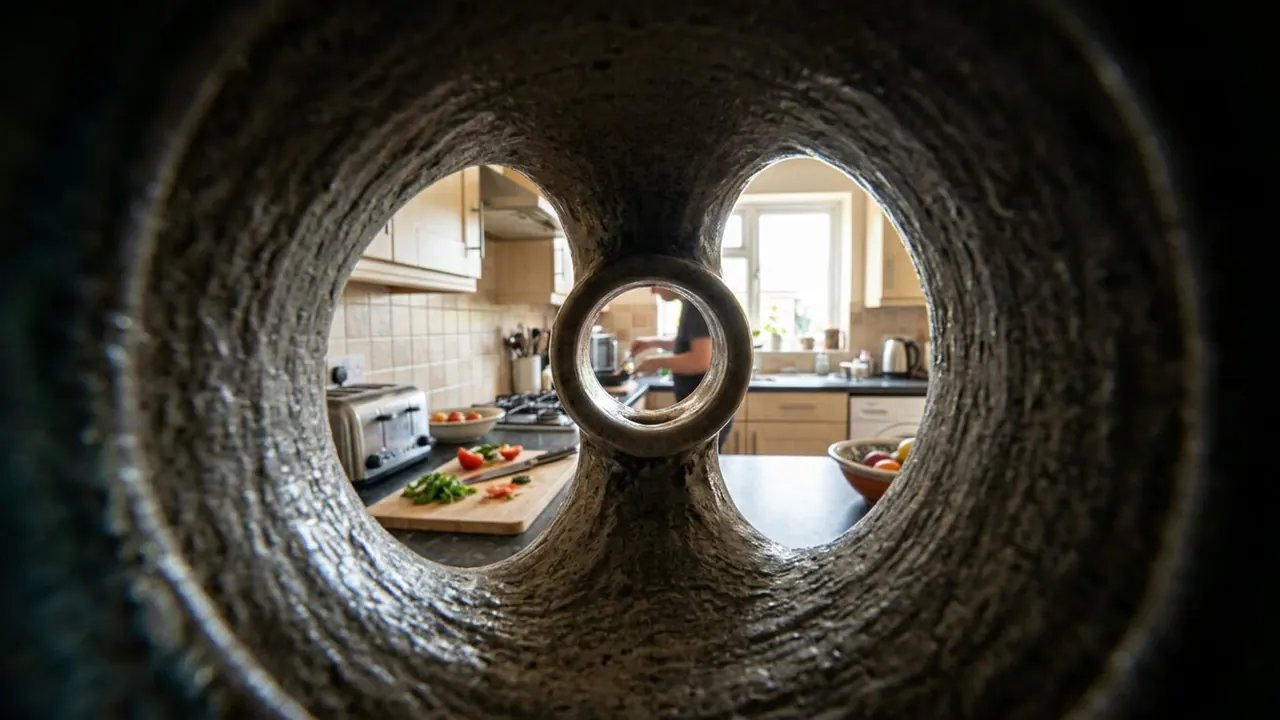
Probe Lens
A long thin lens reaches into a tight space and keeps everything sharp.
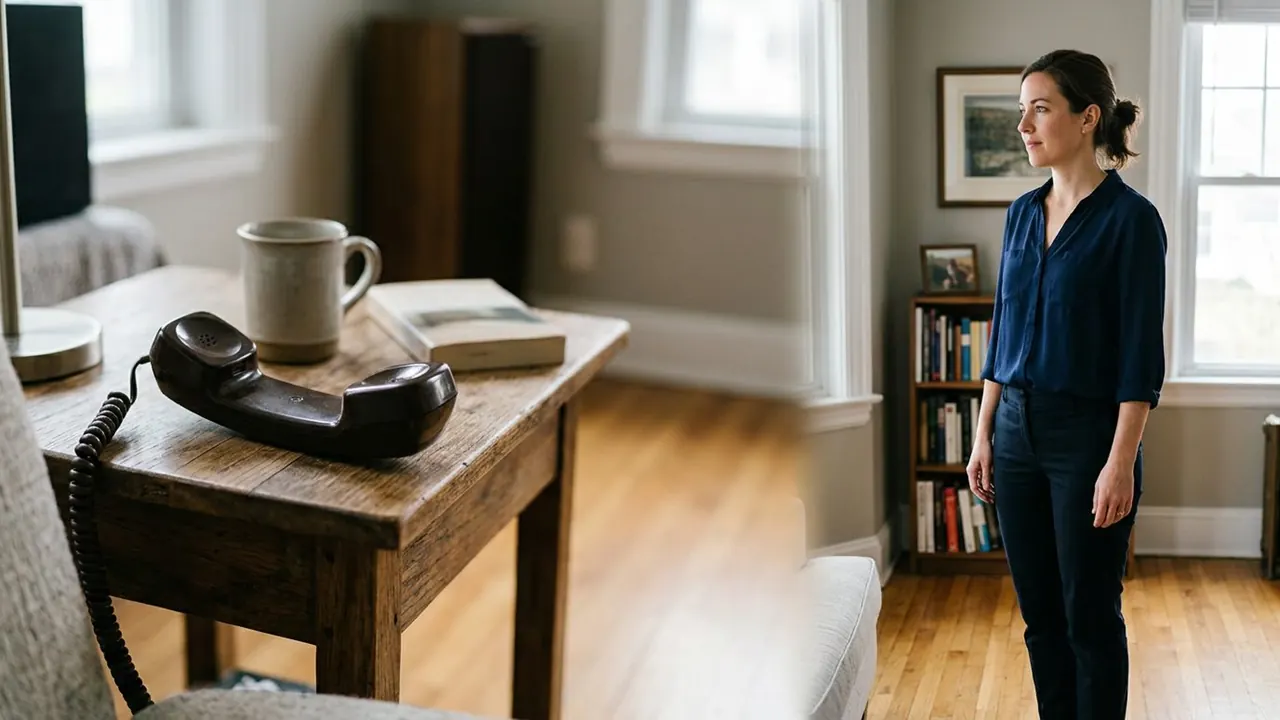
Split Diopter
Half the lens focuses near and half far, so both planes are sharp at once.
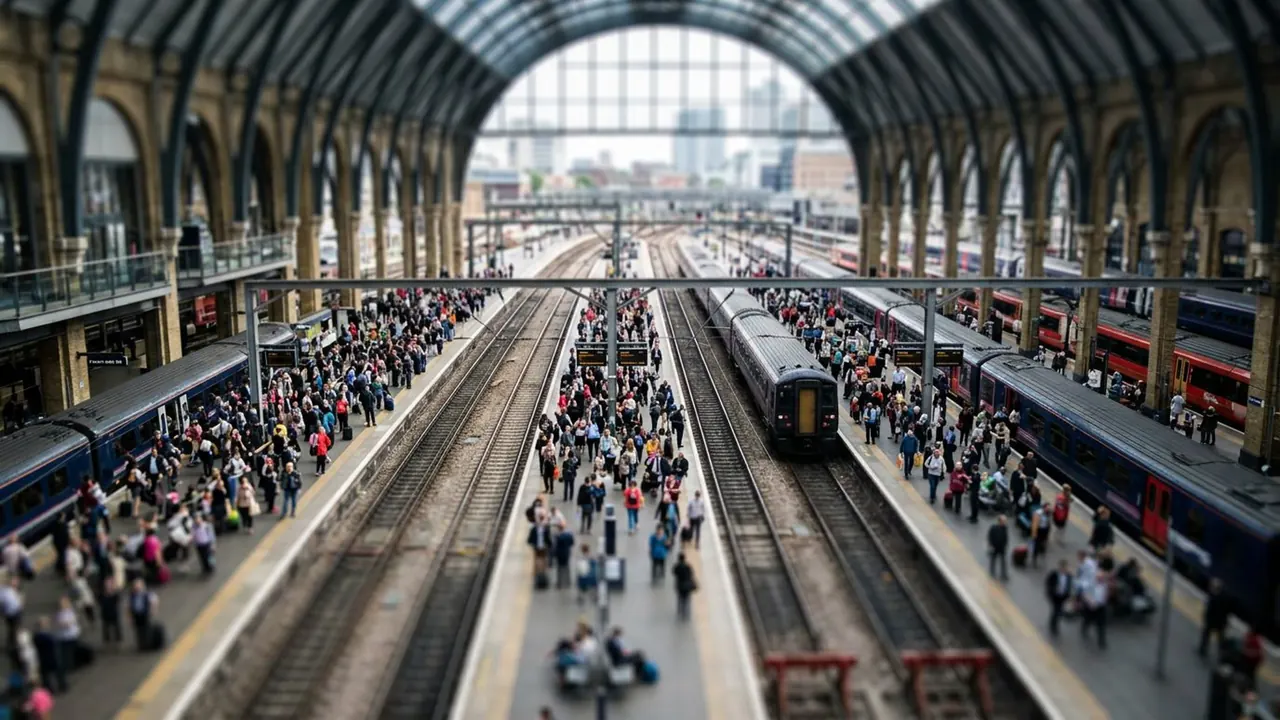
Tilt-Shift
The focus plane tilts, so a band is sharp and the rest falls away.
Colour and film look19
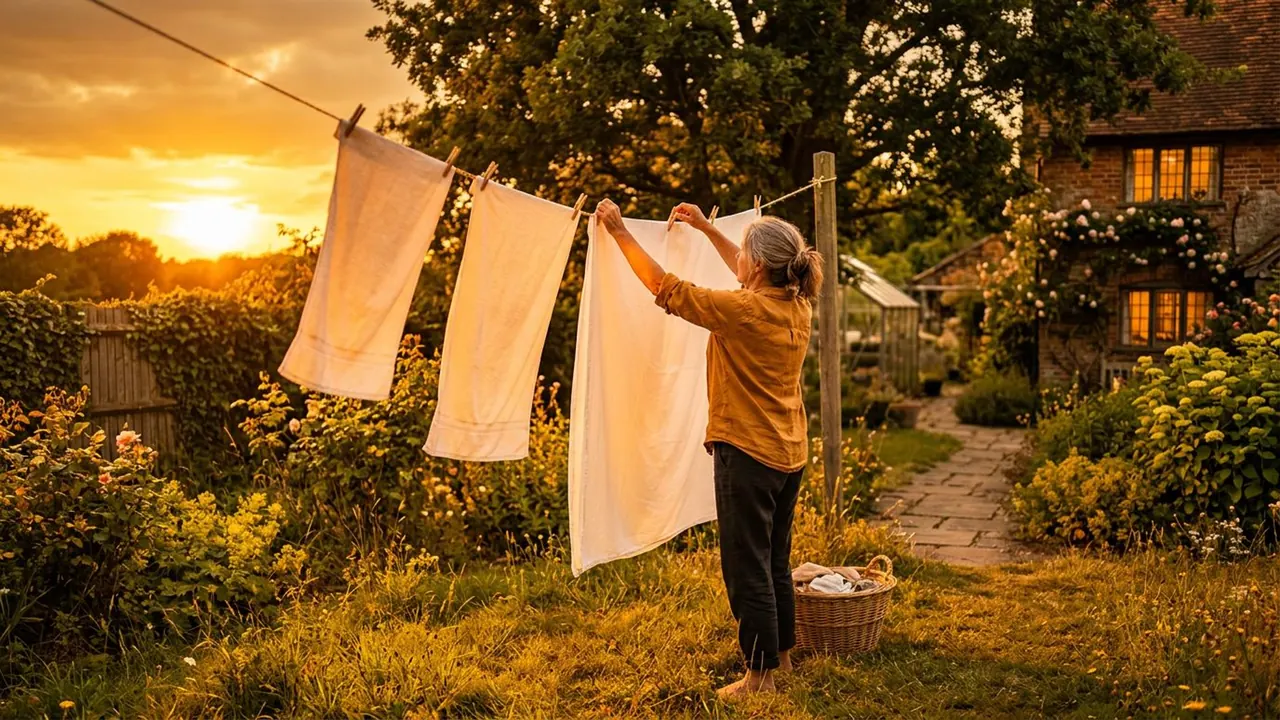
Warm Amber
The whole frame leans warm, and the light feels late and low.
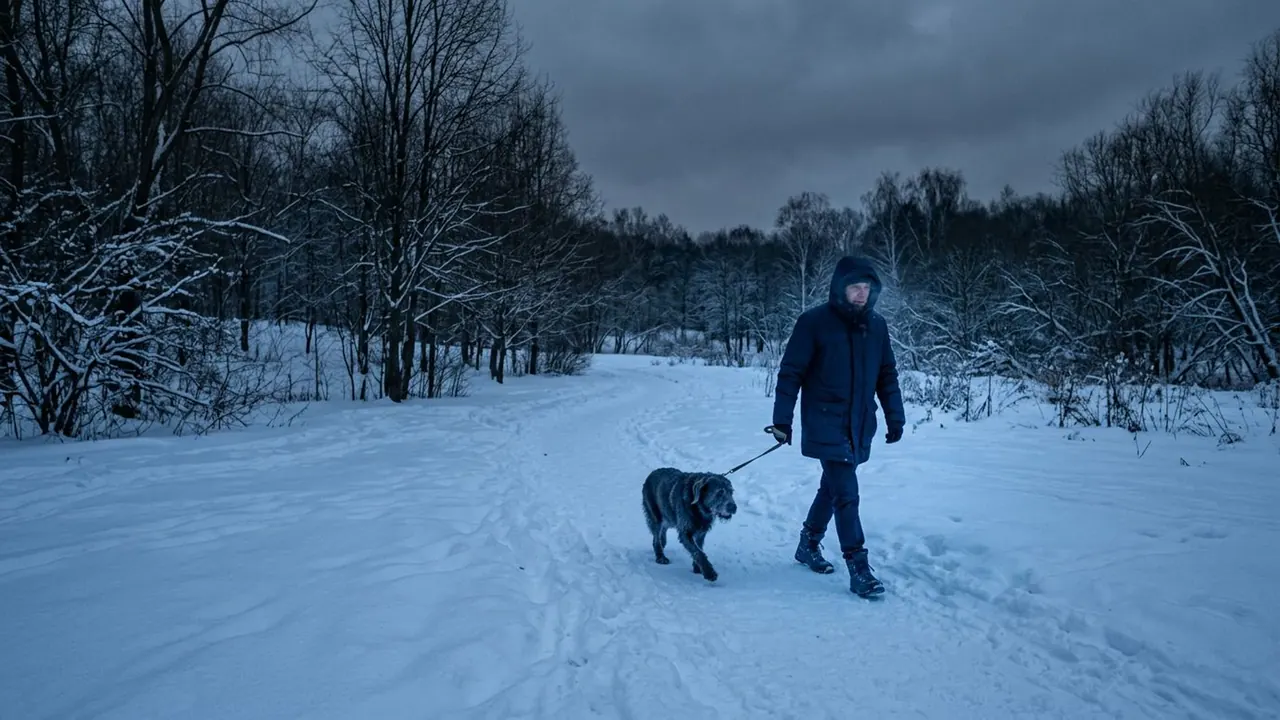
Cool Blue
The whole frame leans blue, and the warmth drops out.
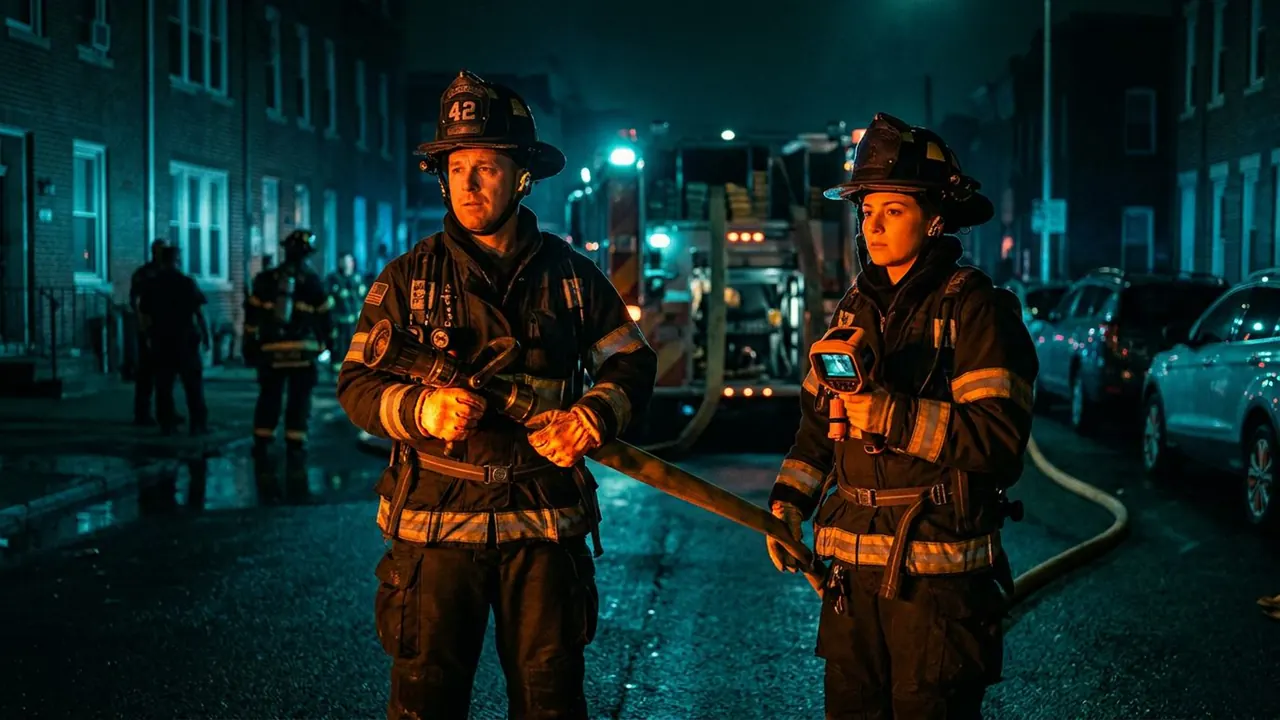
Teal and Orange
Skin holds warm and the shadows go cold blue-green.
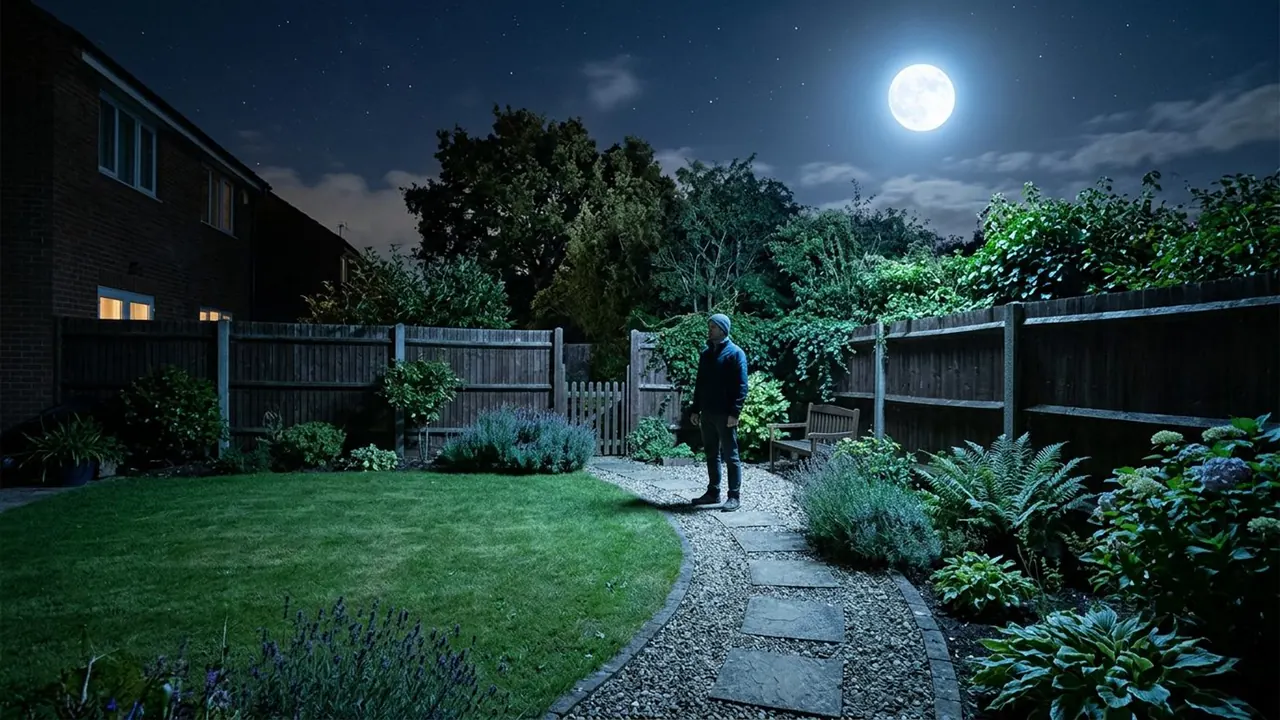
Moonlight Gel
A blue gel stands in for moonlight and keeps the night readable.
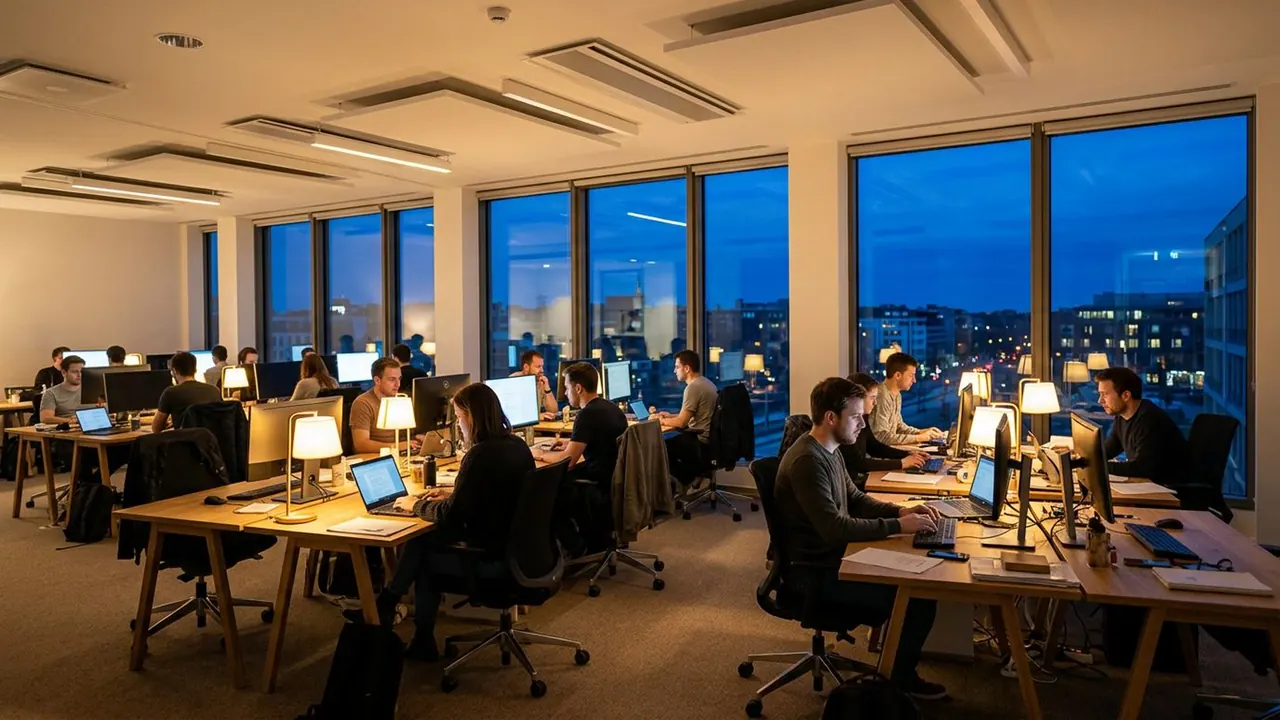
Tungsten Balance
The camera is set for tungsten, so any daylight in frame turns blue.
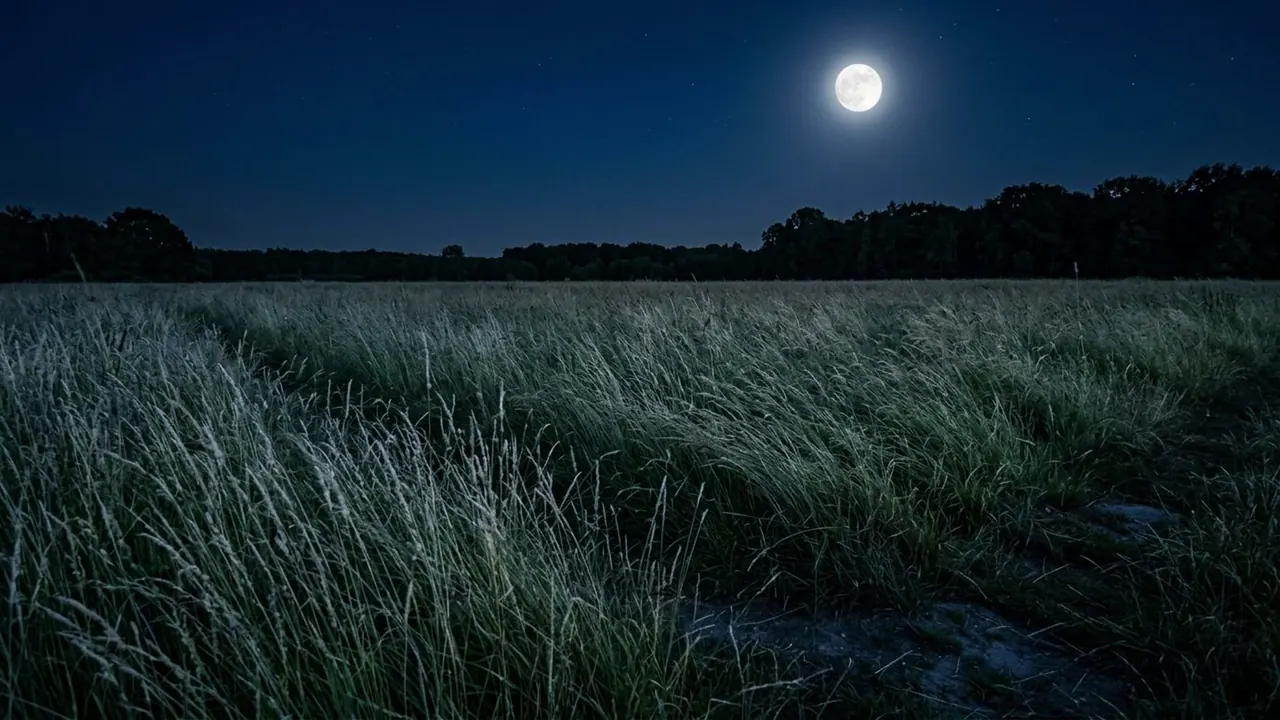
Day for Night
Daylight is graded to read as night without ever being dark.
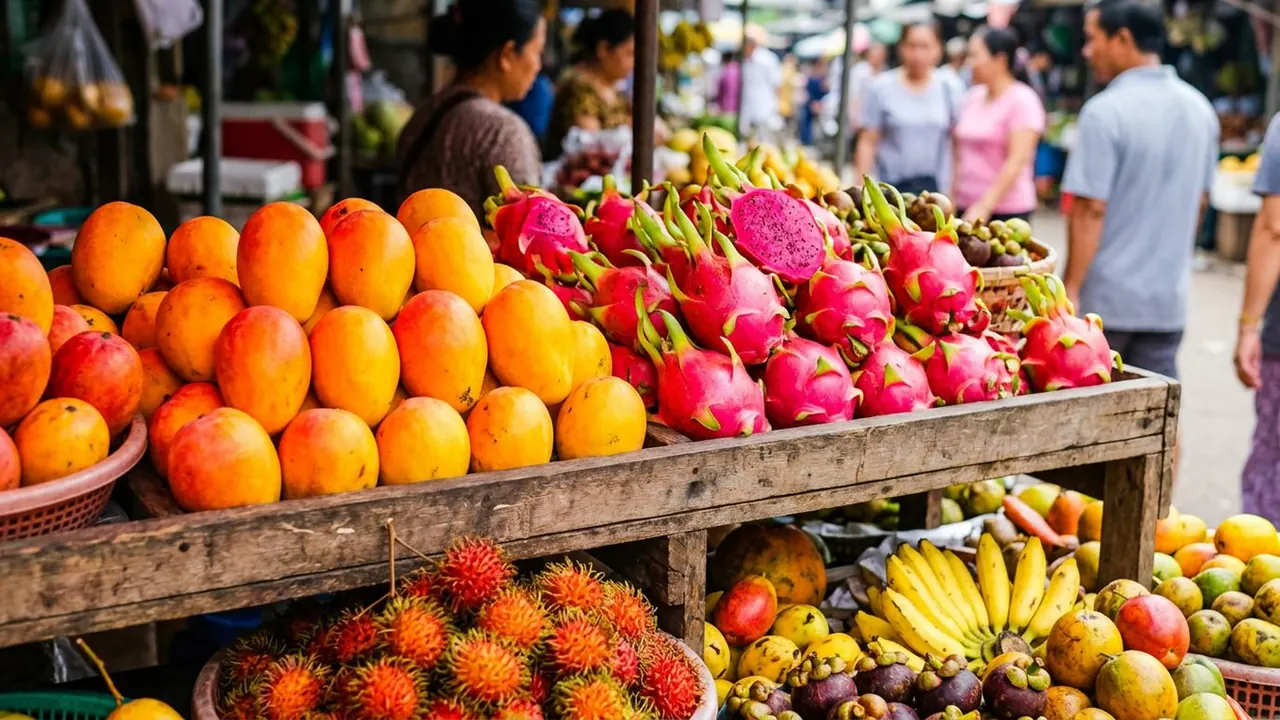
Hyper-Saturation
Colour is pushed far past life until it becomes the subject.
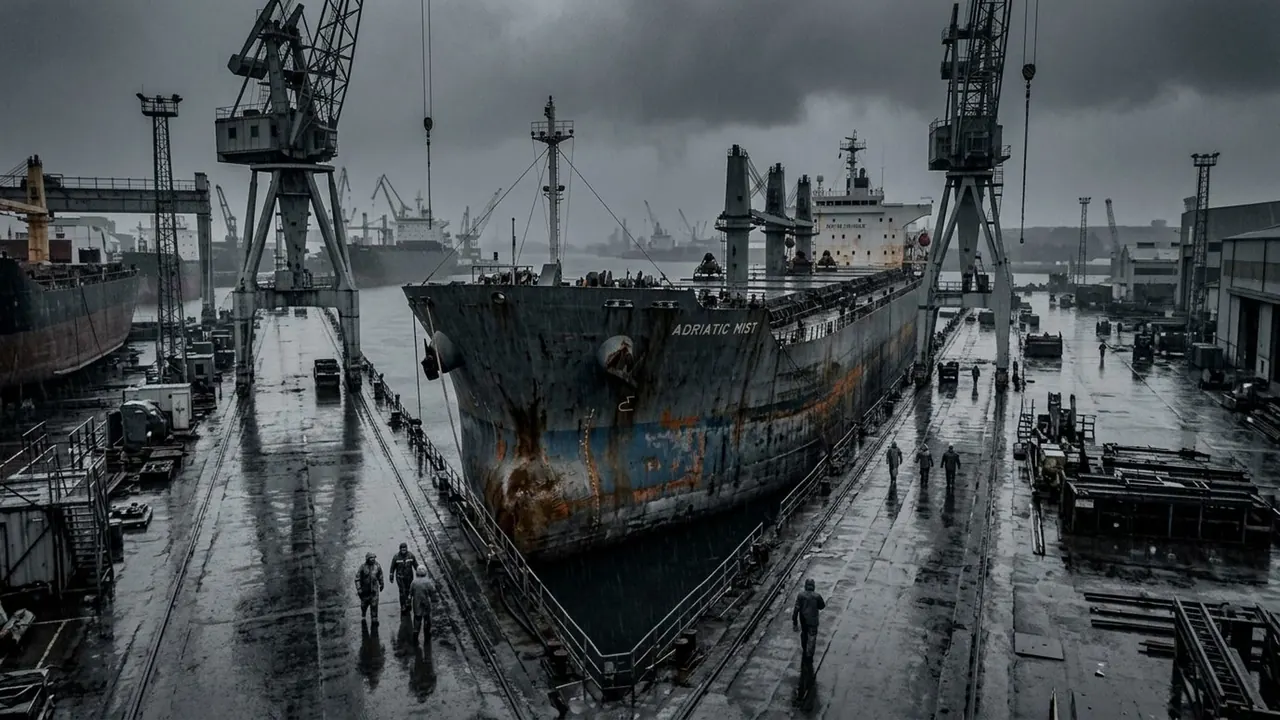
Desaturation
Colour is pulled down toward grey without going fully monochrome.
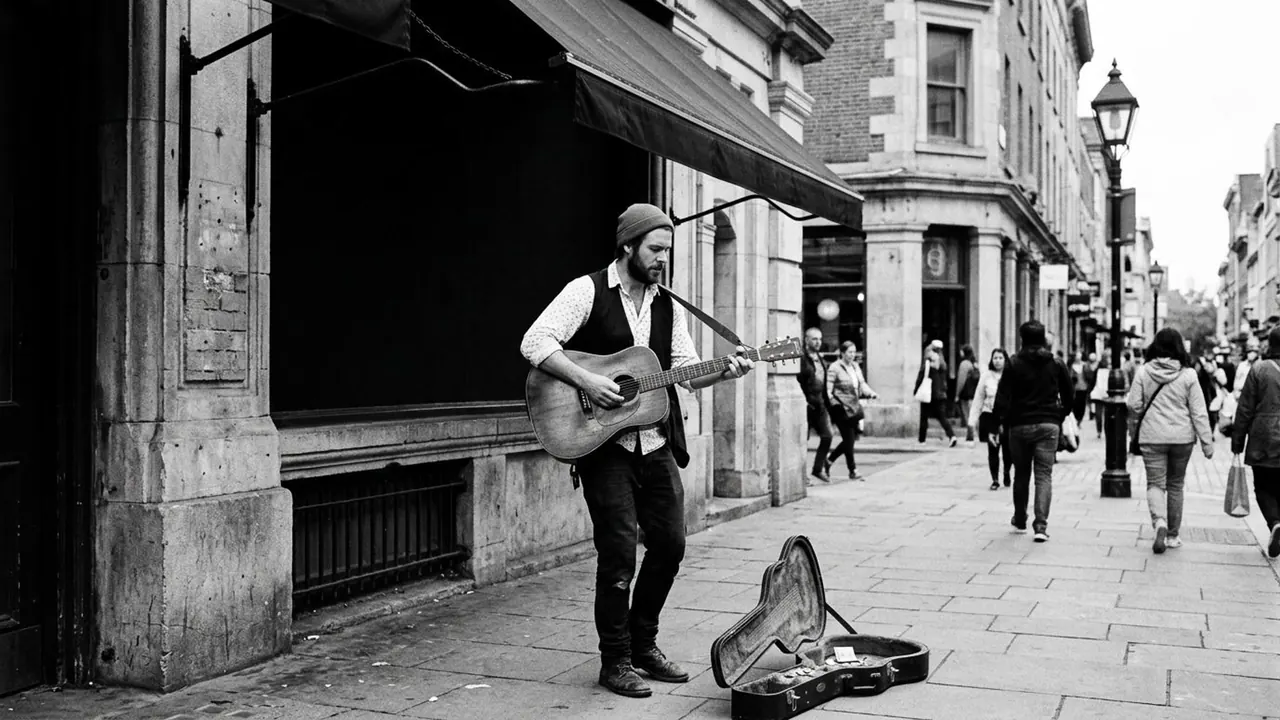
Monochrome
All colour is gone, and tone alone does the work.
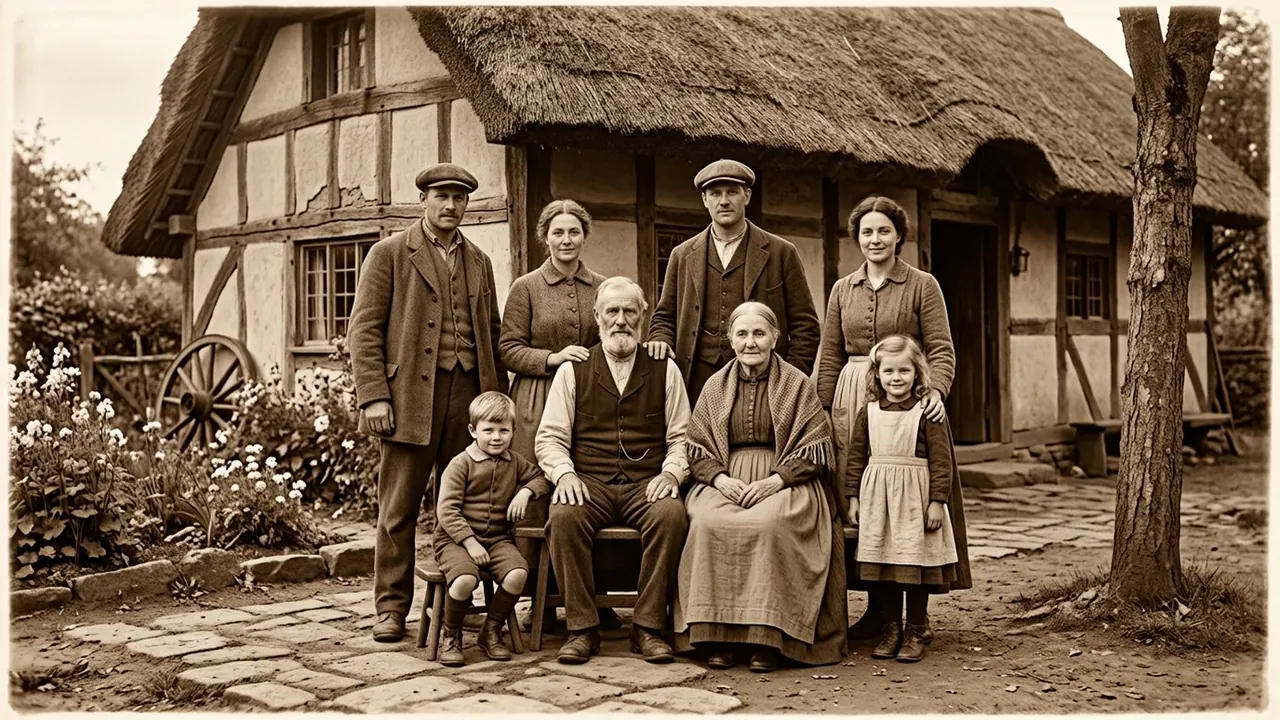
Sepia
A single brown tone carries the whole image.
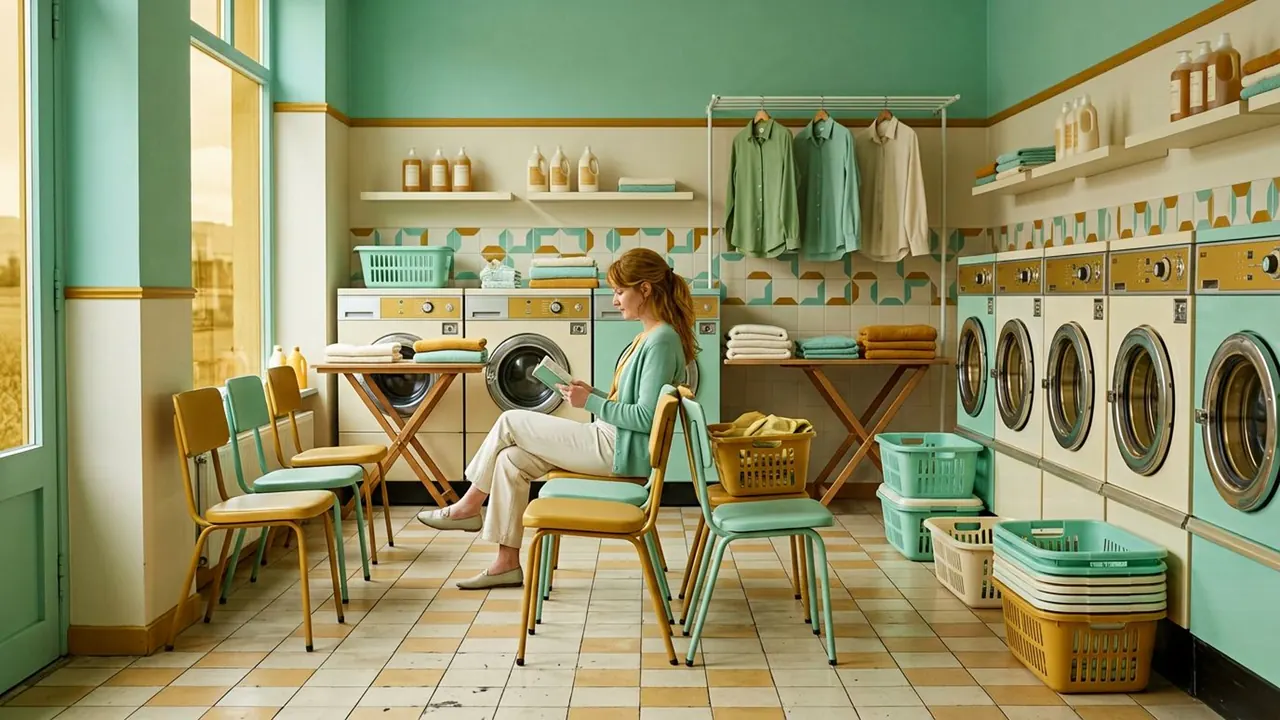
Palette
The frame is restricted to a small set of colours that repeat.
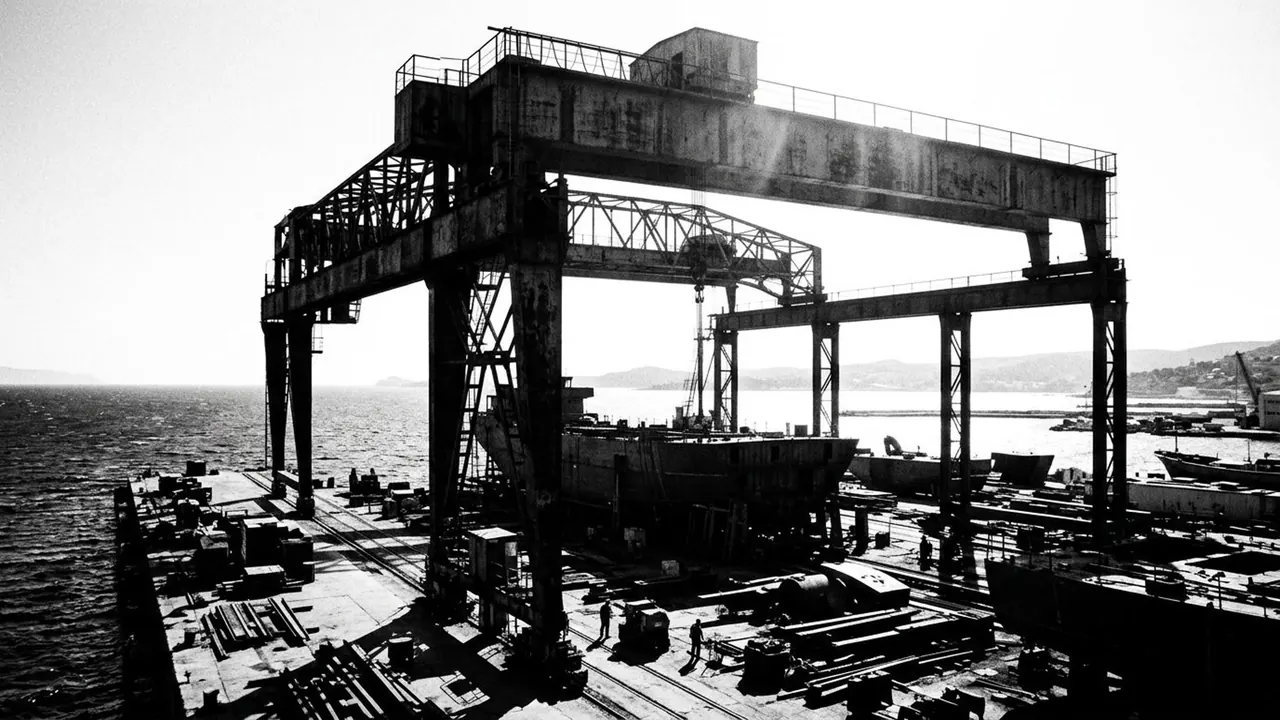
Bleach Bypass
Silver stays in the print, so colour drains and contrast climbs.
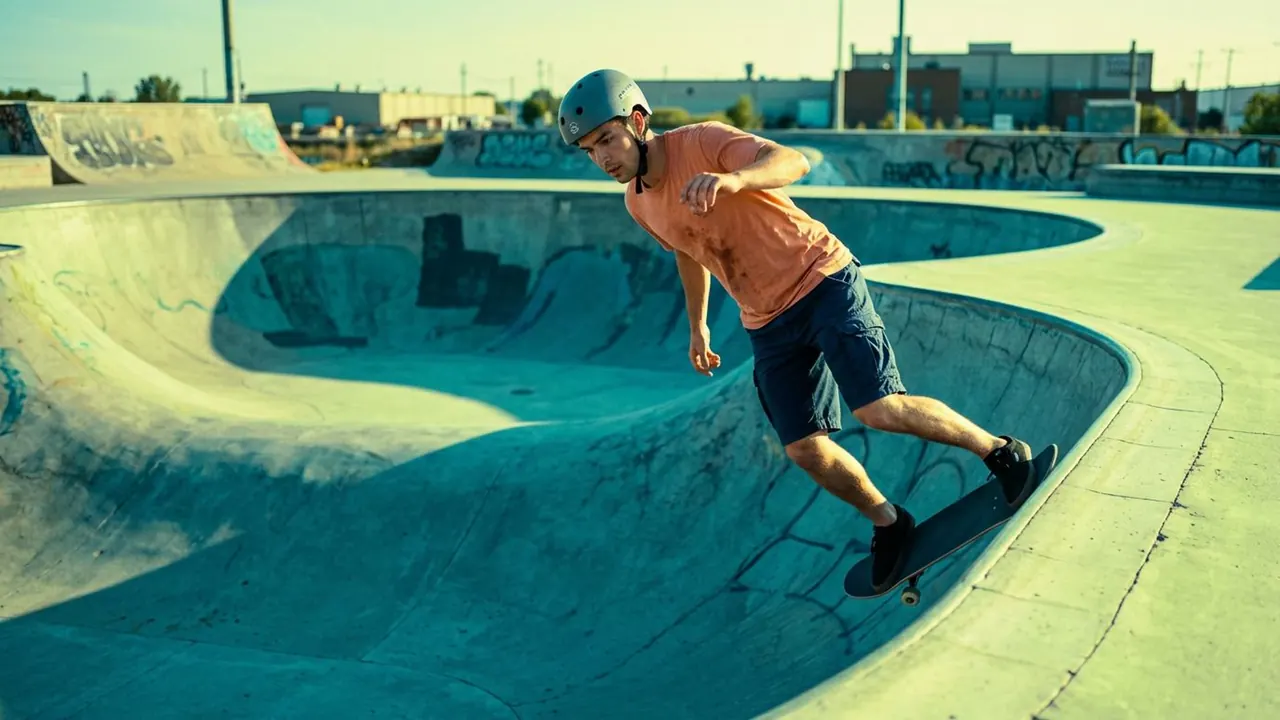
Cross Process
The wrong chemistry crosses the colour curves and skews the tones apart.
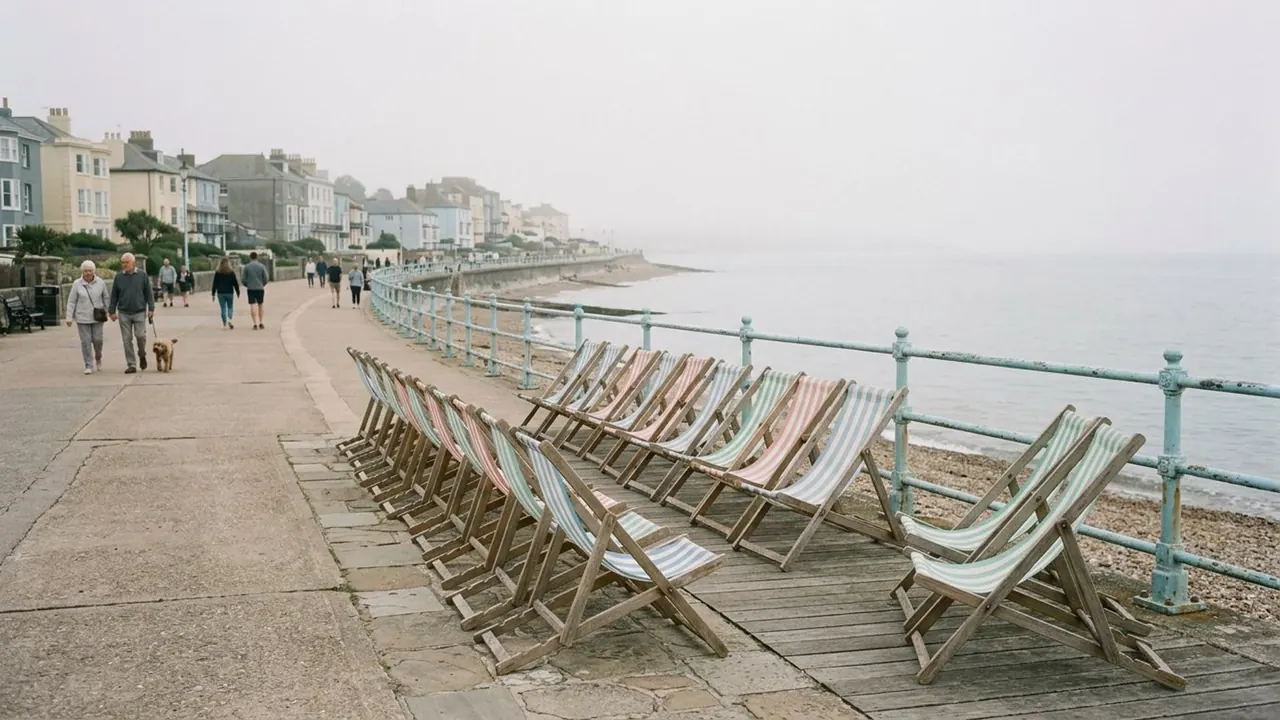
Filmic Faded
Blacks lift and contrast drops, like a print that has aged.
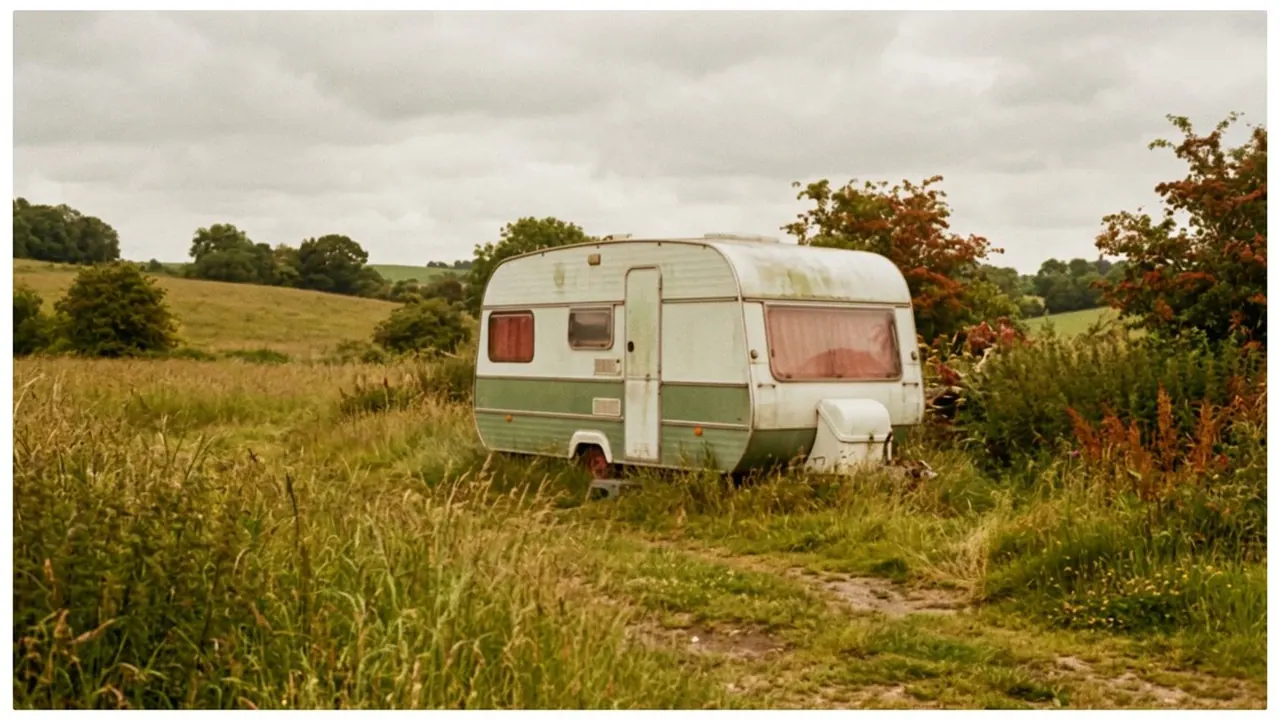
Vintage
The colour behaves like film stock that has aged on the shelf.
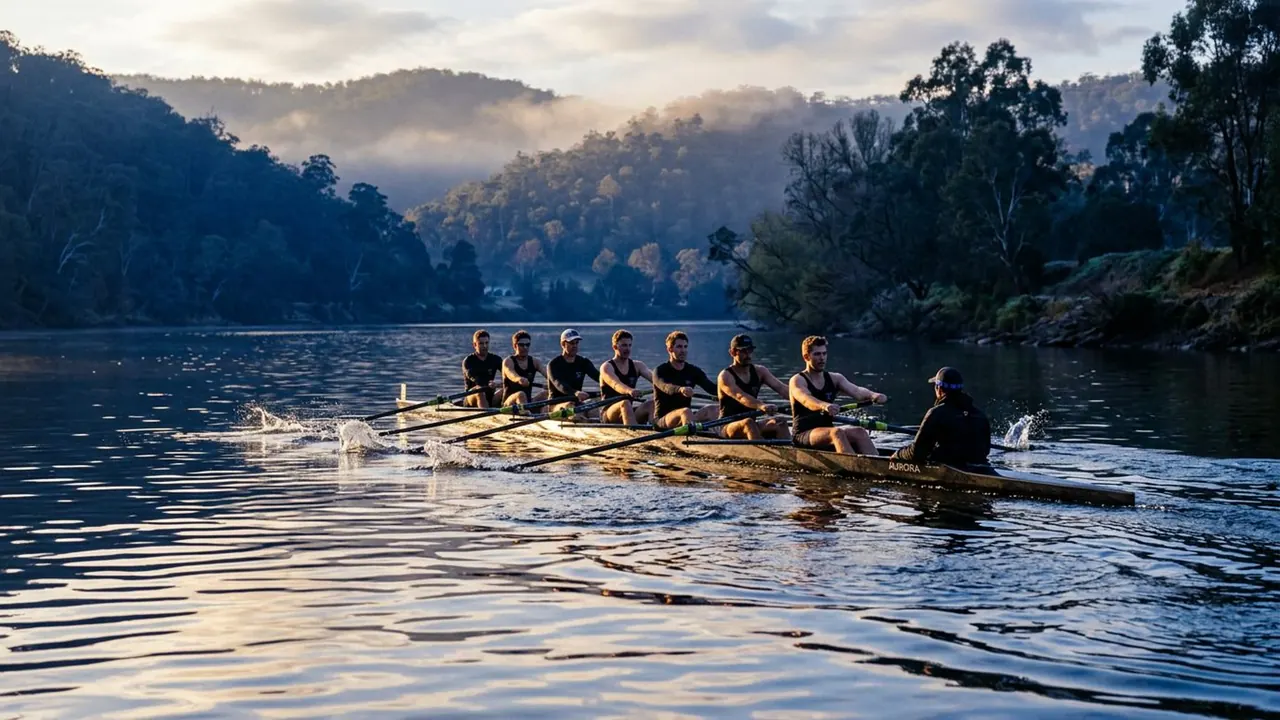
Split Toning
The shadows take one hue and the highlights take another.
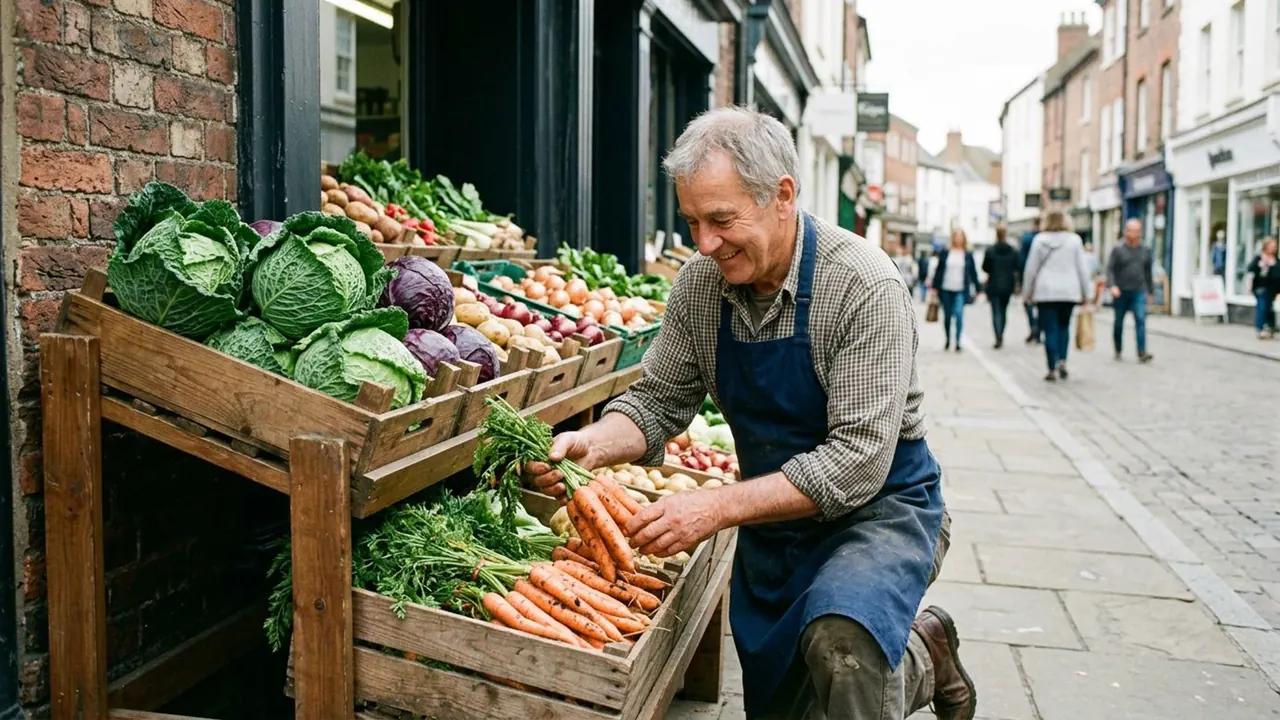
Natural Grade
The grade stays out of the way and the scene looks as it was lit.
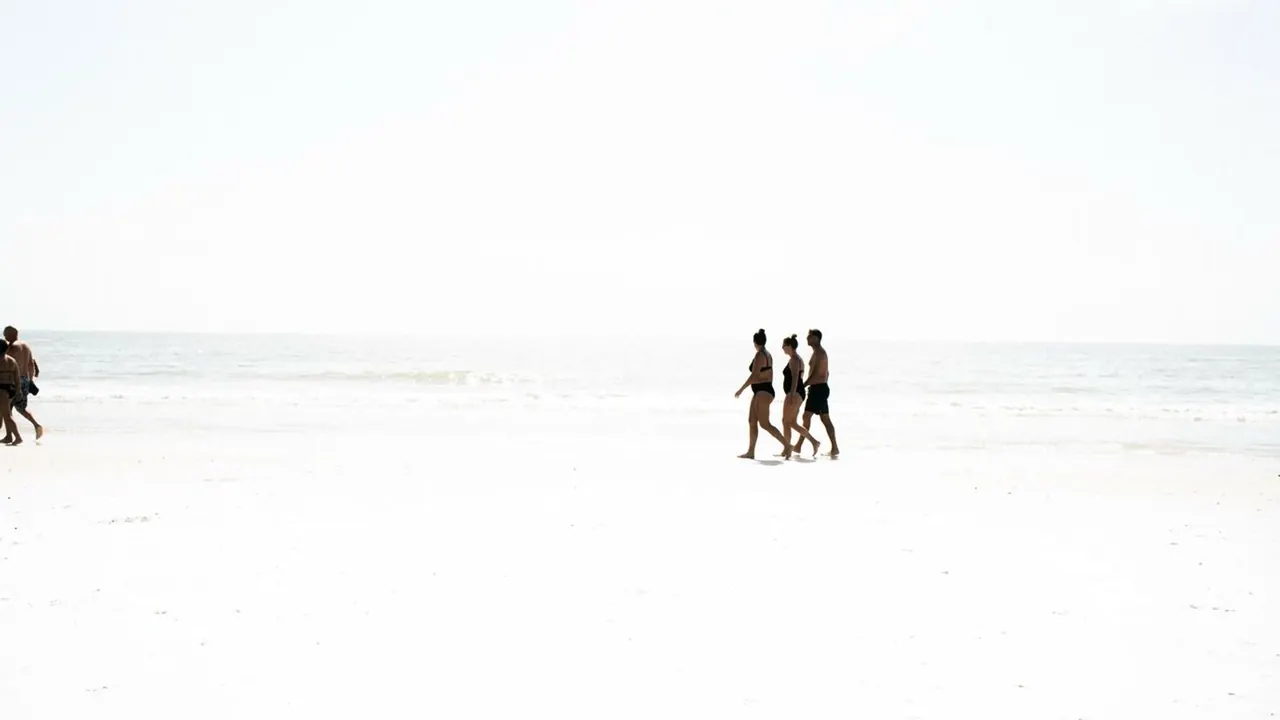
Overexposed
The highlights blow out and detail falls off the top end.
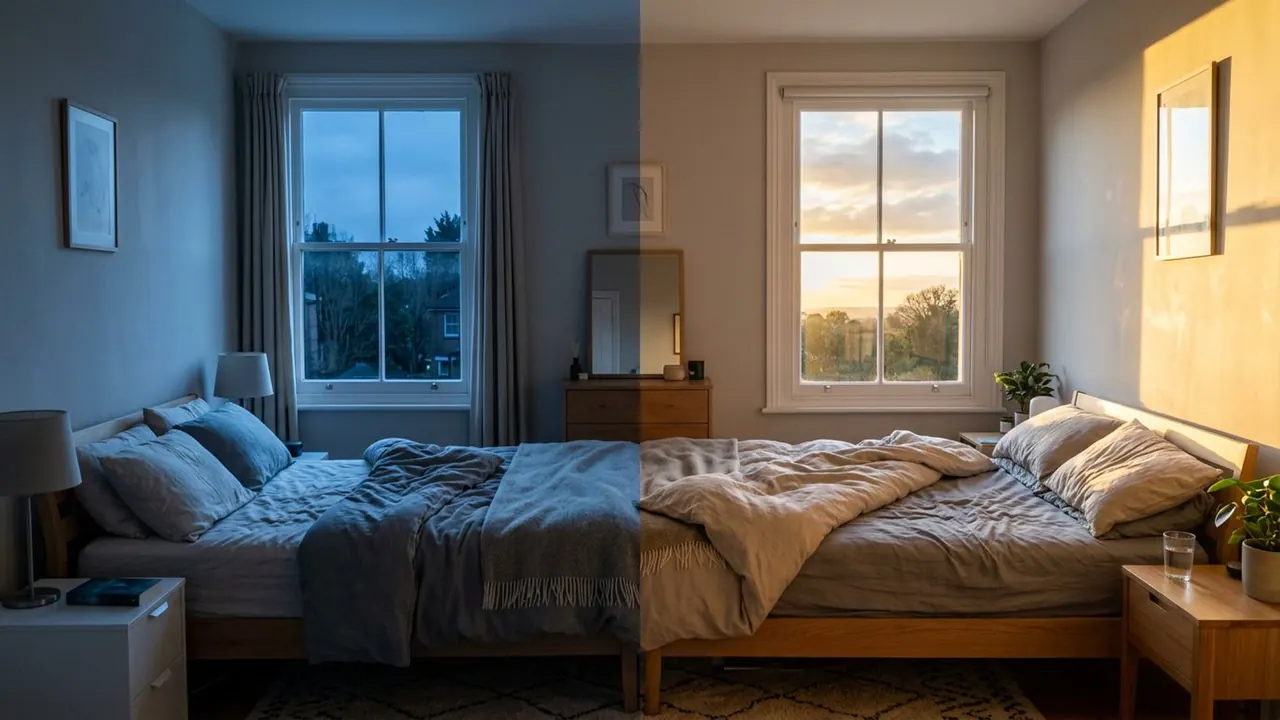
Color Shift
The colour changes through the shot rather than sitting still.
Time and motion21
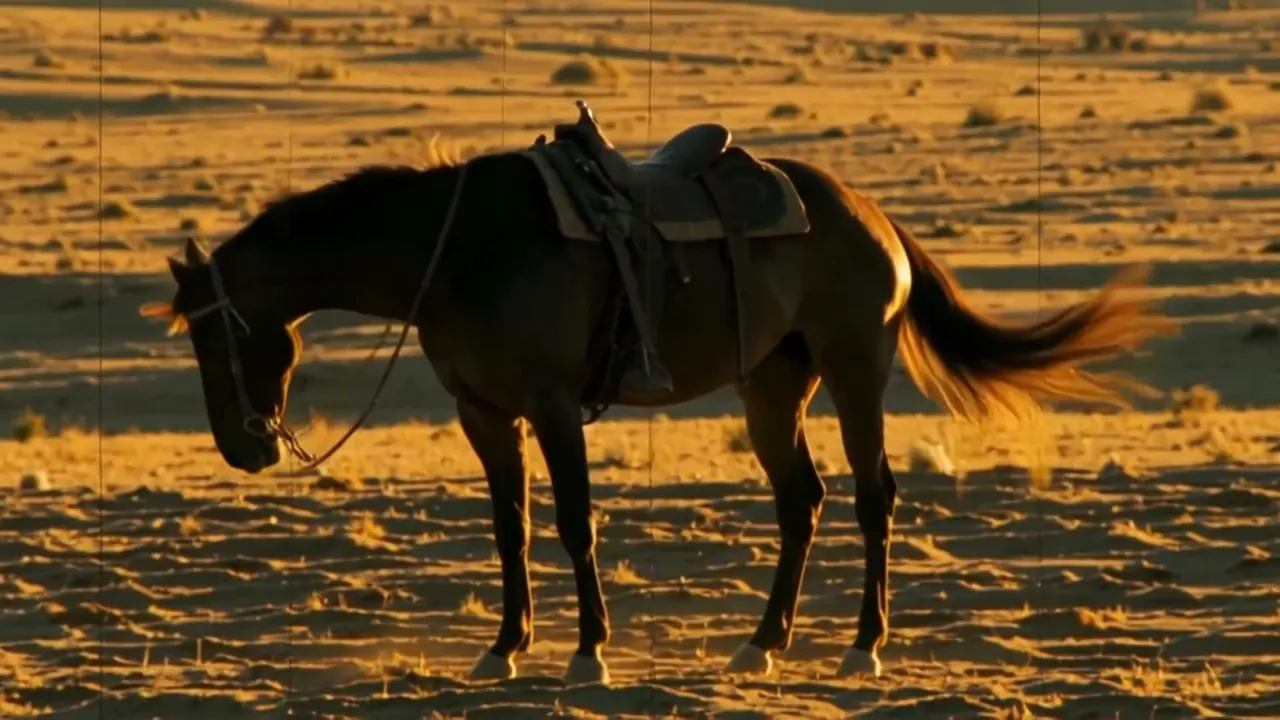
Slow Motion
The action runs slower than life and the detail becomes visible.
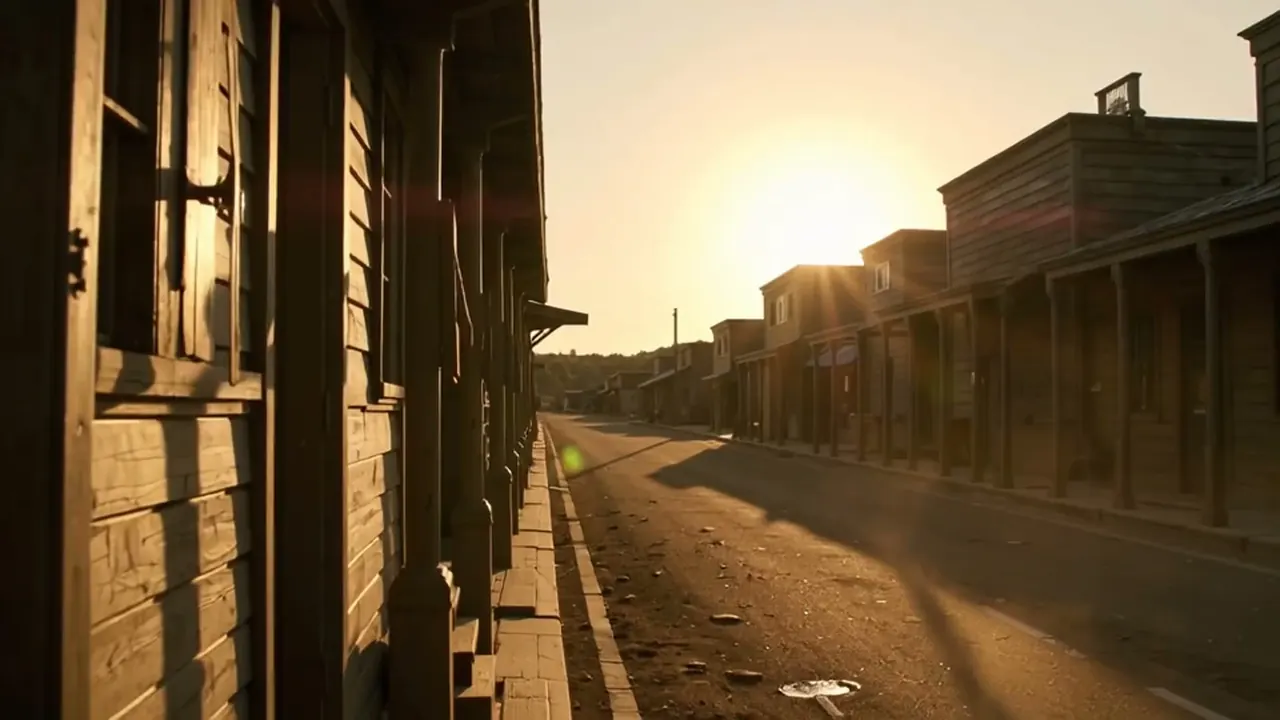
Fast Motion
The action runs faster than life without losing its continuity.
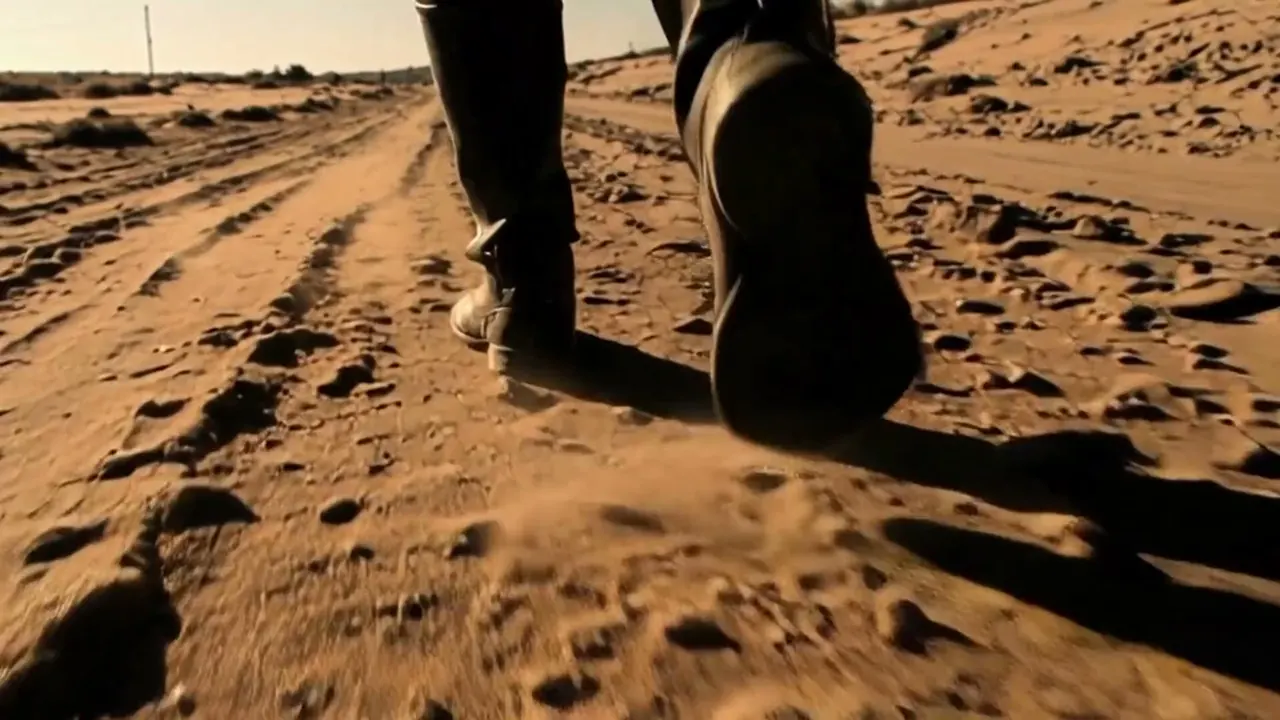
Speed Ramp
The speed changes inside the shot, from fast to slow or back.
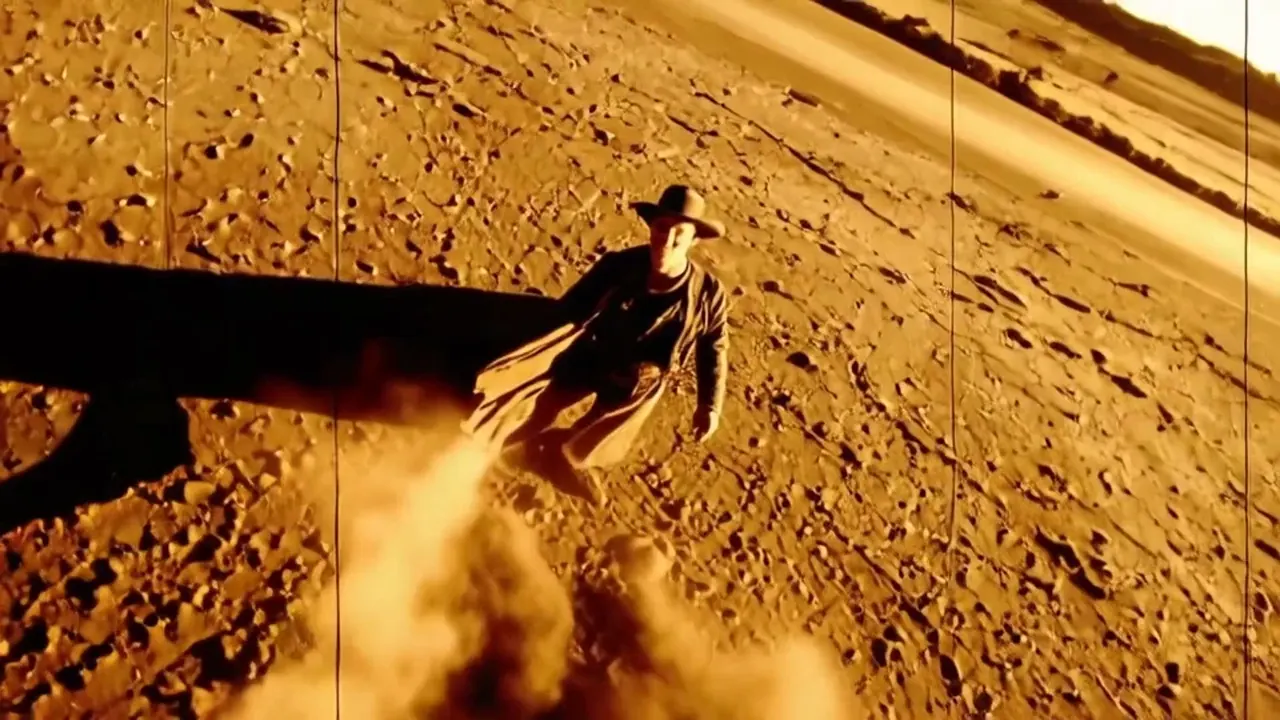
Bullet Time
Time nearly stops while the camera keeps travelling around the subject.
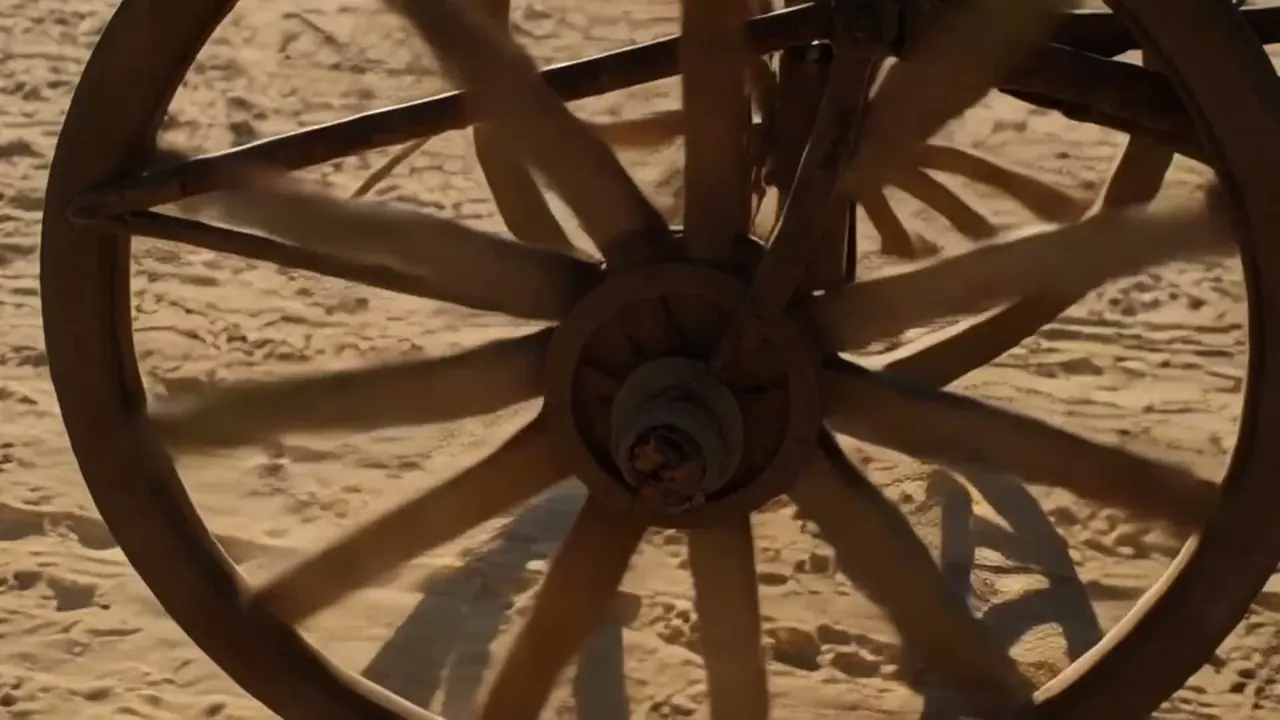
Motion Blur
Moving things blur along their path, the way a real shutter renders them.
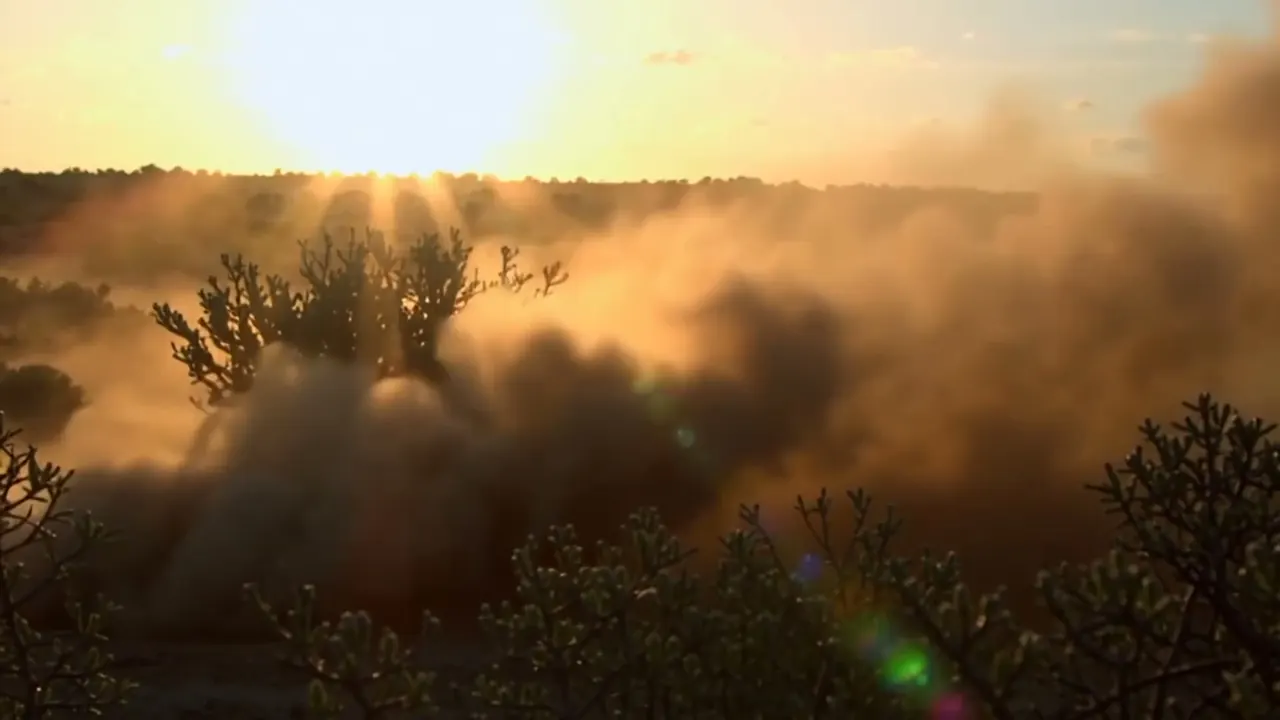
Low Shutter
A long exposure smears every moving thing into a trail.
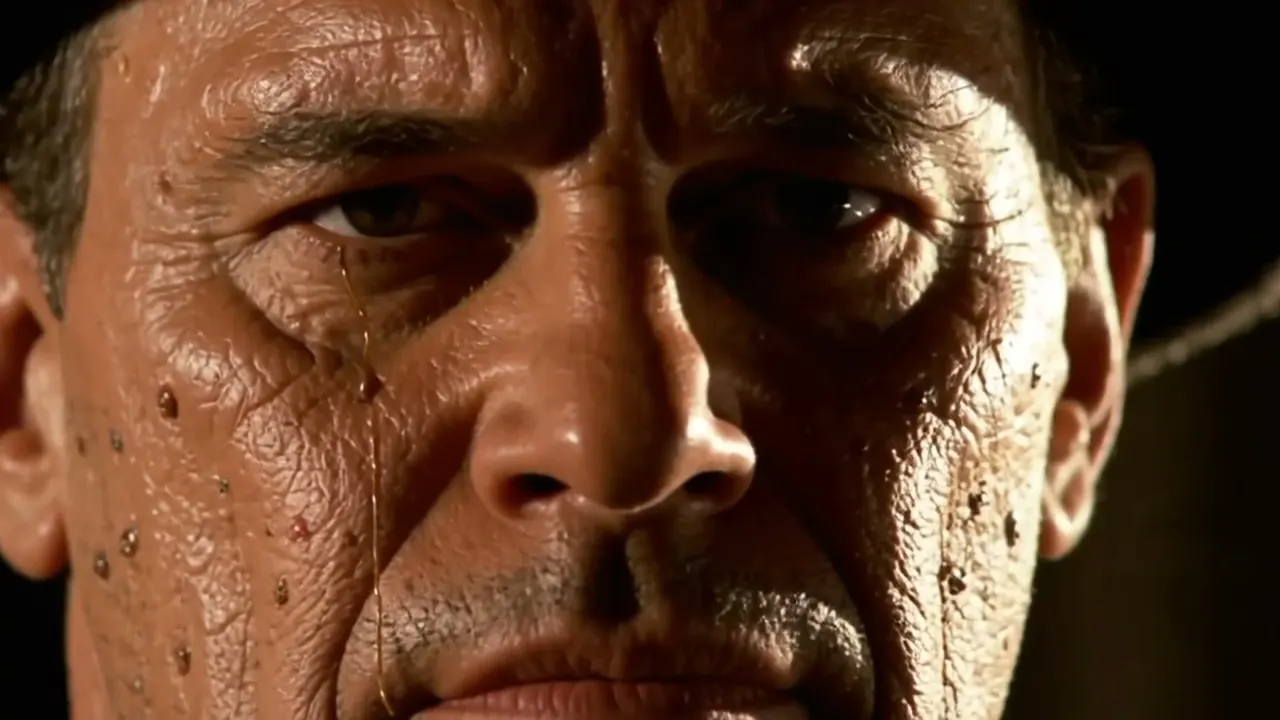
Freeze Frame
The image stops dead on one frame and holds.
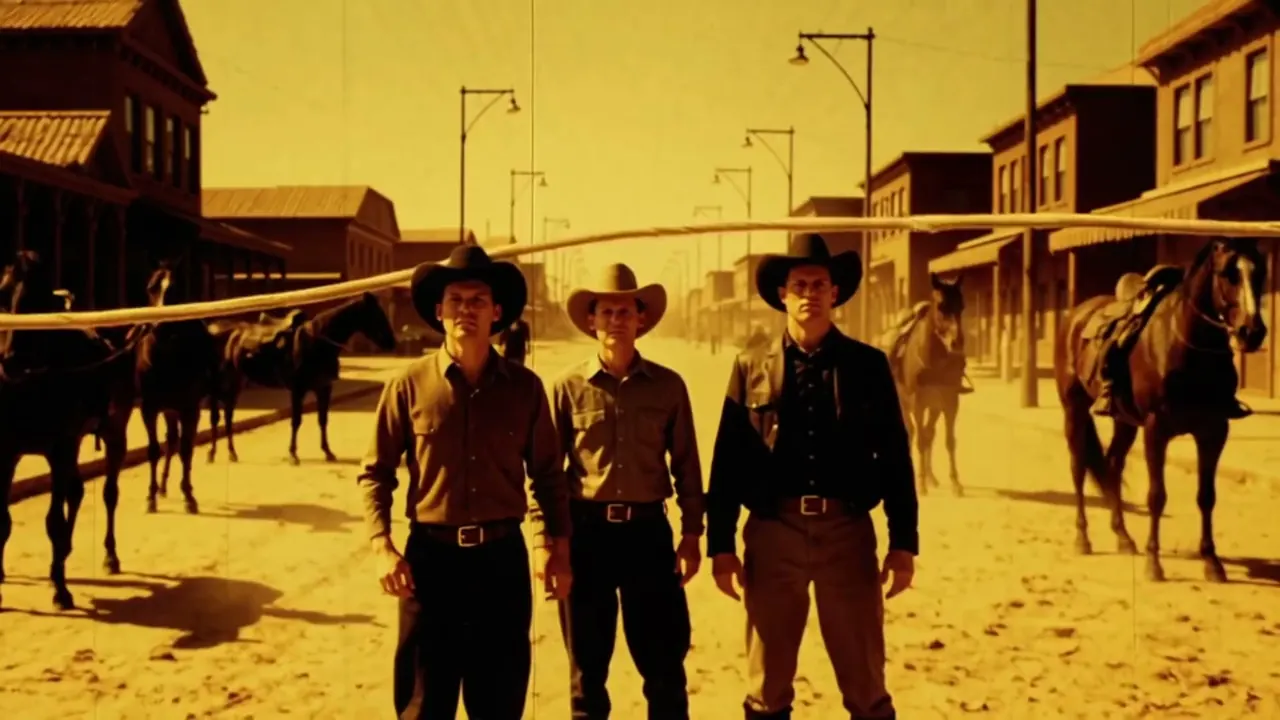
Frozen in Motion
Everything in the scene holds still mid-action while one thing continues.
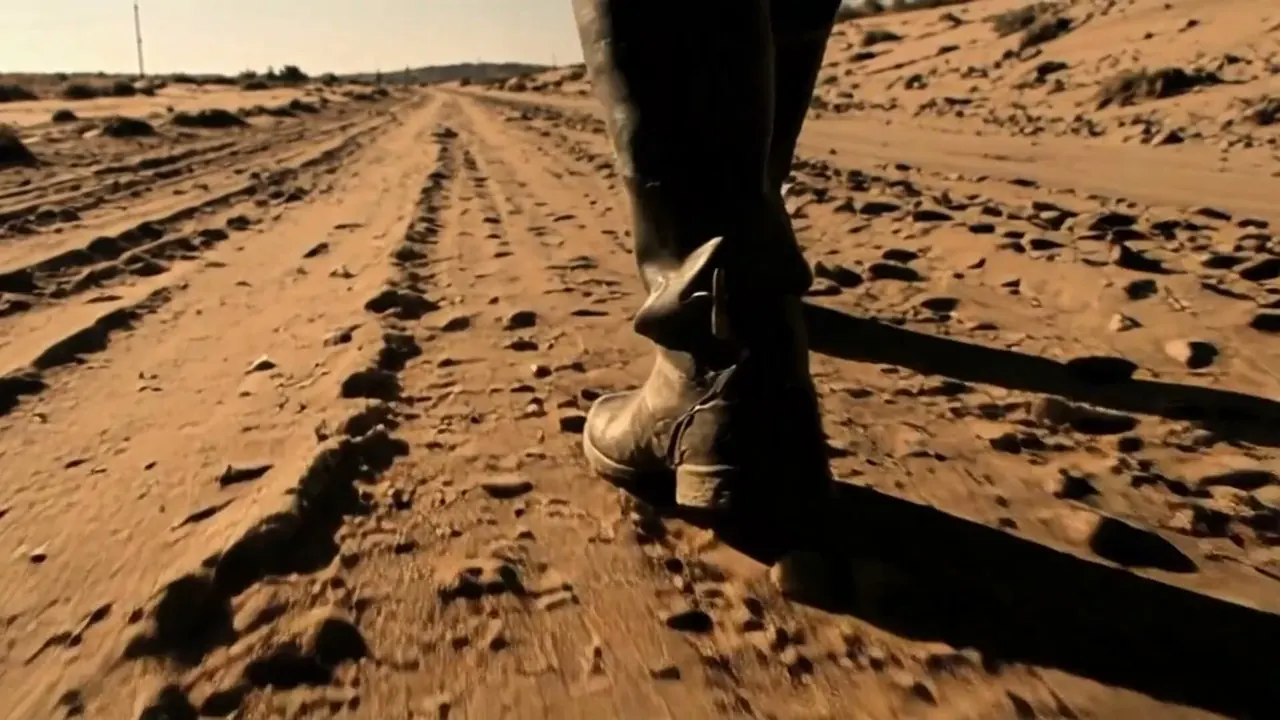
Reverse Motion
The action runs backward.
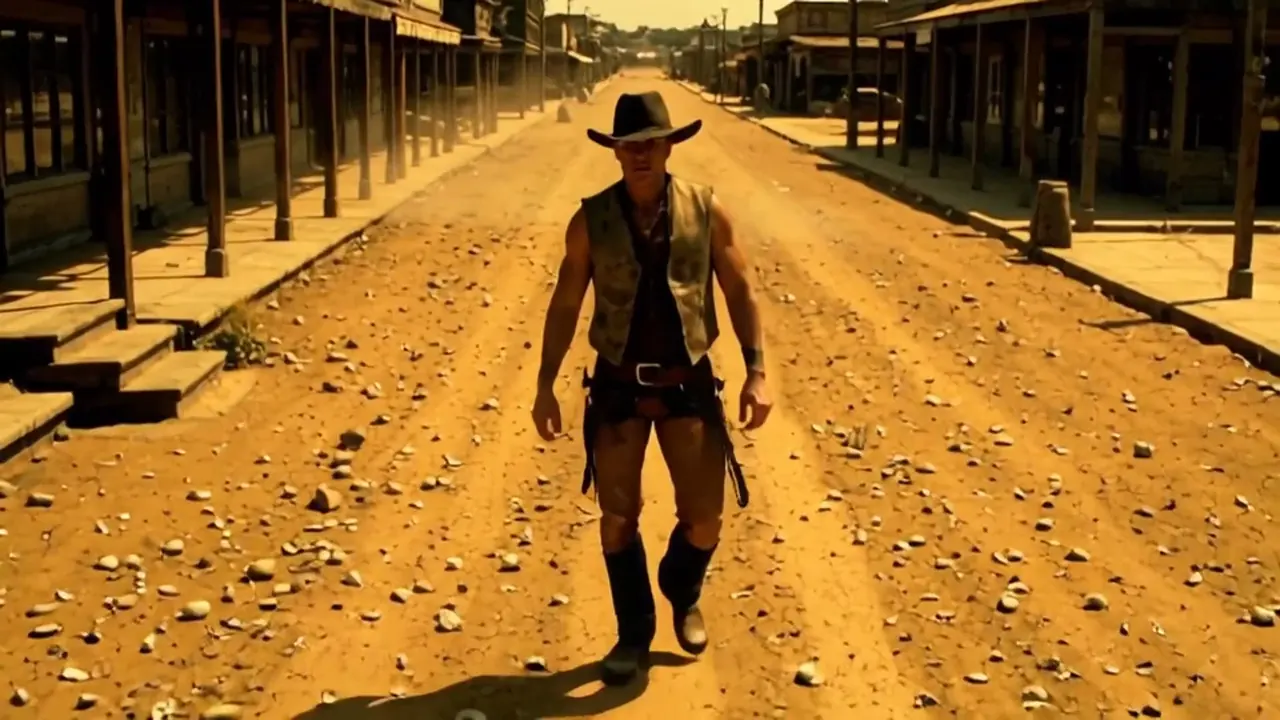
Moonwalk
The subject moves forward while appearing to travel backward.
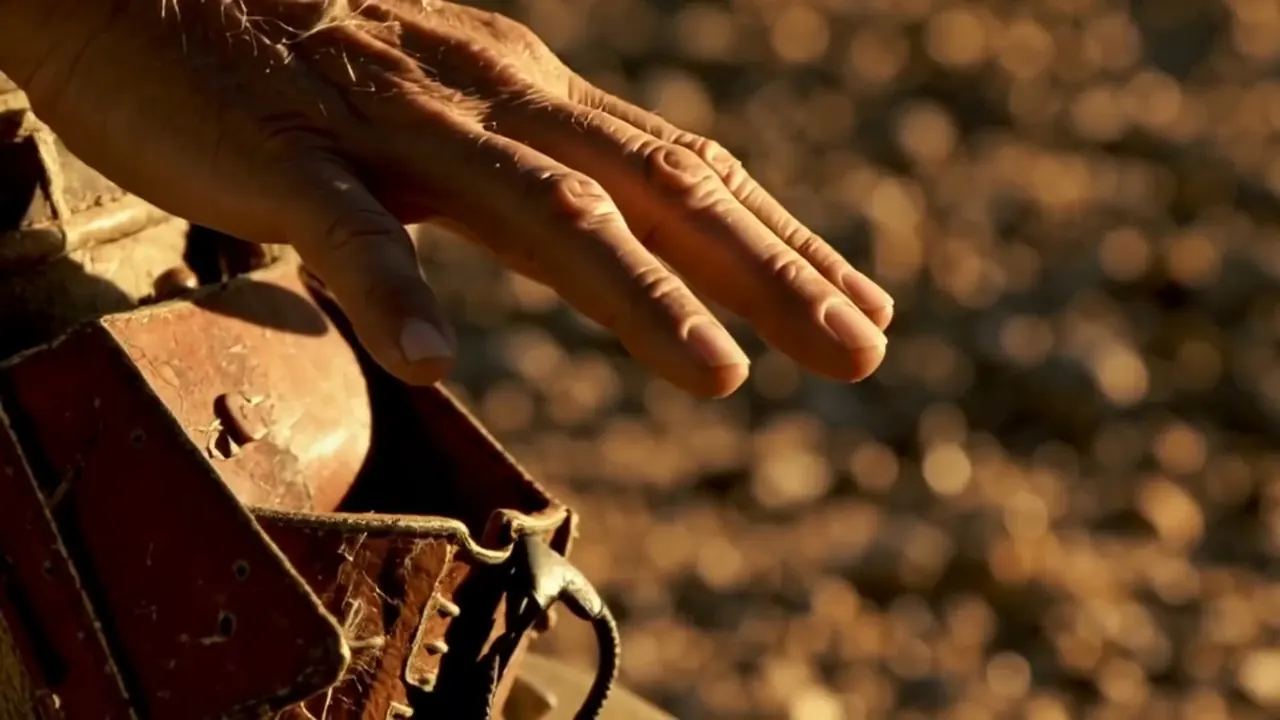
Boomerang
A short action plays forward, then backward, and repeats.
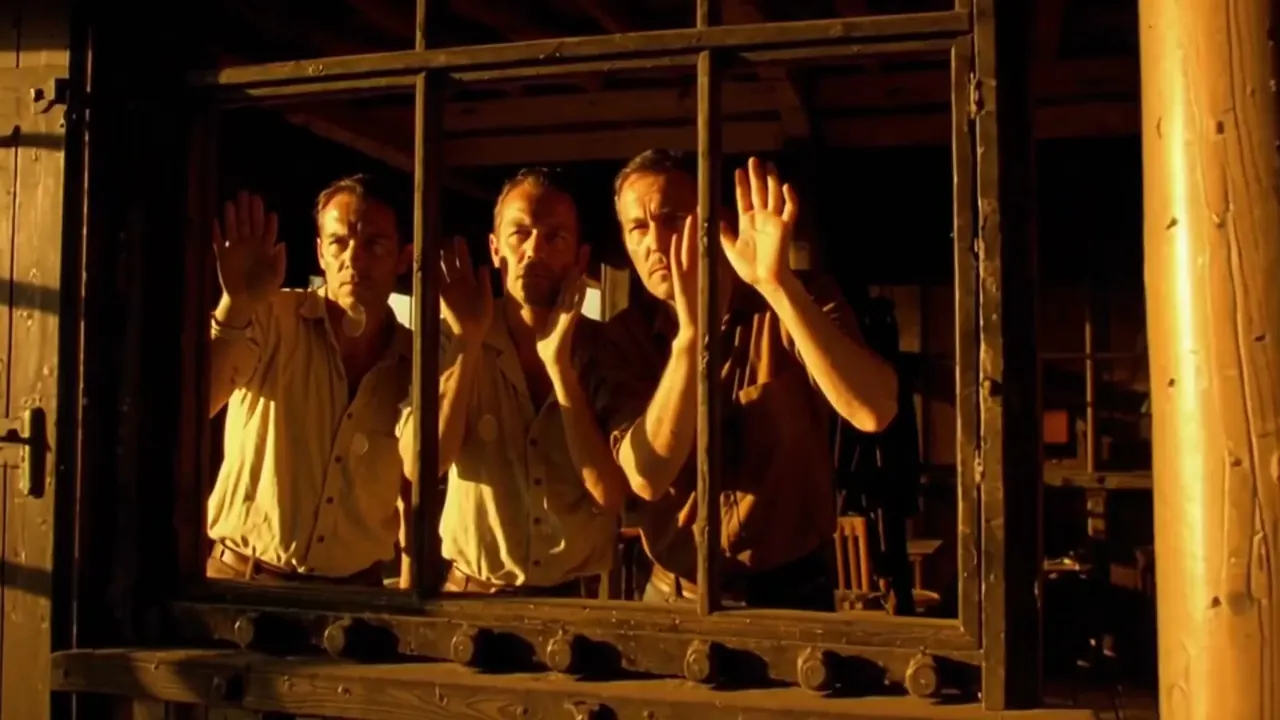
Stutter / Stop-Stutter
Frames repeat, so the motion jerks instead of flowing.
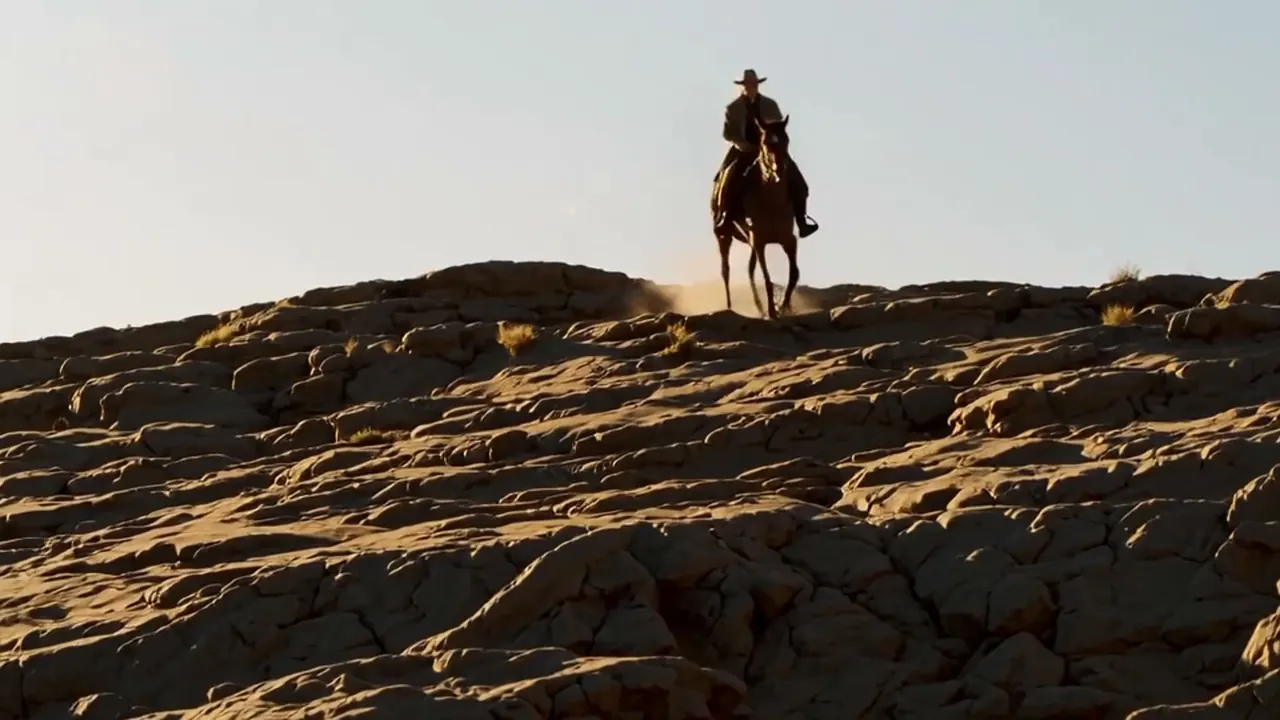
Step Printing
Frames repeat and skip, so the motion stutters and leaves trails.
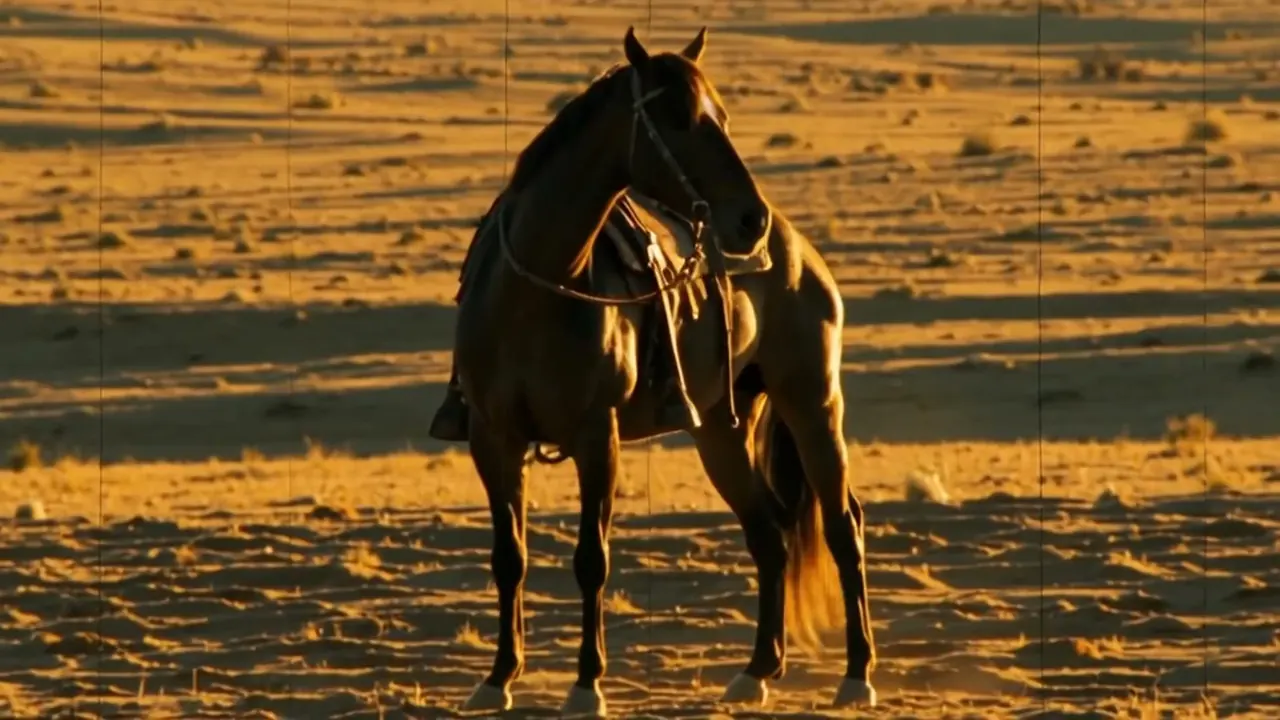
Stop Motion
The movement is built one frame at a time, so it advances in small jumps.
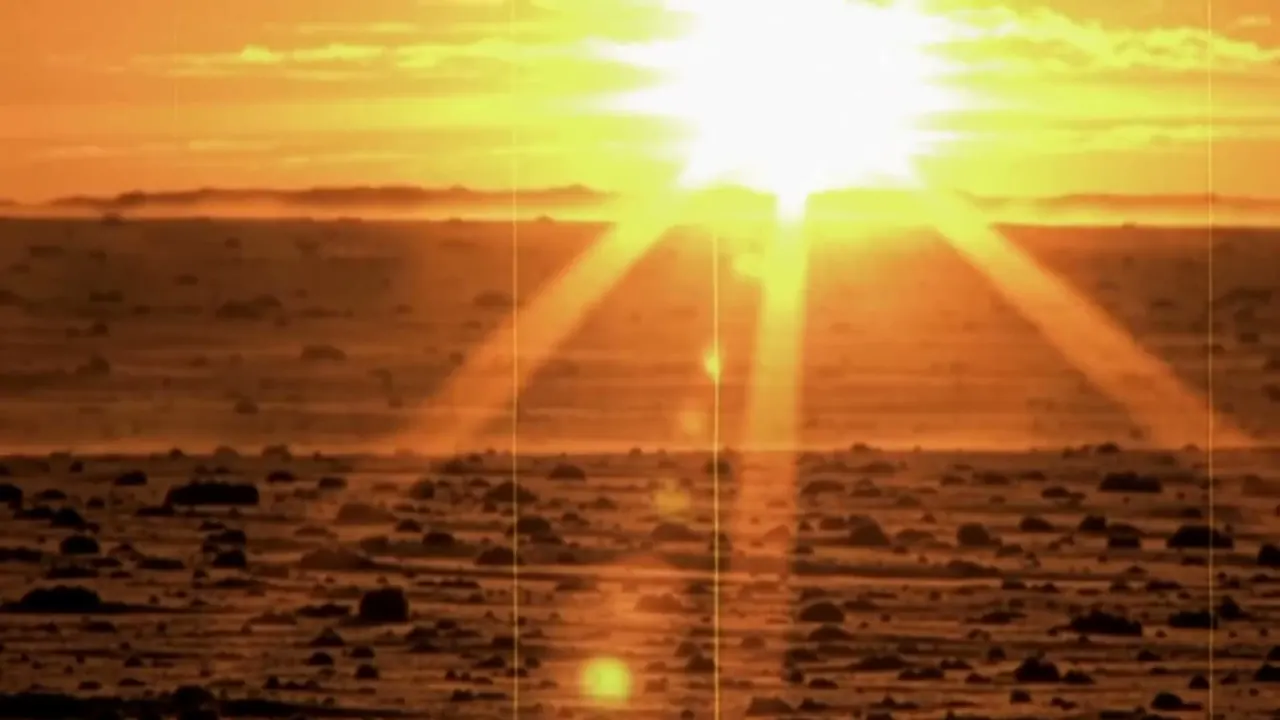
Infinite Loop
The end of the shot matches the start, so it plays forever.
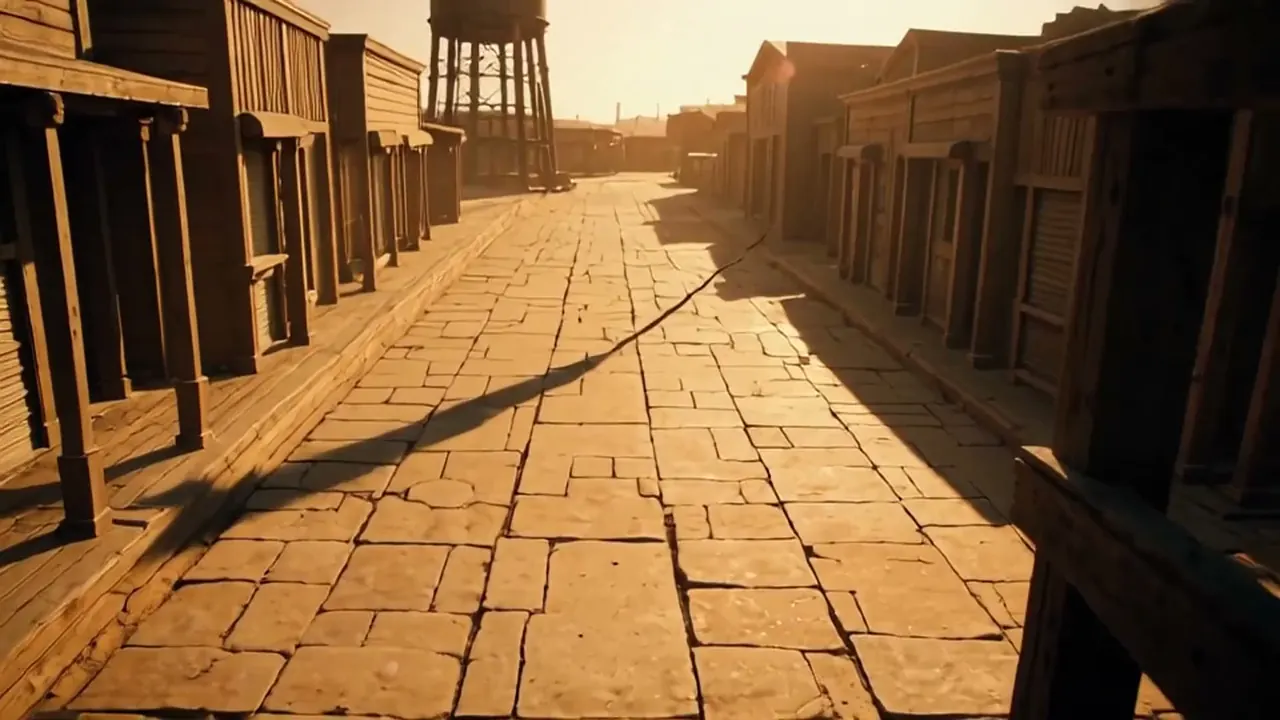
Time-Lapse
Hours compress into seconds, and slow change becomes movement.
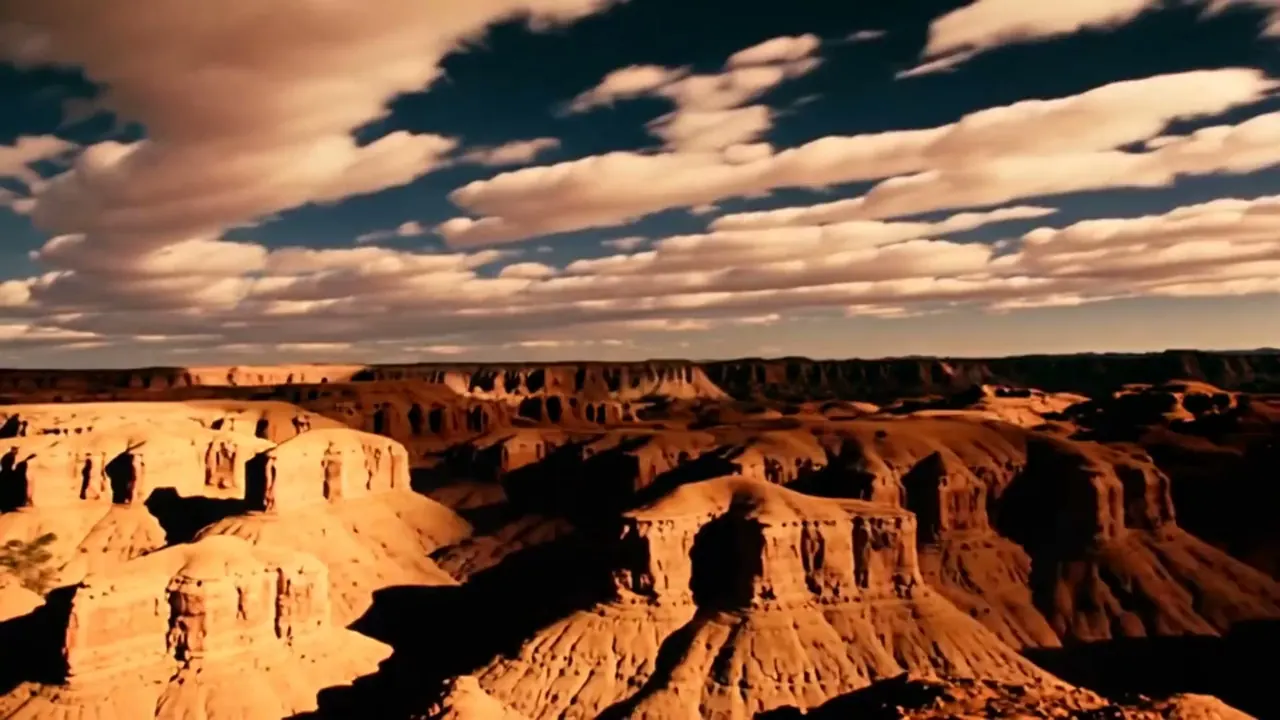
Timelapse Landscape
Cloud and light race across terrain that does not move.
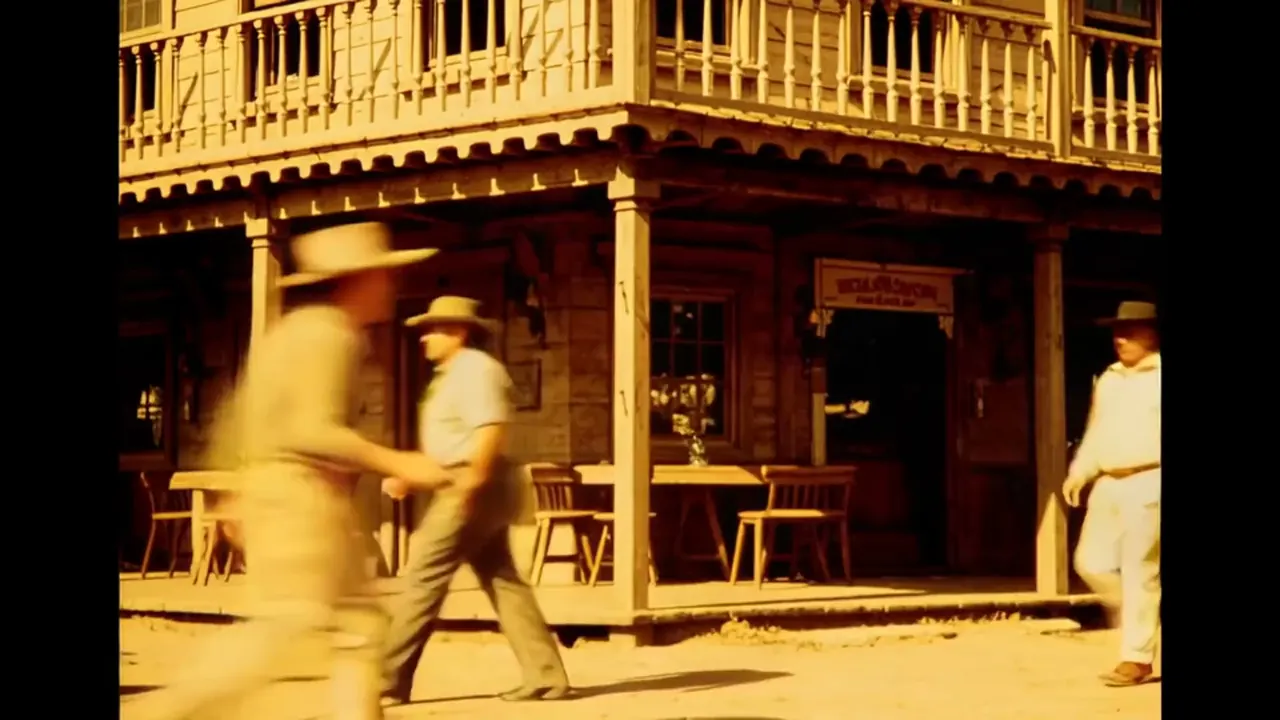
Timelapse Human
People compress into streaks and the space stays still.
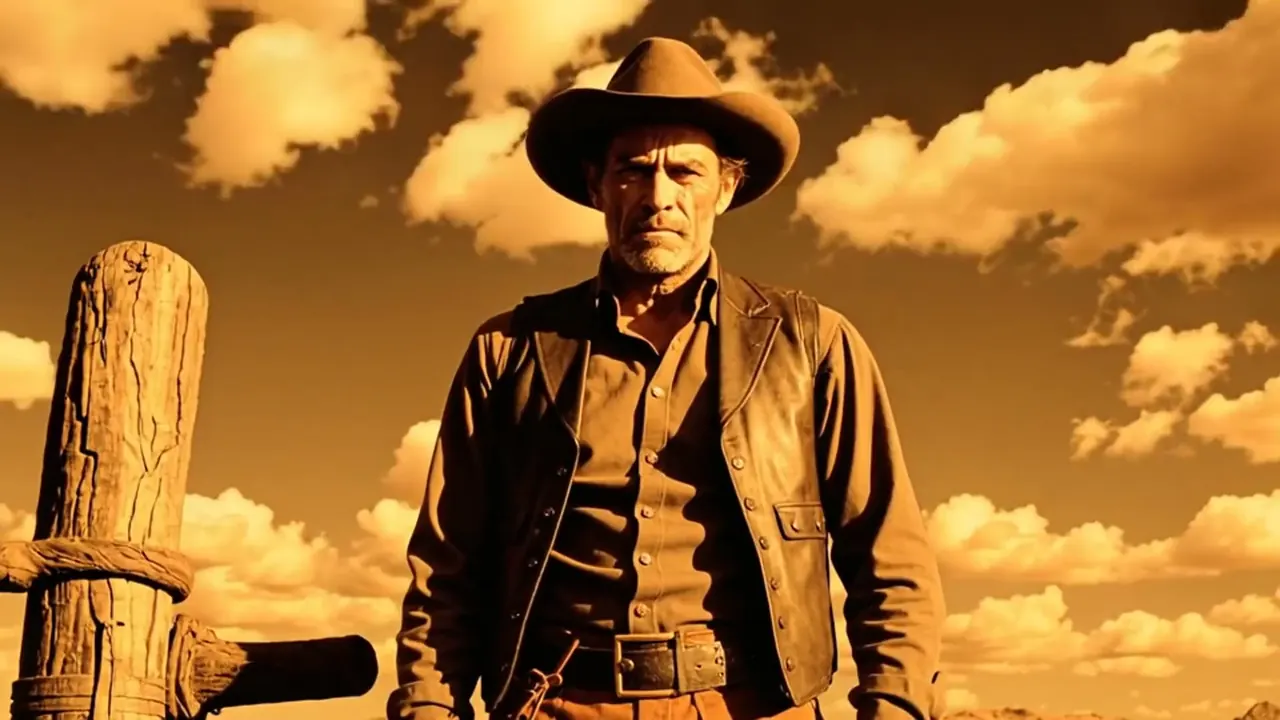
Timelapse Glam
The subject stays sharp and still while the world races behind them.
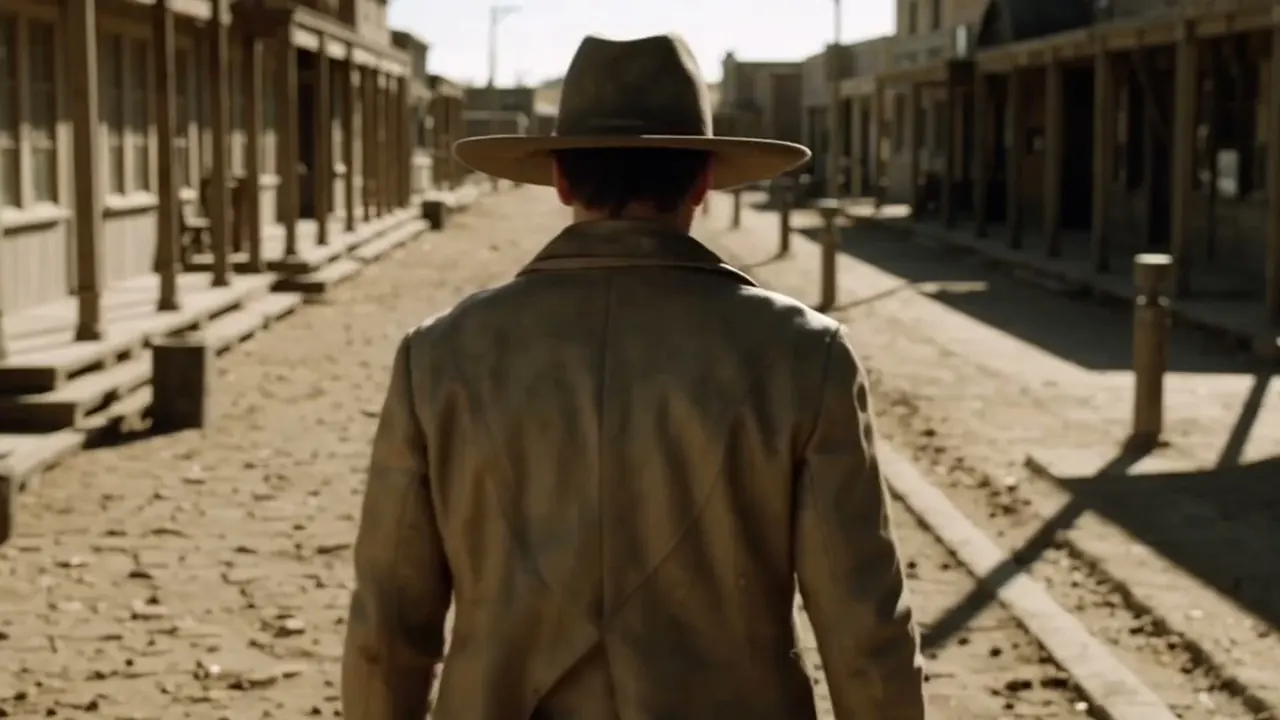
Long Take
One shot runs far longer than usual with no cut.
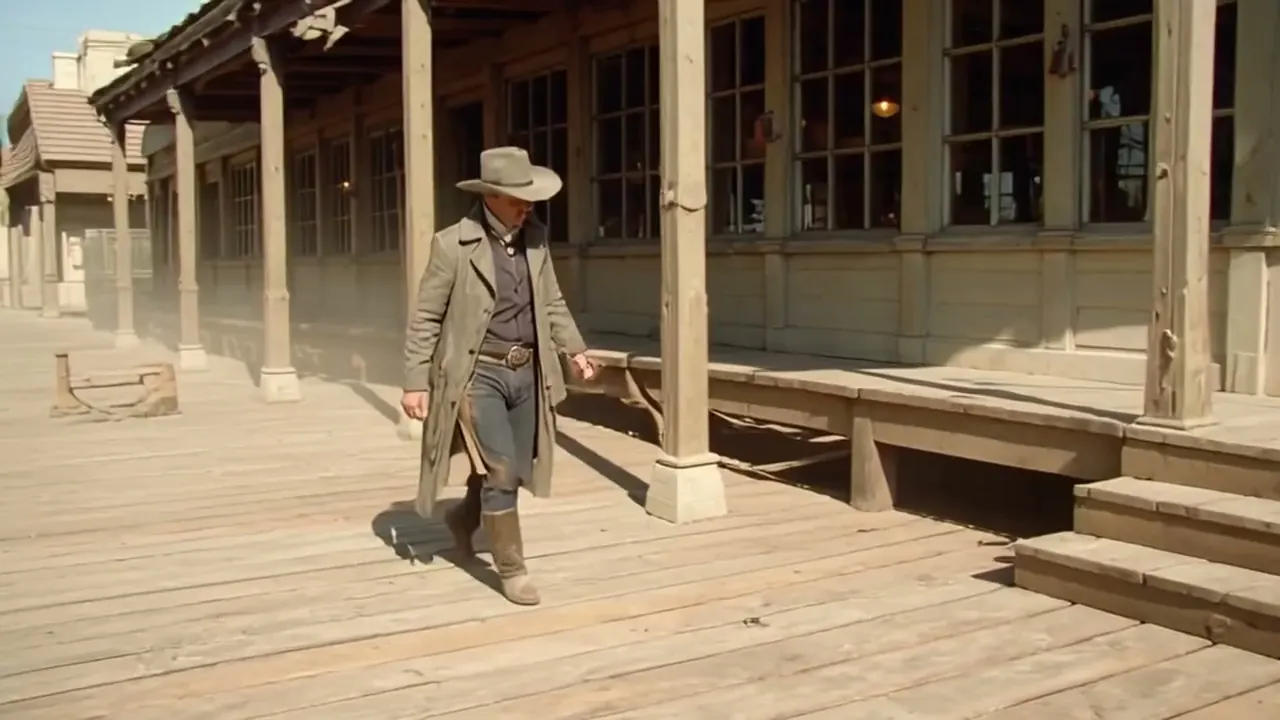
Oner
A whole scene plays in a single unbroken shot.
Cuts and transitions23
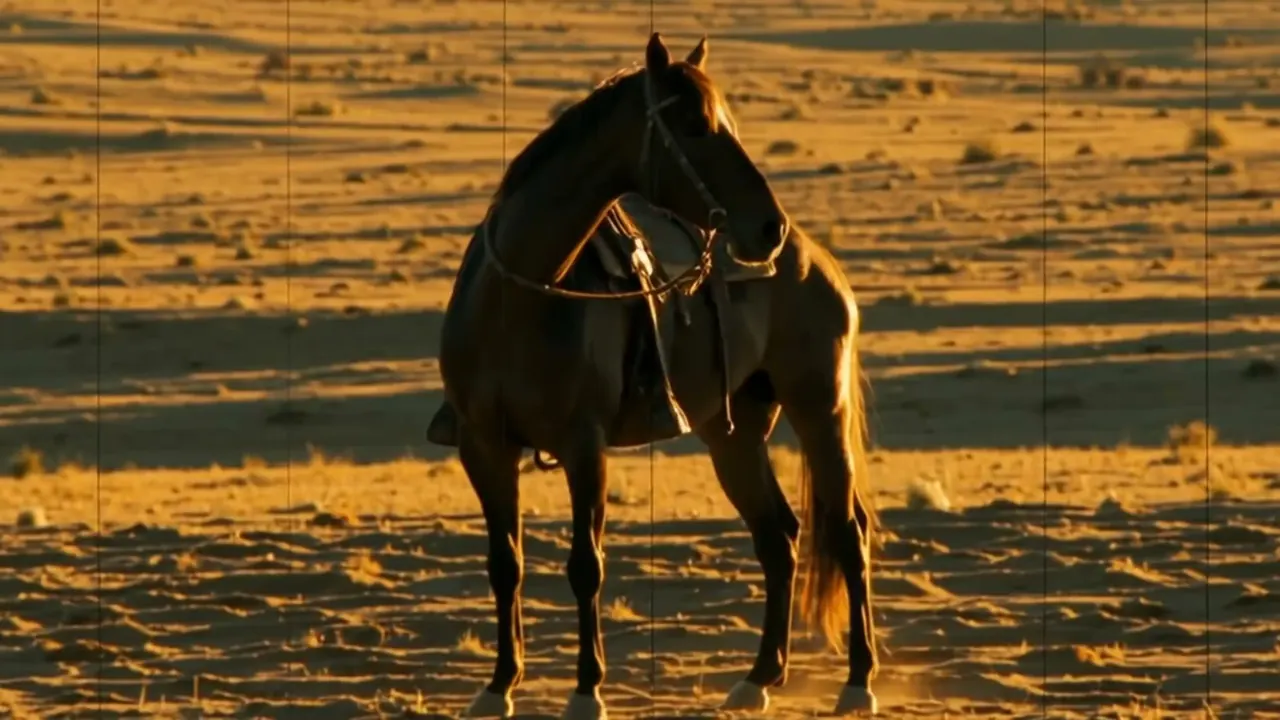
Jump Cut
A cut inside the same shot skips time and leaves a visible jolt.
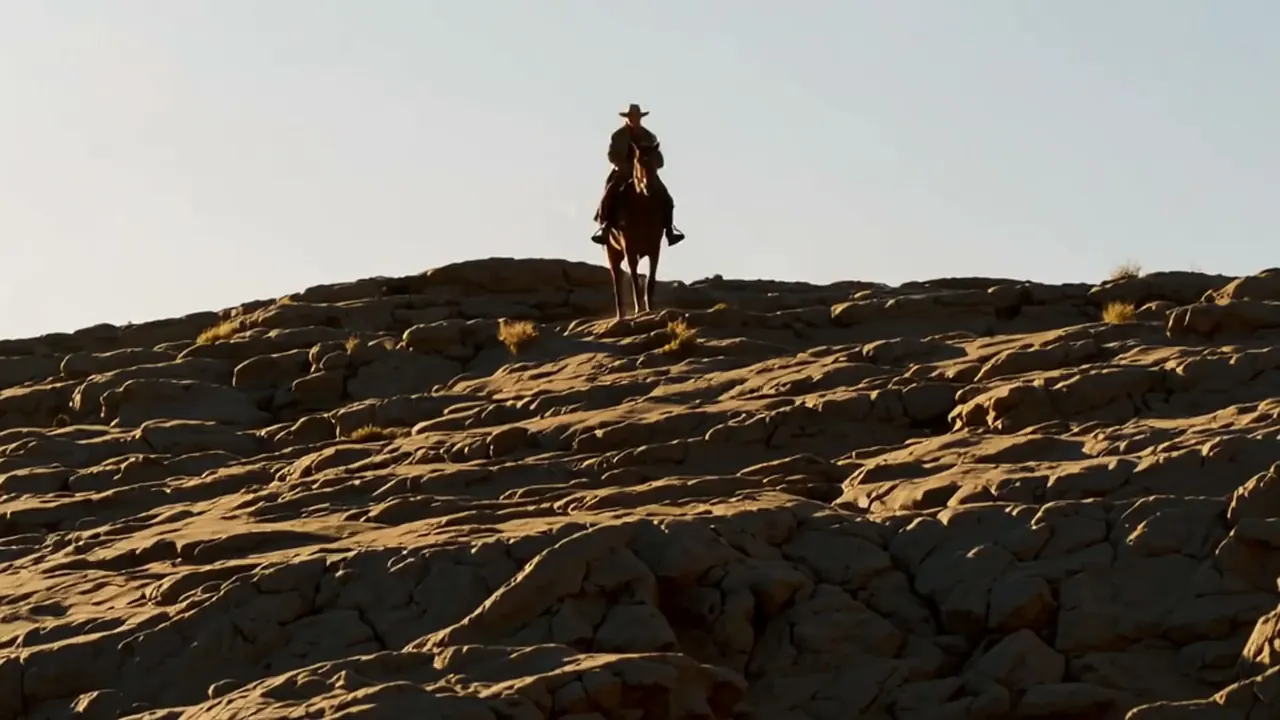
Axial Cut
The cut jumps straight along the lens axis to a closer or wider version of the same frame.
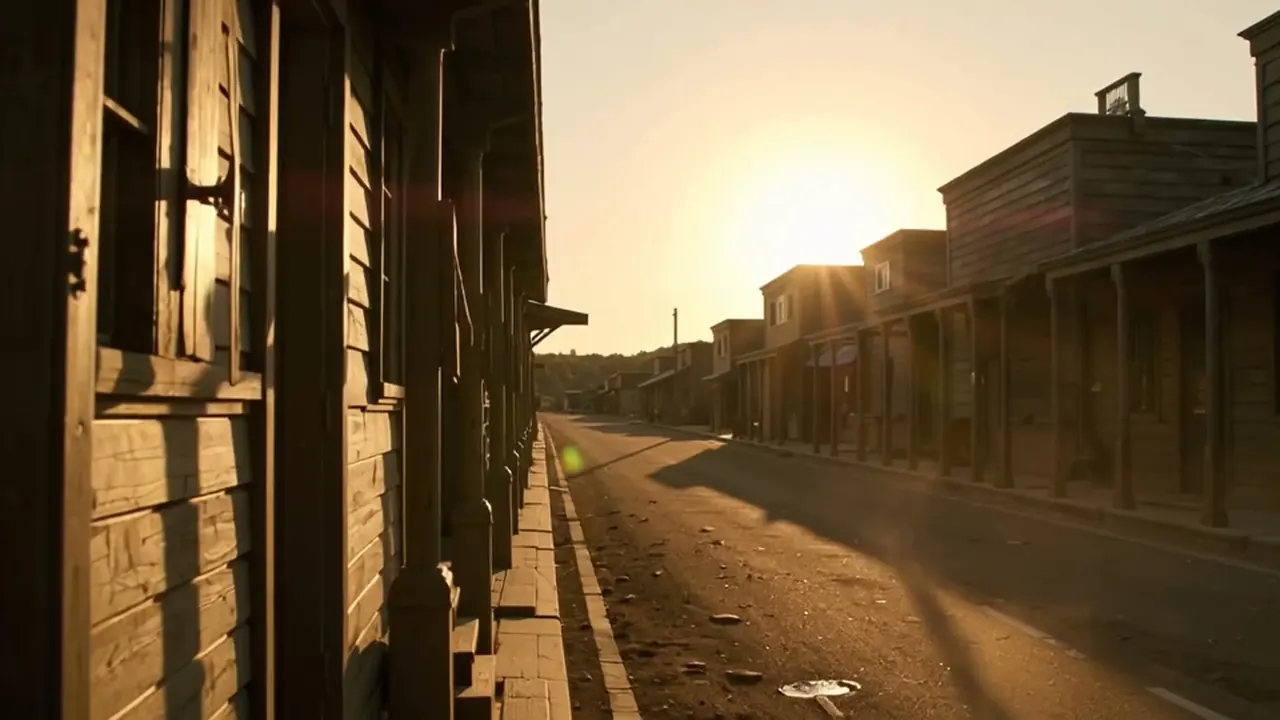
Smash Cut
A hard cut lands between two shots that contradict each other.
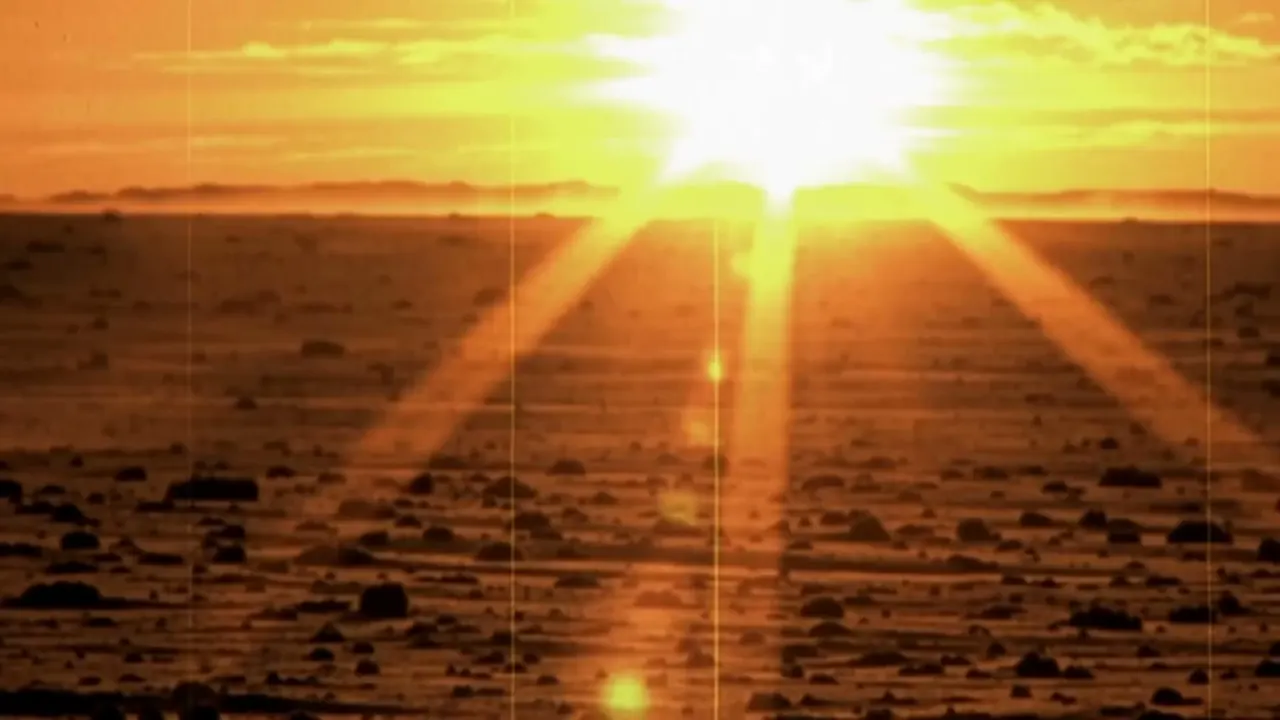
Crash Cut
An abrupt cut lands with no easing on either side.
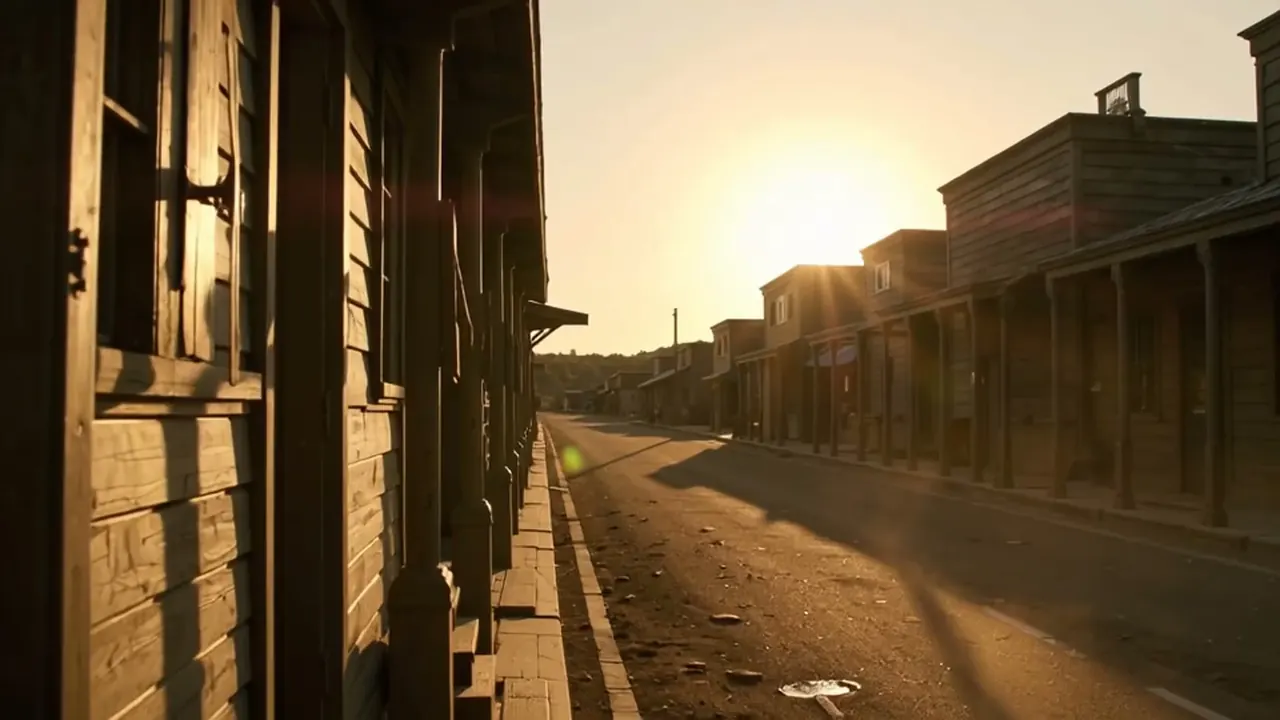
Flash Cut
A frame or two appears so briefly it registers below conscious reading.
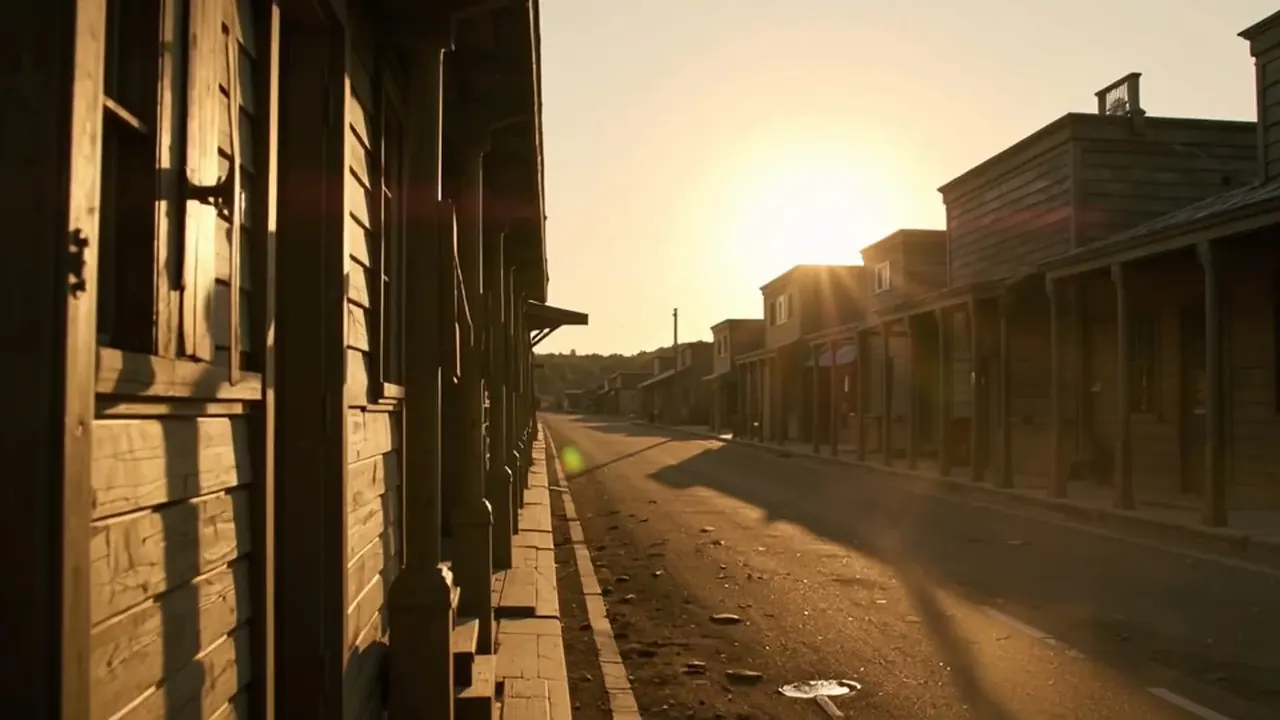
Quick Cuts
Shots arrive fast, one after another, with no room to settle.
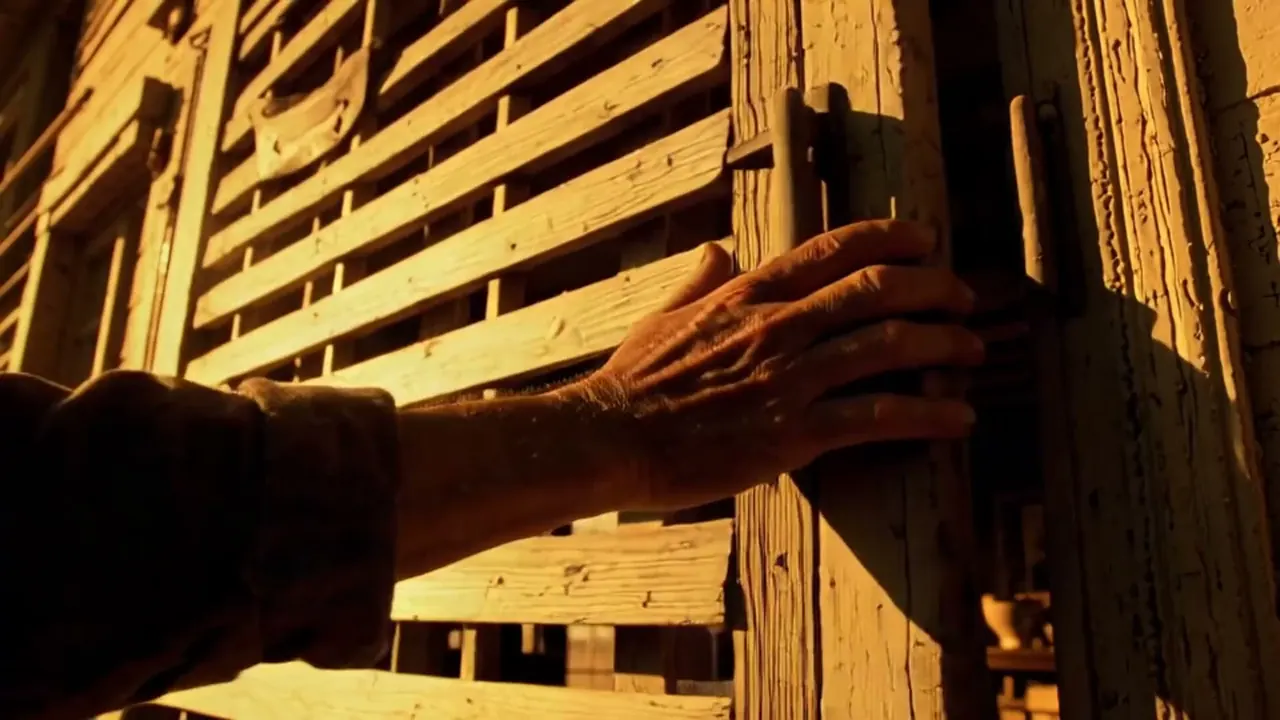
Match on Action
A movement starts in one shot and finishes in the next.
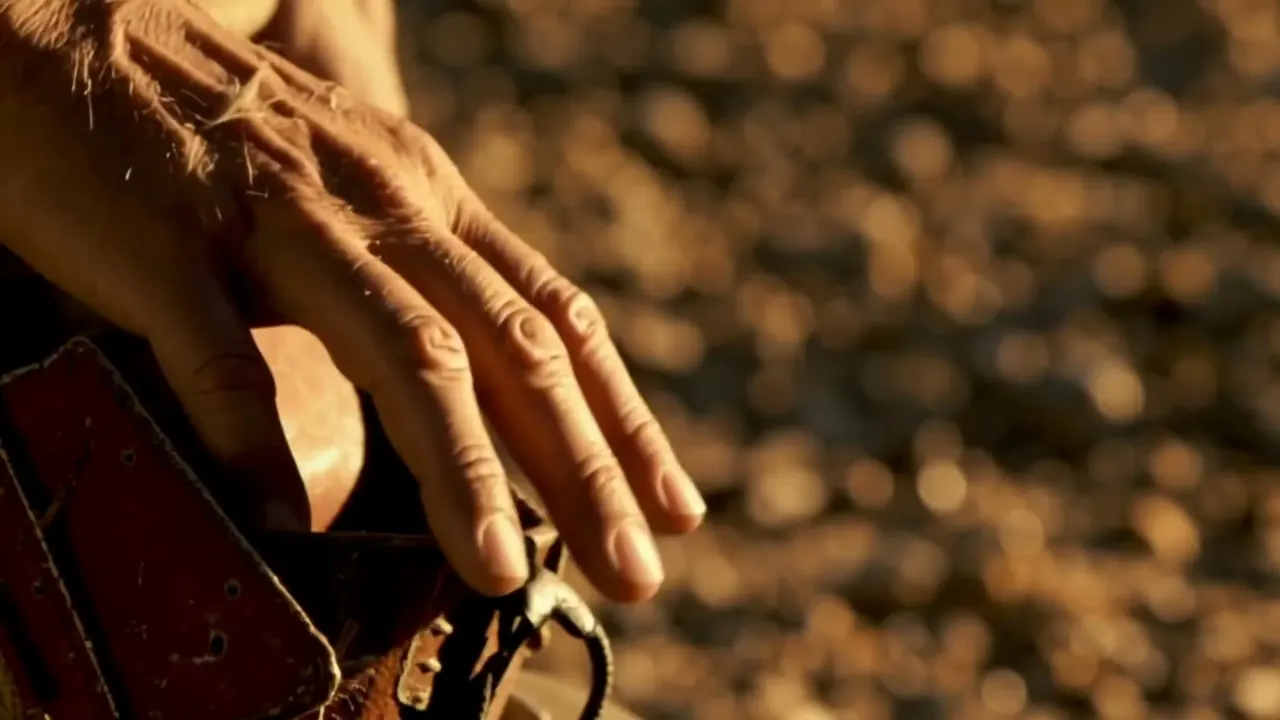
Match Cut
Two shots are linked by a similarity that carries across the cut.
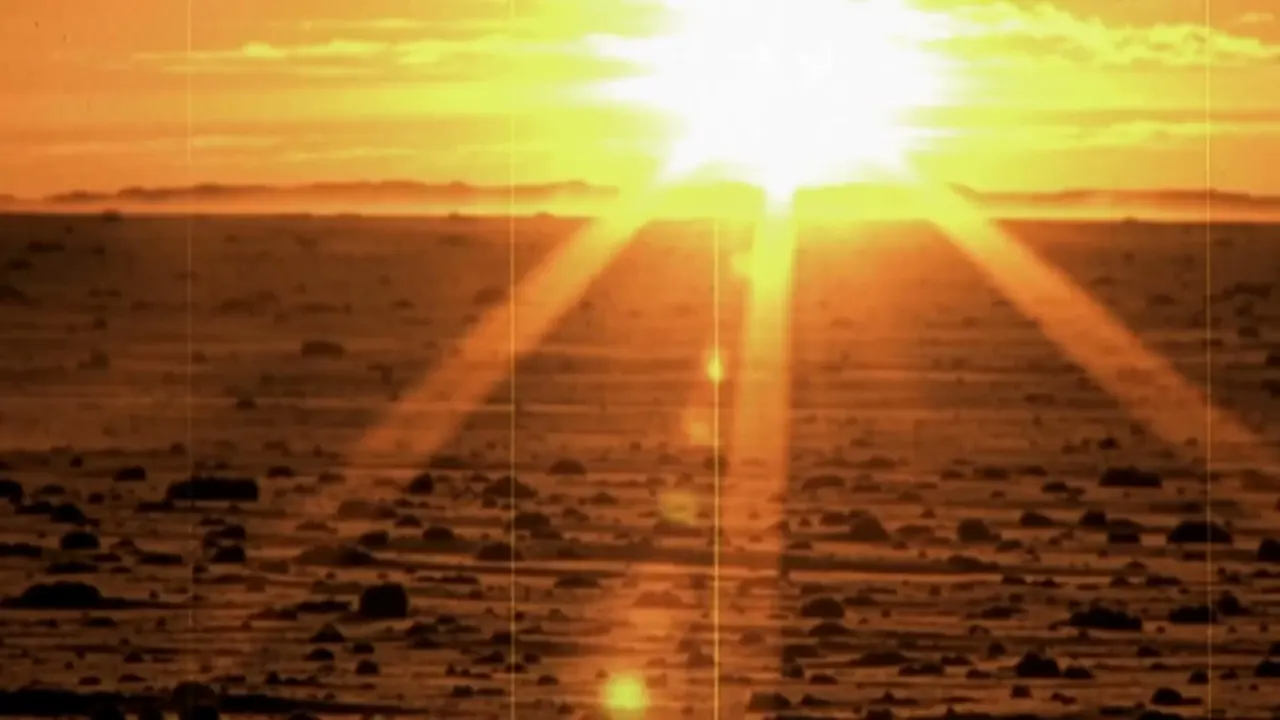
Graphic Match
Two shots share a shape, so the cut between them feels inevitable.
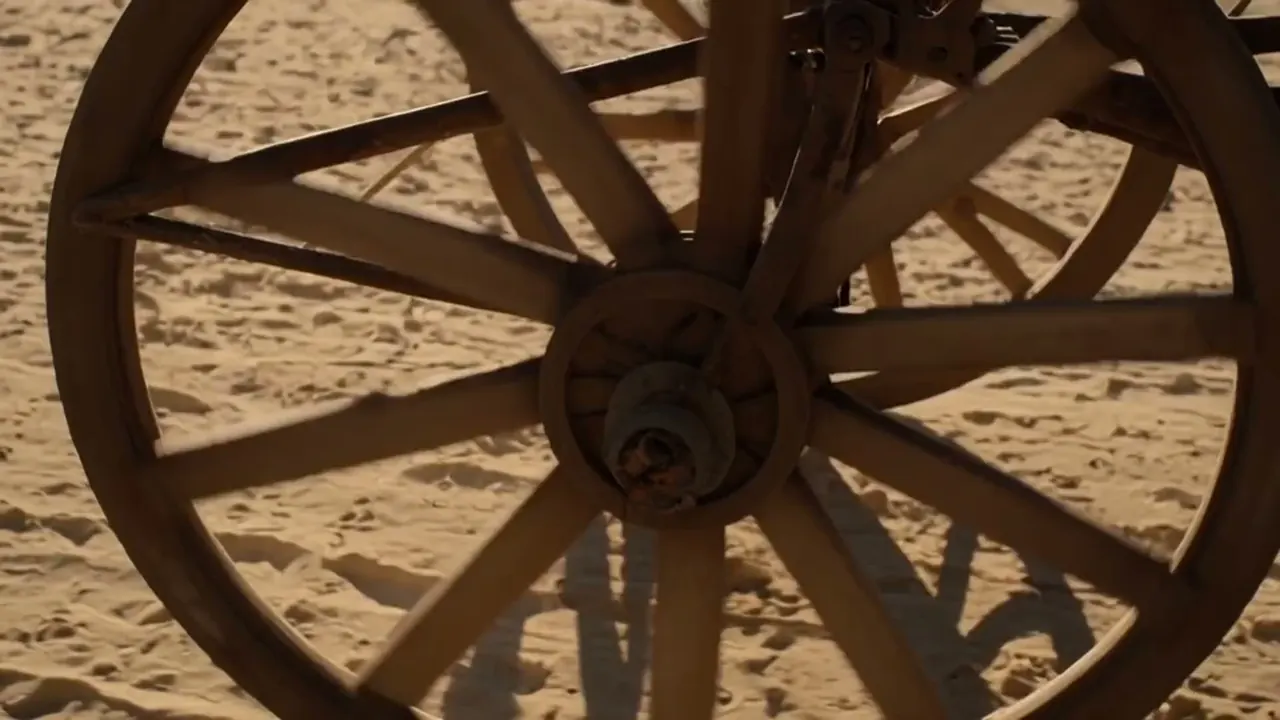
Match Motion
A movement in one shot continues into a different movement in the next.
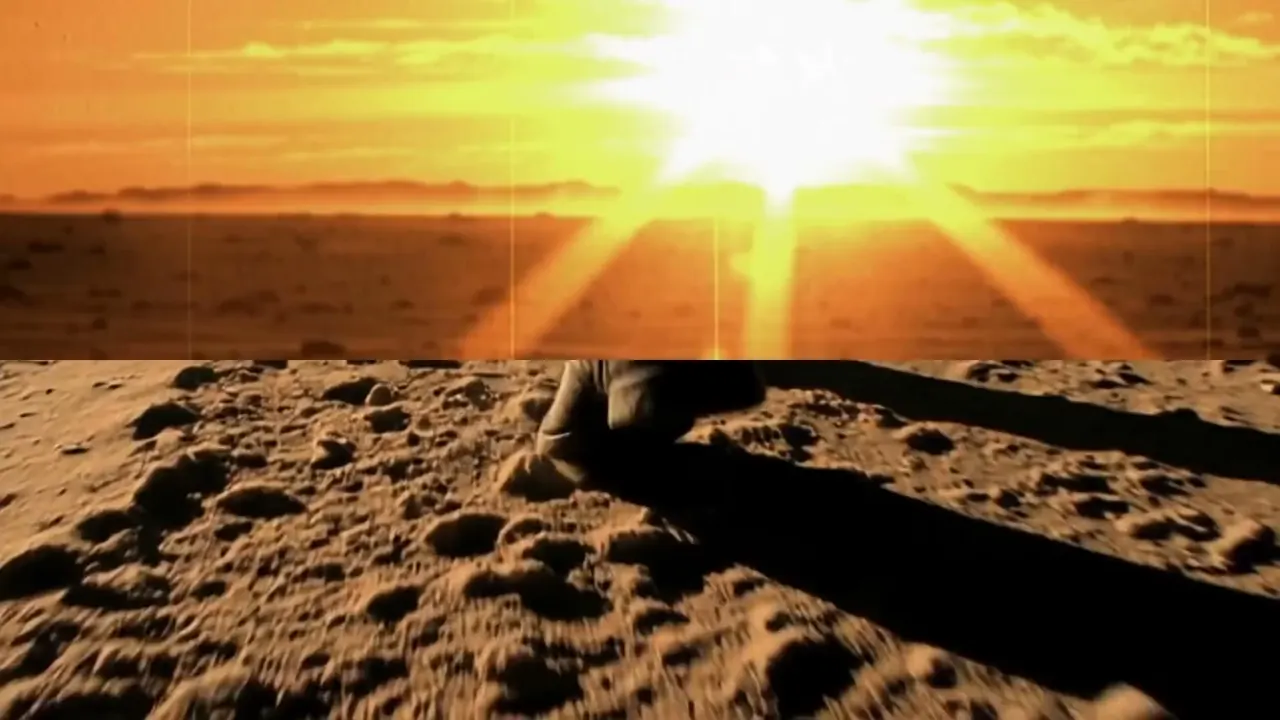
Match Split
Two halves from different shots meet on a seam and read as one frame.
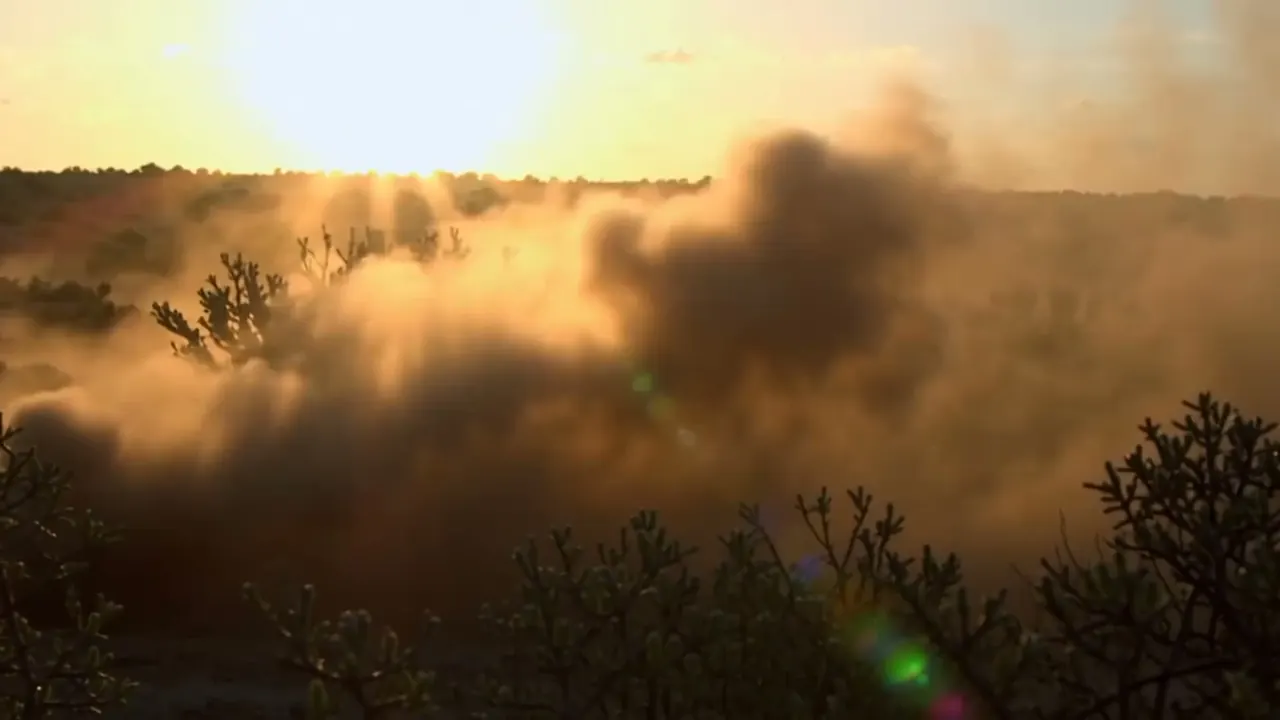
Invisible Cut
A cut is hidden inside a wipe, a whip or darkness, so the shot seems unbroken.
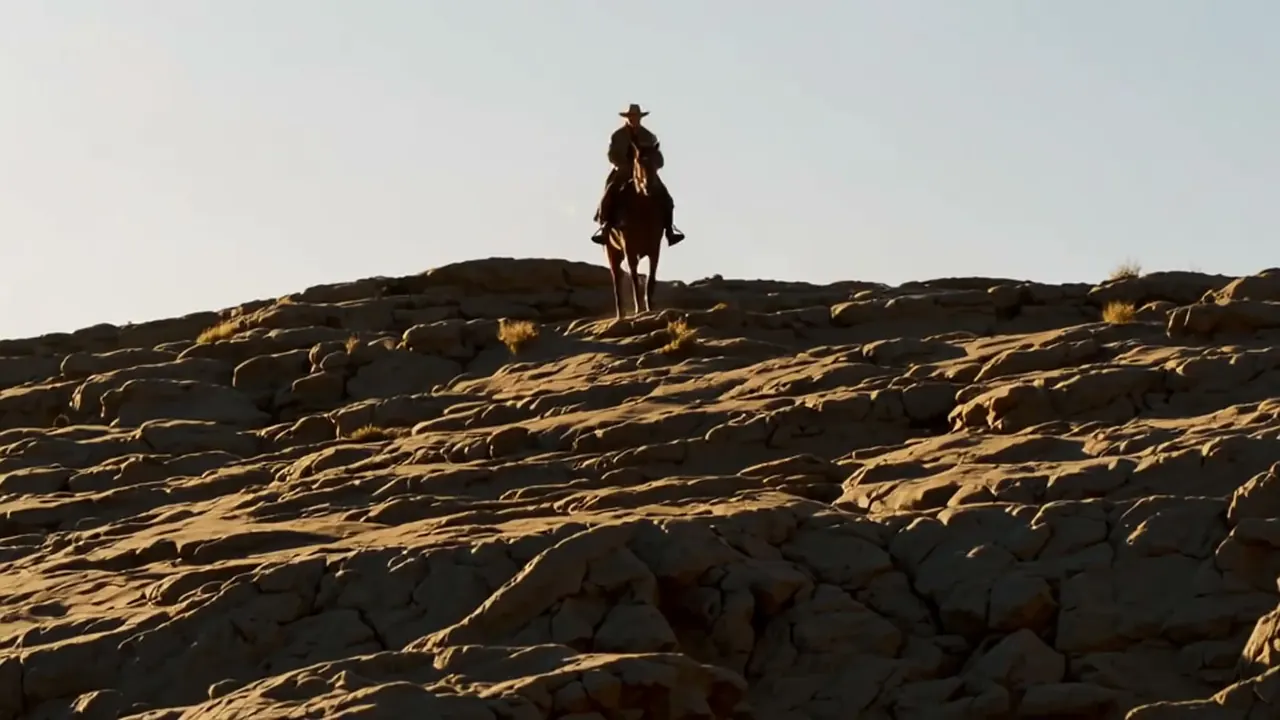
Dissolve
One image fades into the next, and both are visible in the middle.

Fade In / Fade Out
The image resolves out of or into a solid colour.
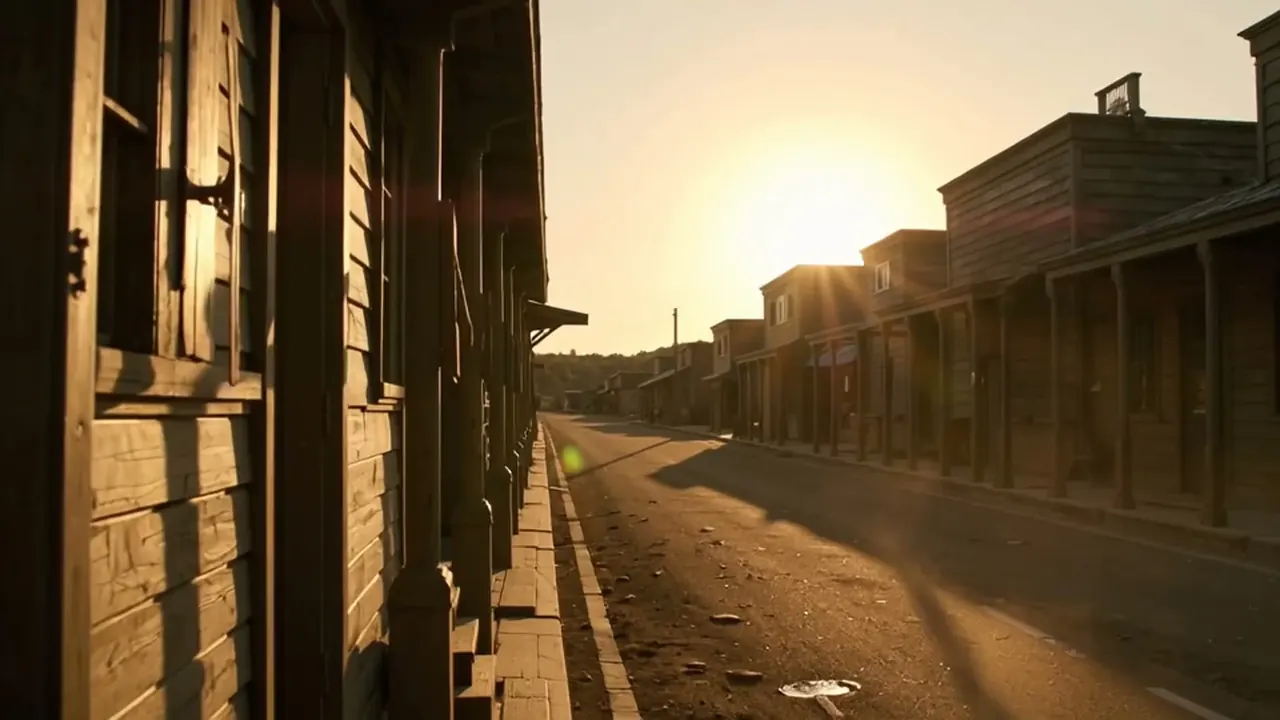
Wipe
A hard edge travels across the frame and replaces one image with the next.
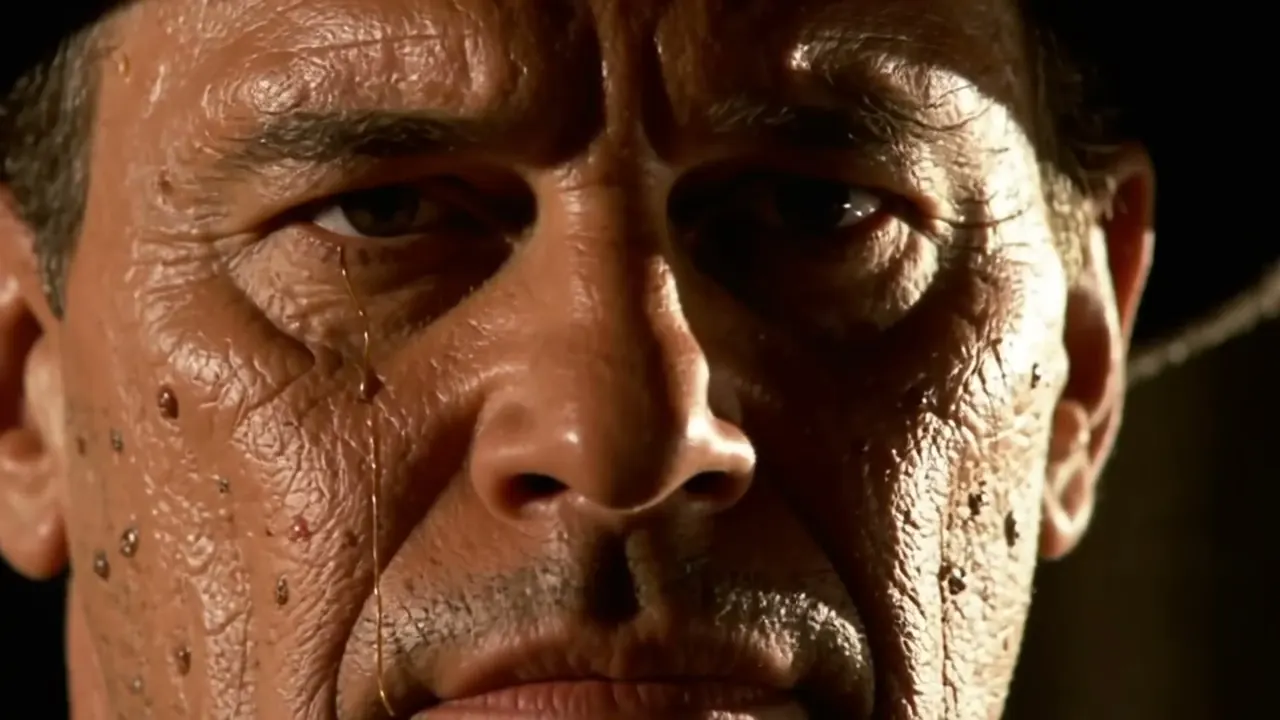
Iris
A circle closes in on or opens out from one part of the frame.
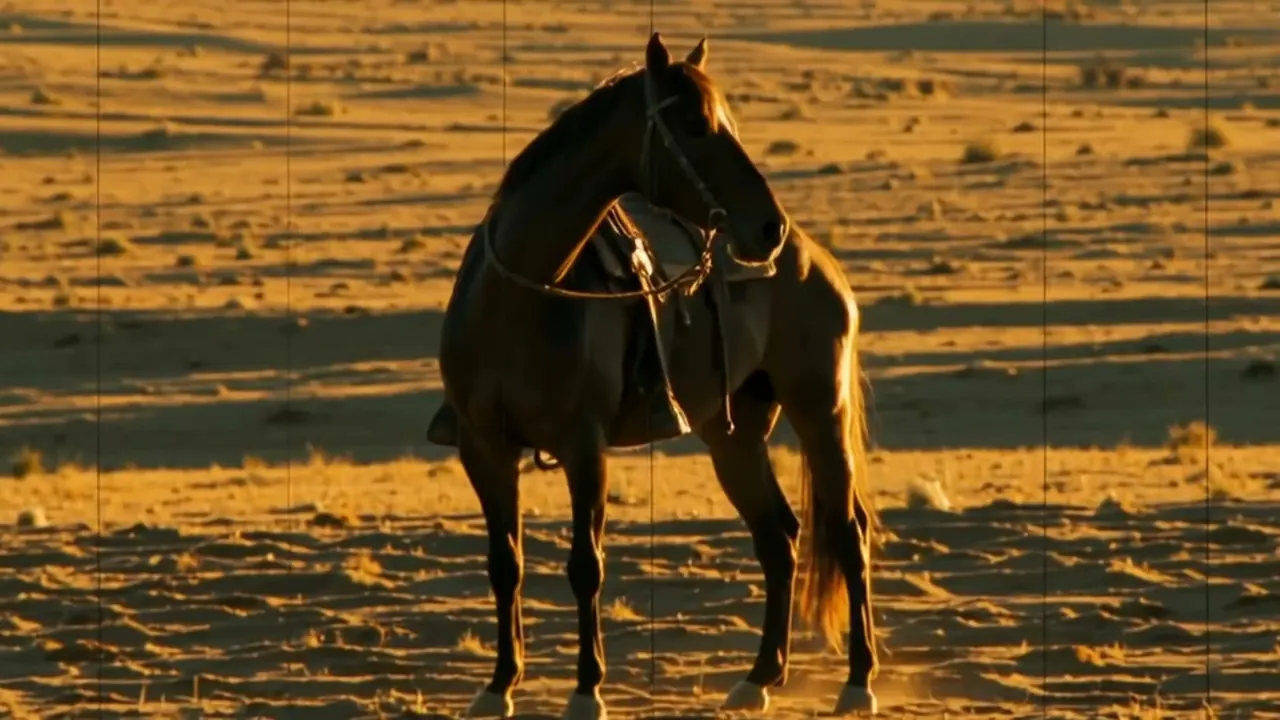
Transitions
A shaped move carries the film from one shot into the next.
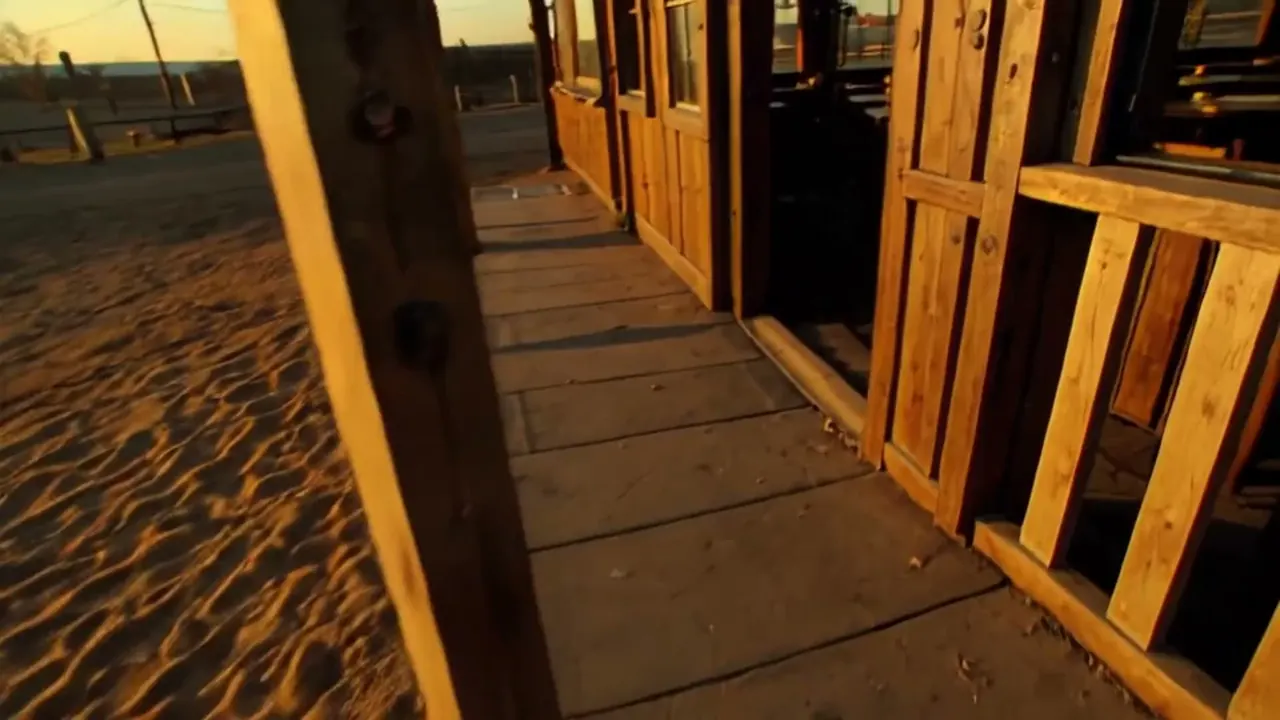
Set Transition
The camera moves and the set changes around it without a cut.
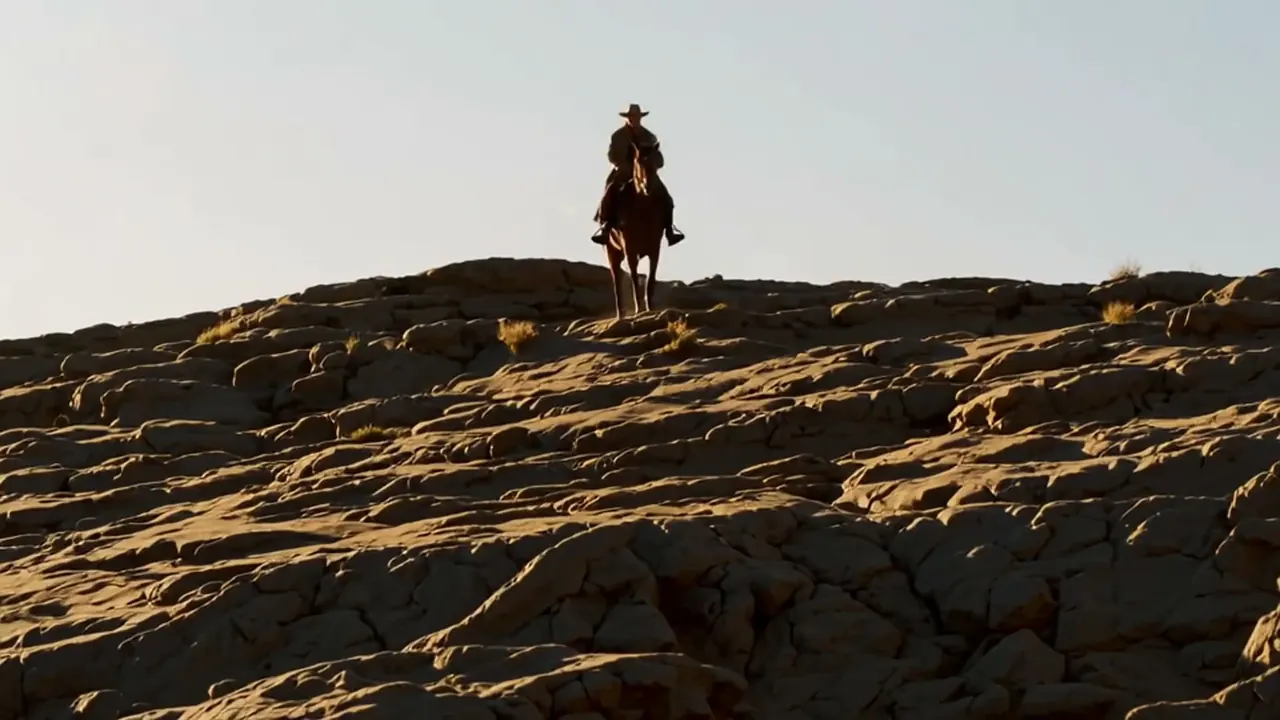
Cross-Cutting
The film alternates between two places happening at the same time.
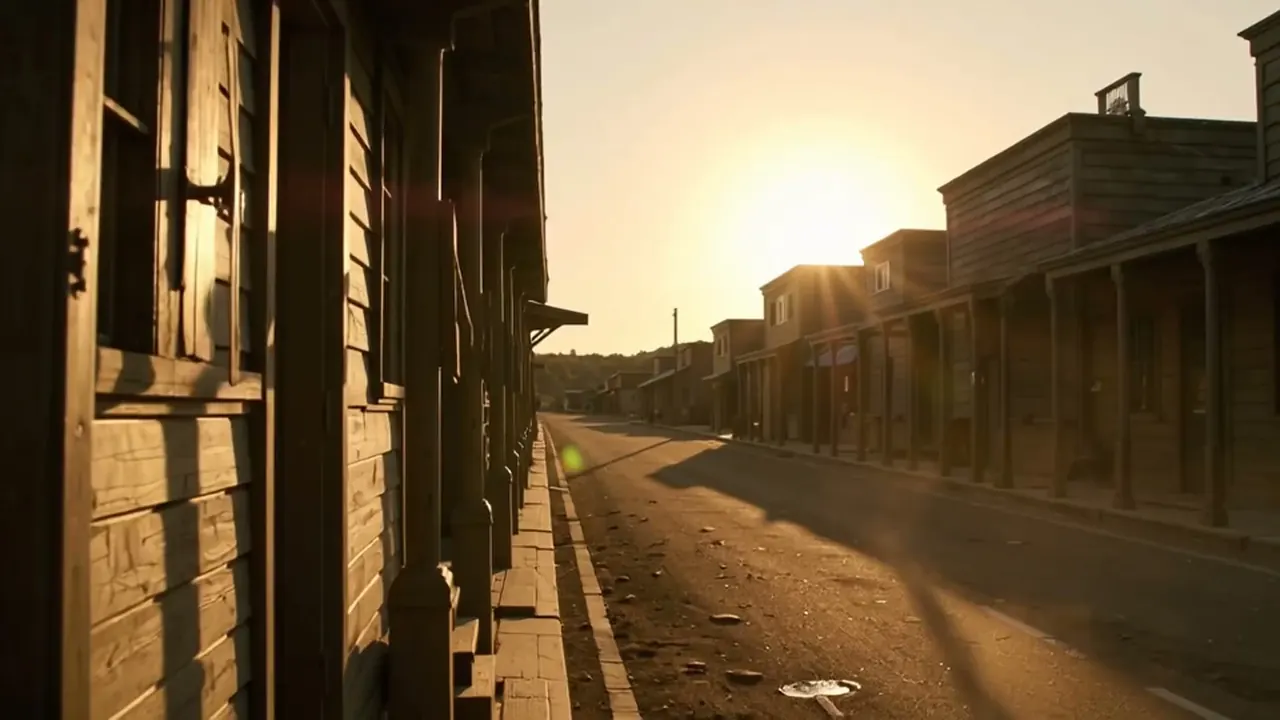
Montage
A run of short shots compresses a long stretch of time.
Fragments
Short broken pieces of a scene arrive out of order.
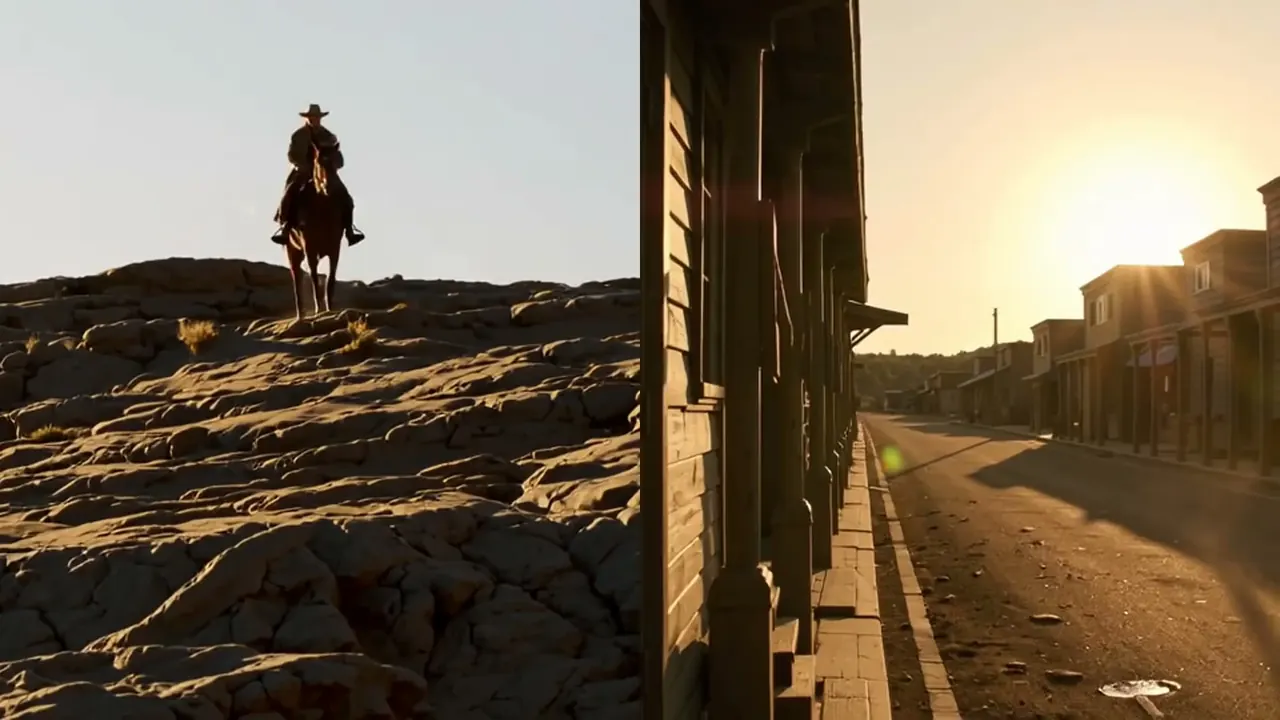
Split Screen
The frame divides, and two images play at once.
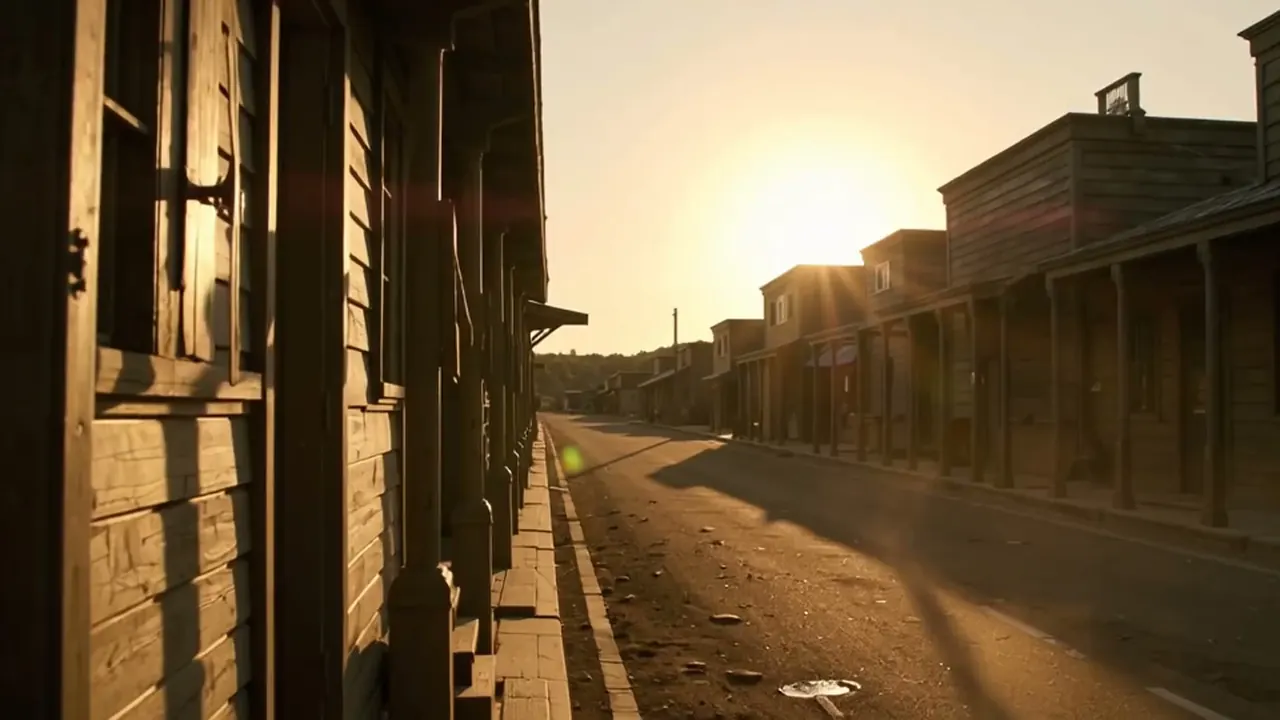
J-Cut and L-Cut
The picture changes before or after the sound does, so the two overlap.
In-camera and optical effects57
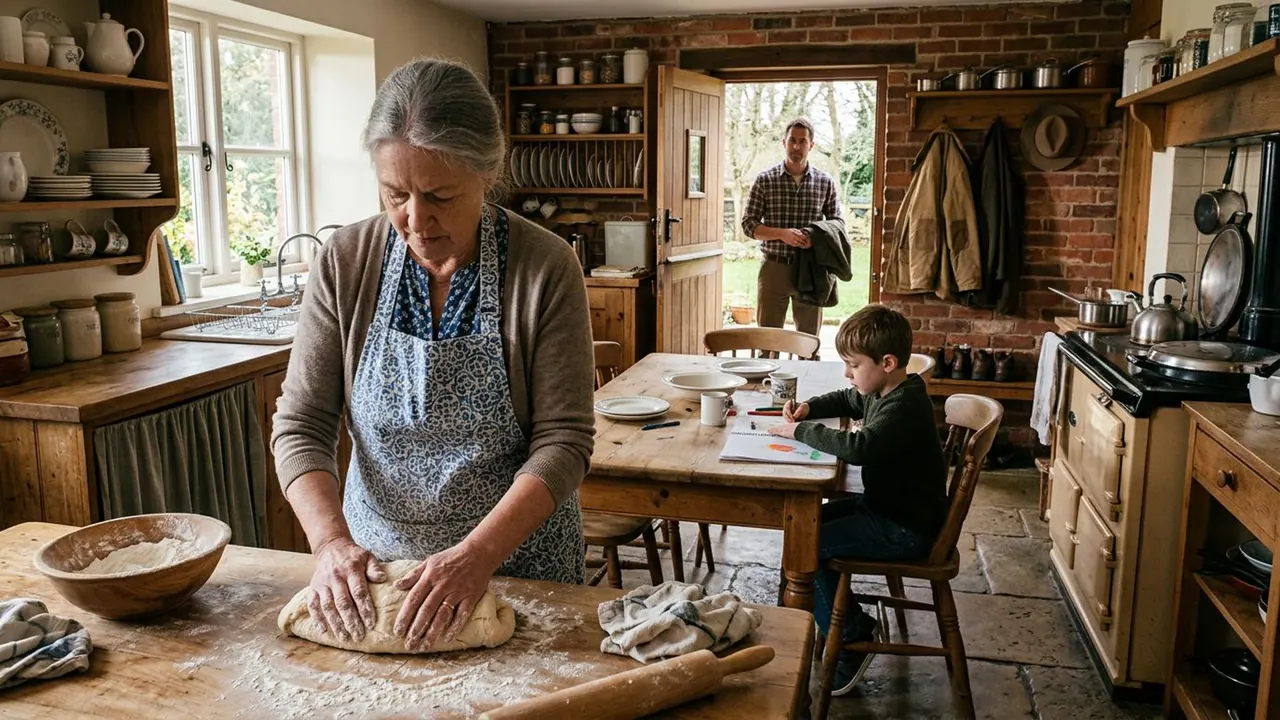
Deep Focus
Near and far are both sharp at the same time.
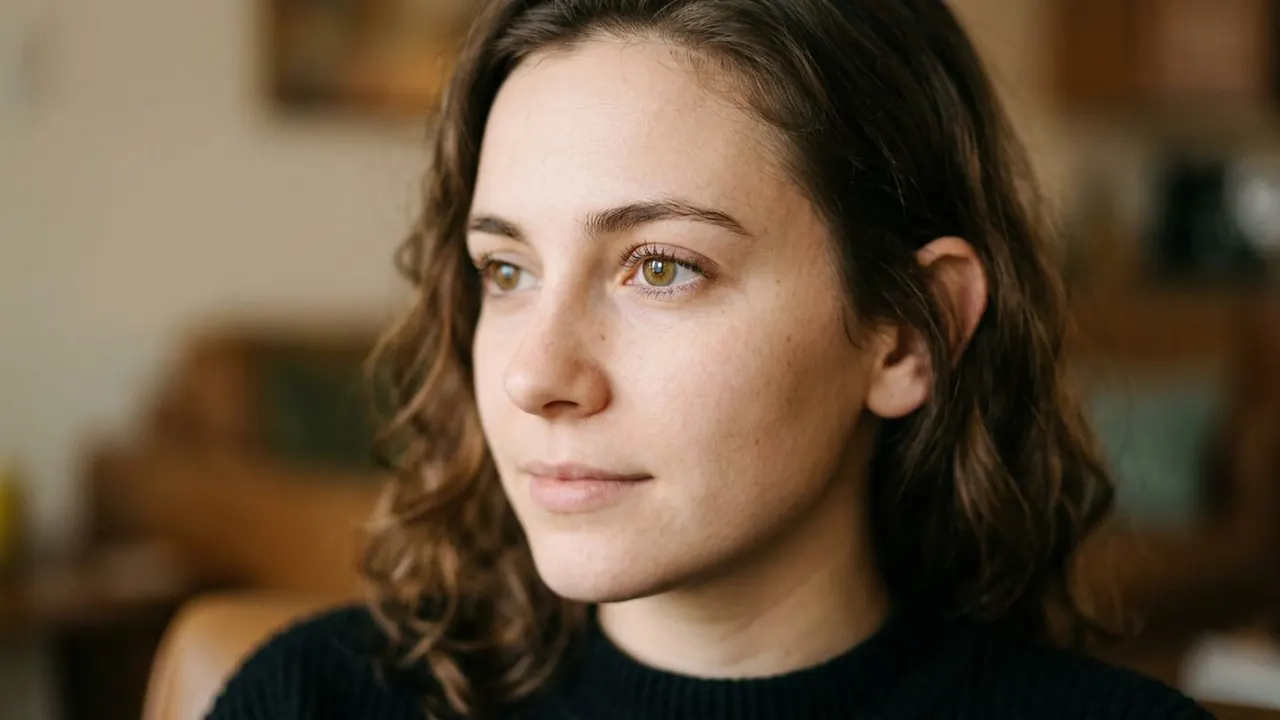
Shallow Focus
Only a thin slice of the scene is sharp.
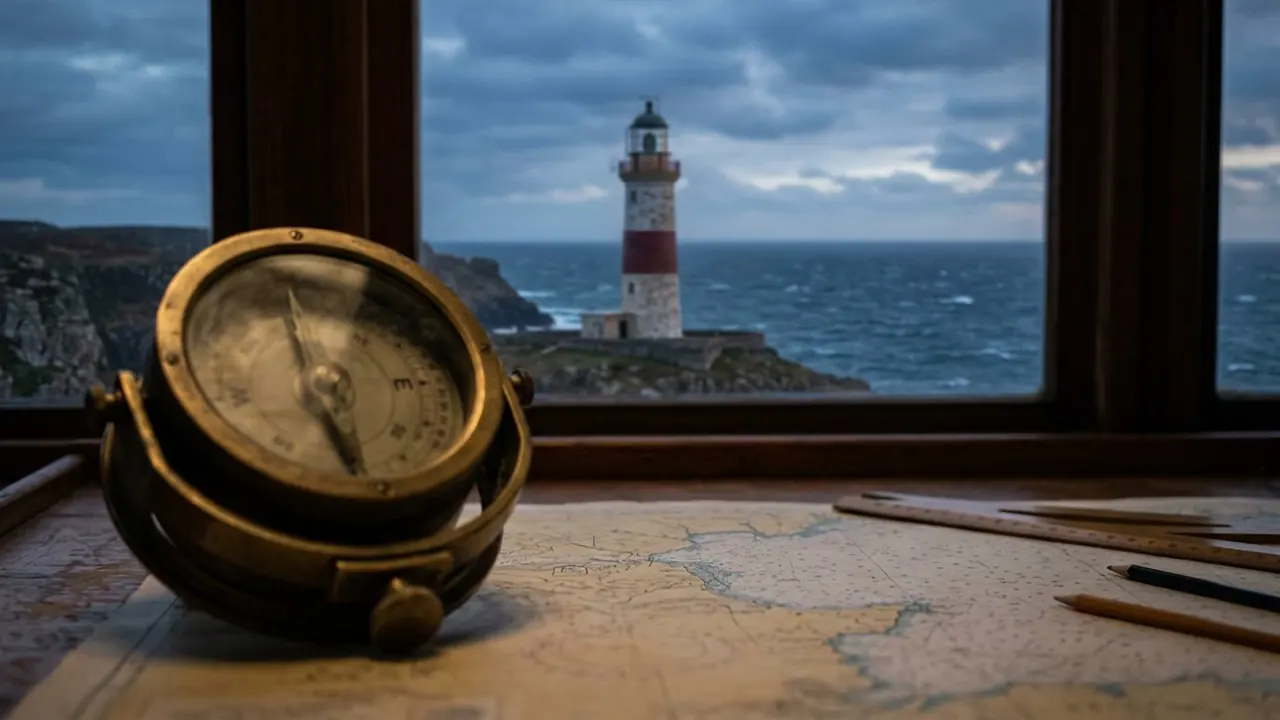
Rack Focus
Focus pulls decisively from one subject to another.
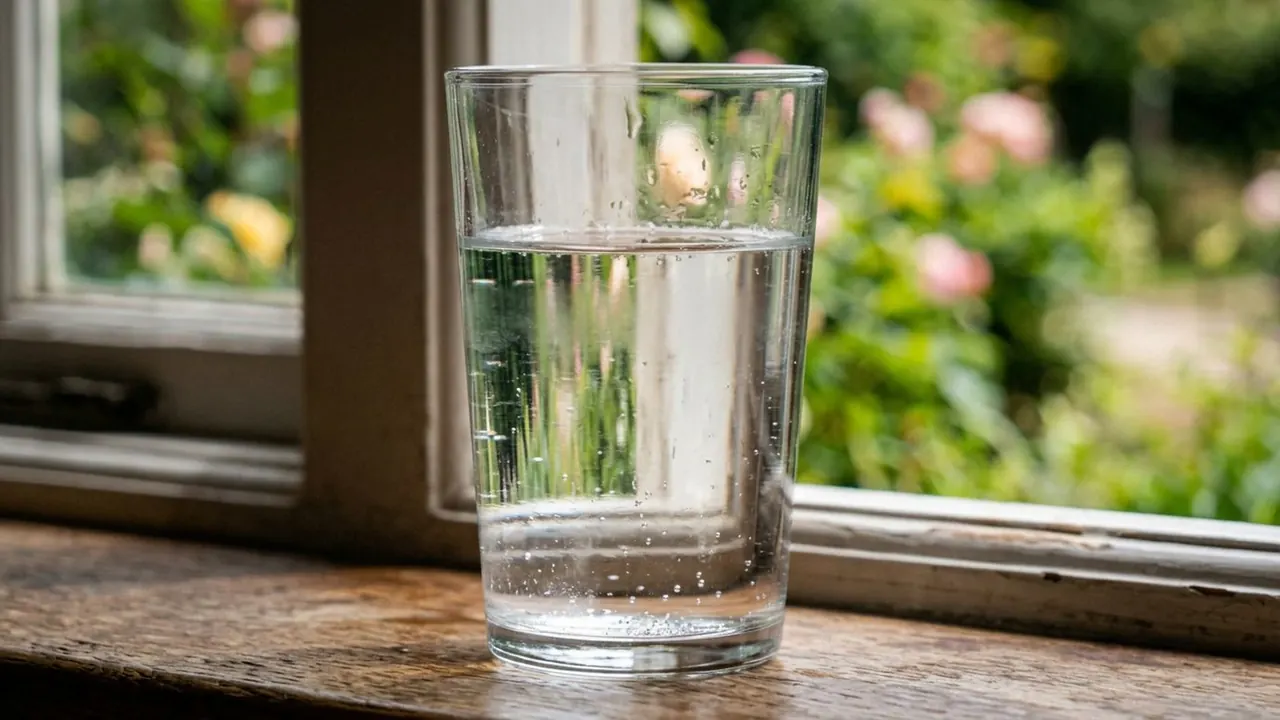
Focal Shift
The focus moves from one plane to another inside the shot.

Focus Change
Focus moves to redirect attention mid-shot.
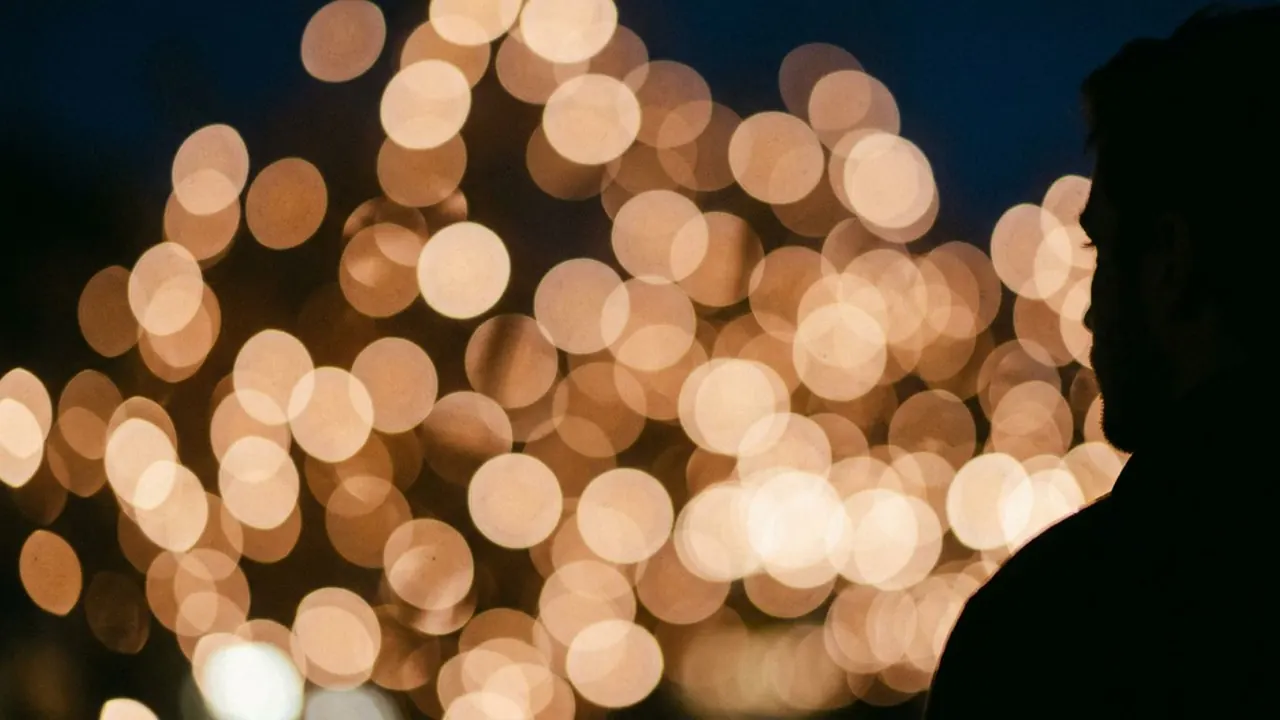
Bokeh
Out-of-focus points of light become soft round shapes.
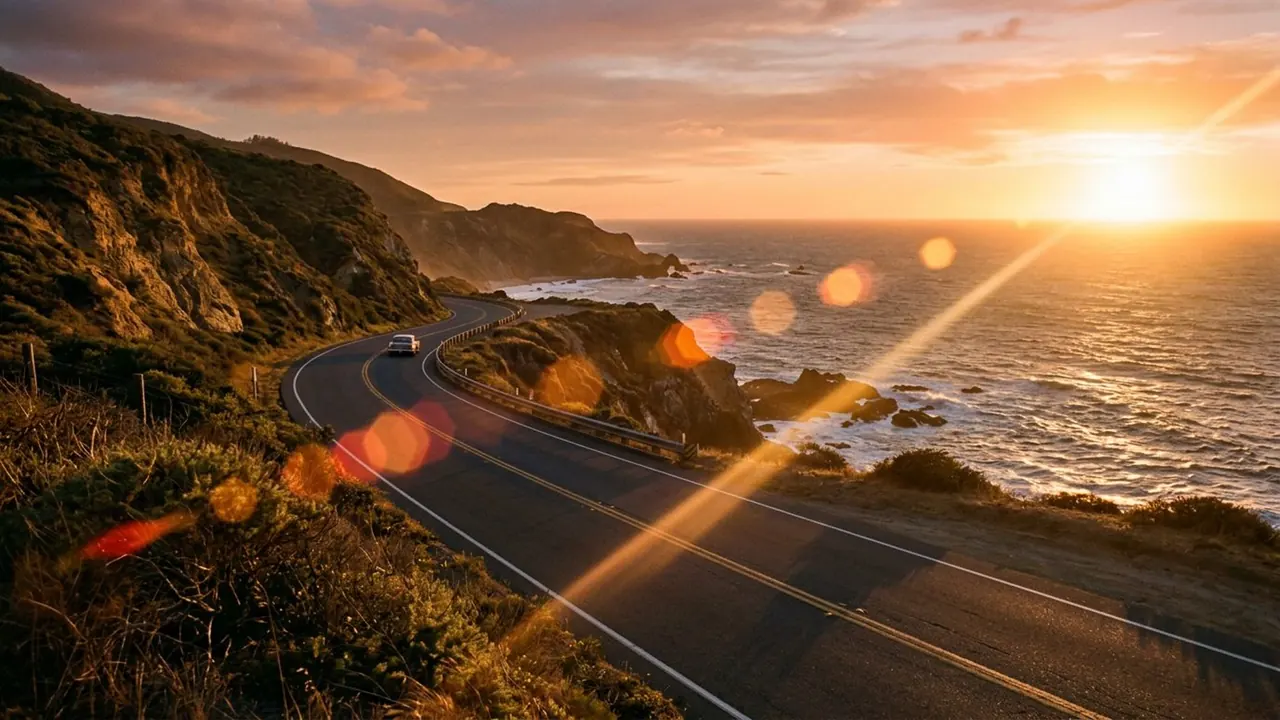
Lens Flare
A bright light hits the glass and throws artefacts across the frame.
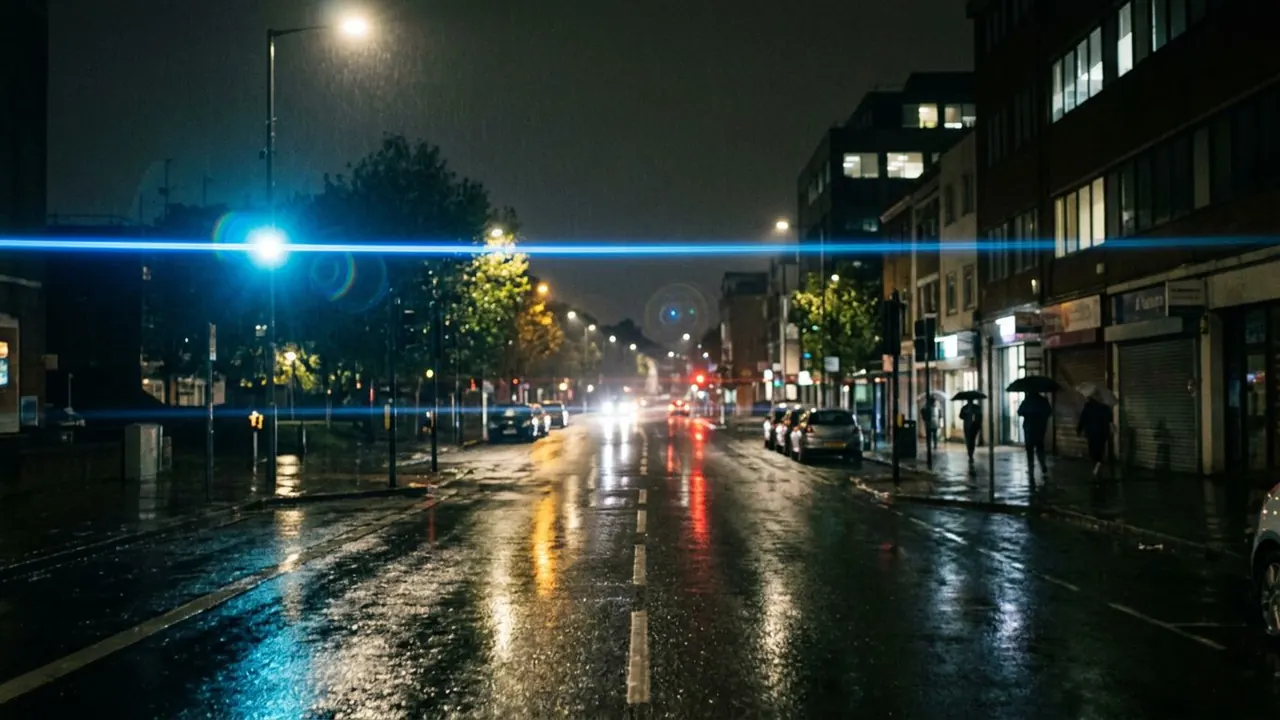
Anamorphic Flare
A bright source throws a long horizontal streak across the frame.
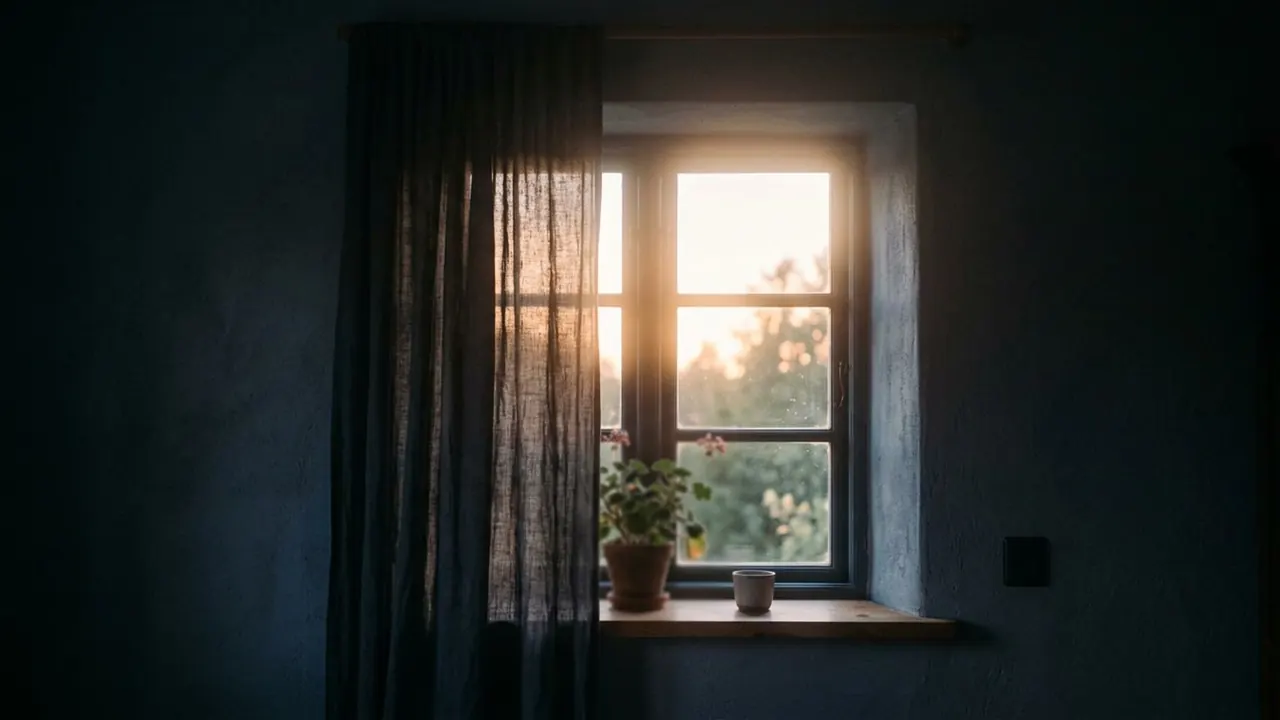
Halation
Bright areas bleed a soft glow into what surrounds them.
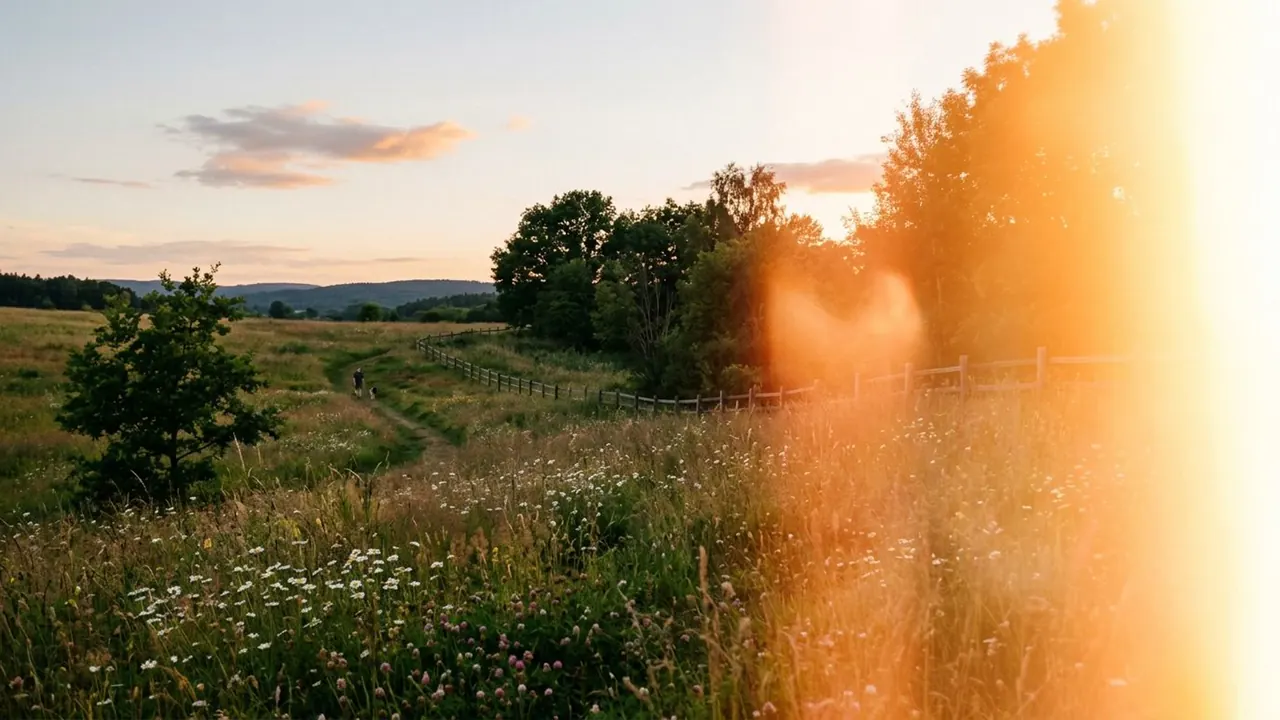
Light Leak
Light gets into the camera body and streaks across the film.
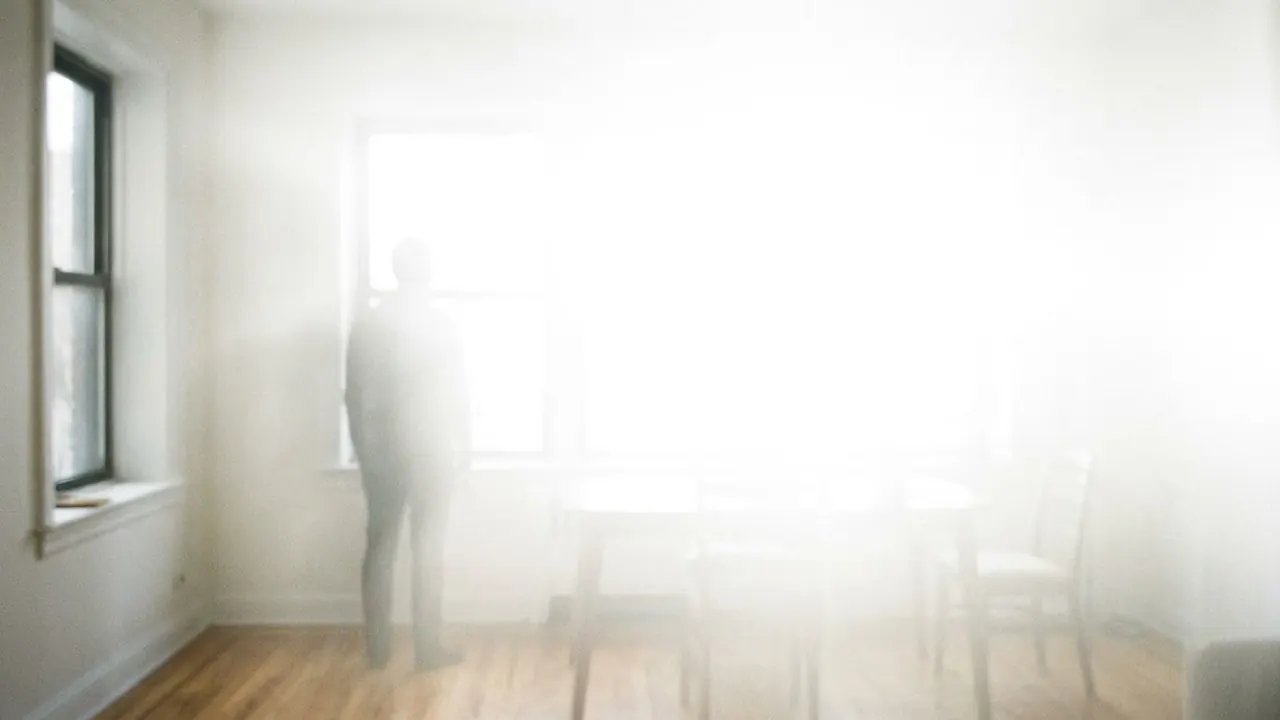
Light Flash
A sudden burst of light overwhelms the frame.
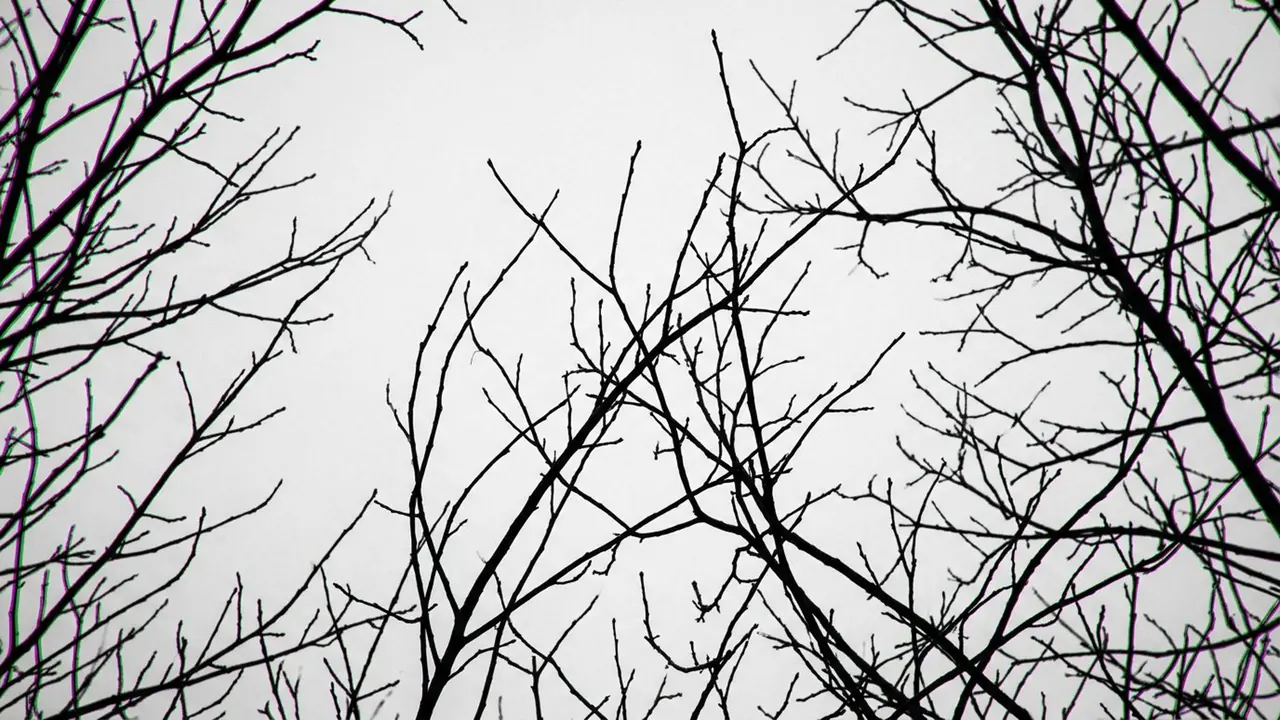
Chromatic Aberration
Colour channels separate toward the edges of the frame.
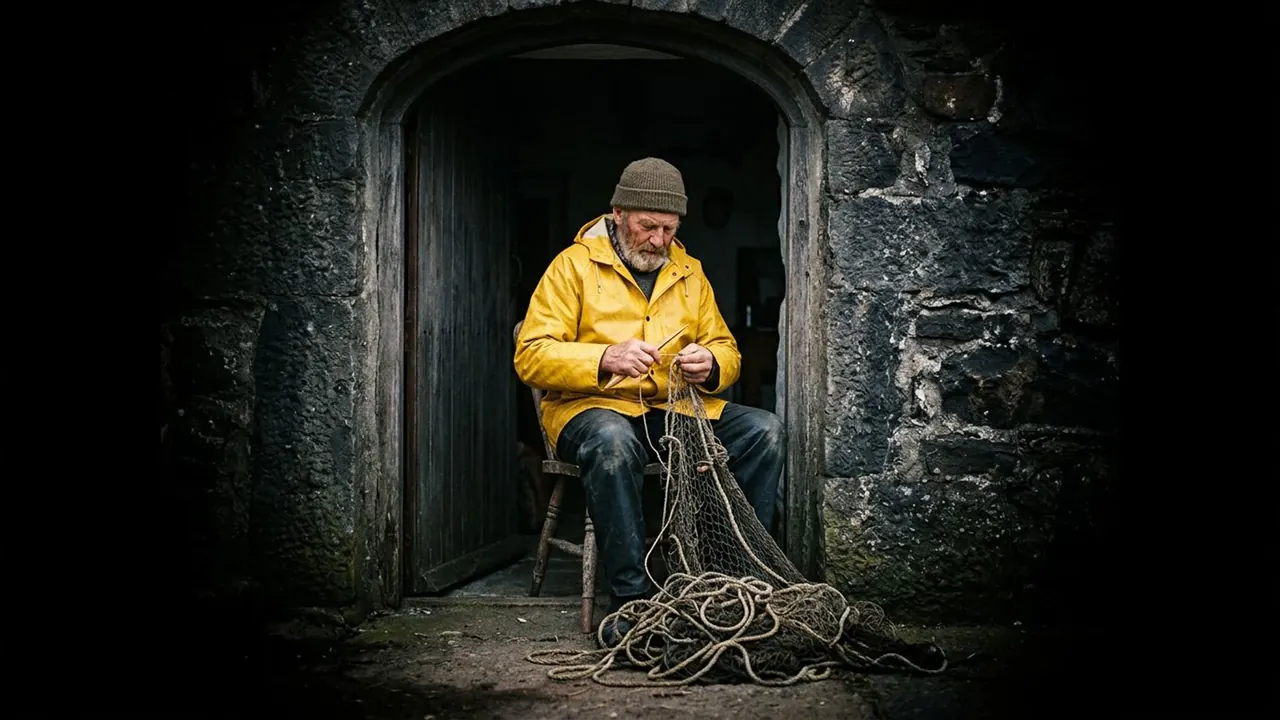
Vignette
The frame darkens toward its corners.
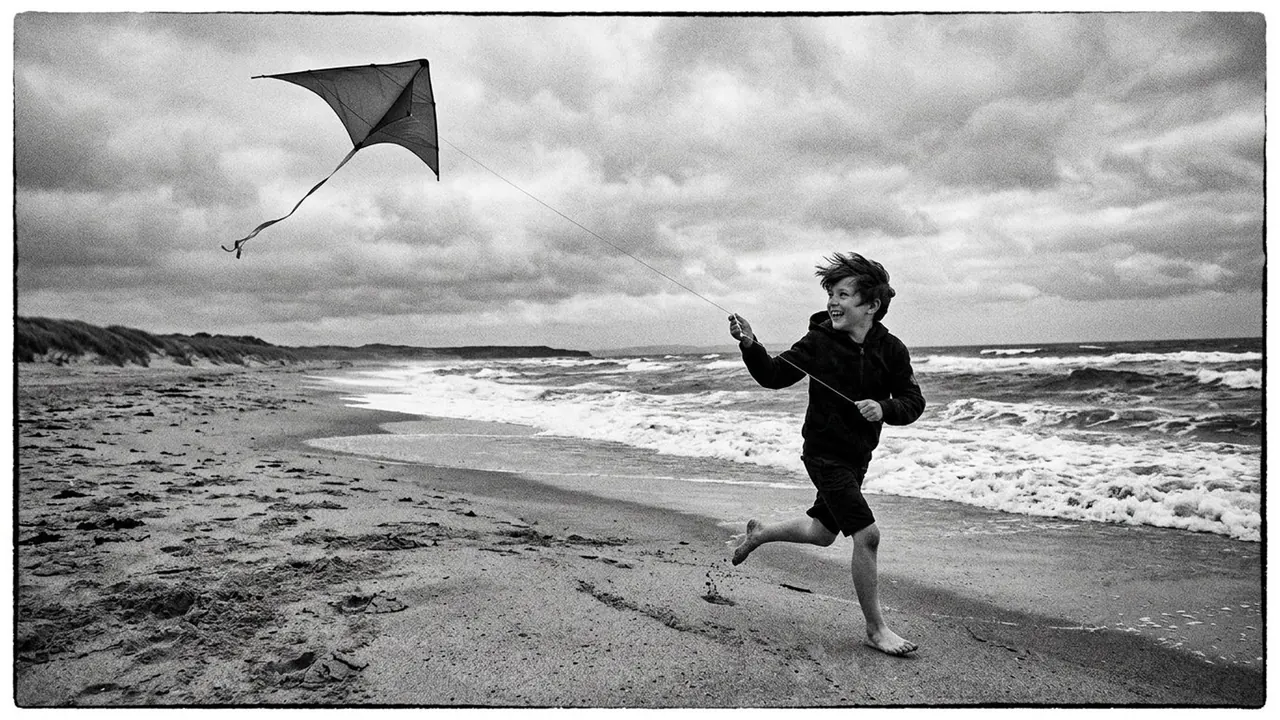
Film Grain
The image carries the moving texture of film stock.
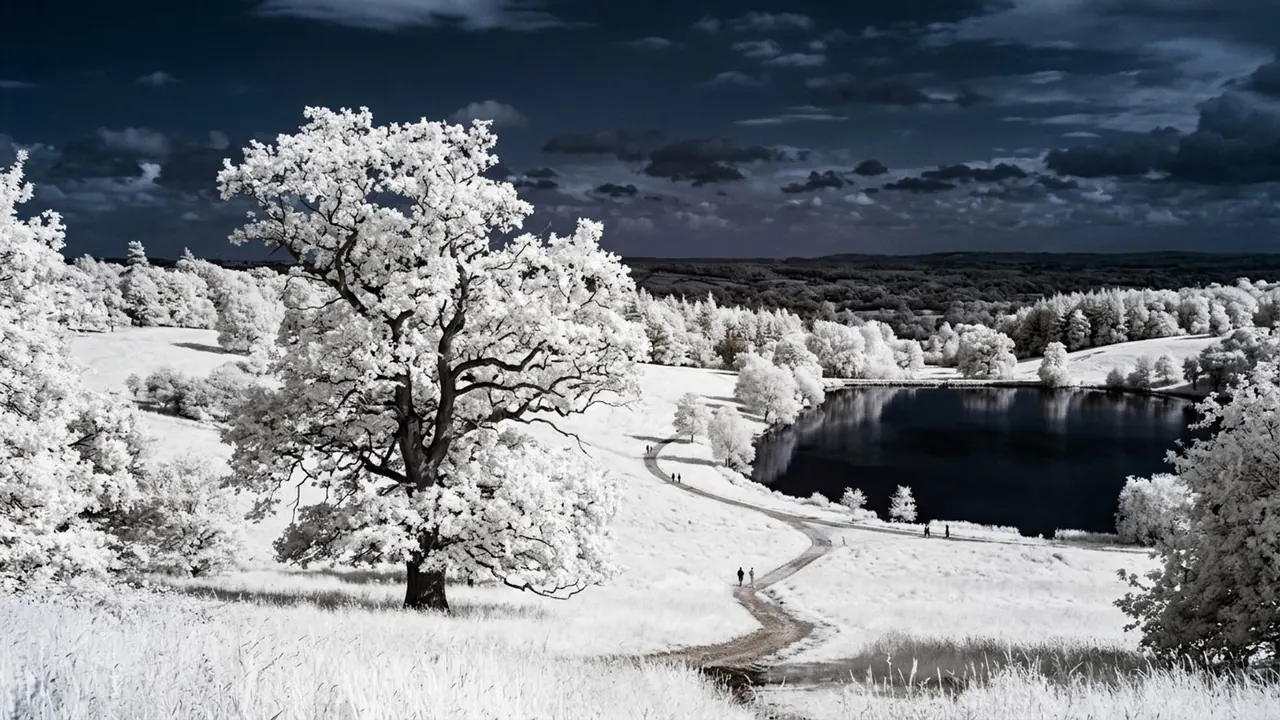
Infrared
The image records light the eye cannot see, so foliage goes white.
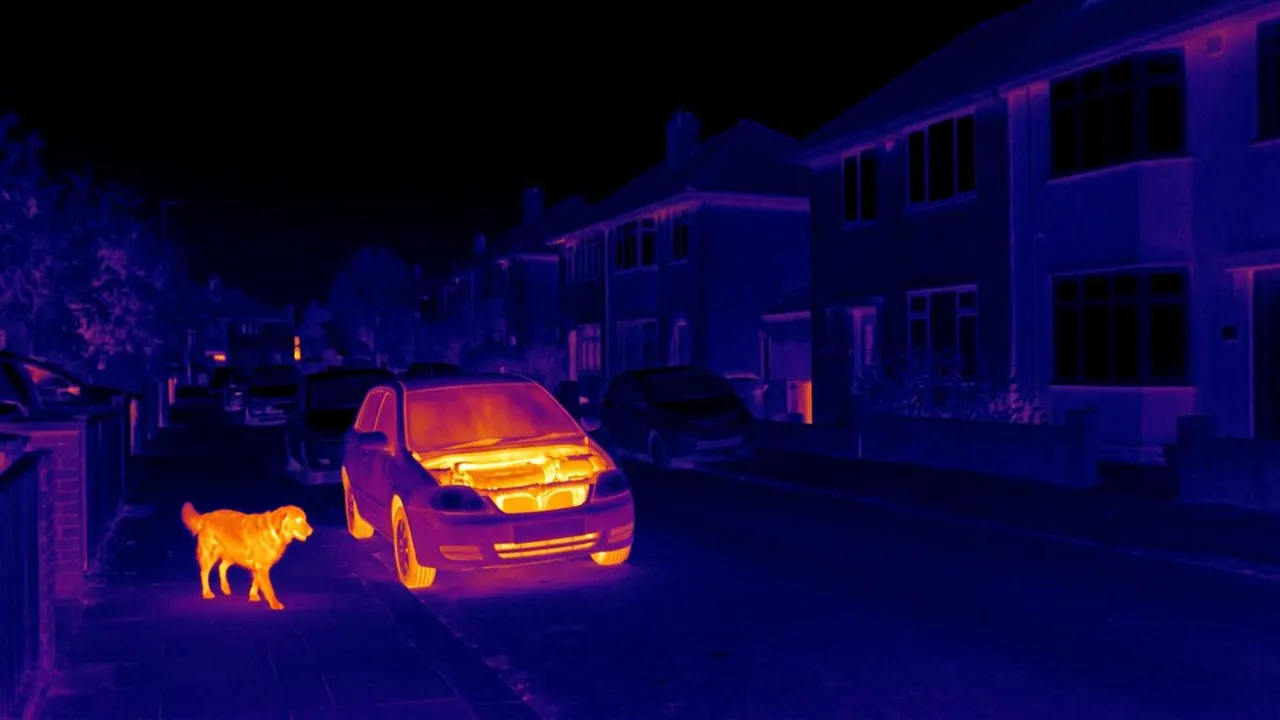
Thermal
A heat camera maps temperature to colour.
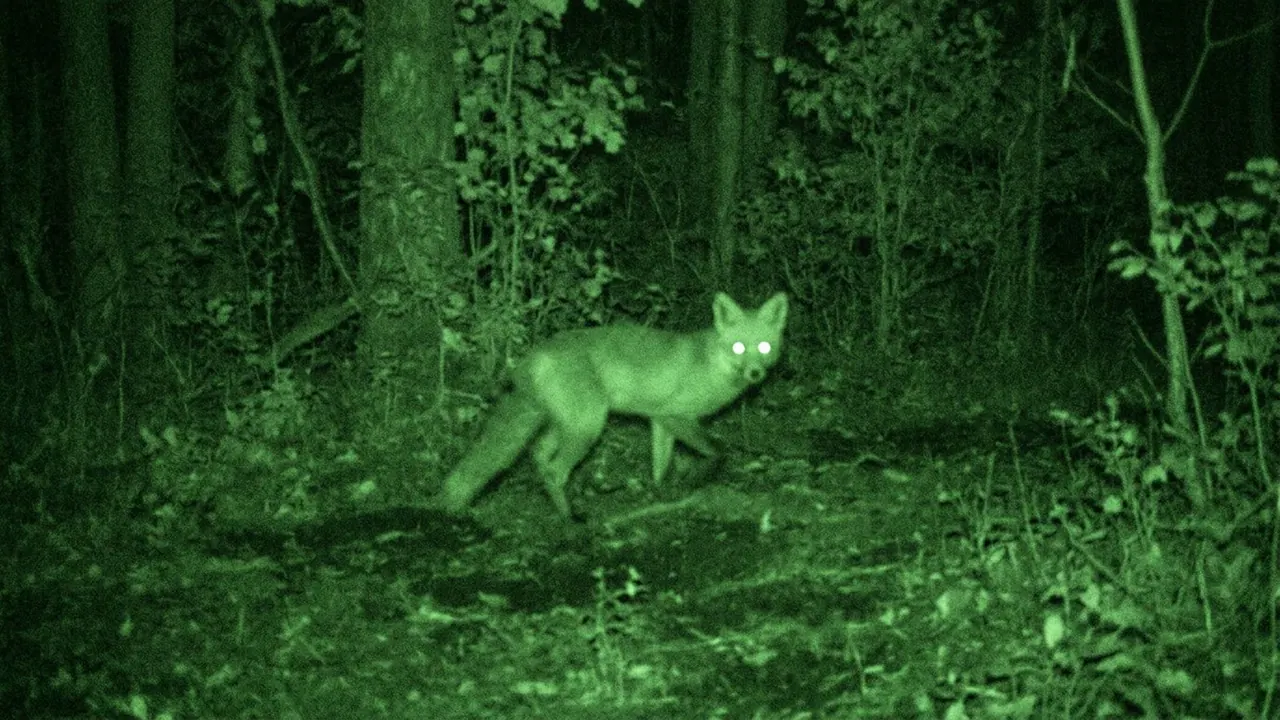
Night Vision
A low-light sensor renders everything green and grainy.
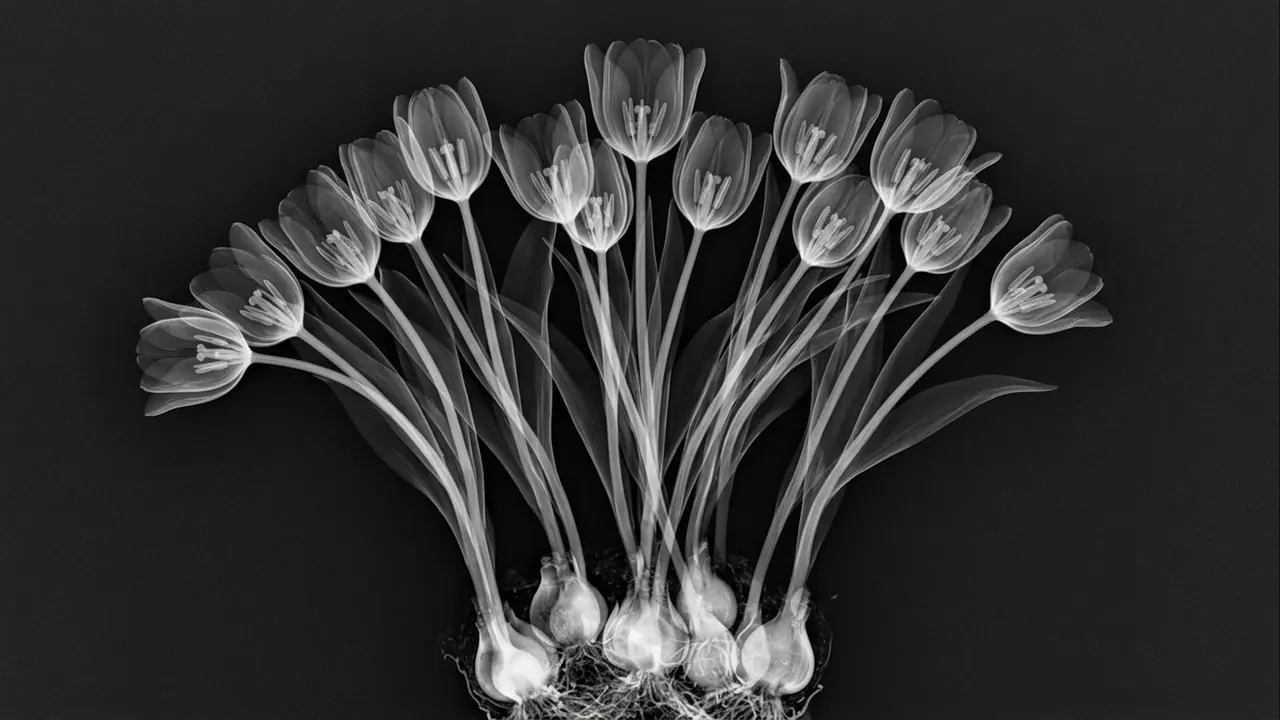
X-Ray
The image sees through the surface to the structure beneath.
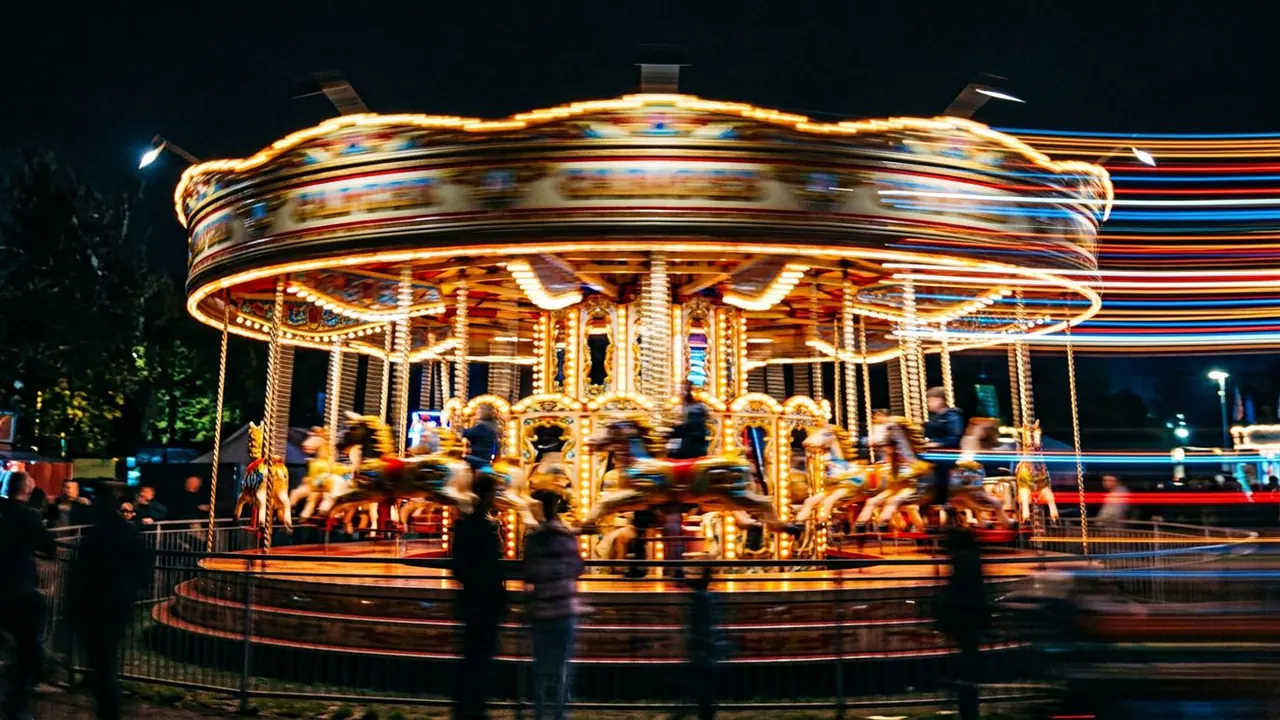
Slit-Scan
Time is smeared into space, so movement becomes streaks of light.
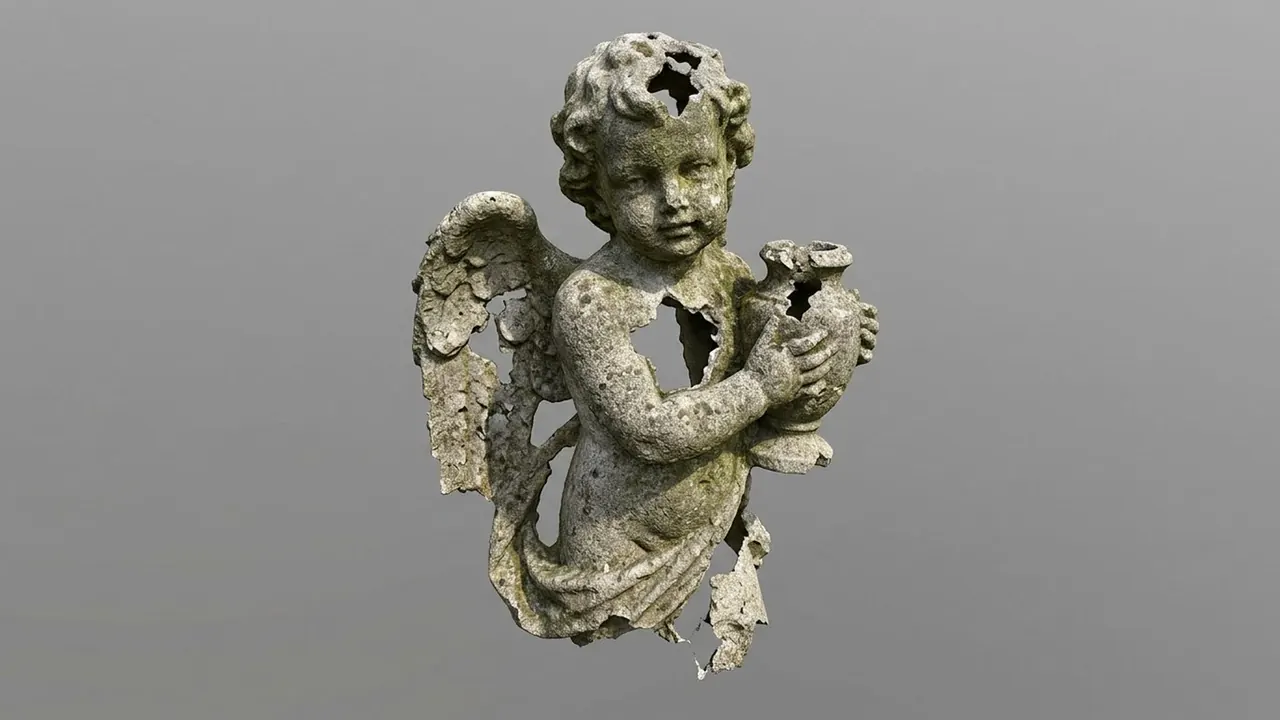
Photogrammetry
The scene looks scanned and rebuilt, with holes where data was missing.
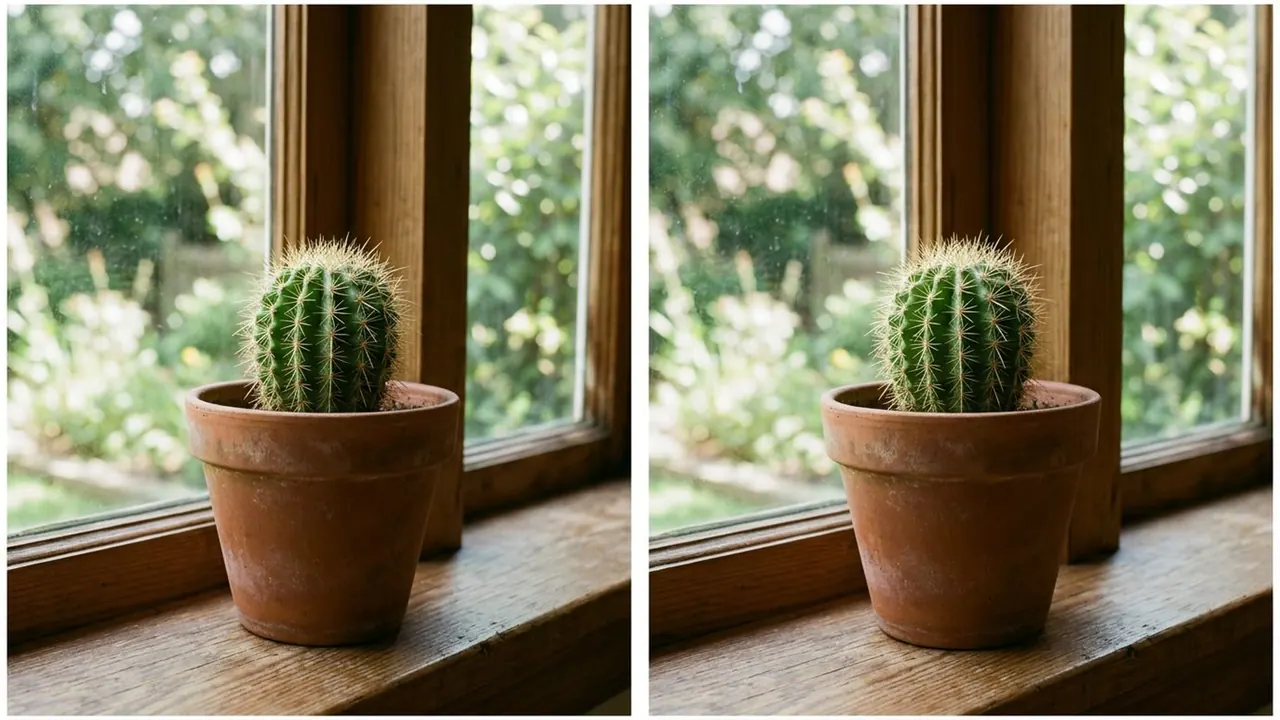
Wigglegram
Two slightly offset views alternate, so the image appears to have depth.
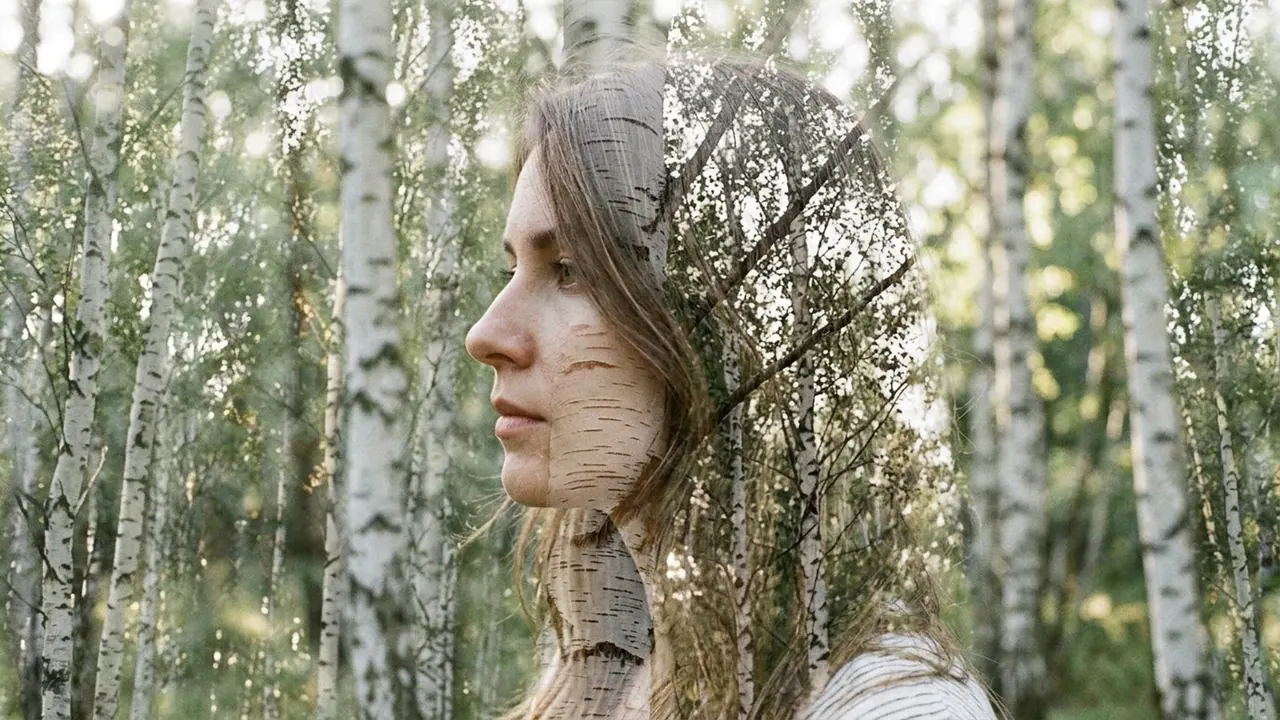
Double Exposure
Two images occupy the same frame and show through each other.
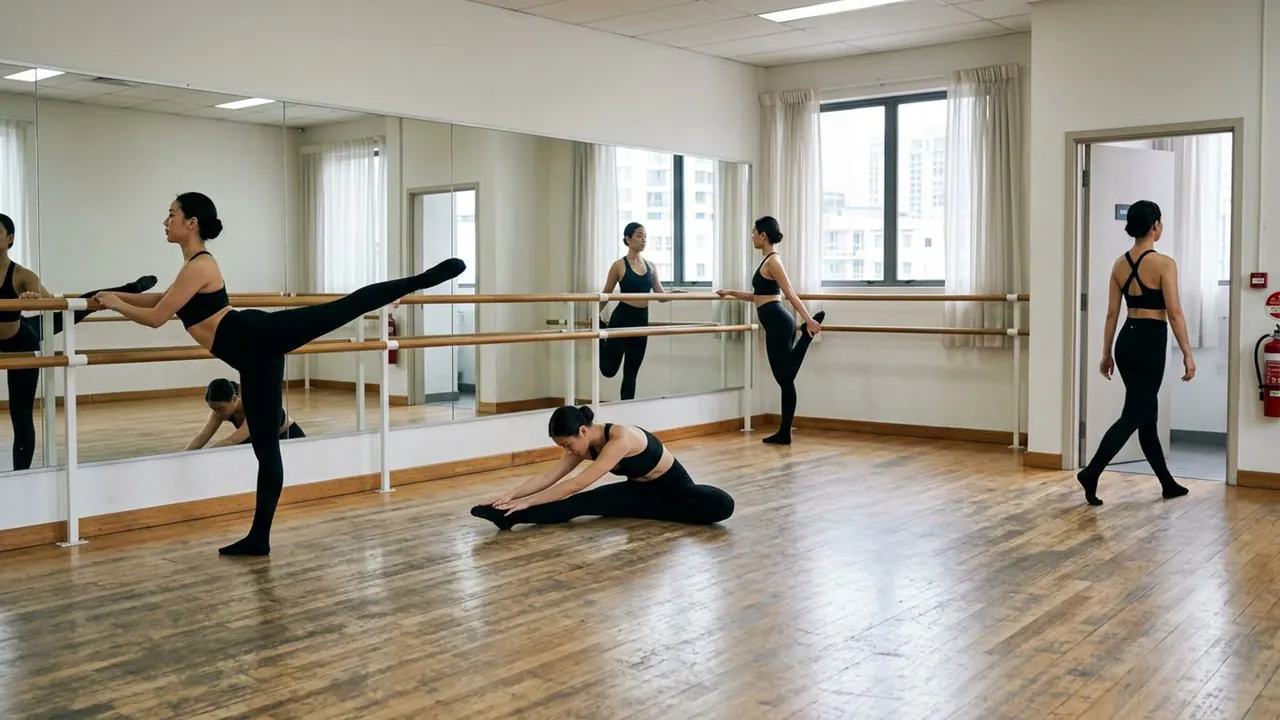
Duplication
The same person appears more than once in one frame.

Selfie Twin
A phone screen shows a second version of the person holding it.
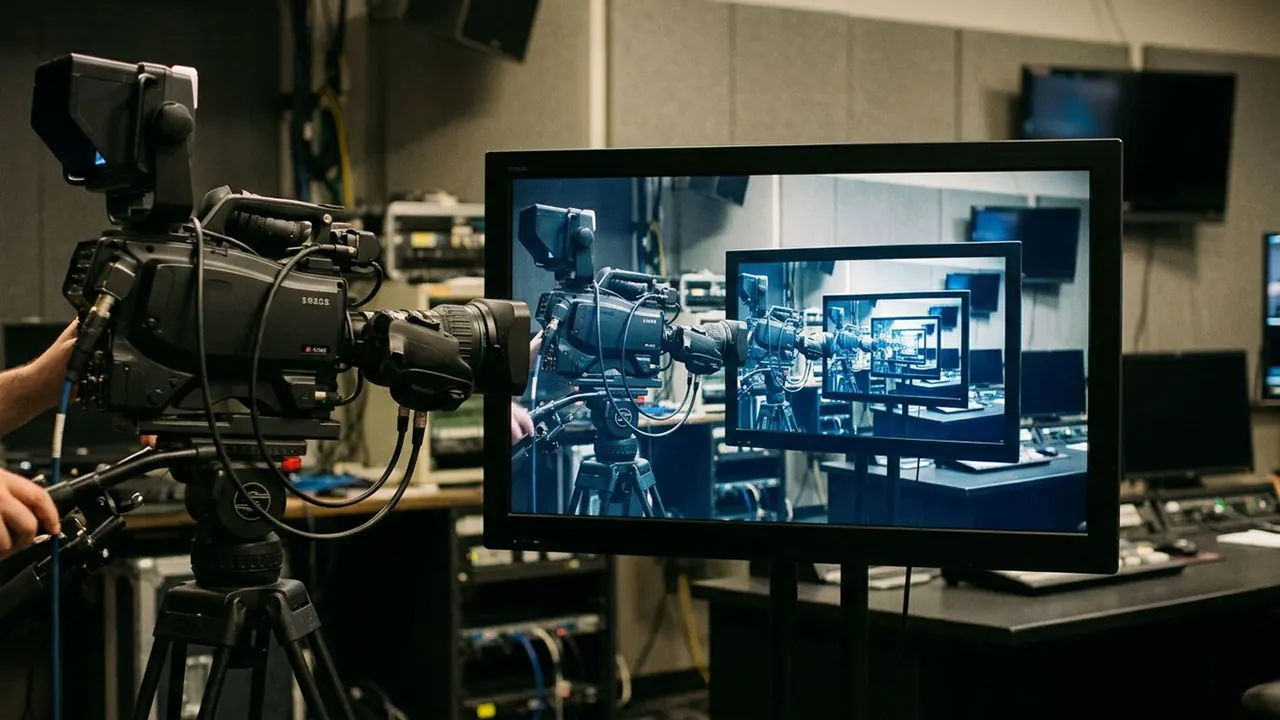
Feedback
A screen shows the scene it sits in, repeating into itself.
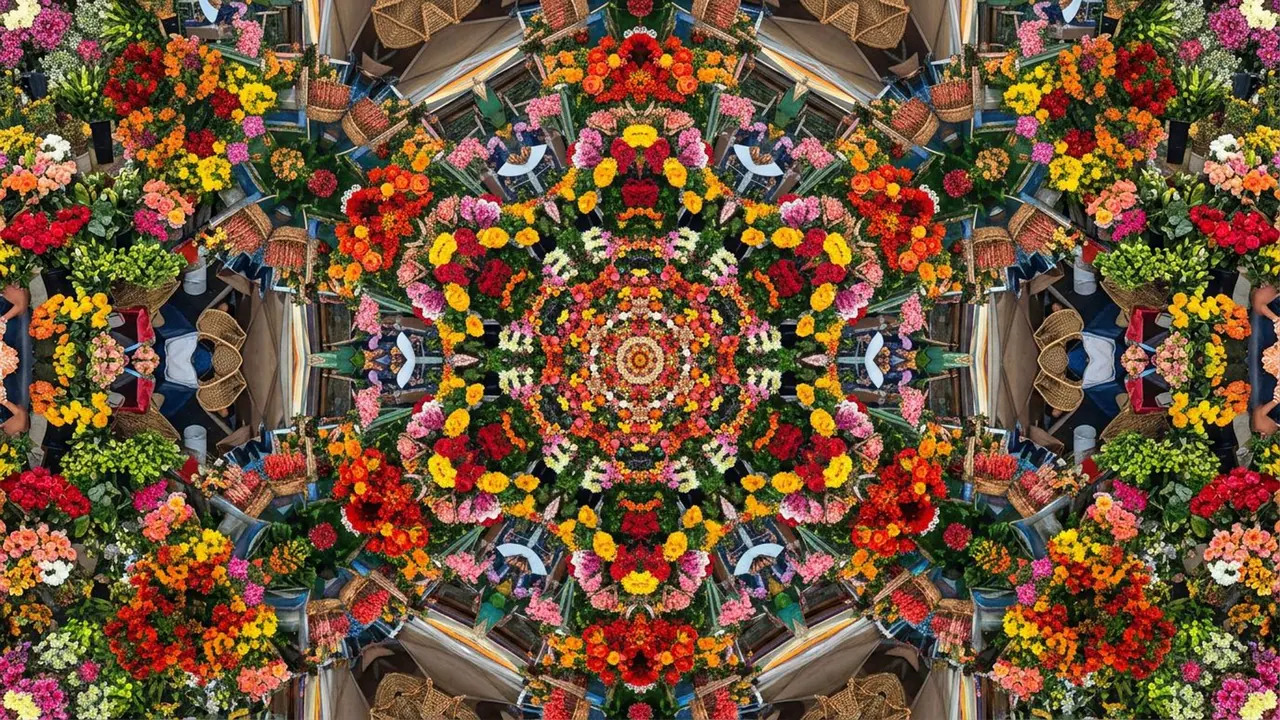
Kaleidoscope
The frame mirrors and repeats into a symmetrical pattern.
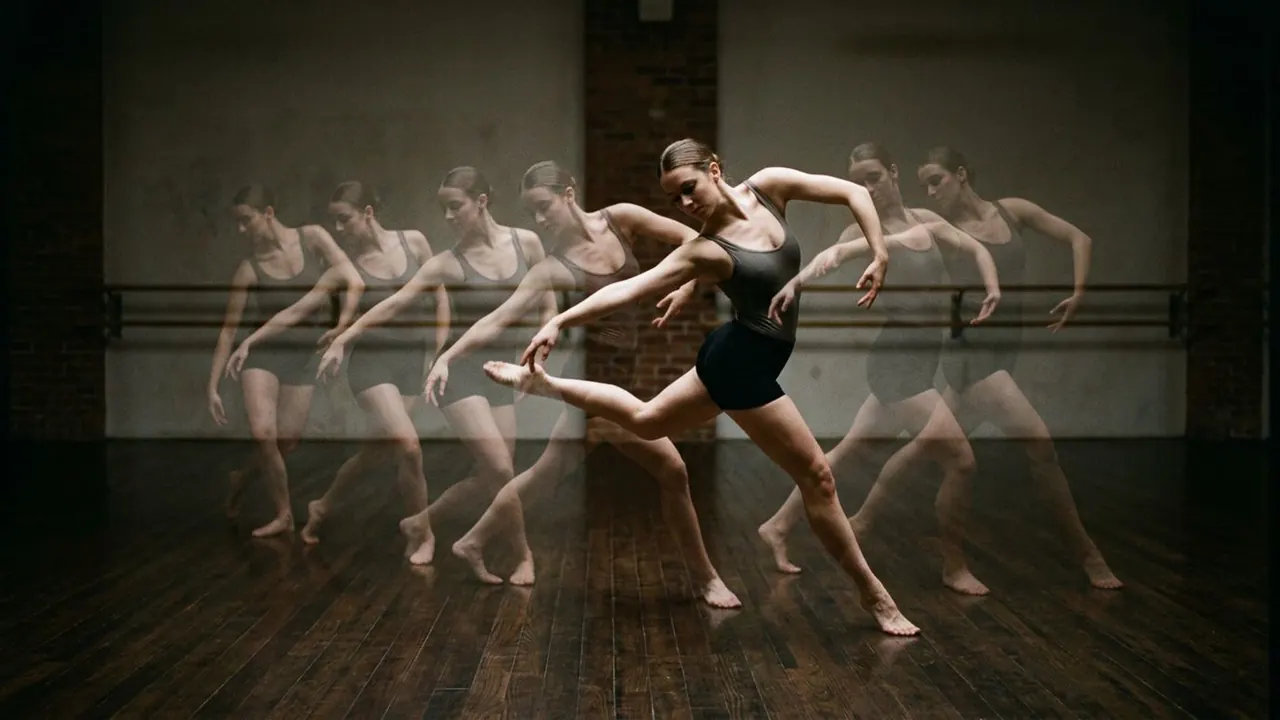
Echo Print
Moving figures leave repeated trailing copies behind them.
Mixed Media
Photographic footage sits alongside drawn, printed or physical material.
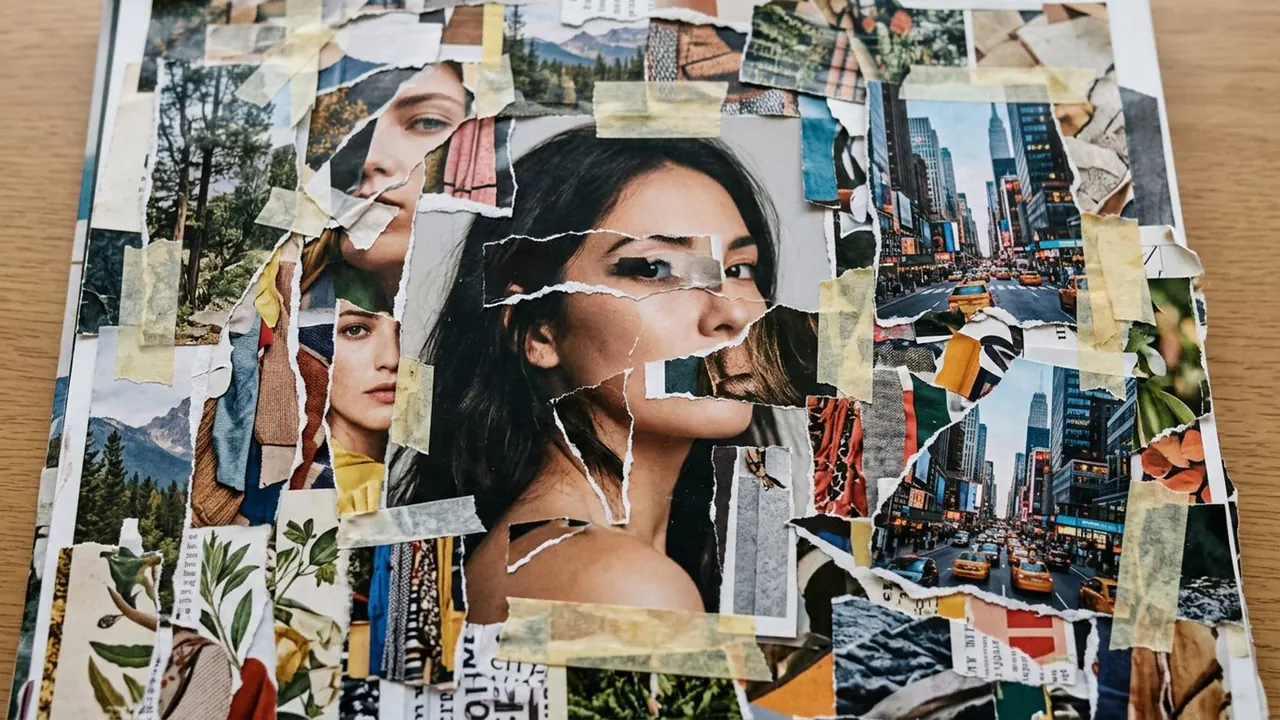
Collage
Cut paper, photographs and scraps are layered over the image.
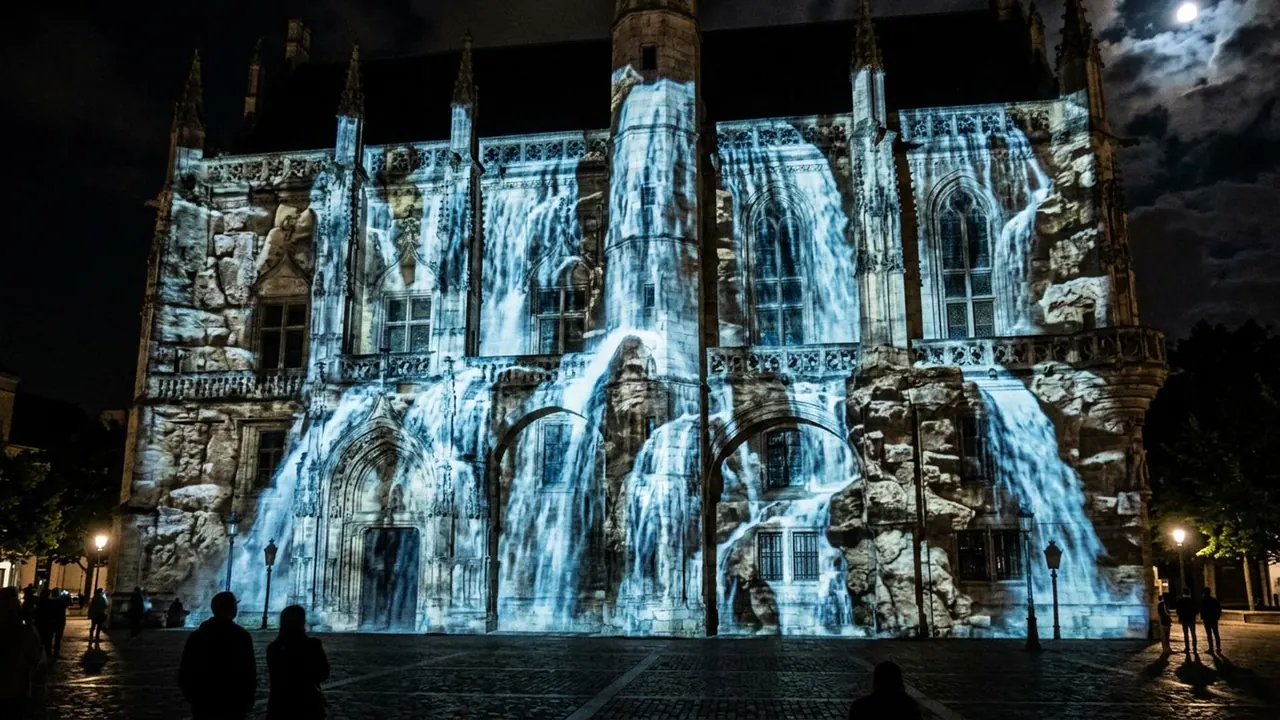
Projections
A projected image lands on a real surface and wraps its shape.
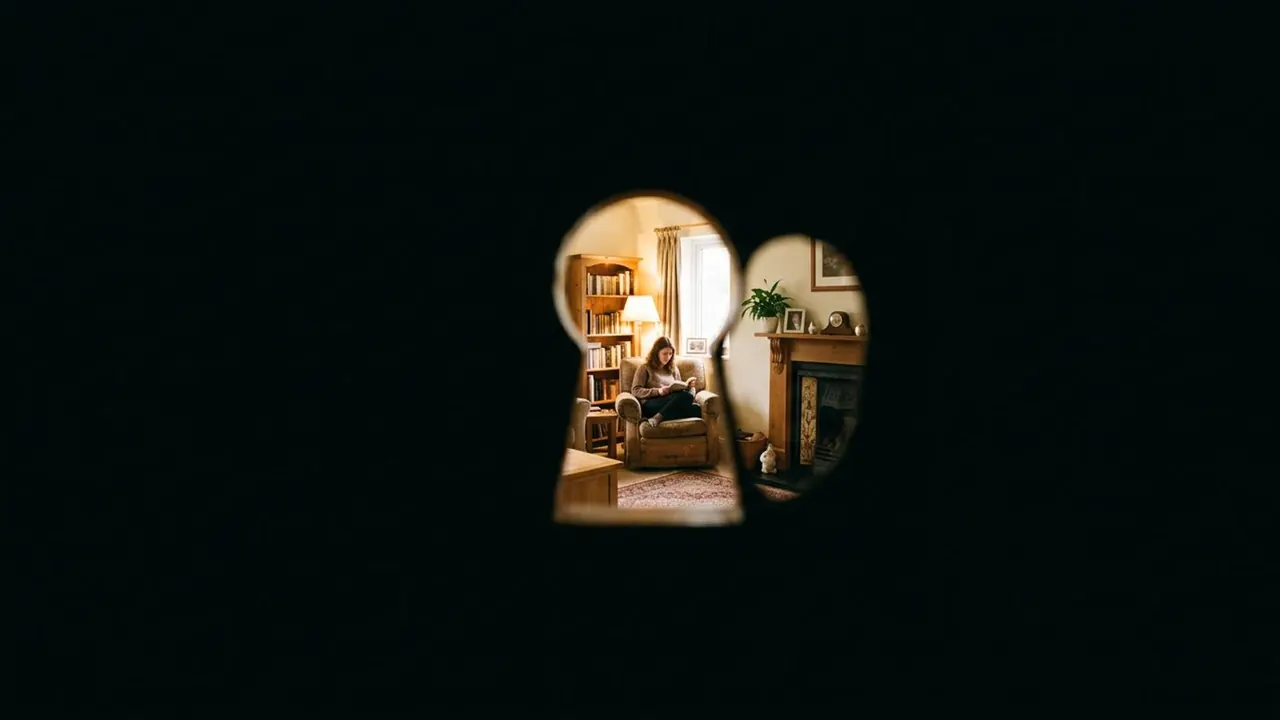
Masking
A shaped matte blocks most of the frame and leaves an opening.
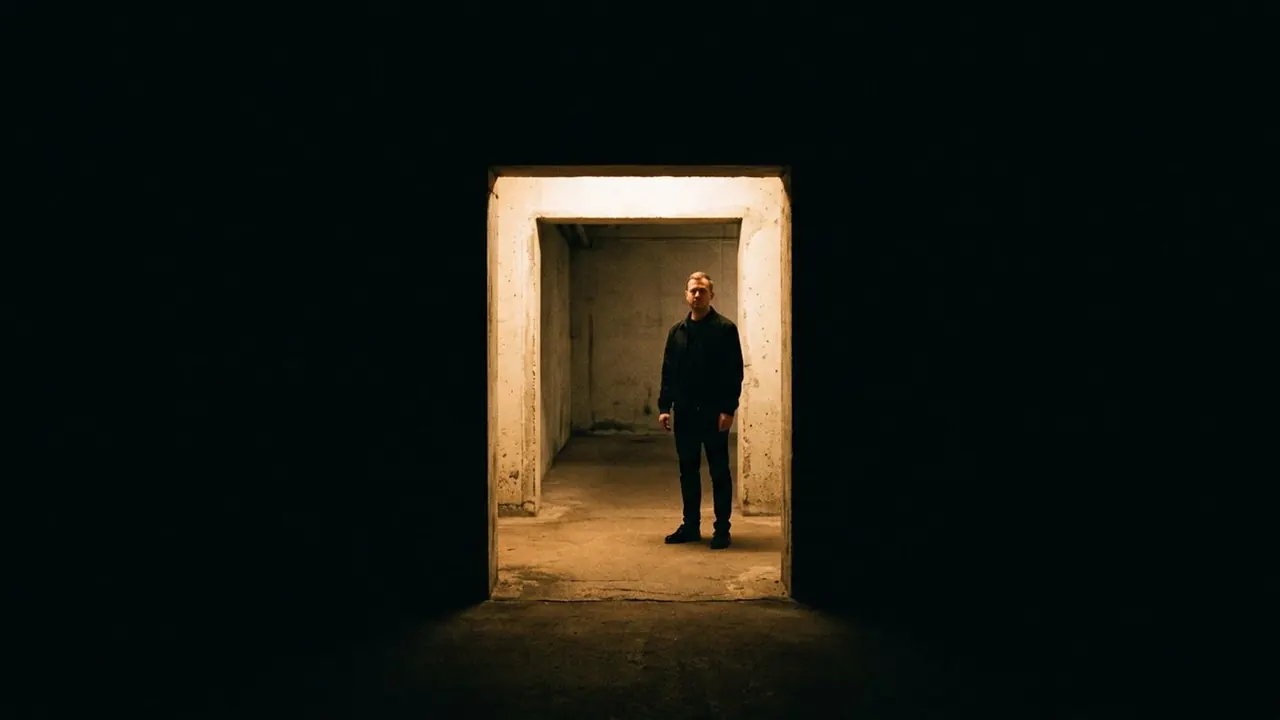
Shadow Box
A figure is framed inside a lit opening against darkness.
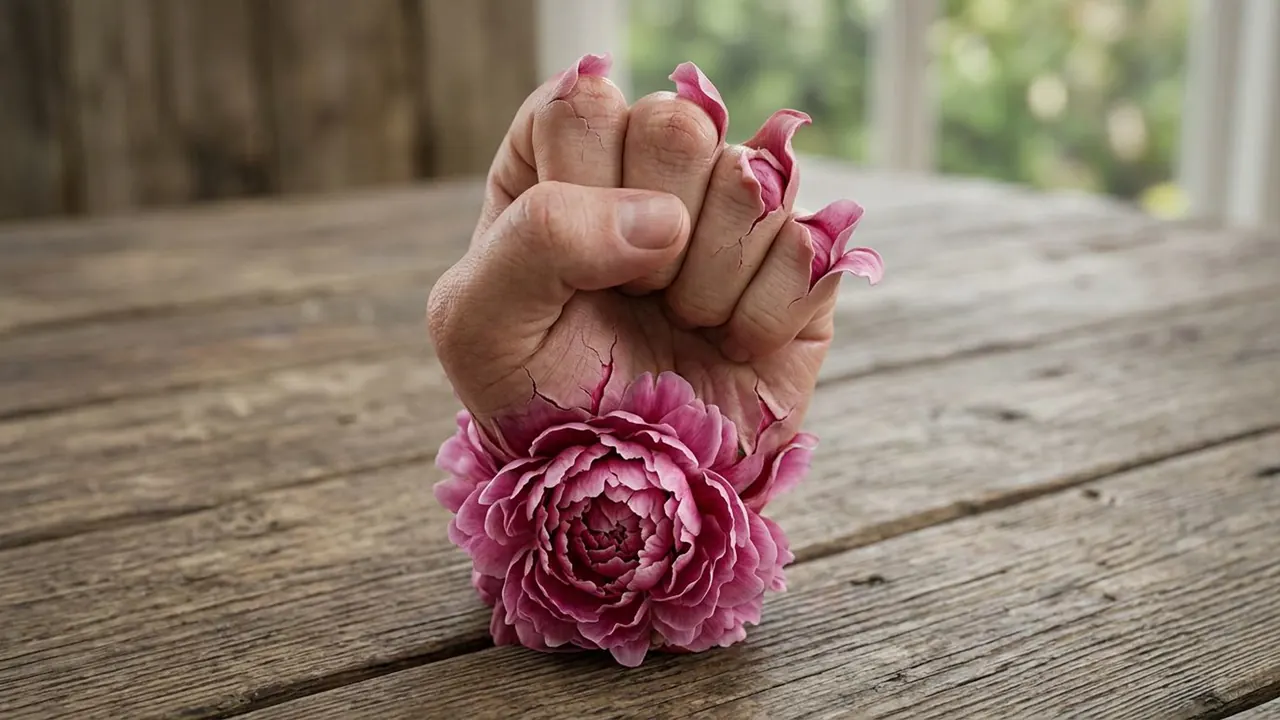
Morphing
One form flows into a completely different form.

Morph
One face or form becomes another with no cut.
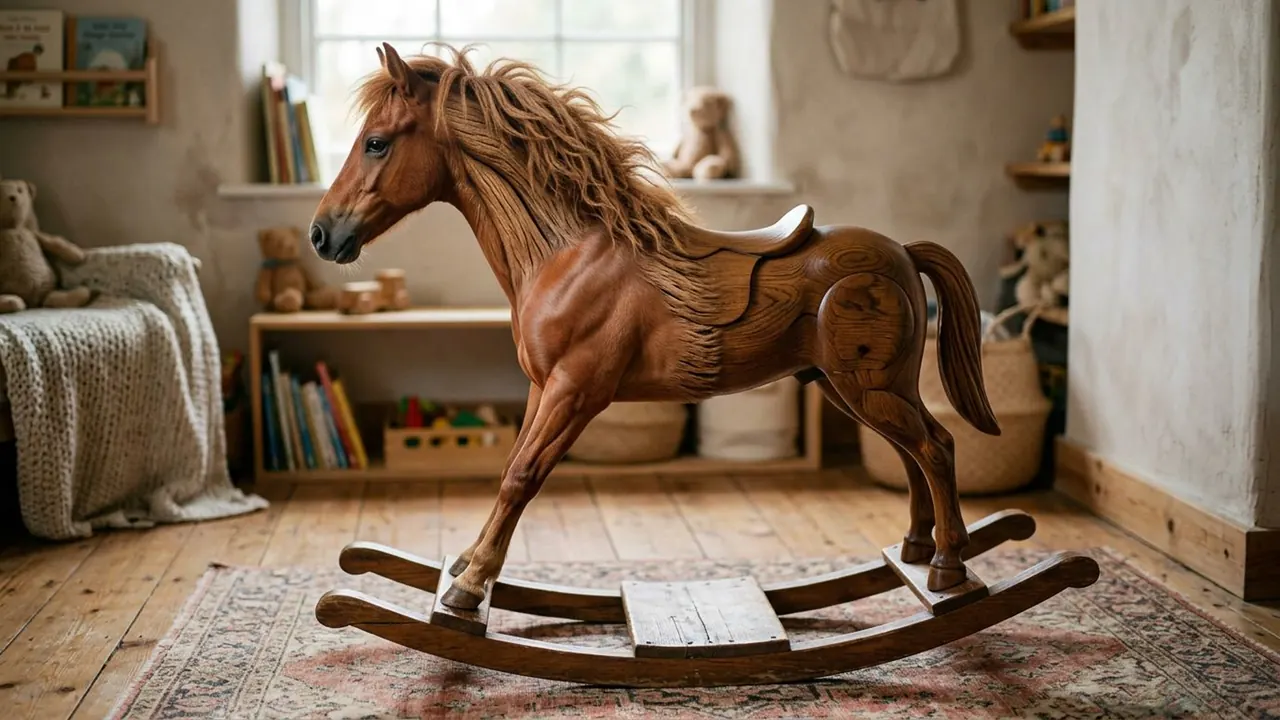
Transformation
A subject changes into another material or state.
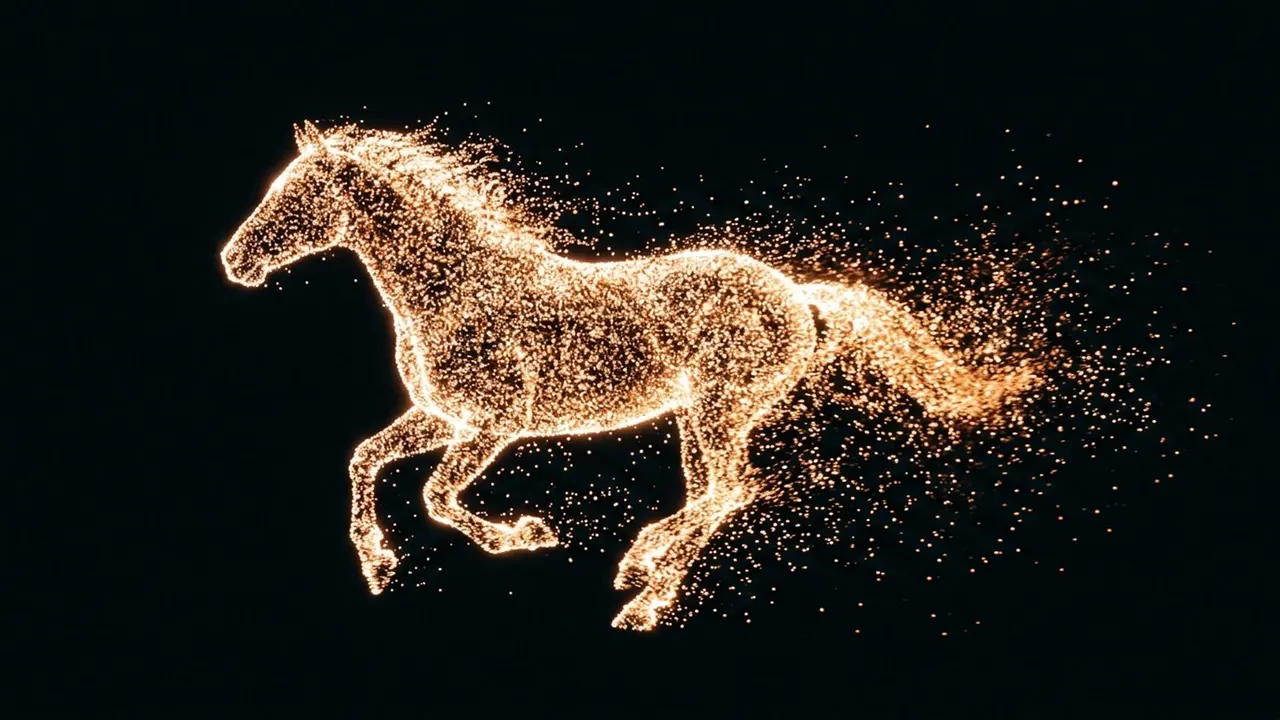
Generative
The subject forms out of particles or procedural structure.

Anthropo
An inanimate object behaves as if it were alive.
Cinemagraph
The frame is a still except for one element that keeps moving.
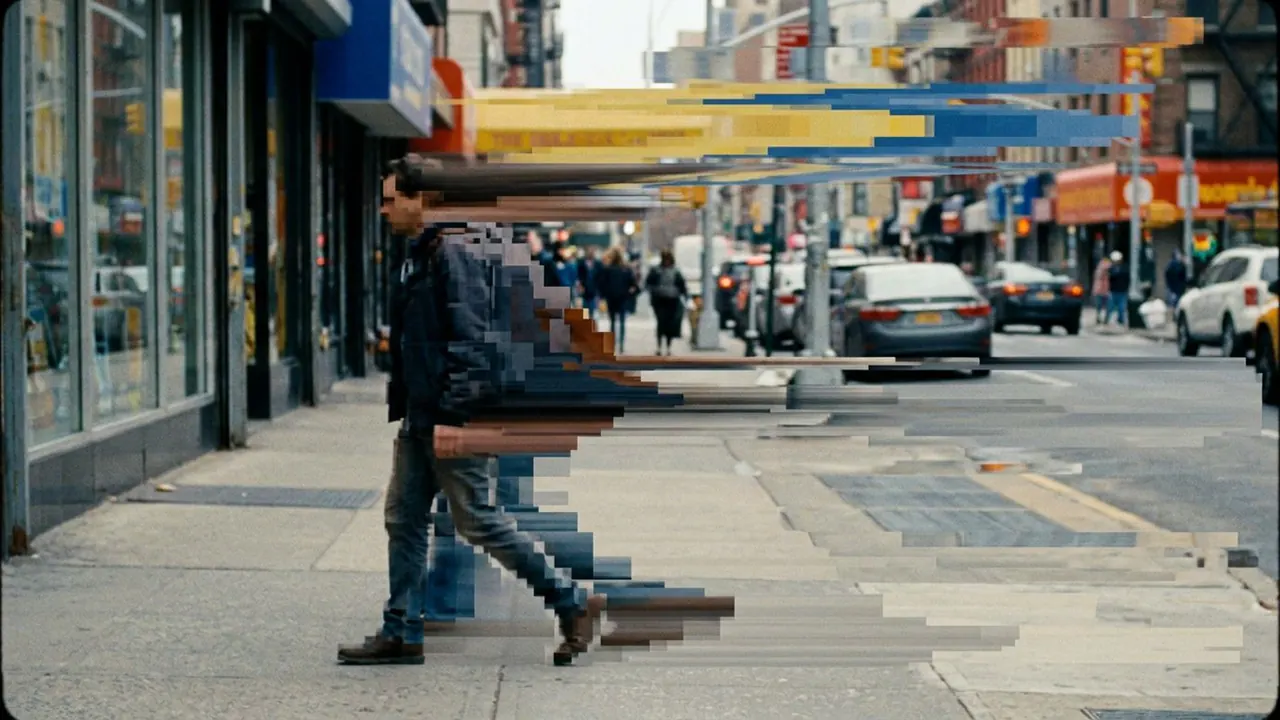
Datamosh
Compression breaks down and the frames smear into each other.
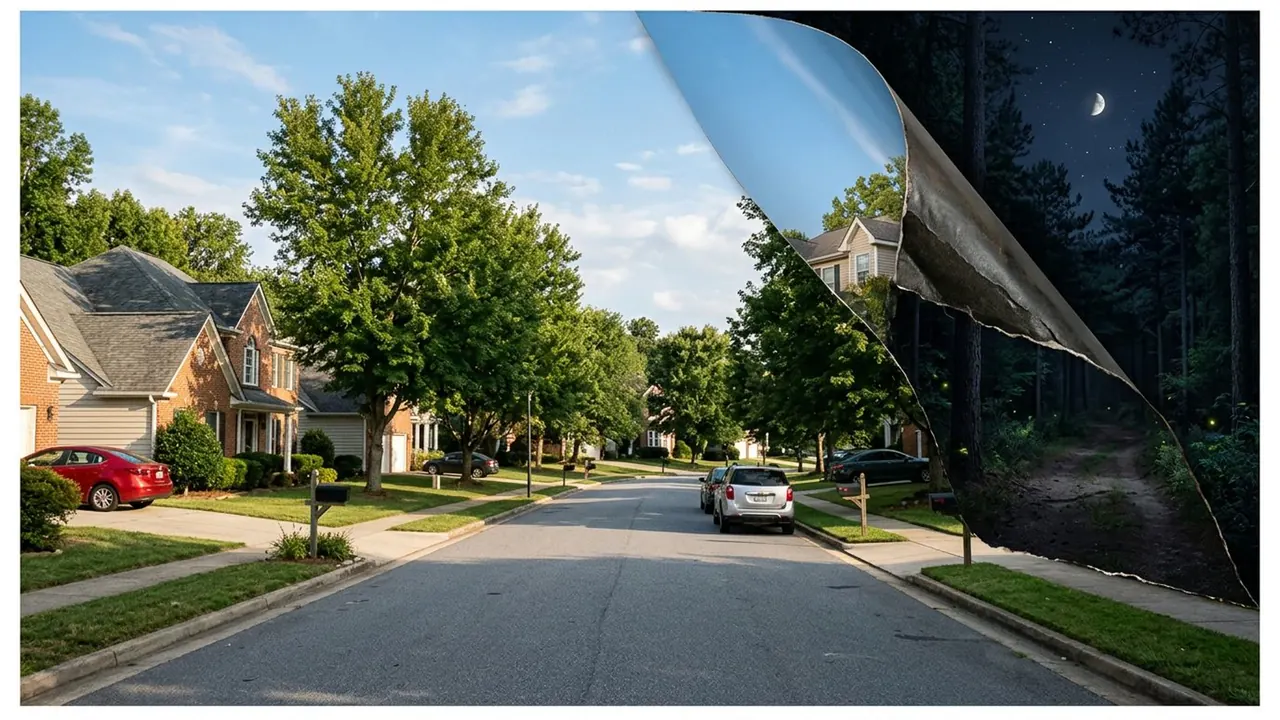
Sticker Peel
The image lifts at a corner like a sticker, showing another beneath.
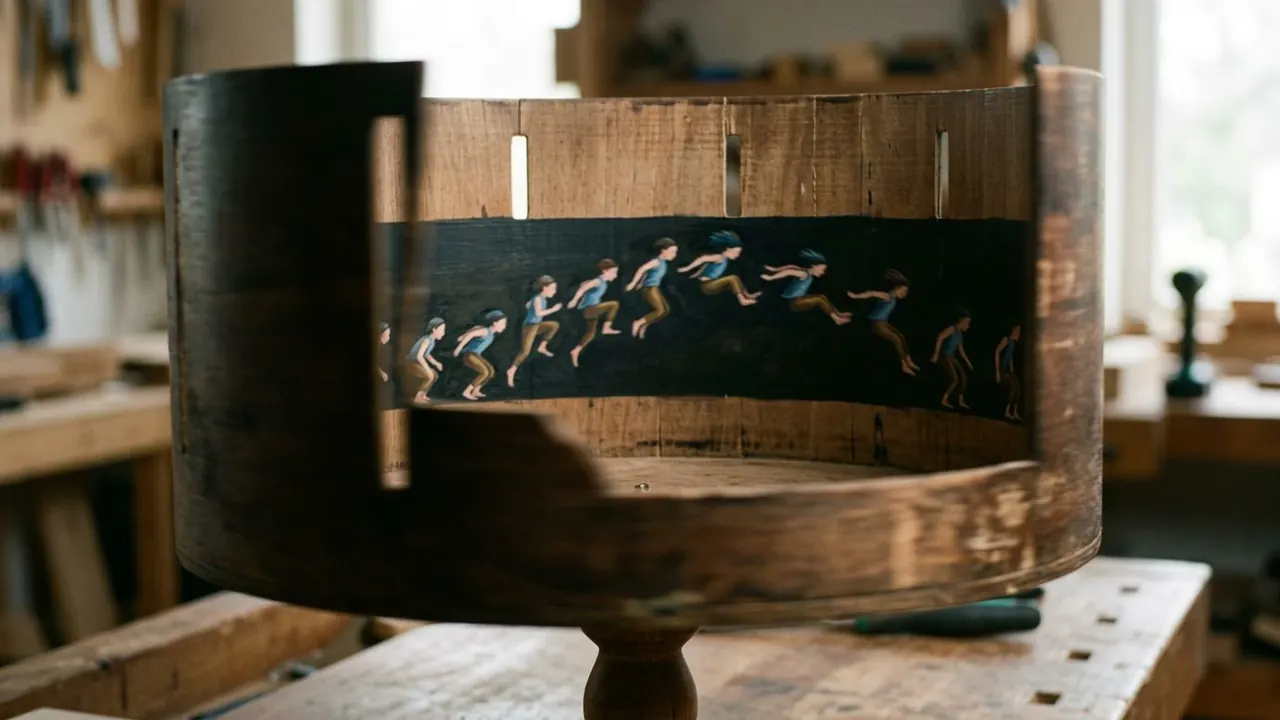
Zoetrope
Repeated figures in sequence make a single movement when they pass.
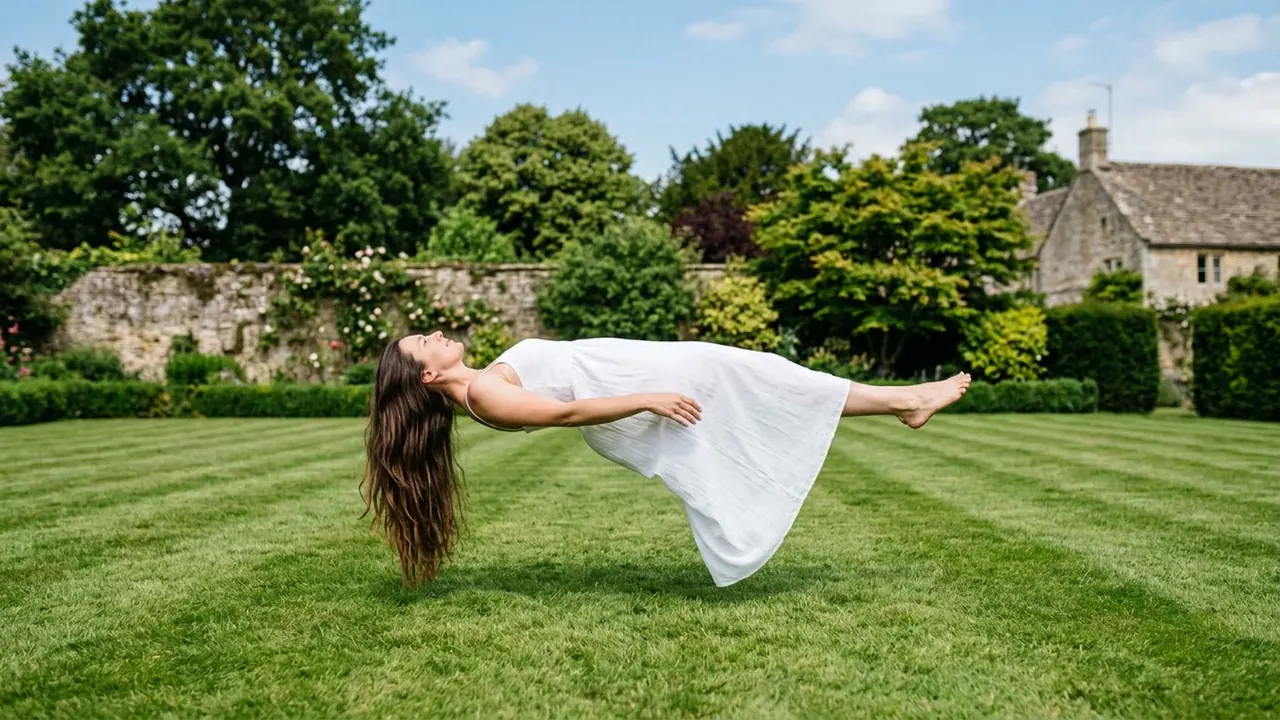
Levitation
A figure hangs in the air with nothing holding them.
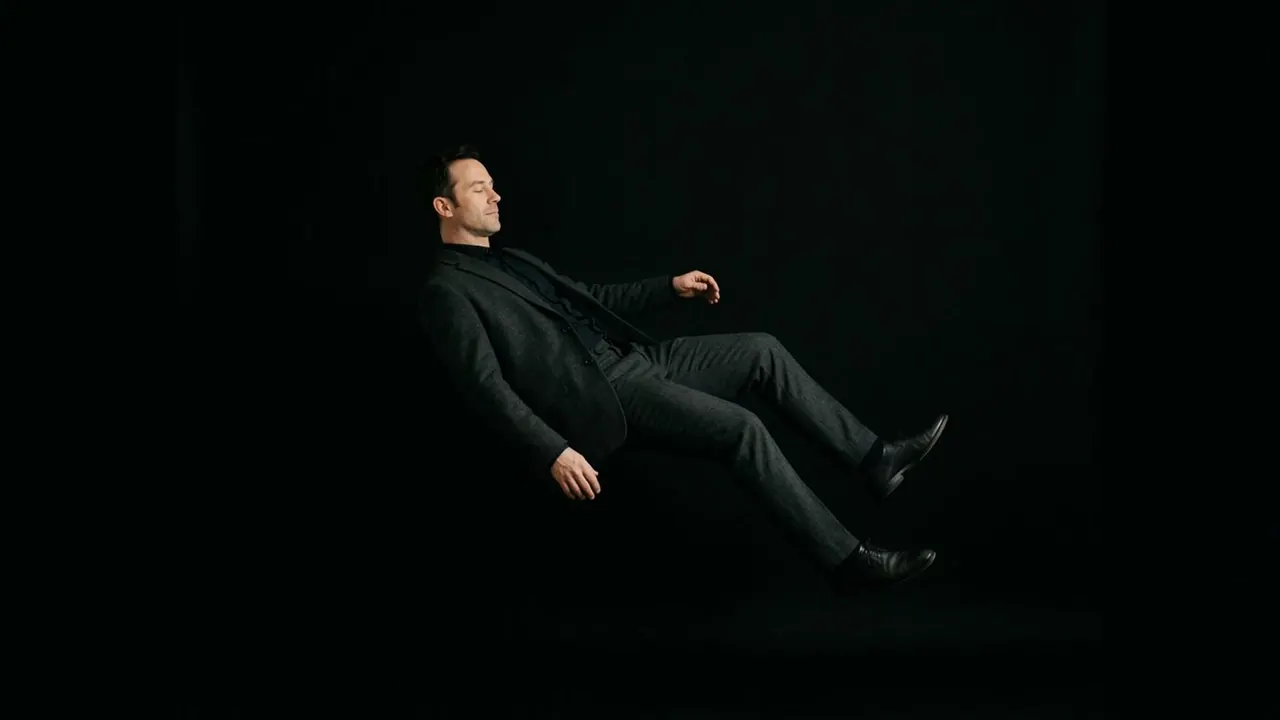
Floating Fall
A body drifts and turns in dark space with no ground.
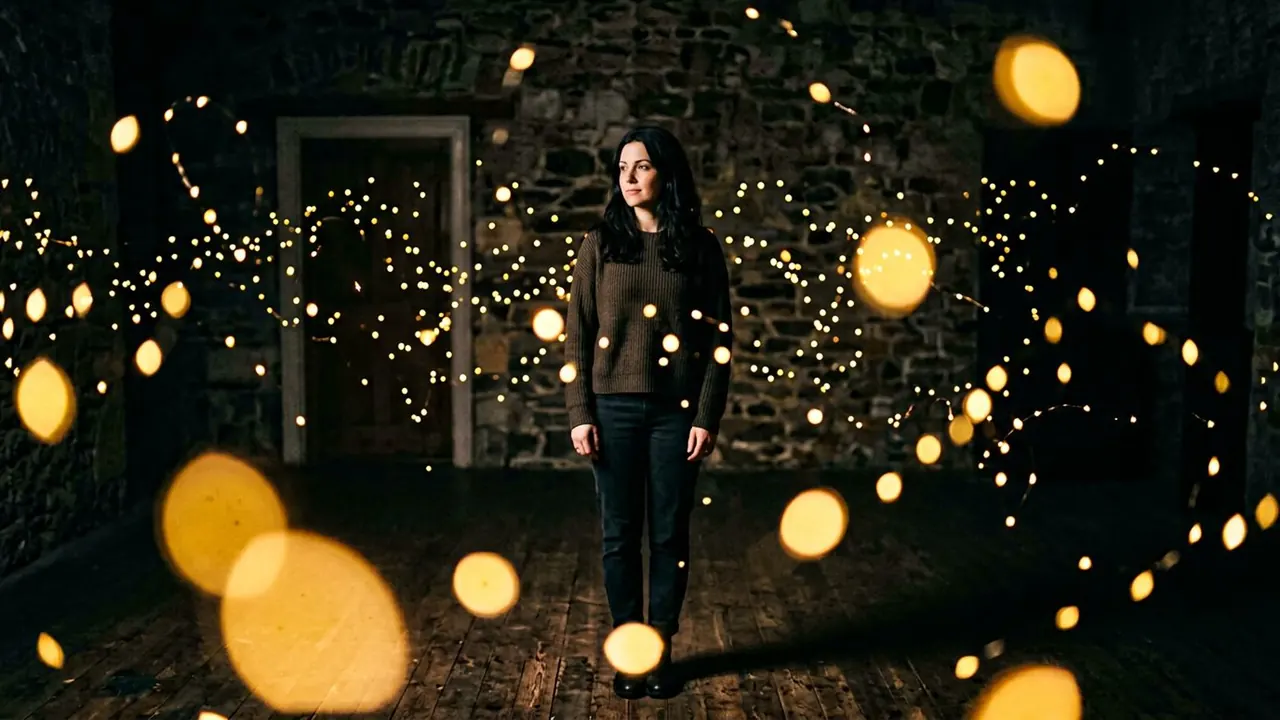
Particles
Small glowing points drift through the air around the subject.
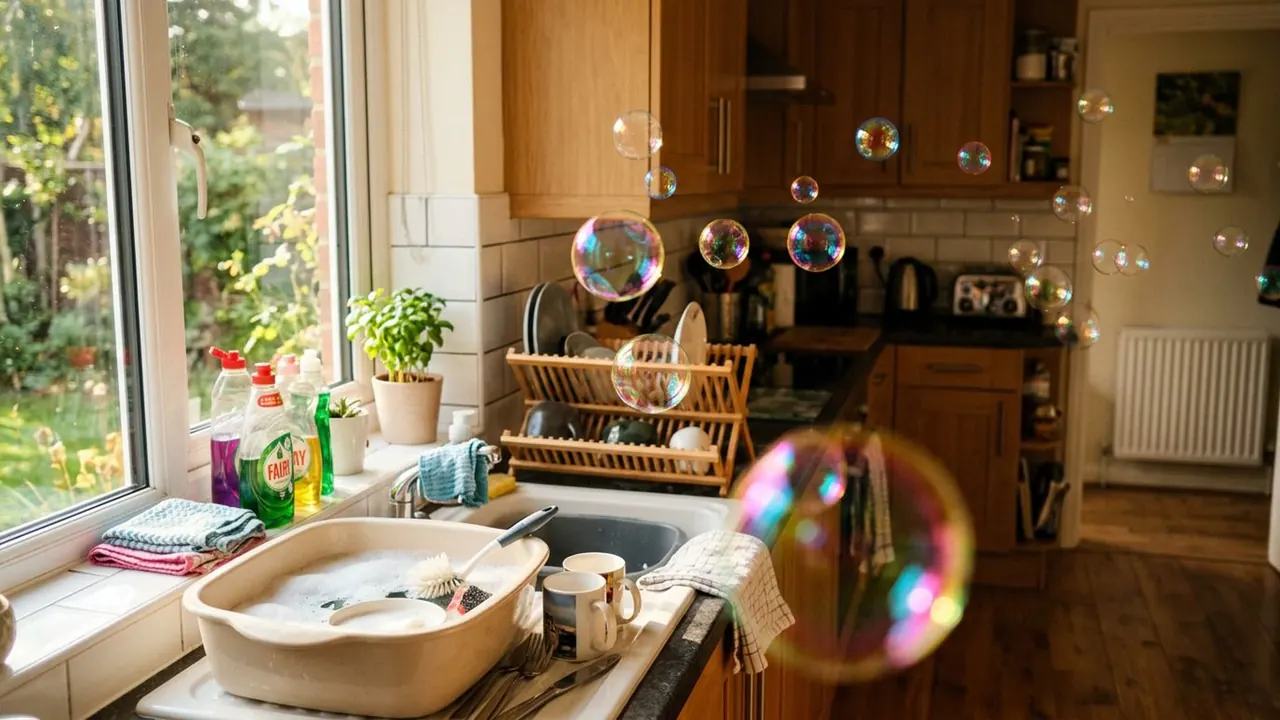
Bubbles
Soap bubbles drift through the frame and catch the light.
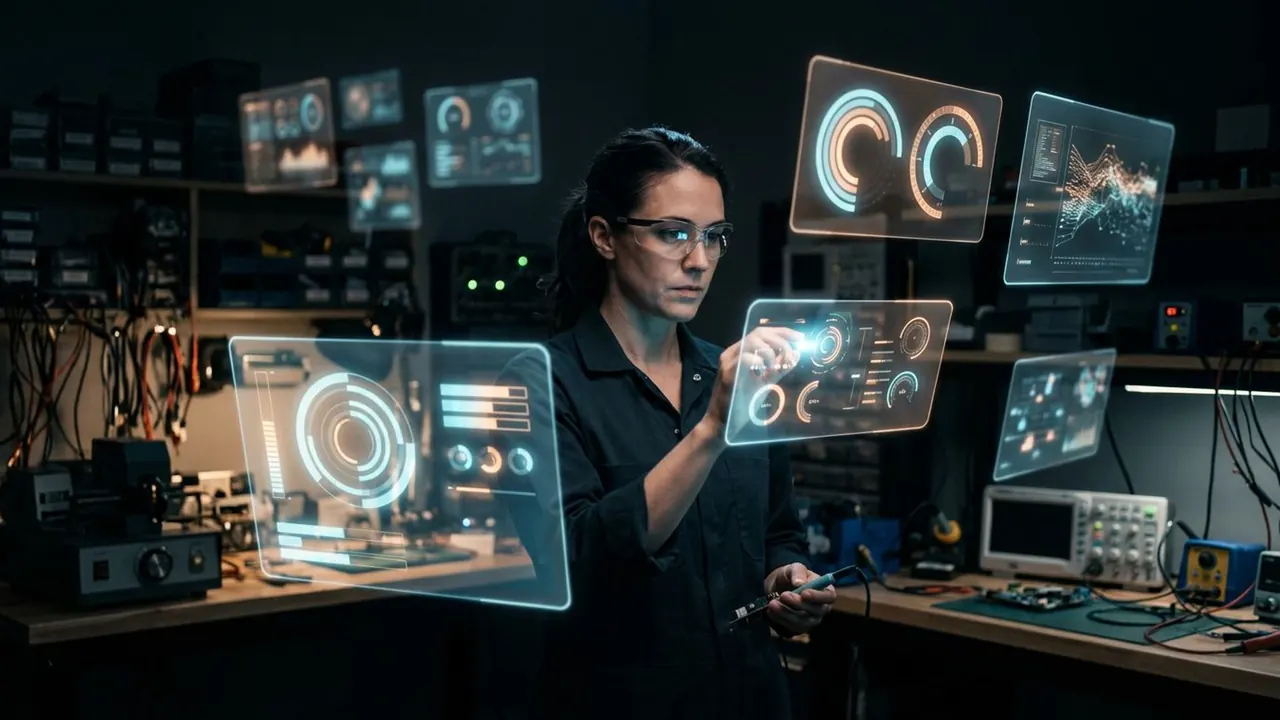
Floating UI
Interface panels hang in the air around the subject.
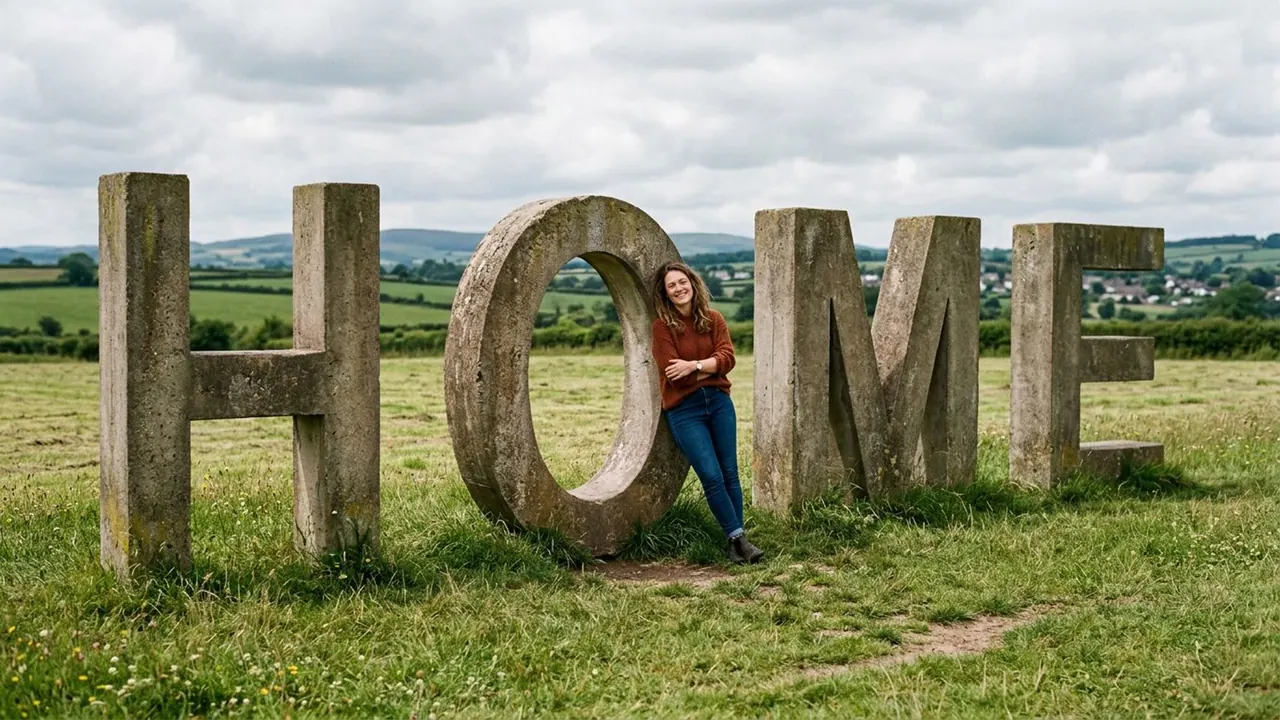
Typography
Words exist as objects inside the scene.
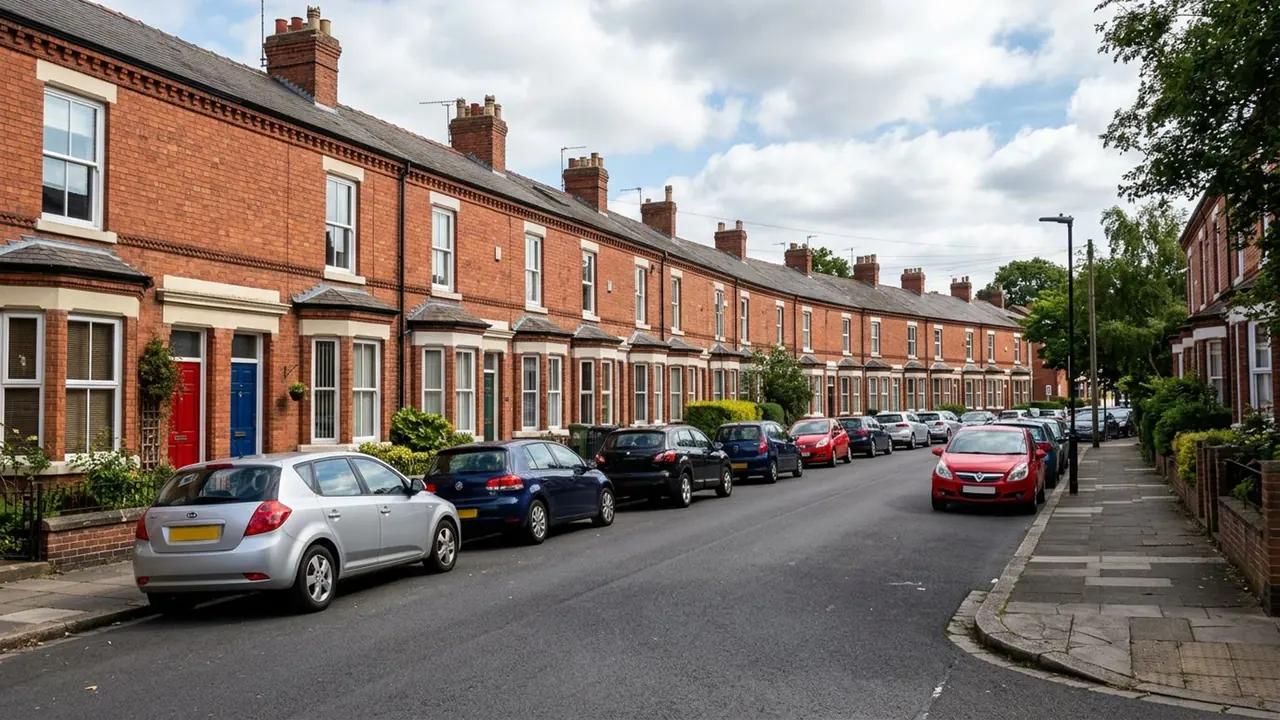
Distortions
The geometry of the space bends away from what a lens would do.
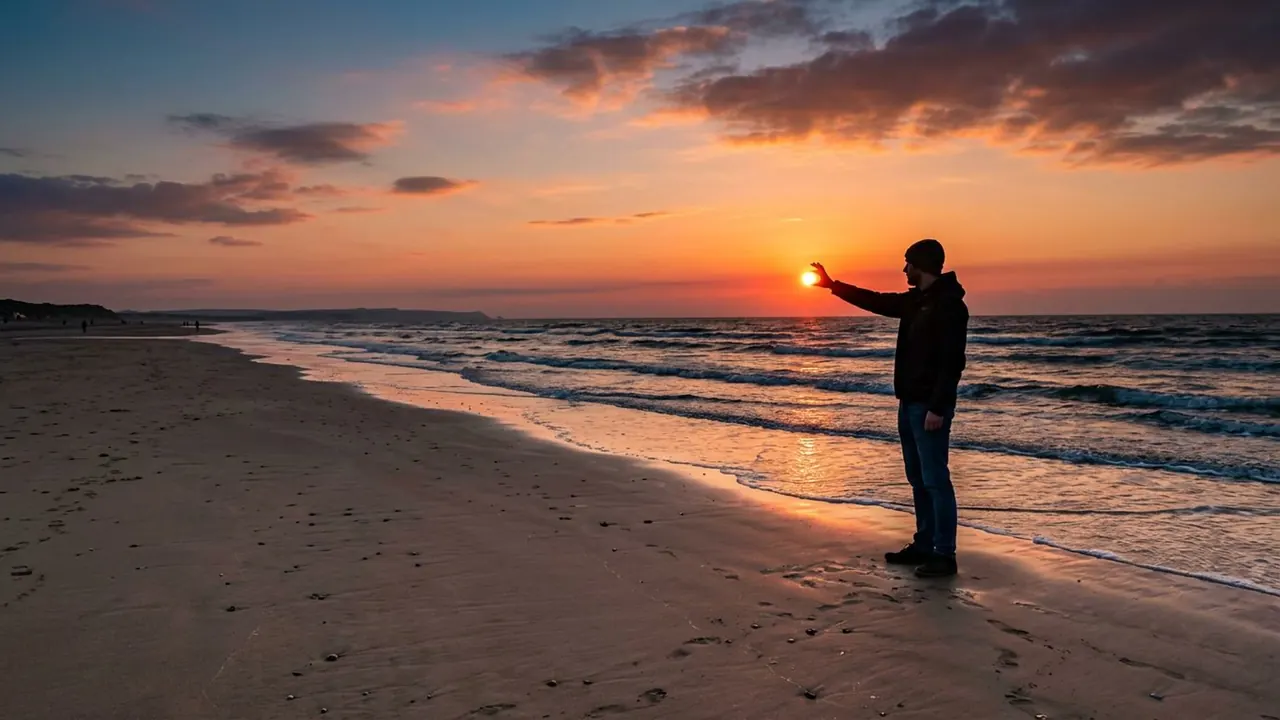
Forced Perspective
Distance is used to make one thing look far larger or smaller than it is.
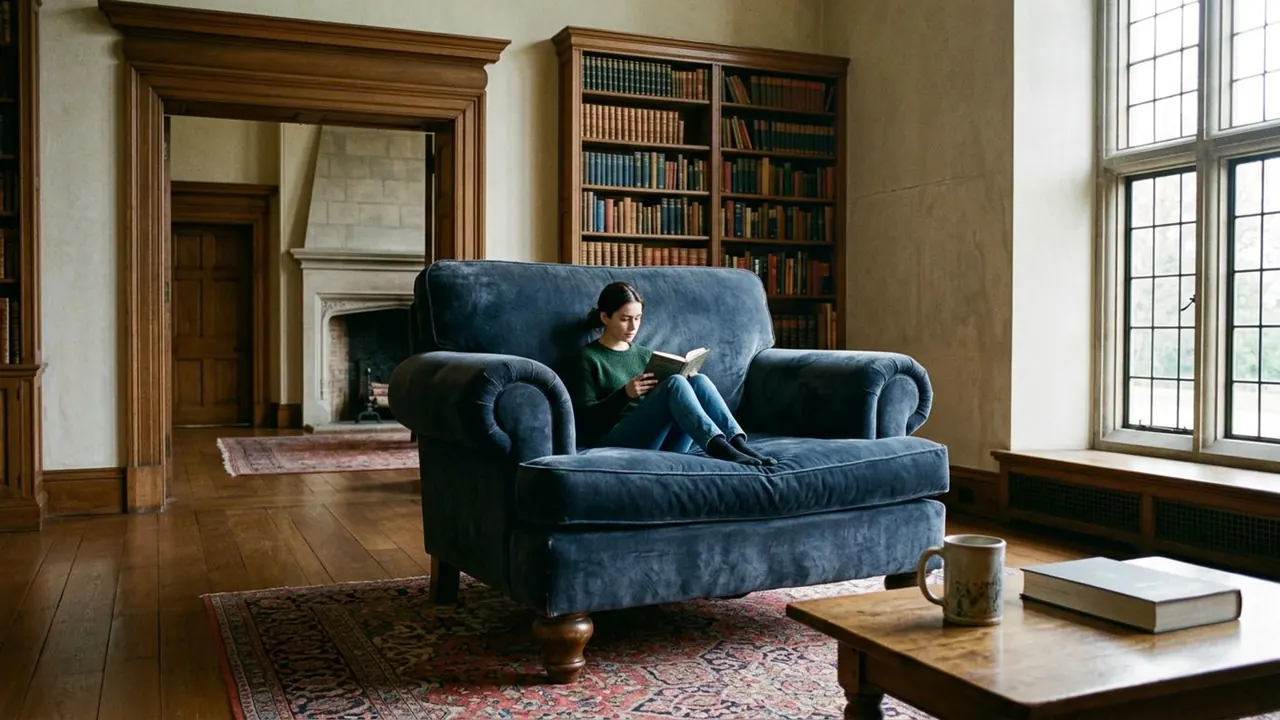
Scale Shift
The subject's size relative to the space changes.
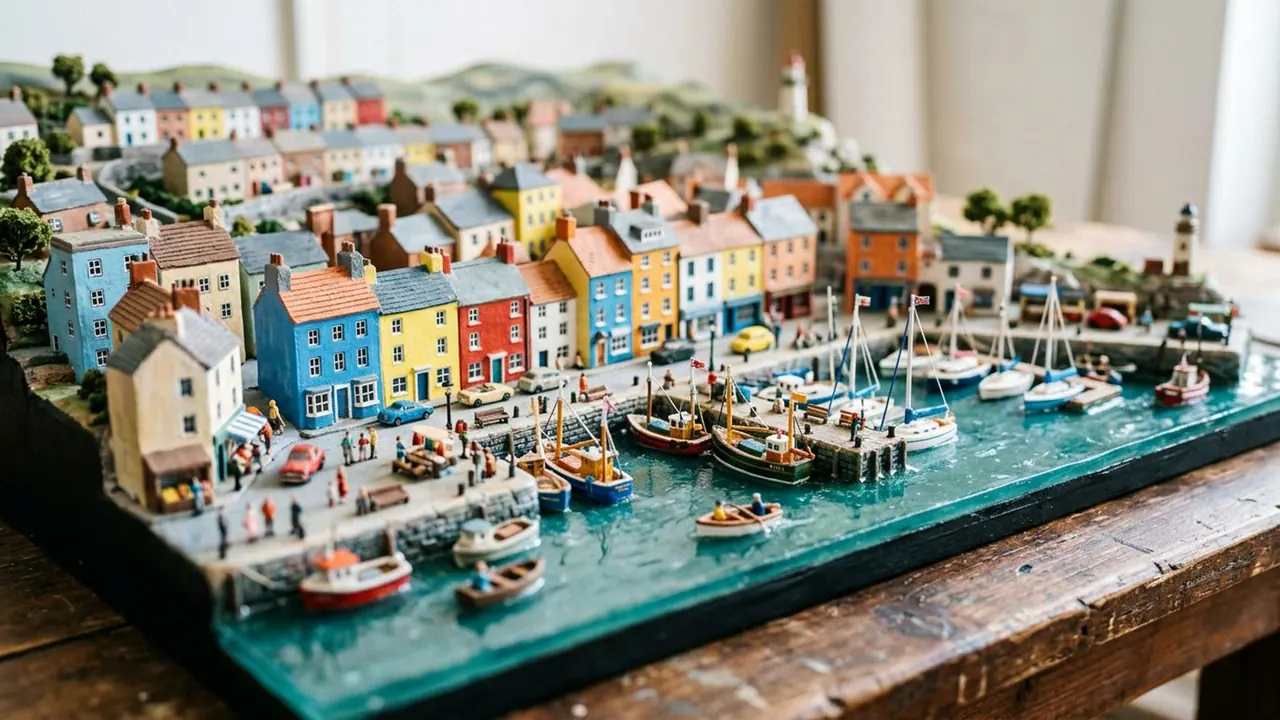
Diorama
The scene reads as a handmade miniature.
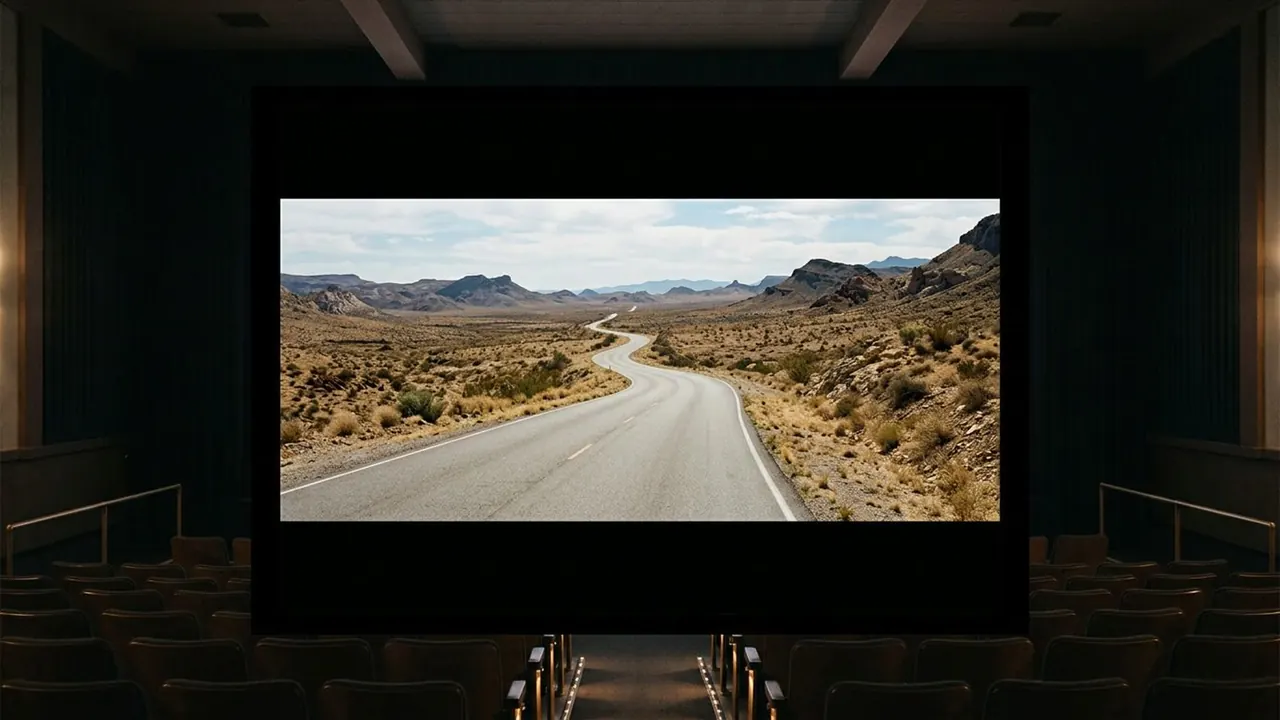
Ratio Switch
The aspect ratio changes during the film.
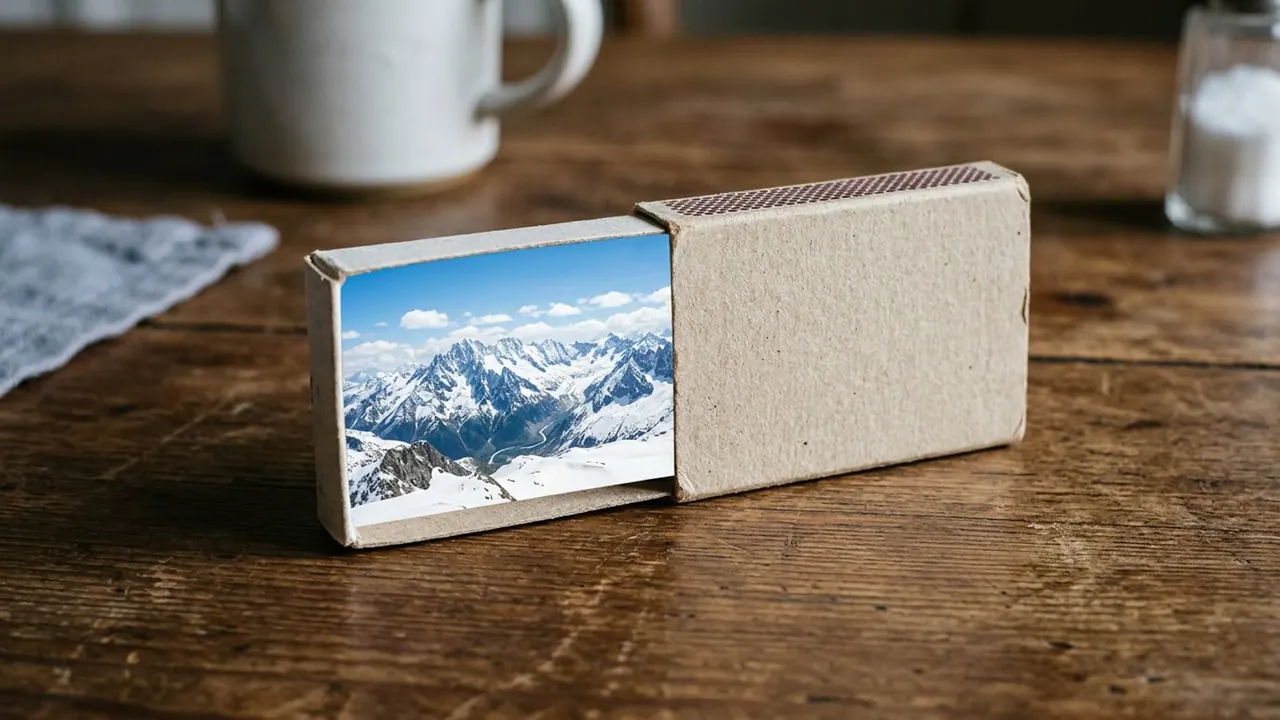
Object Portal
An ordinary object contains a view into somewhere else.
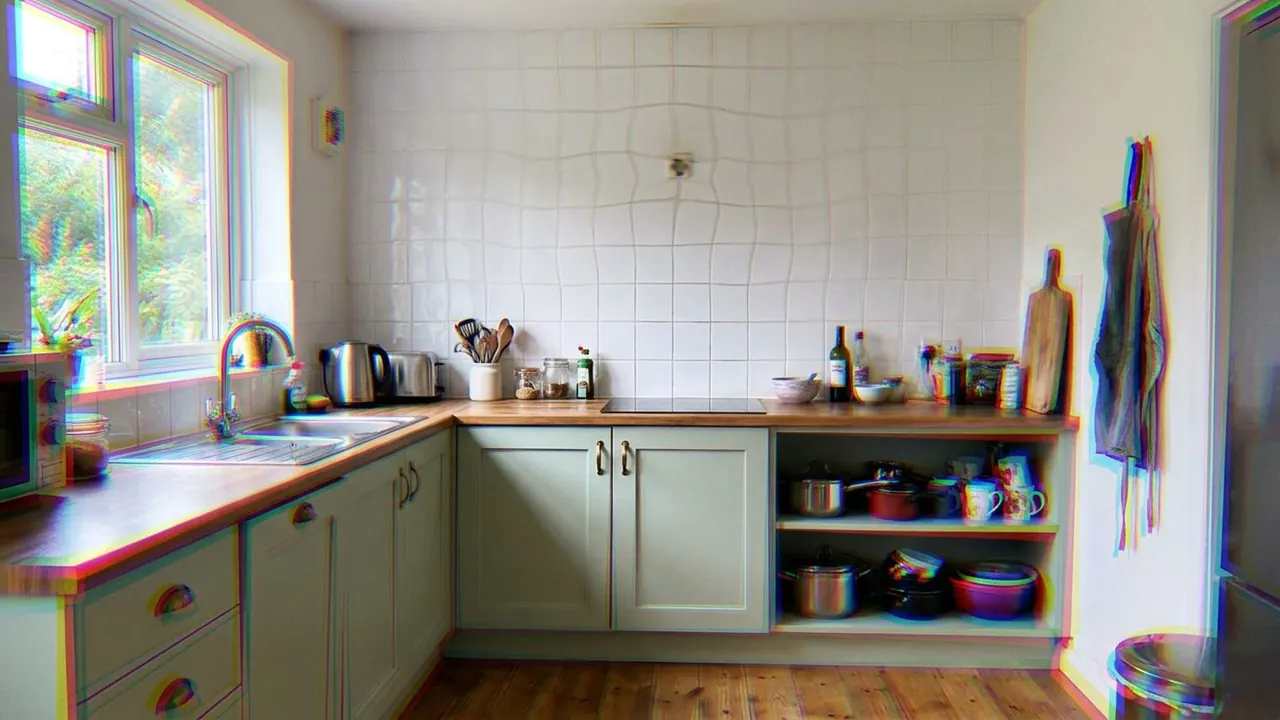
Altered State
The image bends to show that perception itself is off.
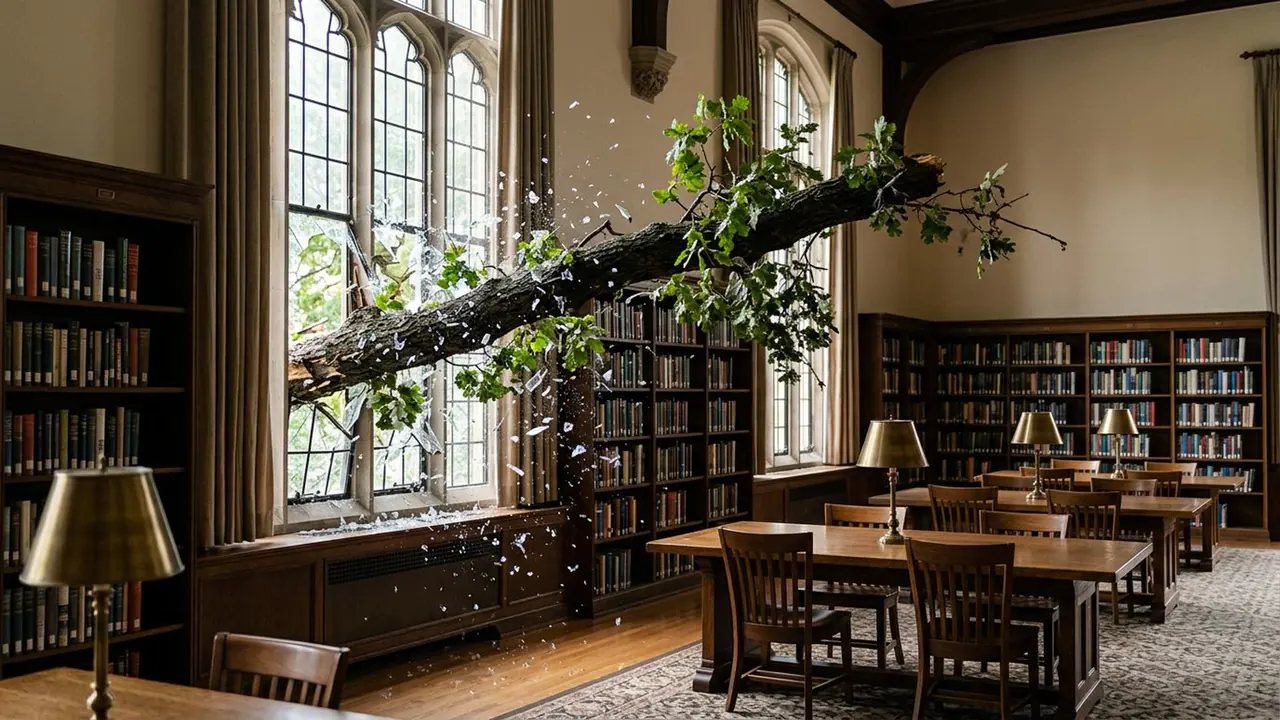
Smash and Grab
A sudden violent intrusion arrives in an otherwise calm frame.
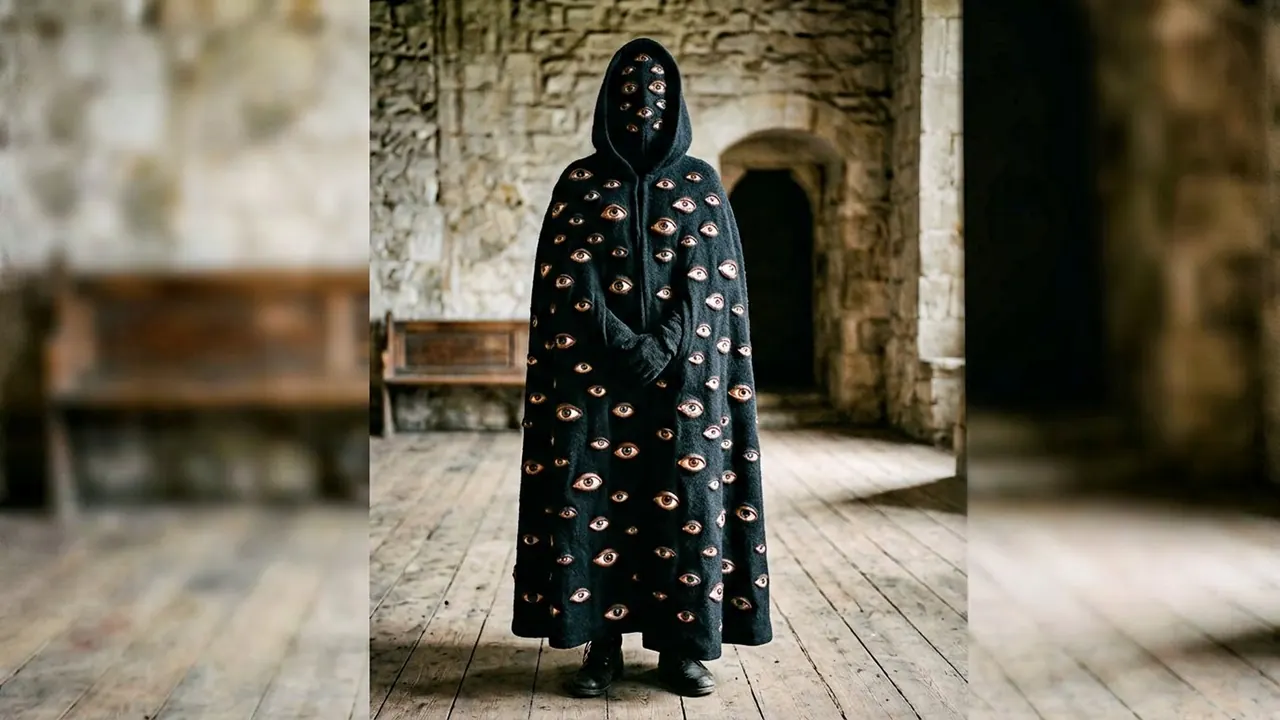
Argus
Many eyes cover the subject or the frame around it.
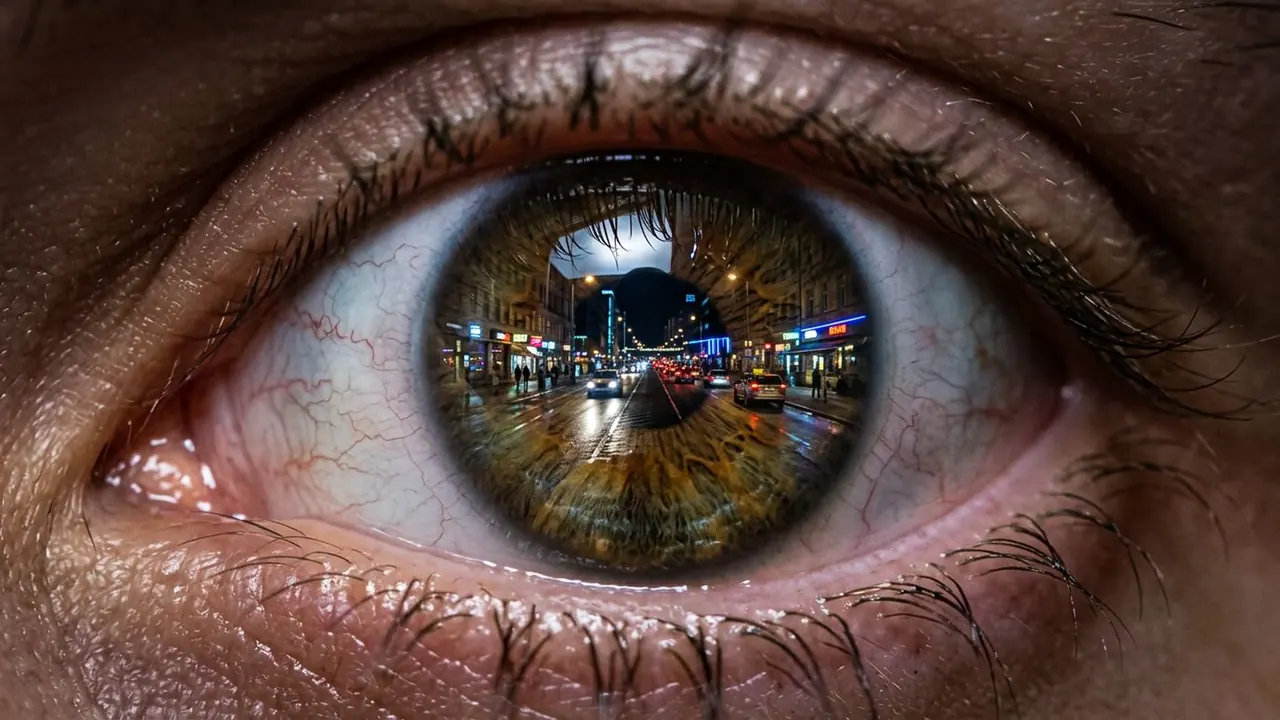
Cyclope
A single enormous eye dominates, often with a scene inside it.
Atmosphere and weather13
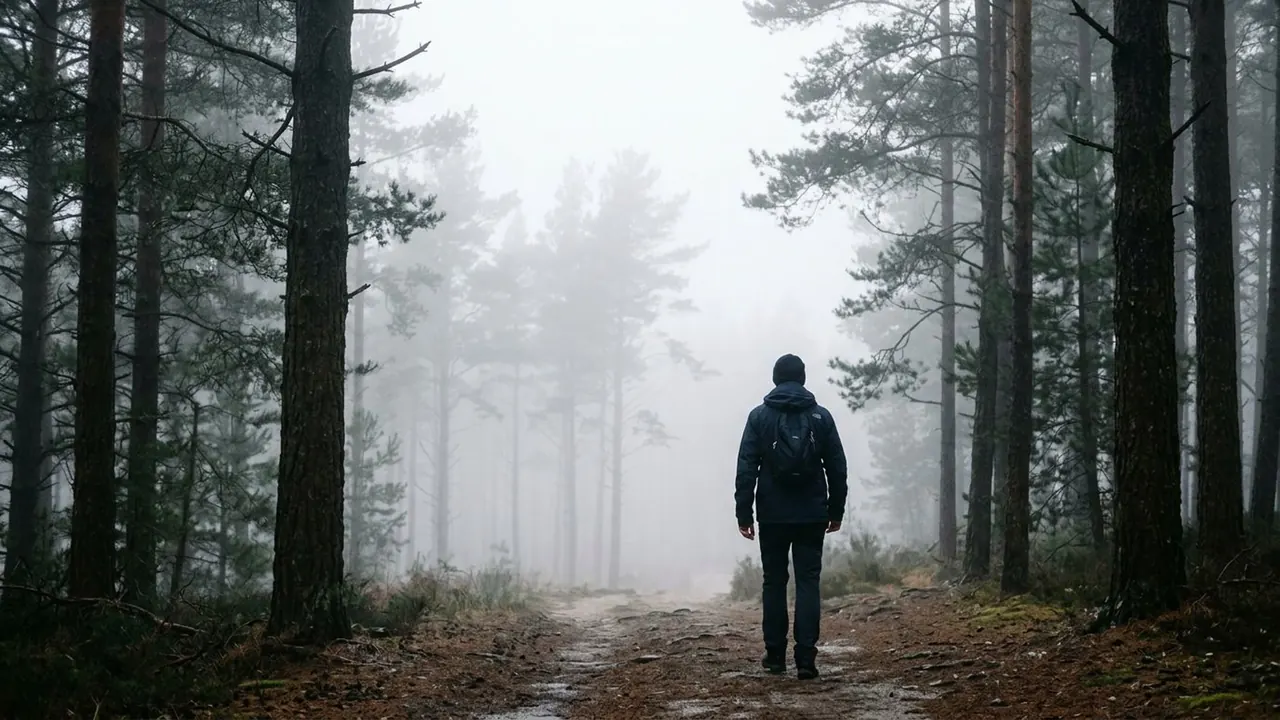
Fog
Thick fog cuts the distance and flattens everything behind the subject.
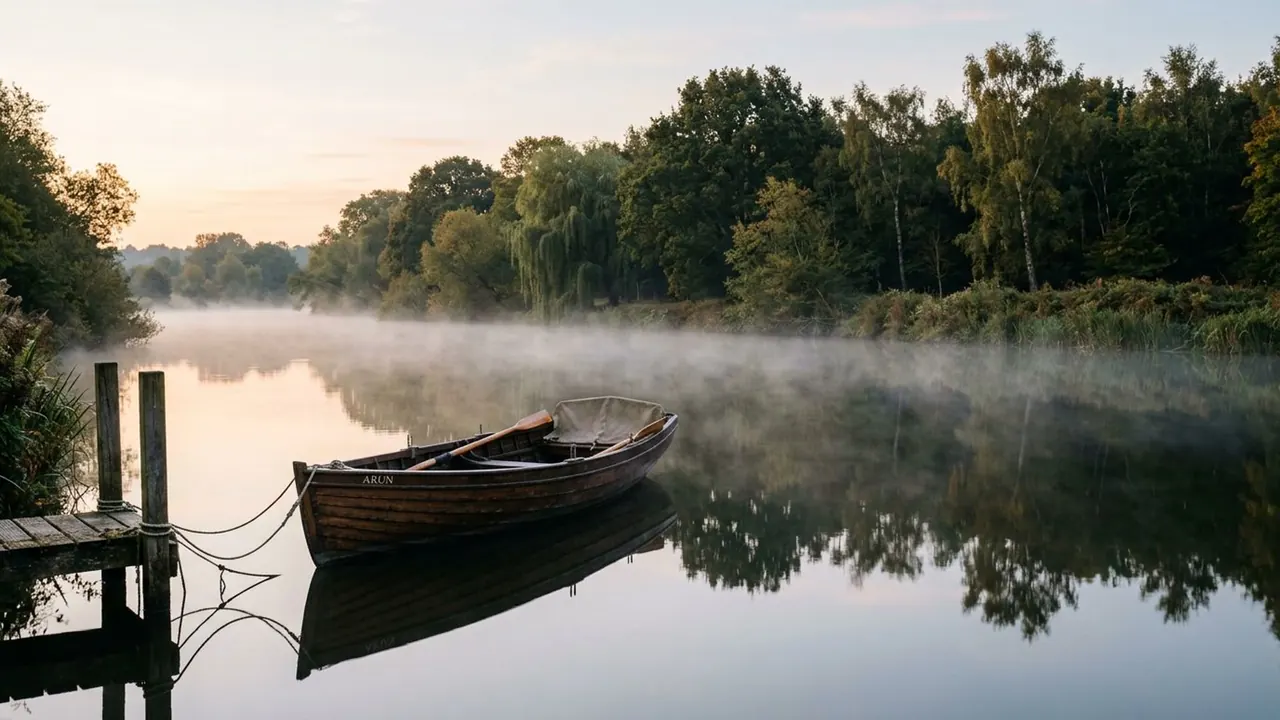
Mist
A light moisture in the air sits low and drifts slowly.
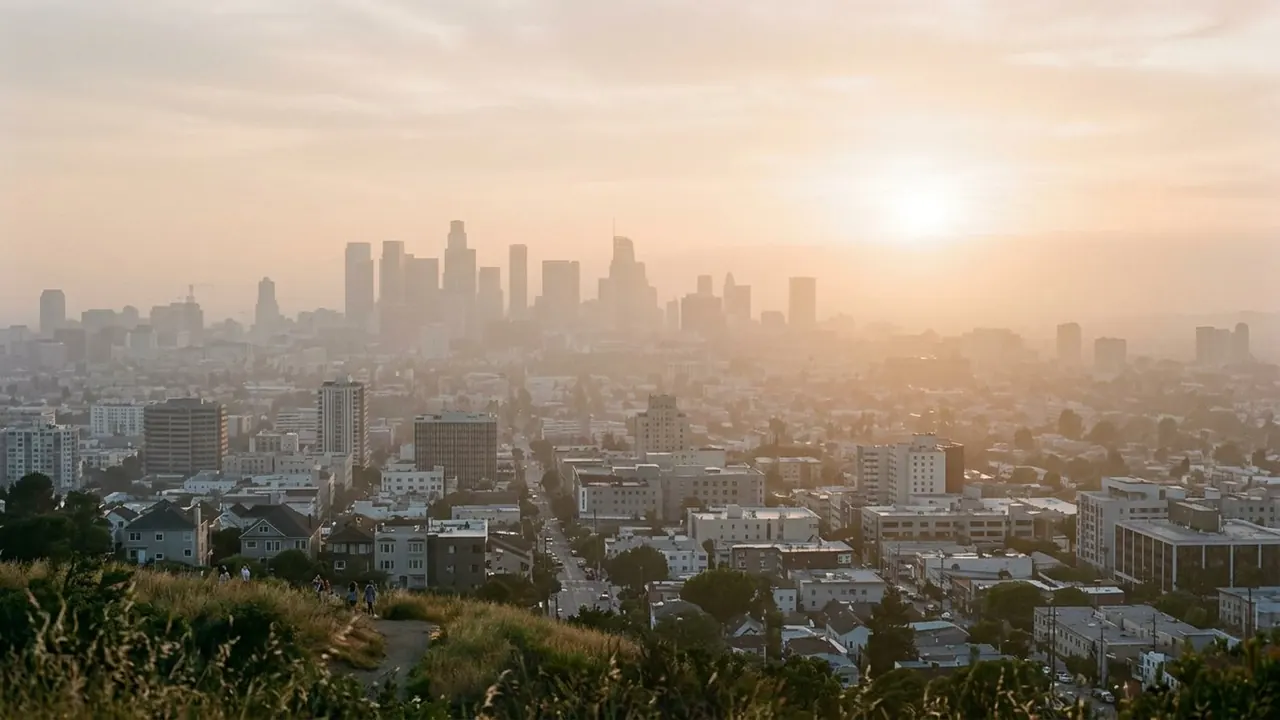
Atmospheric Haze
A thin veil in the air softens the far planes and lifts the shadows.
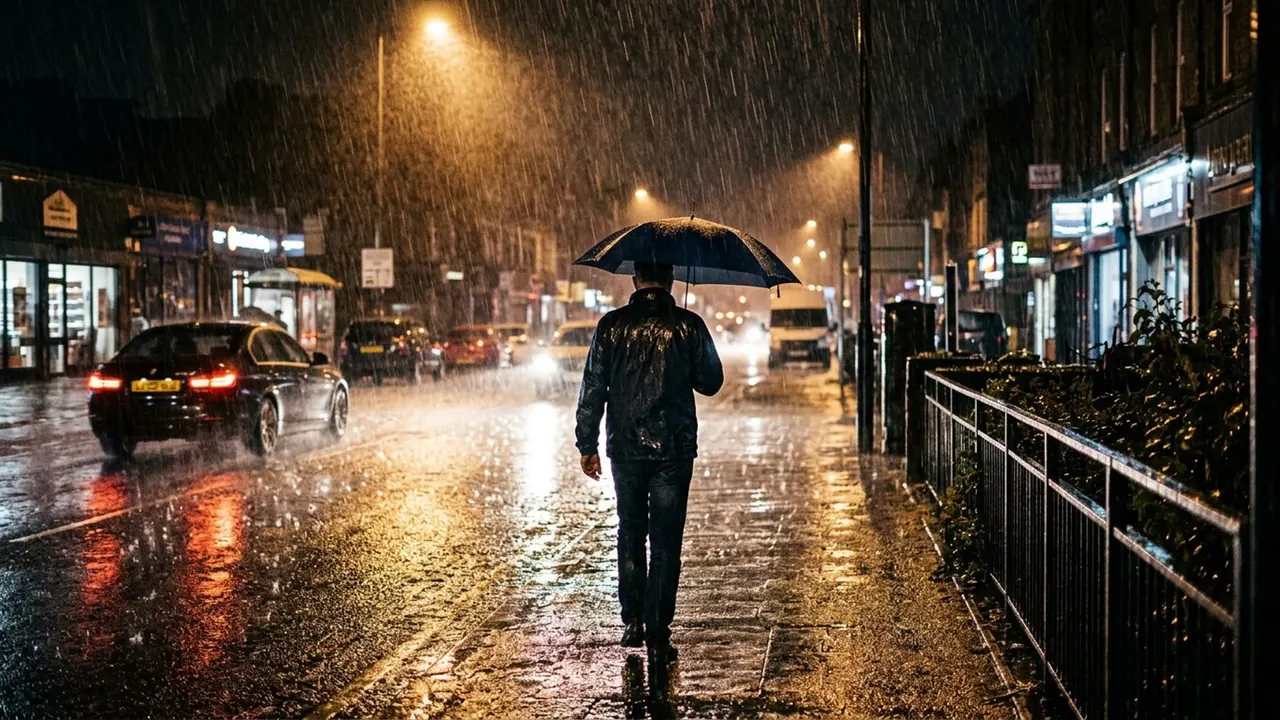
Rain
Falling water streaks the air and puts light on every surface.
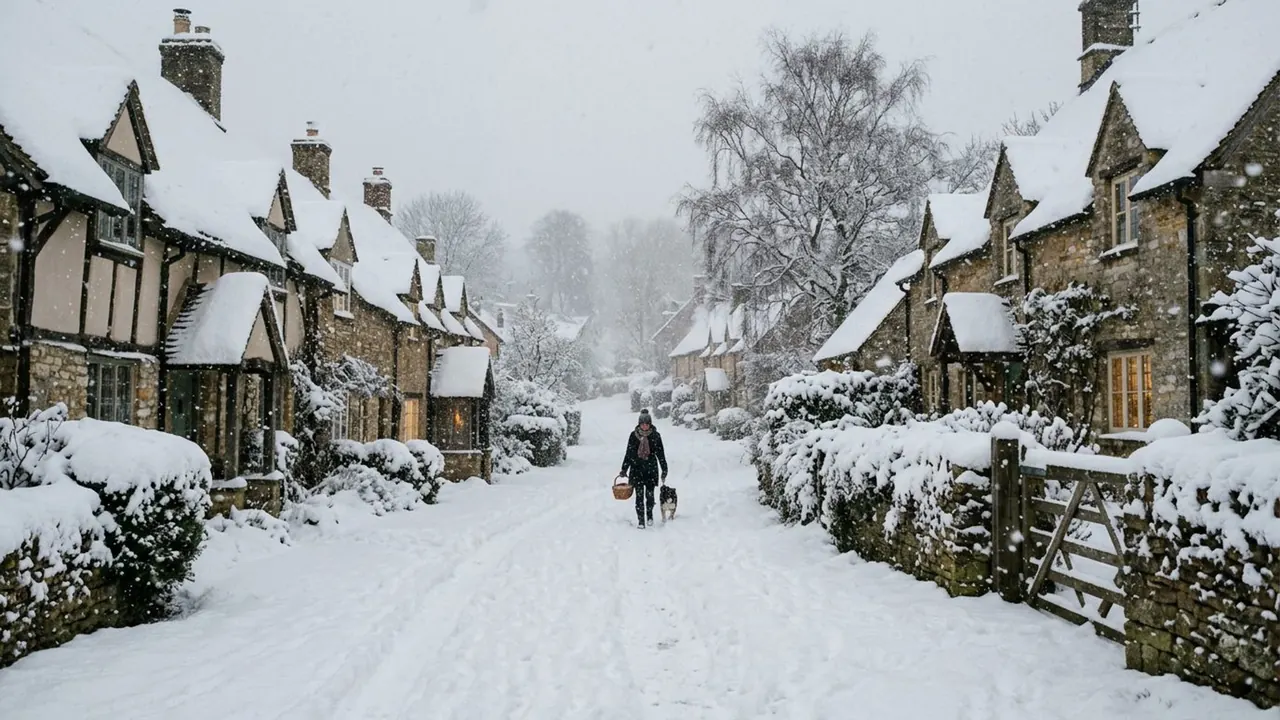
Snow
Falling snow fills the air and softens every sound and edge.
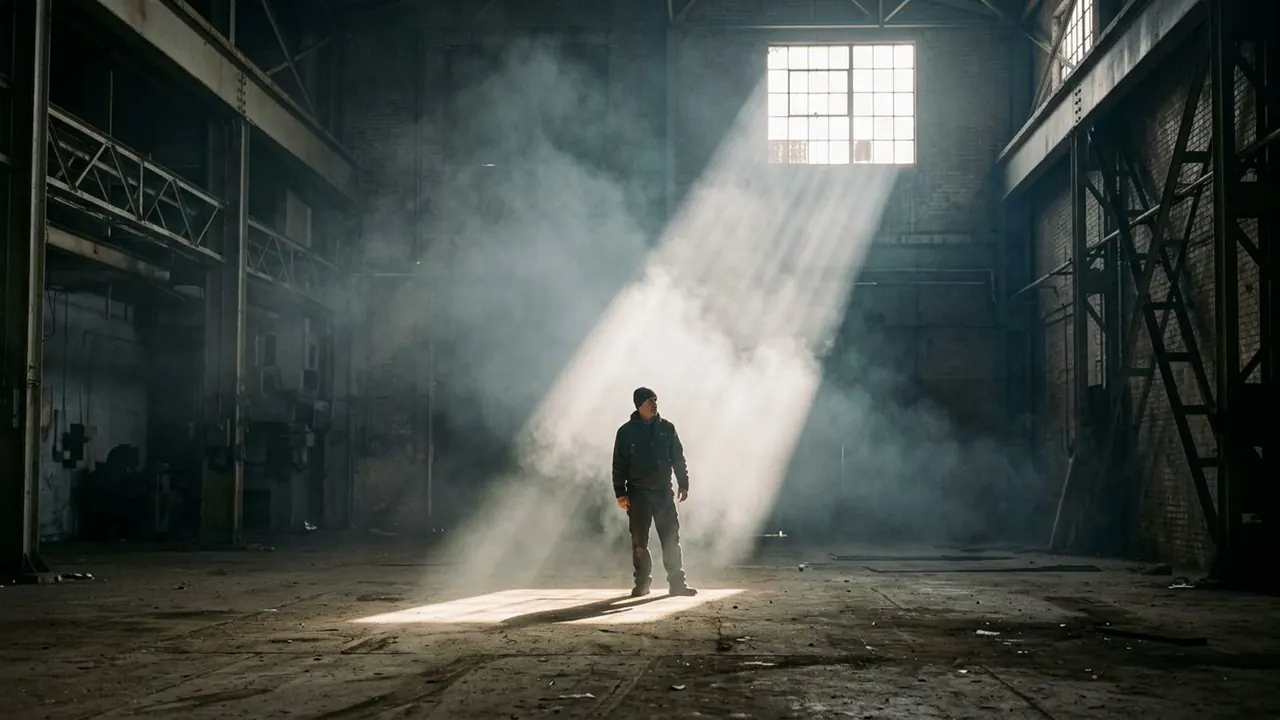
Smoke
Smoke rolls through the air and gives the light a body.
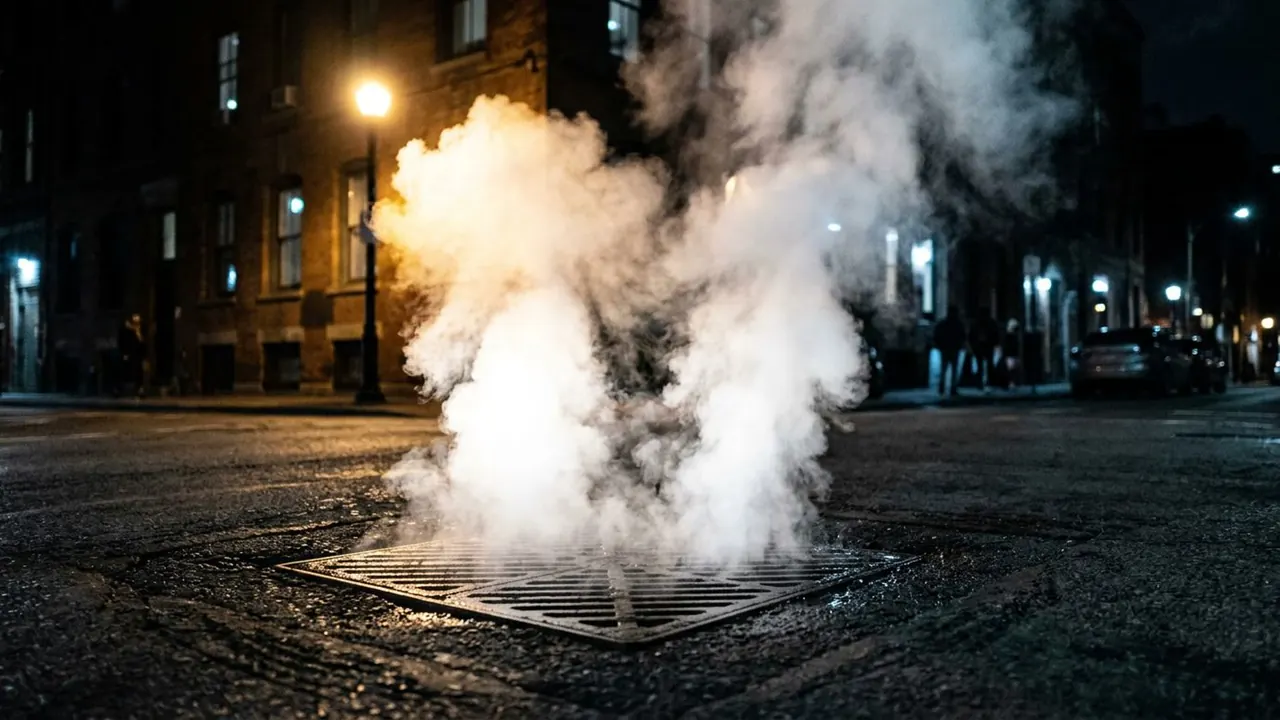
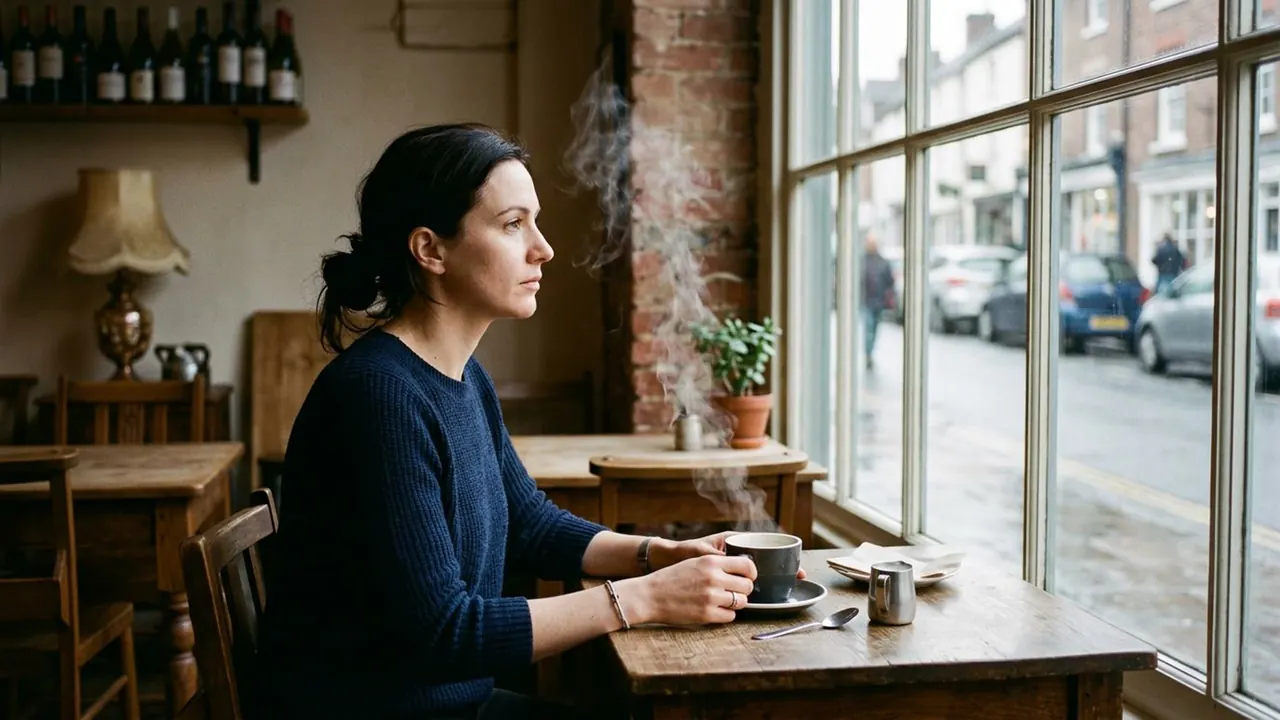
Steam
Hot vapour rises in columns and catches whatever light is near.
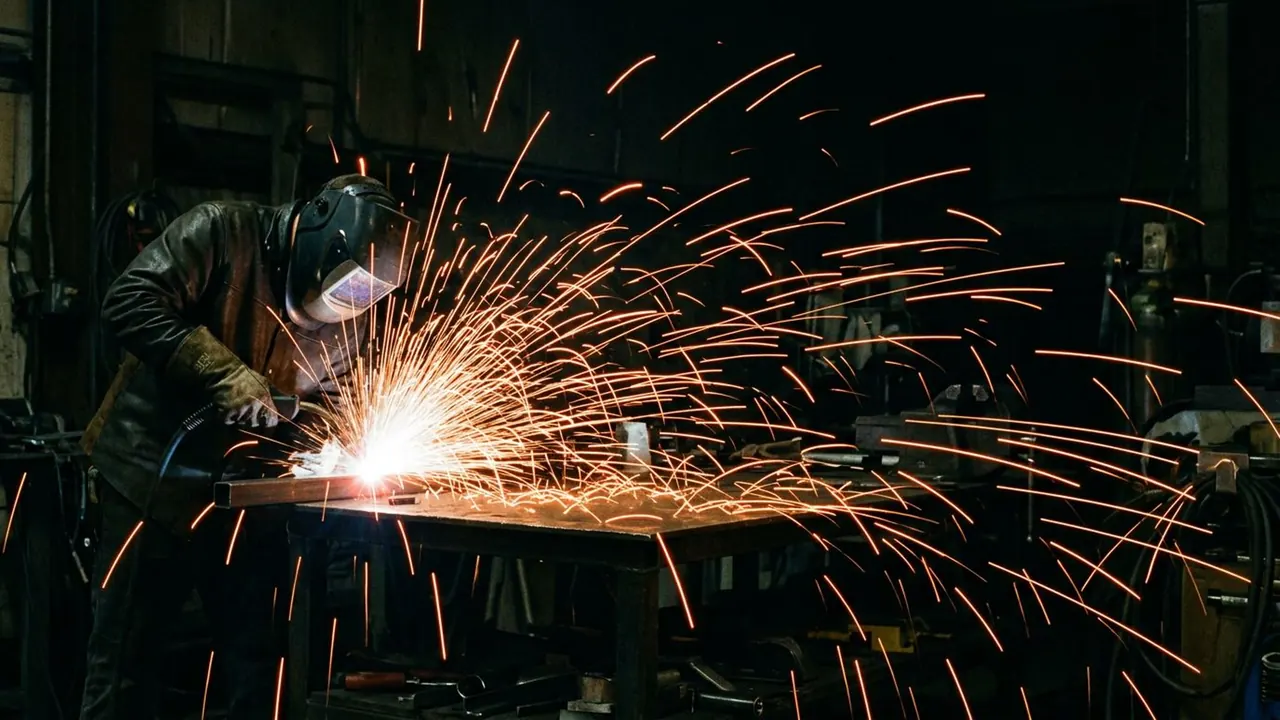
Sparks and Embers
Hot embers fly through the frame and leave short bright trails.
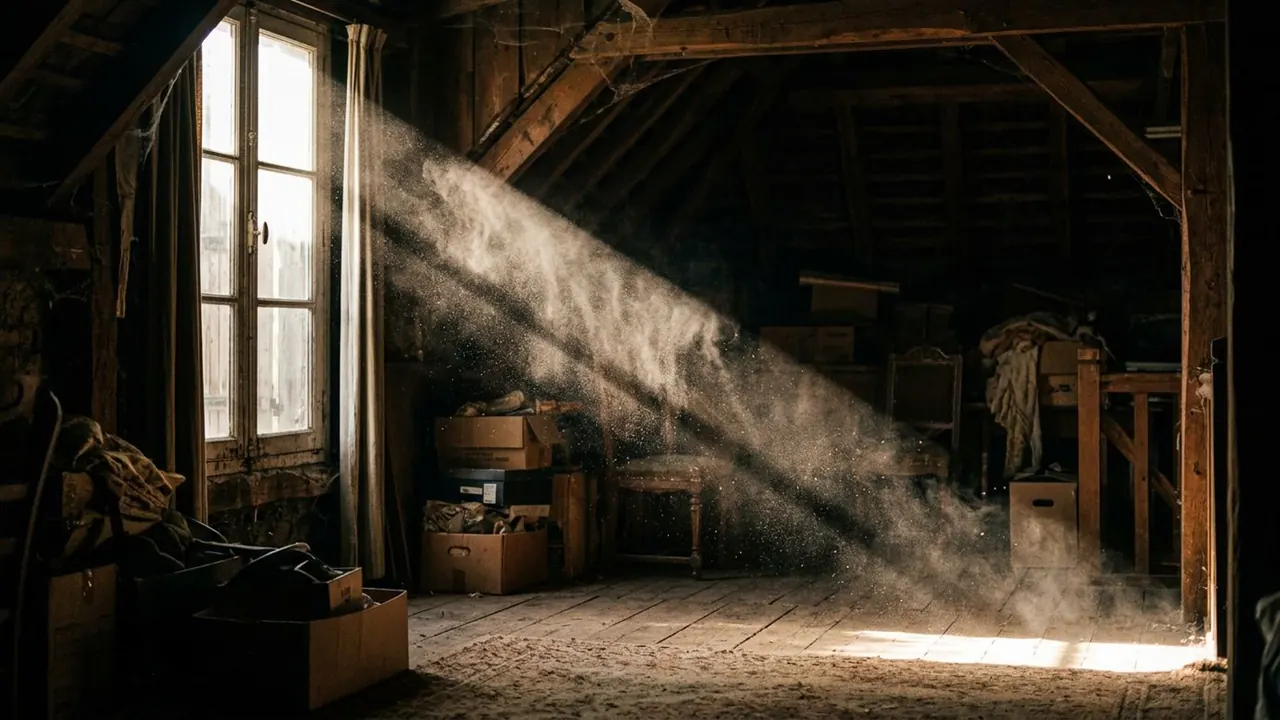
Dust Motes
Fine particles hang in a light beam and mark where the light travels.
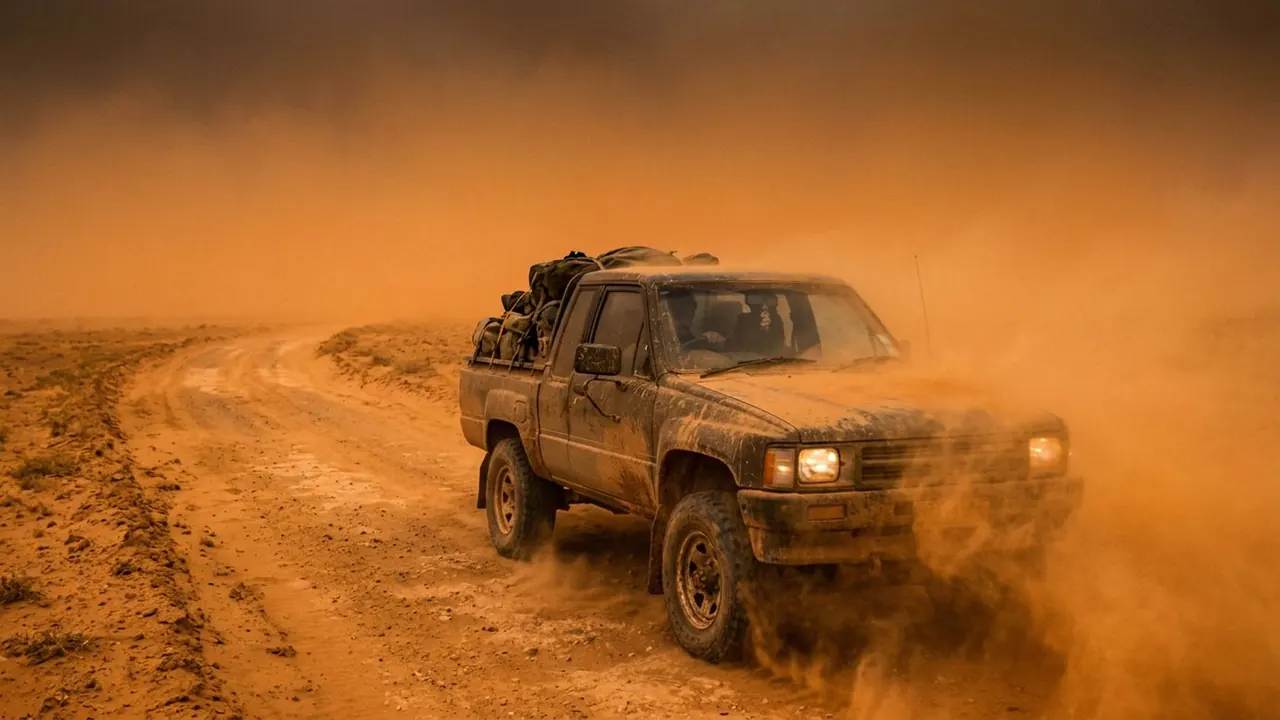
Dust and Sand
Driven dust fills the air and eats the distance.
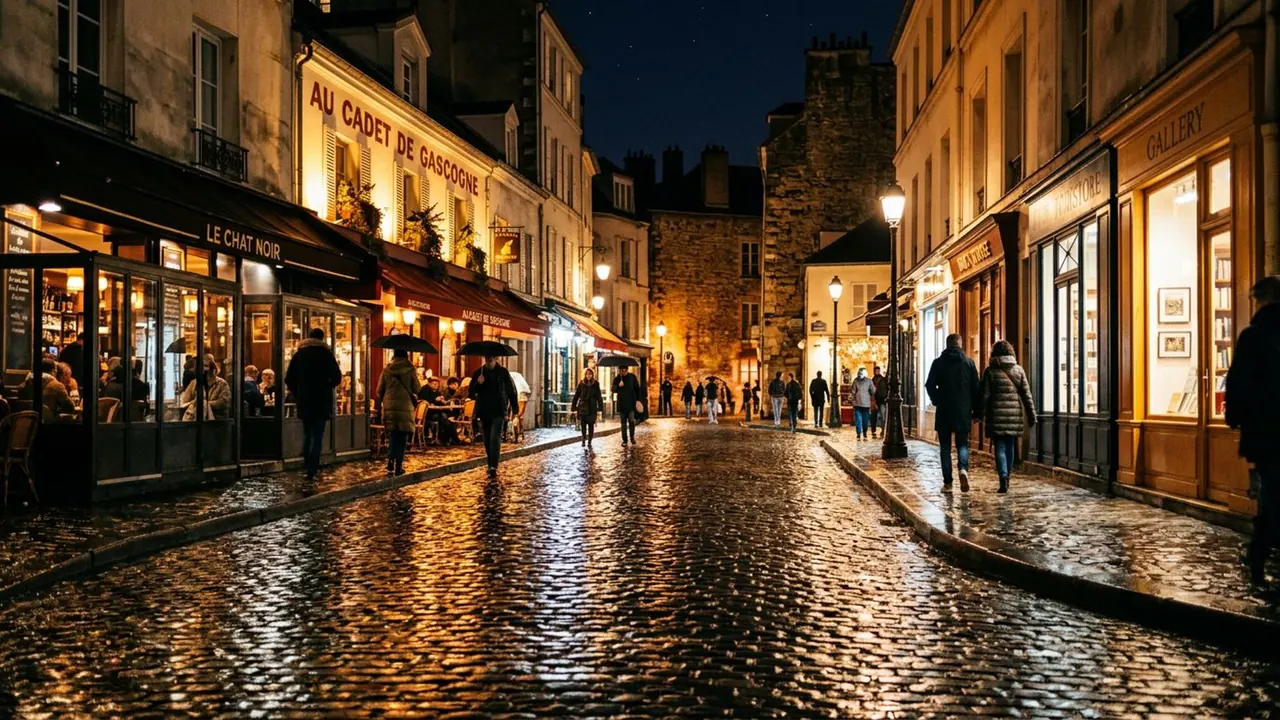
Wet-Down
Surfaces are soaked so they throw light back, even with no rain falling.
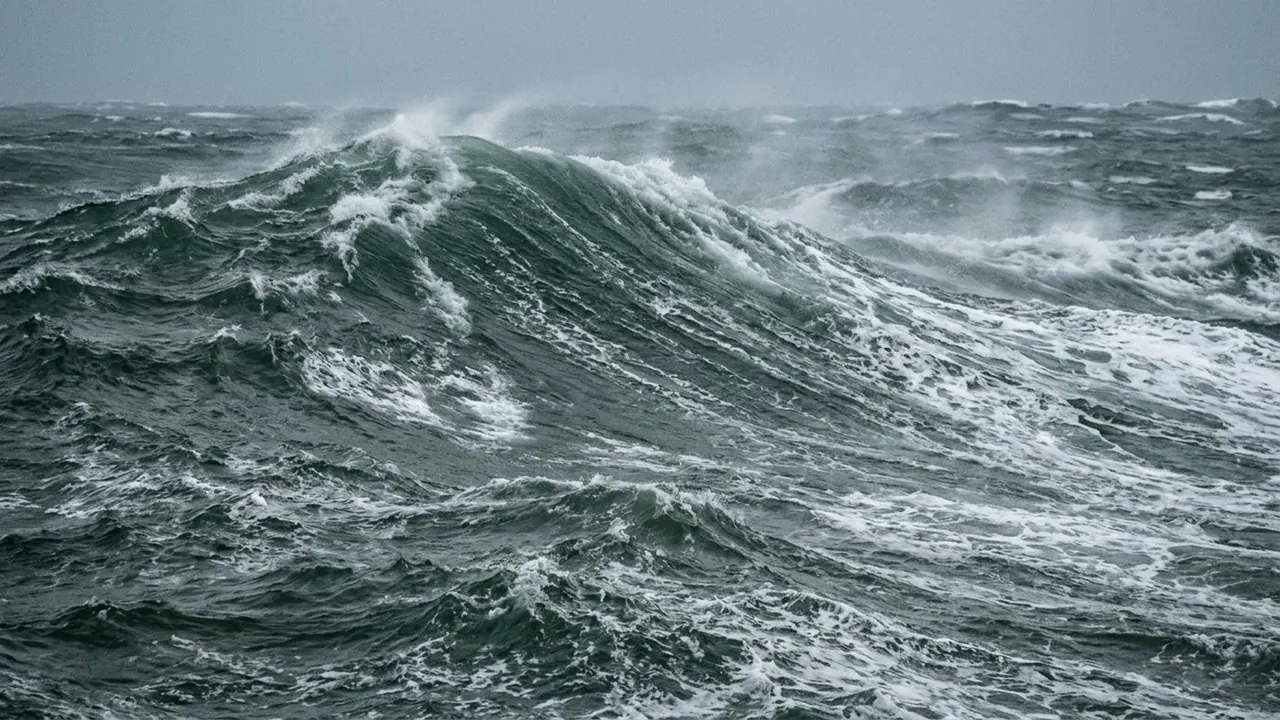
Ocean
Sea water fills the scene and moves under its own weight.
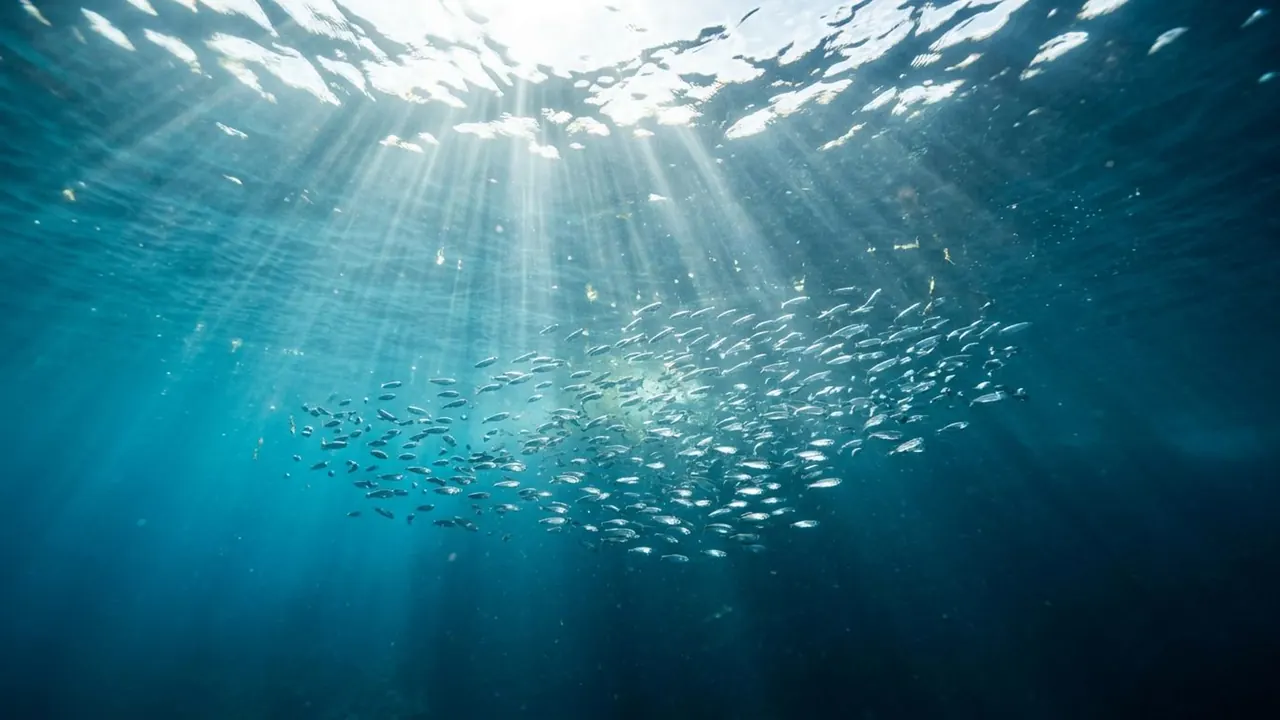
Underwater
The scene sits below the surface, where light shafts and everything slows.
Genre looks27
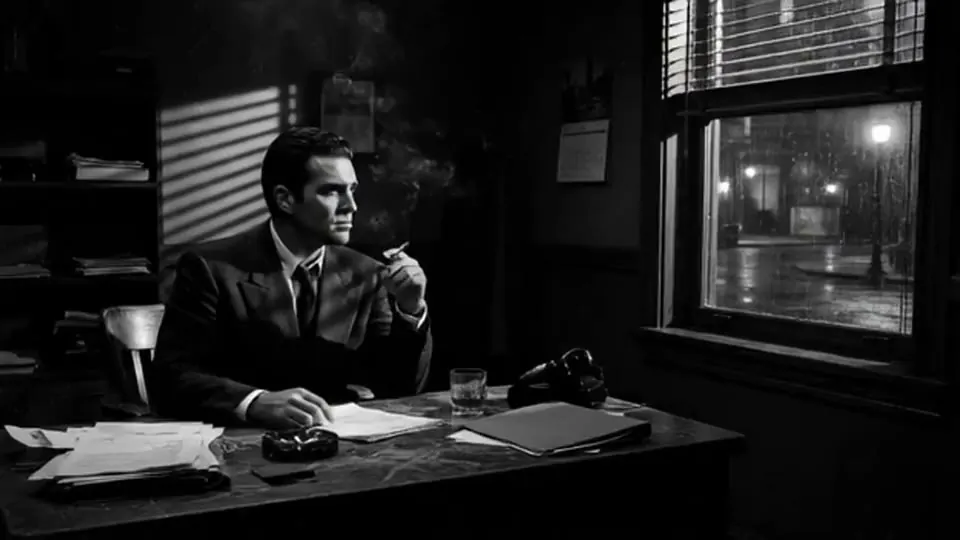
Film Noir
Hard shadow, venetian blinds, and a world lit at night.
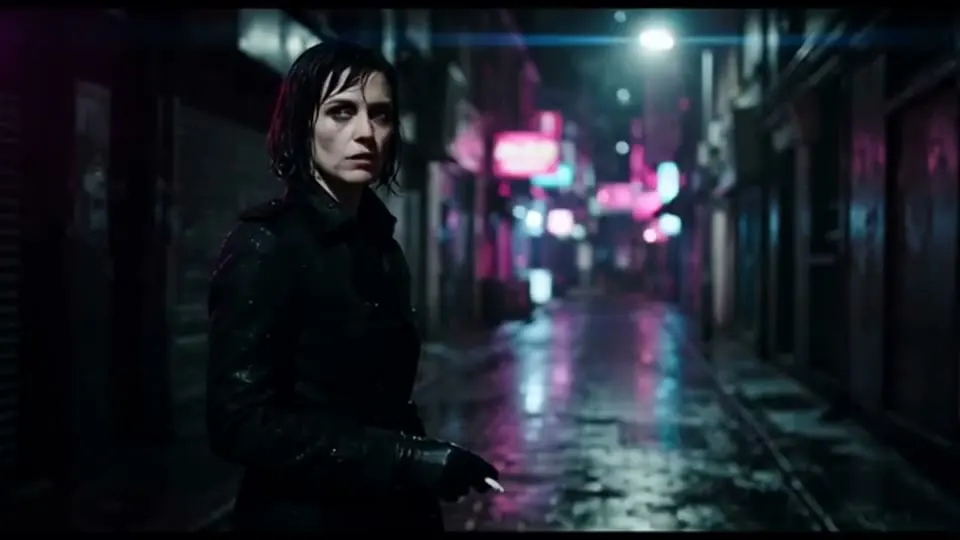
Neo-Noir
Noir structure in colour, with neon standing in for the old hard key.
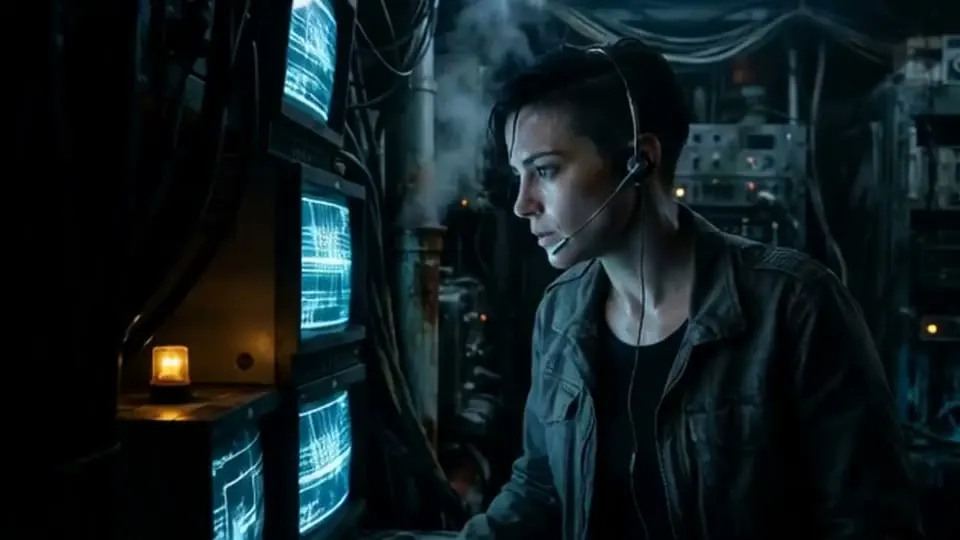
Tech Noir
Noir shadows in a near future lit by screens and machines.
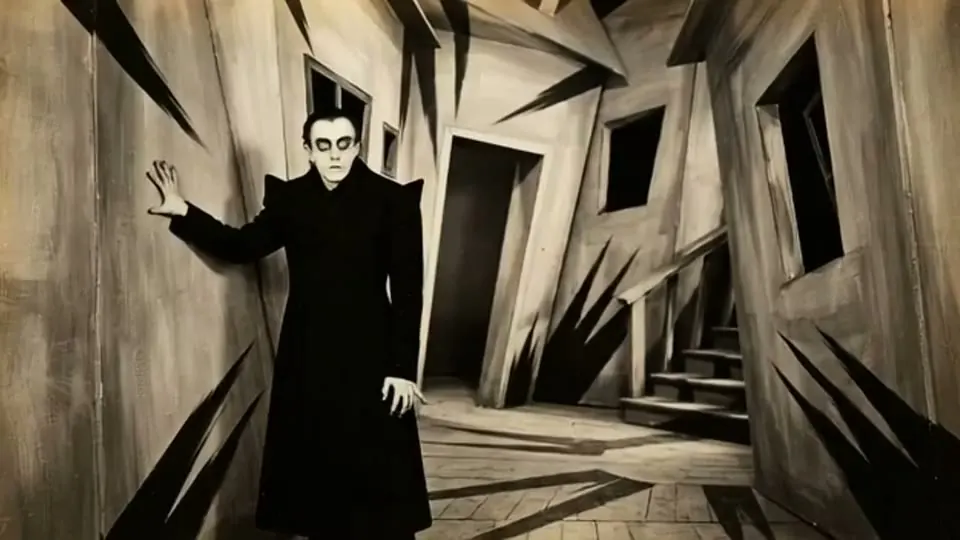
German Expressionism
Sets and shadows are built at impossible angles to show a state of mind.
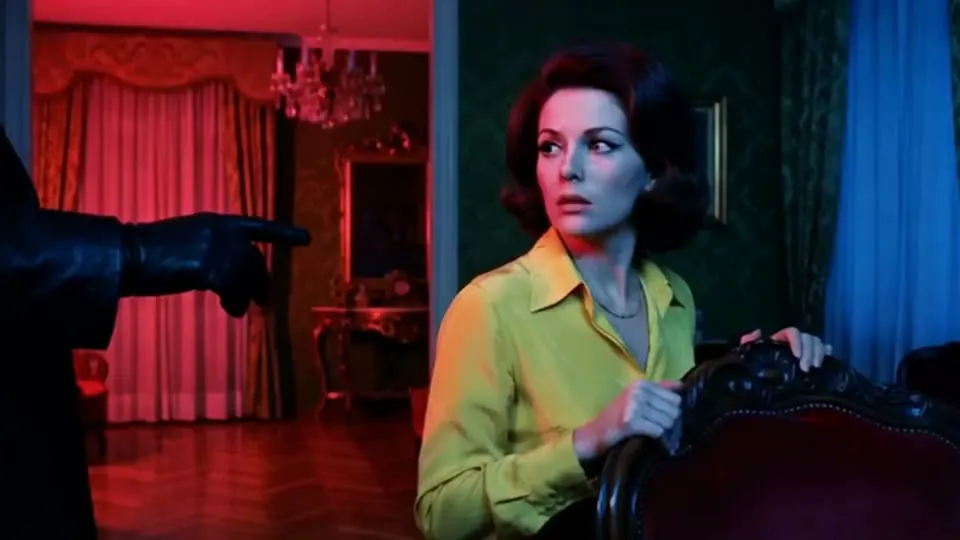
Giallo
Saturated primary light, high style and a threat you only glimpse.
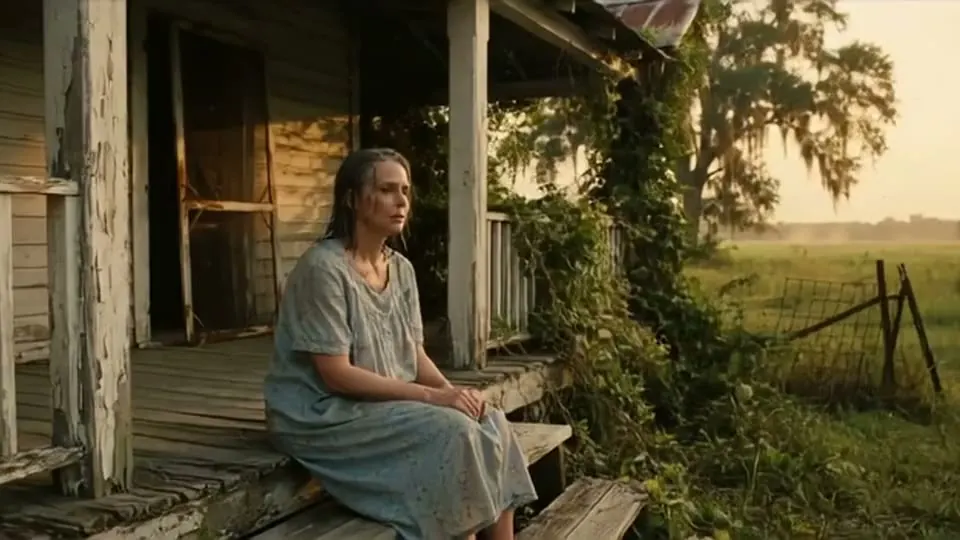
Southern Gothic
Heat, decay and old secrets in a humid rural setting.
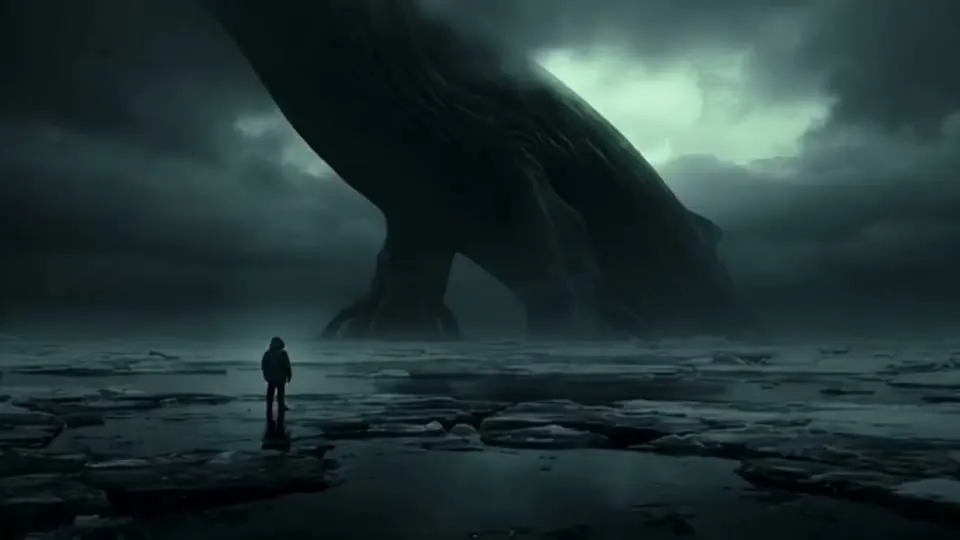
Cosmic Horror
Scale and darkness suggest something too large to see whole.
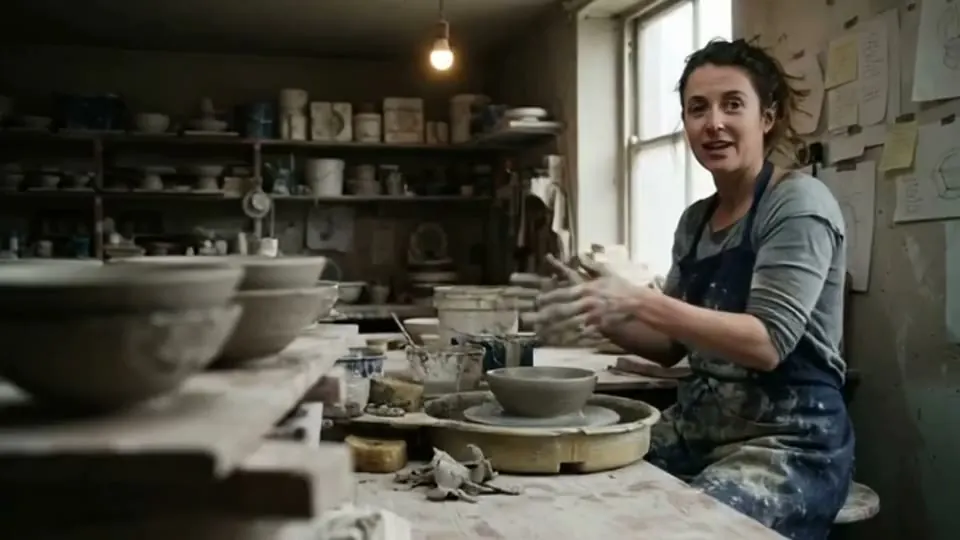
Documentary
The camera records rather than composes, with real light and real spaces.
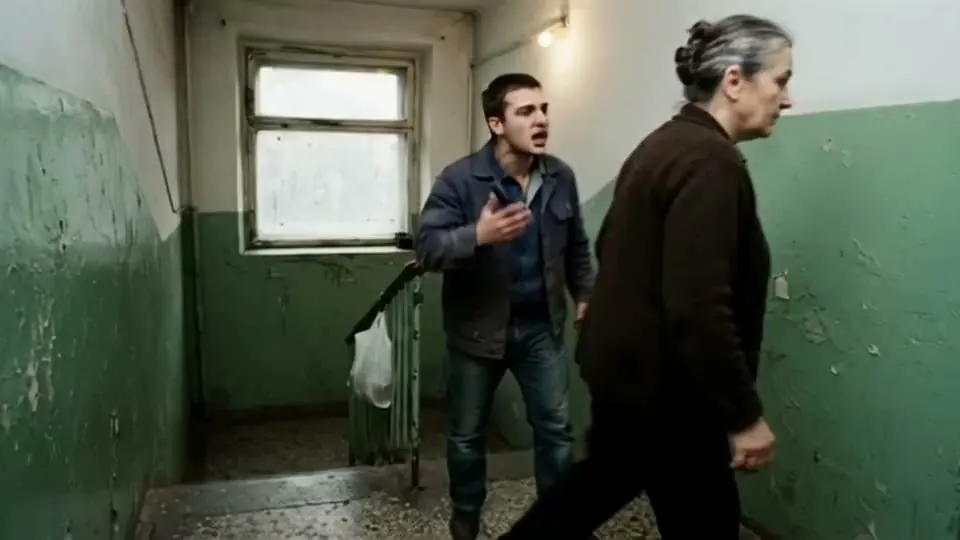
Cinéma Vérité
The camera observes and never arranges what it sees.
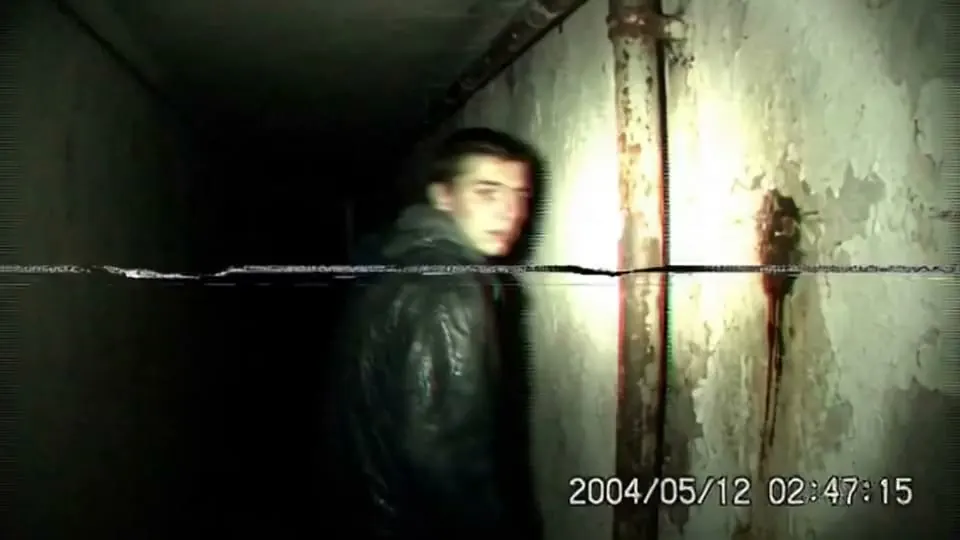
Found Footage
The footage looks recovered rather than shot.
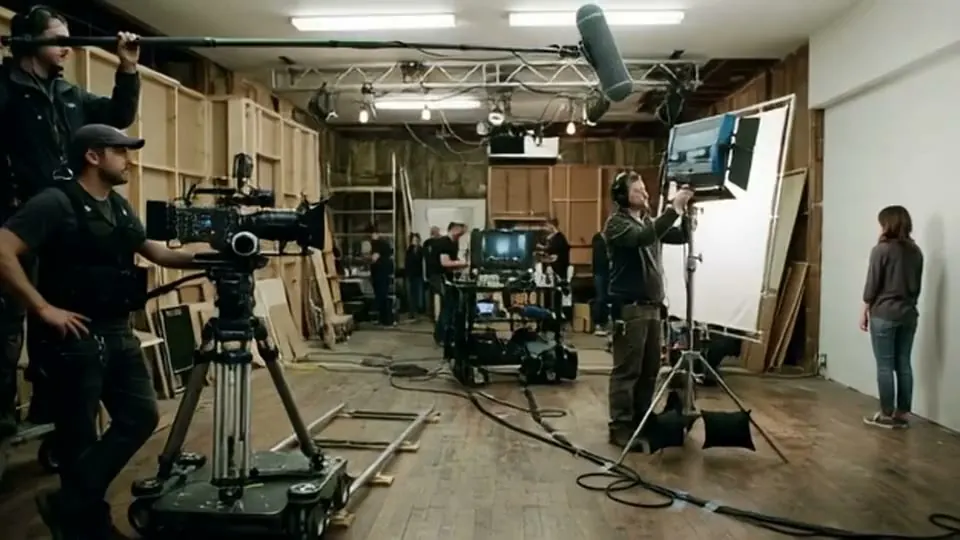
BTS
The shot shows the making of the thing rather than the thing.
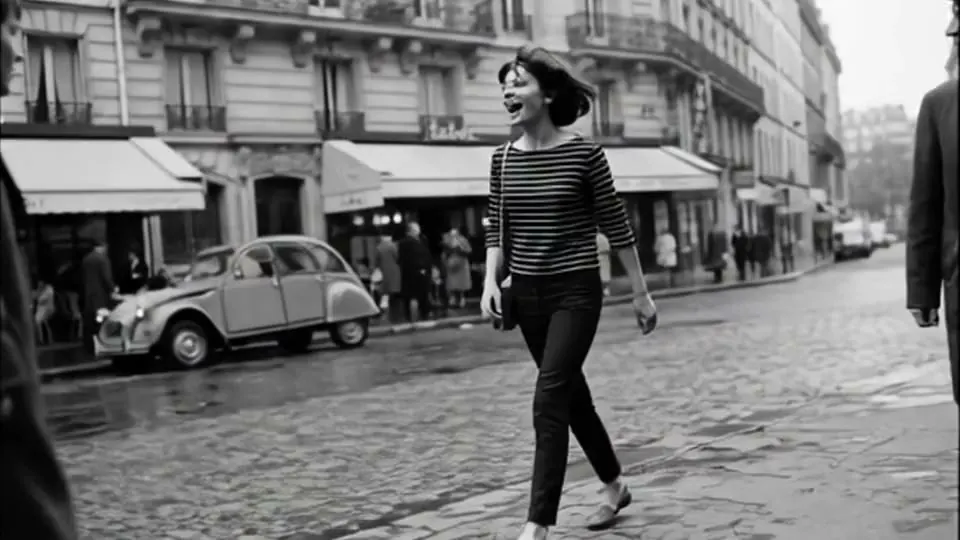
French New Wave
Loose shooting, natural light and jump cuts that refuse to hide.
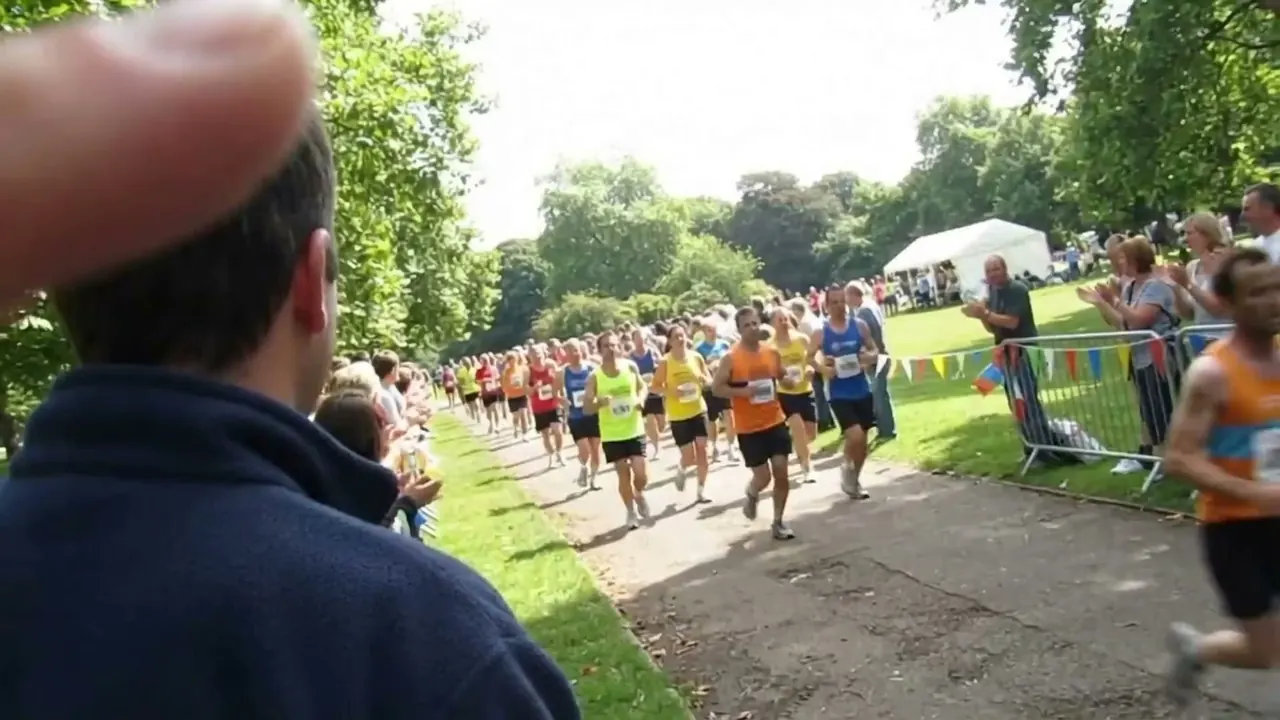
Stylistic Suck
The shot is deliberately made badly, and the badness is the style.
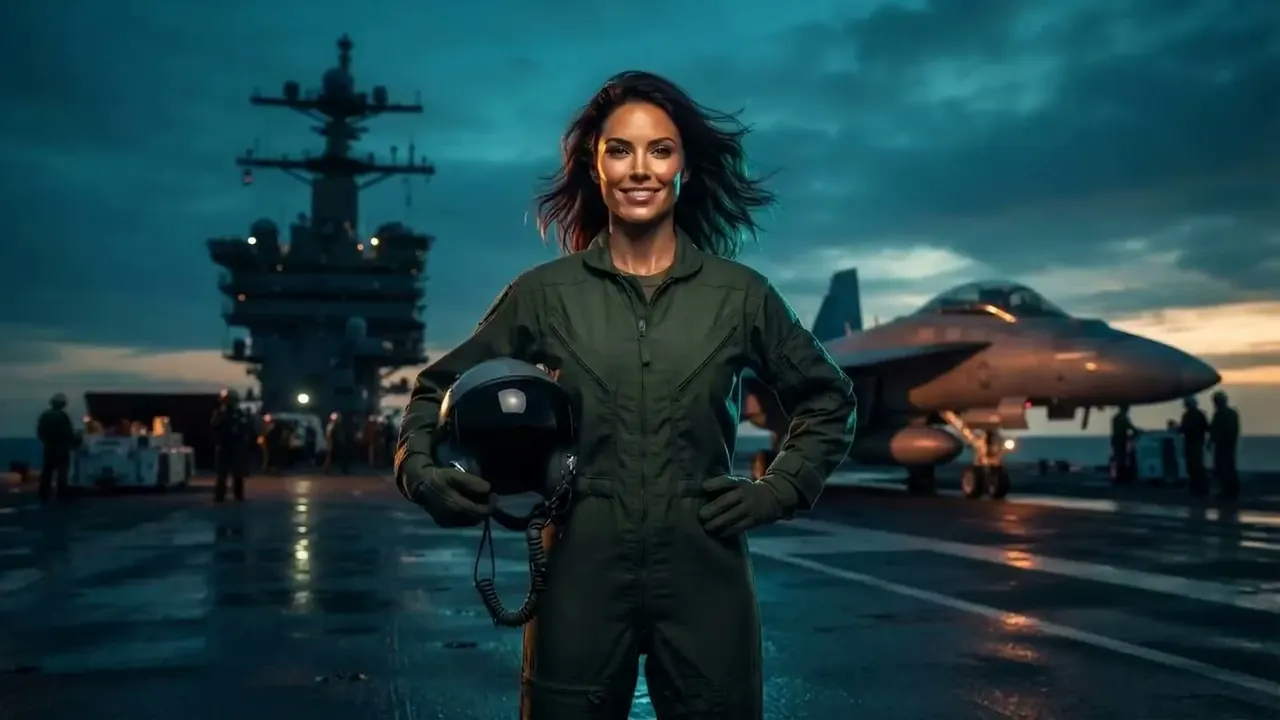
Blockbuster Gloss
Everything is lit, graded and finished to a high commercial polish.
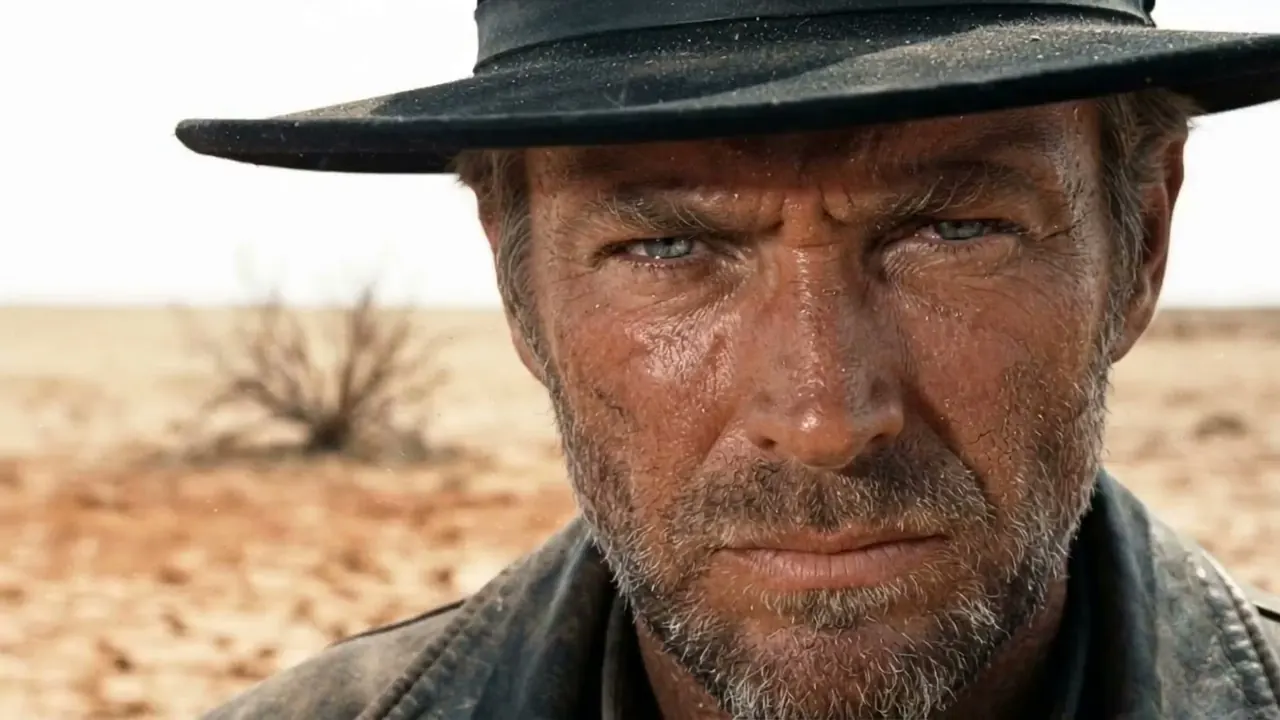
Spaghetti Western
Extreme close-ups, wide empty land and sun with nowhere to hide.
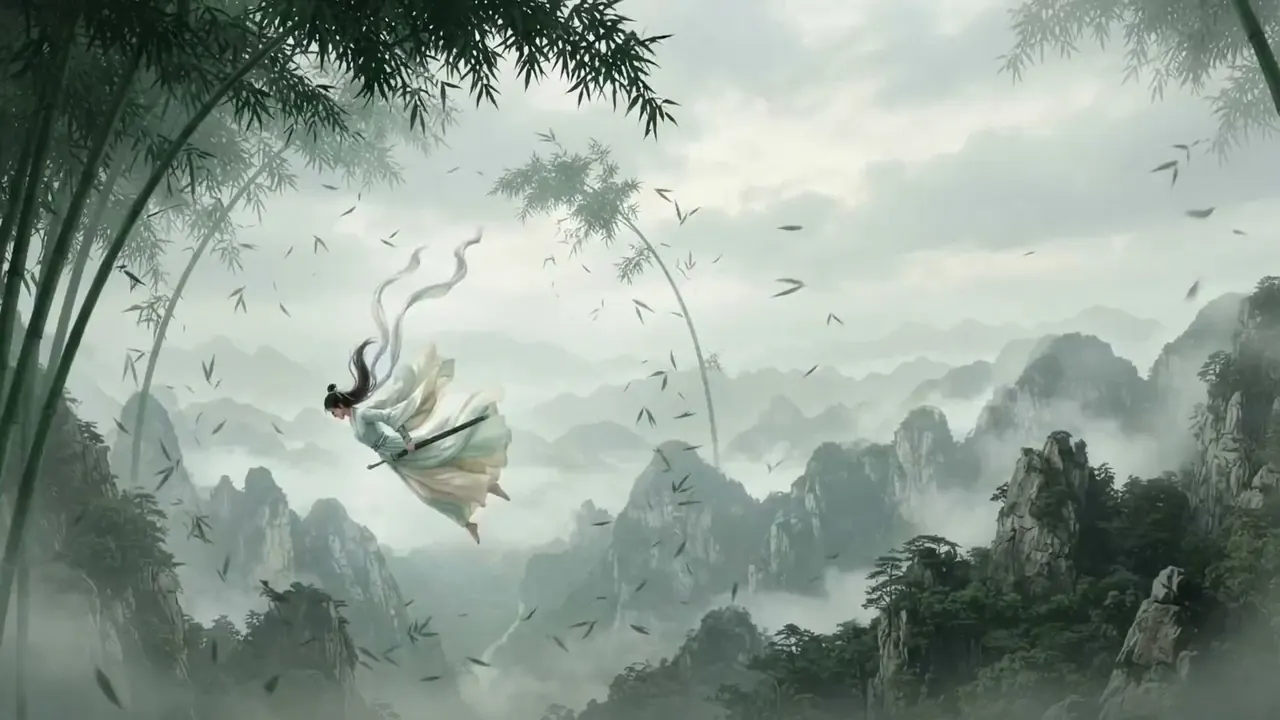
Wuxia
Martial movement rendered weightless, in wide painterly landscape.
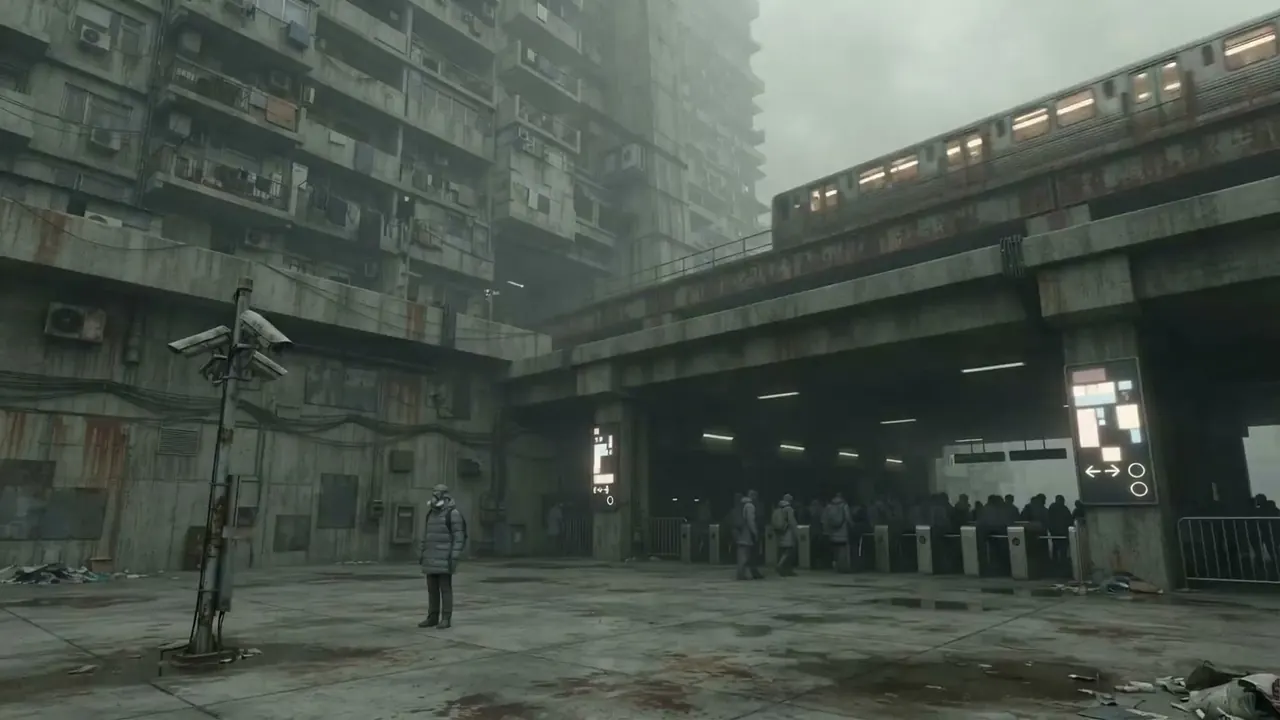
Dystopian
A worn future where the systems still run but nothing is cared for.
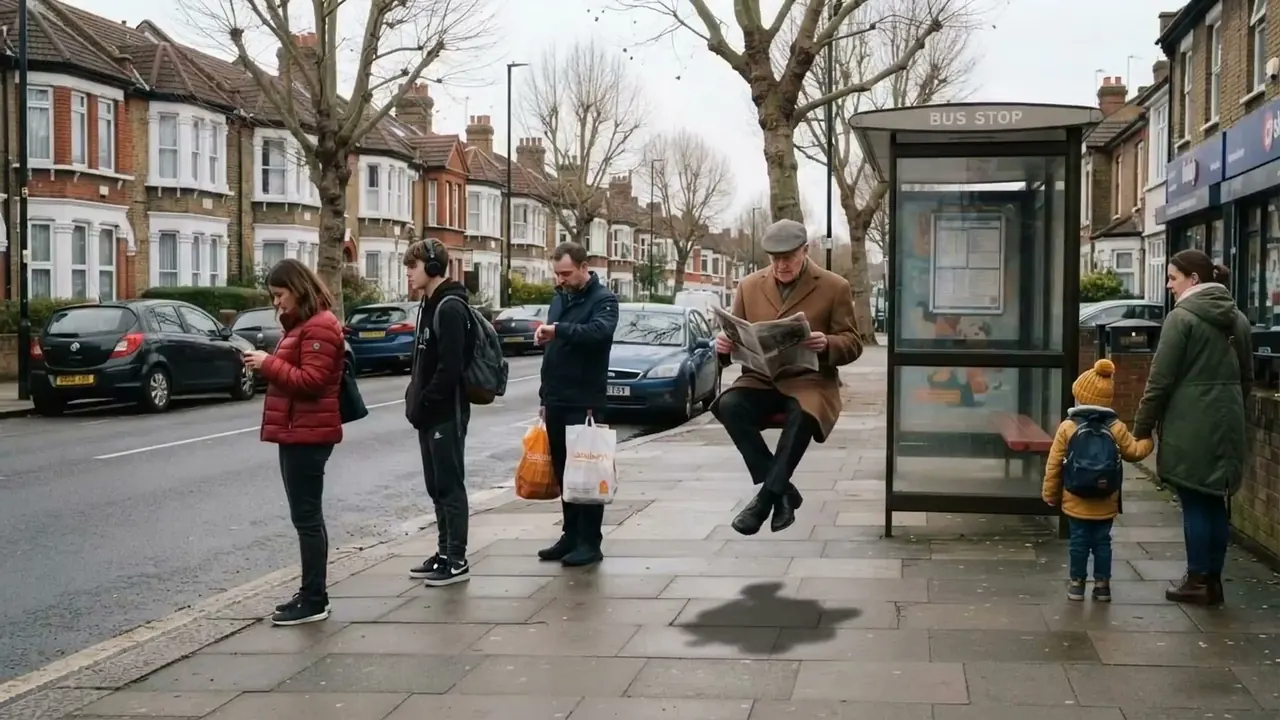
Magical Realism
One impossible thing sits inside an ordinary world and nobody remarks on it.
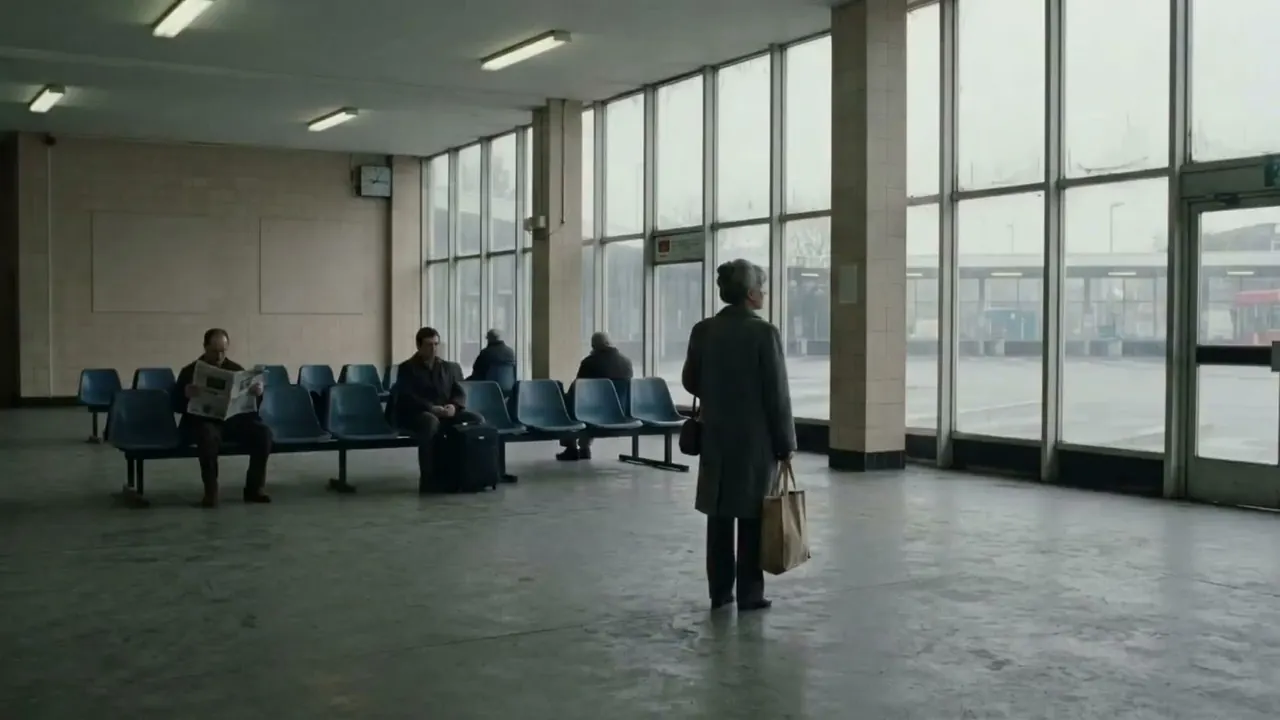
Arthouse
Long held frames, restrained colour, and meaning left for the viewer to find.
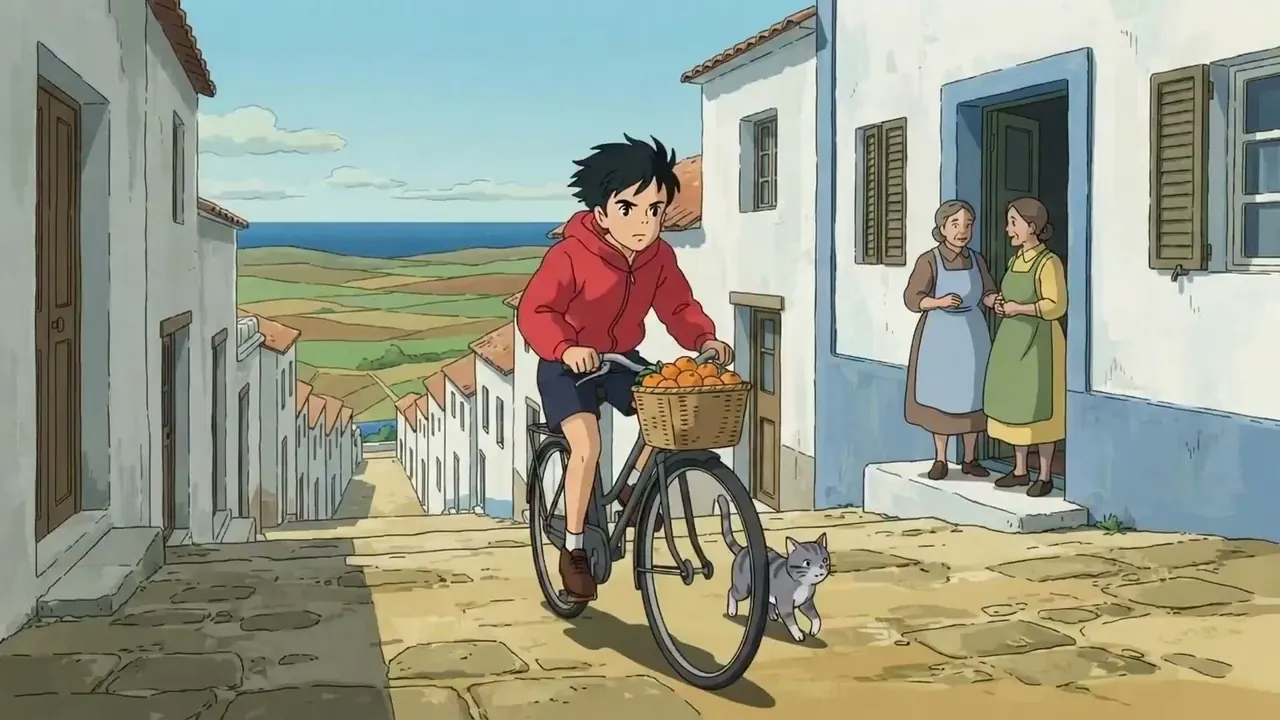
Animation
The frame is drawn rather than photographed.
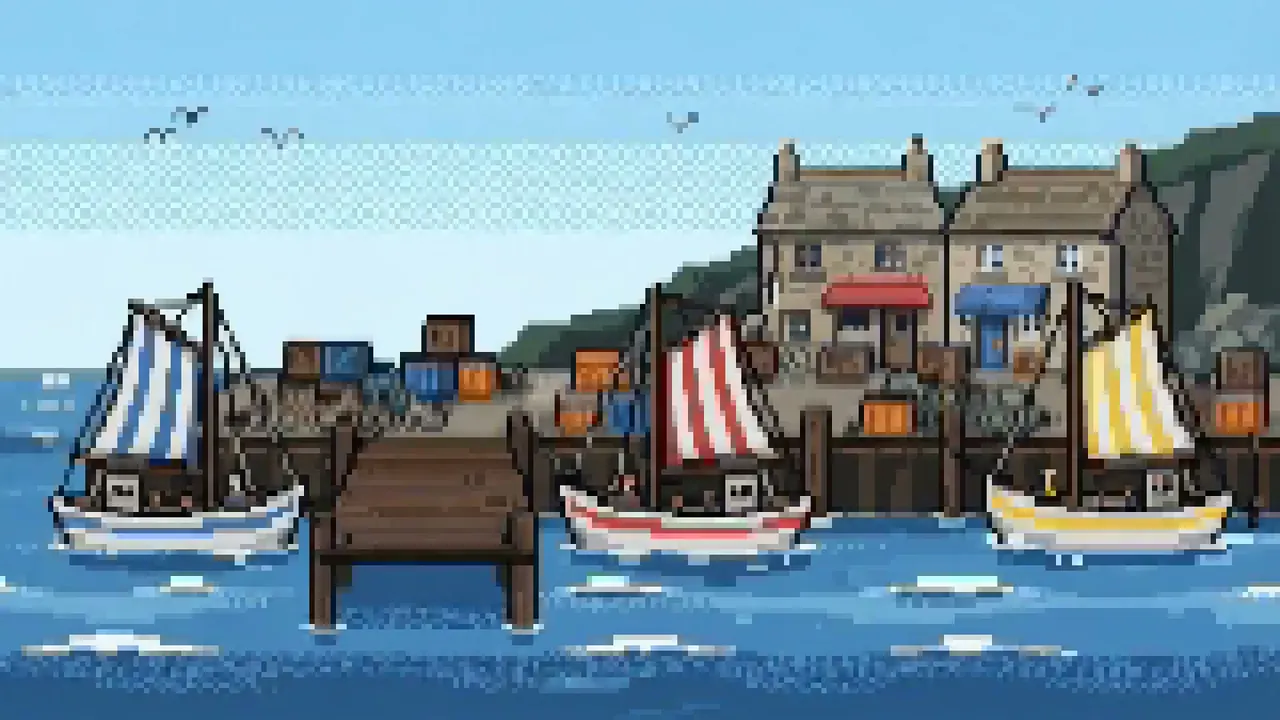
Pixel Art
The image is built from a coarse grid of visible pixels.
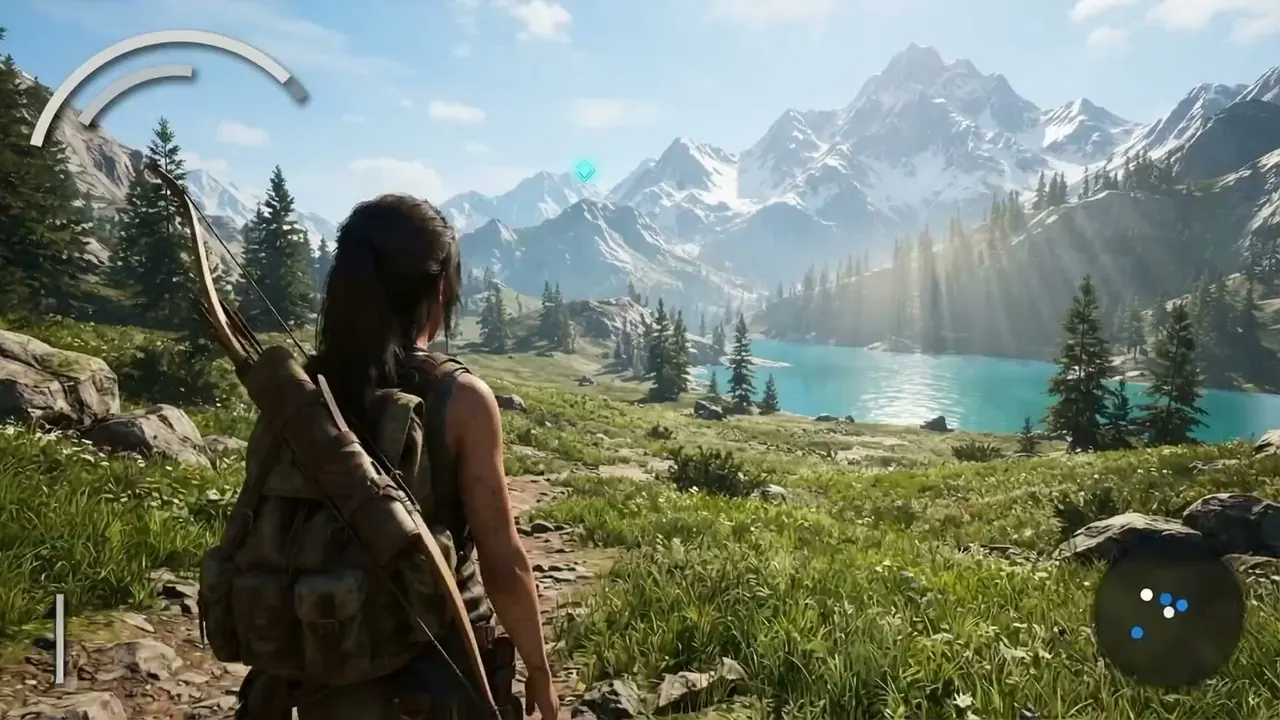
Video Game
The frame renders like a game engine rather than a camera.
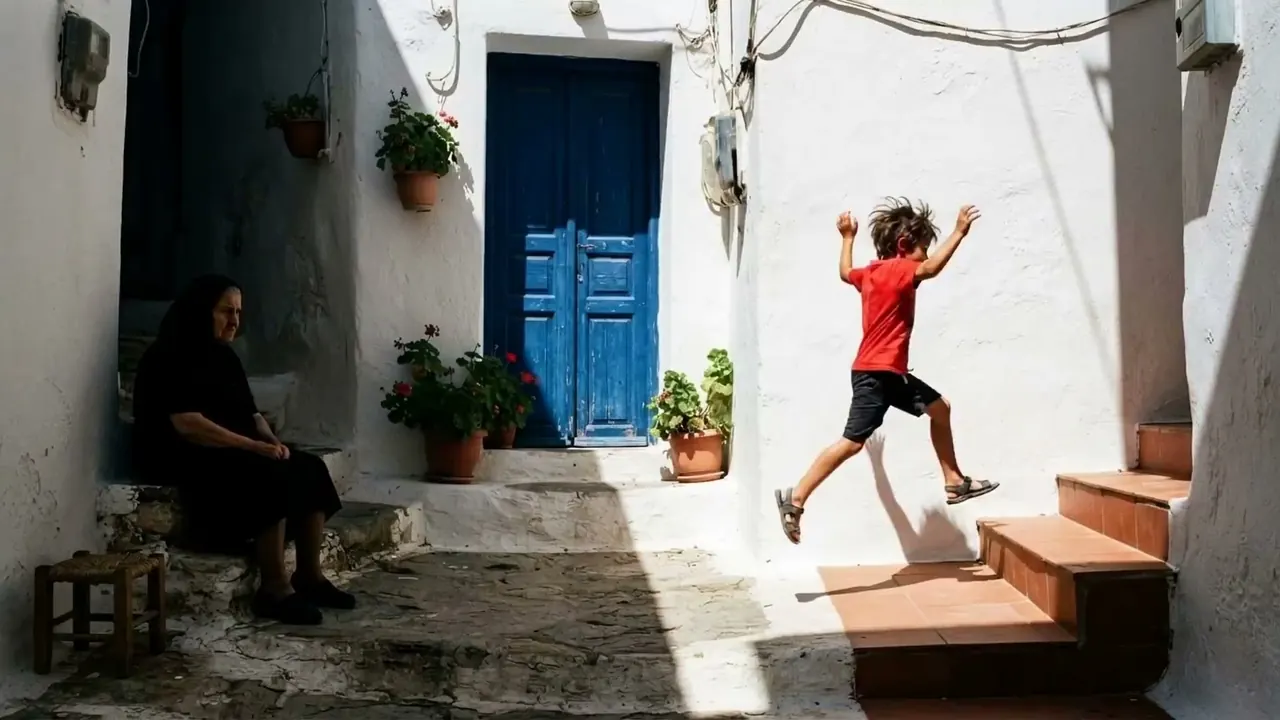
Photography
The frame is composed and held like a still photograph.
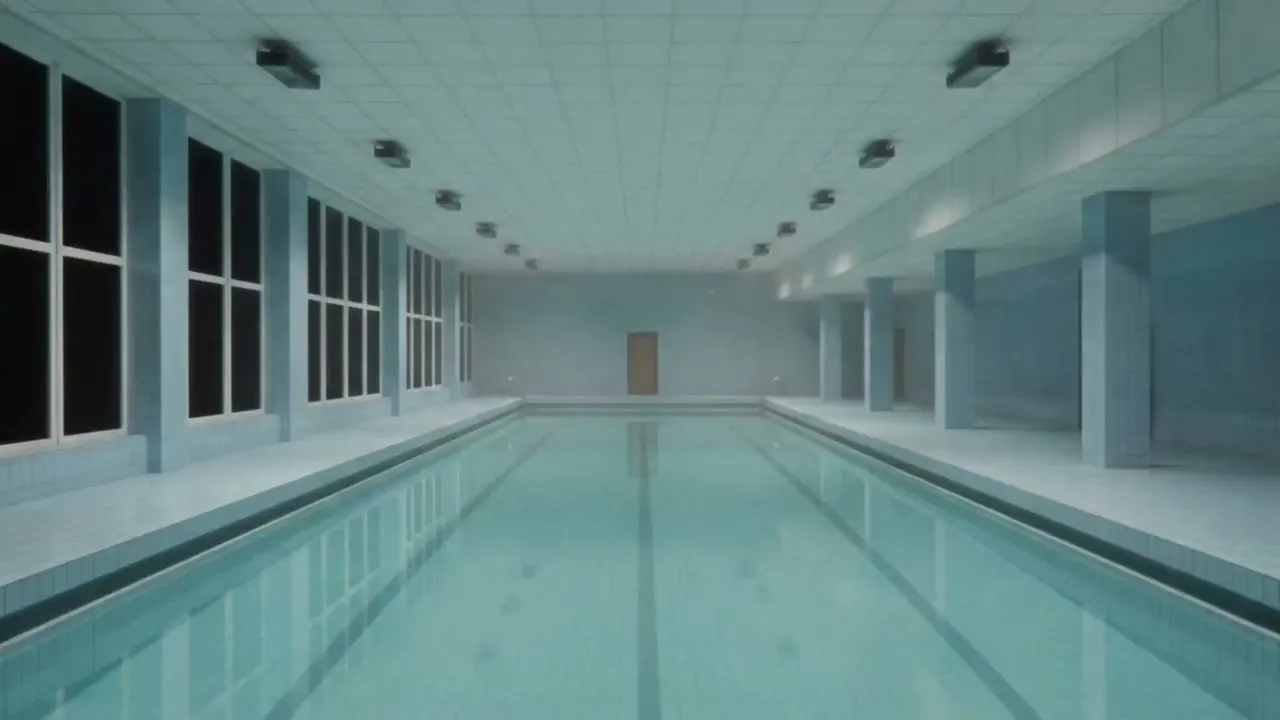
Dreamcore
Familiar spaces feel wrong and empty, like a half-remembered dream.
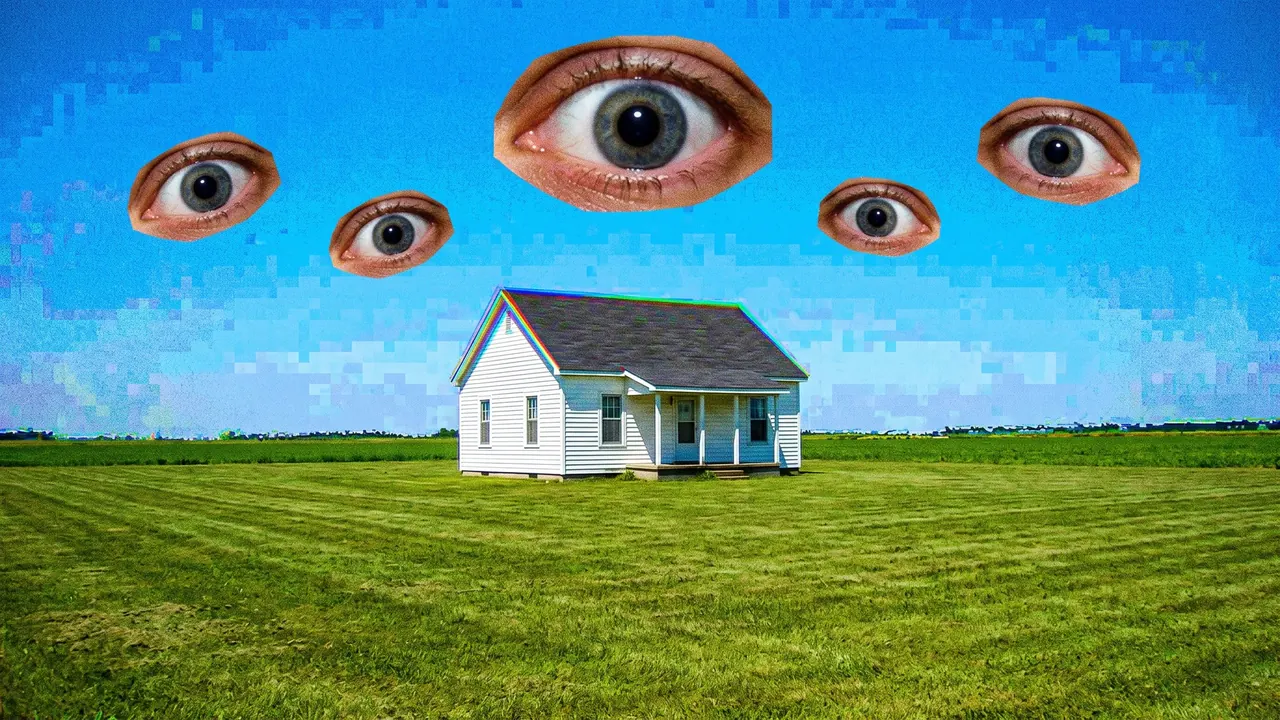
Weirdcore
Low quality images of ordinary places made to feel wrong on purpose.
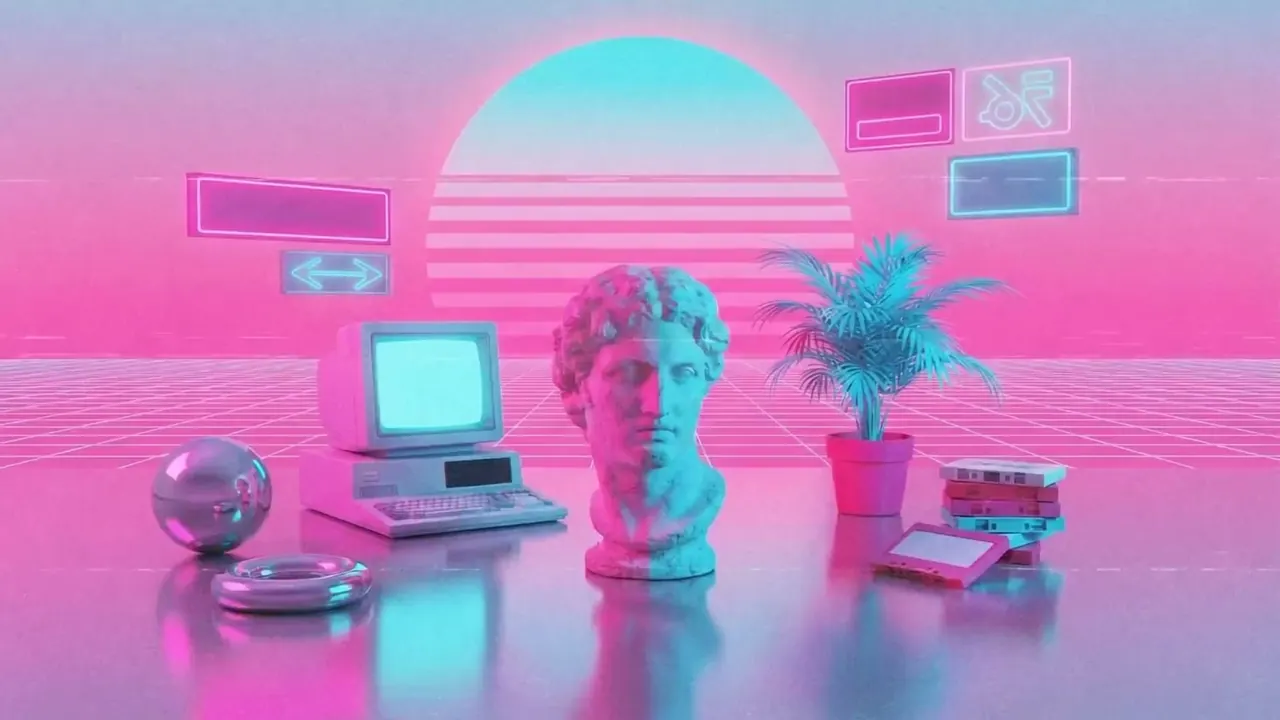
Vaporwave
Eighties consumer imagery in pink and cyan, arranged as nostalgia.
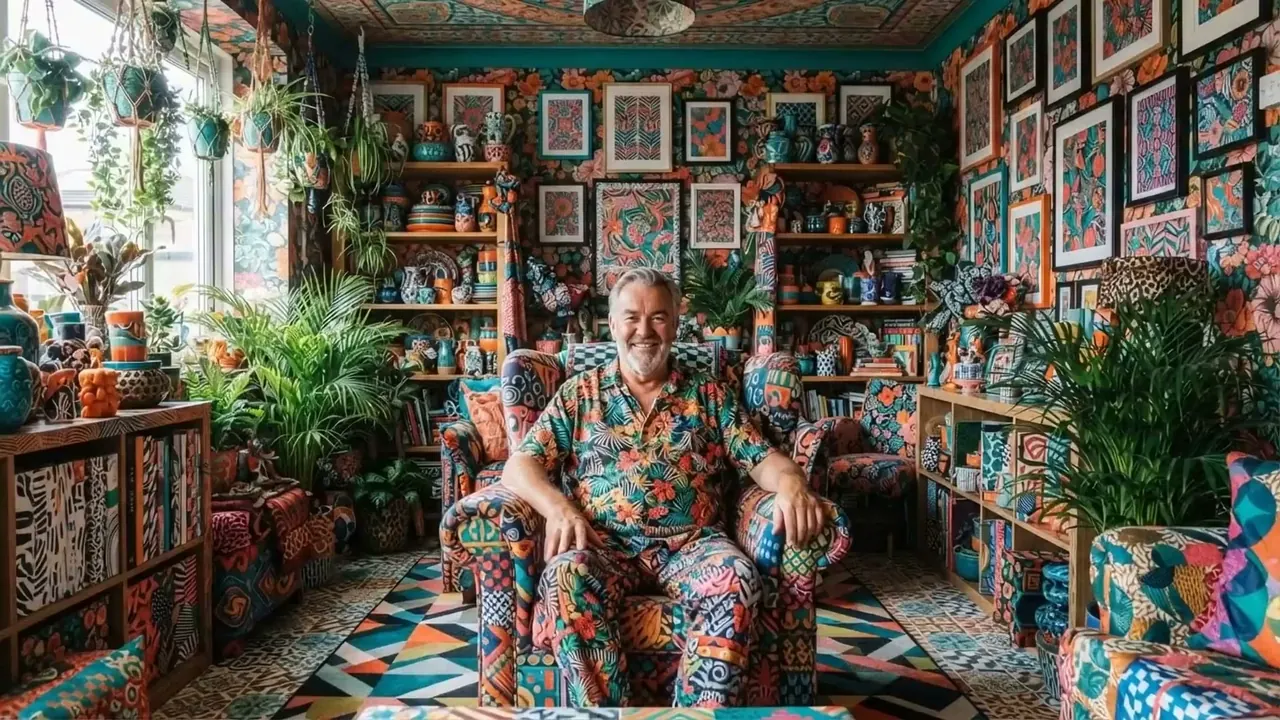
Maximalism
Every part of the frame is filled with colour, pattern and object.
Viral looks44
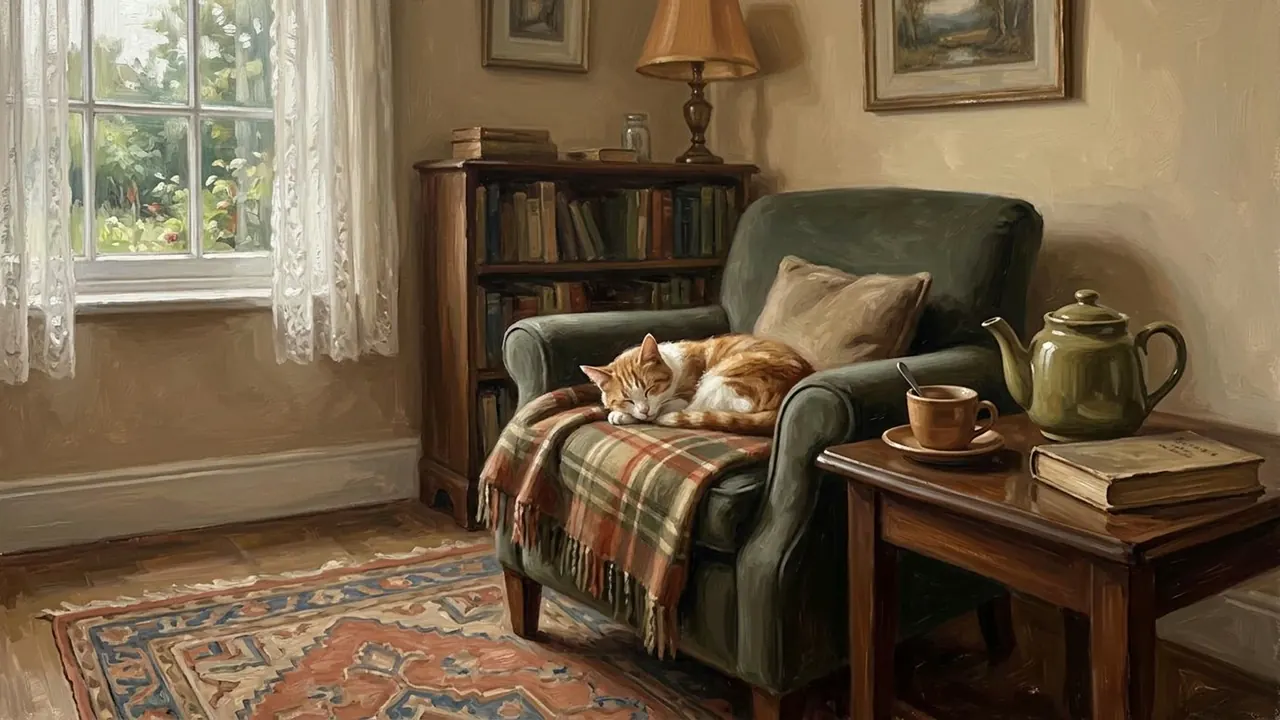
Agamemnon
An ordinary interior painted with warm realist brushwork.
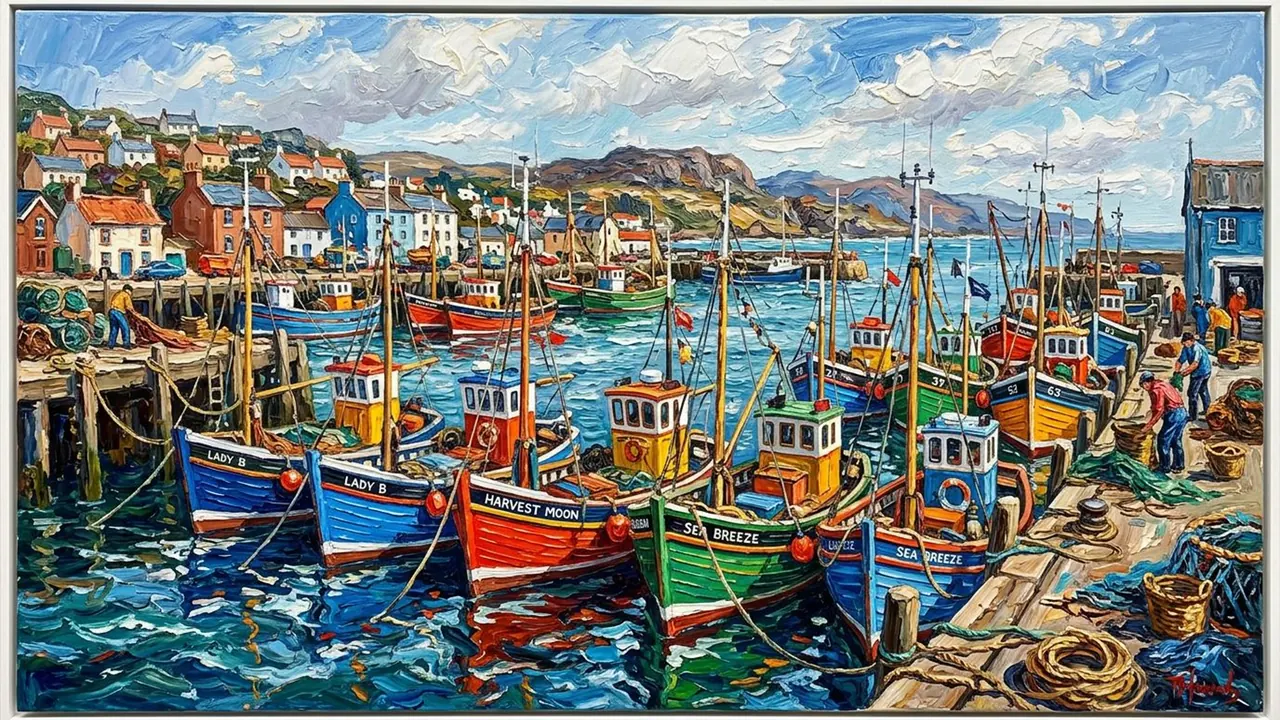
Akrill
Thick bright brush strokes rebuild the scene in high-chroma paint.
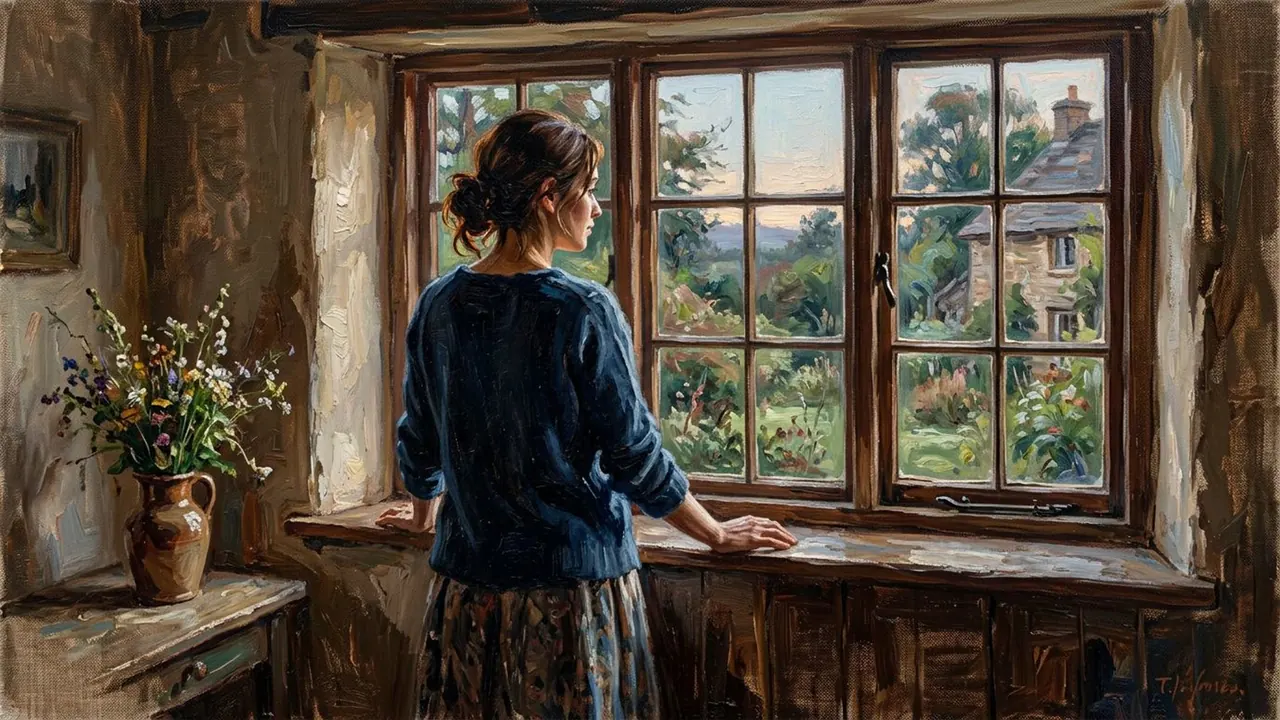
Canvas
The whole frame carries the weave and brushwork of a painting.
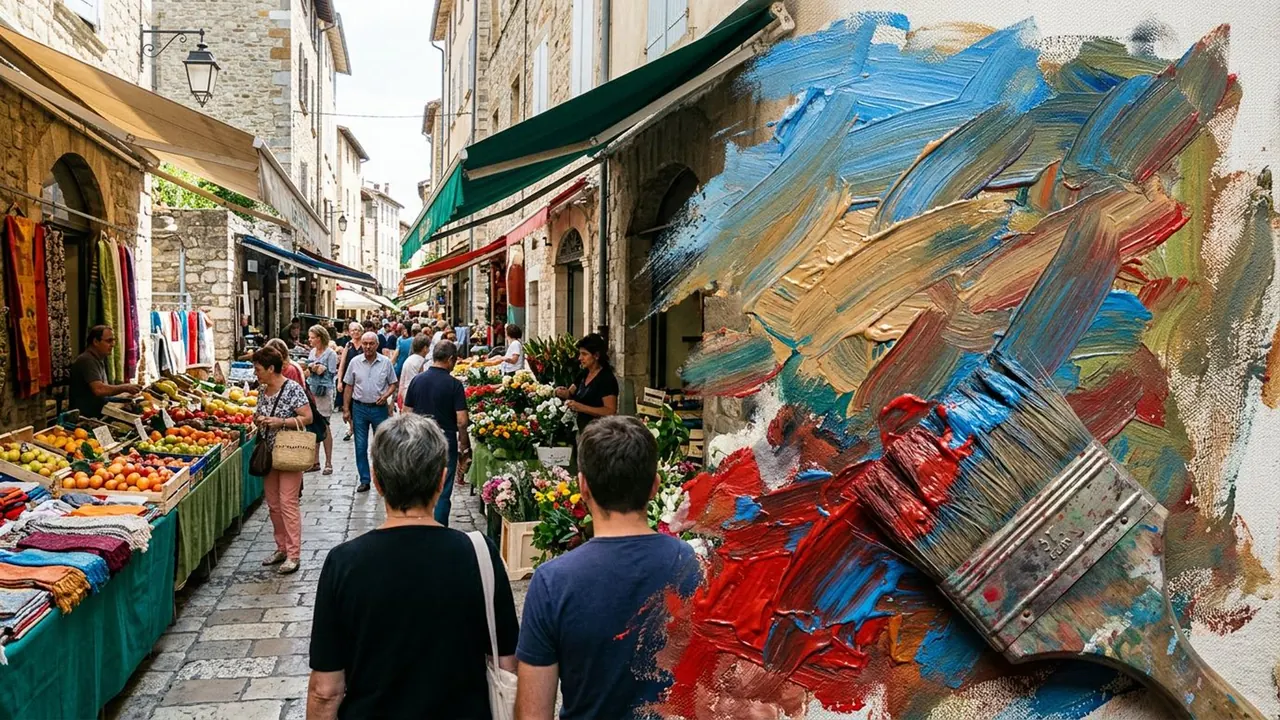
Hand Paint
A brush paints over the scene while you watch.
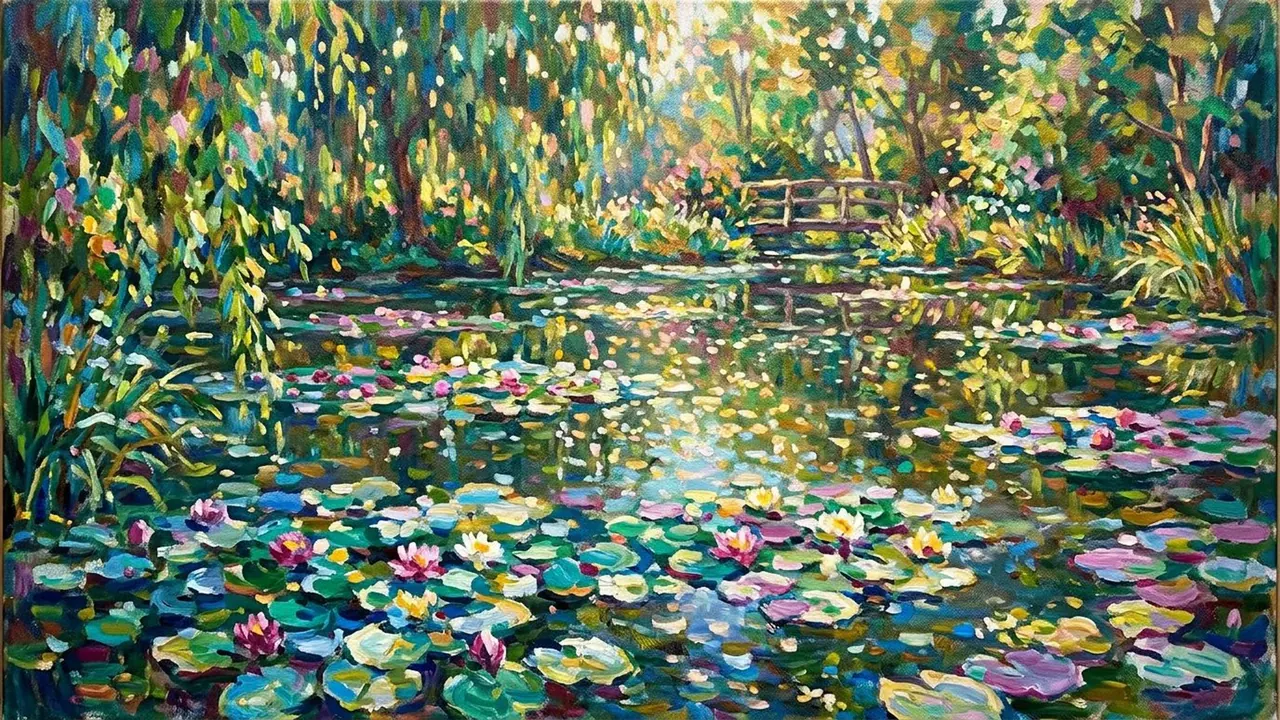
Monet Muse
Impressionist dappled brushwork breaks the light into colour patches.
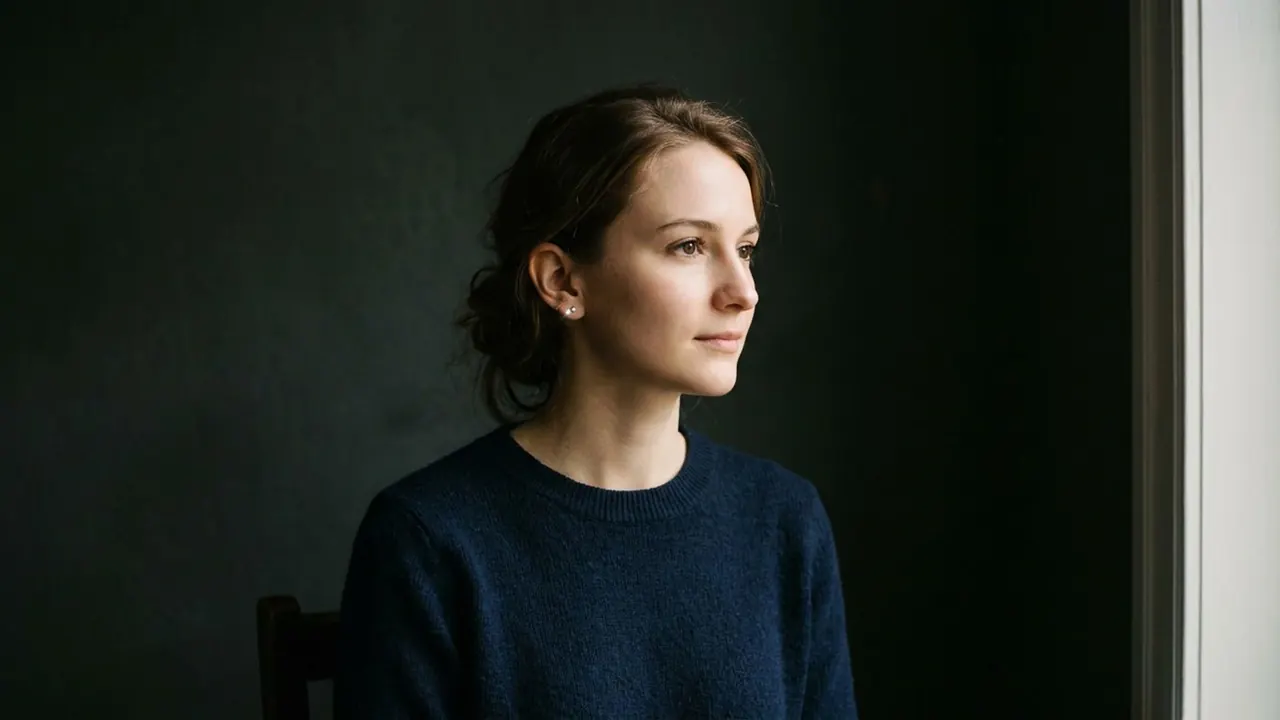
Pearl Earring
Old-master portrait lighting: dark ground, one soft window source, a single highlight.
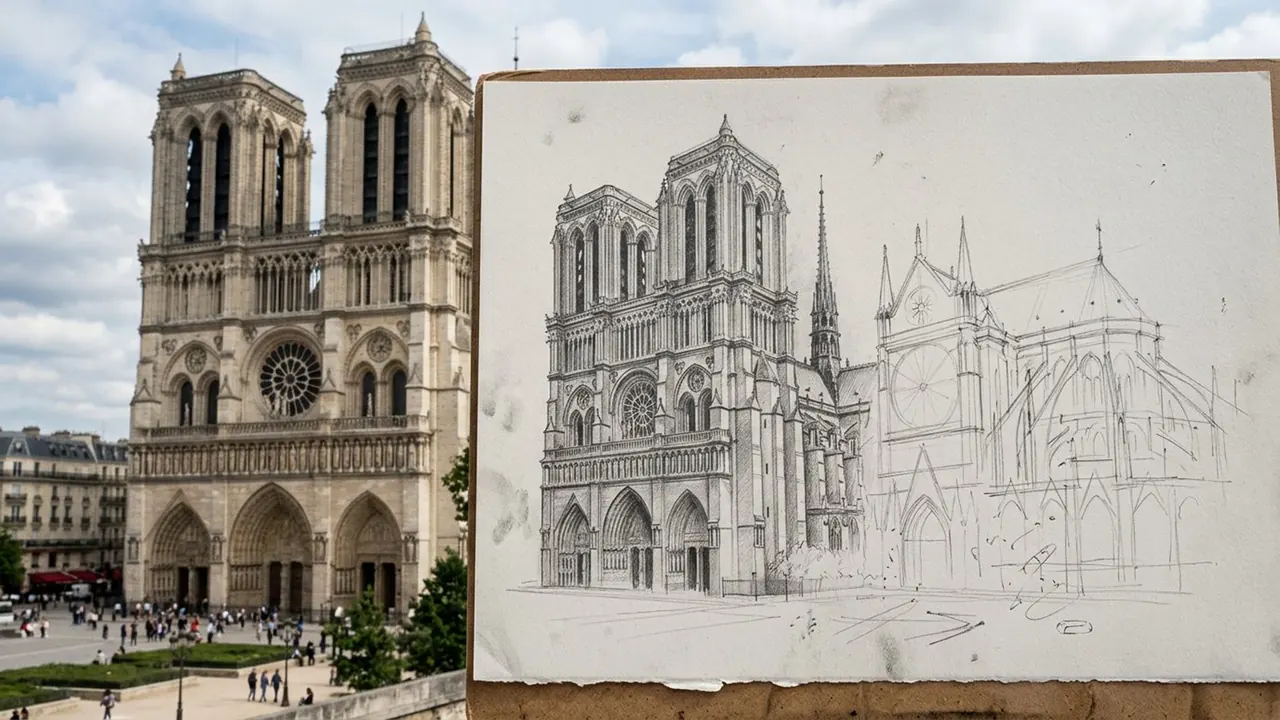
Sketch
A pencil drawing sits half-finished over the photograph.
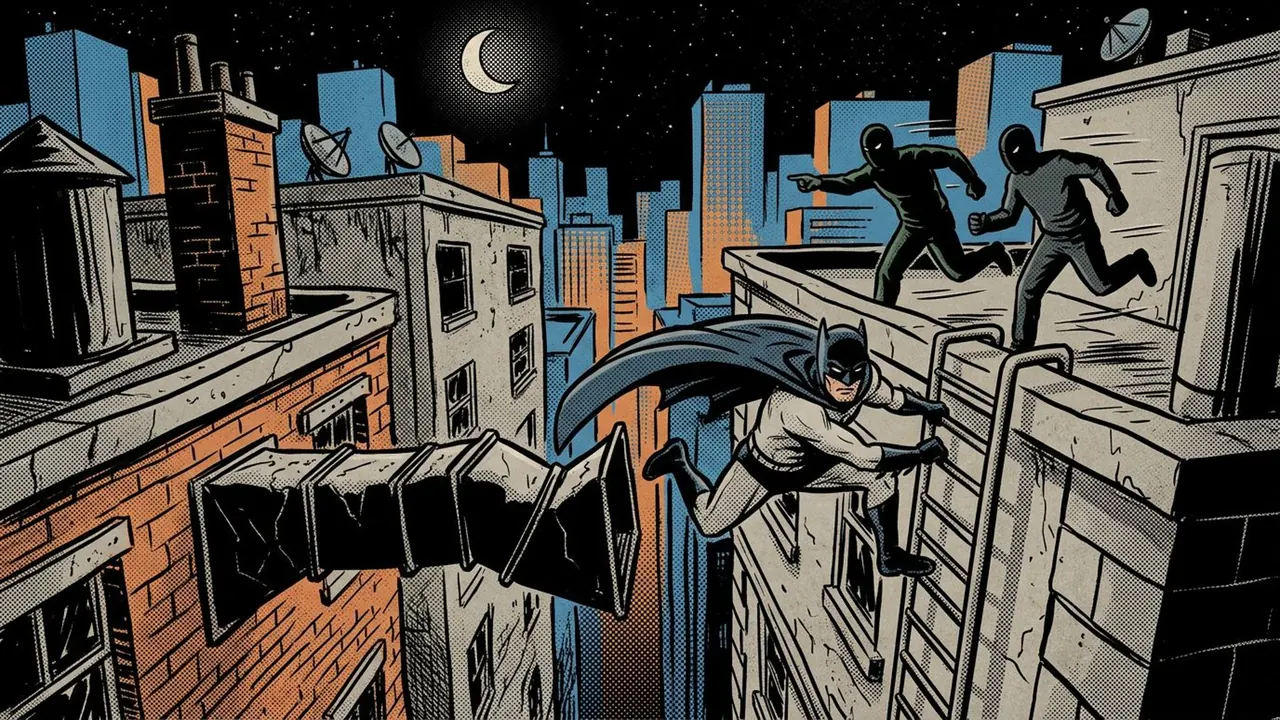
Comic
The frame becomes inked panels with halftone and heavy outlines.
Flash Comic
Comic panel drawing collides with press flashes and motion.
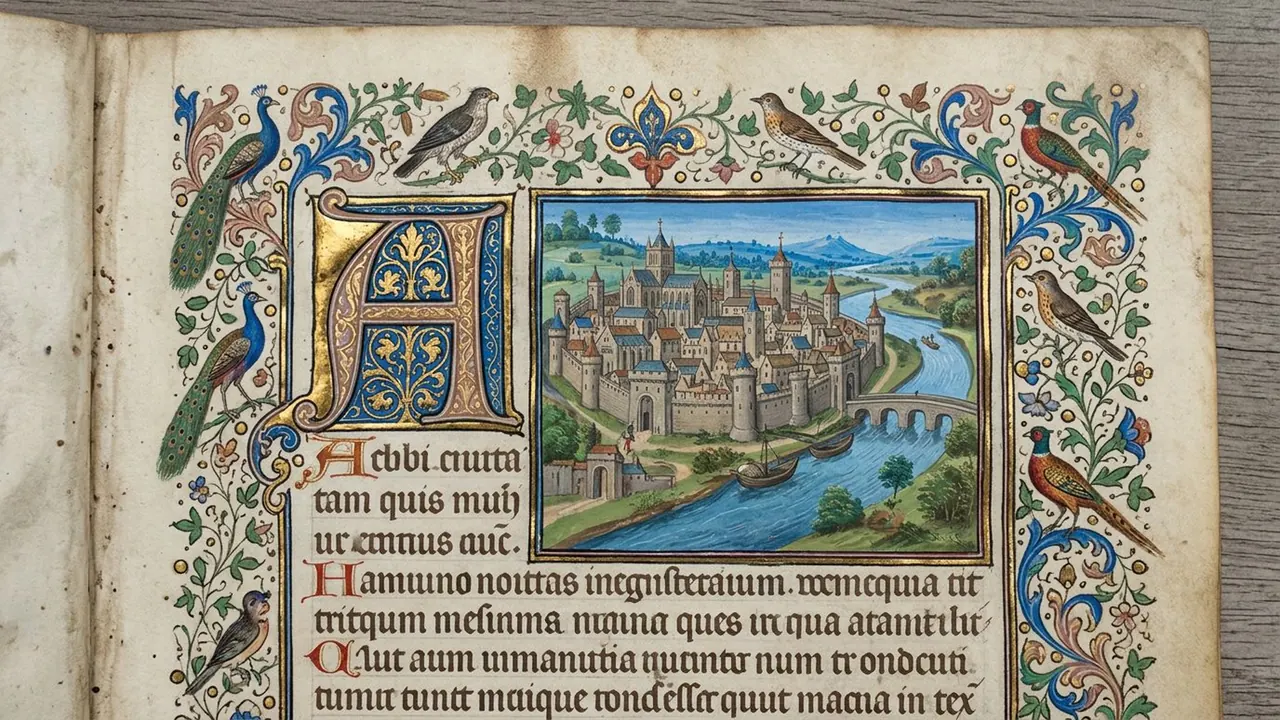
Knight's Diary
The scene sits inside an aged illuminated manuscript page.
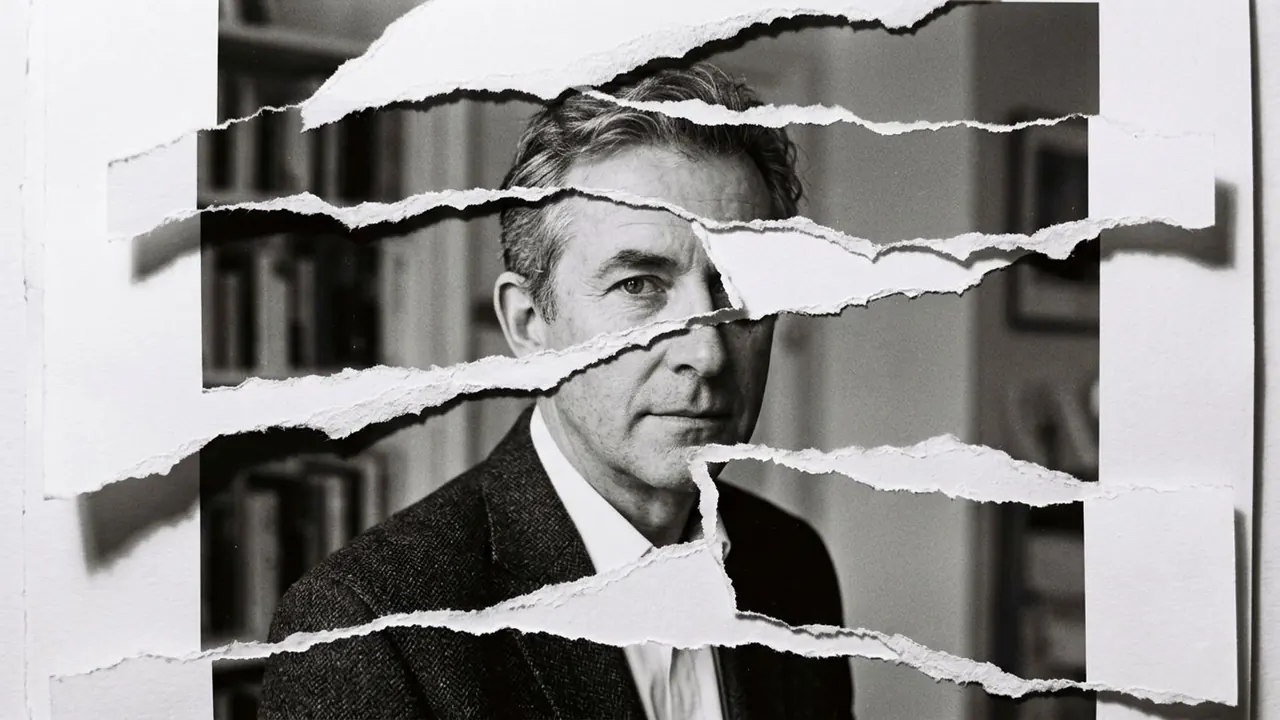
Paper
Torn paper layers frame and interrupt the image.
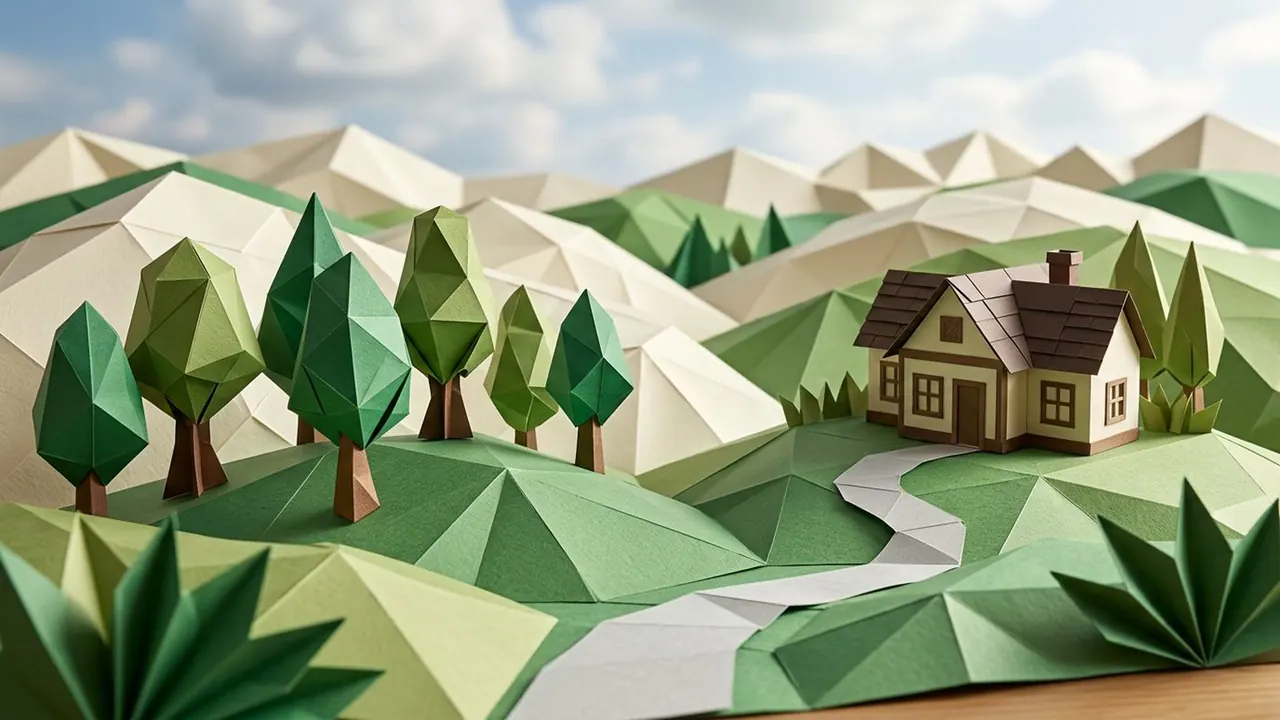
Origami
The world is built from folded paper with visible creases.
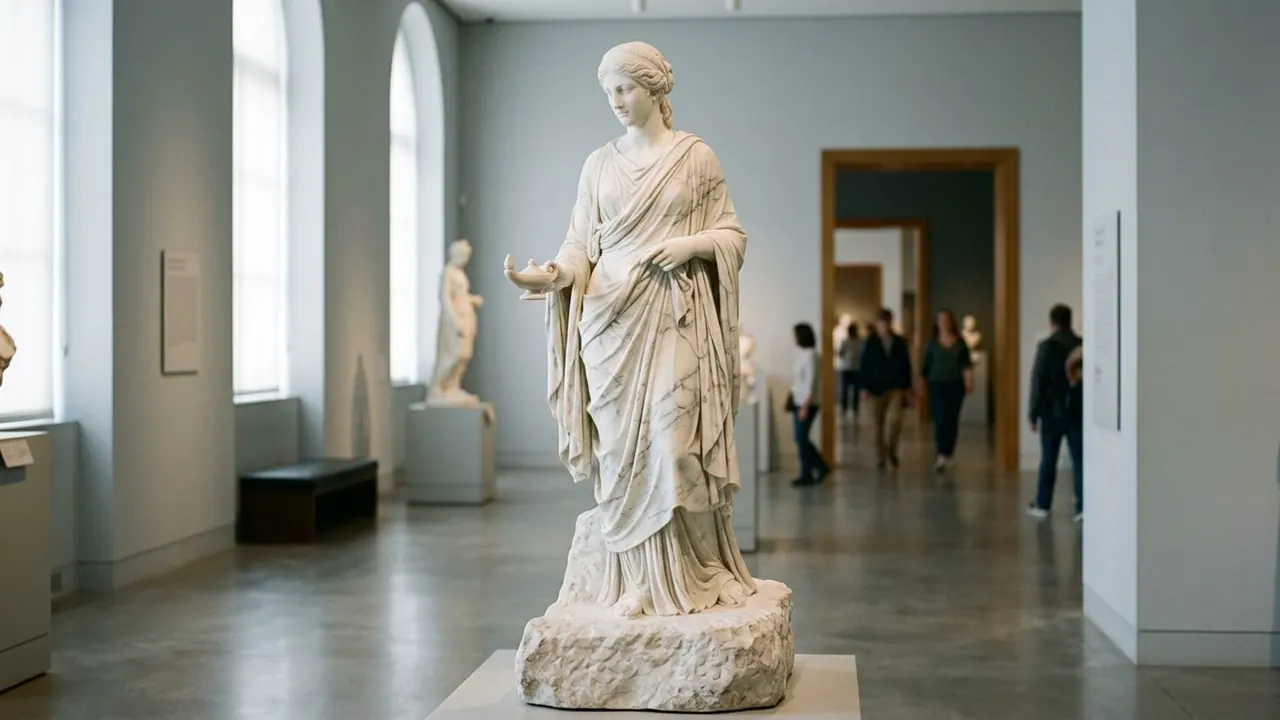
Marble
The subject is carved white stone with polished surfaces.
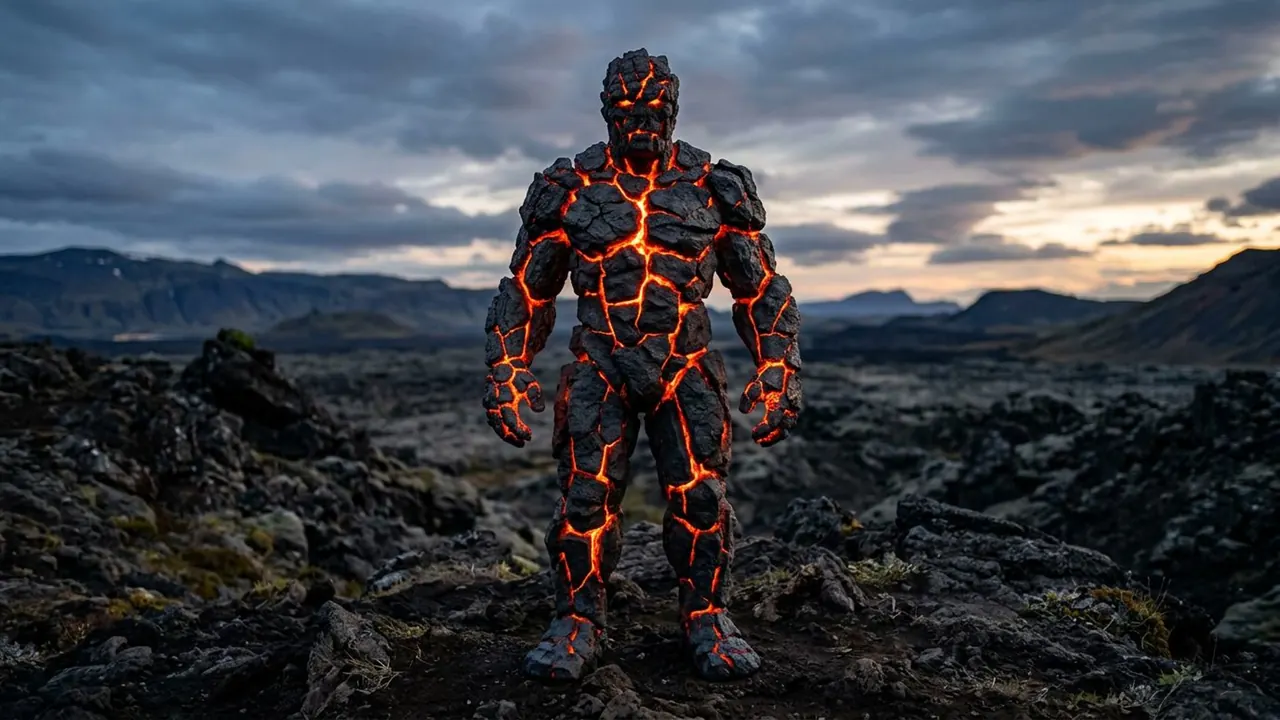
Lava
A figure is made of cracked dark rock with molten light inside.
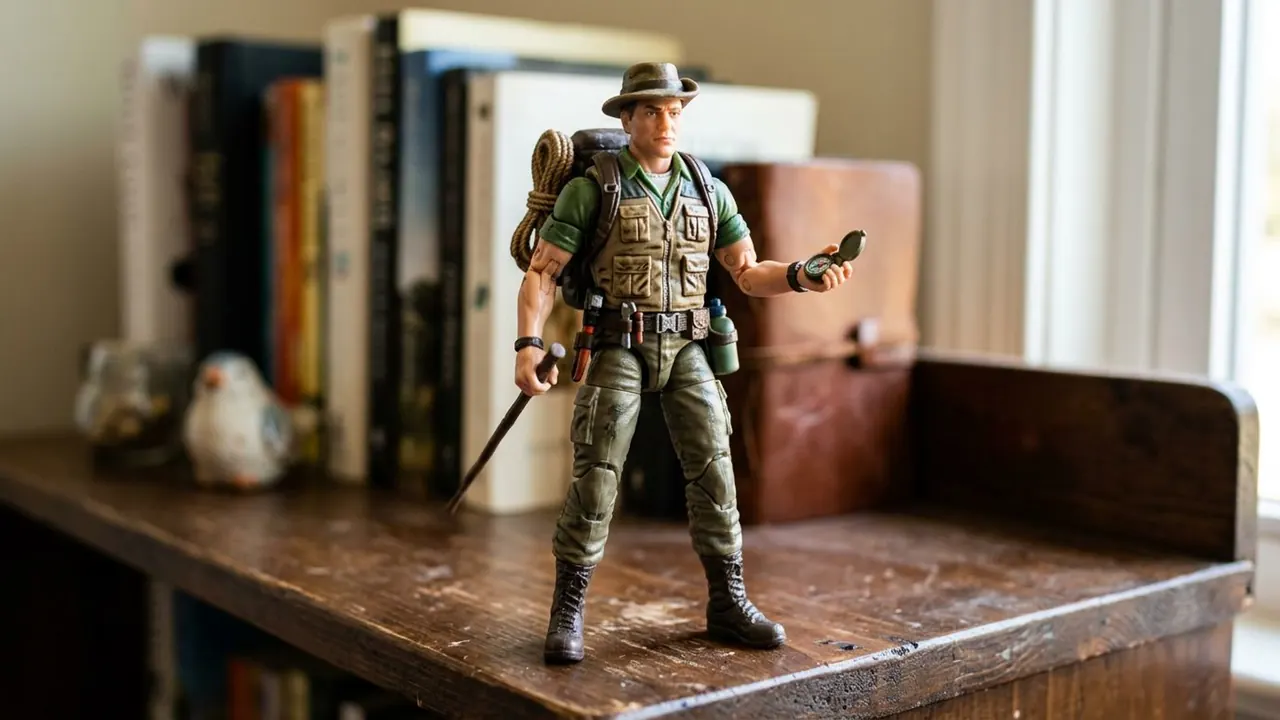
Action Figure
A person is rendered as a poseable collectible figure.
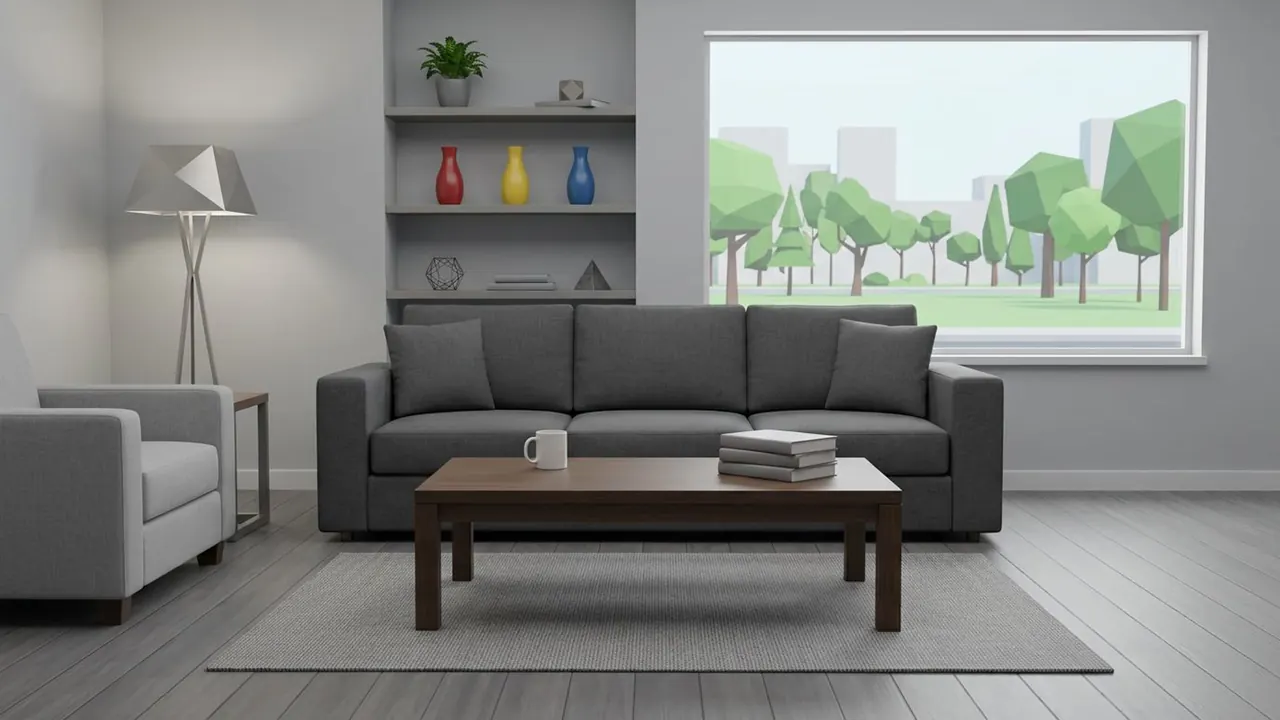
3D Render
The scene reads as a computer render rather than a photograph.
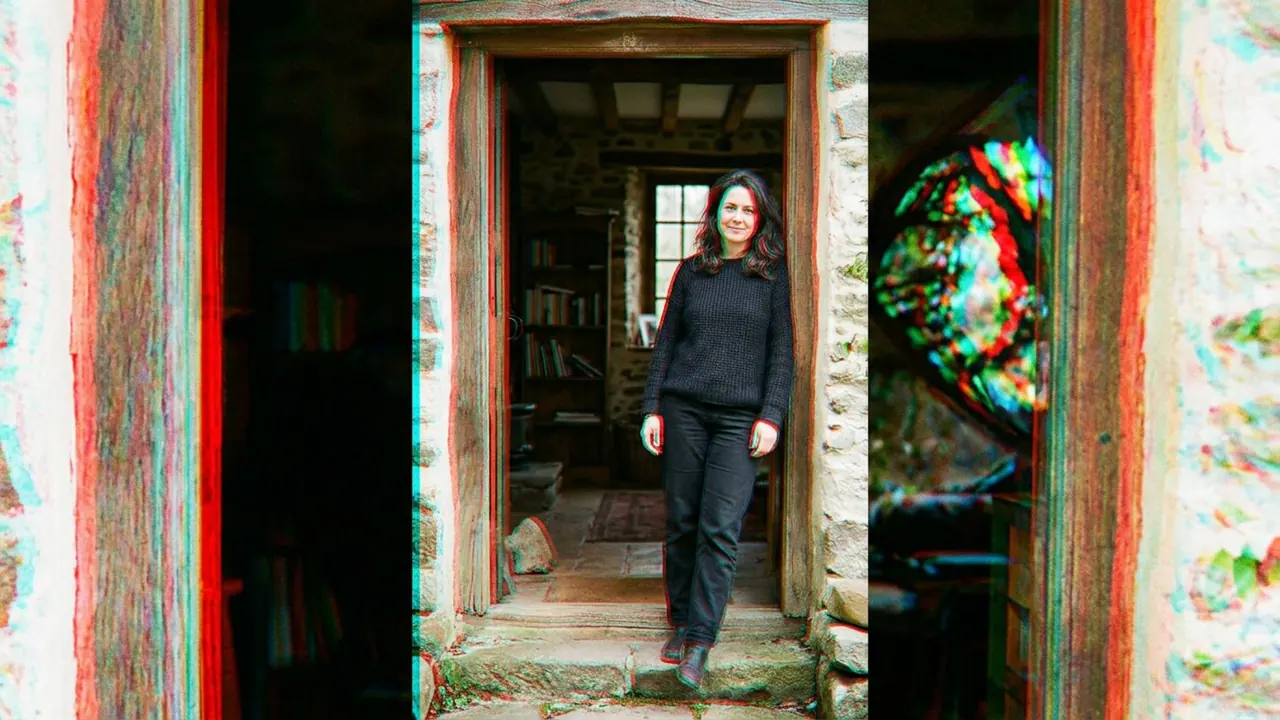
Acid
Saturated rainbow fringing crawls around every edge.
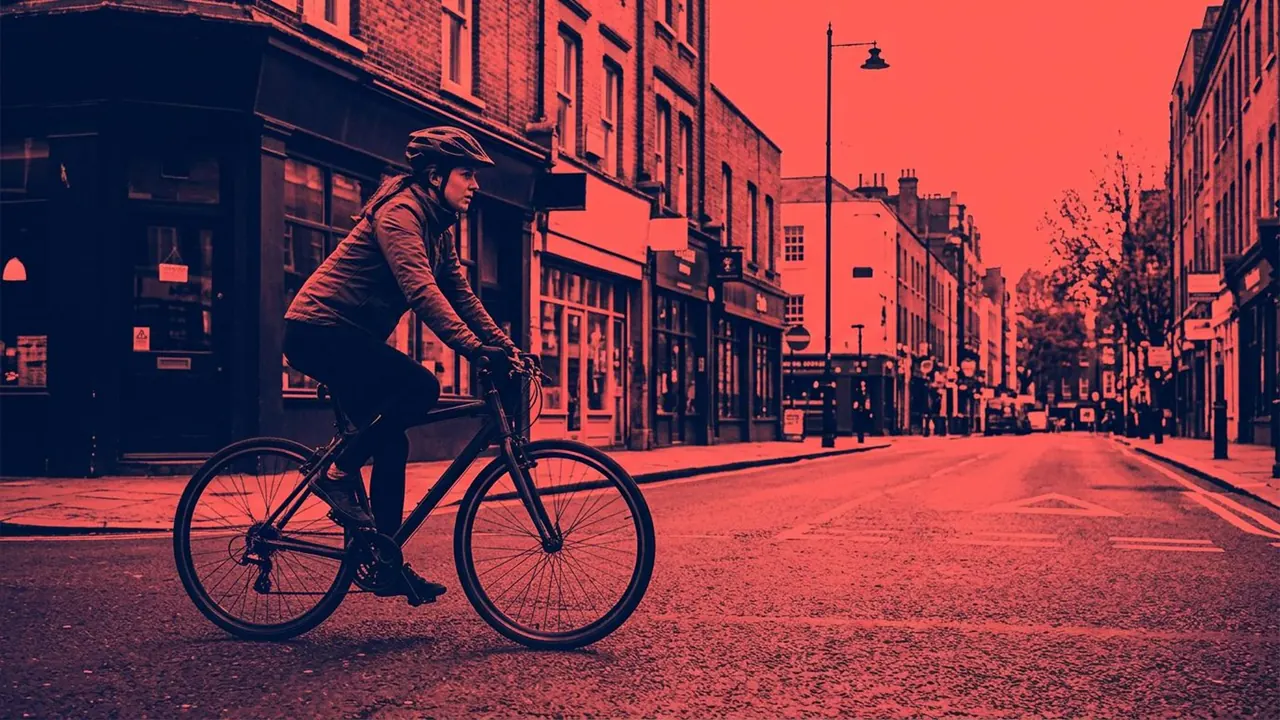
Two Color
The frame is reduced to two colours and nothing else.
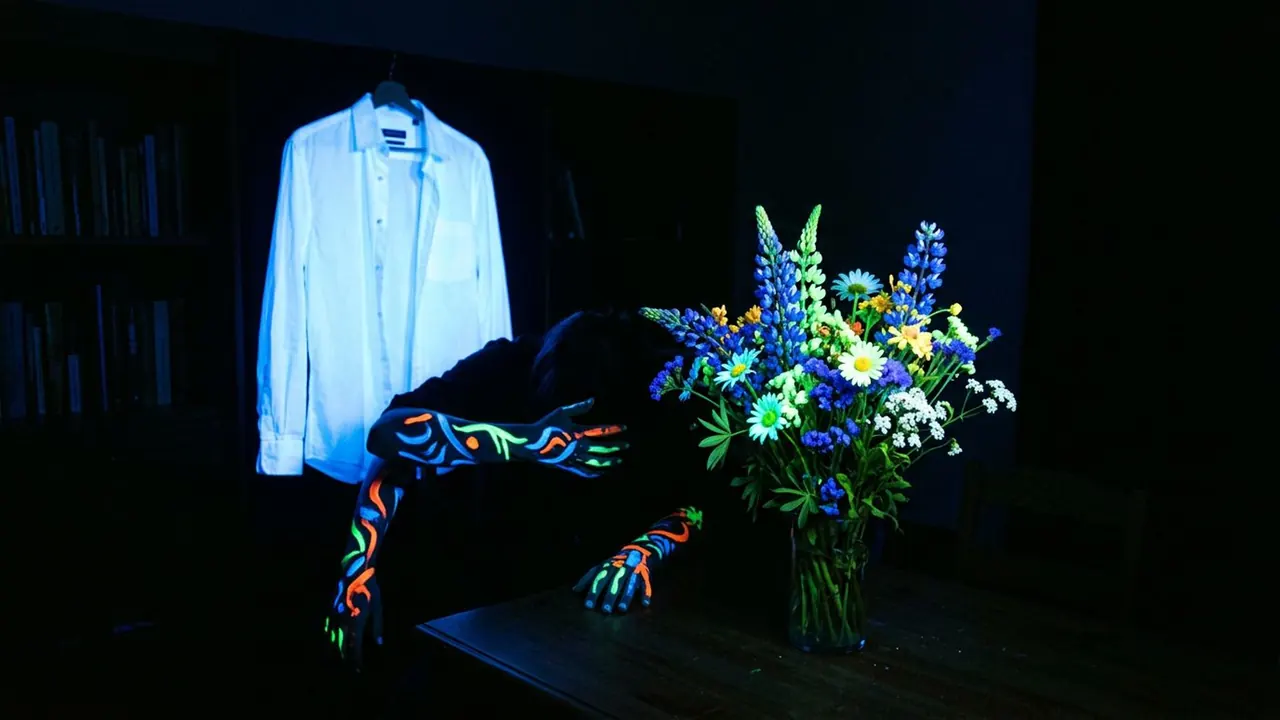
Ultraviolet
UV light makes whites and pigments glow against near black.
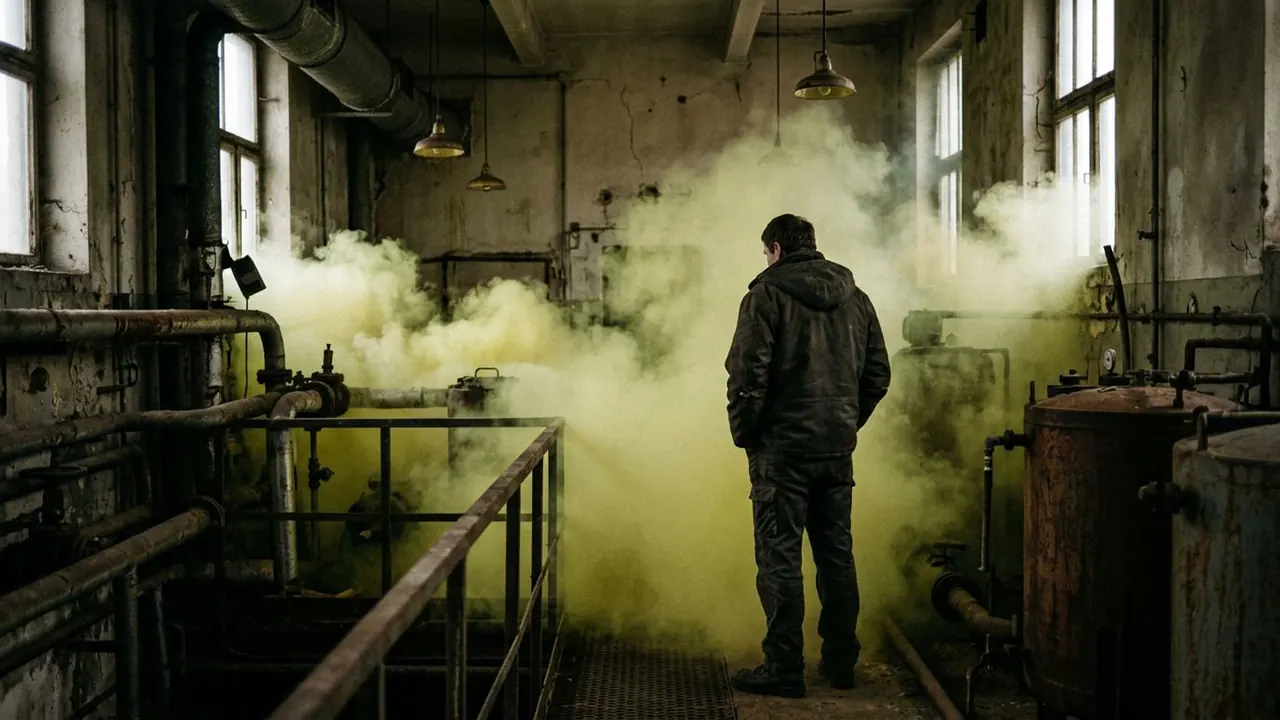
Toxic
Sickly green vapour swallows the figure.
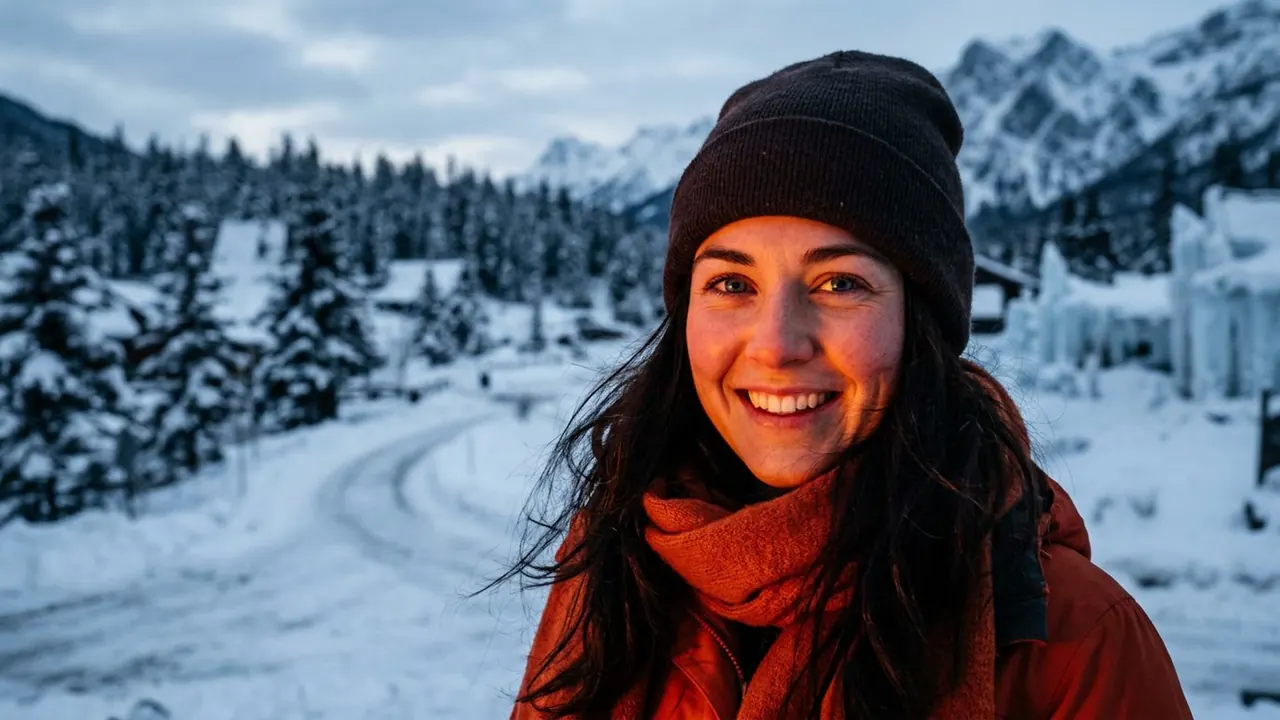
Cold Vision
A warm face burns against a frozen desaturated world.
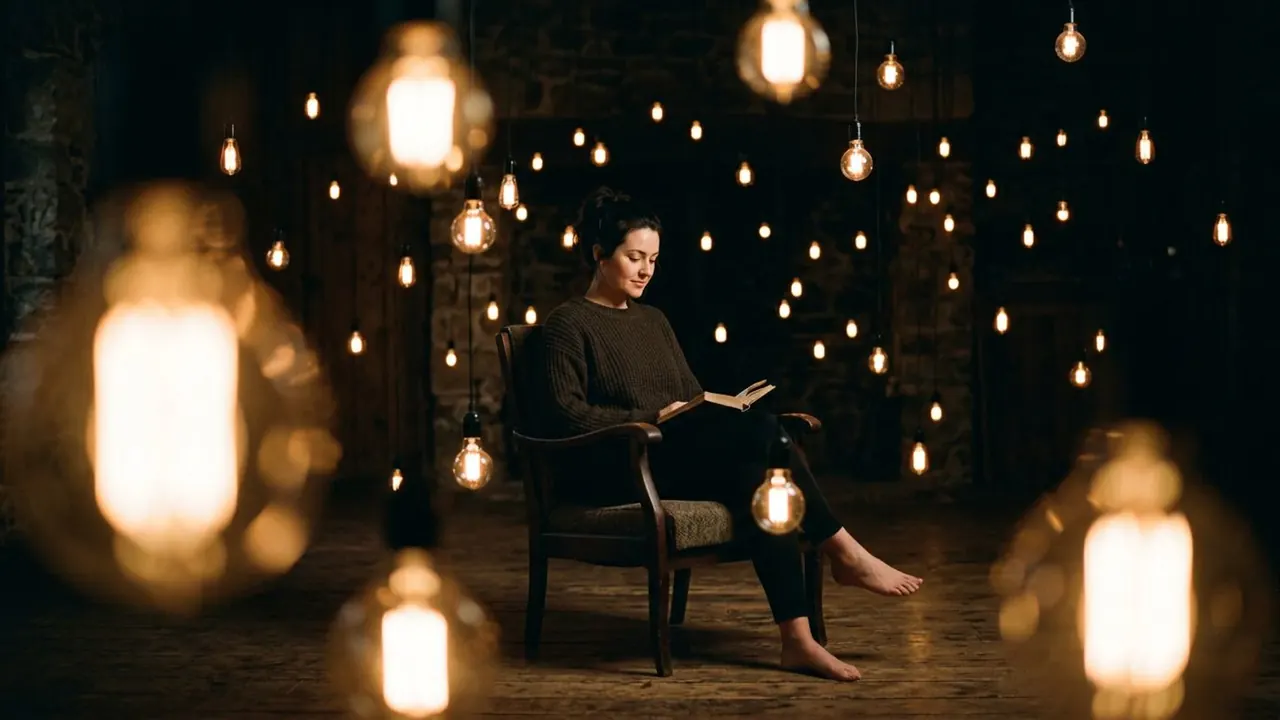
Random Glow
Scattered warm bulbs float through the frame as glowing points.
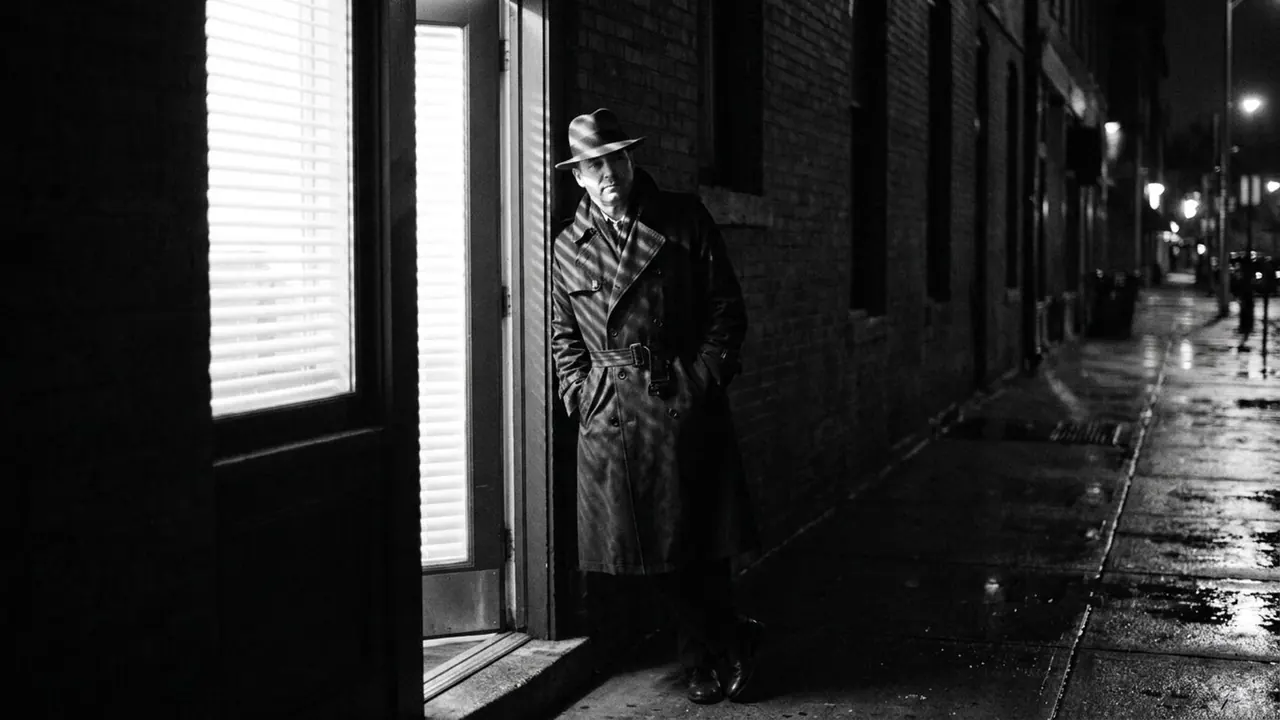
Noir
Black and white, hard shadow, wet streets and blind slats.
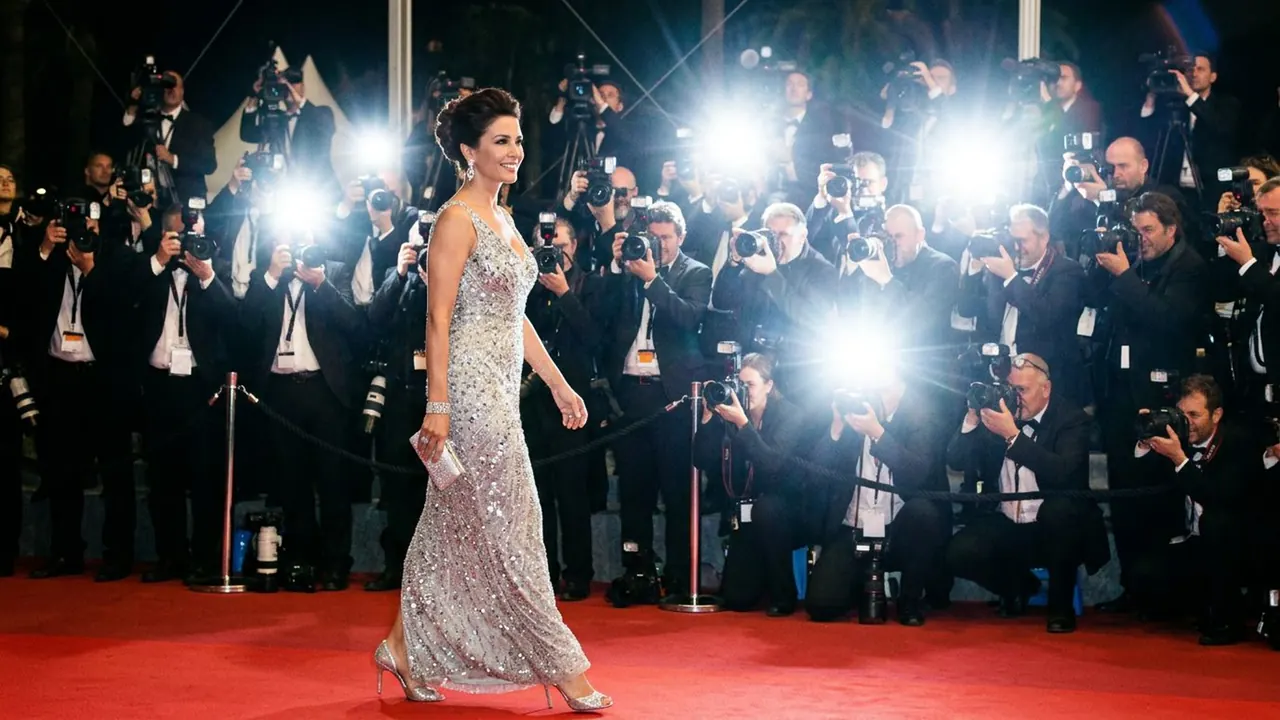
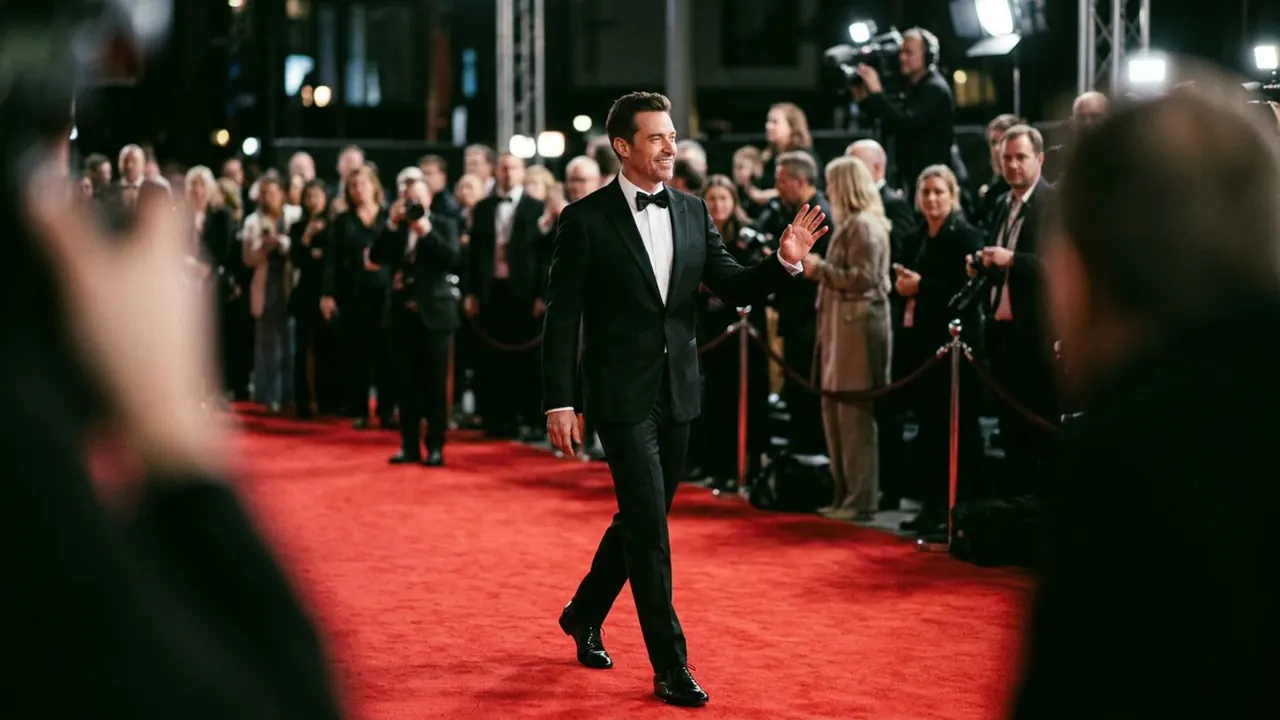
Superstar
A wall of press flashes fires at a poised subject.
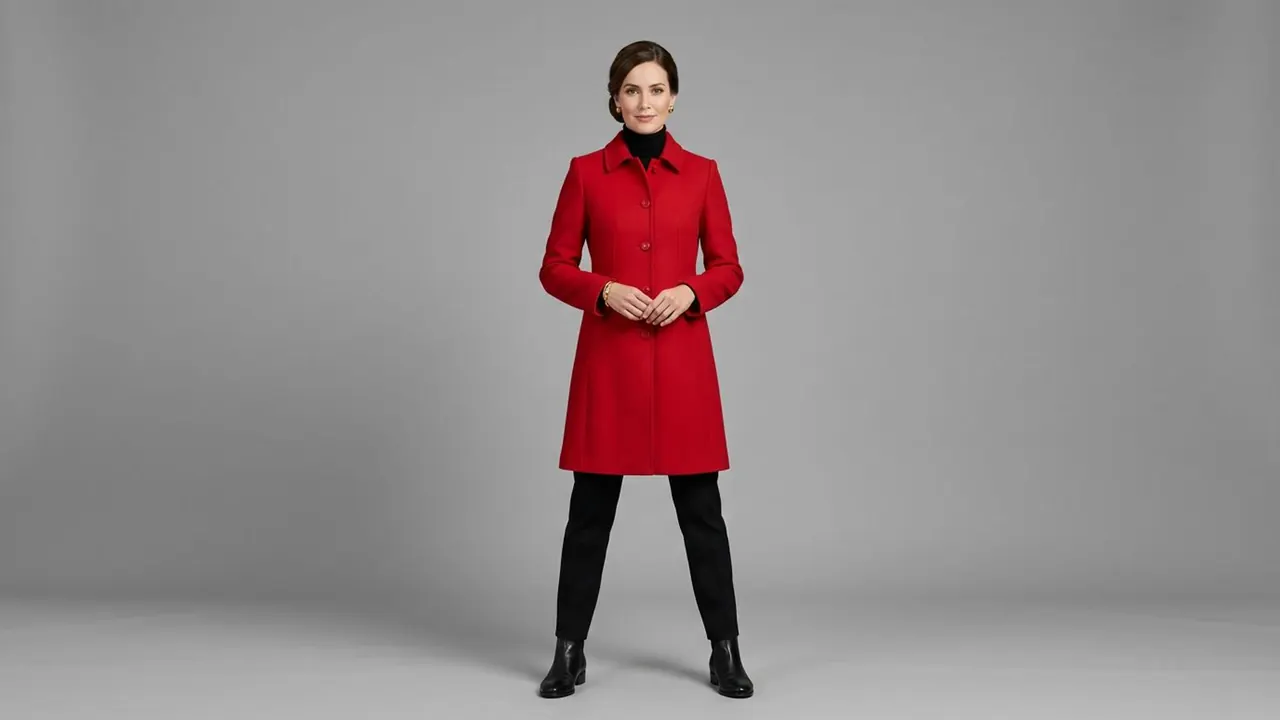
Magazine
Glossy editorial styling, saturated light and a held pose.
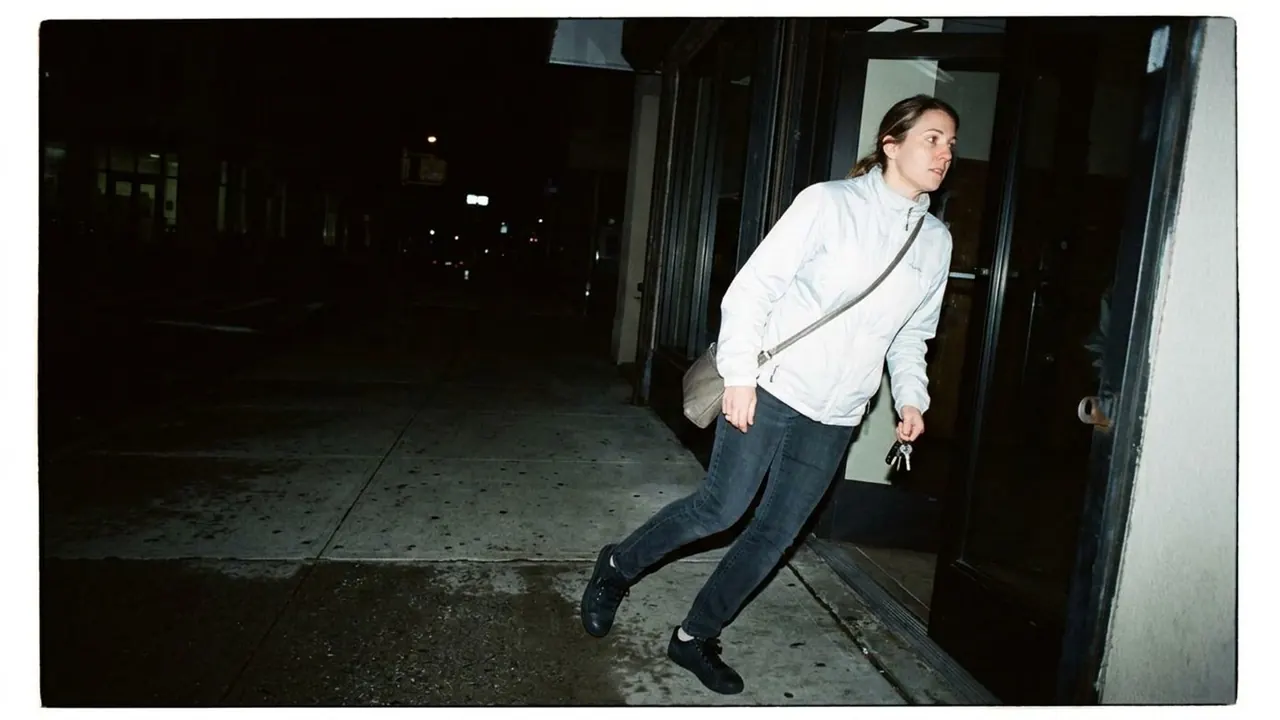
2000s Paparazzi
Hard on-camera flash at night, caught rather than composed.
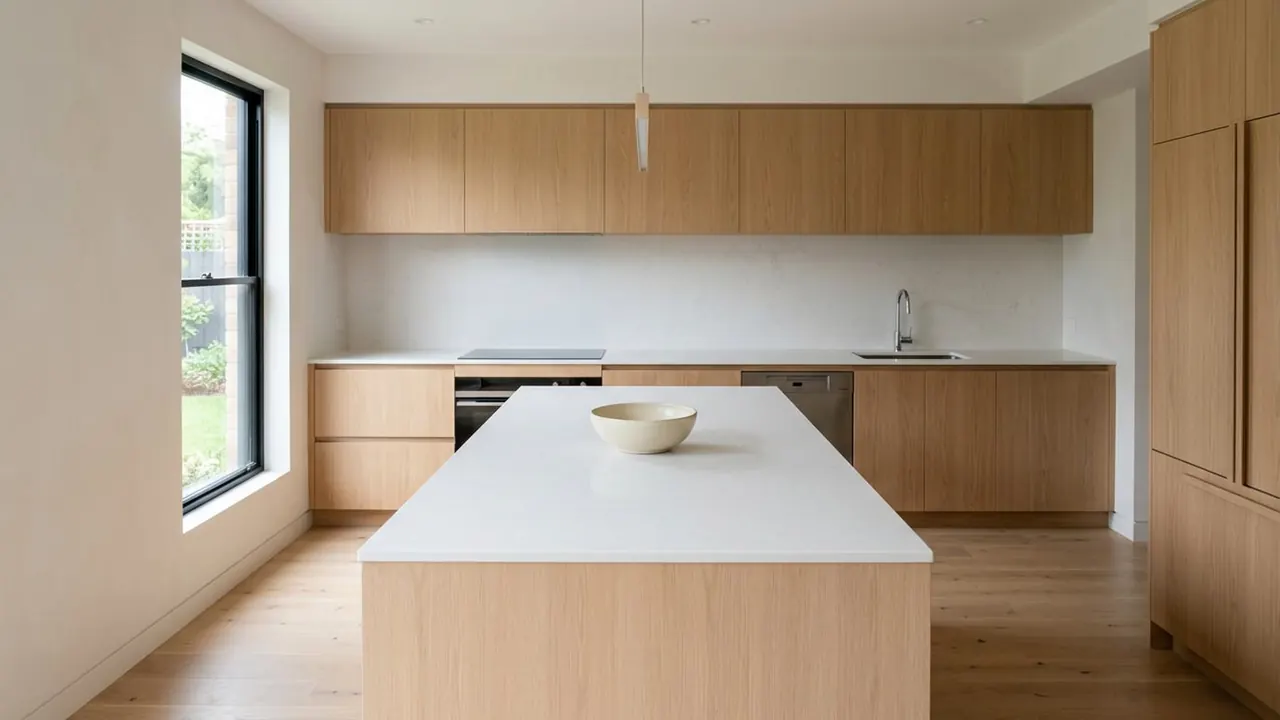
Modern
Minimal contemporary interior, restrained and expensive.
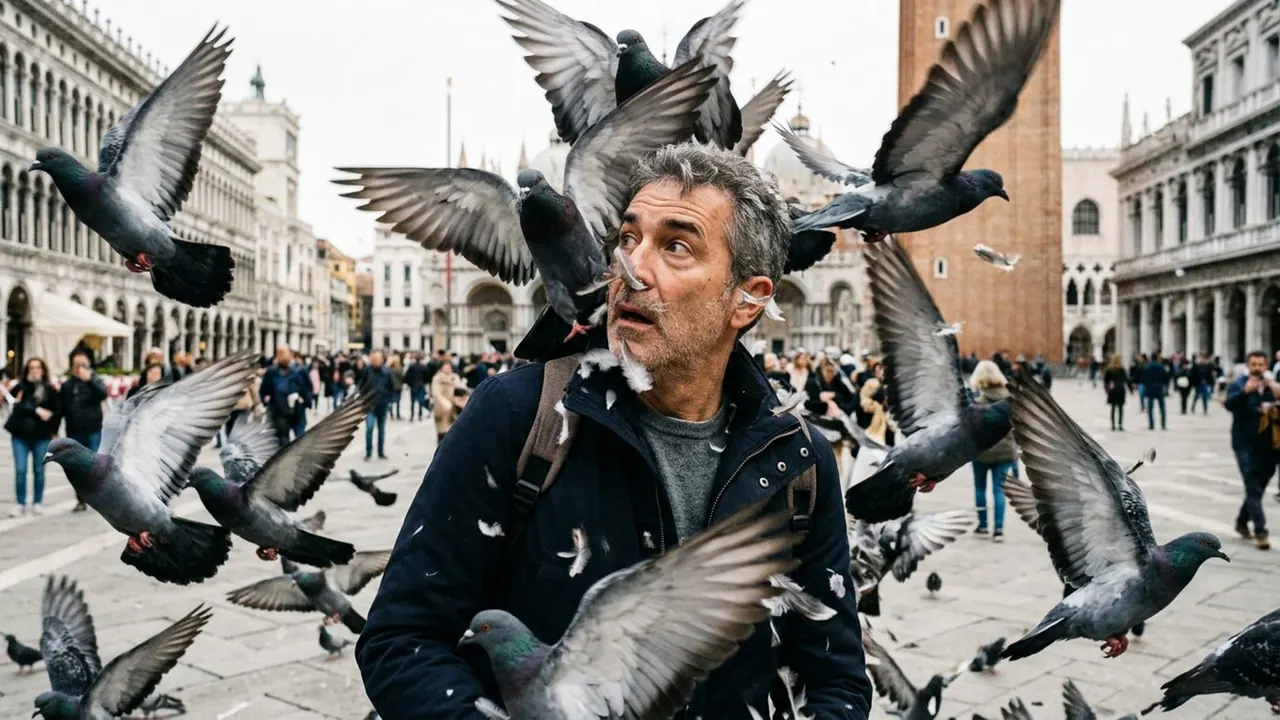
Pigeons
Birds burst past the face, filling the frame with wings.
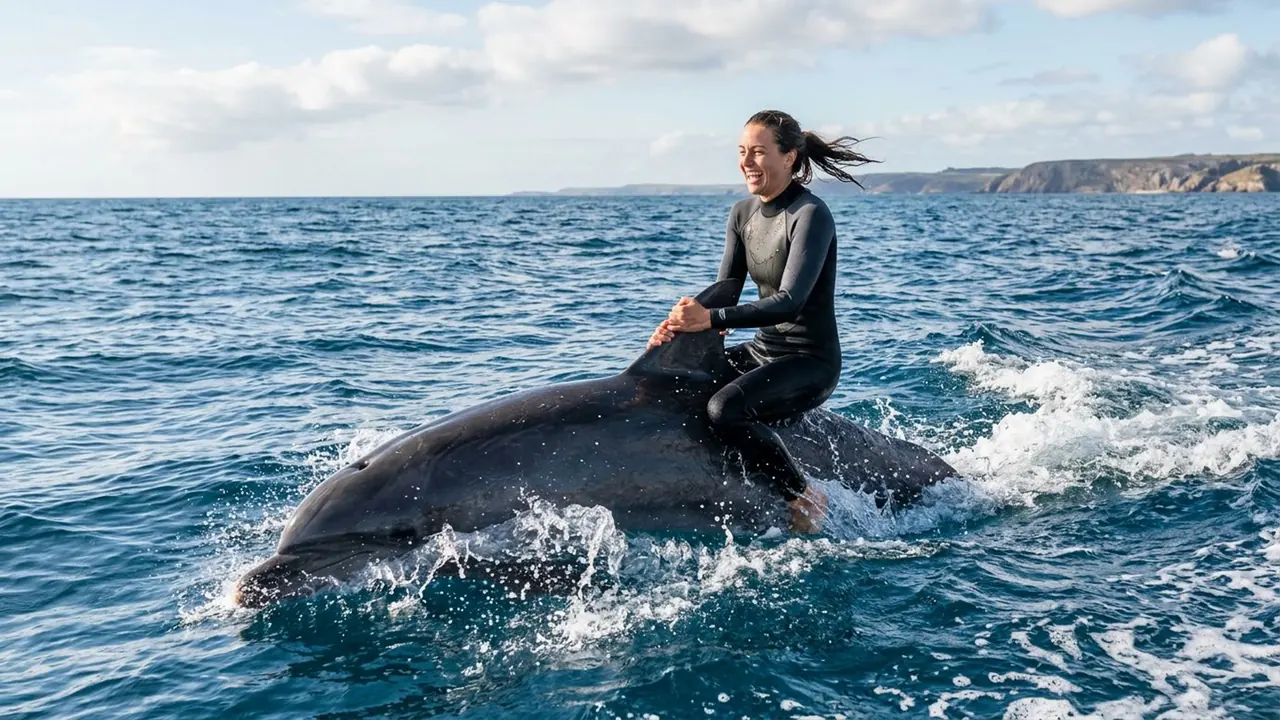
Dolphin Ride
A person rides a large sea animal across open water.
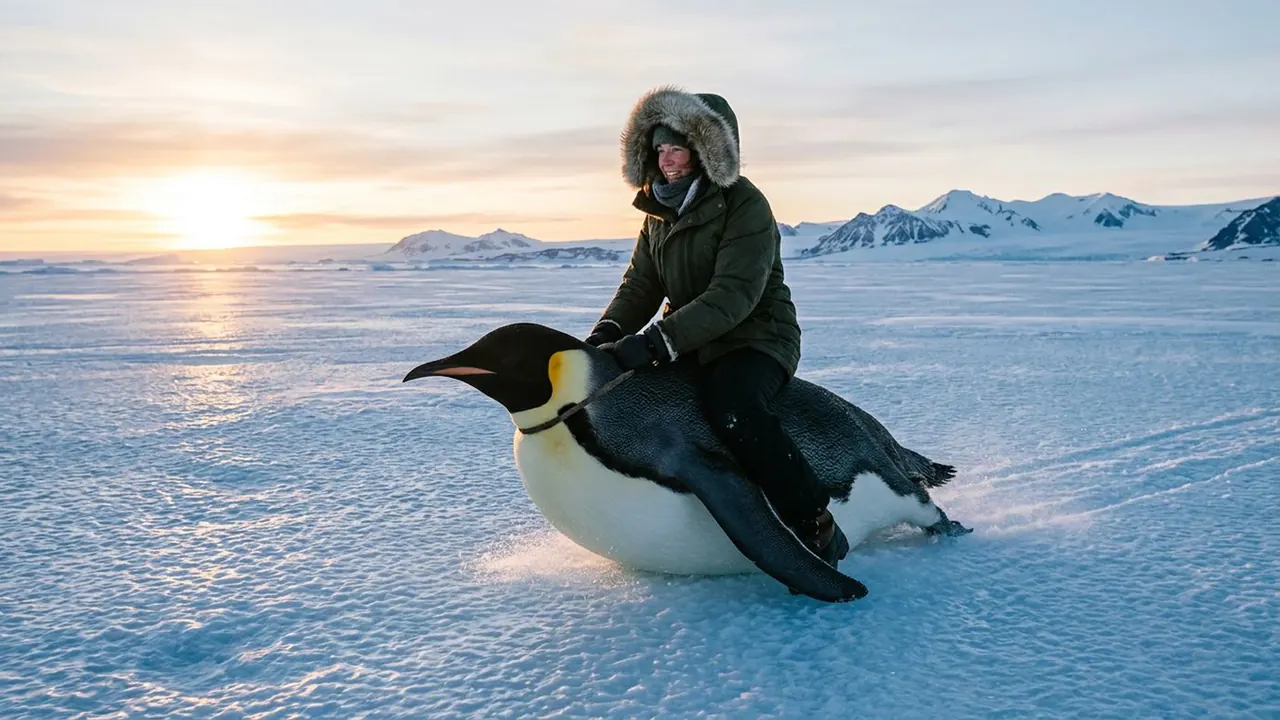
Penguin Ride
A person rides a large polar bird across ice.
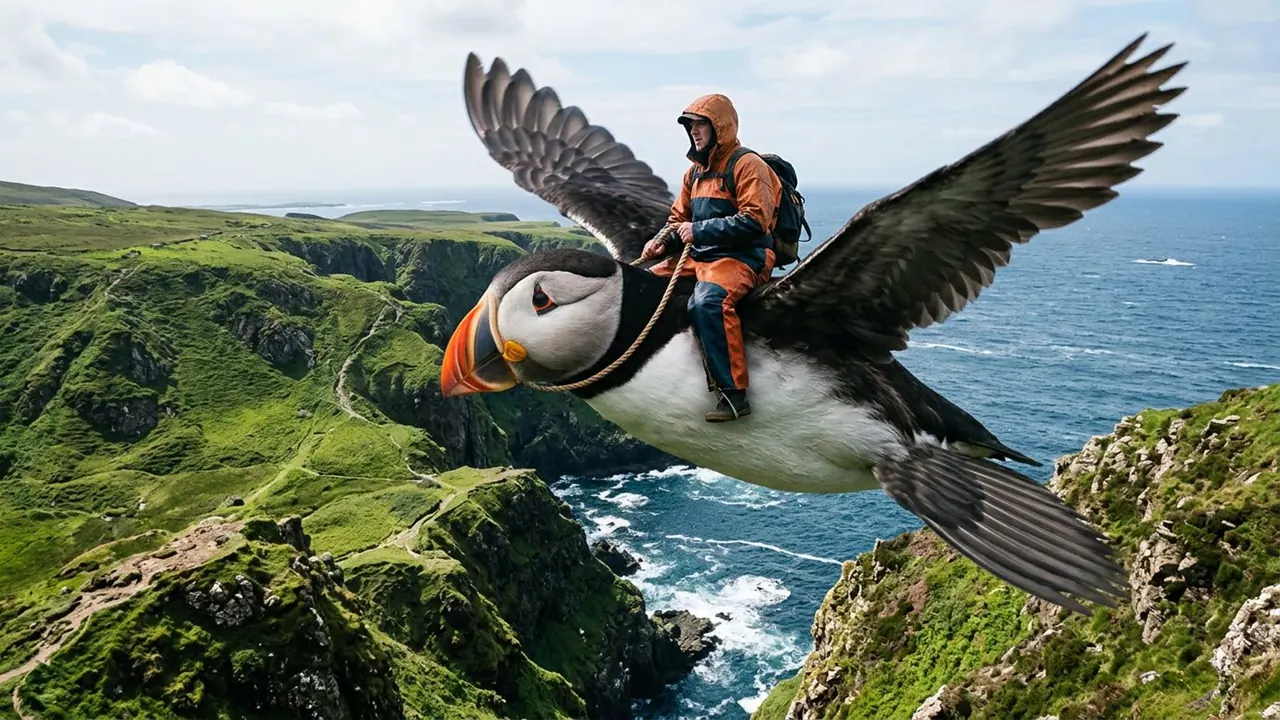
Puffin Ride
A person rides a large seabird over coastal cliffs.
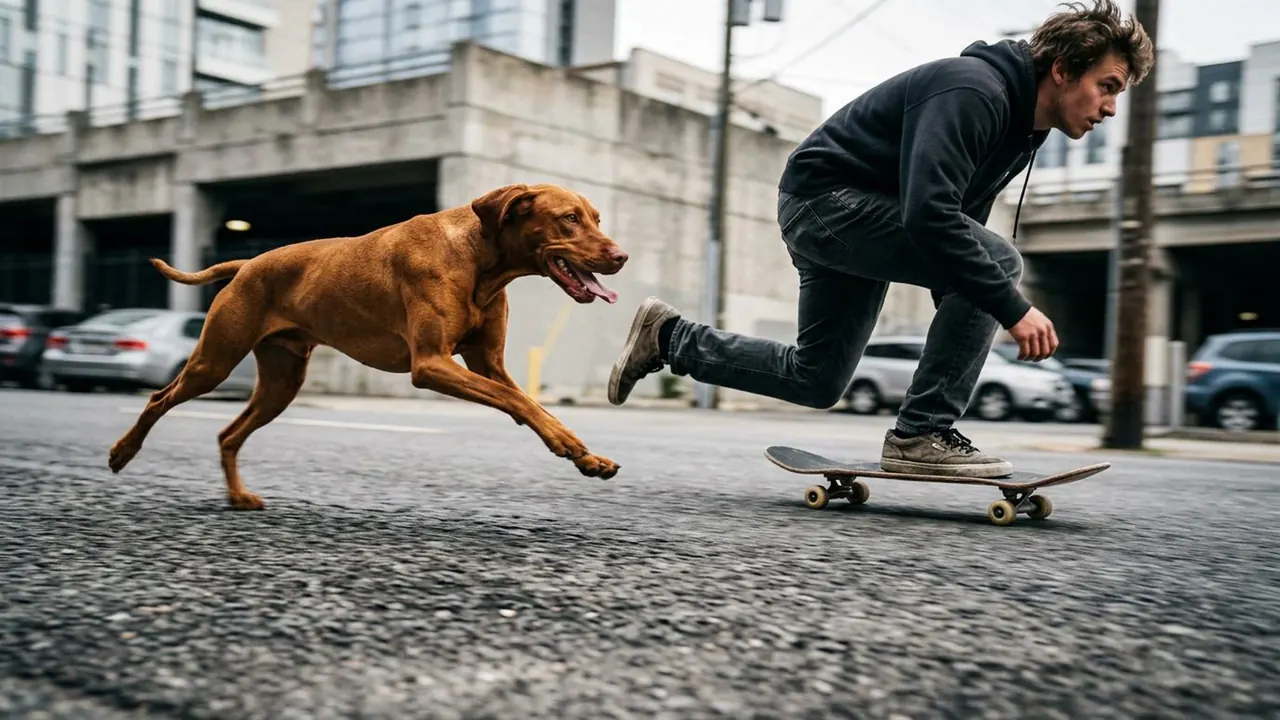
Skatedog
A dog runs alongside a skater, shot low and fast on the street.
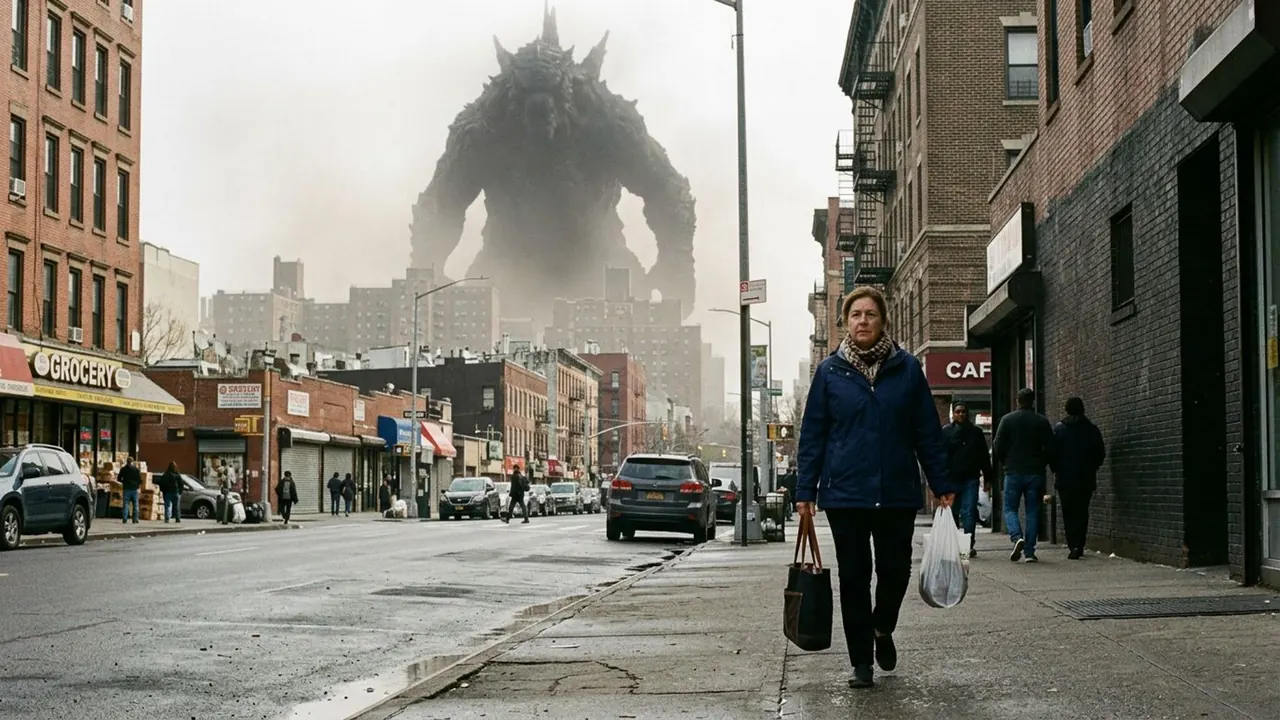
Casual Monster Slayer
An ordinary person walks calmly while something enormous looms behind.
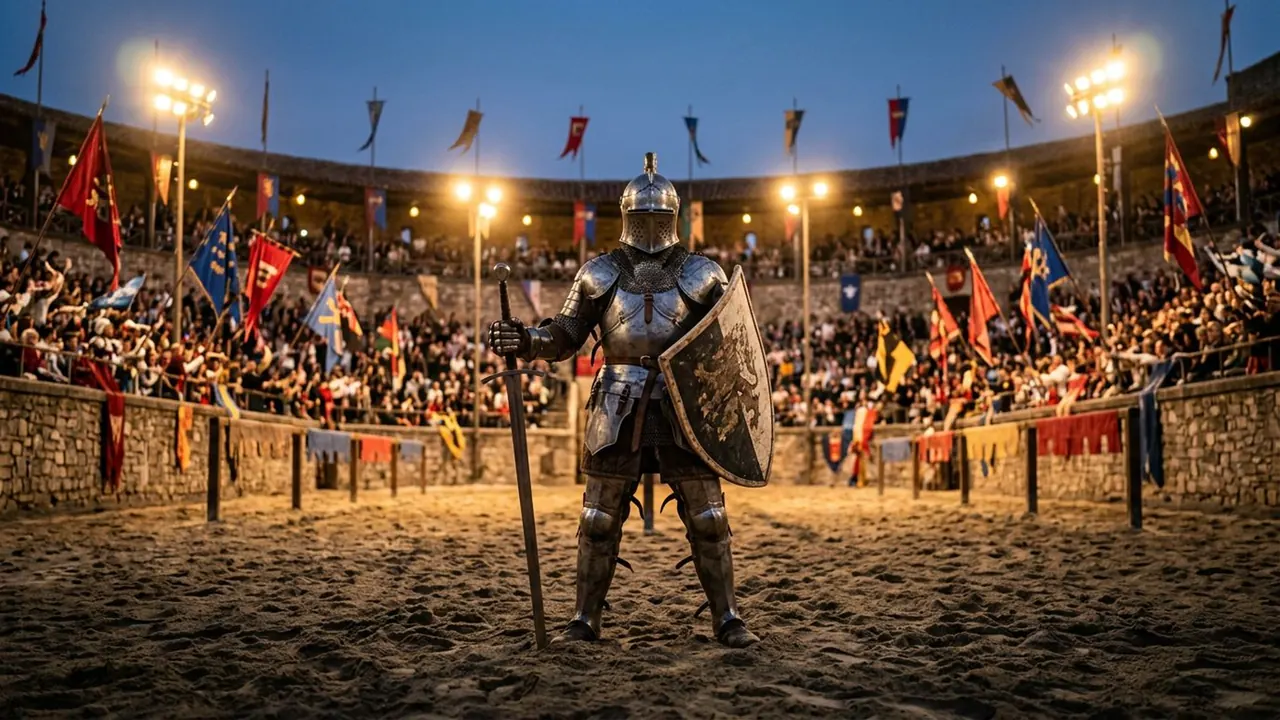
Mighty Fighter
An armoured figure holds a heroic stance in a lit arena.
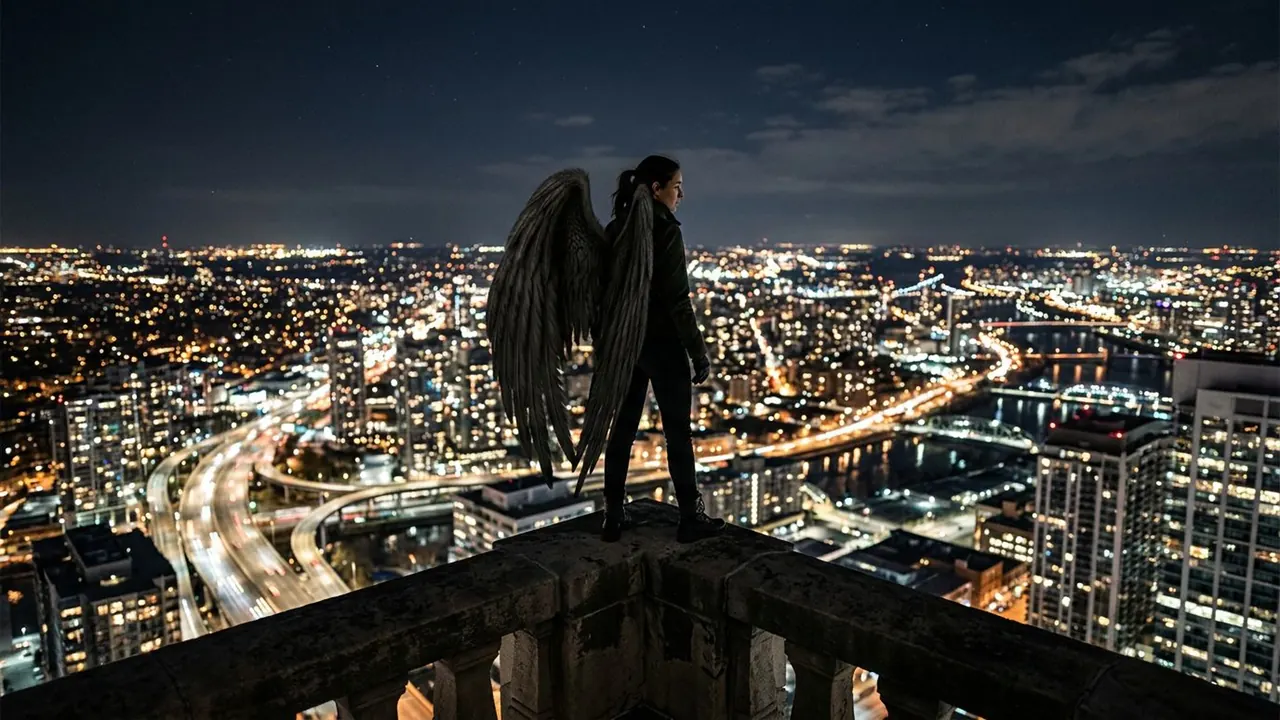
Fallen Angel
A winged figure stands above a city at night.
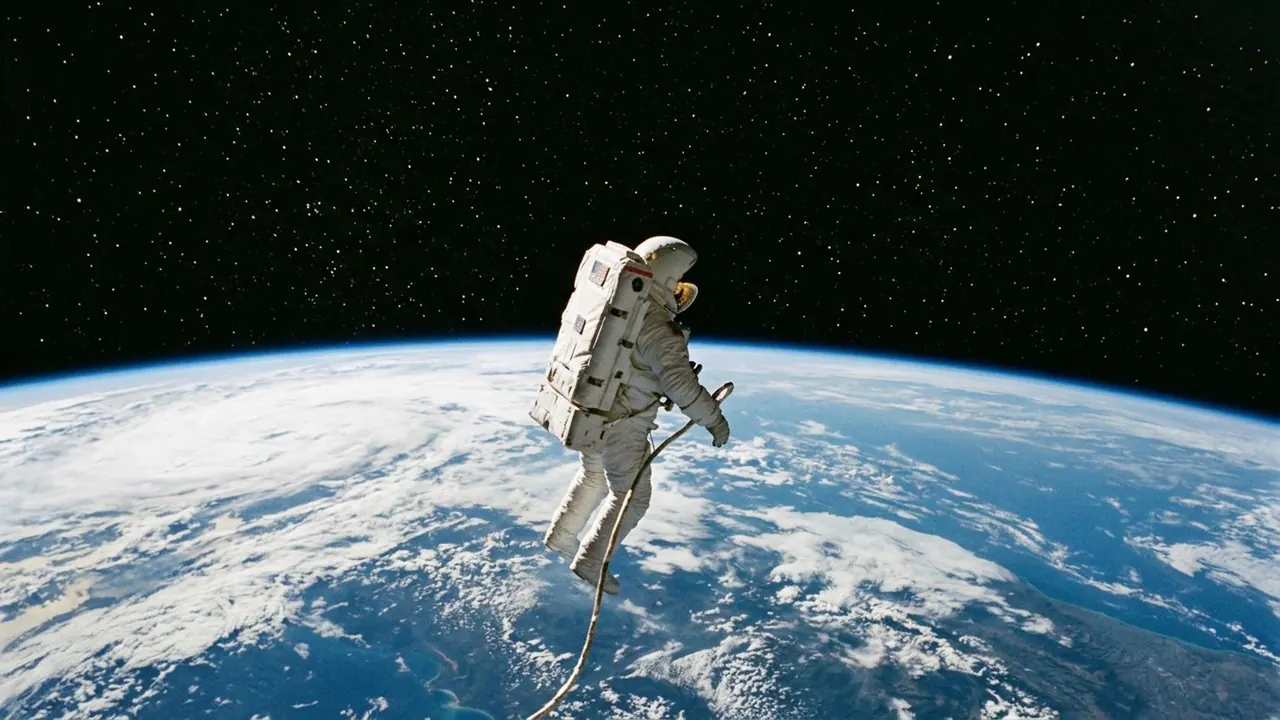
Orbital Presence
A figure floats in space with the planet curving below.
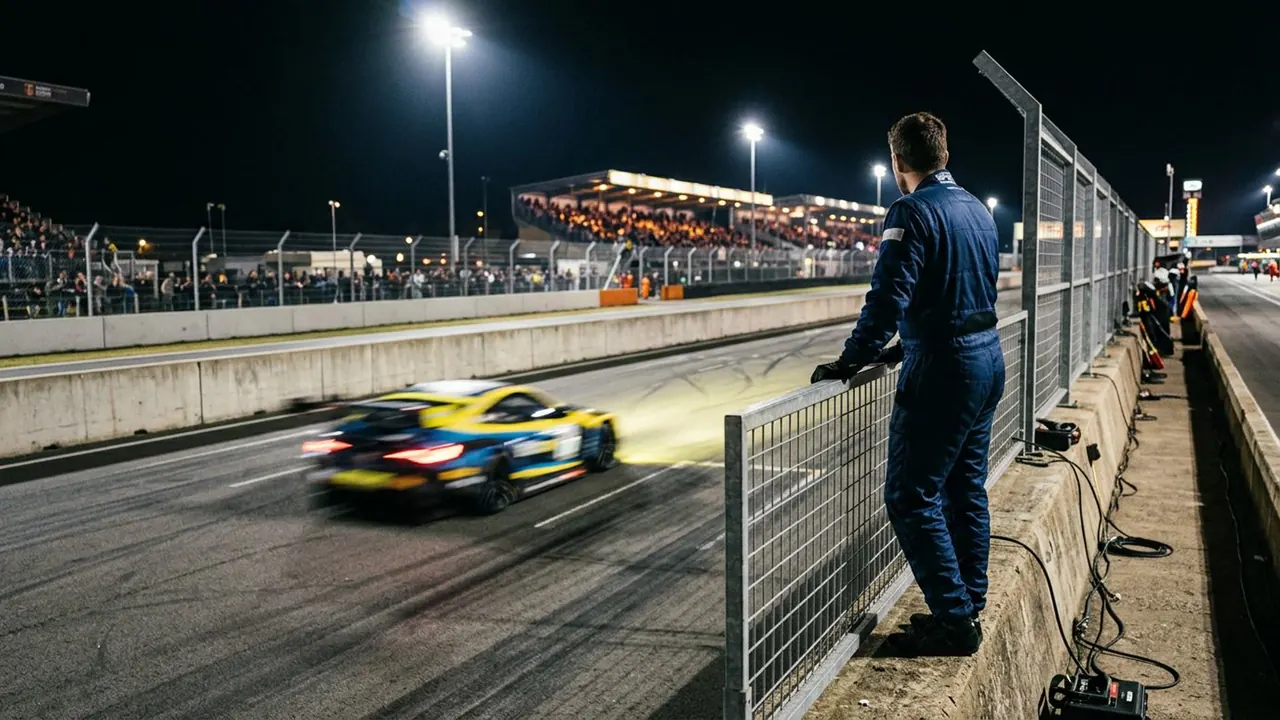
Race Track
A figure overlooks a racing circuit at speed.
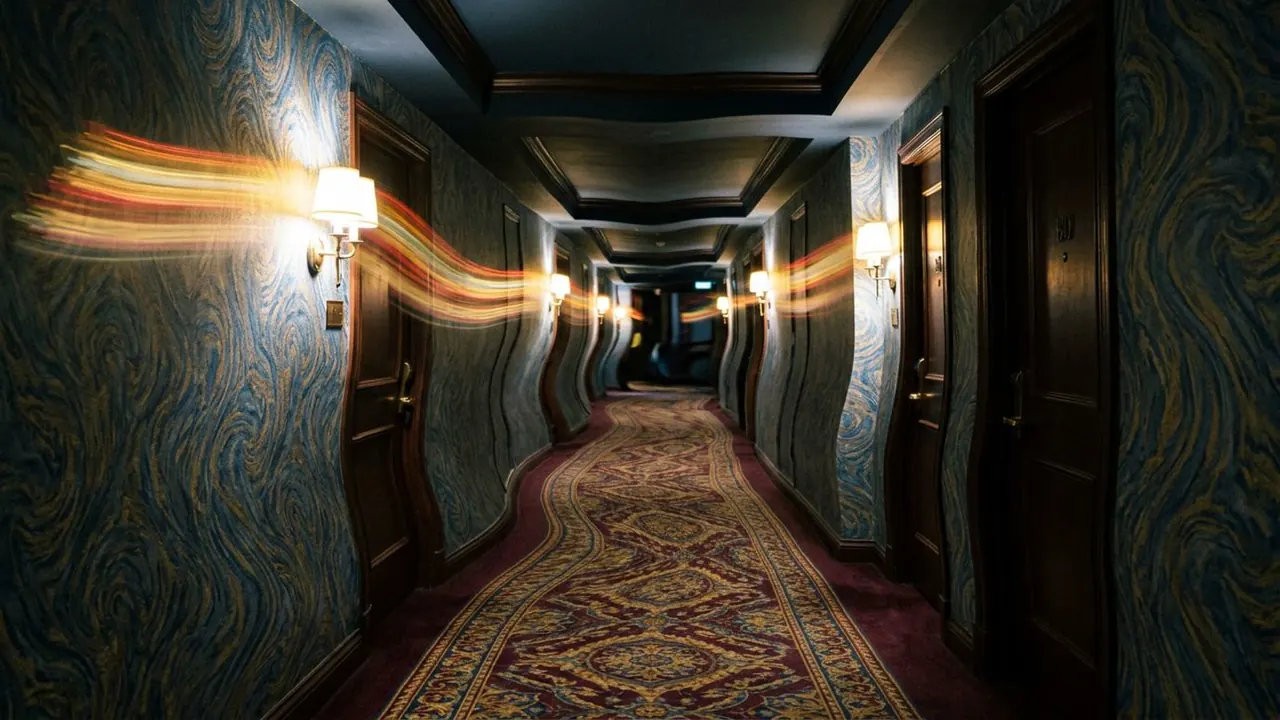
LSD
The room warps and trails as perception comes apart.
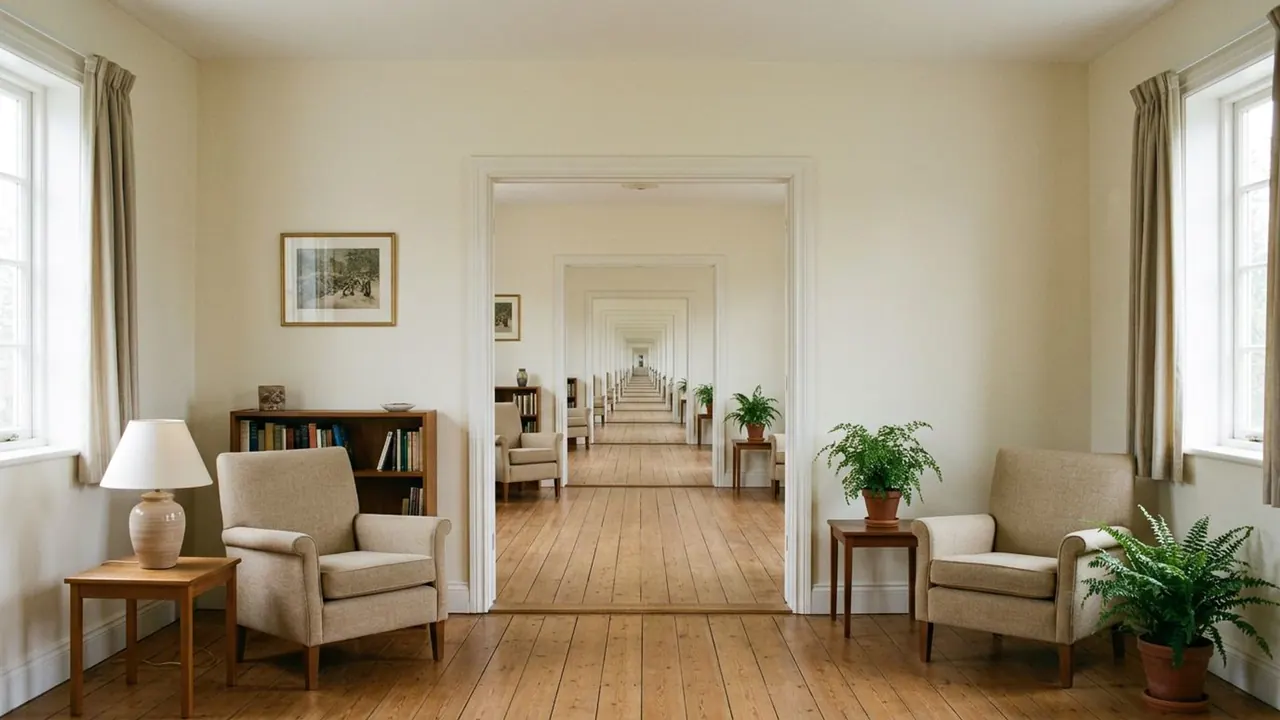
Multiverse
The same space repeats away into endless copies.
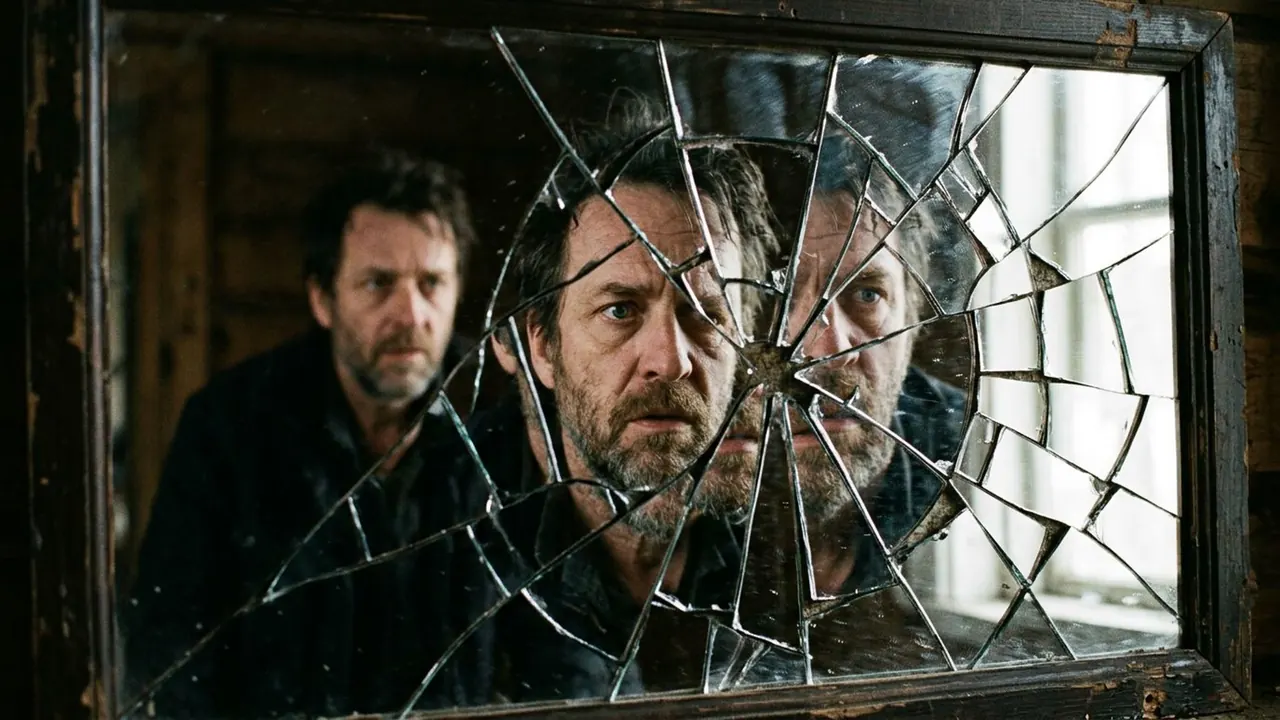
Broken Mirror
Shattered glass multiplies the subject into misaligned fragments.
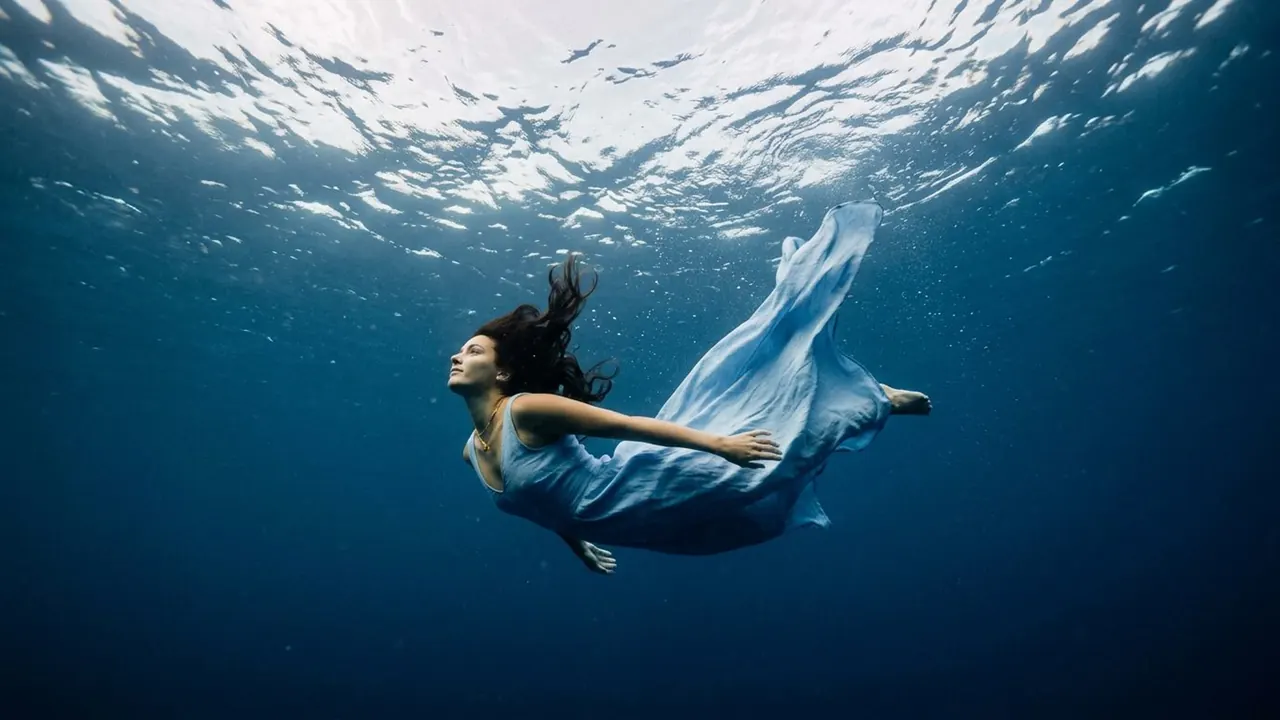
Blue Depth
The subject sits submerged in deep blue water with light above.
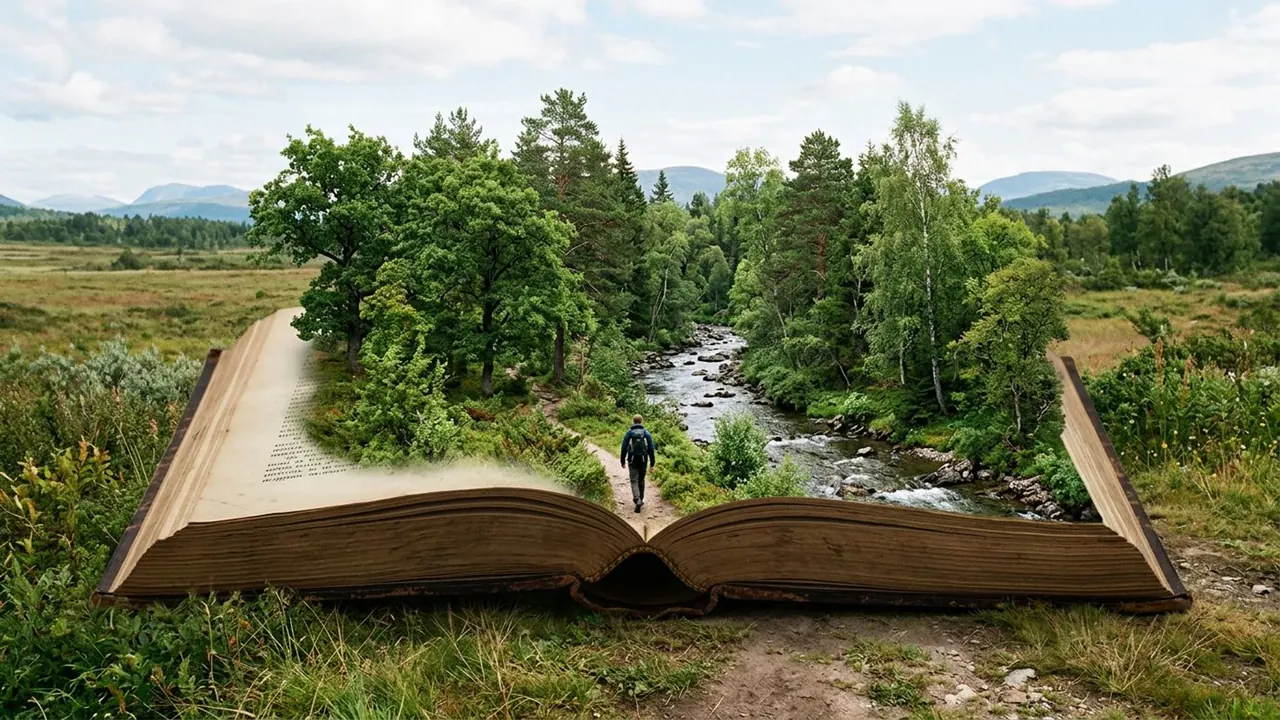
Lost in a Book
An enormous open book becomes the world the subject enters.
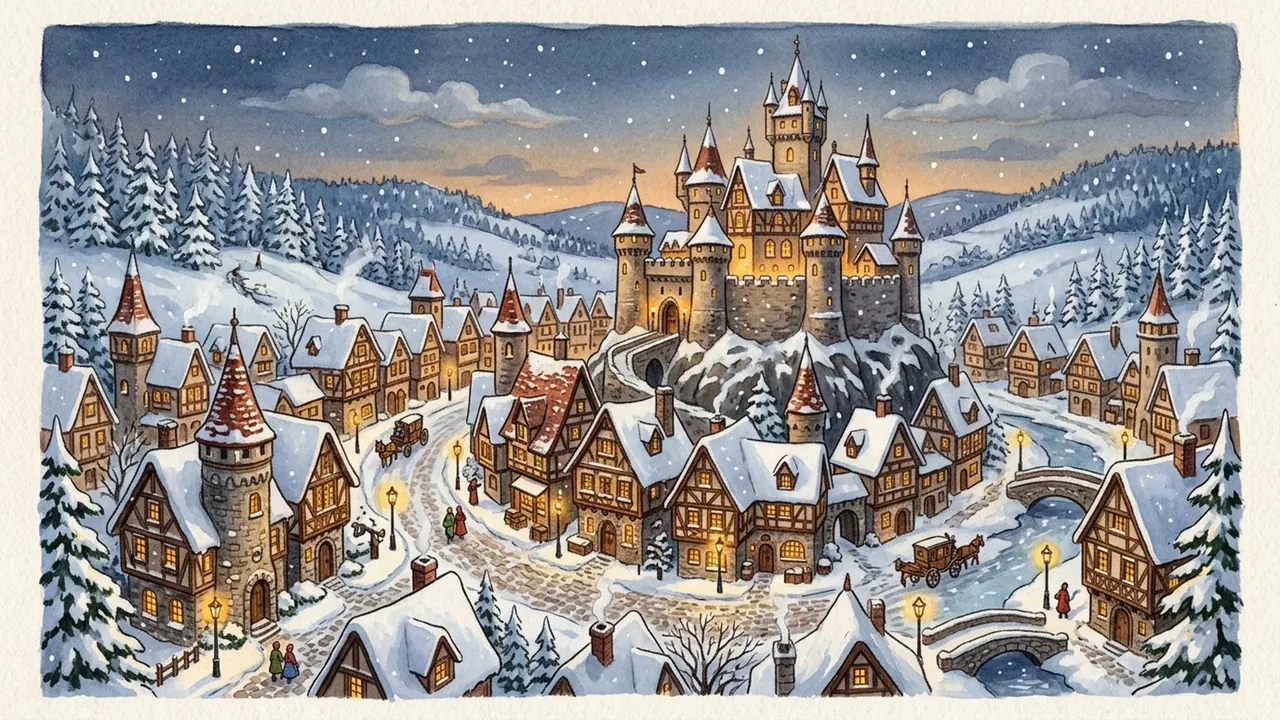
Fairytale Castle
A storybook castle town under snow, lit like an illustration.
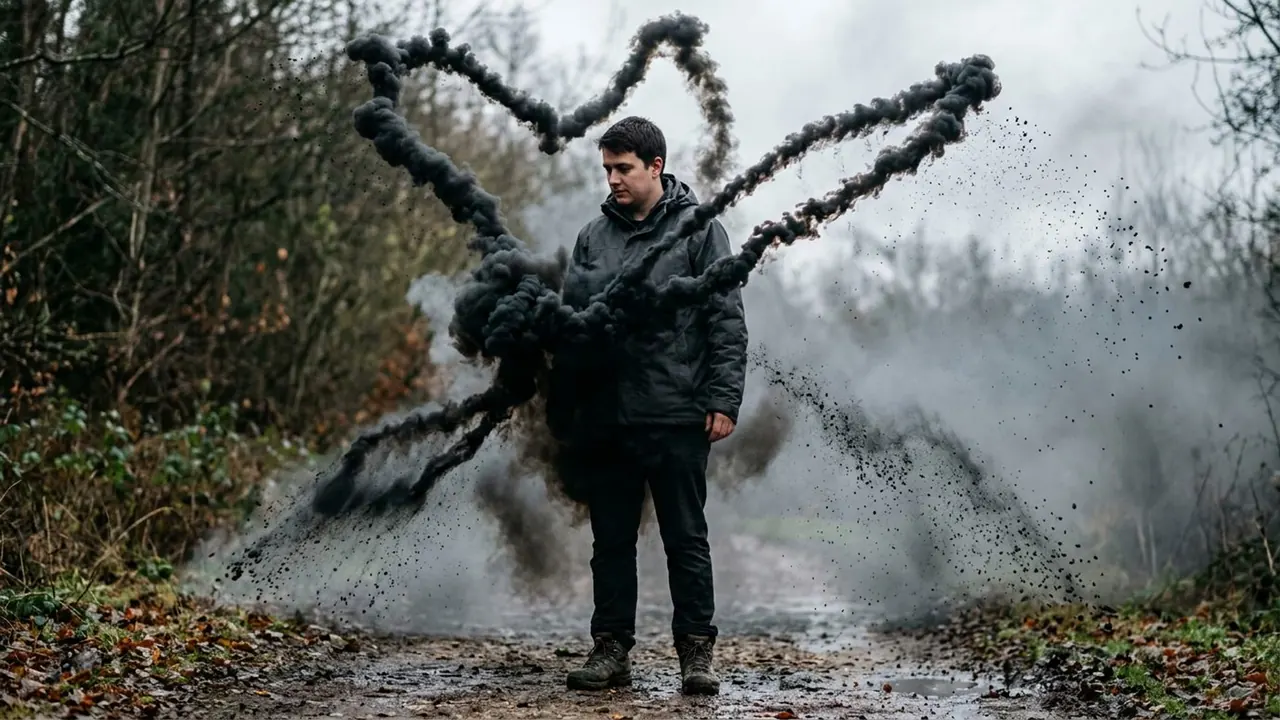
Ink Riot
Ink and smoke burst around the subject in calligraphic strokes.
Three rules under all of them
- Name it, then describe it
- A model answers to the name of a shot. It answers better when the next clause says what the frame holds.
- Say what to leave out
- Shots blend into their neighbours. Naming the neighbour you do not want is what separates a choker from a close-up.
- One shot per run
- Two shots in one prompt gets you a cut in the middle, or a compromise between them. Run them separately and join them after.
Try one
Every model prints its dollar price before you sign in. You pay for the run, not for the month.
Open a video model