
Camera and format
The ways to size a frame, and the wording that gets each one.
The format is the size of the film frame or the sensor. It decides three things before anybody picks a lens: the size of the grain, the depth of field, and the shape of the picture. The same subject in the same light comes back differently on a 36mm frame and on a 4 inch by 5 inch sheet. This page covers the three sizes that most photographs are made on. It also covers two formats that give up frame area, and three cheap cameras whose faults became a look.
Frame size
3Three sizes, from the smallest frame in common use to a sheet fifteen times its area. The larger the frame, the finer the grain and the shallower the depth of field at the same framing.



Less frame
2Two formats that give something up on purpose. One halves the frame to double the number of pictures. The other throws away the lens.

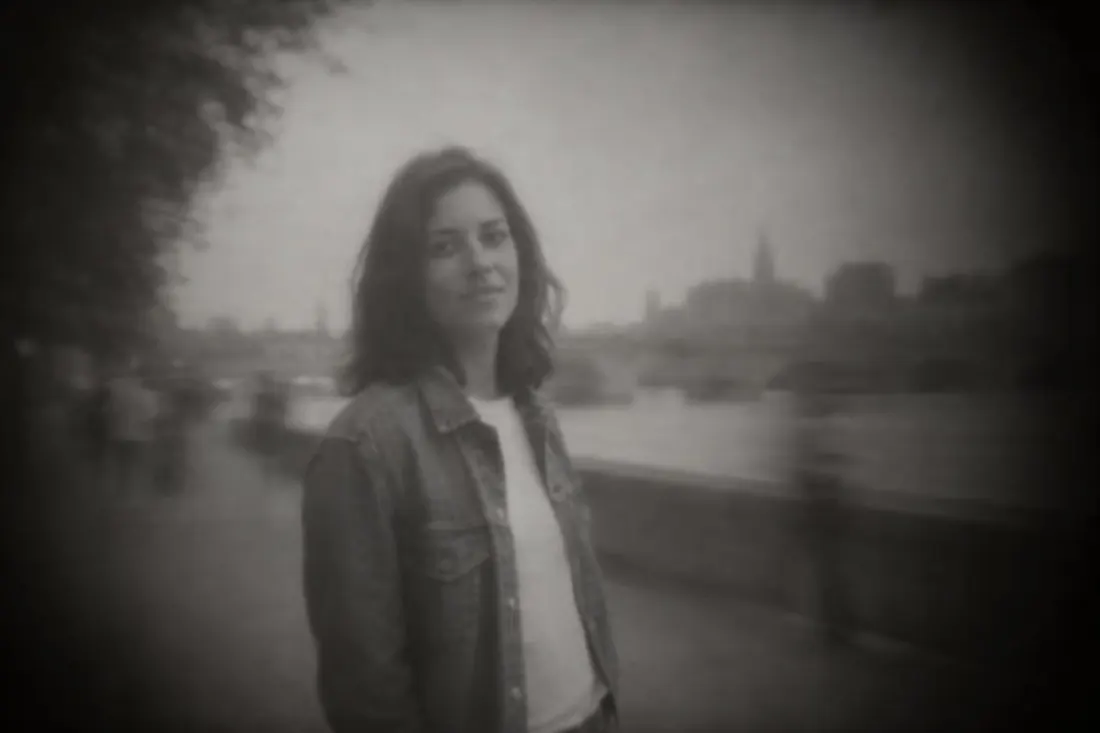
Cheap cameras
3Three cameras built to a price. Each one has a fault that people learned to ask for: a dark corner, a hard flash, or a computer that smooths skin.



Shoot one of them
Copy a prompt into an image model and pay for that one run. No subscription.
Open an image model