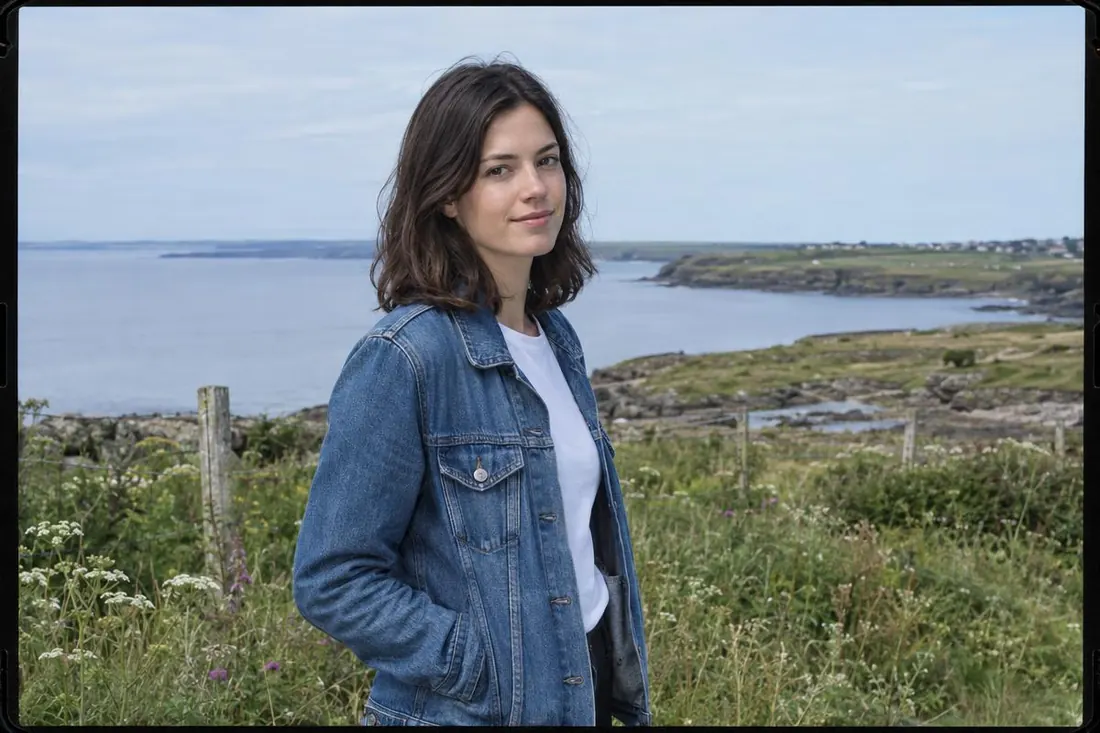
Medium format 6x6
- 6x6
- 120 square
- two and a quarter square
A 56mm square on 120 roll film: six times the area of 35mm, and no long side.
Opens an image model with the prompt in it. The price is on the page before you sign in.
What it is for
A 6x6 frame is 56mm by 56mm on 120 roll film, about six times the area of a 35mm frame. Every quality that comes from area improves at once. The grain almost vanishes, the tonal transitions get smoother, and fine detail survives a large print without breaking up.
The square is the other half of the format, and it is the half a reader notices first. A square has no long side, so it does not lead the eye along anything and it has no natural direction. It composes differently to a rectangle, and it is the reason a 6x6 picture looks considered even when the moment was not.
How it works
Name the frame and the film: medium format 6x6, 56mm square, 120 roll film. Say square frame in plain words, because a model will otherwise return a rectangle and trim it.
Ask for the grain to be almost absent and the transitions to be smooth. That is what six times the area buys, and it is the difference a reader can see at a glance. Smooth tonal transitions is the phrase that lands, because it names the roll from light to dark rather than the absence of a fault.
Set the depth of field through the lens. A normal lens on 6x6 is about 80mm, so the same framing is shot from further back than on 35mm, and the background falls off faster at the same f-number. Say 80mm normal lens, a longer working distance, and a background that falls away quickly.
When to use it
Use it for a portrait that has to hold skin and cloth, for a still life, for a record sleeve, and for anything square by design. It is also the honest choice when a print has to be large and the grain must not show.
Leave it alone when the picture has to look grabbed. The camera is slow, the roll holds twelve frames, and the square frame never reads as a moment caught in passing.
Told apart from its neighbours
Cinema publishes Ratio Switch at /techniques/cinema/ as a framing choice, and it covers the square as one aspect ratio among several. This entry is the camera that has no other shape. A 6x6 negative is square because the film gate is square, not because somebody cropped a rectangle down.
Cinema also publishes Shallow Focus and Bokeh at /techniques/cinema/ as separate entries, and both describe the blur itself. This entry describes the cause: a longer normal lens at the same framing, which is why the background falls away without any change of aperture.
35mm format holds one sixth of the area, so it shows grain that 6x6 does not. Large format 4x5 goes further again and drops the visible grain to nothing. Holga uses the same 6x6 negative in a plastic body and adds every fault this format was built to avoid.
Where it is used
Kodak introduced 120 film in 1901 for the Brownie No. 2, and the roll outlived the camera by more than a century. The Rolleiflex twin lens reflex arrived in 1929 and put the square in a waist level finder, so the photographer looks down into the camera rather than through it. Hasselblad shipped the 1600F in 1948 and the 500C in 1957, and NASA carried modified 500 series bodies to the Moon from 1969. Record sleeves and fashion pages held the square through the 1960s and the 1970s, because a 12 inch sleeve and a 6x6 negative are the same shape.
- Rolleiflex twin lens cameras
- Hasselblad 500 series bodies
- record sleeves of the 1960s
The prompt
Replace the blanks with your own subject, keep the rest. Then run it on an image model.
<subject>, medium format 6x6, 56mm square frame on 120 roll film, almost no visible grain with smooth tonal transitions, 80mm normal lens seen from further back, shallow depth of field with the background falling away quickly, waist level viewpoint
What goes wrong
The frame comes back rectangular. Say square frame, 56mm by 56mm, and put the ban on the 3:2 crop in the same line.
The grain comes back heavy, because most film prompts pull grain in by habit. Say almost no visible grain and smooth tonal transitions, and name the format as medium format rather than as film alone.
Leave out
3:2 rectangle, a square cropped out of a rectangle, heavy grain, wide angle distortion
Watch for
The square is not a crop. Compose for it: a square has no long side to lead the eye, so the subject usually sits near the middle and the corners carry real weight.
Questions
Shoot it
Pay for the one run. No subscription, and the price is on the model page before you sign in.