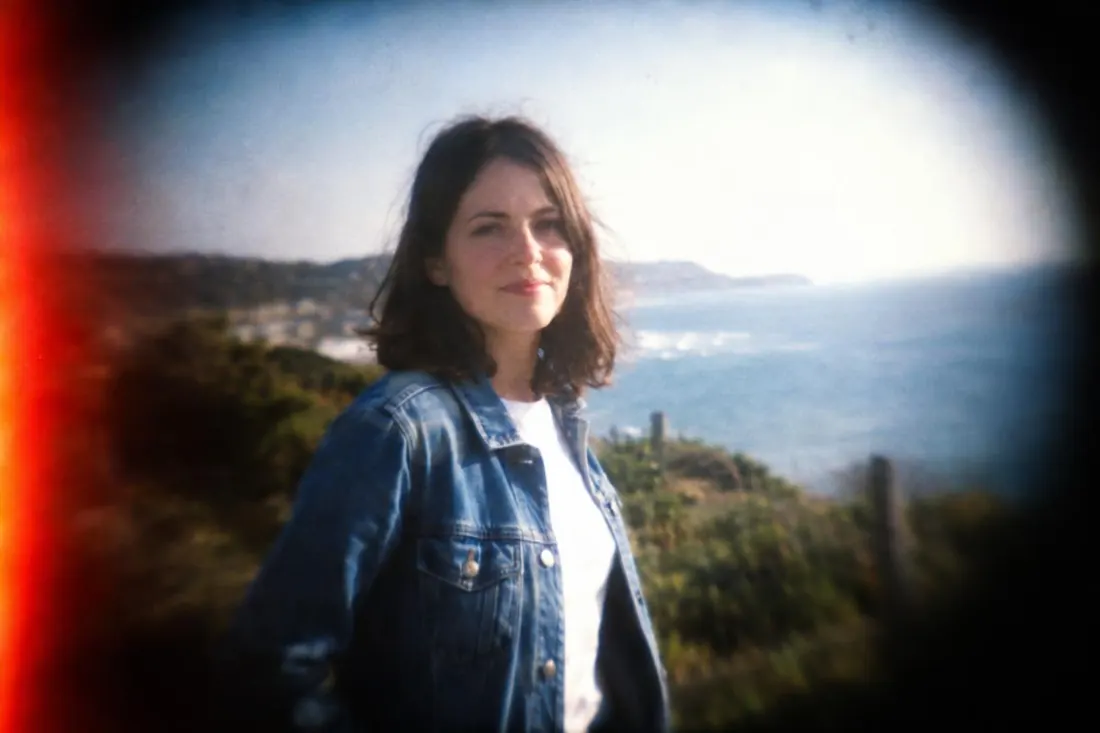
Disposable camera
- single use camera
- party camera
- film with lens
Fixed focus plastic, fast colour film, and a flash that fires nearly every time.
Opens an image model with the prompt in it. The price is on the page before you sign in.
What it is for
A disposable camera is a sealed plastic box with the film already inside it. The lens is fixed focus plastic, the film is ISO 400 or ISO 800 colour negative, and the flash is switched on most of the time. There is nothing to set, so every picture is made the same way.
That sameness is the look. The flash sits next to the lens, so the light is flat and frontal and puts no shadow on anything. The near subject is bright, often too bright, and the background falls to black because the flash cannot reach it. The frame is a normal 3:2 rectangle, and the small plastic lens softens its corners.
How it works
Start with the light, because it does more to the picture than the camera does. Direct on camera flash, flat and frontal, hot on the near subject, black behind them.
Then name the film and the lens. ISO 800 colour negative with heavy grain, a fixed focus plastic lens, soft corners, and deep depth of field because the lens is short and the aperture is small.
Add the date stamp if you want the period. Orange seven segment characters in the lower right corner, giving a day, a month and a year. Say the corner, or it lands in the middle.
When to use it
Use it for a party, a night out, a wedding table, a holiday, or a band in a small room. It reads as an amateur picture from the 1990s, and that is a sincere register rather than a joke.
Leave it alone when the subject is beautiful in soft light. A frontal flash removes every shadow that made it so, and the prompt cannot have both.
Told apart from its neighbours
Cinema publishes Film Grain and Vignette at /techniques/cinema/ as separate entries. A disposable camera brings both of them, and it brings the hard flash with them, which is the part that actually decides the picture. Name the flash first or the result reads as grainy film and nothing more.
Holga is the medium format cousin: plastic and fixed focus in the same way, but with no flash and a negative six times the size.
The phone camera replaced it for the same job, and the two fail in opposite directions. The phone lifts the shadows and smooths the skin. The disposable camera blacks out the background and shows every pore.
Where it is used
Fujifilm sold the first QuickSnap in 1986 and called it a film with lens rather than a camera. Kodak answered with the Fling in 1987 and then with the FunSaver, which still ships with ISO 800 film today. Through the 1990s the cameras sat on wedding tables so that the guests took the candid pictures, and that is where most people first met the flat flash look. Sales fell away after 2005 and returned after 2018, when the same look came back as a deliberate choice.
- wedding tables in the 1990s
- Fujifilm QuickSnap
- Kodak FunSaver
The prompt
Replace the blanks with your own subject, keep the rest. Then run it on an image model.
<subject>, disposable camera photograph, direct on camera flash lighting the subject flat and hot from the front, the background falling to black a few metres behind them, ISO 800 colour negative film with heavy grain, fixed focus plastic lens with soft corners and deep depth of field, orange date stamp in the lower right corner
What goes wrong
The light comes back soft and flattering. Say direct on camera flash, flat frontal light, hot on the subject and black behind, and put the ban on window light in the same line.
The background stays visible. Say the flash cannot reach it, so the room falls to black within a few metres of the subject.
Leave out
soft window light, shallow depth of field, clean corners, studio lighting
Watch for
The flash decides everything. The subject is overlit at two metres, the background is black at six, and nothing is lit in between.
Questions
Shoot it
Pay for the one run. No subscription, and the price is on the model page before you sign in.