
Colour film stocks12

Portra 400
Warm, low saturation colour with fine grain and skin tone that survives heavy overexposure.

Portra 800
The same warm, low saturation family one stop faster, with visible grain and a little more contrast.

Pro 400H
Cool colour with green shadows and pale mint whites, shot two stops over on purpose.

Gold 200
Cheap, warm, yellow-forward colour with visible grain: the family snapshot look.
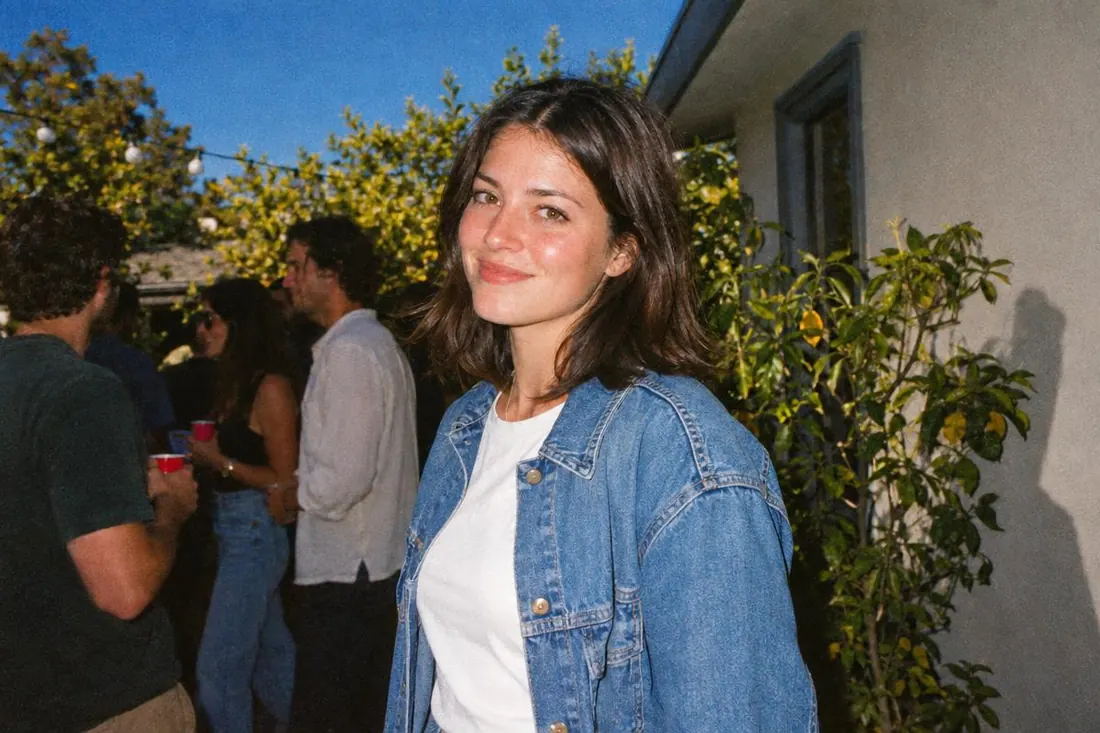
UltraMax 400
Gold turned up: warmer, grainier and more contrasty, at twice the speed.

Superia 400
Green in the shadow and cyan in the sky: the Fujifilm bias at consumer speed.

CineStill 800T
Tungsten balanced cine film with a red glow around every bright light.

CineStill 50D
Daylight balanced cine film with very fine grain, clean colour and almost no glow.

Vision3 500T
The motion picture stock itself: tungsten balanced, very wide latitude, and no glow at all.
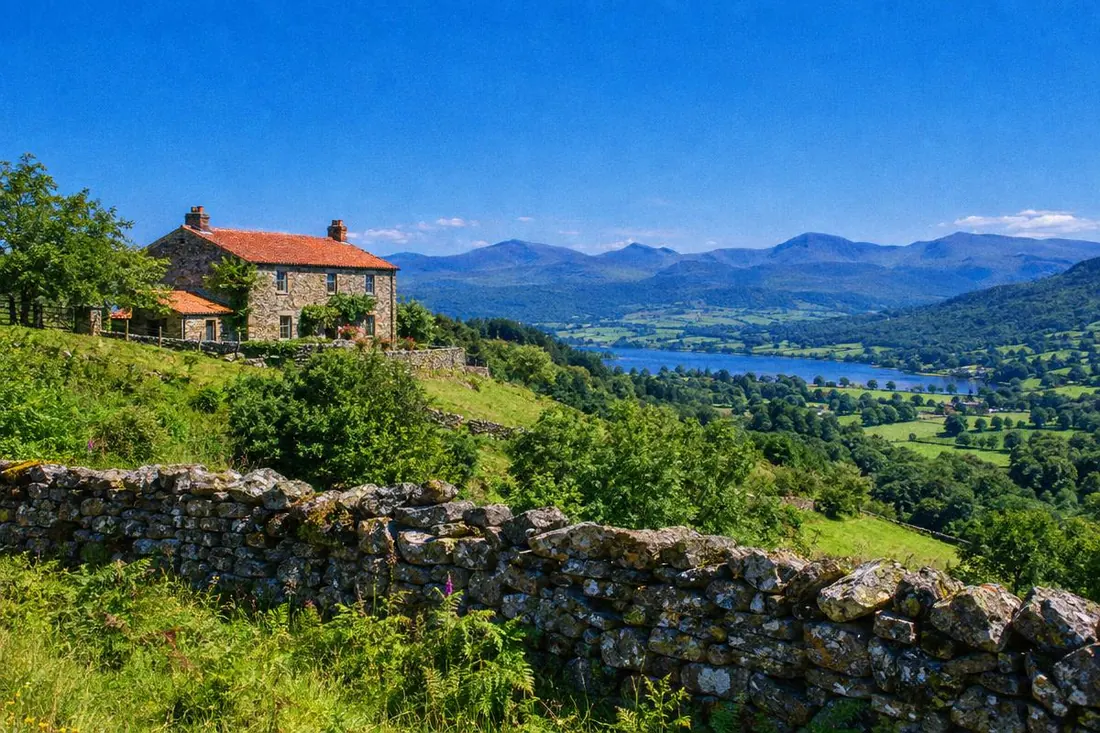
Ektar 100
The most saturated and finest grain colour negative Kodak makes, and it is not for faces.
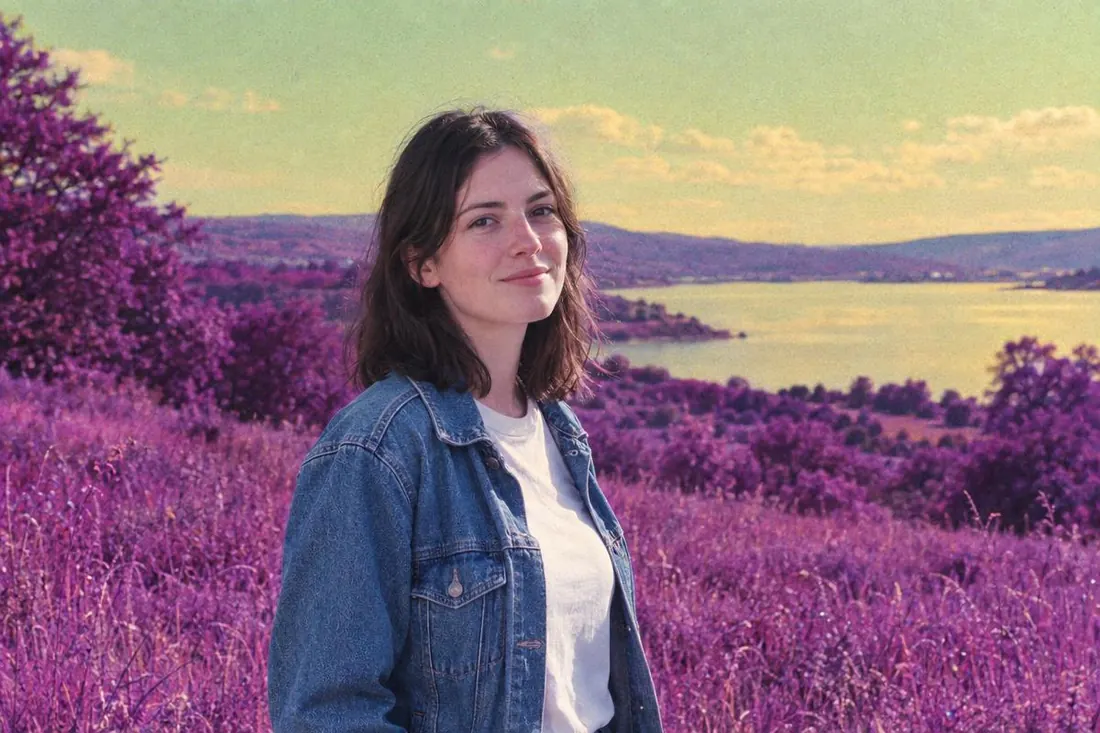
LomoChrome Purple
A colour shift film: every green leaf comes back magenta and purple.

Harman Phoenix
High contrast, heavy grain, a strong red bias, halation, and almost no latitude.
Black and white film stocks8

Tri-X 400
Coarse sharp grain and hard contrast, the press stock that pushes to 1600.

HP5 Plus
Flatter contrast and rounder grain than Tri-X, with shadows that keep their detail.

Delta 3200
Huge clumping grain and low contrast, a stock built to be pushed in the dark.

T-Max 100
Tabular grain at 100 speed: almost no visible grain, very high sharpness, a long straight curve.
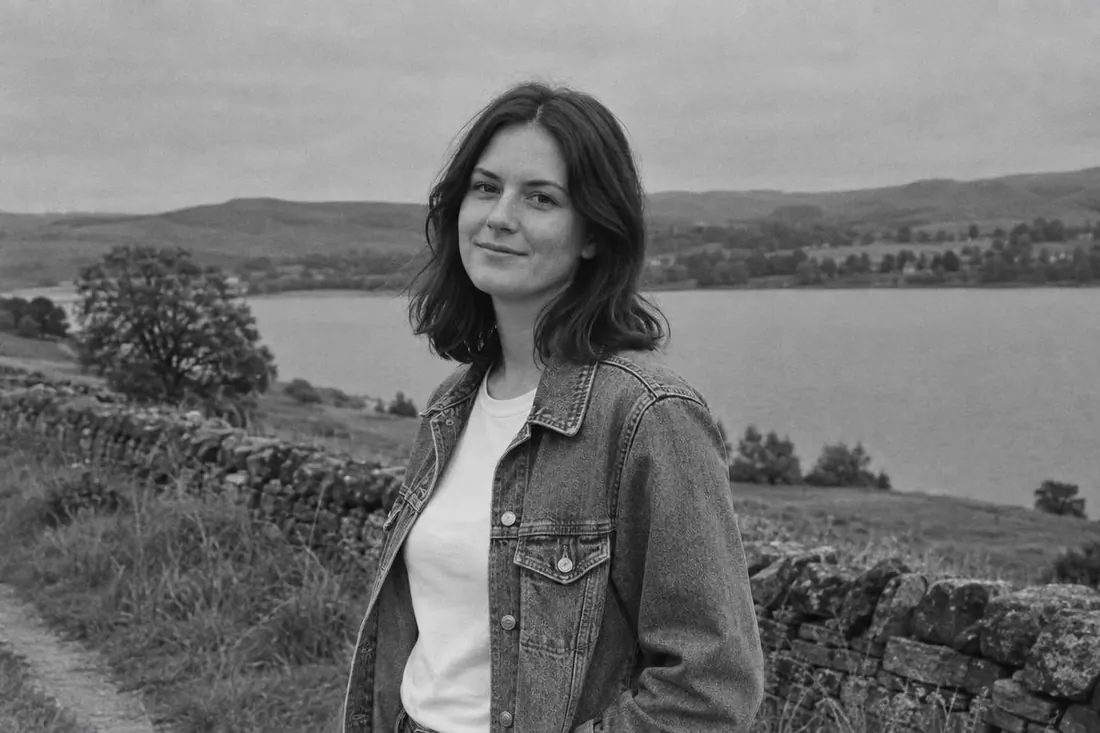
FP4 Plus
125 speed traditional grain: fine, even, medium contrast, the general purpose daylight stock.
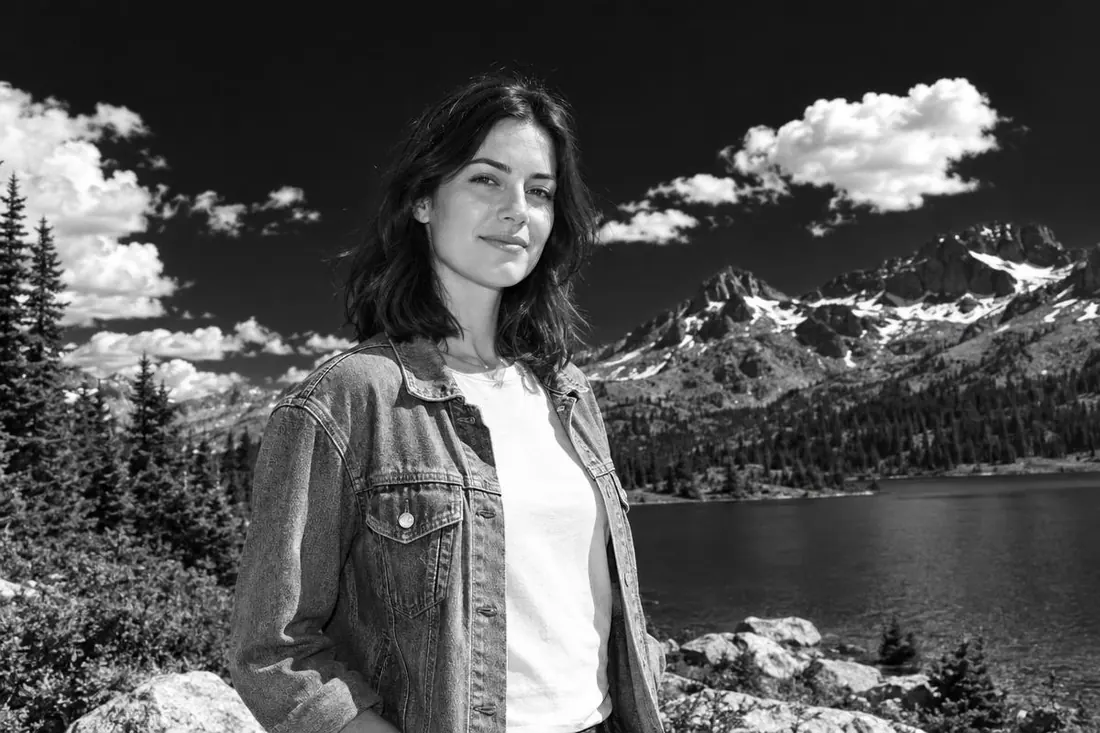
Pan F Plus 50
The slowest stock here: near grainless, very high contrast, short latitude.
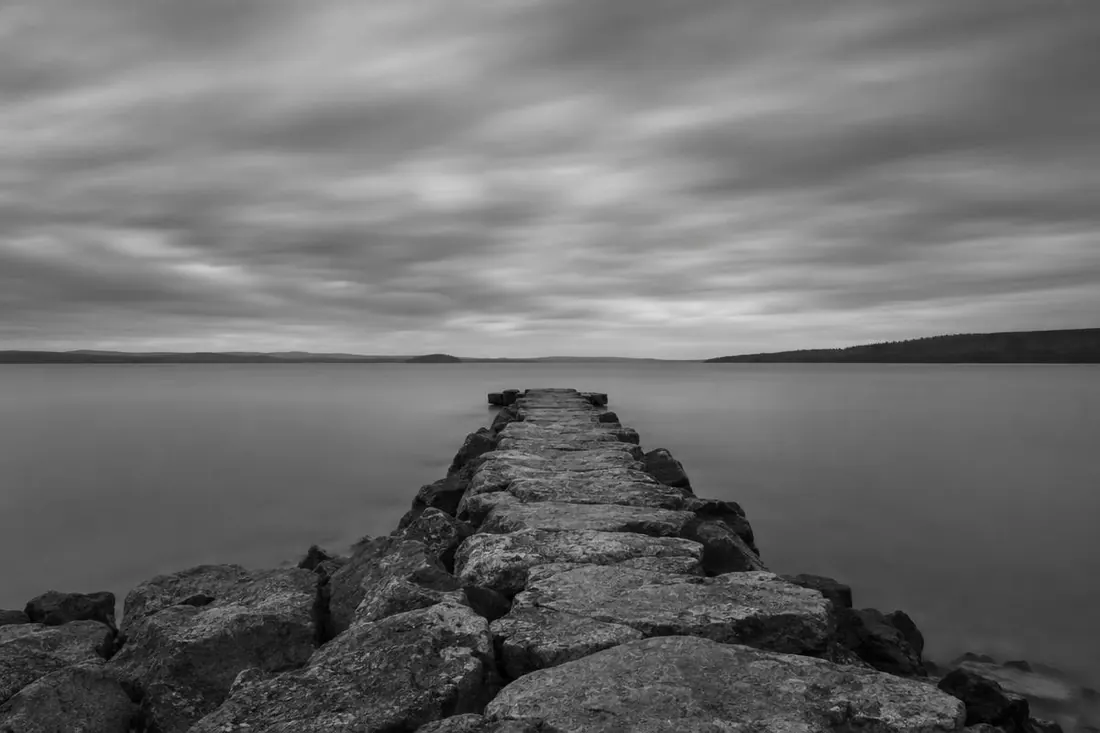
Acros 100
The flattest and finest of the eight, and the one stock that holds a long exposure.
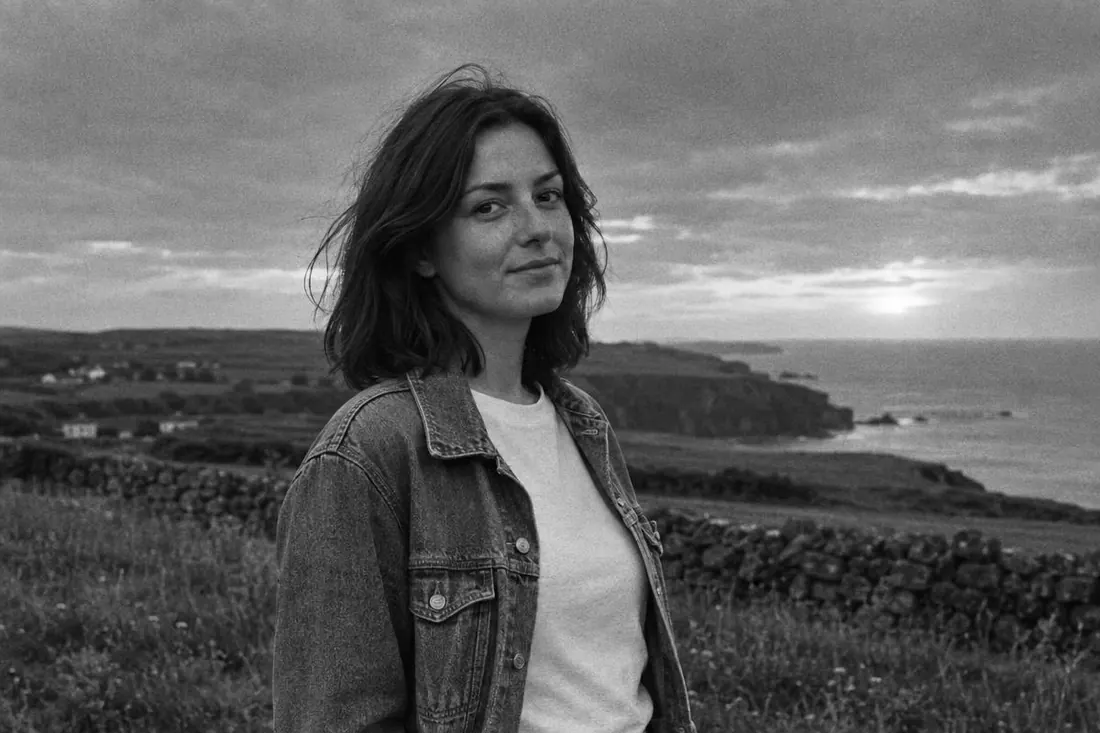
Double-X 5222
The motion picture black and white negative: 250 speed, visible grain, deep blacks.
Slide and instant film8

Kodachrome 64
Warm dense midtones, deep red, restrained blue, and shadows that fall to solid black.
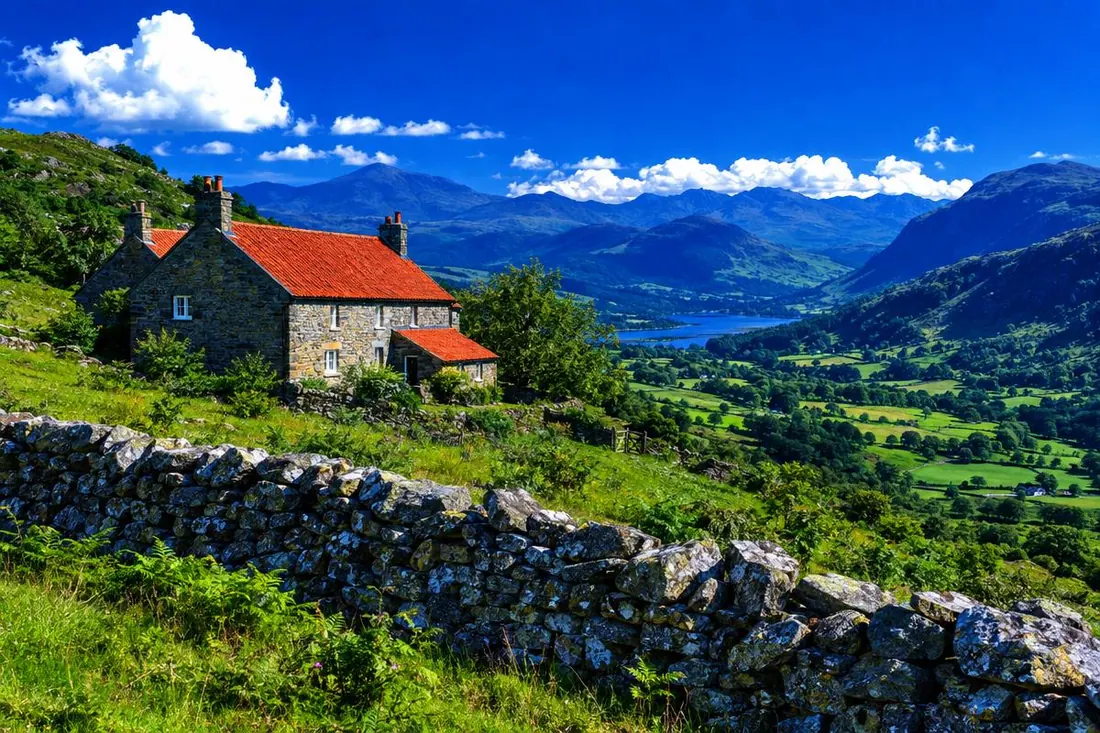
Velvia 50
The highest saturation of any slide film: hard greens, dense reds, cool shadows and clipped highlights.

Provia 100F
Accurate colour, moderate contrast and very fine grain: a slide that looks like the scene.

Astia 100F
The soft slide: low contrast, low saturation and the gentlest skin of any reversal film.

Ektachrome E100
Clean slide colour that runs slightly cool, with moderate saturation and very fine grain.

Polaroid SX-70
Soft warm instant colour in a square white frame, low in contrast and gentle in the highlight.
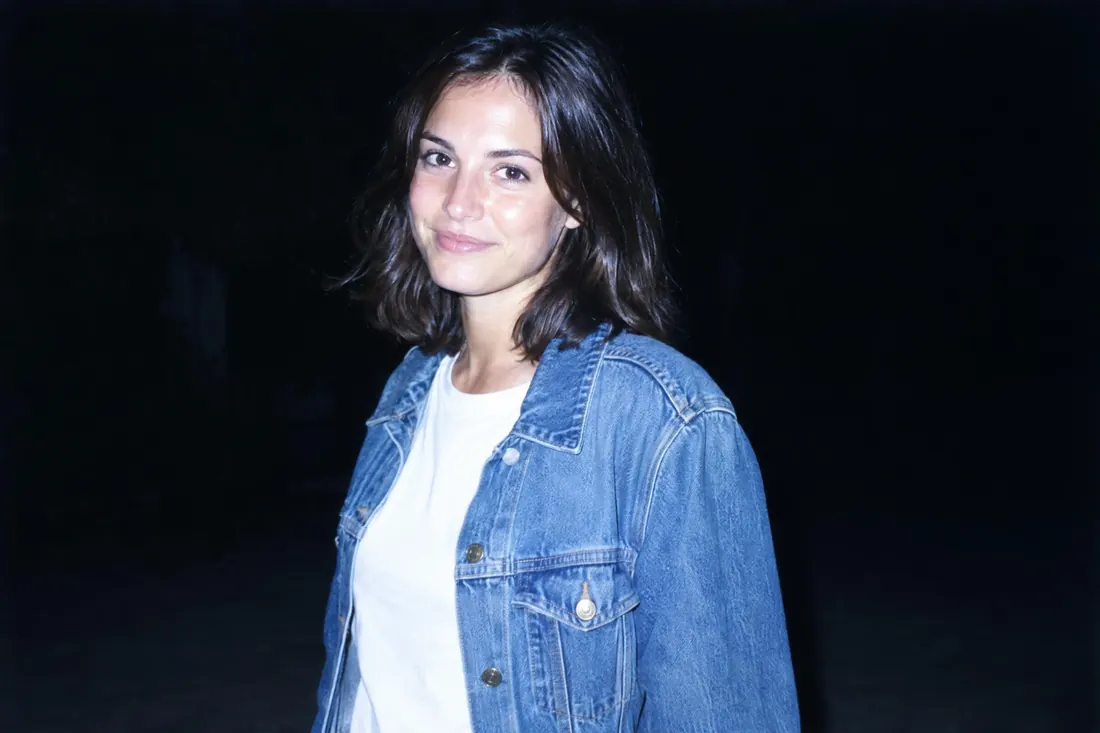
Polaroid 600
Fast instant film with flash: cooler, harder contrast, and a dark background behind a bright subject.
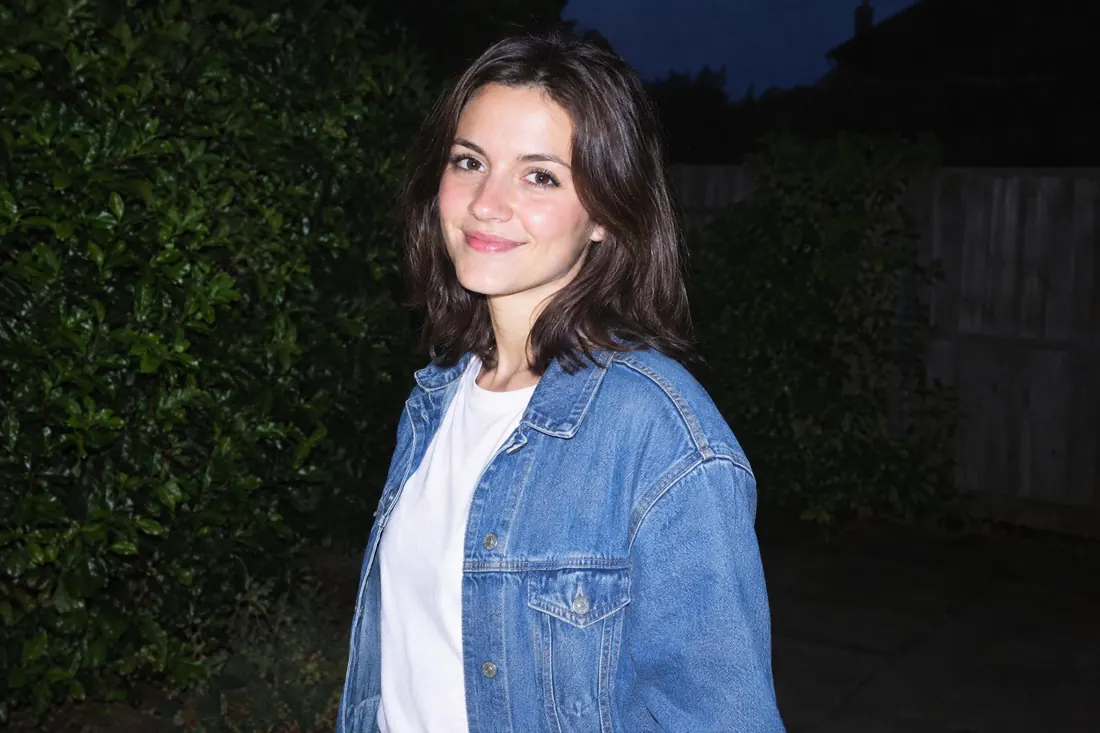
Instax Mini
A card sized instant print: clean saturated colour, a narrow white border and a hard flash.
Camera and format8

35mm format
The 36mm by 24mm frame: a 3:2 rectangle with grain you can see at any print size.

Medium format 6x6
A 56mm square on 120 roll film: six times the area of 35mm, and no long side.
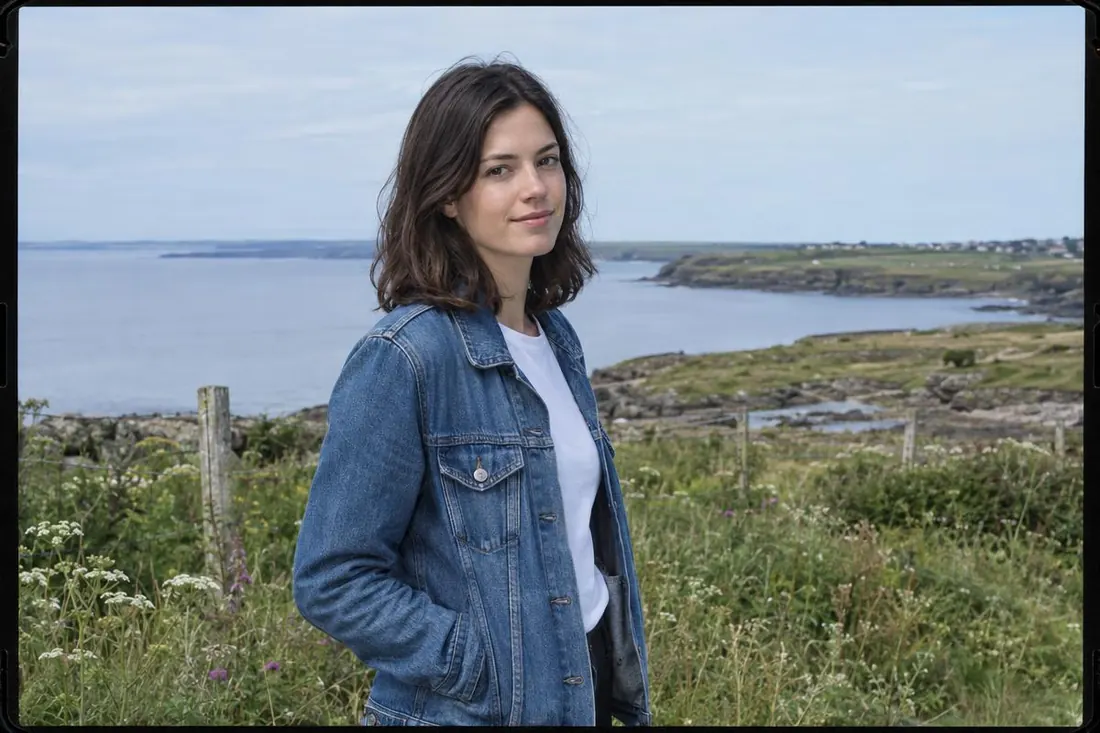
Large format 4x5
A 4 inch by 5 inch sheet: fifteen times the area of 35mm, no visible grain, and a plane of focus that tilts.
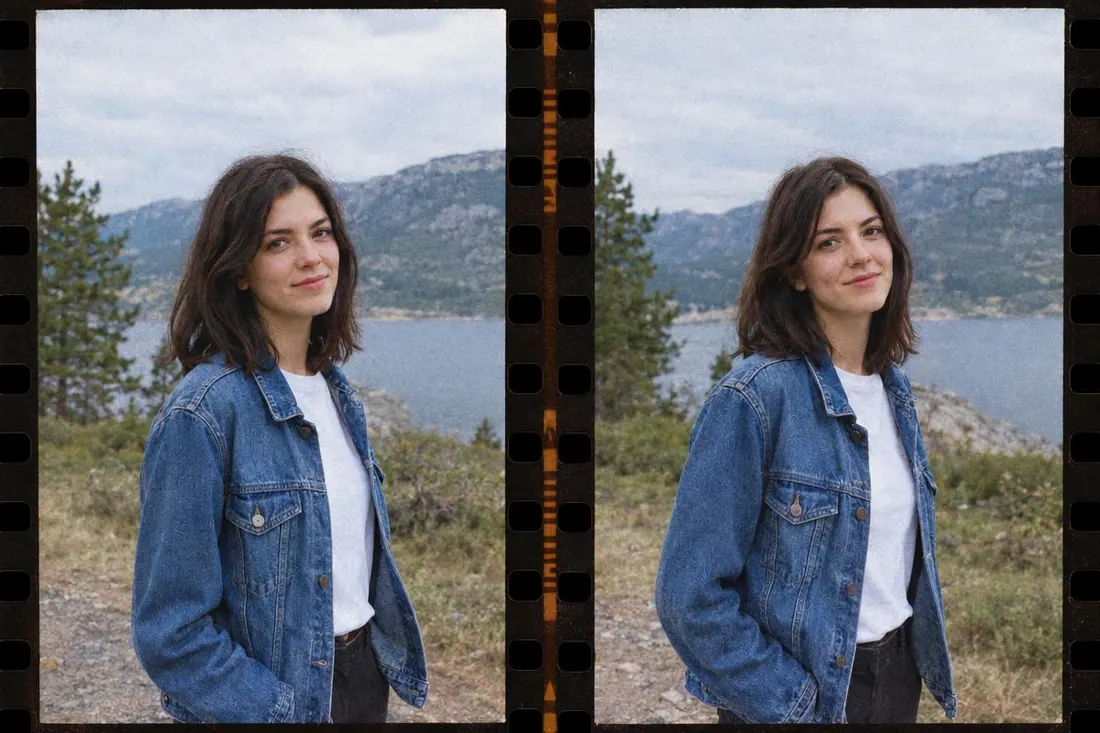
Half frame
Half of a 35mm frame: an 18mm by 24mm upright picture, 72 to a roll, with the grain twice the size.
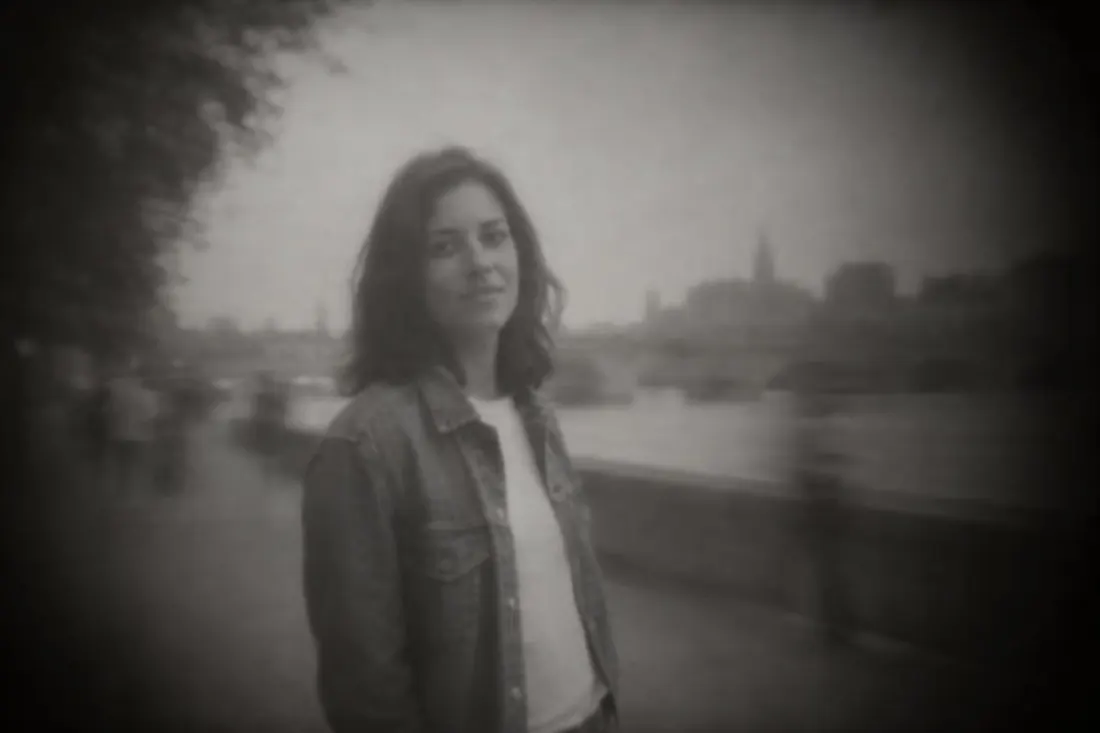
Pinhole
No lens at all: everything equally soft, everything in focus, and an exposure measured in minutes.
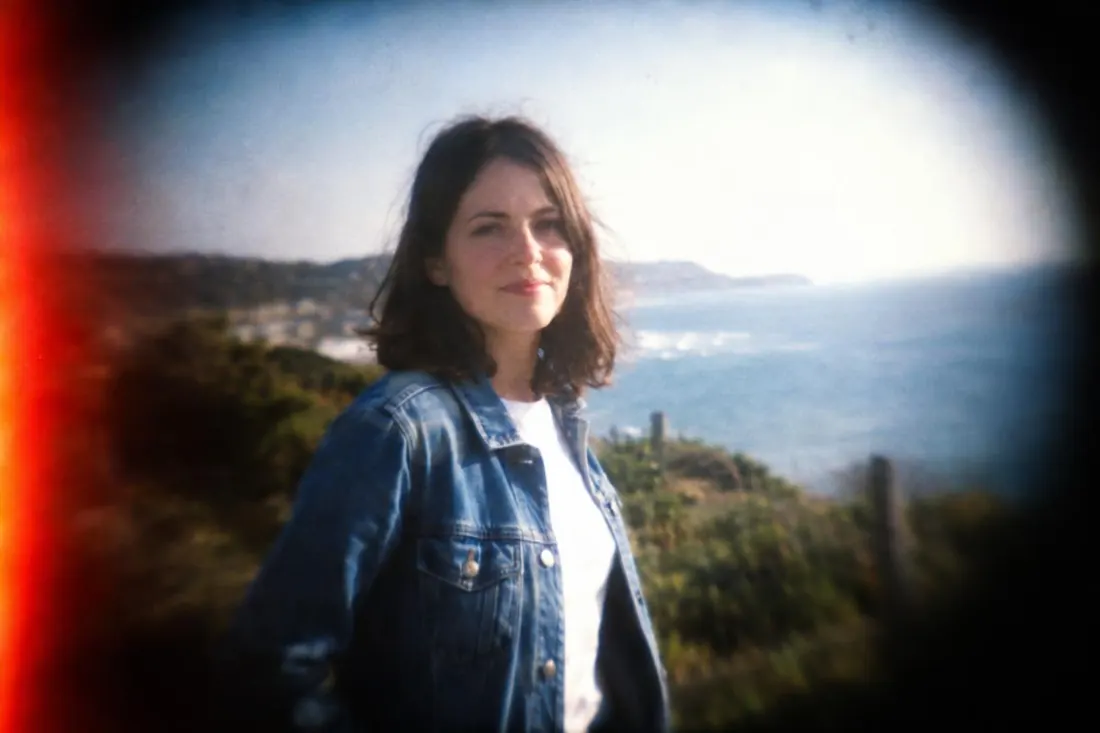
Holga
A plastic 120 camera: dark corners, a sharpish centre, light leaks, and an exposure nobody controls.
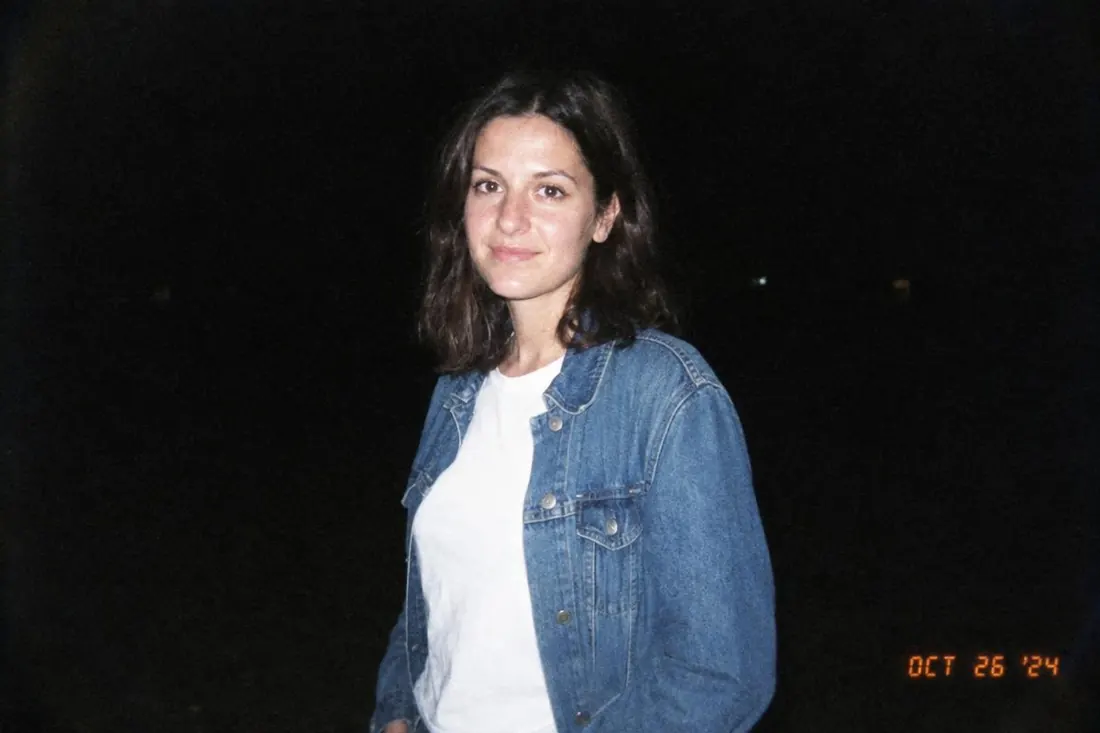
Disposable camera
Fixed focus plastic, fast colour film, and a flash that fires nearly every time.
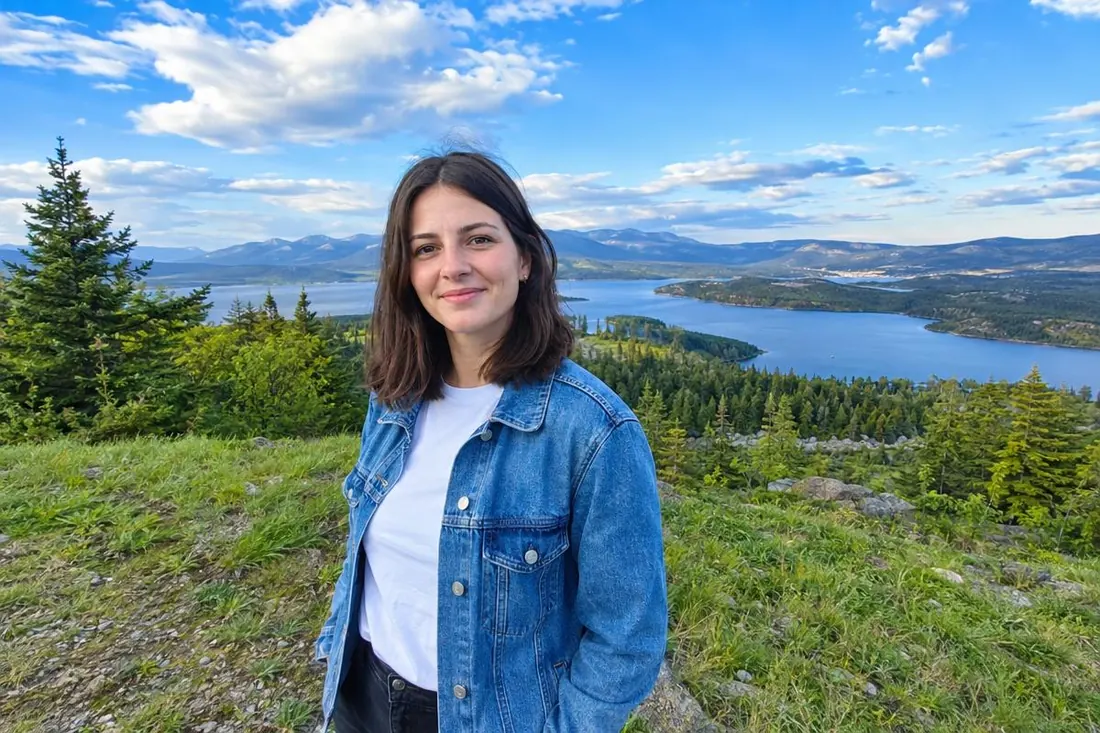
Phone photo
A tiny sensor behind a wide lens, and a computer that decides how the picture looks.
Darkroom and process6
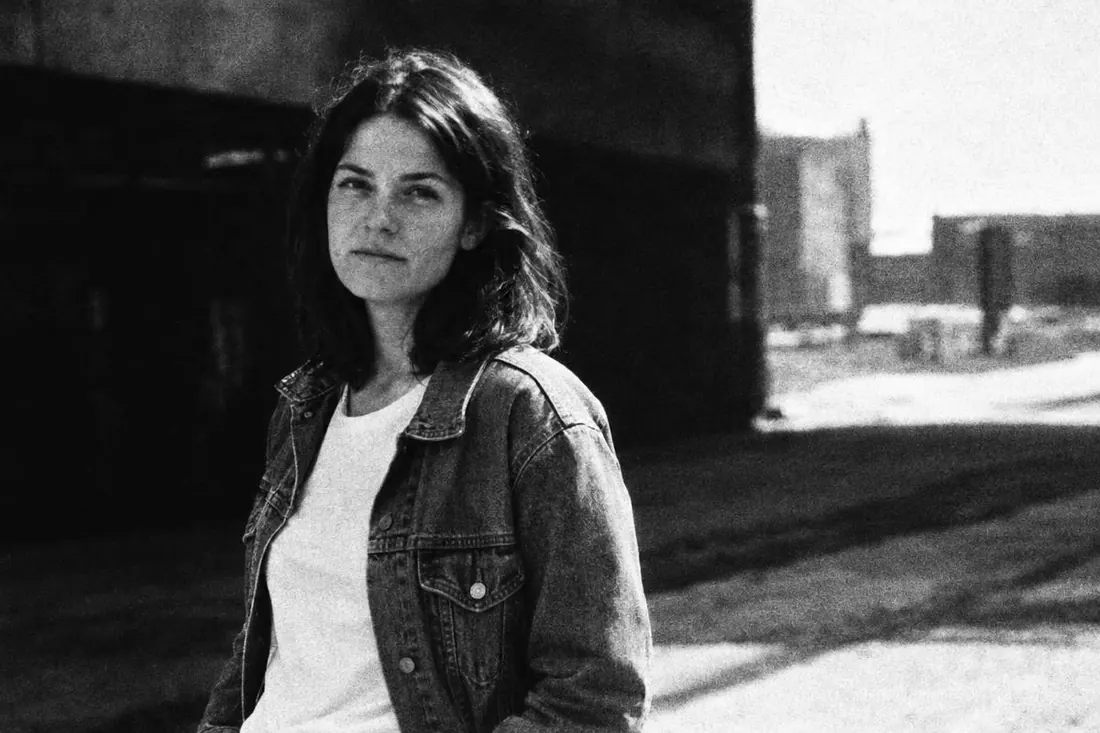
Push processing
Rated above box speed and developed longer: hard contrast, coarse grain, shadows that stay shut.

Pull processing
Rated below box speed and developed less: low contrast, fine grain, highlights that hold and shadows that open.

Solarisation
A partial reversal: part of the tone range flips, and a thin light line traces every edge.

Redscale
Colour negative loaded backwards, so the light passes through the orange base and everything returns red.
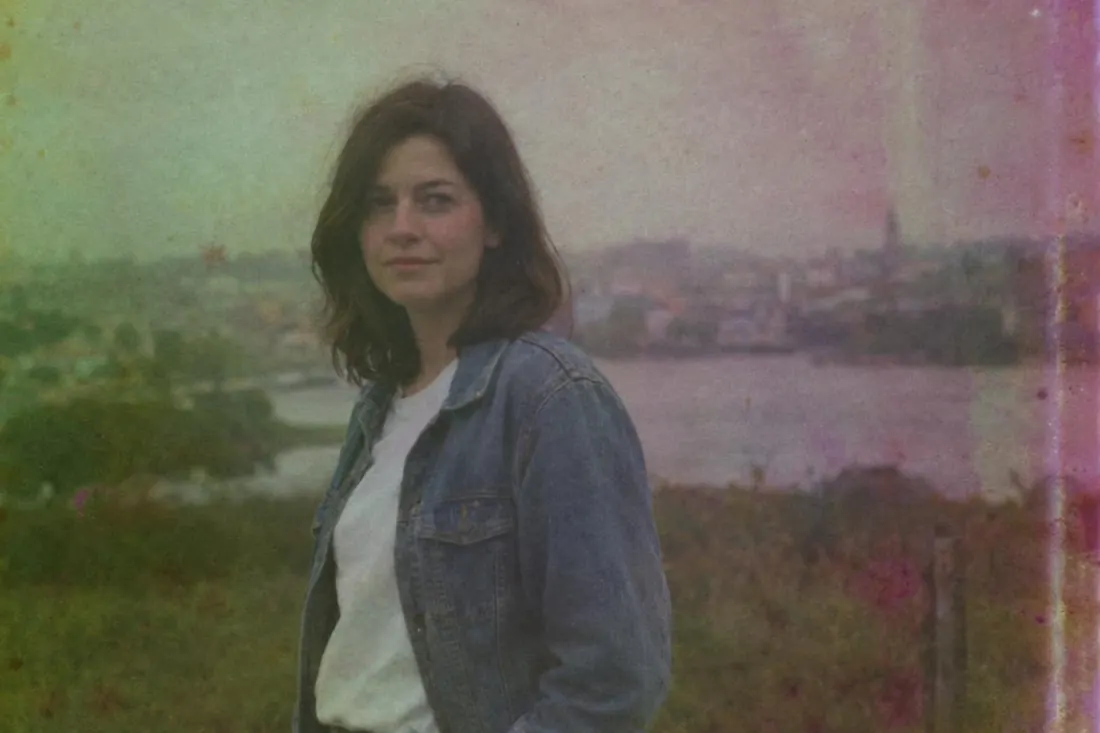
Expired film
Film past its date: slower, foggier, colour shifted, with blotches and streaks the stock never had when new.
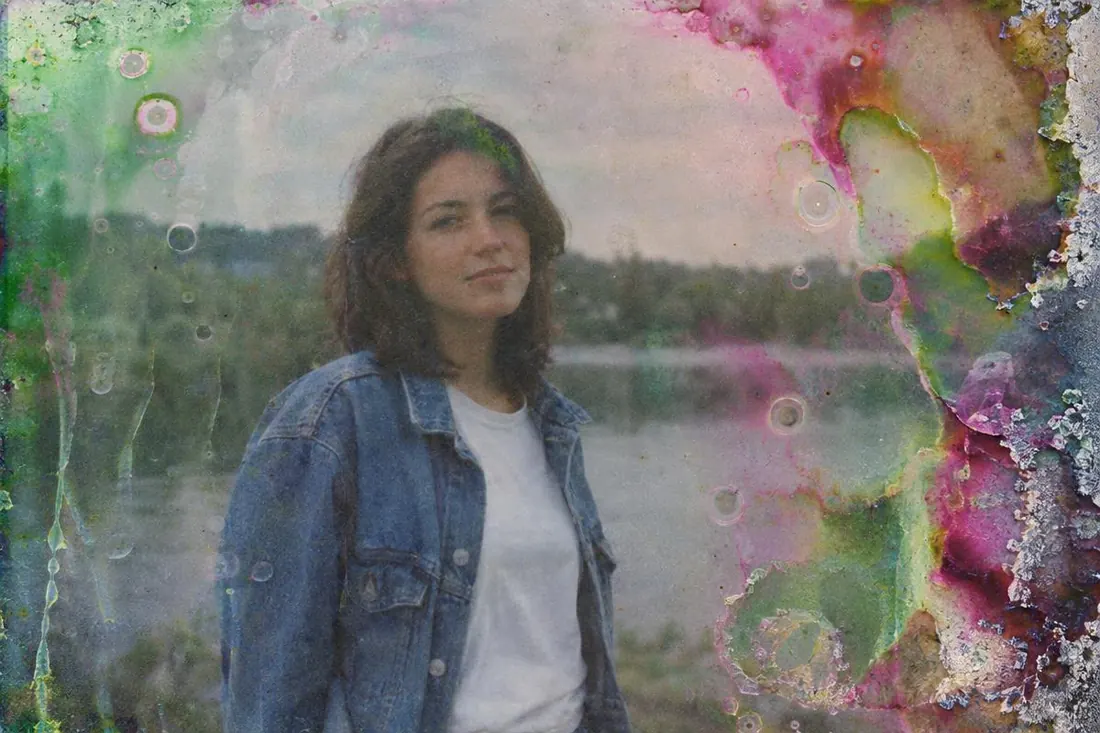
Film soup
Film soaked in liquid before or after shooting: streaks, bubbles, melted colour and edges that crystallise.
Historical processes10
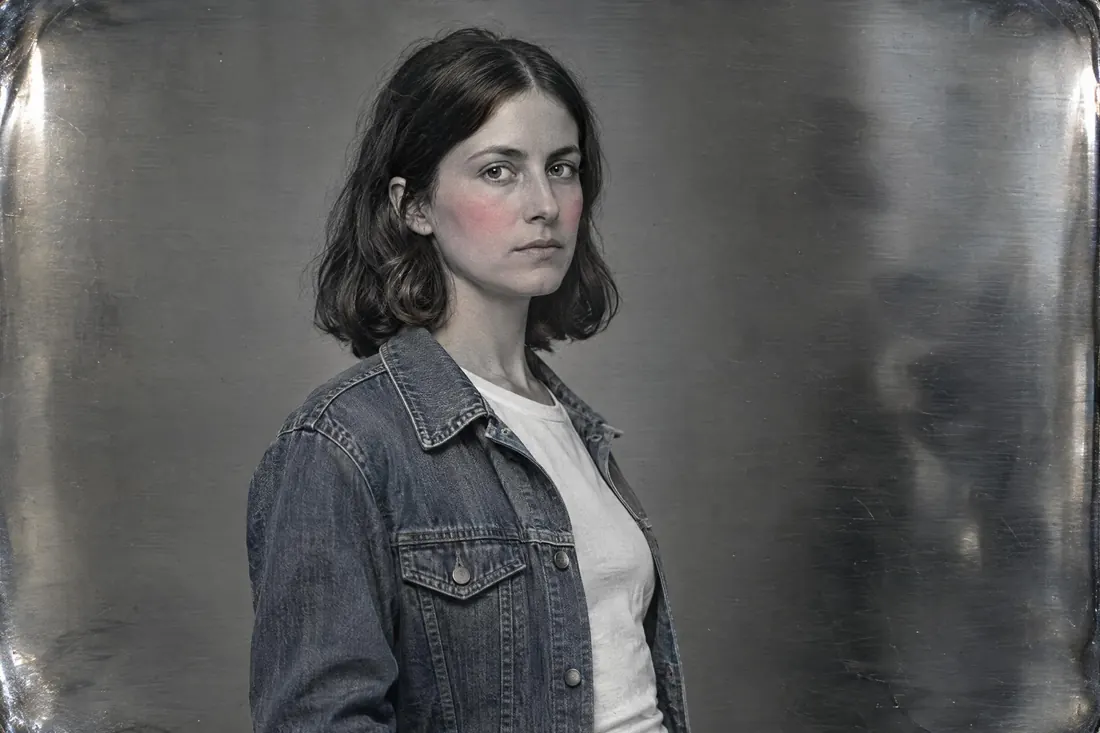
Daguerreotype
A mirror bright silver plate that flips between a positive and a negative as you tilt it.
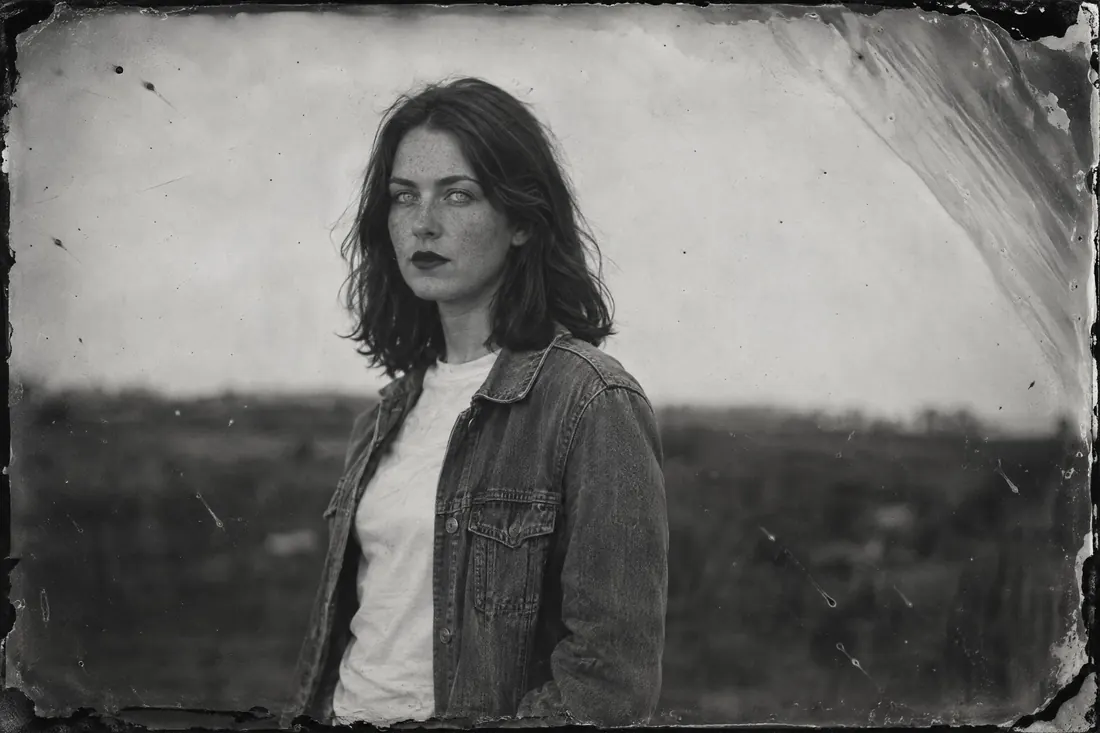
Wet plate collodion
A hand poured plate that streaks at the edge, goes blind to red, and leaves the sky blank white.
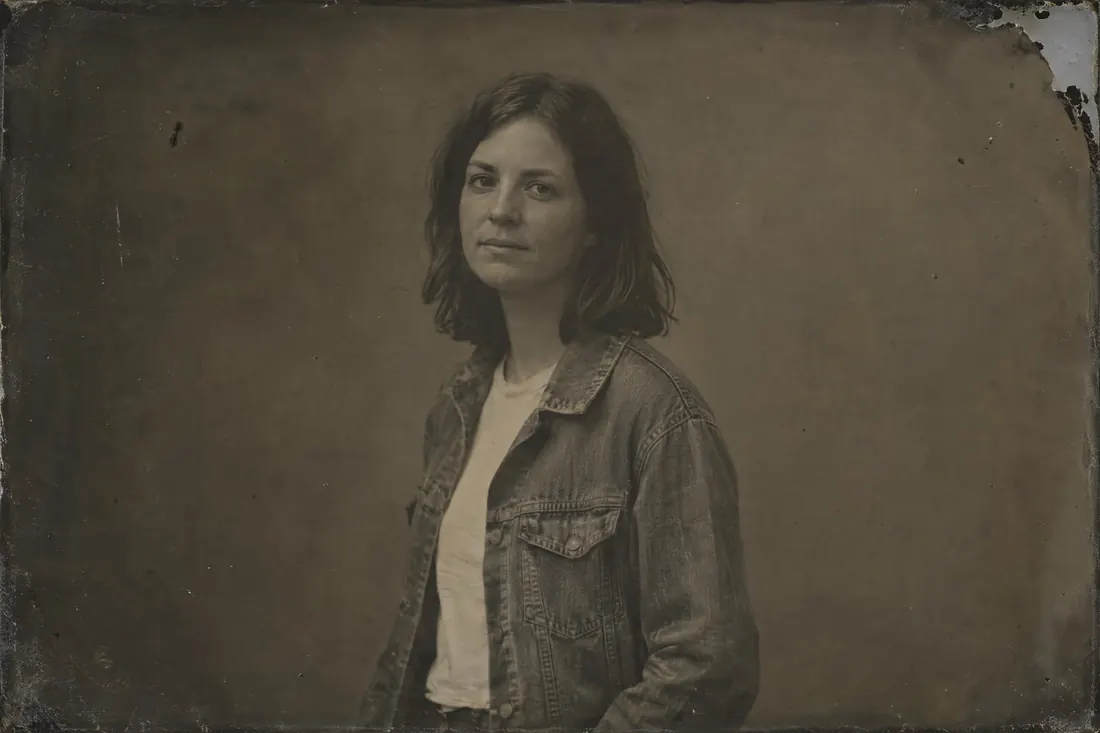
Ambrotype
A thin collodion negative on glass, backed with black, so it reads as a soft grey positive.
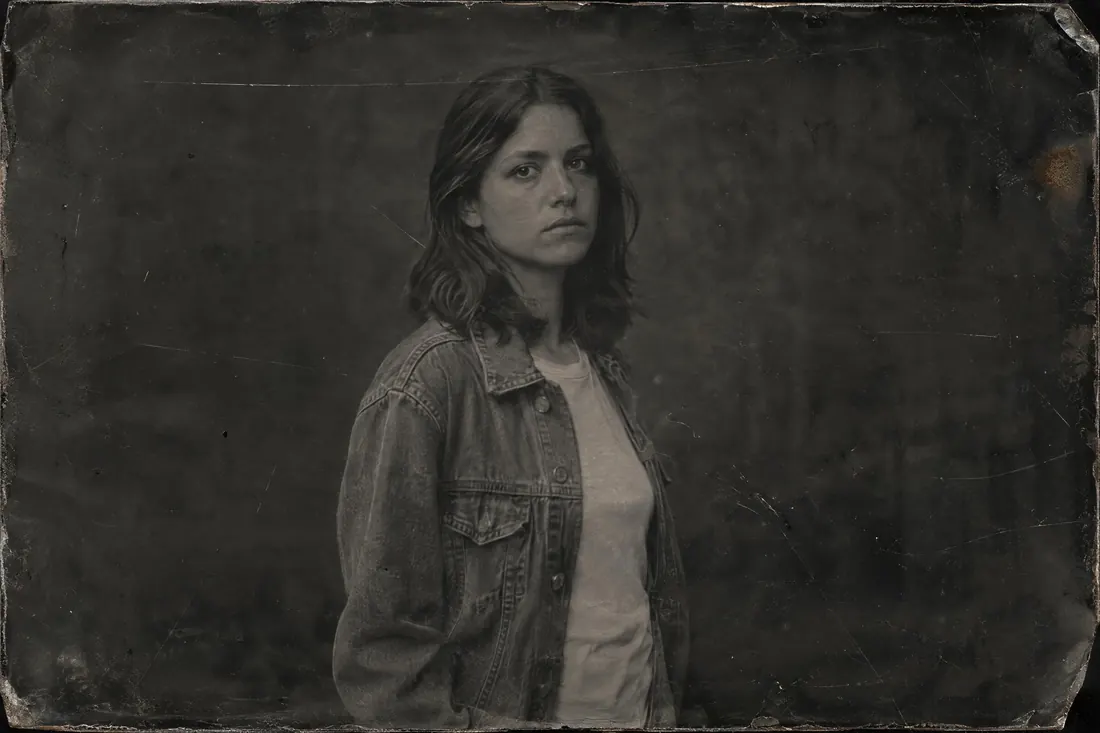
Tintype
A collodion positive on blackened iron: dark, flat, silvery, cut to size and scratched.
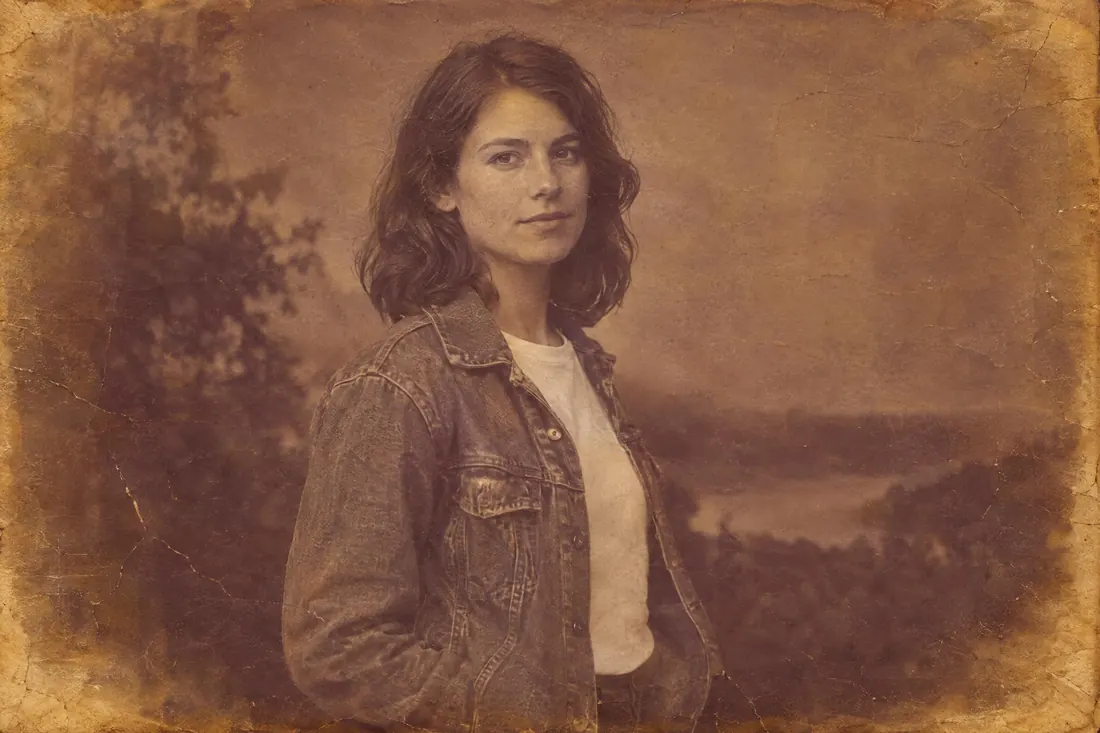
Albumen print
A glossy egg white print on card, warm purple brown, and yellowed at the edges.
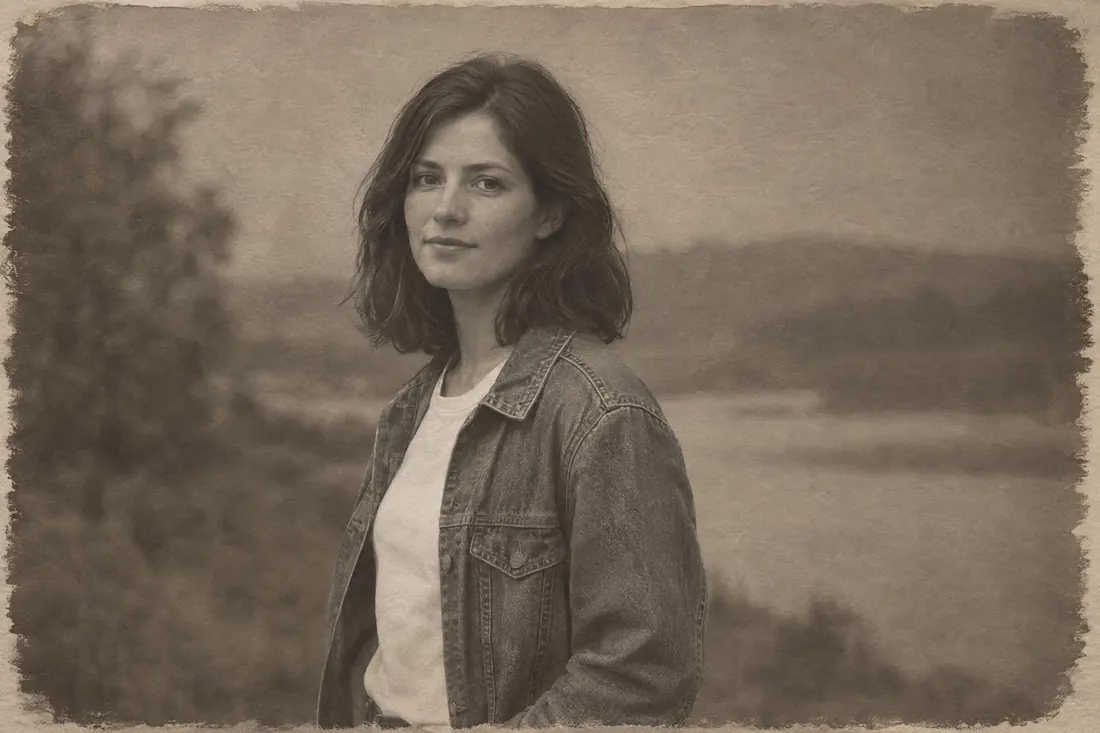
Platinum print
Platinum held in the paper fibres: dead matte, an extremely long grey scale, no gloss anywhere.
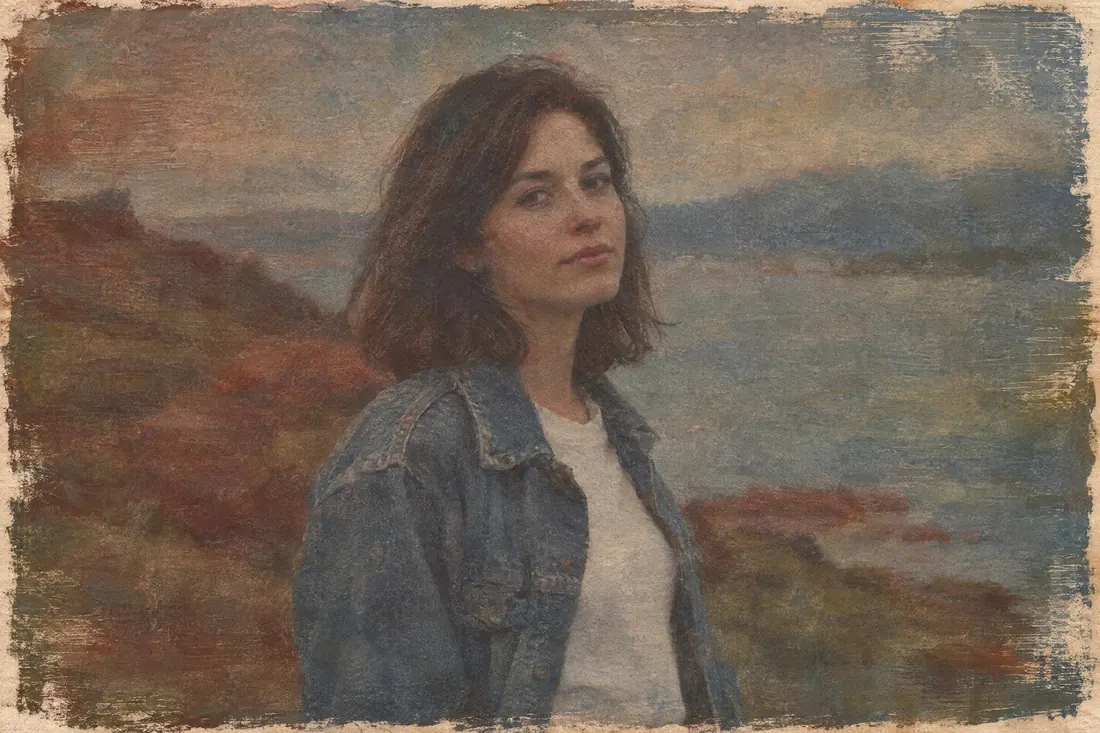
Gum bichromate
Pigment in hardened gum: painterly, soft, grainy, and any colour you choose.
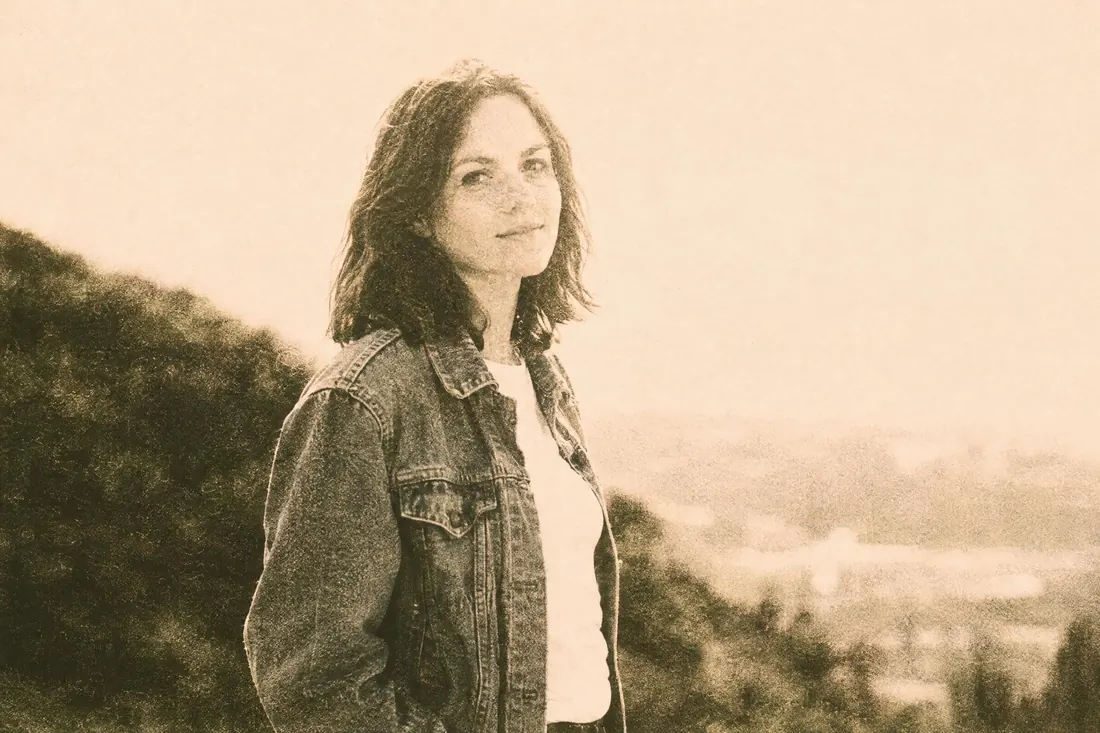
Lith print
A print pulled early from dilute lith developer: hard grainy shadows, pale peach high tones.
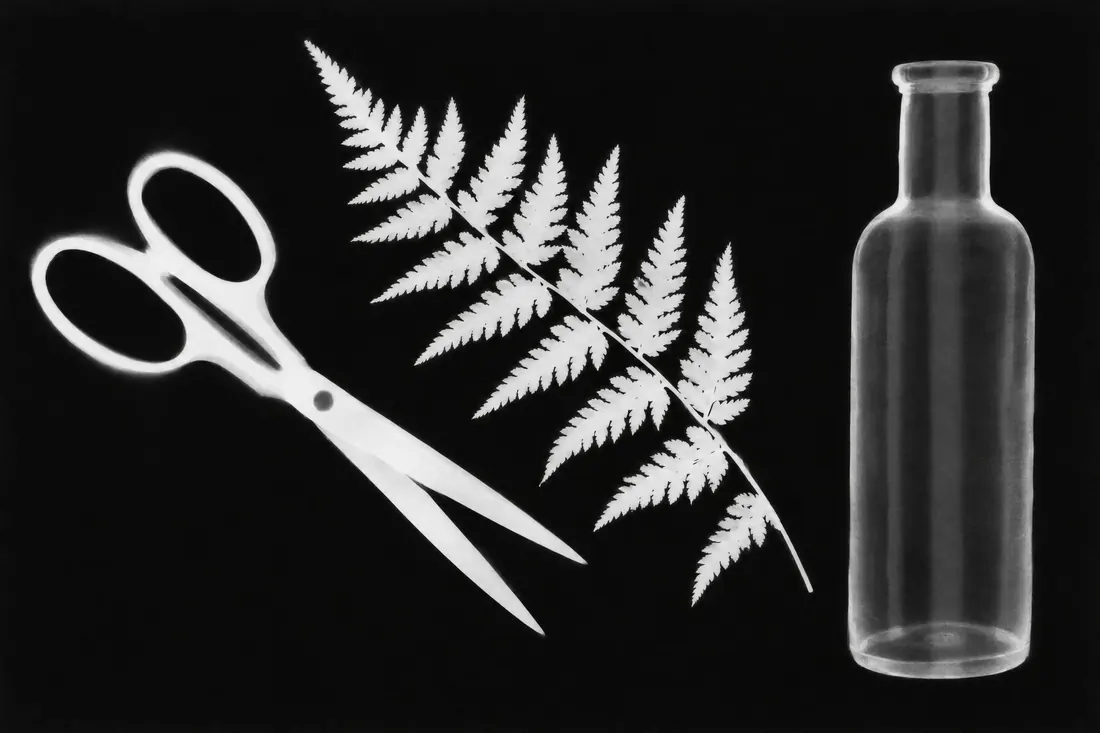
Photogram
No camera at all: objects lie on the paper, so the result is a white outline on black.
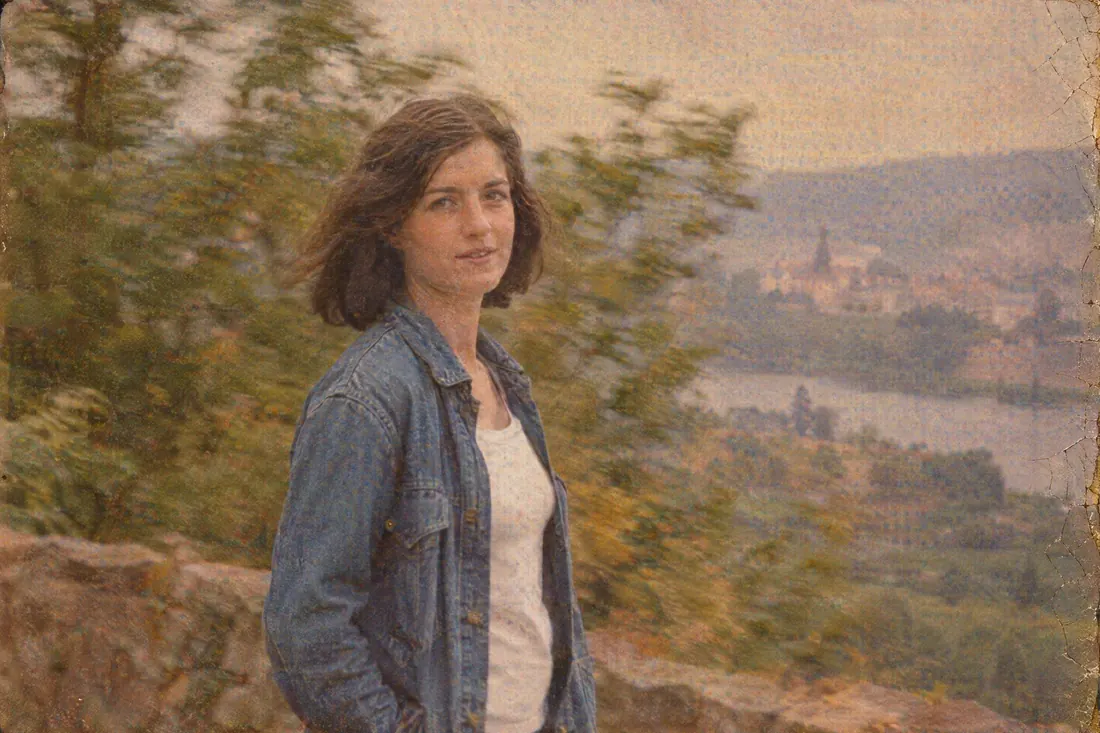
Autochrome
The first practical colour: a pastel mosaic of dyed potato starch grains on glass.
Photographic genres16

Portrait photography
One face, a long lens two metres away, one soft light, and the room deleted.
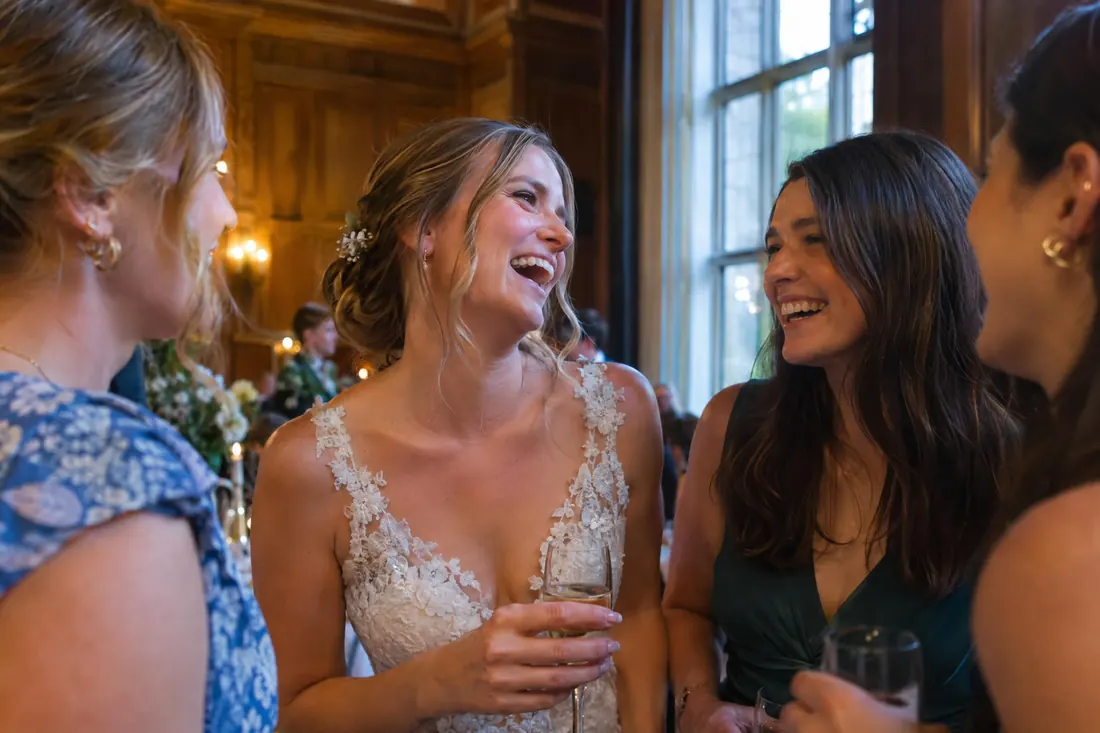
Wedding photography
Available light, a fast 35mm wide open, and a camera standing inside the group.
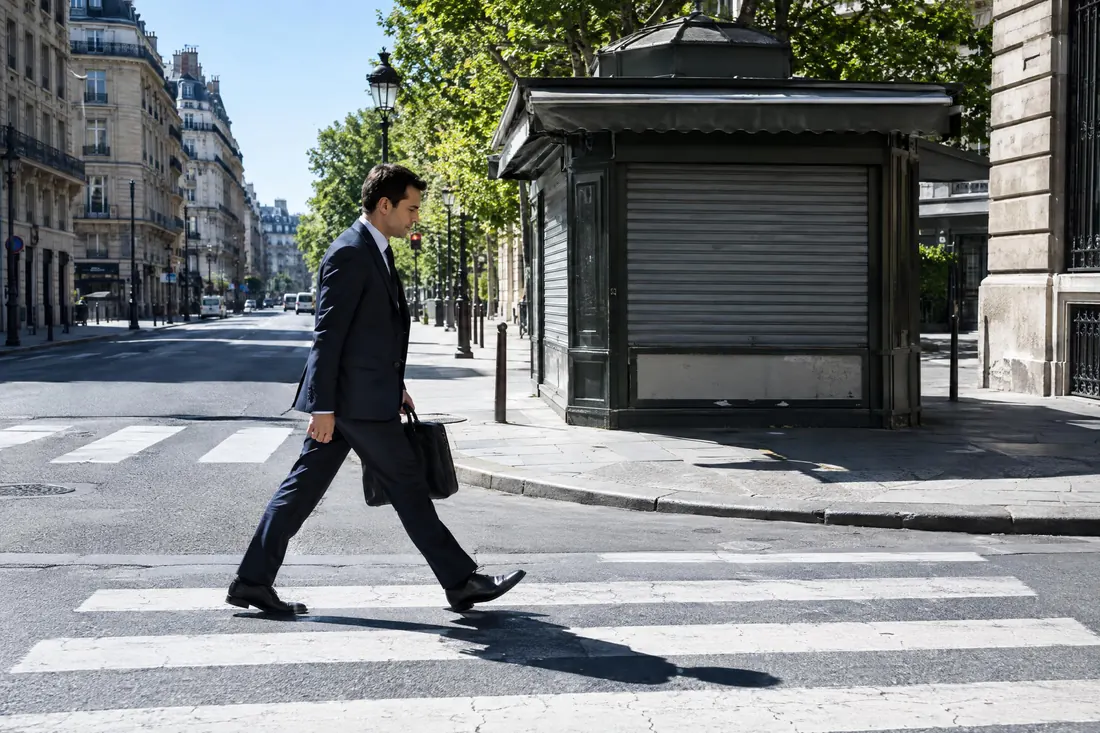
Street photography
A wide lens at one stride, everything sharp, and nobody looking at the camera.
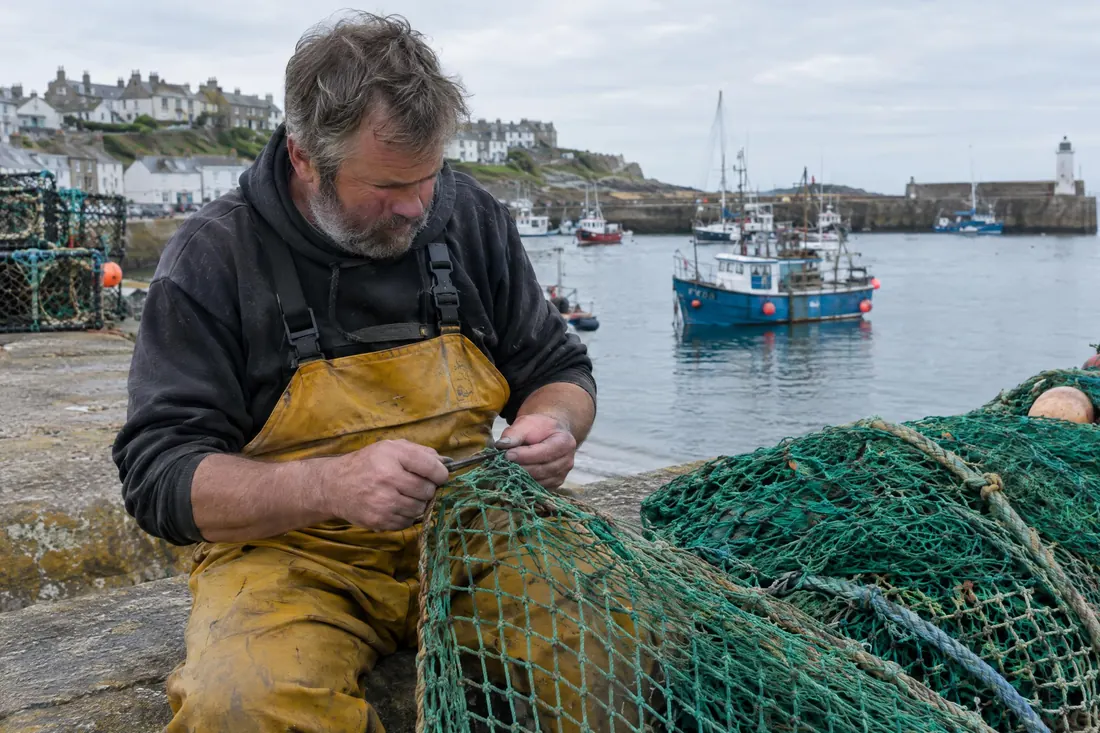
Documentary photography
The street photographer's plain gear held on one subject for months, then captioned and sequenced.
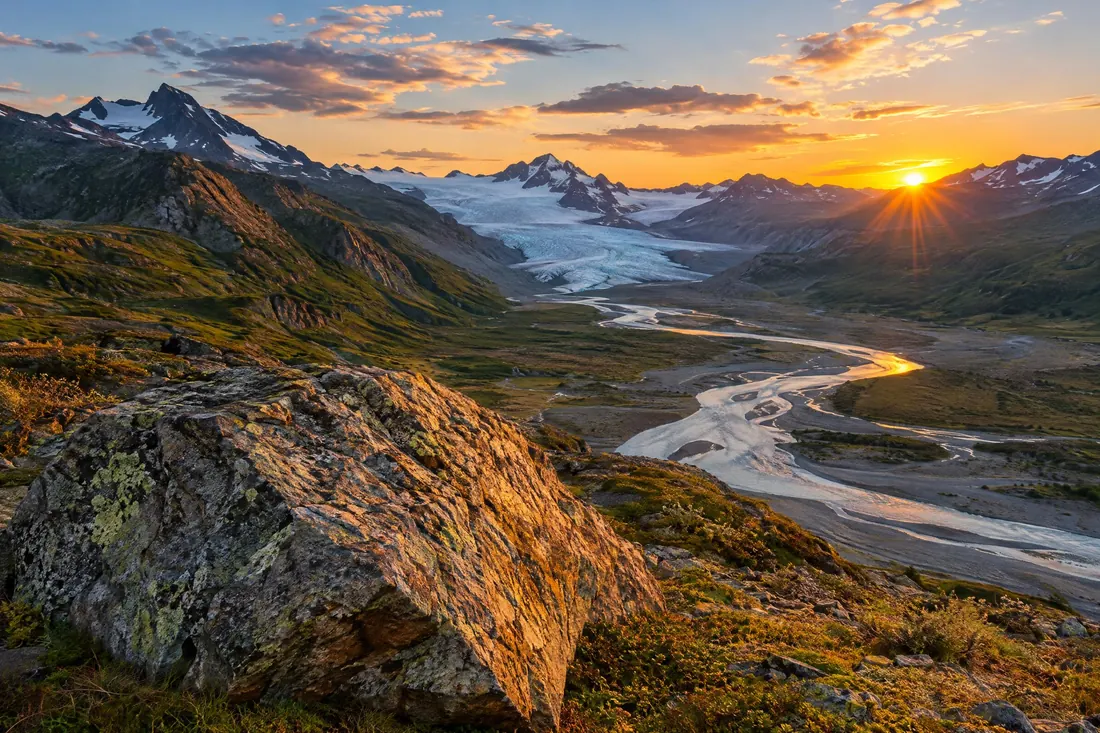
Landscape photography
A wide lens on a tripod at low sun, sharp from a near rock to a far ridge.

Architectural photography
Parallel verticals, a level camera, and an interior exposed to hold the window as well as the room.
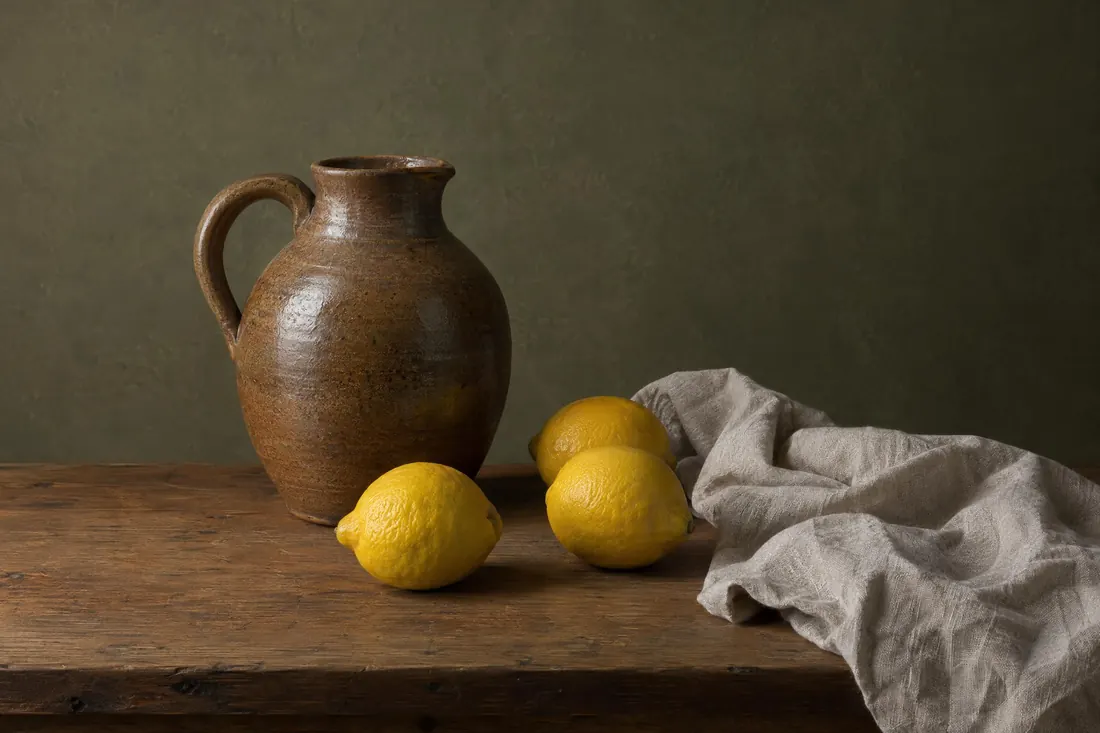
Still life photography
One light, one table, and every object placed by hand.
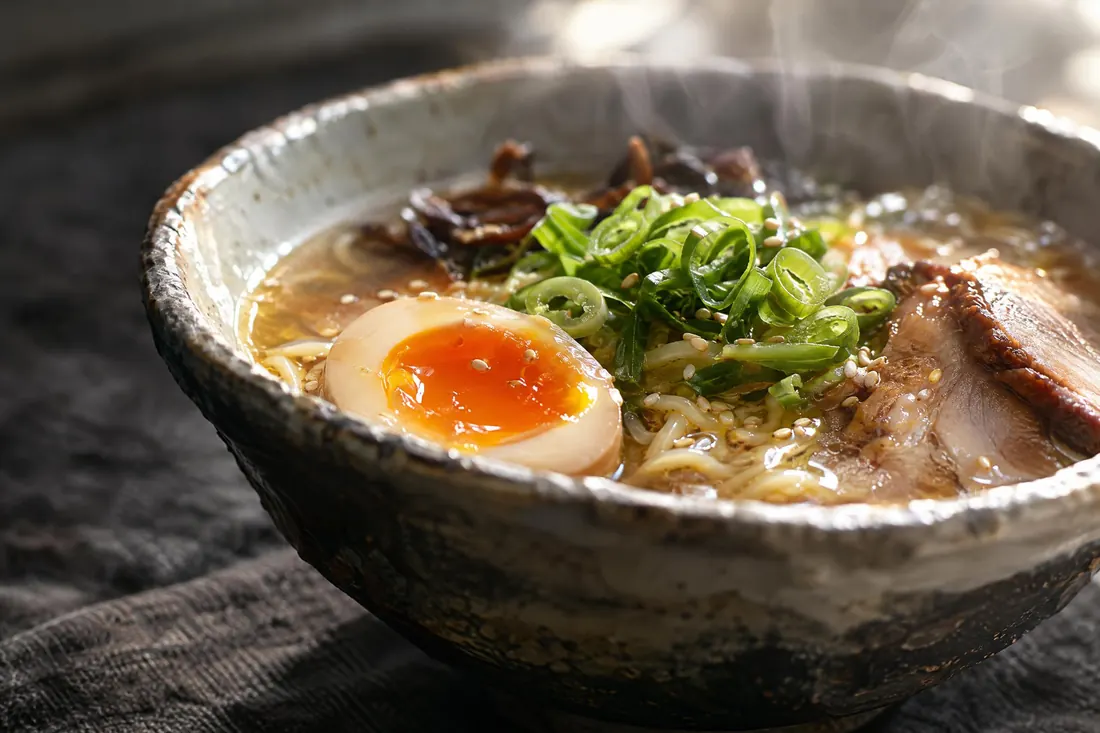
Food photography
Soft back light for steam and gloss, a 45 degree camera, and a plate built rather than cooked.
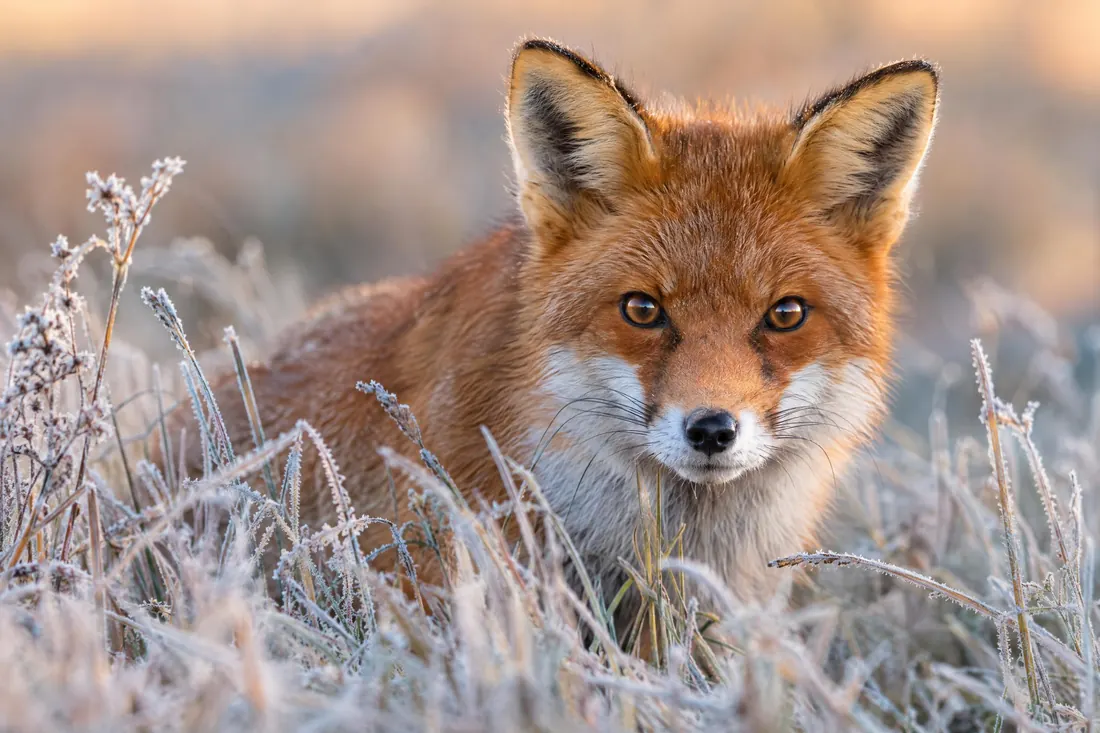
Wildlife photography
A 600mm lens from fifty metres, the animal's eye sharp and the background melted away.
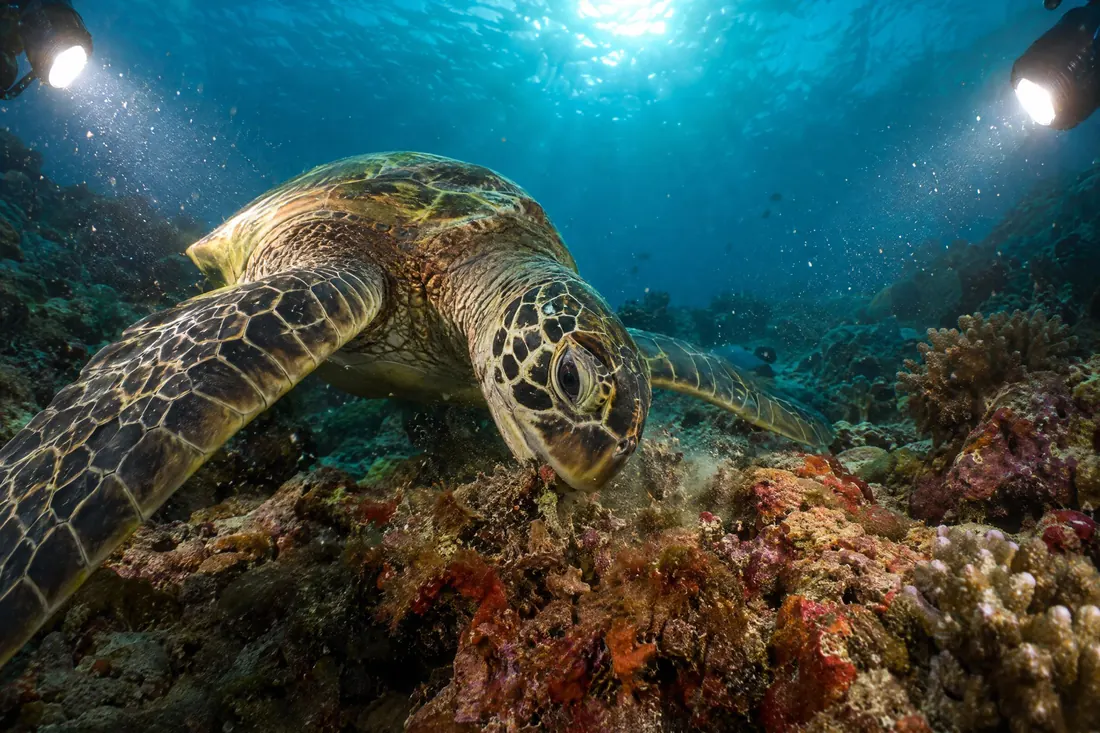
Underwater photography
A wide lens thirty centimetres away and two strobes putting the red back.
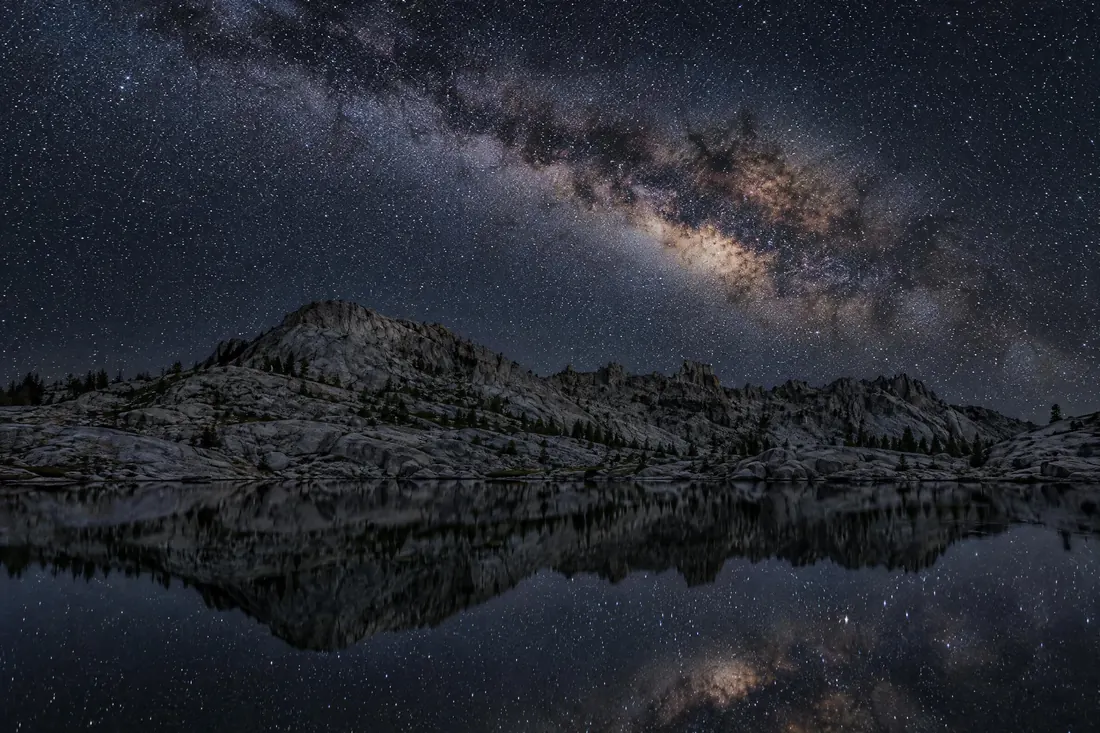
Astrophotography
A fast wide lens on a tripod, a high ISO, and an exposure long enough to record stars.
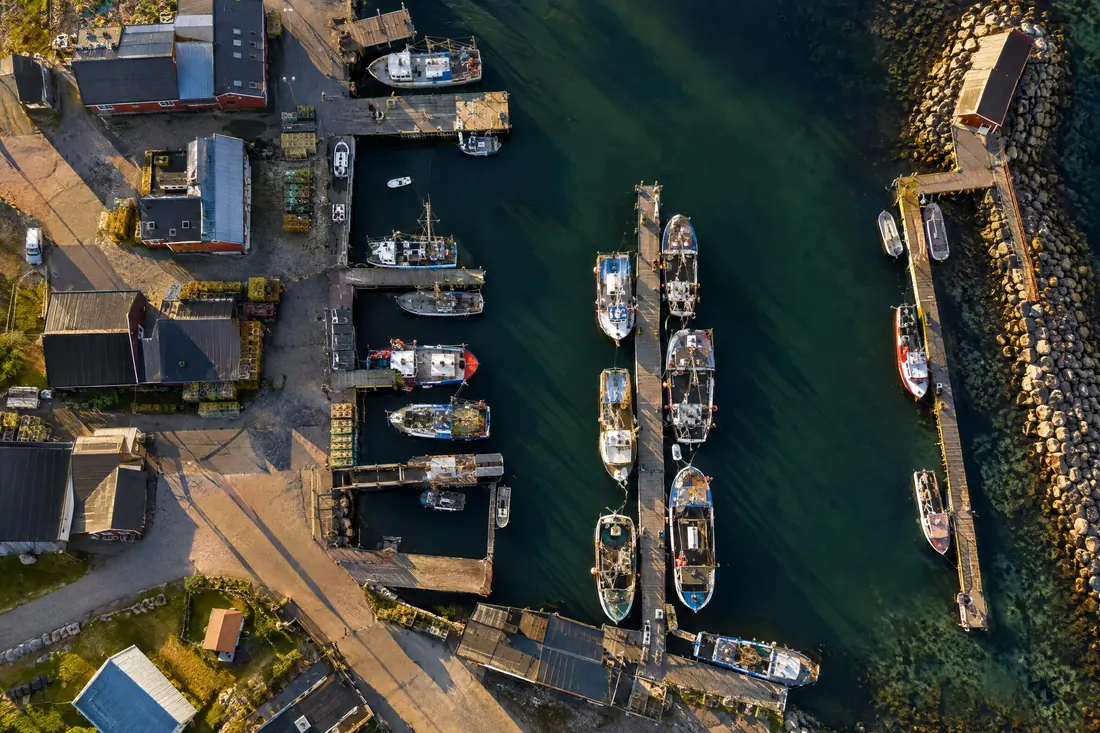
Drone photography
A wide lens forty metres up, looking straight down or at an angle no ladder reaches.
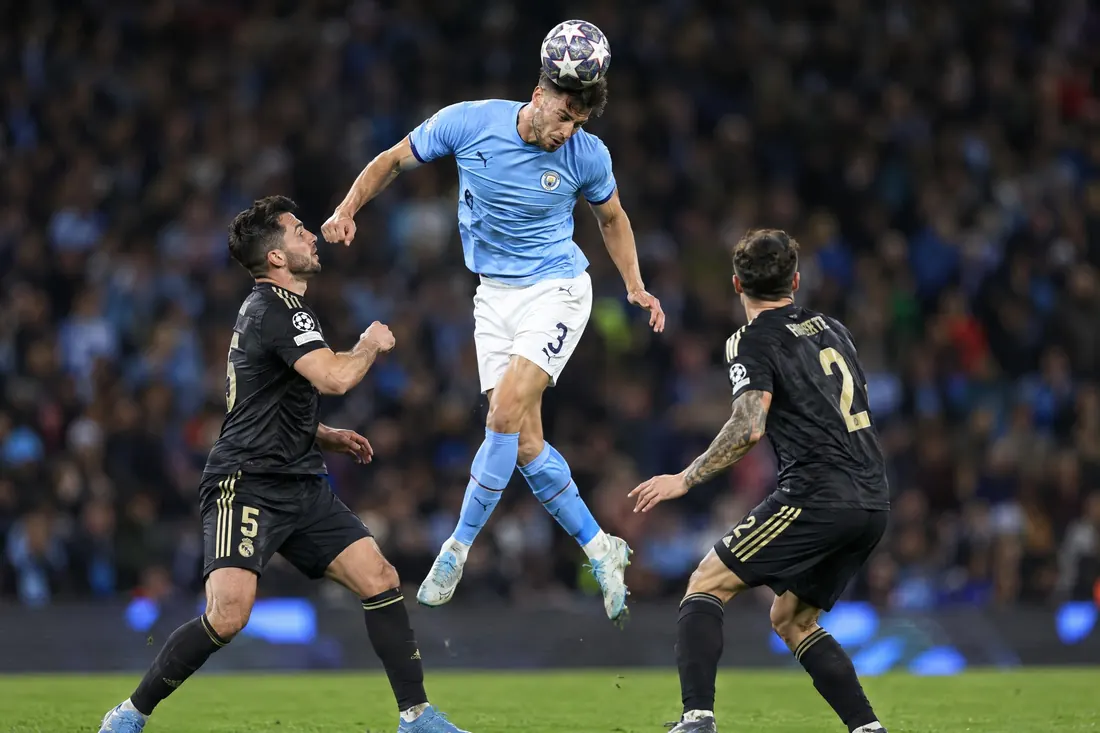
Sports photography
A long lens from a low seat at the touchline, the action frozen and the crowd turned to colour.
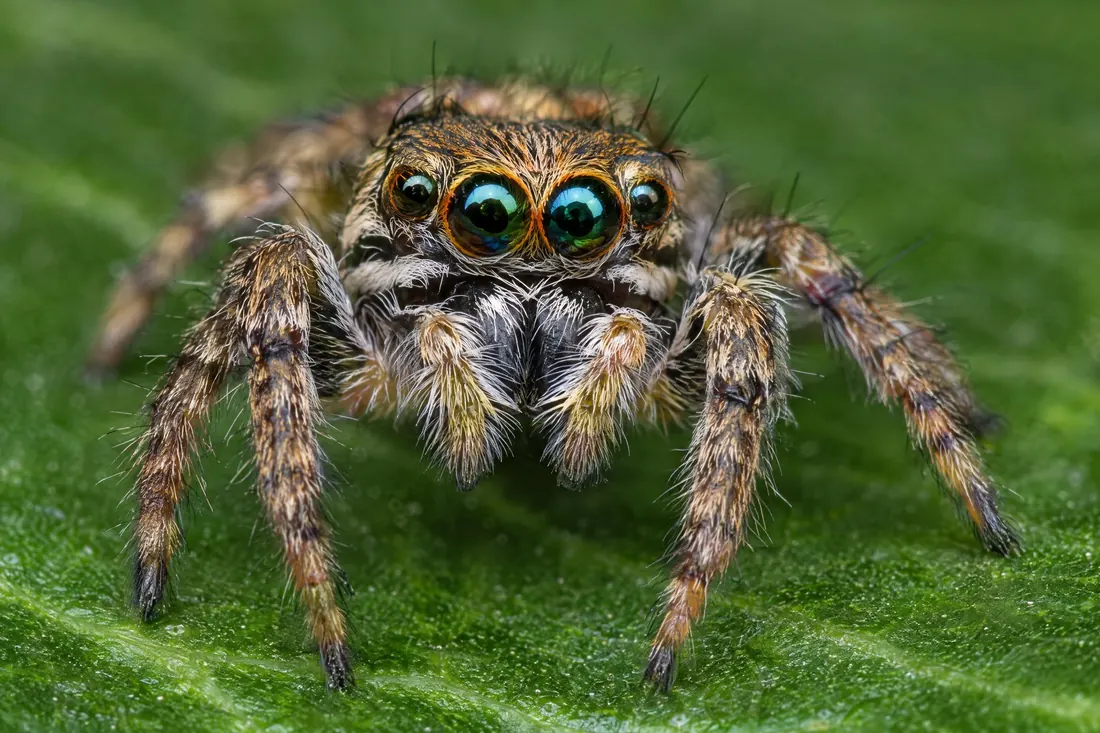
Macro photography
Life size on the sensor: centimetres away, millimetres of focus, and a flash to pay for it.
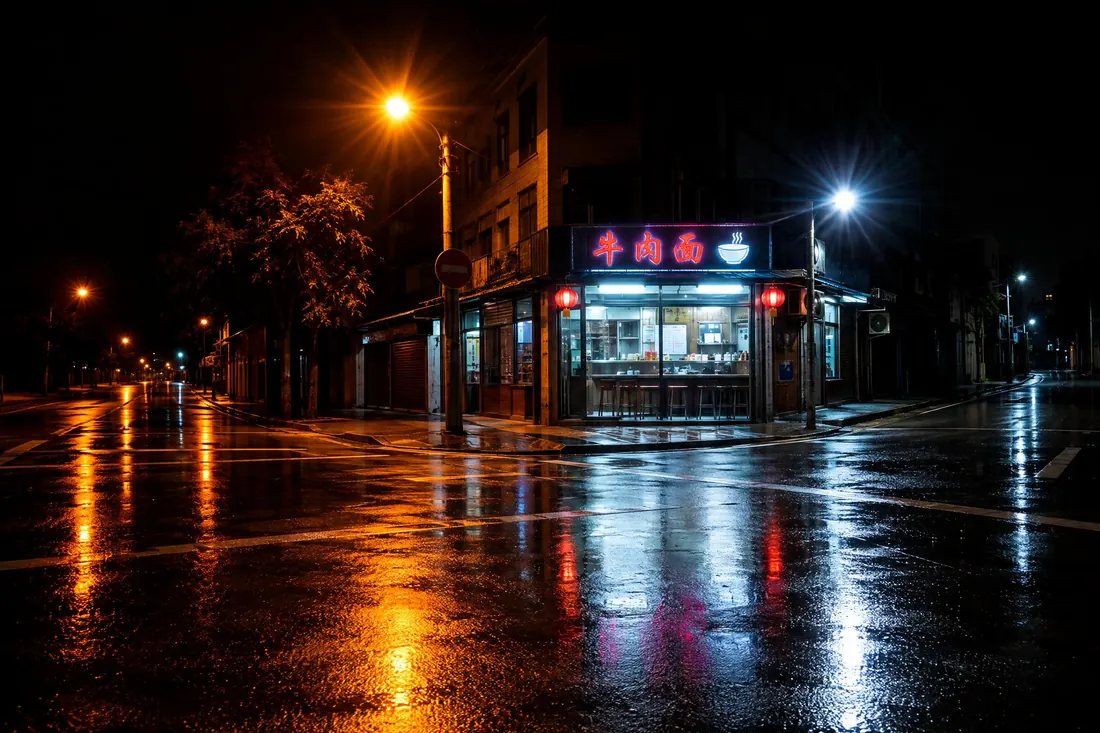
Night photography
A tripod, a long exposure, mixed street colour, and lamps which burn to white.
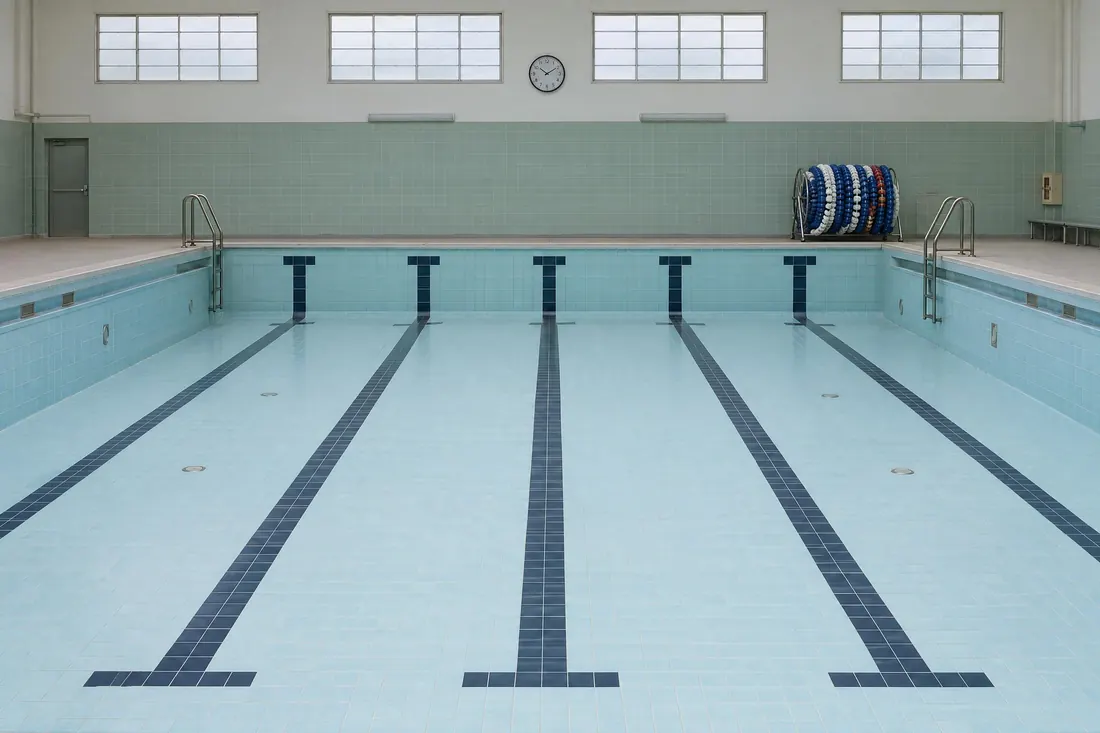
Fine art photography
A picture made for a wall: constructed, made in a series, and printed large.
Product and commercial10
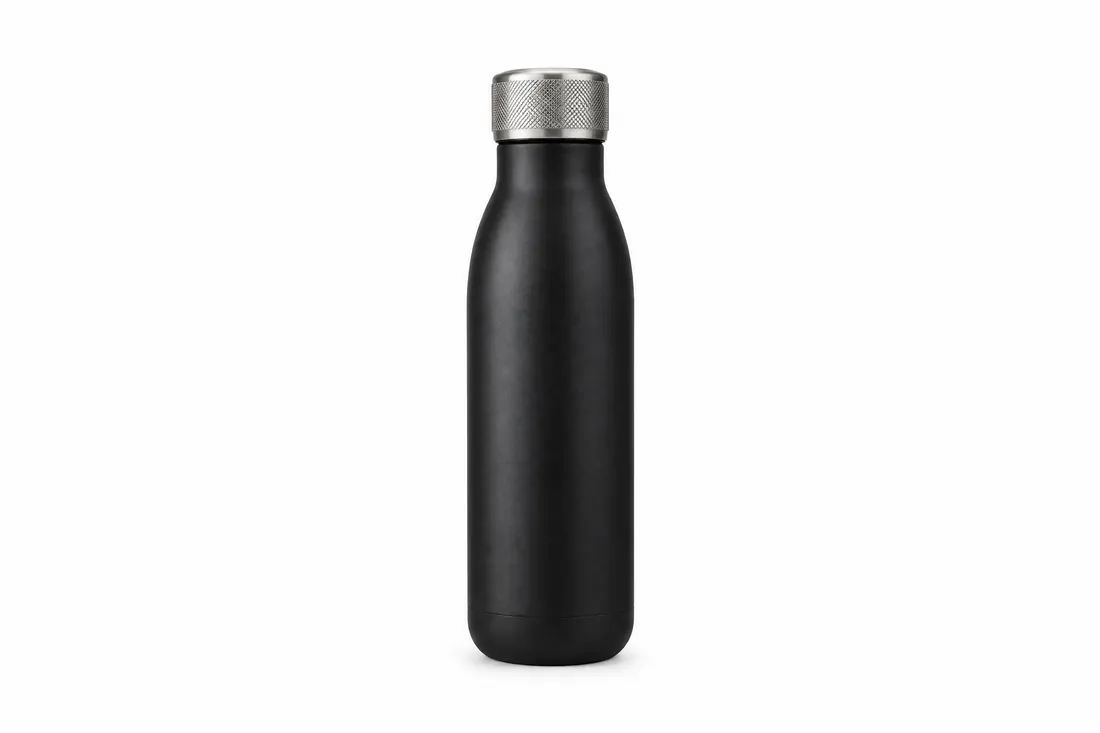
On white
The product alone on pure white, lit so its own edges still read.
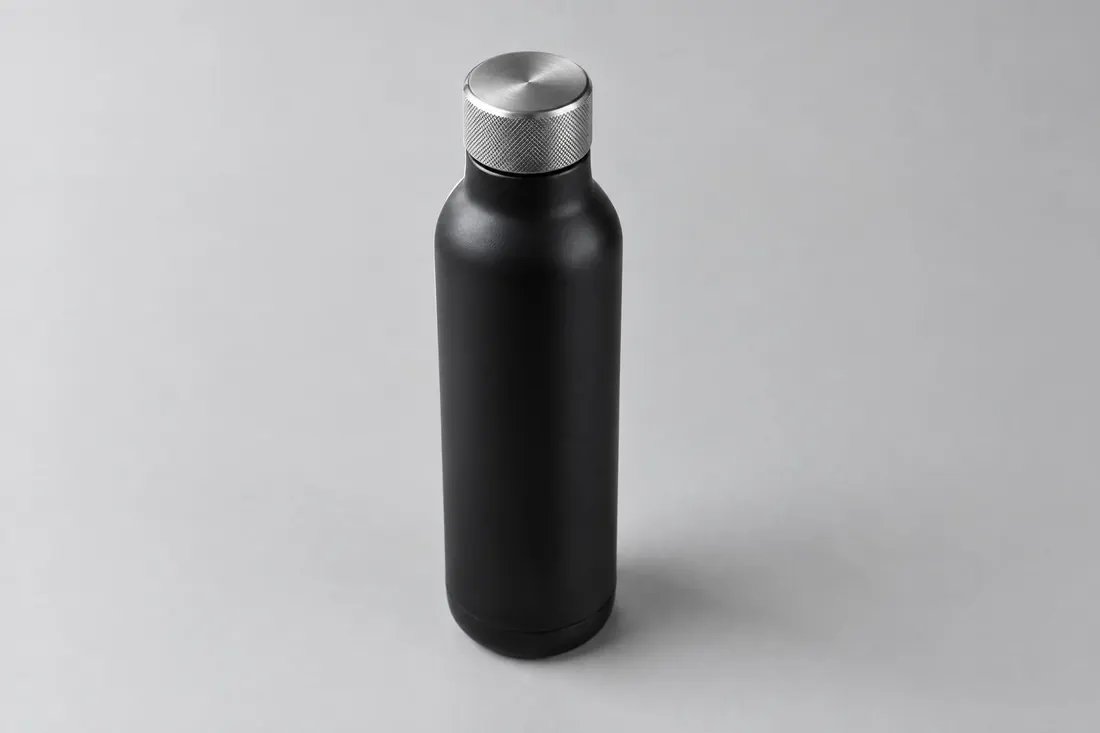
Hero three-quarter
The product turned 30 to 45 degrees so the front, the side and the top all read at once.
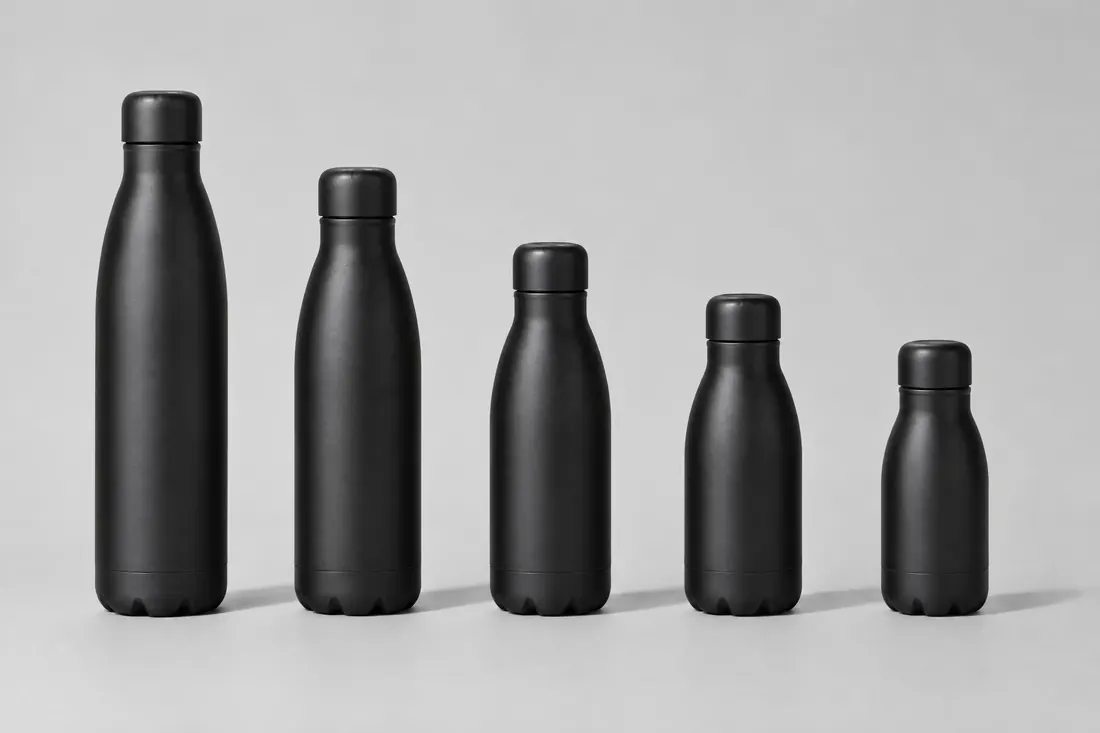
Range shot
The whole product line in one frame under one identical light.
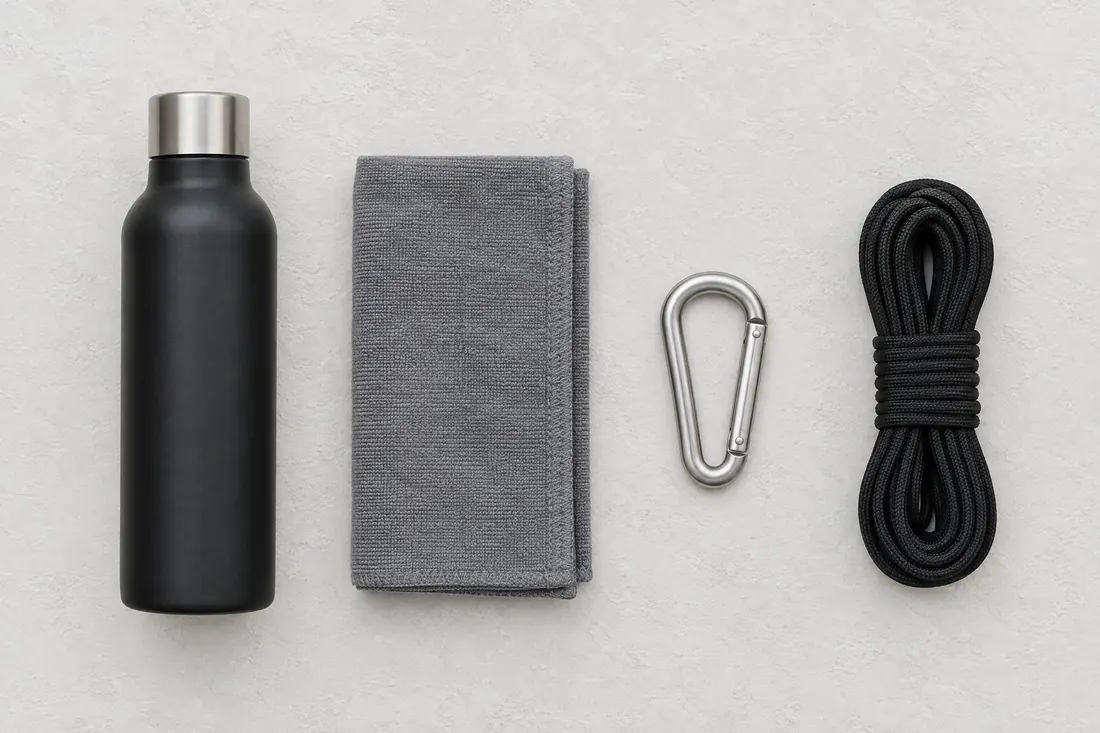
Flat lay
Camera straight down on objects laid out on a flat surface, with the shadows killed.
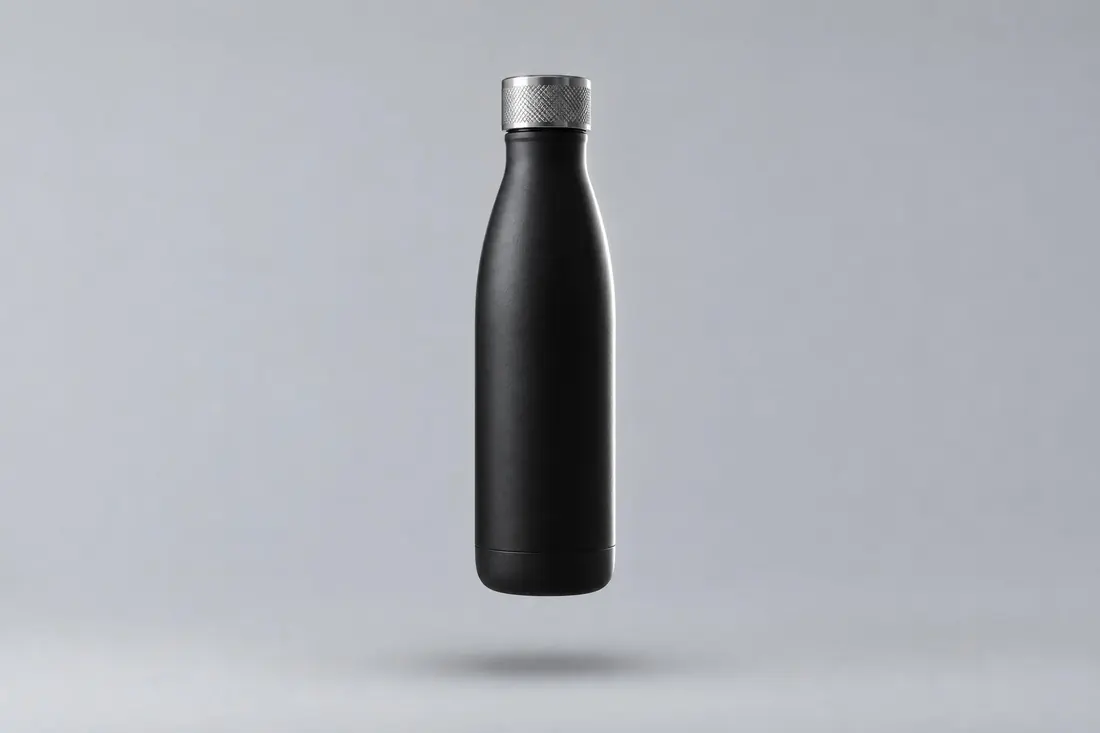
Floating product
The product lifted off the surface with nothing holding it up.
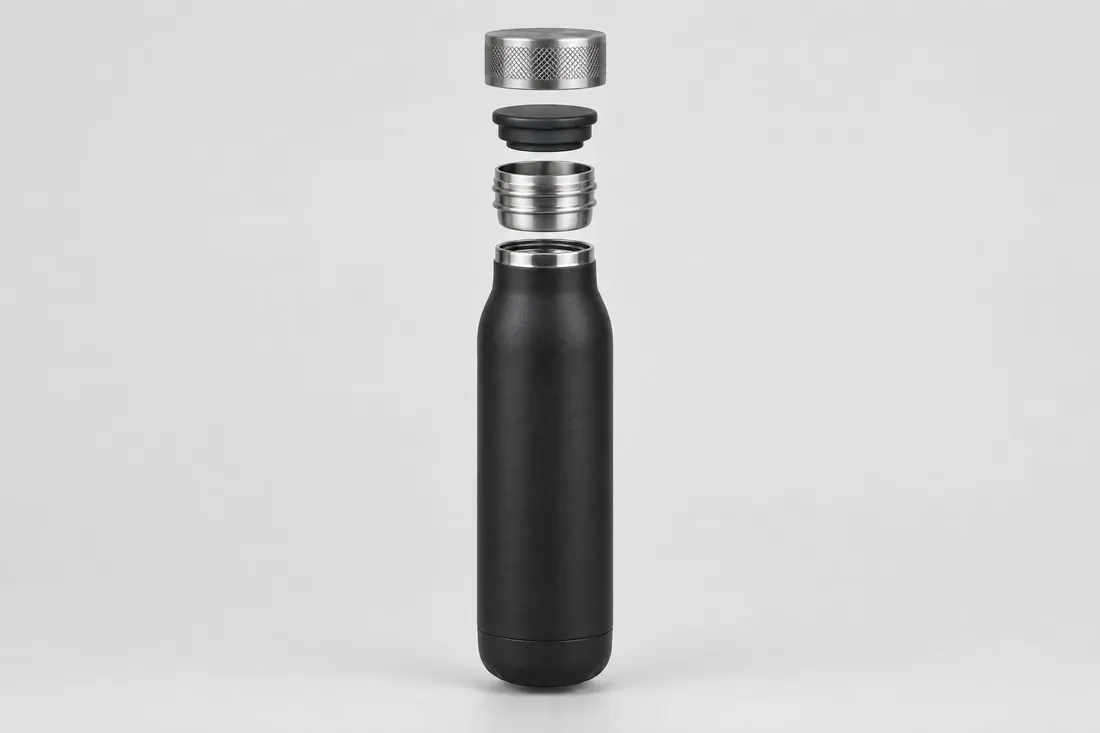
Exploded view
The parts of the product pulled apart along one line, in the order they assemble.
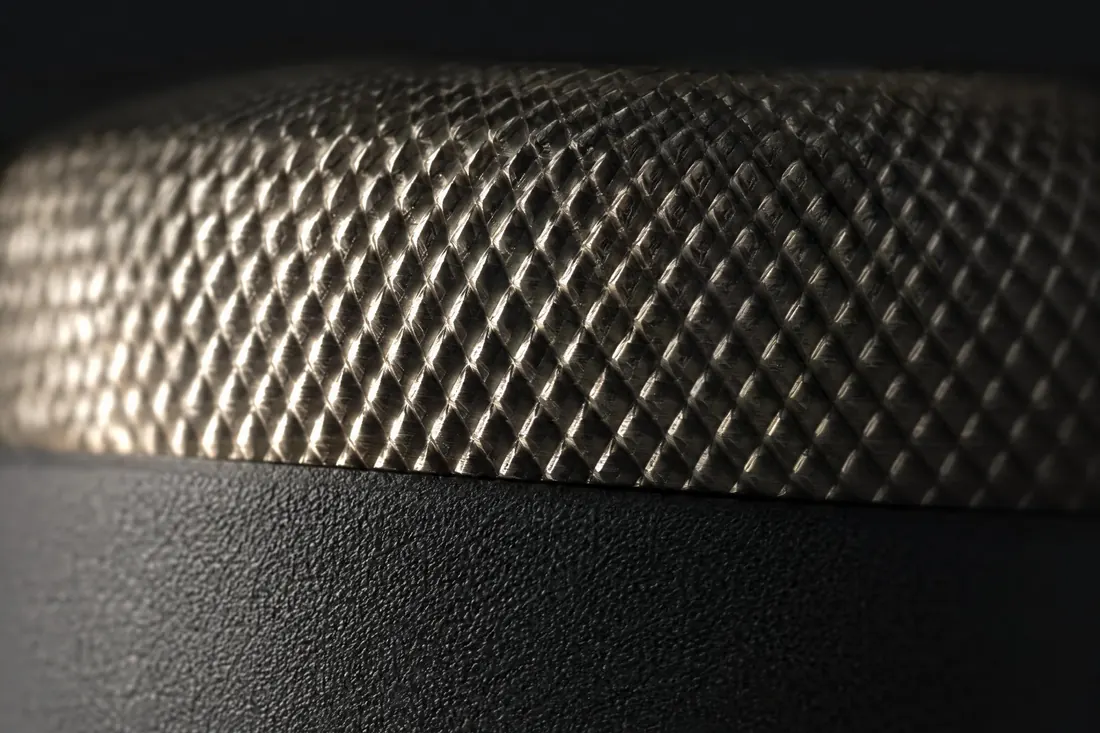
Macro texture
One small part of the product fills the frame so the material reads.
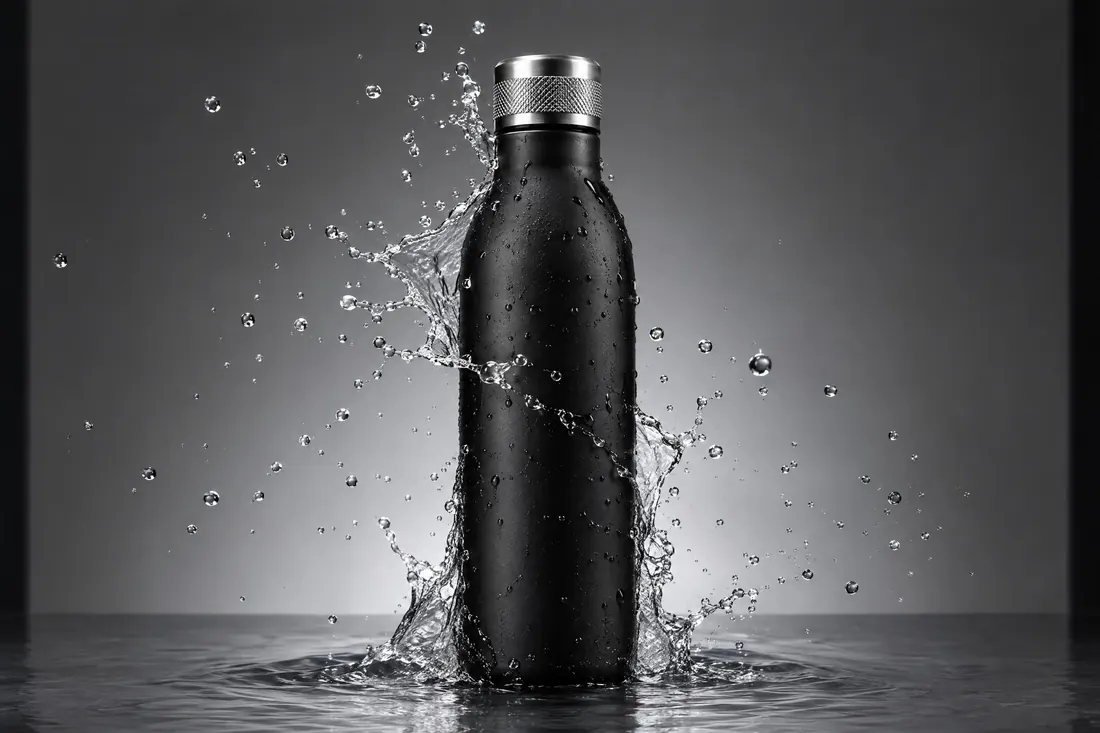
Splash shot
Liquid caught in the air around the product and stopped dead.
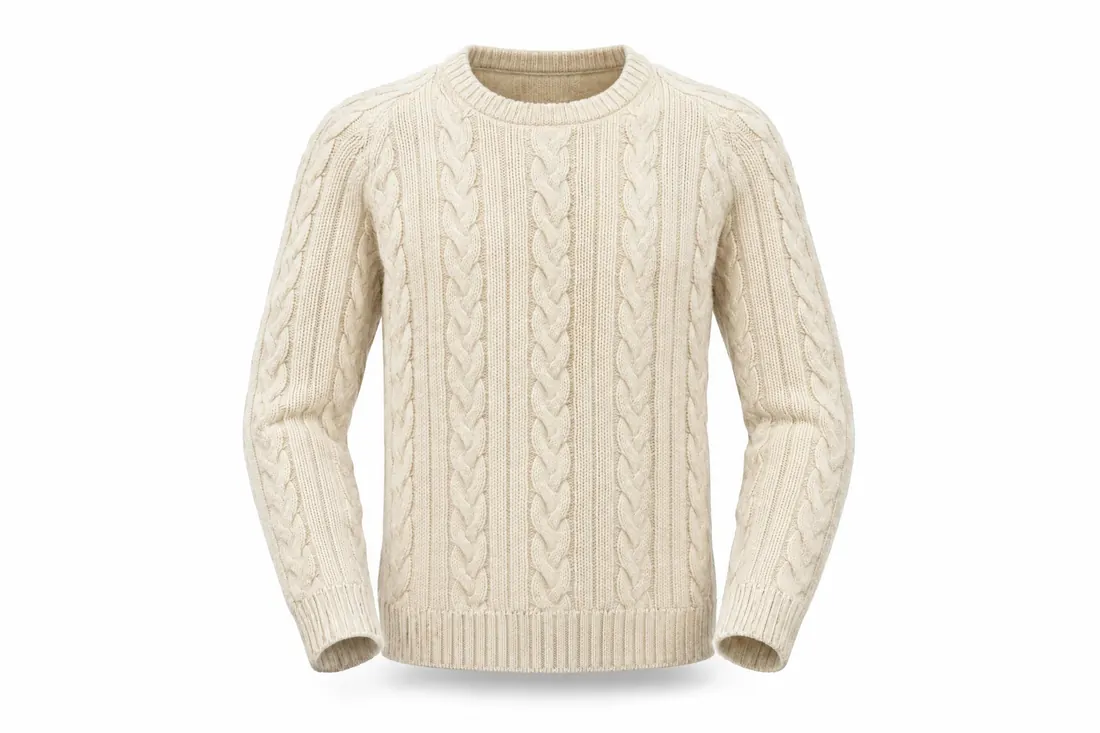
Ghost mannequin
A garment holding its own shape with nobody inside it.
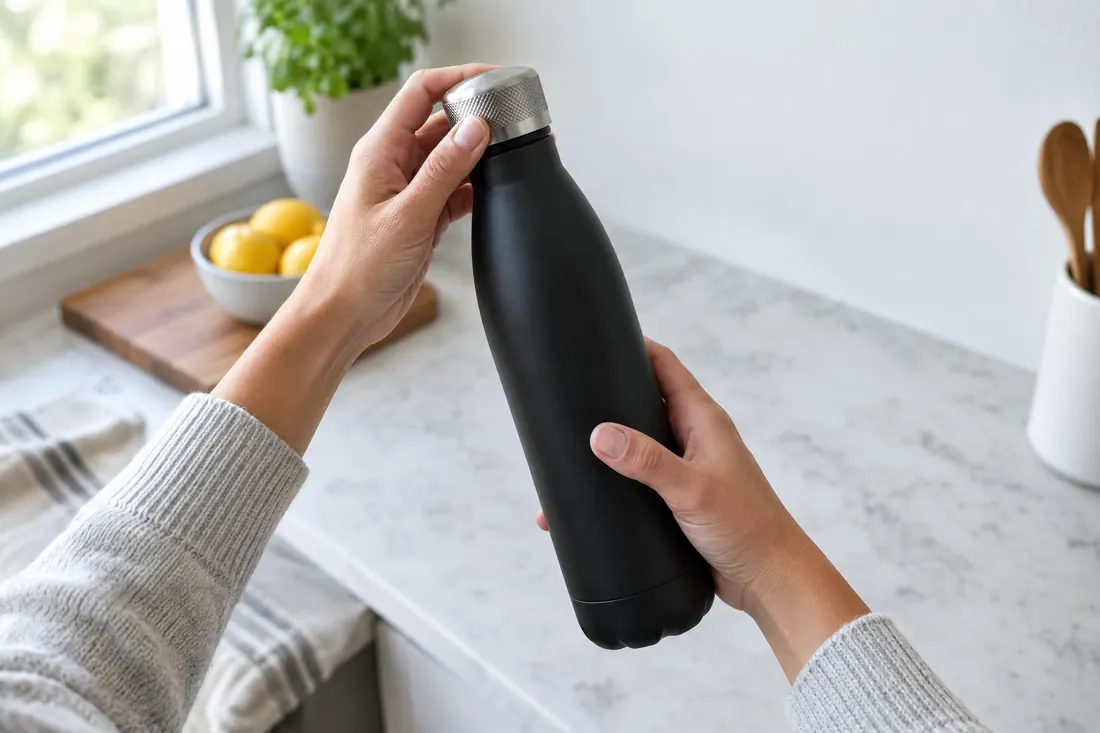
In use
A person holds, wears, pours or operates the product, and the product stays the subject.
Three rules under all of them
- Name the stock, then its defects
- A model answers to Portra 400. It answers better when the next clause names the grain, the skin tone and the muted highlight roll-off.
- Say which camera took it
- A format changes the frame before anything else does. A 4x5 sheet and a disposable camera hold the same subject in two different pictures.
- Ask for the flaw
- Clean is the average. Halation, dust, a light leak and a soft corner only arrive when the prompt asks for them by name.
Try one
Every model prints its dollar price before you sign in. You pay for the run, not for the month.
Open an image model