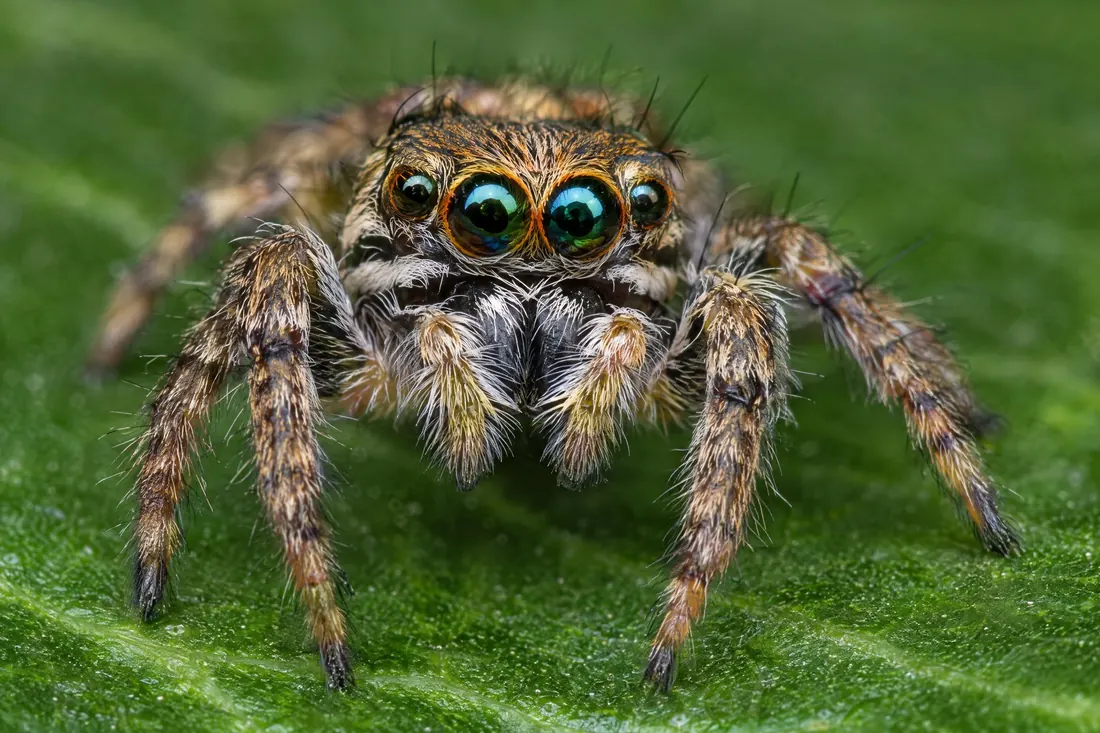
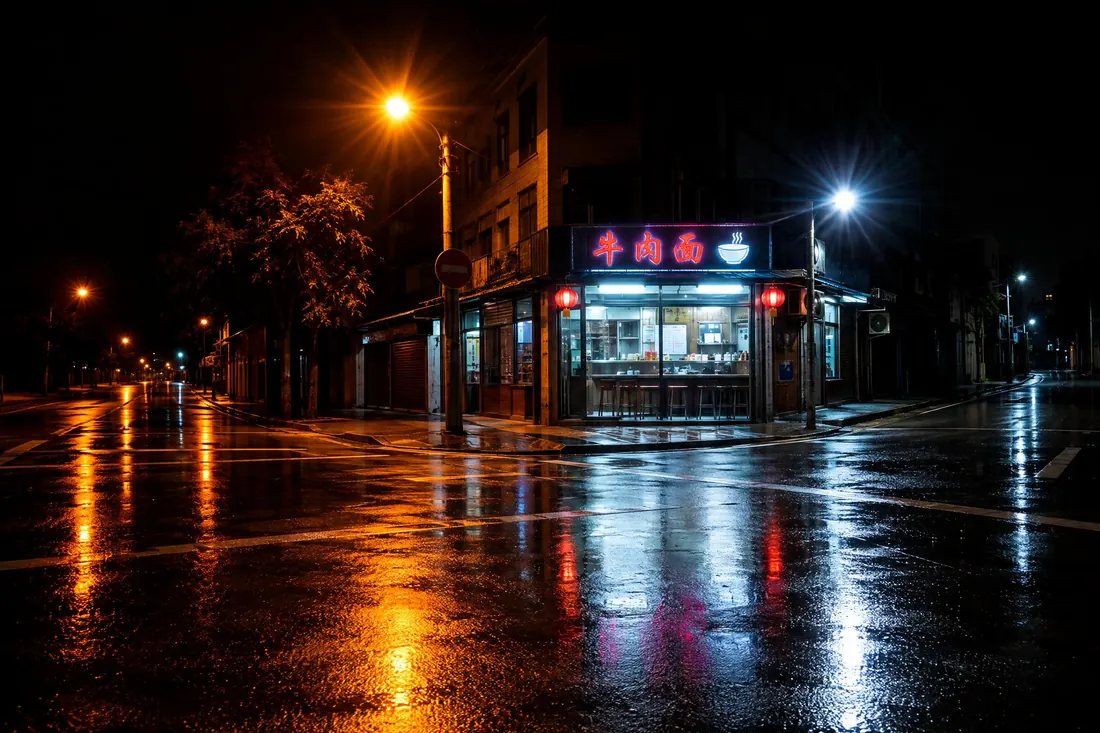
Fine art photography
- gallery photography
- conceptual photography
- staged photography
A picture made for a wall: constructed, made in a series, and printed large.
Opens an image model with the prompt in it. The price is on the page before you sign in.
What it is for
Every other genre in this file answers to something outside itself: a client, a deadline, a subject which will not wait. Fine art photography answers to the print on the wall and to the series it belongs to.
That changes the method rather than the style. The scene can be built, cast and staged. The picture is made as one of a set which repeats a rule. The size, the paper and the border are decisions inside the work rather than steps after it.
How it works
Say series, and describe the rule which holds it together. Twelve frames of the same kind of building, the same gesture repeated, the same wall at the same hour.
Say the scene is constructed. Sets, cast figures, arranged objects and repeat visits are all normal here, and naming one of them stops the model returning a reportage frame.
Say the print. A large format 4x5 or 8x10 negative, a flat even light, a wide white border, and a size in centimetres. The output is part of the description.
When to use it
Use it for a typology, a staged tableau, a constructed landscape, a repeated portrait, a set of interiors made to one rule.
Leave it alone when you want a picture which explains an event. Fine art withholds the explanation on purpose, and a news subject treated this way reads as cold.
Told apart from its neighbours
Documentary photography takes what is there and does not intervene. Fine art photography may build the entire scene, and often does.
Still life photography arranges objects on a table for their own sake, and it can serve either a gallery or a catalogue. Fine art names the destination, not the subject.
A portrait, a landscape or a street frame can all be fine art. The test is whether the work is the print and the series, and not what the camera was pointed at.
Where it is used
Photography reached the art market late. MoMA opened a department of photography in 1940, and prices for prints only became reliable in the 1970s. The Dusseldorf school of the 1970s and 1980s made the large, flat, frontal, serial picture the default gallery form. Its typologies, one kind of building photographed the same way dozens of times, remain the clearest example of the method.
- gallery walls
- photobook editions
- Tate and MoMA photography rooms
The prompt
Replace the blanks with your own subject, keep the rest. Then run it on an image model.
<subject>, fine art photography, one frame from a series of twelve, the scene built and staged for the camera, large format 4x5 negative, flat even frontal light, plain description rather than drama, printed large with a wide white border
What goes wrong
The picture comes back as a moody snapshot with a grade on it, because the model reads fine art as a mood. Say series, say constructed, say large format, and say flat even light.
The frame comes back cropped tight like a magazine page. Say the full negative, say a wide white border, and give a print size.
Leave out
a reportage feel, a commercial gloss, a snapshot crop, a caption which explains the scene
Watch for
Fine art is defined by the output, not by a look. Say series, say print, and say how the picture was built.
Questions
Shoot it
Pay for the one run. No subscription, and the price is on the model page before you sign in.
Next to it in speed, scale and intent