Street photography
- candid street
- zone focus photography
A wide lens at one stride, everything sharp, and nobody looking at the camera.
Opens an image model with the prompt in it. The price is on the page before you sign in.
What it is for
Street photography is defined by distance, not by subject. The camera is one stride away and at eye level, so the viewer stands where the photographer stood. A long lens from across the road produces a different picture with the same content.
The gear follows from that distance. A 28mm or 35mm lens takes in the pavement at one stride, and a small aperture removes focusing as a decision. That is the only way to catch a gesture which lasts a fifth of a second.
How it works
Name a 28mm or a 35mm lens and an aperture of f/8 or f/11. Say zone focused, and give the distance in metres.
Keep the camera at eye level and close. Say one stride away, and let the frame cut people at the edges.
Name the light honestly. Midday sun with hard black shadows, or night under shop signs and neon. Street work lives in light which nobody chose.
When to use it
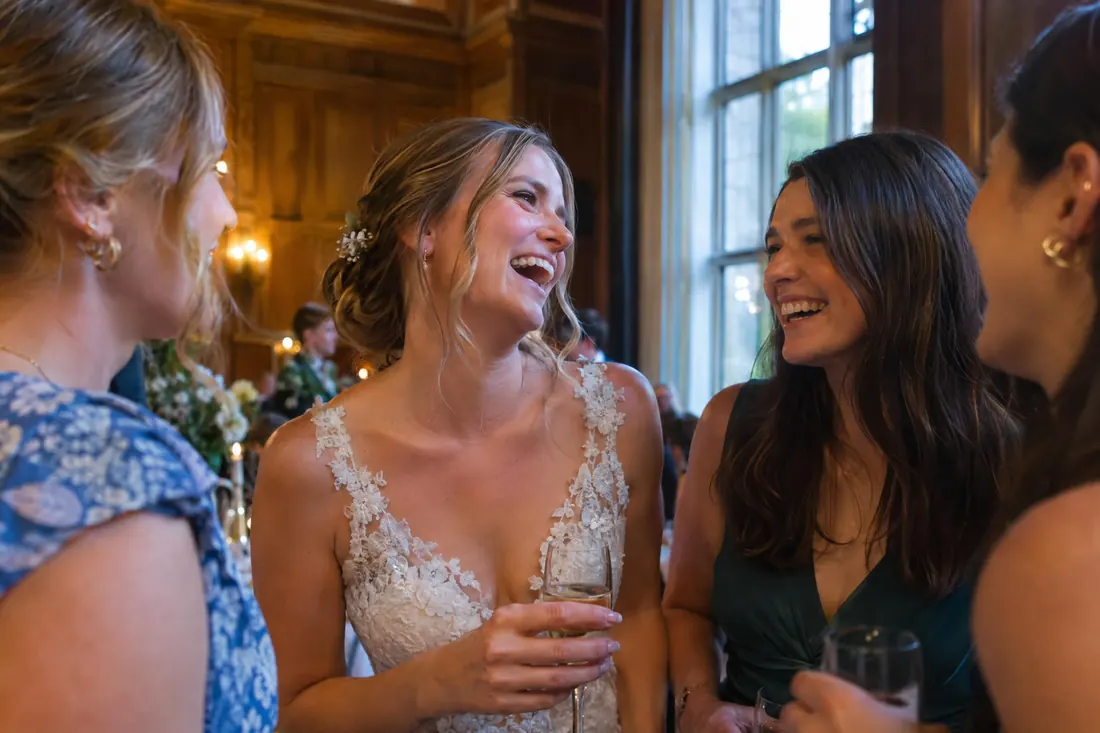
Use it for a pavement, a market, a crossing, an underground platform, a queue. Anywhere people are busy and the camera is ignored.
Leave it alone when the subject has to look good. Nobody is flattered by a wide lens at close range under a midday sun.
Told apart from its neighbours
Documentary photography uses the same lenses at the same distance. The difference is time. Documentary stays with one subject for months and publishes the set.
Wildlife photography is the opposite geometry: 600mm from fifty metres. Street photography is 28mm from one metre, and the subject can see the camera if it looks up.
Night photography puts the camera on a tripod and exposes for thirty seconds. Street work at night stays handheld at 1/60, so the people stay sharp and the picture stays grainy.
Where it is used
The look was set by the 35mm rangefinder and fast black and white film. Kodak Tri-X 400, sold since 1954, was pushed to 800 or 1600 in the developer so a photographer could hold f/8 in dull light. The contact sheet, a whole roll printed small on one sheet, is still how this work is edited, and the frames either side of the chosen one usually show the same corner two seconds earlier.
- Tri-X contact sheets
- 1950s Paris and New York pavement work
- Leica rangefinder frames
The prompt
Replace the blanks with your own subject, keep the rest. Then run it on an image model.
<scene>, street photography, 28mm lens at f/8, zone focused to two metres, camera at eye level one stride from the subject, harsh midday sun with hard black shadows, deep depth of field from the near kerb to the far buildings, the subject unaware of the camera
What goes wrong
The subject comes back looking at the lens and smiling. Say the subject is unaware, say candid, and say nobody is looking at the camera.
The background comes back soft. Say f/8 or f/11, say deep depth of field, and say sharp from the near kerb to the far buildings.
Leave out
a posed look at the camera, a long lens from across the road, shallow depth of field, a tripod
Watch for
Zone focus is why the frames work. At f/8 on a 28mm lens everything from one metre to infinity is sharp, so no time is lost to focusing.
Questions
Shoot it
Pay for the one run. No subscription, and the price is on the model page before you sign in.
Next to it in people