Still life photography
- tabletop photography
- arranged still life
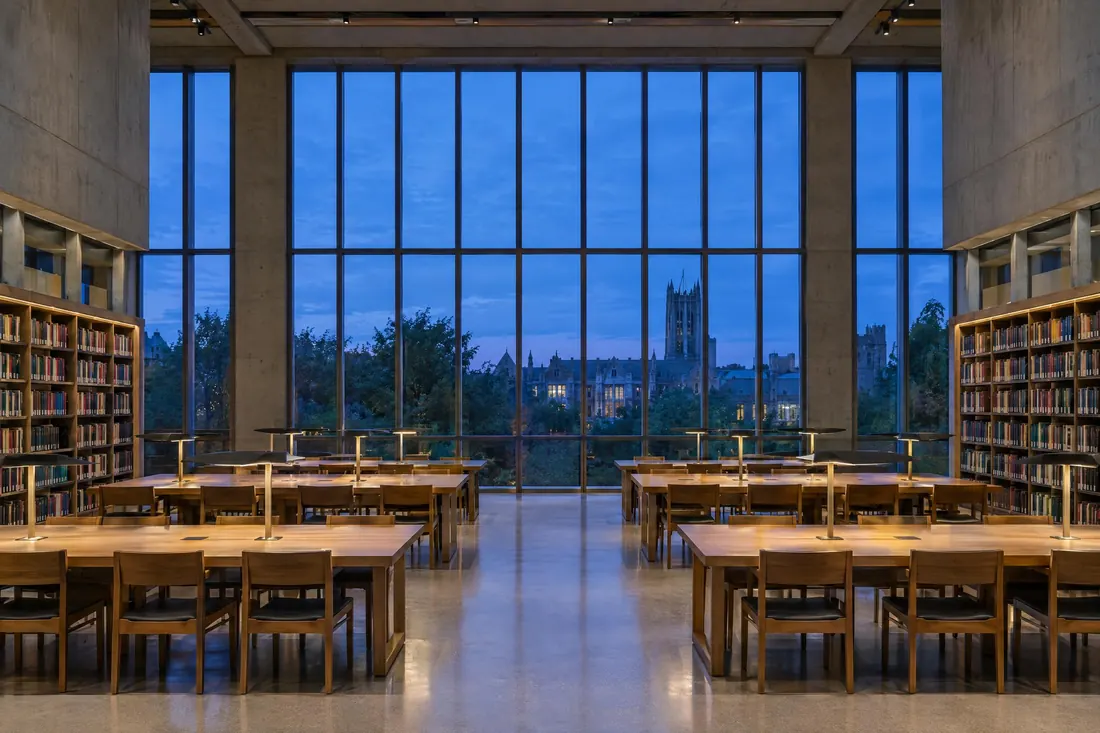
One light, one table, and every object placed by hand.
Opens an image model with the prompt in it. The price is on the page before you sign in.
What it is for
Still life is the one genre where every fact in the picture is a decision. Nothing moves, nothing arrives by chance, and the light comes from where the photographer put it. That is why it is the oldest photographic subject: an exposure of ten minutes needs a subject which holds still.
The single light does the describing. One source from the side gives every object a lit face, a turning edge and a cast shadow, and those three things are what tell the eye the shape of a thing. Light from the front removes all three.
How it works
Build the ground first. A plain painted backdrop, a sheet of slate, a linen cloth, a sweep of paper. Say what it is and say what colour it is.
Use one soft light and say where it stands: from the left, at 45 degrees, a little above the table. Put a black card on the far side to keep the shadow side dark, or a white card to open it a little.
Place every object on purpose. Say how many there are, what touches what, and where each one sits. Then close to f/16 so the near edge and the far edge are both sharp.
When to use it
Use it for objects with shape worth describing: glass, tools, fruit, bones, ceramics, instruments, a collection laid out.
Leave it alone when the object has to sell. A catalogue wants On white or Hero three-quarter, which are cleaner and answer to a different brief.
Told apart from its neighbours
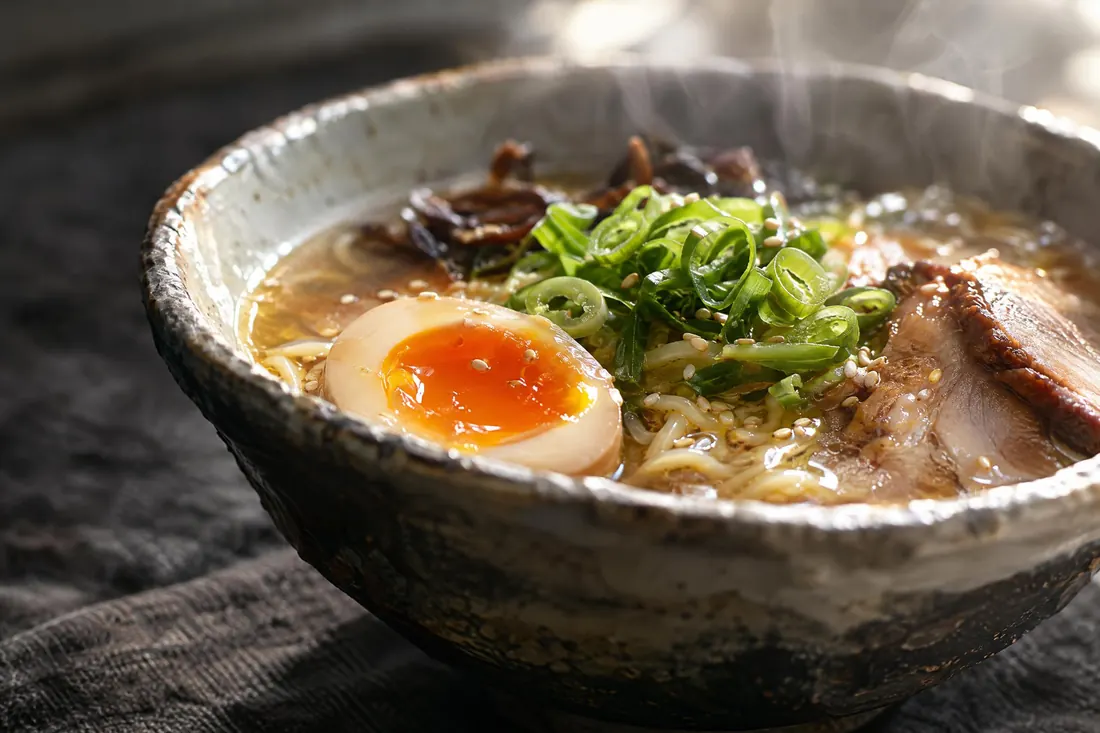
Food photography is a still life with a clock on it. It uses back light for steam and gloss, and it works at f/2.8 with only the front edge sharp. Still life works at f/16 and holds everything.
Cinema publishes Product, and this catalogue carries a commercial set with On white, Flat lay and Hero three-quarter in it. Those sell a thing. A still life arranges things for their own sake.
Macro photography goes closer than this and gives up the arrangement. A still life describes a group of objects, and macro describes one surface.
Where it is used
The grammar predates photography. Dutch painters of the seventeenth century fixed it: one window light from the left, a dark ground, and objects placed to lead the eye from the near edge into the group. The first photographic still lifes of the 1830s and 1840s copied it, because exposures ran for minutes and only a table would hold still that long. Auction catalogues still light silver and glass the same way.
- Dutch seventeenth century painting
- auction catalogues
- record sleeve object shots
The prompt
Replace the blanks with your own subject, keep the rest. Then run it on an image model.
<objects>, still life photography, one soft light from the left at 45 degrees with a black card opposite, a plain painted backdrop, everything arranged on a table by hand, f/16 for front to back sharpness, a long exposure on a tripod
What goes wrong
The picture comes back evenly lit from the front, and every object looks flat. Say one light, say it comes from one side at 45 degrees, and say the far side stays dark.
The objects drift into a room, with furniture and a window behind. Say a plain backdrop, name it, and say the table fills the frame.
Leave out
a second uncontrolled light, a real room behind, motion, a snapshot angle
Watch for
One light source, and say where it stands. Two soft lights from both sides flatten the objects and remove the form the genre lives on.
Questions
Shoot it
Pay for the one run. No subscription, and the price is on the model page before you sign in.
Next to it in places and things