Flat lay
- knolling
- top-down
- overhead arrangement
Camera straight down on objects laid out on a flat surface, with the shadows killed.
Opens an image model with the prompt in it. The price is on the page before you sign in.
What it is for
Straight down is the one angle with no perspective in it. Every object keeps its true outline, nothing hides behind anything else, and the arrangement itself becomes the composition.
It is also the easiest shot to build and rebuild. The objects sit on a table, so you can move one at a time and watch the frame change, which is why it took over social feeds and recipe pages.
How it works
Put the camera straight down and square to the surface. Any tilt at all shows as leaning edges, and the flat lay stops reading as flat.
Make the light broad and soft. A large diffusion panel above the table and white bounce on all four sides cancels the shadow the overhead camera would otherwise cast down the middle.
Choose the ground first, because it fills every gap: pale plaster, oak, linen, painted board. It is the background and the surface at once, and it sets the whole colour of the frame.
Keep an even gap around every object so each outer edge stays a clean line against the ground. Overlap kills the shot, because a flat lay has no depth to read the overlap with.
When to use it
Use it for a set of small objects of similar height: tools, stationery, ingredients, packaging, a kit list.
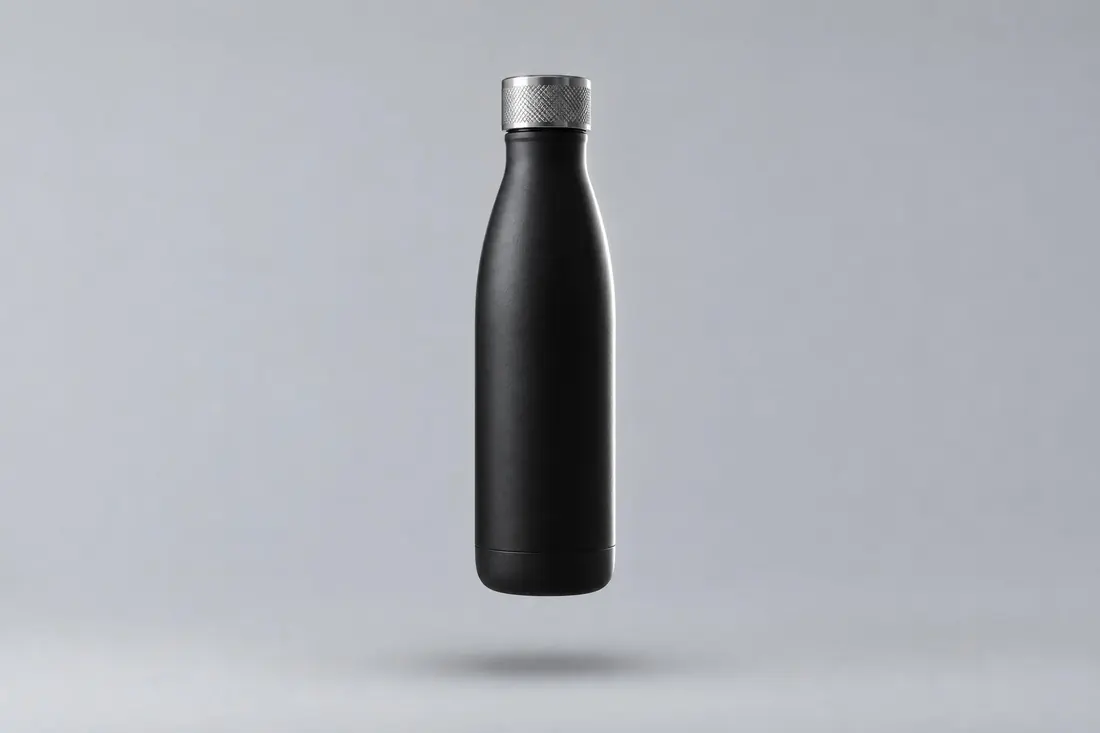
Leave it alone for one tall object. Straight down turns a bottle into a circle, and no light will save it.
Told apart from its neighbours
Knolling is the strict variant. Everything squares to a grid and to everything else, gaps are equal, and items group by type and size. Ask for knolling when you want order, and flat lay when you want arrangement.
Cinema publishes Overhead and Birds Eye. Those are camera positions over a scene with people in it, and the height is the point. A flat lay is a table top that fills the frame, so there is no scene and no height to read.
Where it is used
Knolling is named after Knoll furniture. Andrew Kromelow, a janitor at Frank Gehry's shop in the 1980s, squared up the loose tools at right angles at the end of each day and called it knolling after the Knoll furniture the shop was building. Tom Sachs made it a studio rule and published it as Always Be Knolling in his 2009 studio film, and the word reached photographers from there. The recipe spread and the kit-list page have used the plain flat lay for far longer.
- magazine what is in my bag pages
- recipe ingredient spreads
- tool board photographs
The prompt
Replace the blanks with your own subject, keep the rest. Then run it on an image model.
<objects> laid out on a pale plaster surface, camera straight down and square to the surface, flat lay, broad soft light from a large overhead diffusion panel with white bounce on all four sides, almost no shadow under any object, an even gap between every object, the edges of the objects parallel to the frame, nothing cropped at the border
What goes wrong
A dark patch sits in the middle of the frame. That is the camera casting its own shadow. Say broad soft light from a large overhead panel with bounce on all four sides.
The objects lean and the edges converge. The camera is not square to the surface. Say camera straight down and square, and say the edges of the objects run parallel to the frame.
Leave out
hard directional shadow, perspective, a tilted camera, overlapping objects, the shadow of the camera or the photographer
Watch for
The camera is the shadow problem. It sits between the light and the table, so light through a broad panel with bounce on all four sides, or the lens prints its own dark patch in the middle.
Questions
Shoot it
Pay for the one run. No subscription, and the price is on the model page before you sign in.