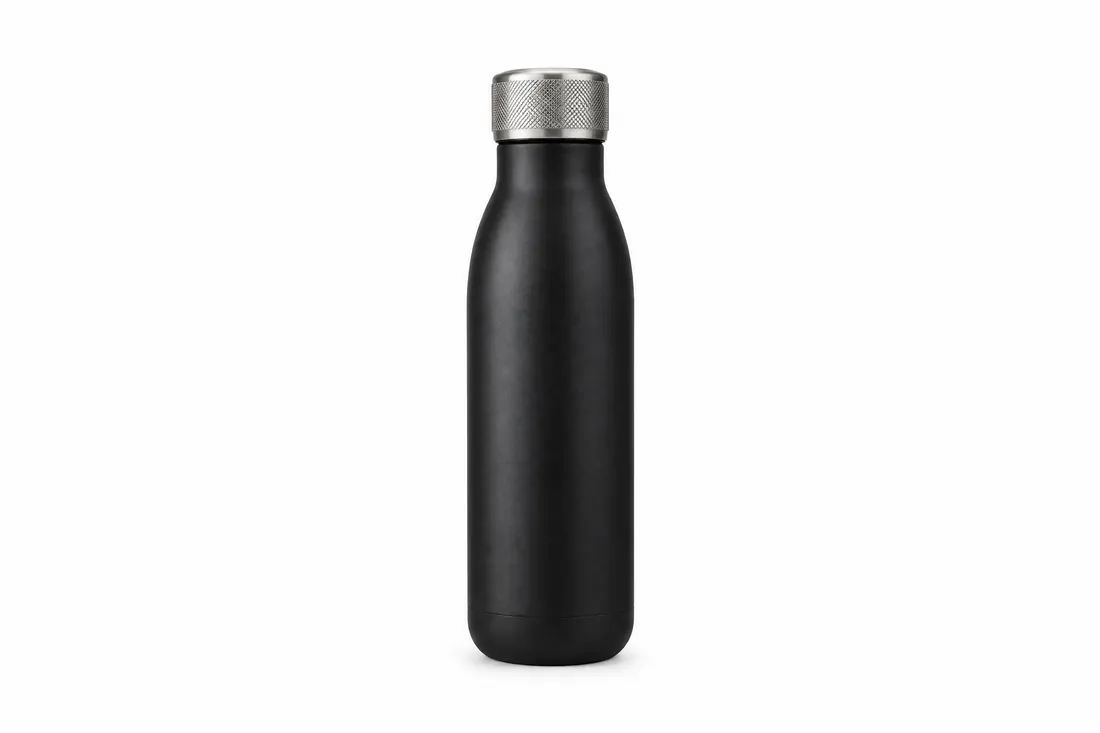
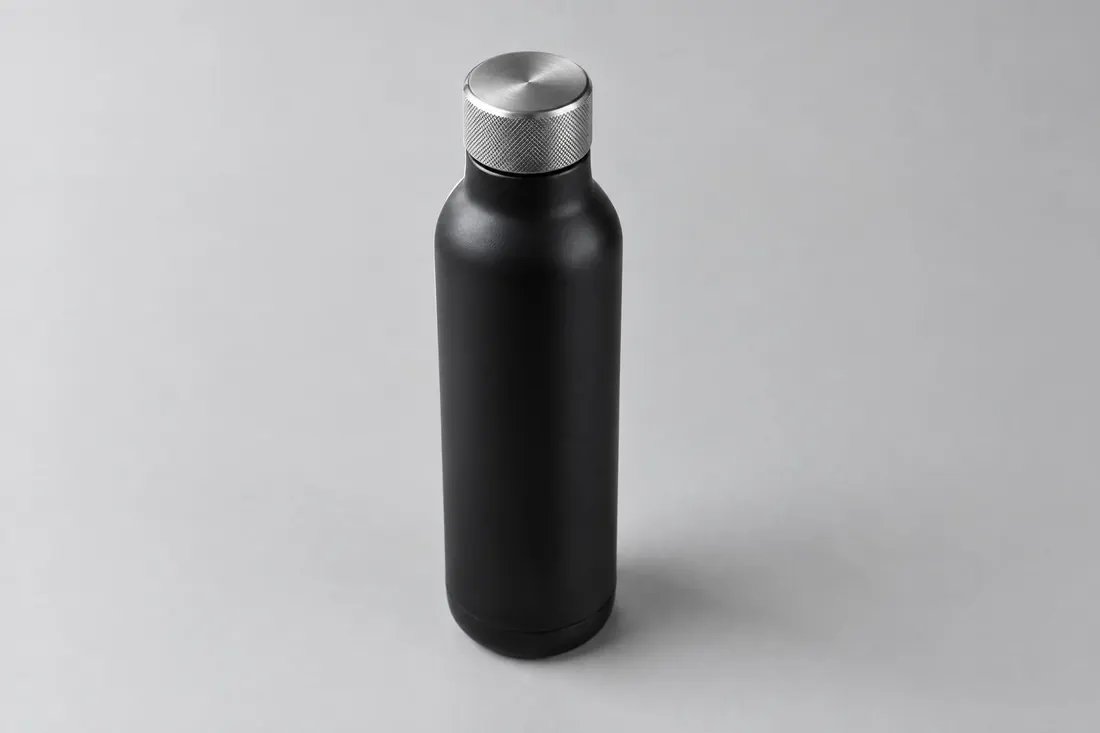
Range shot
- line-up
- family shot
- collection shot
The whole product line in one frame under one identical light.
Opens an image model with the prompt in it. The price is on the page before you sign in.
What it is for
A range shot answers one question: which one do I buy. It works only if every item in the frame is treated the same, so the differences the viewer sees are real differences in the products.
It is also the cheapest advertisement a line ever gets. One frame says the range is broad, that the items belong together, and that the maker thought about them as a set.
How it works
Set one light and do not touch it. A large overhead softbox with a white fill card in front covers a line of items evenly. If the line is long, shoot each item on the same mark and build the row afterwards.
Hold the camera square to the line, at the height of the middle of the tallest item. A square camera keeps every label readable and stops the far items leaning.
Give every item the same ground and the same shadow. Same length, same softness, same direction, one gap between each pair. Stagger by size, tallest at one end, so the top line steps down cleanly.
Watch the edges where two items nearly touch. Keep a clear gap of background between them, and keep the near vertical edge of each item lit the same way, or one will look dented.
When to use it
Use it on a range page, in a press kit, on packaging that shows the other flavours, and at the point where a shopper is choosing between sizes.
Leave it alone when one product is the story. A line-up spreads attention evenly by design, which is the opposite of what a launch image needs.
Told apart from its neighbours
On white shoots one product for a grid. A range shot puts the grid inside the frame, so the consistency has to be built by the photographer rather than by the page layout.
An exploded view separates the parts of one product. A range shot separates whole products, and the order is by size or by the sequence of the line, not by assembly.
Where it is used
Paint makers have printed range shots since the first colour cards: Farrow and Ball and Dulux both publish the full palette in one sheet, under one flat light, because a shopper compares chips rather than reads names. Apple has closed its phone announcements on a line of colours in one frame since the iPhone 5c in 2013. Cosmetics shade ranges work the same way, and they are where the fault shows fastest, because one swatch lit warmer than the others sells the wrong shade.
- paint colour cards
- phone colour line-ups
- cosmetics shade ranges
The prompt
Replace the blanks with your own subject, keep the rest. Then run it on an image model.
the full range of <product line>, five items in one frame, identical light on every item, one large overhead softbox and one white fill card, camera square to the line at the height of the middle of the tallest item, items staggered by size from tallest at the left to shortest at the right, all standing on the same pale grey ground, every shadow the same length and falling the same way, even gaps between the items, no item overlapping another
What goes wrong
The items come back at different sizes or in different light. Say identical light on every item, one camera position, and the same ground under all of them.
The shadows point different ways. Say every shadow is the same length and falls the same way, and name one light source only.
Leave out
different light on one item, mixed shadow directions, mixed scale, an item larger than life, overlapping edges, a changed background between items
Watch for
Comparison is the job. Any difference between the items that is not the product itself reads as a fault in the product.
Questions
Shoot it
Pay for the one run. No subscription, and the price is on the model page before you sign in.