
Shot types
The ways to frame a shot, and the wording that gets each one.
A shot type is how much of the subject the frame holds. Name it in the prompt and the model frames it. Leave it out and the model picks, and it picks a medium shot almost every time.
The shot sizes
10How much of the subject the frame holds, widest first. This is the ladder every shot list is written on.
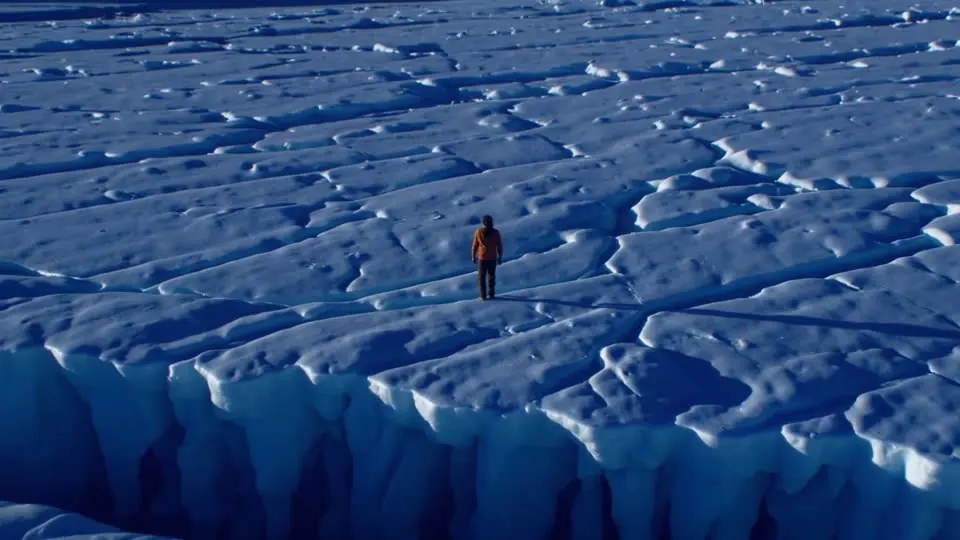
Extreme Long ShotELS
The subject is a speck and the landscape runs the frame.
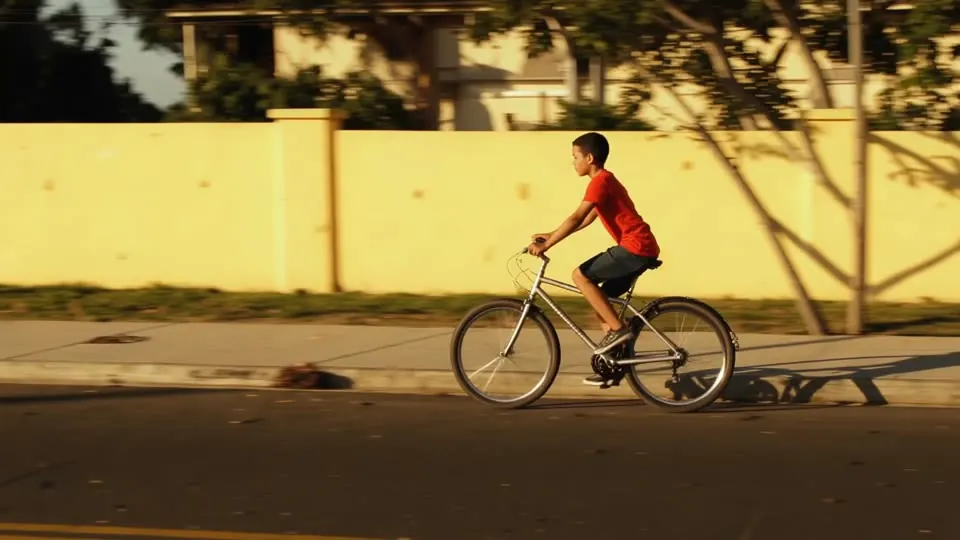
Long ShotWS
The full figure reads, and the setting reads around it.
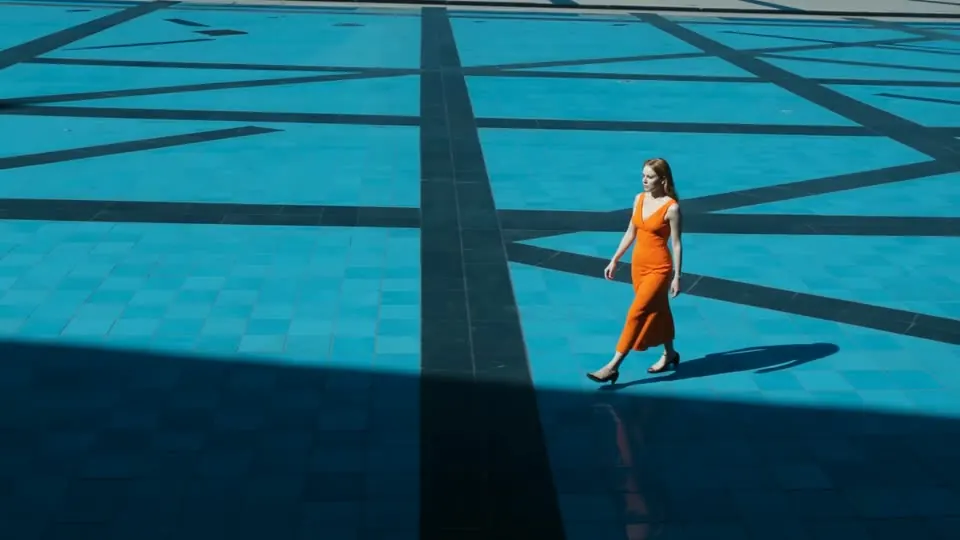
Wide ShotWS
The frame takes in the space around the subject.
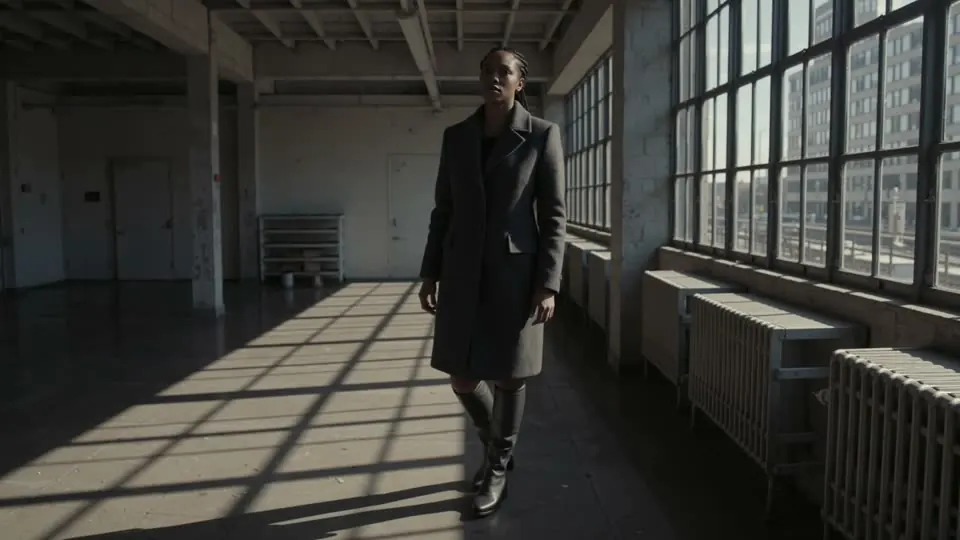
Full BodyWS
The whole body sits in frame, head to feet, with room around it.
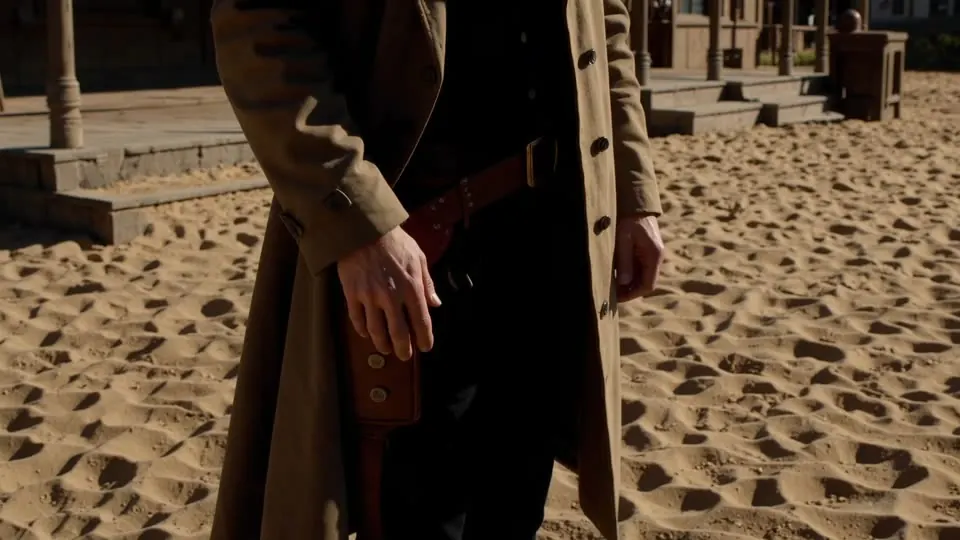
Cowboy Shot
The frame cuts at mid-thigh, so a holster or the hands stay in view.
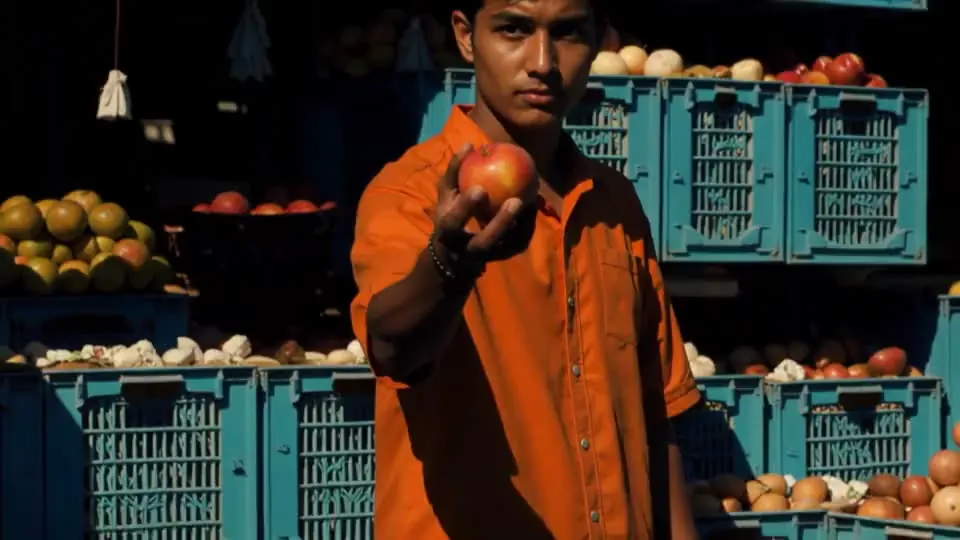
Medium ShotMS
The frame runs from the waist up.
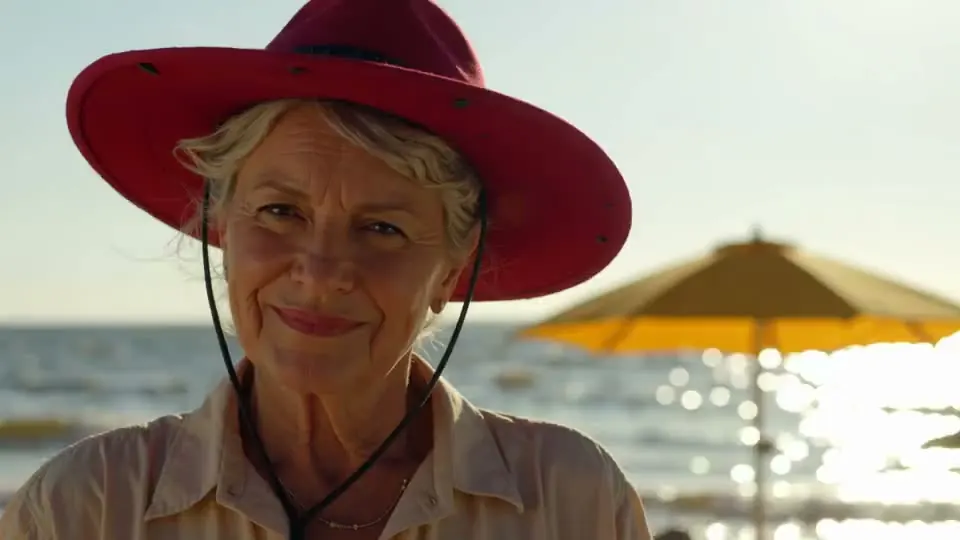
Medium Close-UpMCU
The frame runs from the chest to the top of the head.
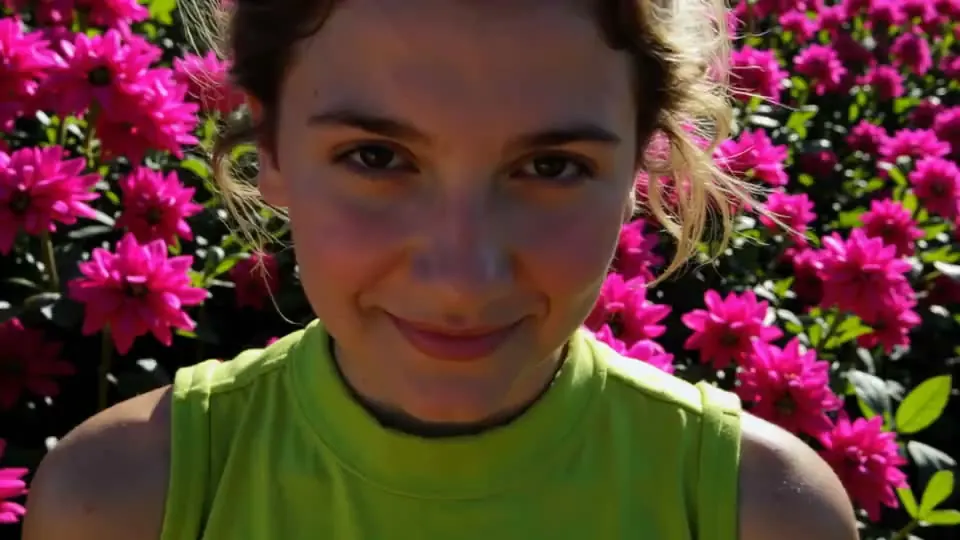
Close-UpCU
The head and a little shoulder fill the frame.
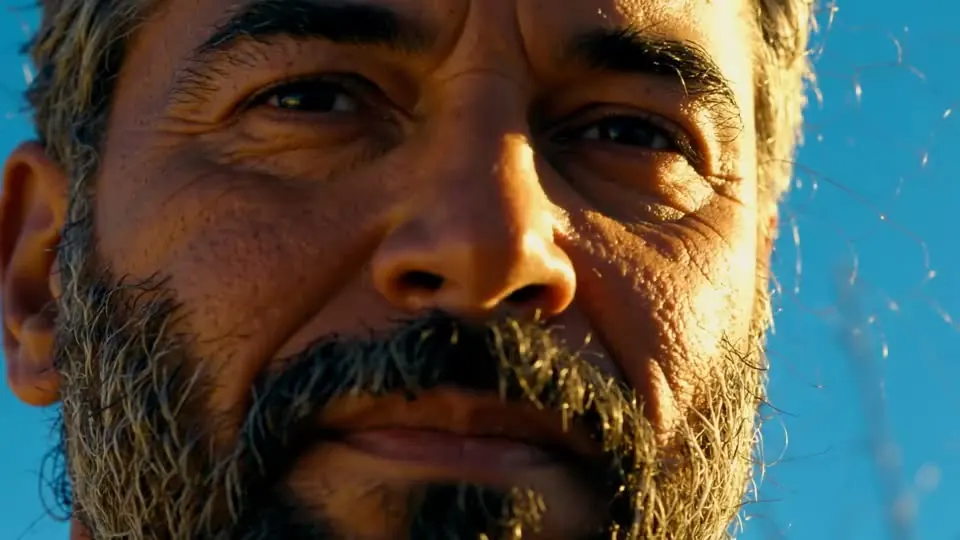
Choker ShotBCU
The frame cuts above the eyebrows and below the chin, tighter than a close-up.
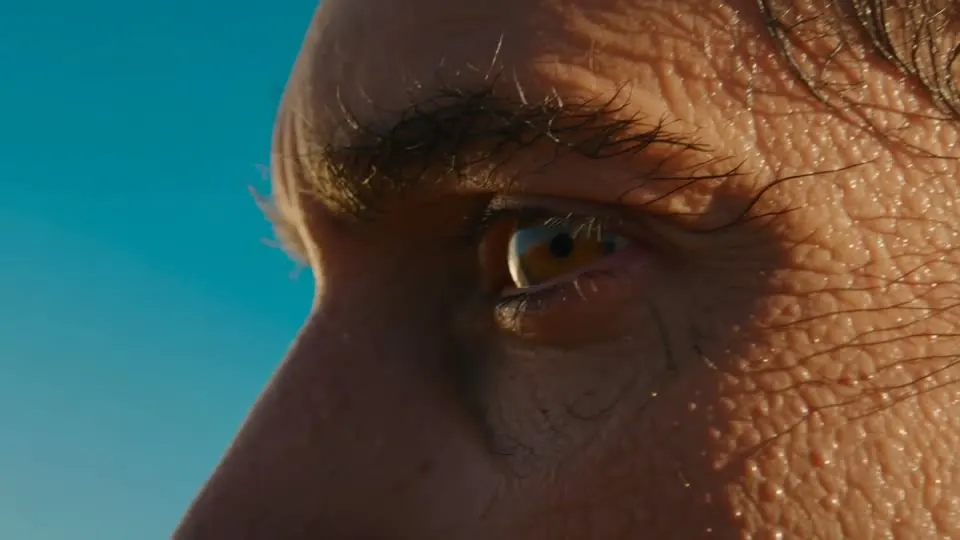
Extreme Close-UpECU
A single feature fills the frame.
Who is in the frame
7The same scene, cut a different way. These say how many people the frame holds and whose side the camera is on.
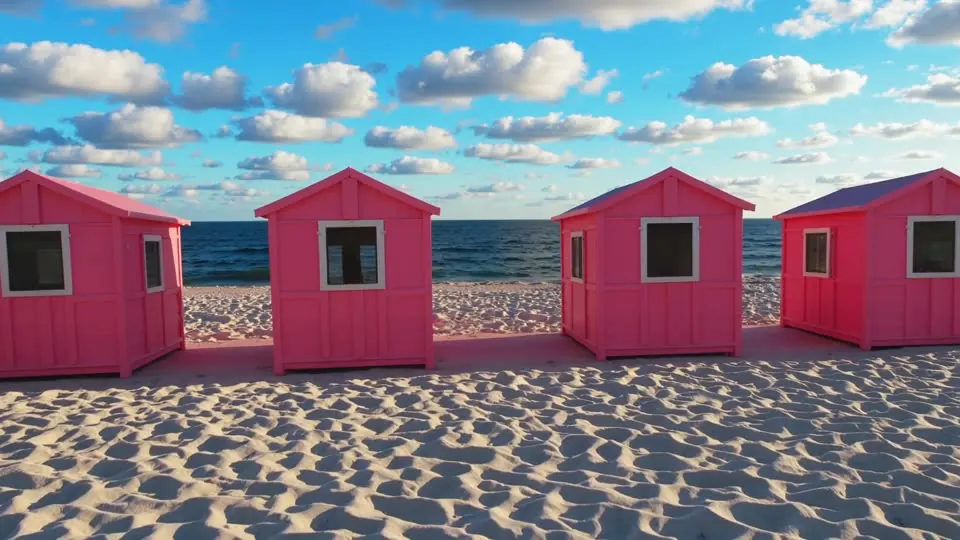
Establishing Shot
A wide frame that says where the scene happens before anyone speaks.
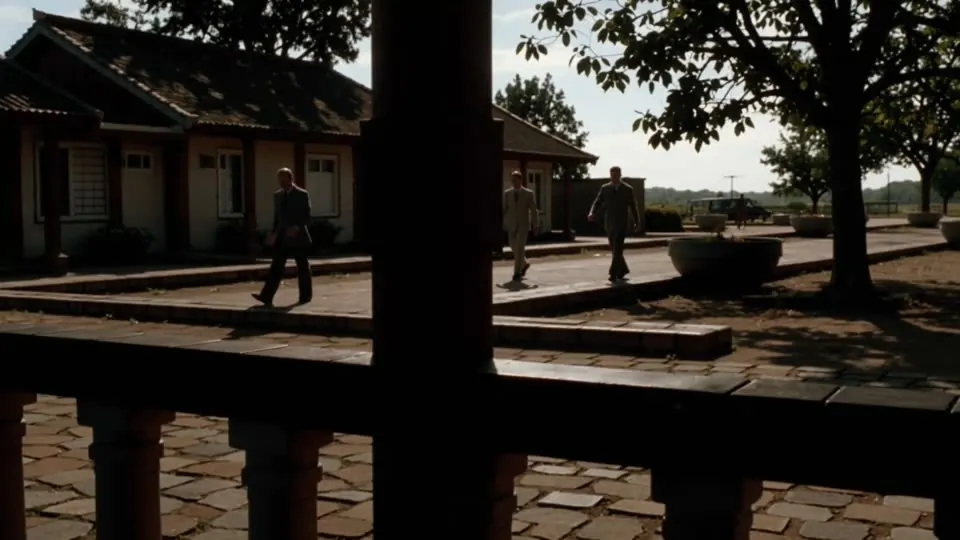
Master Shot
One wide frame covers the entire scene from start to finish.
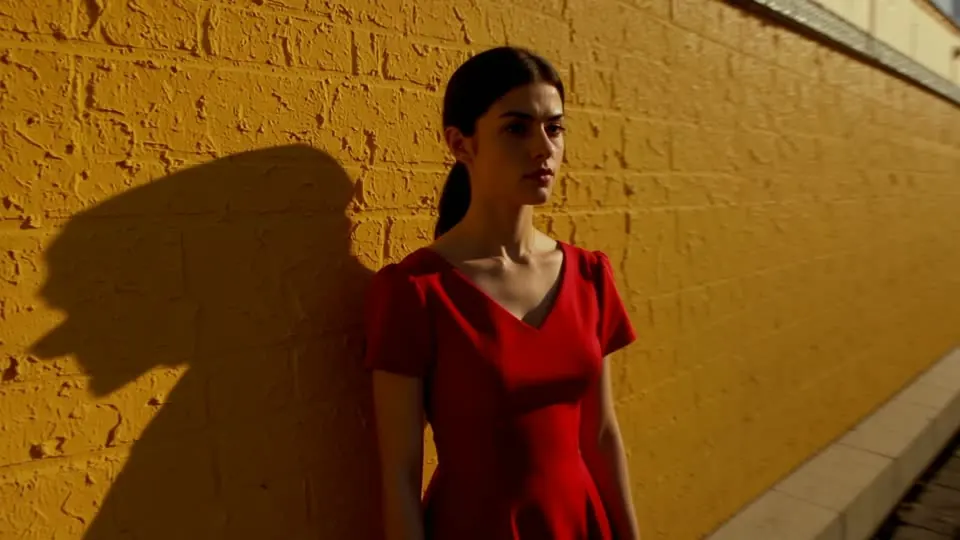
Single
One person alone in the frame with nobody else in shot.
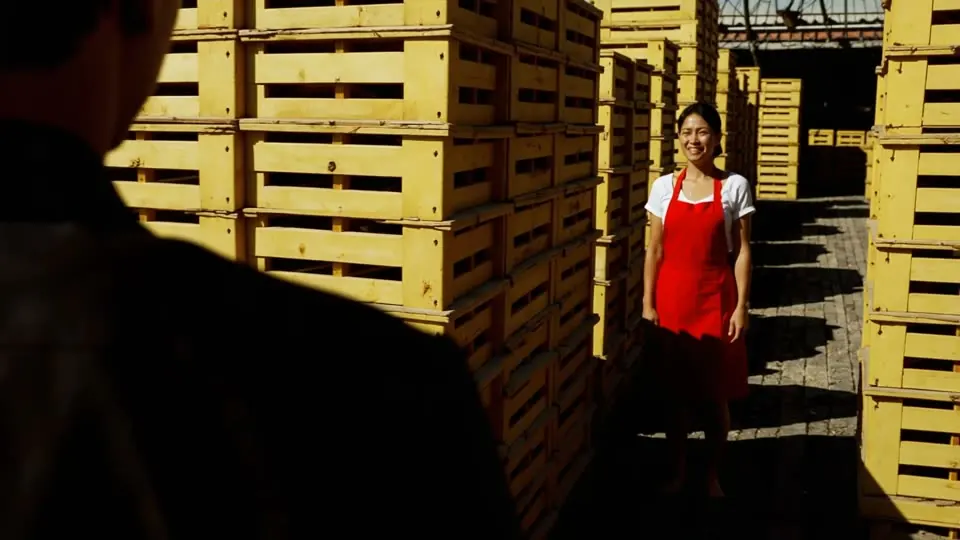
Over-the-Shoulder CoverageOTS
The camera looks past one person's shoulder at another.
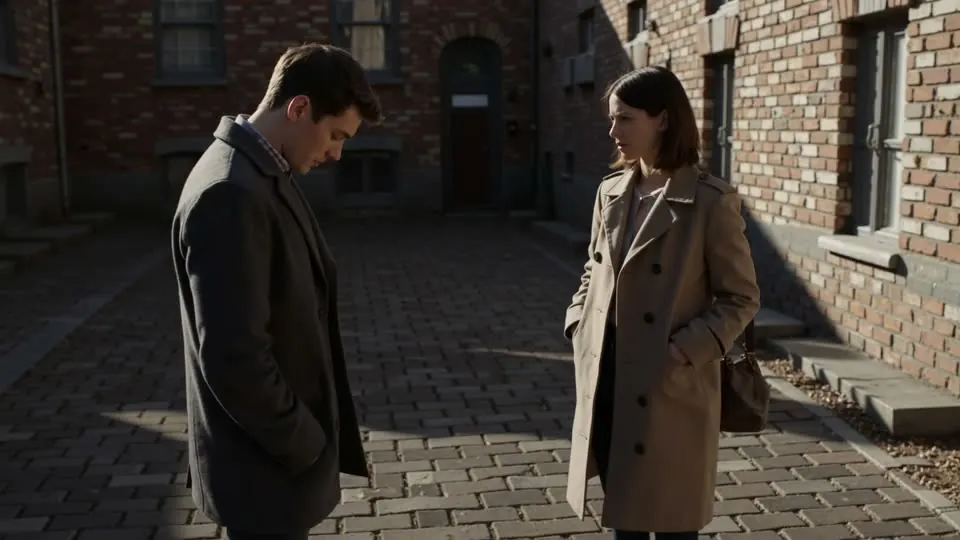
Two-Shot
Two people share one frame, and the gap between them is the content.
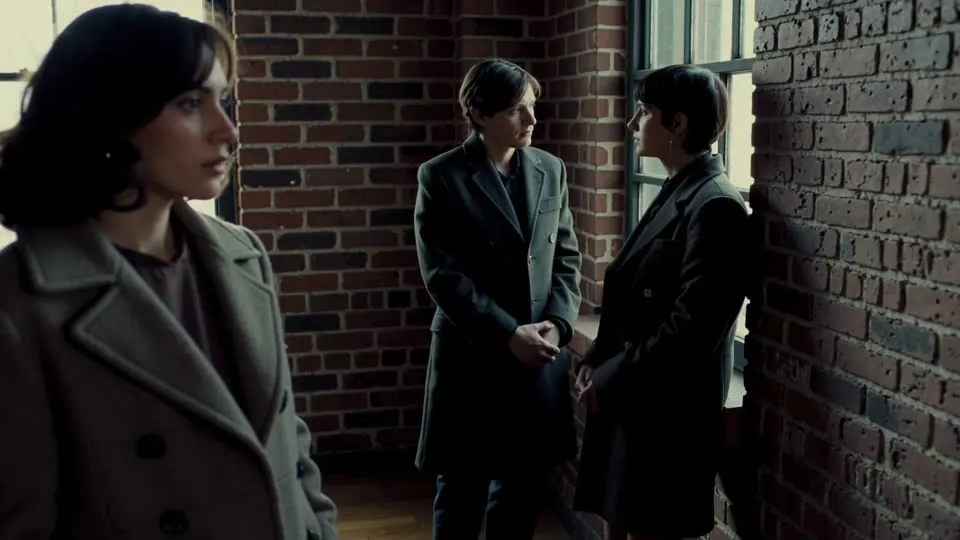
Three-Shot
Three people share the frame and the arrangement carries the relationship.
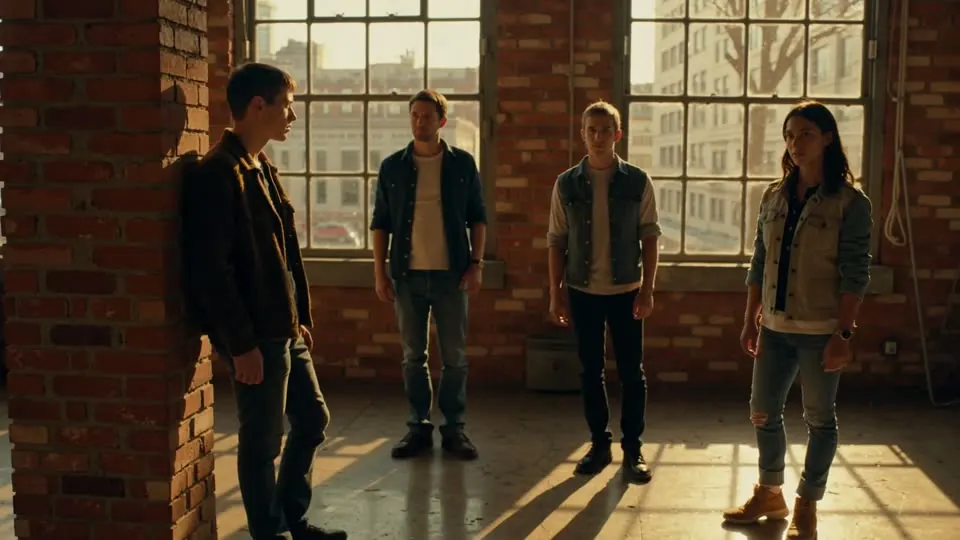
Group Shot
Four or more people share the frame as one unit.
Shots that cut away
5Short frames that carry a beat the wide shot cannot. Each one is a separate run, then a cut.
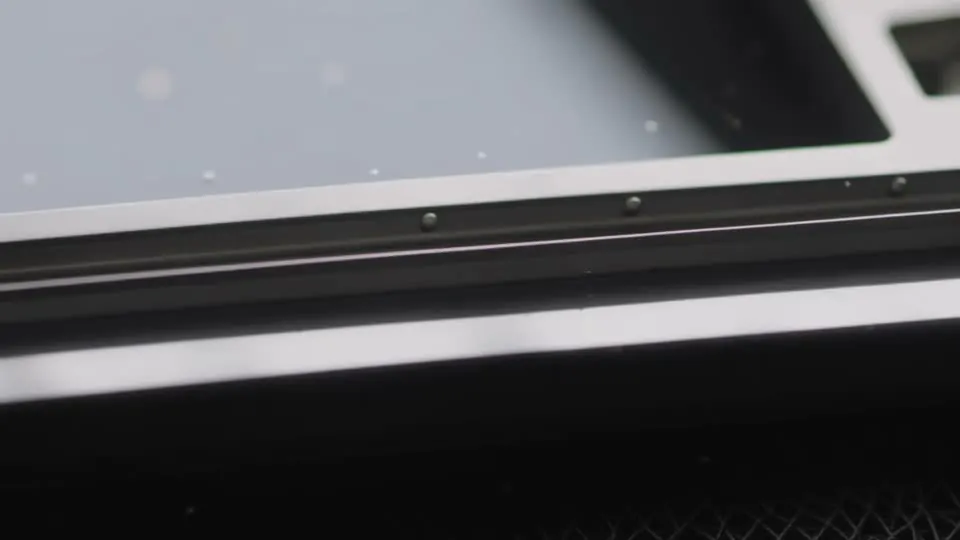
Insert Shot
A detail shot dropped in to hand the audience one piece of information.
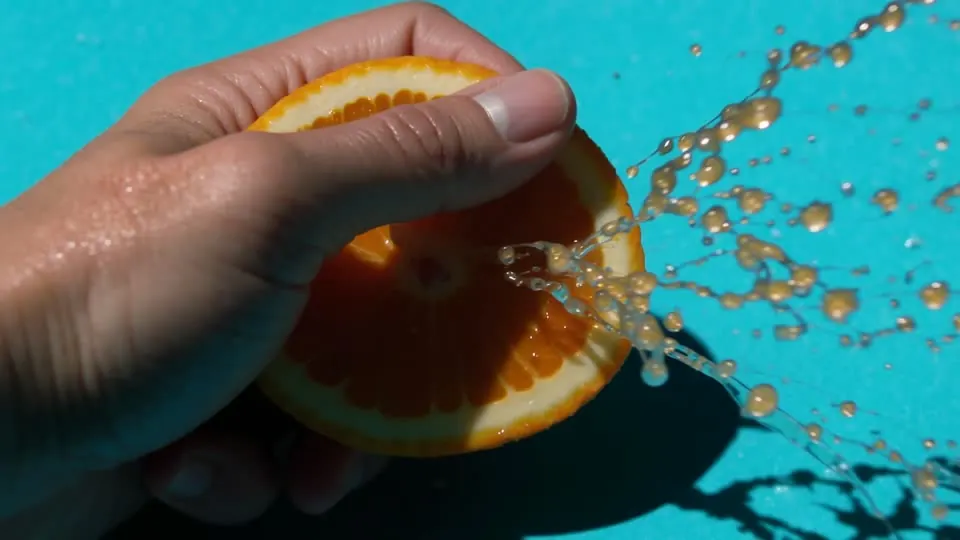
Cut-ins
A tight shot of a detail that belongs to the action you just saw.
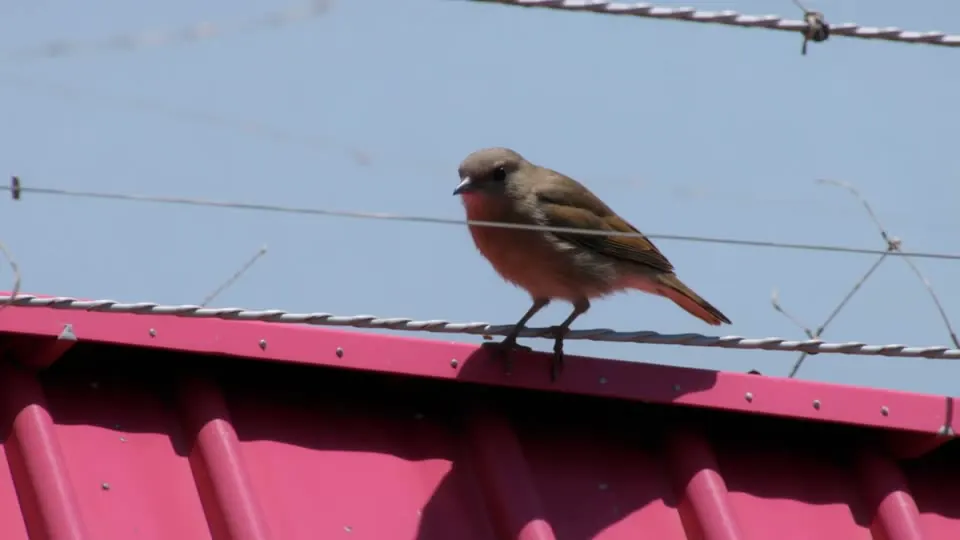
Cutaway
A shot of something outside the main action, used to break away from it.
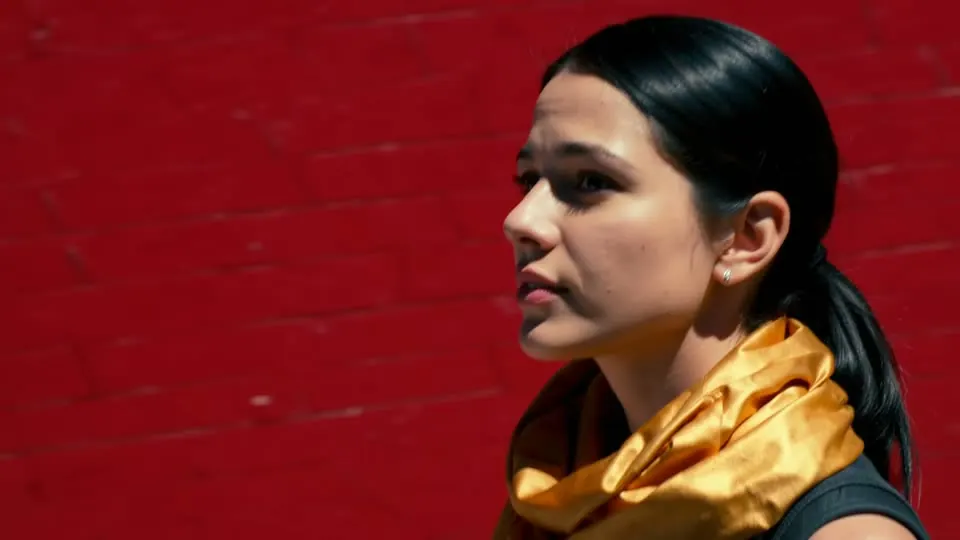
Reaction Shot
A face responding to something that happened off screen.
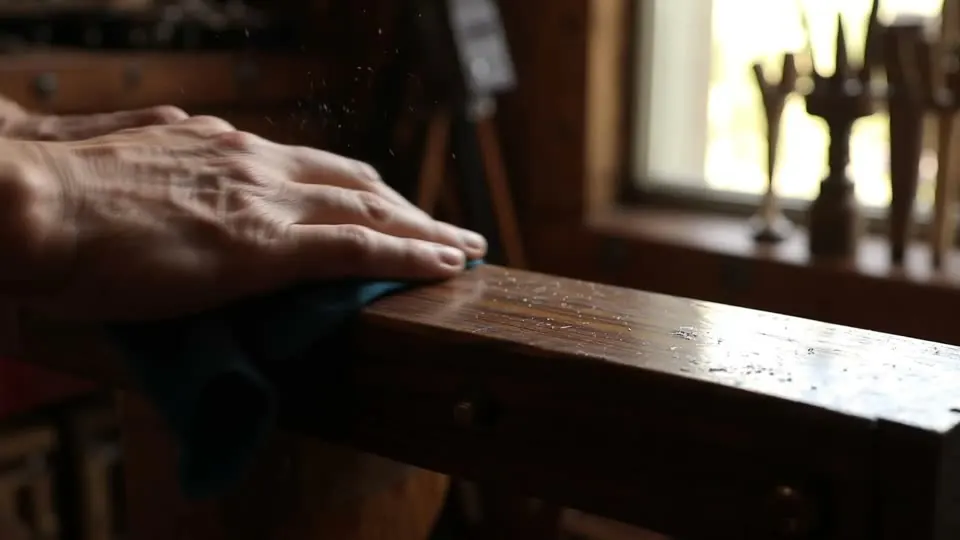
Gesture
The frame follows a hand or a body movement rather than a face.
Shots named after the job
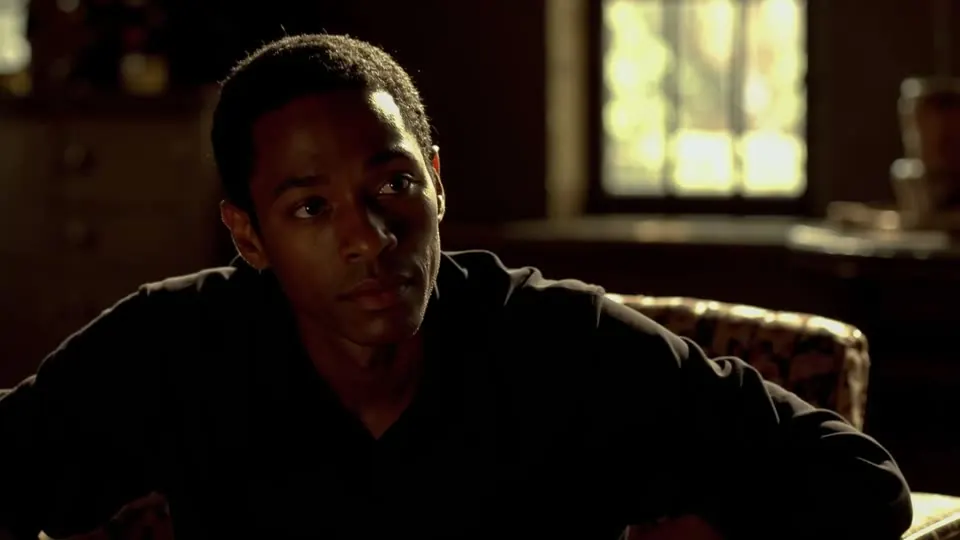
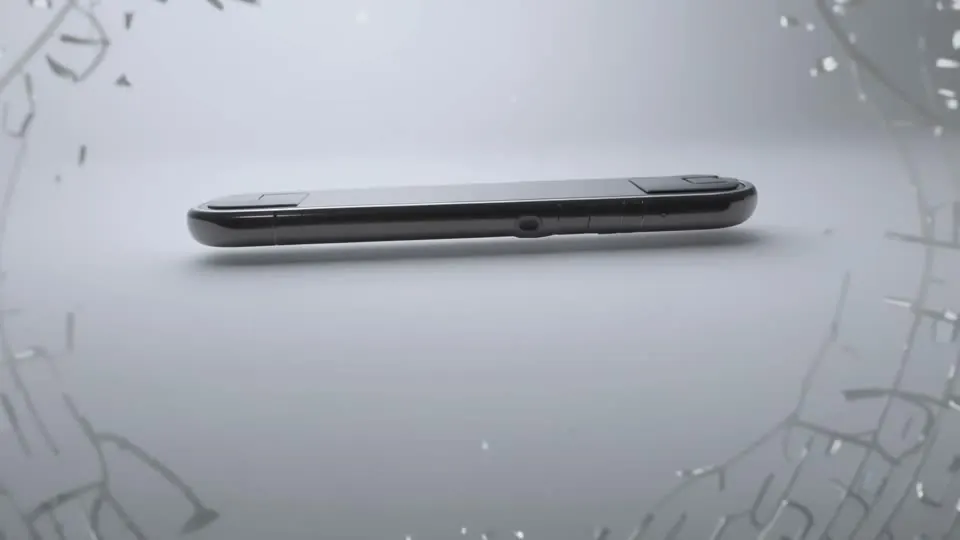
3Three framings named for what they are for rather than for how tight they are.
Run one of them
Copy a prompt into a video model and pay for that one run. No subscription.
Open a video modelOther techniques
Camera anglesWhere to put the camera, and the wording that gets each angle.19 camera anglesCamera movementThe ways to move the camera, and the wording that gets each one.86 camera movesCompositionThe ways to arrange a frame, and the wording that gets each one.32 composition rulesLightingThe lighting setups, and the wording that gets each one.41 lighting setupsLenses and opticsThe lenses, and the wording that gets the look of each one.17 lensesAperture and f-stopsThe f-stops, and what each one does to the background.7 aperturesFormat and bodyThe formats and cameras, and the wording that gets each one.13 formats and camerasColour and film lookThe colour looks, and the wording that gets each one.19 colour looksTime and motionThe ways to bend time in a shot, and the wording for each one.21 time effectsCuts and transitionsThe ways to get from one shot to the next.23 transitionsIn-camera and optical effectsThe effects a camera can make on its own, and how to ask for them.57 effectsAtmosphere and weatherThe ways to fill the air, and the wording that gets each one.13 atmosphere effectsGenre looksThe genres, and the wording that gets the look of each one.27 genre looksViral looksThe looks that travel on short-form video, and how to ask for them.44 viral looks
Print stylesMaking a poster rather than a shot? The same reference, for ink on paper.