
Atmosphere and weather
The ways to fill the air, and the wording that gets each one.
Air is invisible until something is in it. Put fog, smoke, rain or dust between the camera and the subject and the shot gains depth, because you can suddenly see how far away things are.
Water in the air
5Rain, fog, mist, haze and snow. Each one cuts the distance by a different amount, and that is the whole difference between them.
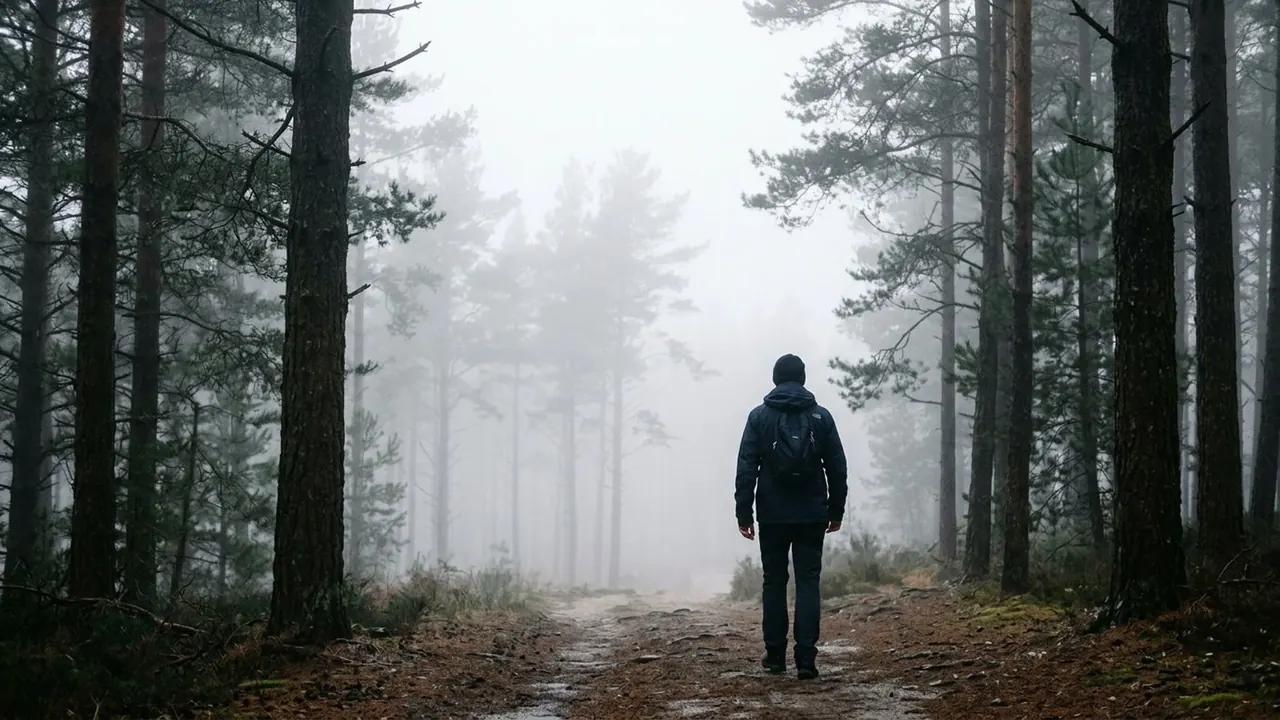
Fog
Thick fog cuts the distance and flattens everything behind the subject.
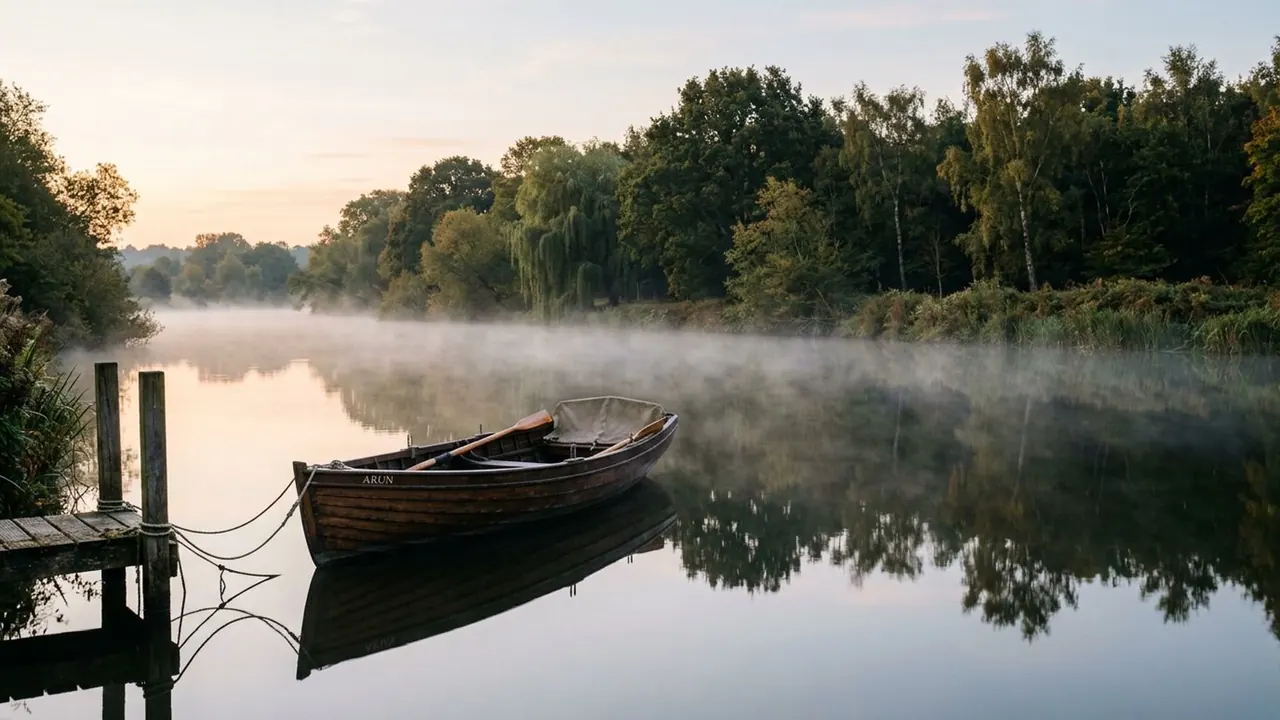
Mist
A light moisture in the air sits low and drifts slowly.
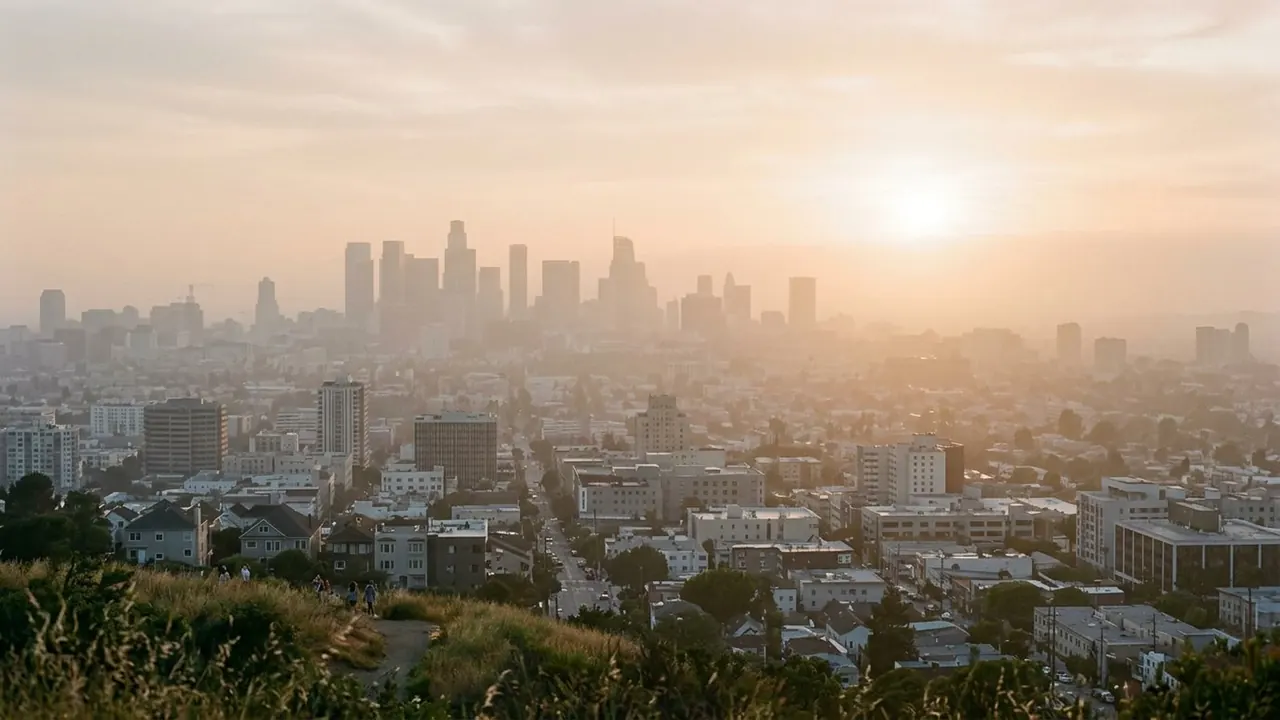
Atmospheric Haze
A thin veil in the air softens the far planes and lifts the shadows.
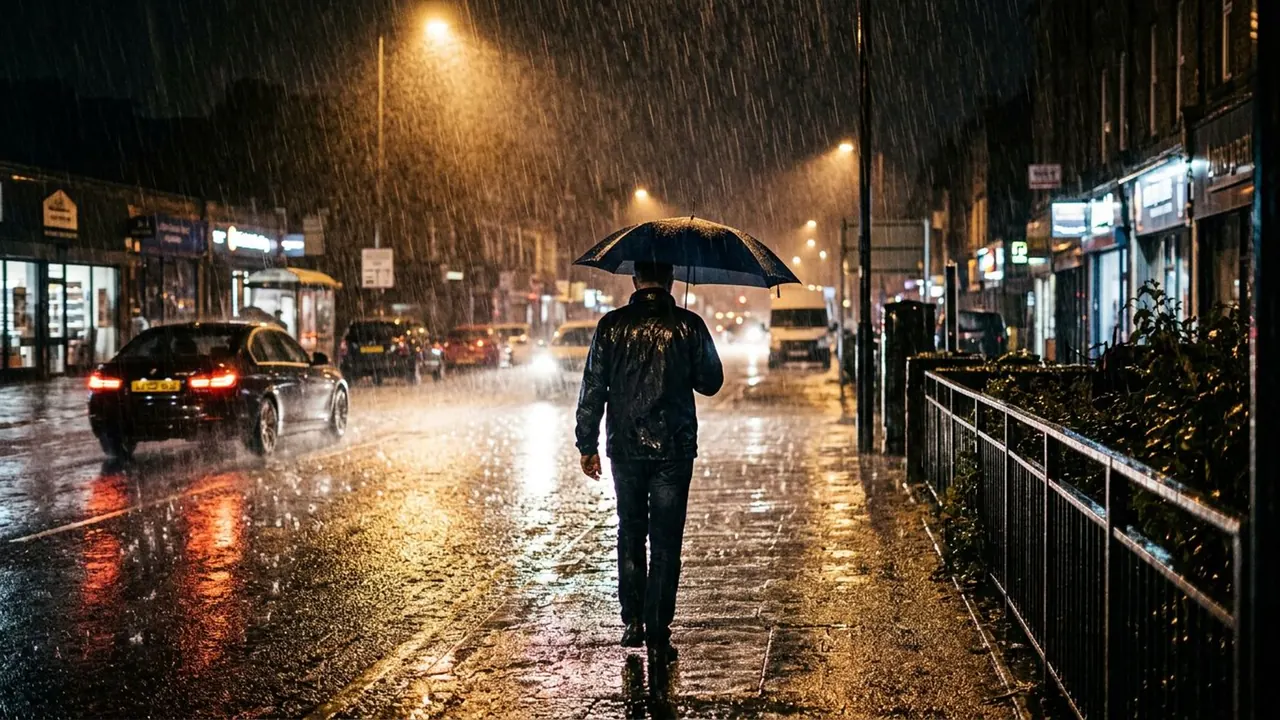
Rain
Falling water streaks the air and puts light on every surface.
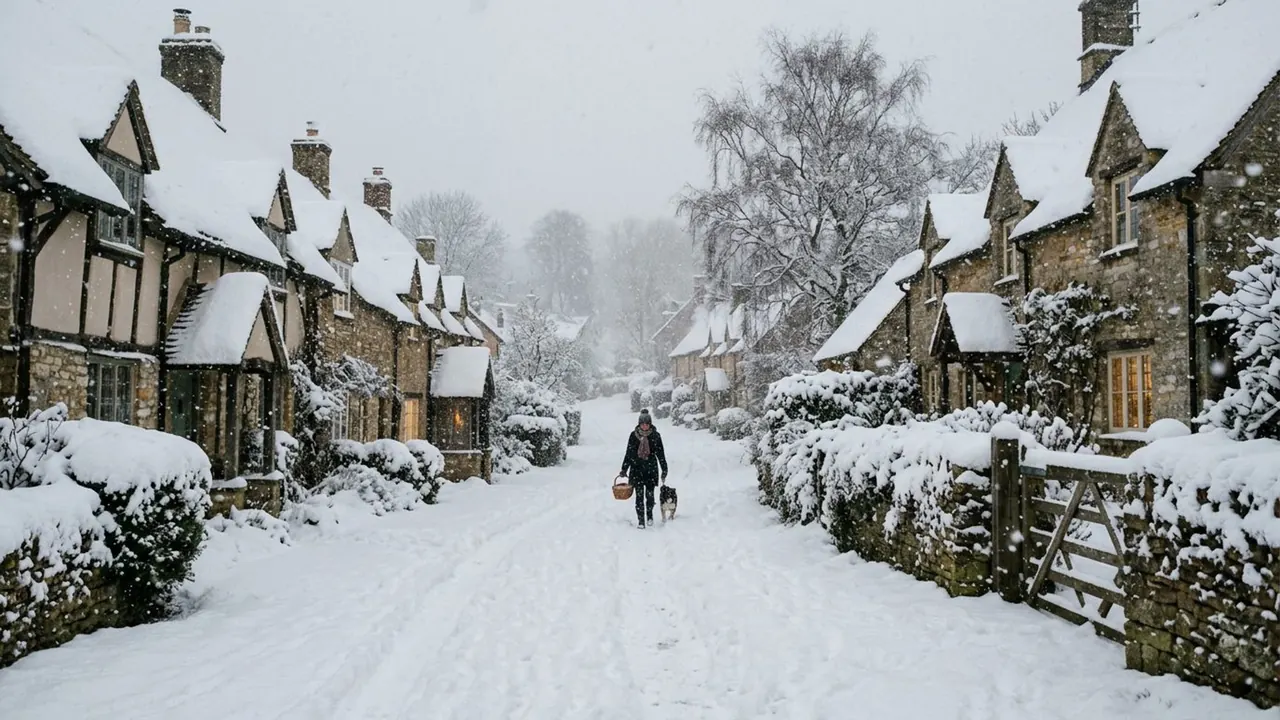
Snow
Falling snow fills the air and softens every sound and edge.
Fire, smoke and dust
5Particles that catch the light and give a beam a body.
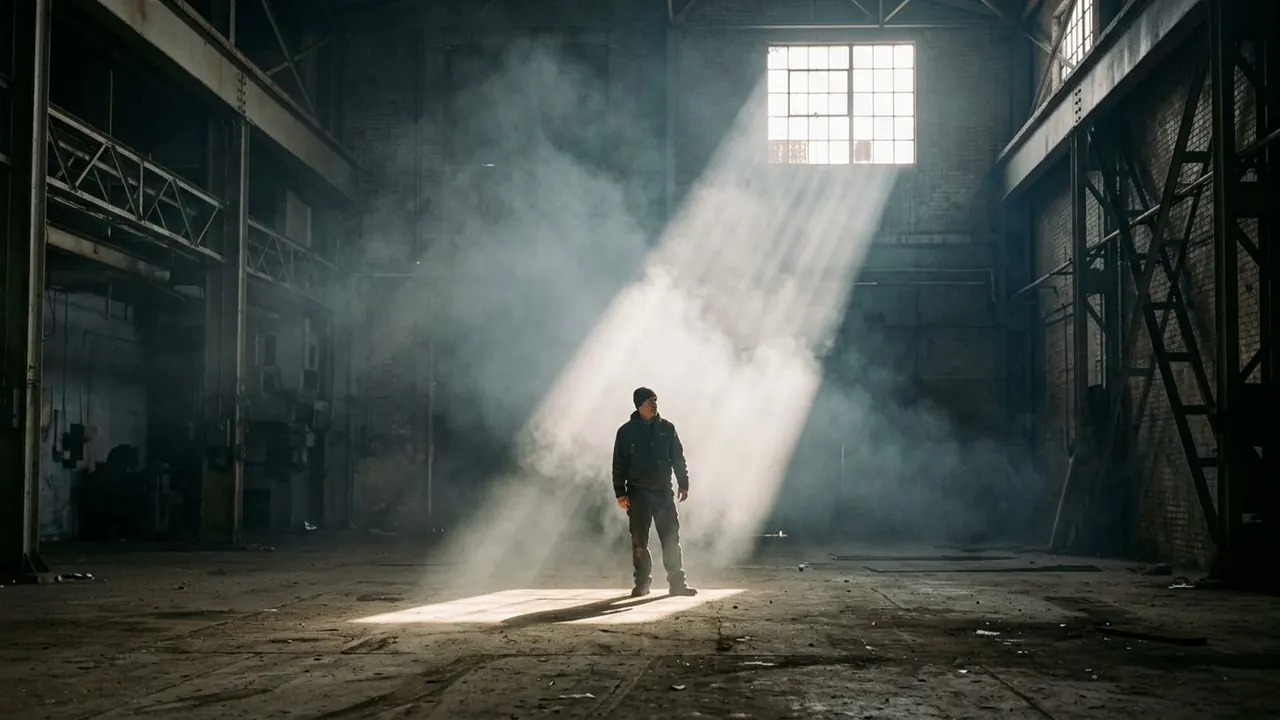
Smoke
Smoke rolls through the air and gives the light a body.
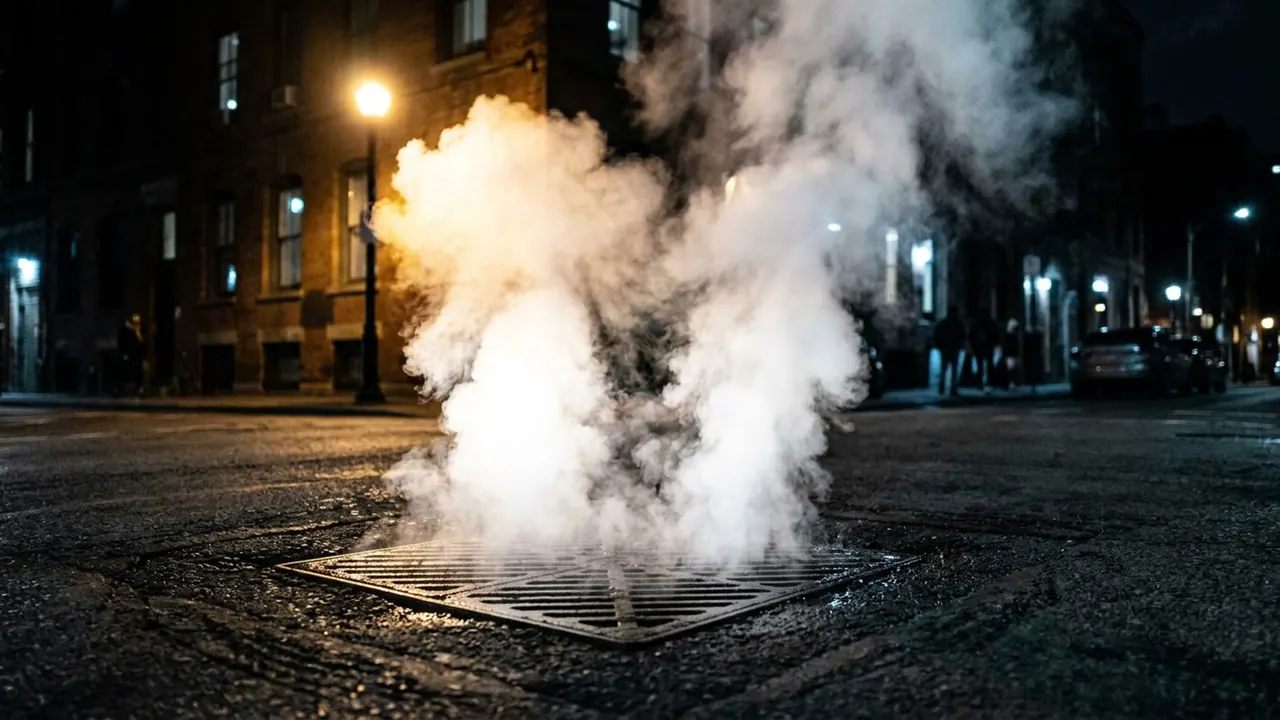
Steam
Hot vapour rises in columns and catches whatever light is near.
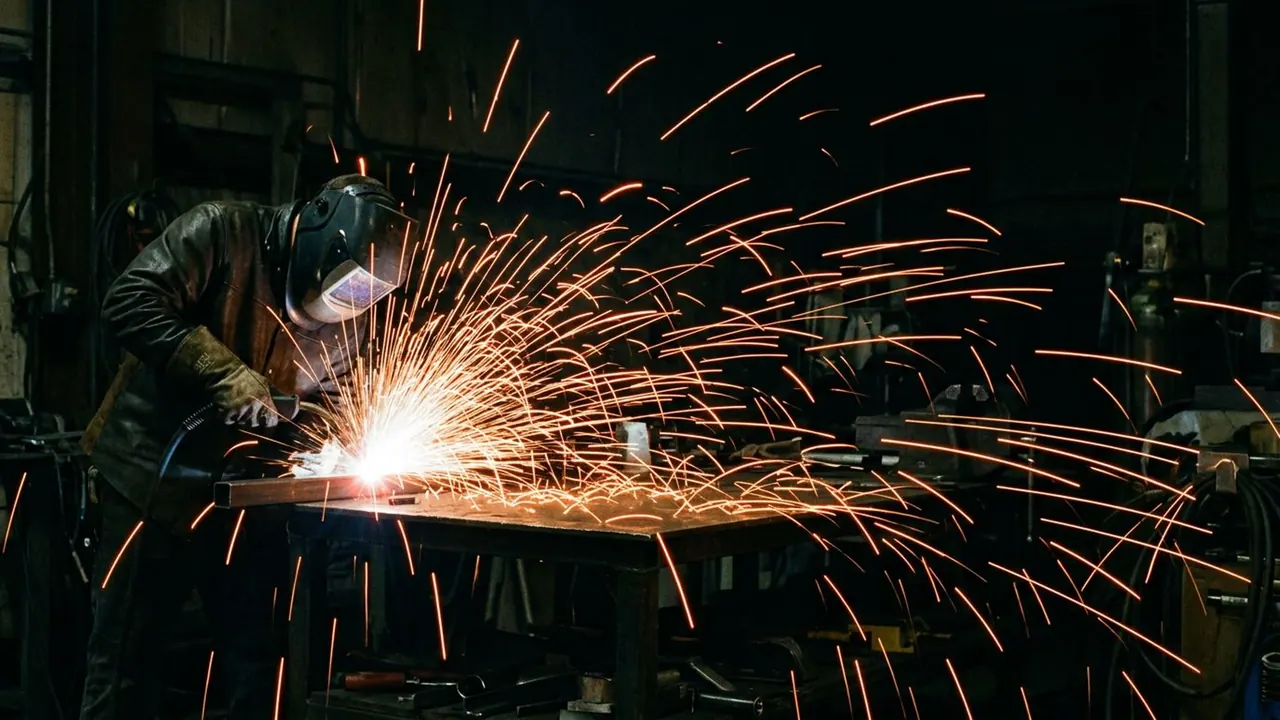
Sparks and Embers
Hot embers fly through the frame and leave short bright trails.
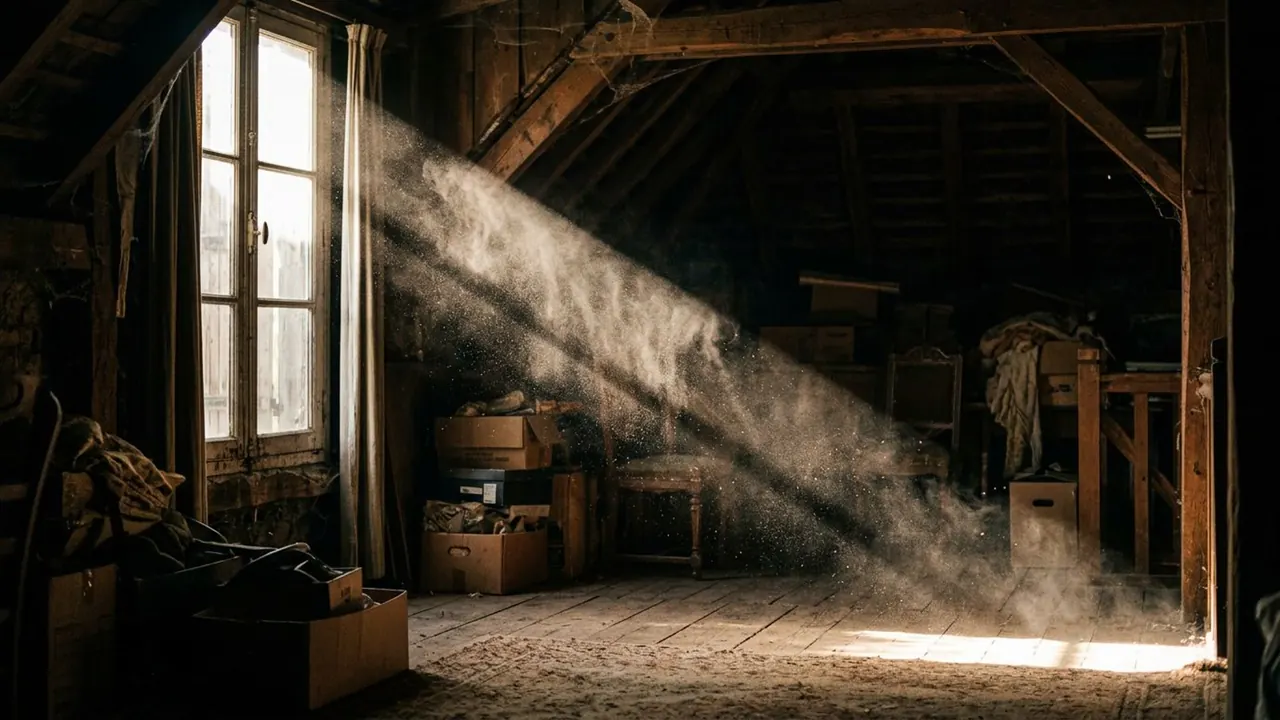
Dust Motes
Fine particles hang in a light beam and mark where the light travels.
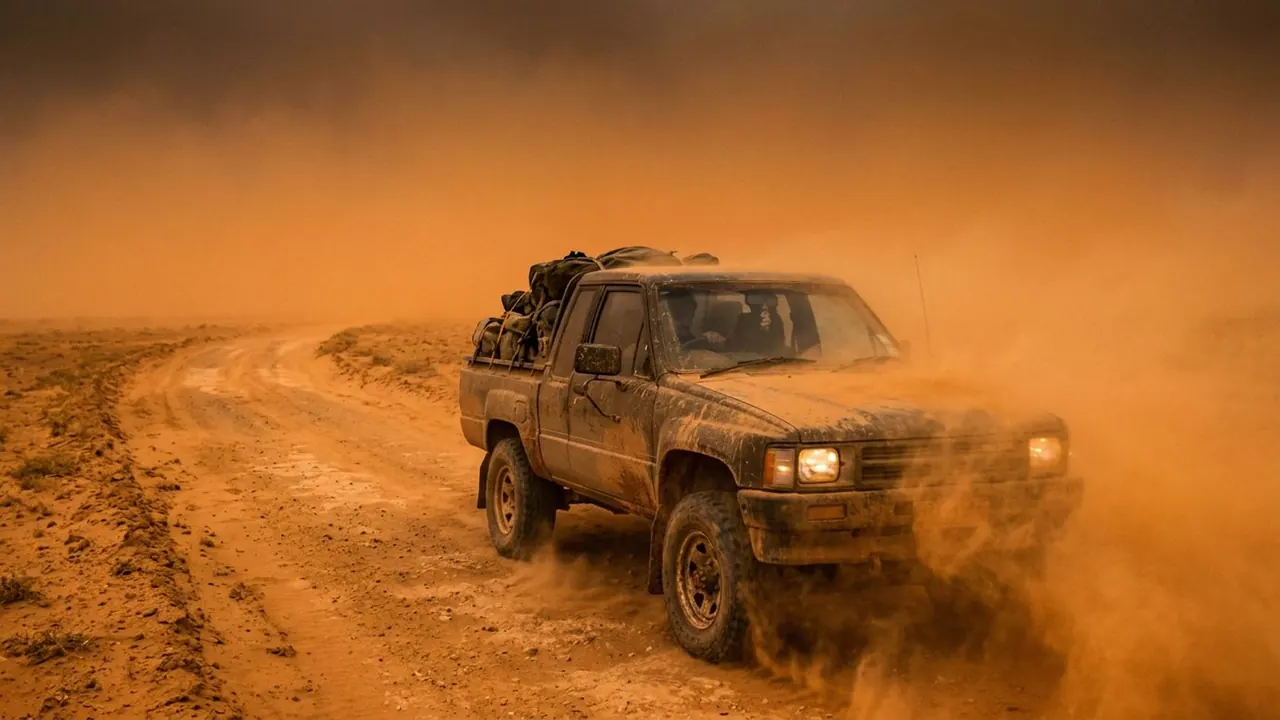
Dust and Sand
Driven dust fills the air and eats the distance.
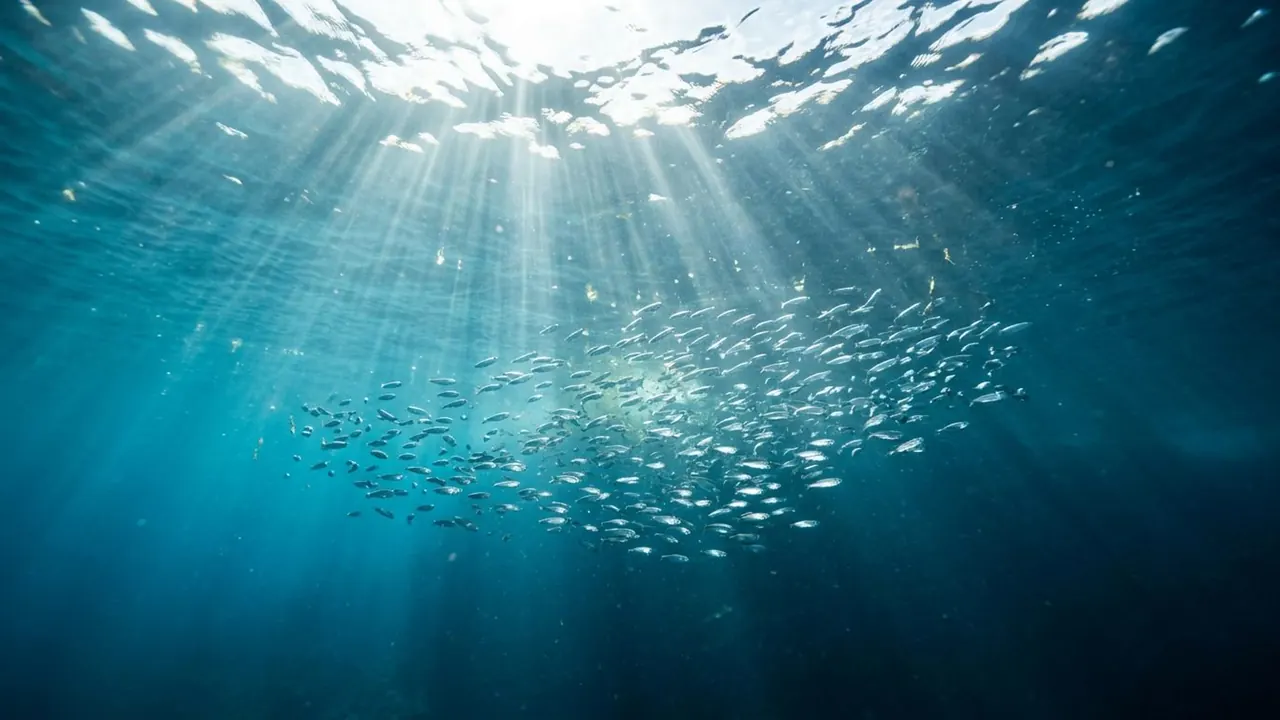
Water on the ground, and under it
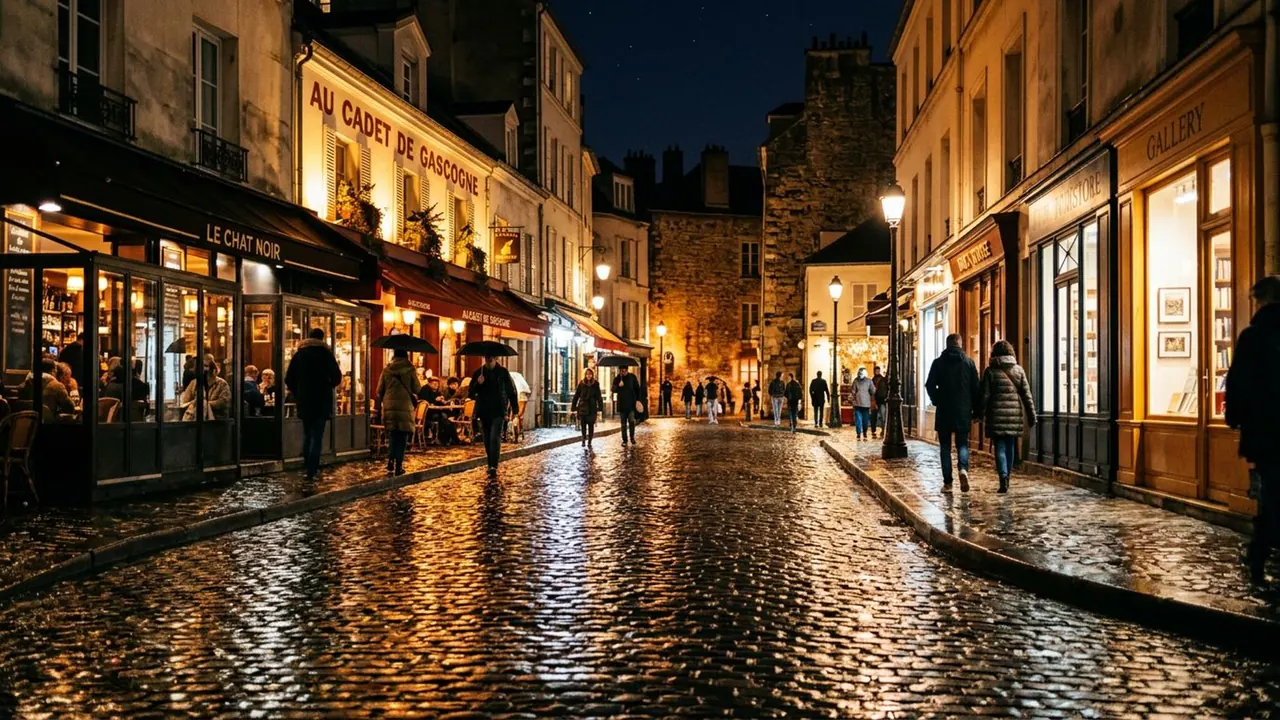
3The wet surface does the work. It throws light back, so a night street reads instead of going black.
Run one of them
Copy a prompt into a video model and pay for that one run. No subscription.
Open a video modelOther techniques
Shot typesThe ways to frame a shot, and the wording that gets each one.25 shot typesCamera anglesWhere to put the camera, and the wording that gets each angle.19 camera anglesCamera movementThe ways to move the camera, and the wording that gets each one.86 camera movesCompositionThe ways to arrange a frame, and the wording that gets each one.32 composition rulesLightingThe lighting setups, and the wording that gets each one.41 lighting setupsLenses and opticsThe lenses, and the wording that gets the look of each one.17 lensesAperture and f-stopsThe f-stops, and what each one does to the background.7 aperturesFormat and bodyThe formats and cameras, and the wording that gets each one.13 formats and camerasColour and film lookThe colour looks, and the wording that gets each one.19 colour looksTime and motionThe ways to bend time in a shot, and the wording for each one.21 time effectsCuts and transitionsThe ways to get from one shot to the next.23 transitionsIn-camera and optical effectsThe effects a camera can make on its own, and how to ask for them.57 effectsGenre looksThe genres, and the wording that gets the look of each one.27 genre looksViral looksThe looks that travel on short-form video, and how to ask for them.44 viral looks
Print stylesMaking a poster rather than a shot? The same reference, for ink on paper.