Documentary photography
- photojournalism
- photo essay
- long form reportage
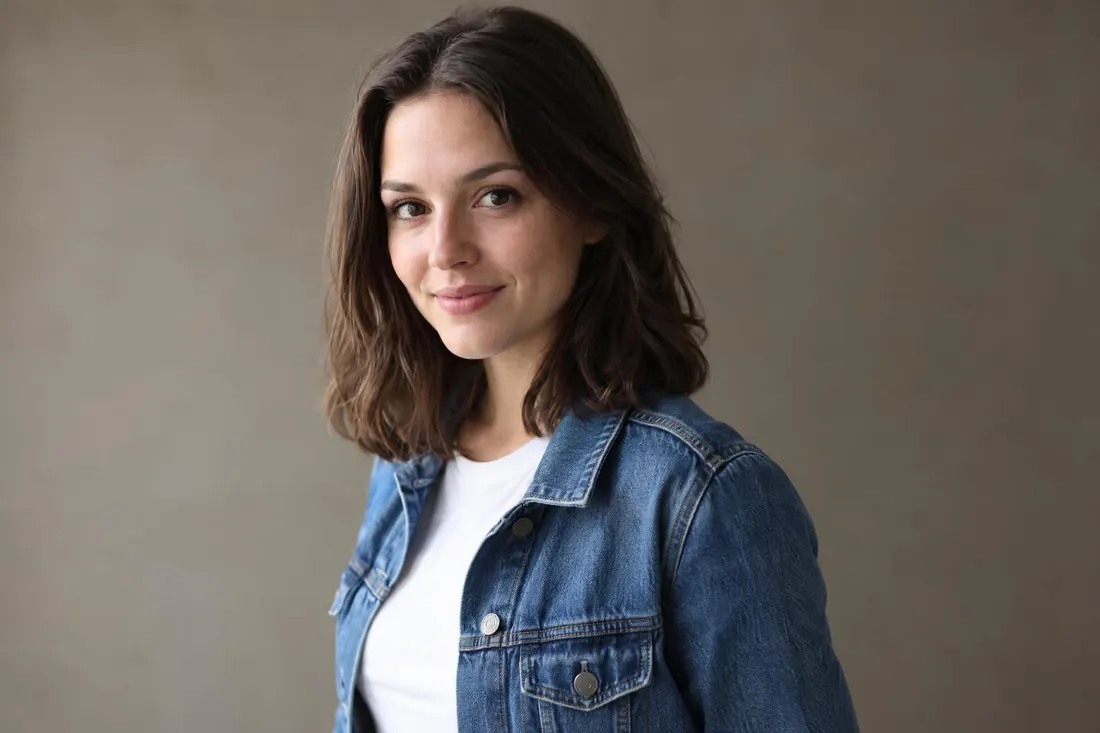
The street photographer's plain gear held on one subject for months, then captioned and sequenced.
Opens an image model with the prompt in it. The price is on the page before you sign in.
What it is for
Documentary photography uses the same camera, the same lens and the same distance as street work. What changes is time. The photographer returns to one subject for months or years and makes a set, not a frame.
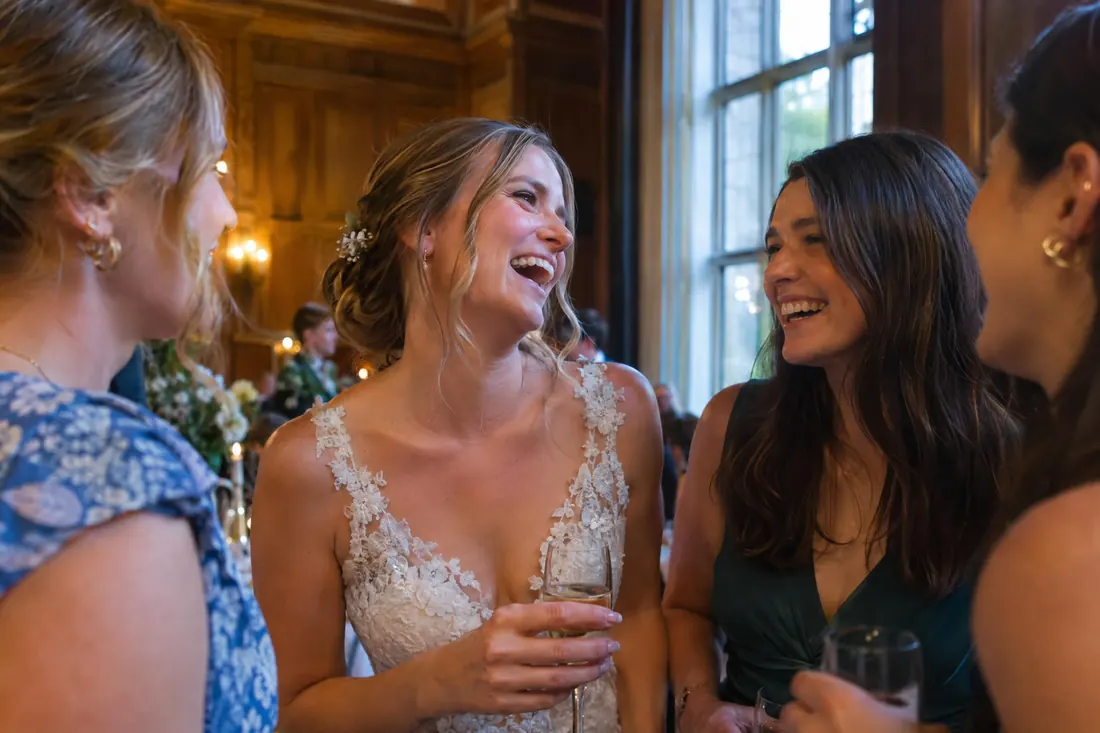
The rule which does the work is non-intervention. Nothing is moved, nothing is lit and nobody is posed, so the picture carries what was there. The caption and the sequence carry the rest of the meaning.
How it works
Ask for a 35mm or a 50mm lens, available light, and an aperture near f/5.6. The gear is plain by design, and saying so keeps the model away from studio lighting.
Say that nothing is arranged. No pose, no prop placed for the camera, no light added. Say the subject continues with the work they were doing.
Say the frame belongs to a set. Name the subject of the set, the place and the period, so the picture carries a caption rather than a mood.
When to use it
Use it for work, housing, migration, a trade, a village, a hospital ward, a protest, a season on a farm. Anything followed over time.
Leave it alone when you want one striking image. Documentary strength comes from the set, and a single frame asked to carry it looks plain.
Told apart from its neighbours
Cinema publishes Documentary Look and Cinema Verite. Both of those describe moving footage: a handheld camera, a long lens through a crowd, sound recorded on location. This entry is a still practice, sustained across a body of work and published as a sequence.
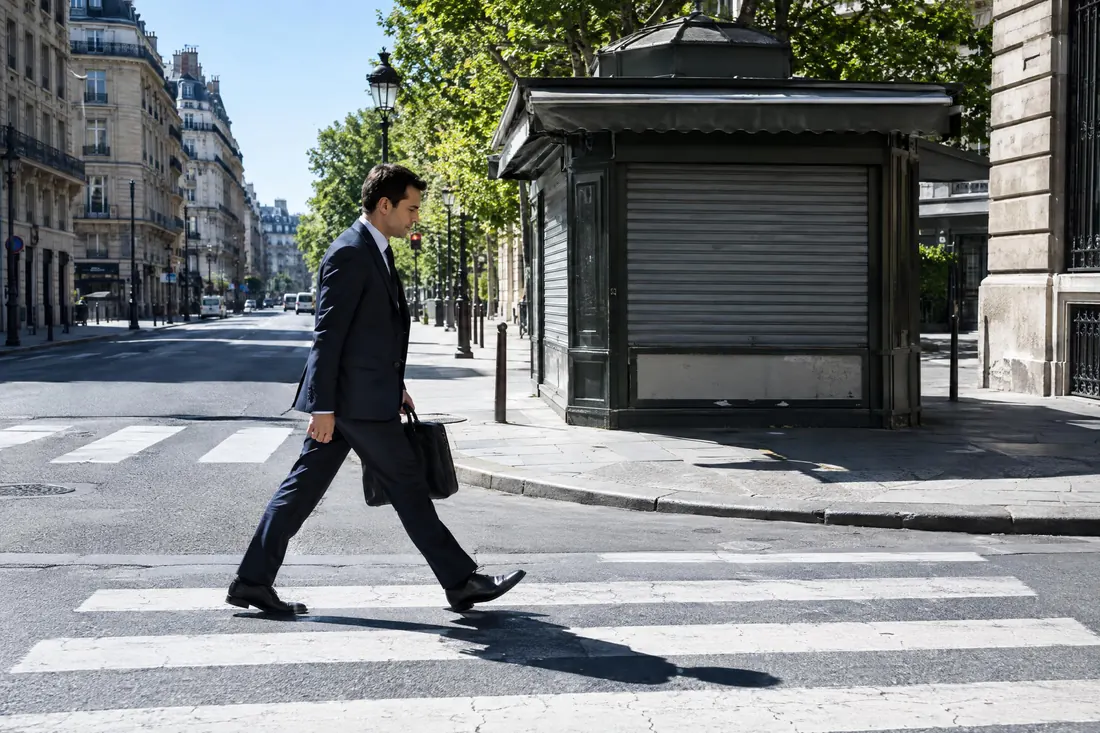
Street photography is the same gear for one afternoon, and it keeps the frames it likes. Documentary returns to one subject and keeps the frames which the set needs.
Fine art photography can be staged and answers to the print. Documentary answers to the thing it photographed, so a staged documentary frame is a broken one.
Where it is used
The Farm Security Administration ran the largest documentary project on record from 1935 to 1944, and the 175,000 negatives it left sit in the Library of Congress. Picture Post in Britain and Life in the United States published the photo essay, six to twelve pictures with a caption under each. That sequence is still the unit of documentary work, and Ilford HP5 Plus is still the film most of it was shot on.
- photo essays in Picture Post and Life
- Farm Security Administration files
- World Press Photo entries
The prompt
Replace the blanks with your own subject, keep the rest. Then run it on an image model.
<subject>, documentary photography, 35mm lens at f/5.6, available light, camera at eye level and close, one frame from a long term photo essay, nothing arranged for the camera, plain neutral rendering with no grade
What goes wrong
The picture comes back lit and posed, because the model treats documentary as a mood. Say available light, say nothing is arranged, and say the subject is not looking at the camera.
A heavy grade arrives with it, usually crushed blacks and a cold cast. Say a plain neutral rendering, and say no grade.
Leave out
a staged pose, studio light, a heavy grade, a prop placed for the camera
Watch for
Documentary is a method, not a filter. A single frame only reads as documentary when nothing in it looks arranged.
Questions
Shoot it
Pay for the one run. No subscription, and the price is on the model page before you sign in.