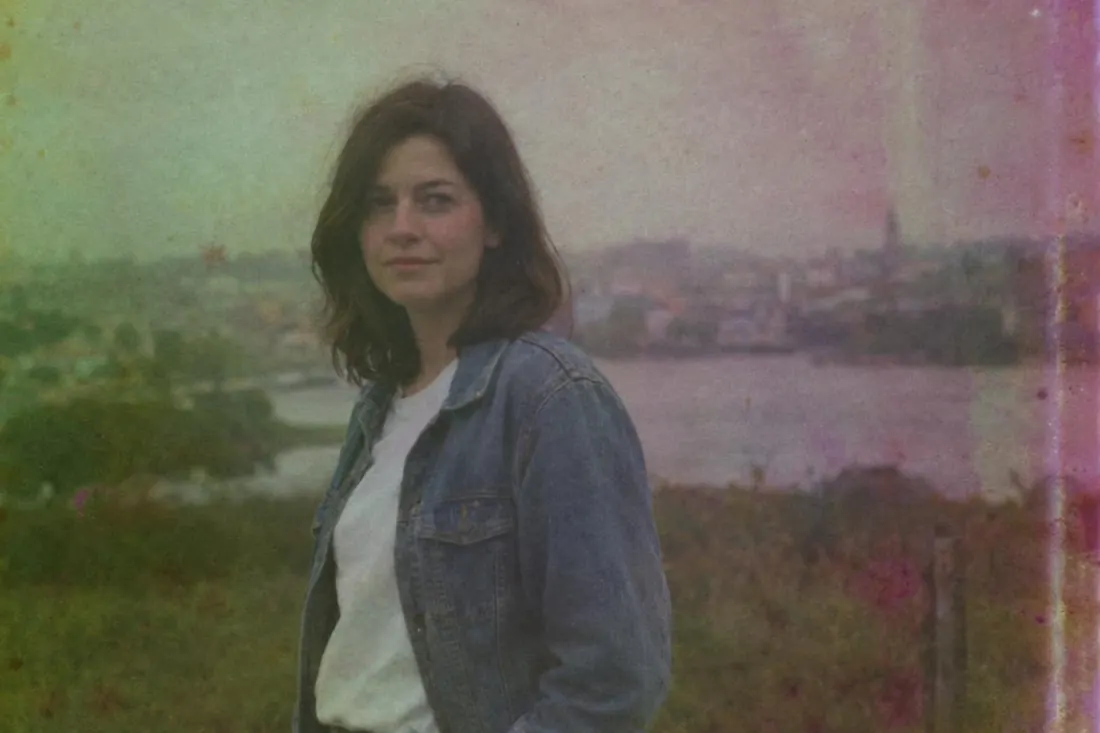
Film soup
- souping
- soaked film
- chemical bath film
Film soaked in liquid before or after shooting: streaks, bubbles, melted colour and edges that crystallise.
Opens an image model with the prompt in it. The price is on the page before you sign in.
What it is for
Film soup is deliberate chemical attack. The photographer soaks the film in a liquid: water, dish soap, vinegar, lemon juice or wine. The liquid reaches the emulsion, softens it and lifts the colour layers away from the base.
What comes back is damage, not a filter. The colour blooms and shifts in patches, the contrast drops where the fog spreads, and the grain grows and breaks into clumps. Part of the picture survives. The rest turns into texture.
How it works
Name the liquid, because each one leaves a different mark. Soapy water gives bubble rings and long streaks. Vinegar and lemon juice eat the emulsion into crystalline edges. Wine and coffee stain the frame and leave a warm fog behind.
Say when the soak happened. A film soaked before it is shot carries the damage underneath the picture. A film soaked after it is shot and before it is developed damages a picture that already exists, which is the usual way round.
Ask for the three physical results together: streaks, bubbles and melted patches; blooms of shifted green, magenta and yellow; and coarse broken grain with low contrast. Say the damage covers part of the frame and leaves the rest almost readable.
When to use it
Use it for album art, a zine cover, a poster or a title card. It suits any picture that can lose half of itself and still say what it was for.
Leave it alone when the subject has to be legible. A face, a line of text and a product all disappear into a soup.
Told apart from its neighbours
Cross processing is the other chemical intervention people name here, and it is published in the cinema catalogue at /techniques/cinema/colour-grading/cross-process/. Cross processing runs the film in the wrong developer and gives a shift that repeats on every frame of the roll. A soup gives damage that repeats on nothing.
Cinema publishes Light Leak and Halation as separate entries at /techniques/cinema/. A light leak is stray light on the film, and halation is a glow spreading around a bright point. Both are optical. A soup is physical damage to the emulsion, and it lands in the middle of the frame as readily as at the edge.
Expired film ends in some of the same marks, but it takes decades and it is gentle by comparison. A soup melts the layers in one afternoon.
Where it is used
Souping grew out of the Lomography community through the 2000s, where the recipes were traded by name: dishwasher soup, wine soup, cola soup, a boil in lemon juice. The method reached zine covers, album art and small press books. Photographers still post the liquid and the soak time beside the scan, because those two numbers are the only part of it that anybody can repeat.
- Lomography community galleries
- zine and album art
- experimental darkroom work
The prompt
Replace the blanks with your own subject, keep the rest. Then run it on an image model.
<subject>, 35mm colour negative soaked in soapy water before development, emulsion damage across part of the frame, streaks and bubble rings, blooms of shifted green and magenta, melted patches where the layers lifted, crystalline edges, coarse broken grain, low contrast
What goes wrong
The model returns a clean picture with a coloured overlay on it. Say the emulsion itself is damaged, and name the streaks, the bubble rings and the melted patches where the layers lifted.
The other failure is even damage, spread like a texture over the whole frame. Say the damage covers part of the frame only, and leaves the rest almost readable.
Leave out
clean frame, even colour, sharp edges everywhere, a repeatable pattern
Watch for
The damage is unrepeatable by design. Two frames from one roll come back different, so ask for the kind of damage and never for a pattern.
Questions
Shoot it
Pay for the one run. No subscription, and the price is on the model page before you sign in.