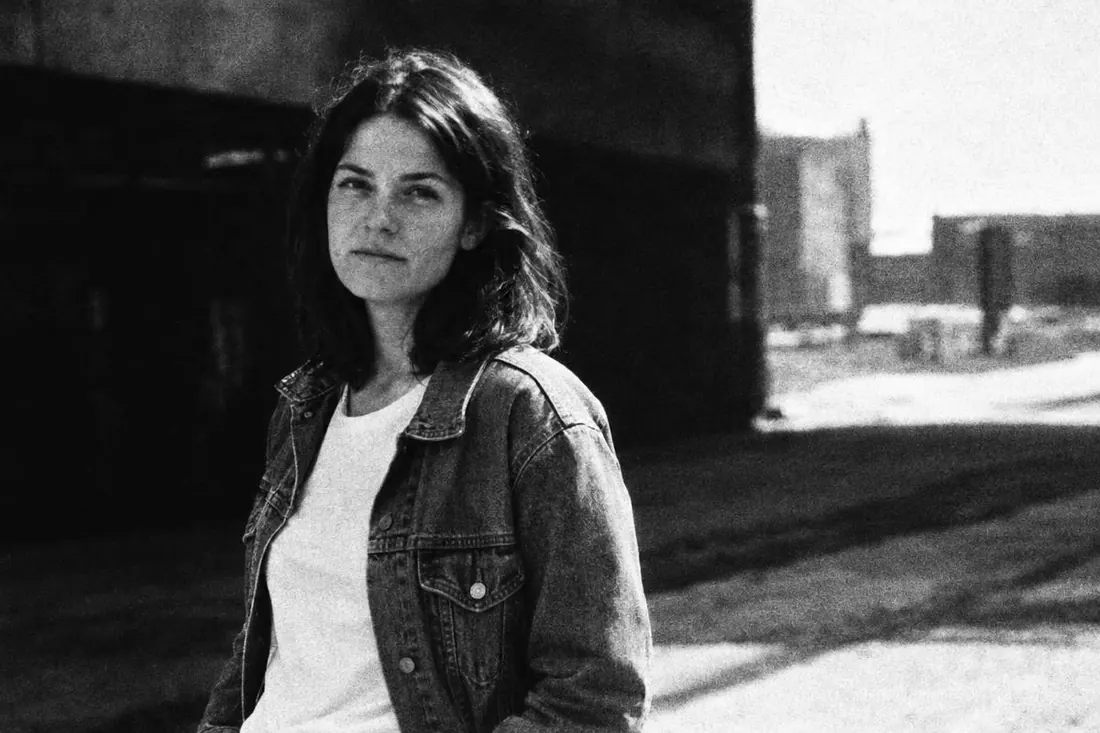
Pull processing
- pulling film
- downrating
- pulled one stop
Rated below box speed and developed less: low contrast, fine grain, highlights that hold and shadows that open.
Opens an image model with the prompt in it. The price is on the page before you sign in.
What it is for
A scene in hard sun holds more range than a film can record. The photographer gives the film more exposure than the box speed asks for, then cuts the development to stop the highlights running away. The negative that comes back holds both ends of the scene.
The look that follows is soft, even and low in contrast. Everything in the frame stays readable and nothing shouts. That calm is the reason a photographer now pulls on purpose, and not only to rescue a hard light.
How it works
Say the box speed and the rated speed together: 400 speed stock rated at 200. One stop is the common pull. Two stops is as far as most stocks go before the picture goes dull.
Name the three effects. Contrast falls and the tone curve flattens. Grain tightens and gets finer, because a short development leaves the silver in smaller clumps. Colour goes softer and a little less saturated, and skin holds its tone more easily than it does at box speed.
Ask for open shadow detail and soft grey highlights with no blown white anywhere. Say the whole frame sits inside a narrow band of tone.
When to use it
Use it in harsh midday sun, on snow, on a white wall, on a beach, or in any room with a bright window in the shot.
Leave it alone on a dull grey day and in flat indoor light. A pull takes contrast away, and a flat scene has none to spare.
Told apart from its neighbours
Push processing is the opposite operation. A push underexposes and overdevelops to buy speed, and it pays in contrast and grain. A pull overexposes and underdevelops to buy range, and it pays in flatness.
Cinema publishes Desaturation as its own entry at /techniques/cinema/. That entry takes the colour out of a finished picture. A pull is a change in the tank, and it lowers contrast first. The colour only softens as a consequence.
Portra 400 is a stock with a gentle curve by design, not a process. Ask for a pull when you want that flatness out of a contrasty stock instead.
Where it is used
Pull processing is normal practice in wedding work, where a white dress in full sun and a dark suit sit in one frame. Kodak has published pull times in the process data for the Portra family since the line arrived in 1998, and a professional laboratory still lists a one stop pull on its order form beside the pushes.
- beach and desert work
- weddings in midday sun
- high contrast studio sets
The prompt
Replace the blanks with your own subject, keep the rest. Then run it on an image model.
<subject>, 35mm colour negative pulled one stop, 400 speed stock rated at 200, low contrast with soft grey highlights and open shadow detail, fine tight grain, flat even tone across the frame, harsh midday sun held to a gentle range
What goes wrong
The model returns a normal picture with the saturation turned down. Say the contrast is low first, name the open shadows and the soft grey highlights, and mention colour only after that.
The other failure is one deep black somewhere in the frame. Say there is no pure black and no blown white anywhere in the picture.
Leave out
deep blacks, blown white highlights, coarse grain, punchy contrast
Watch for
A pull protects highlights, so it pays only on a scene that carries too much range. On a flat grey scene it gives back a picture with nothing left in it.
Questions
Shoot it
Pay for the one run. No subscription, and the price is on the model page before you sign in.