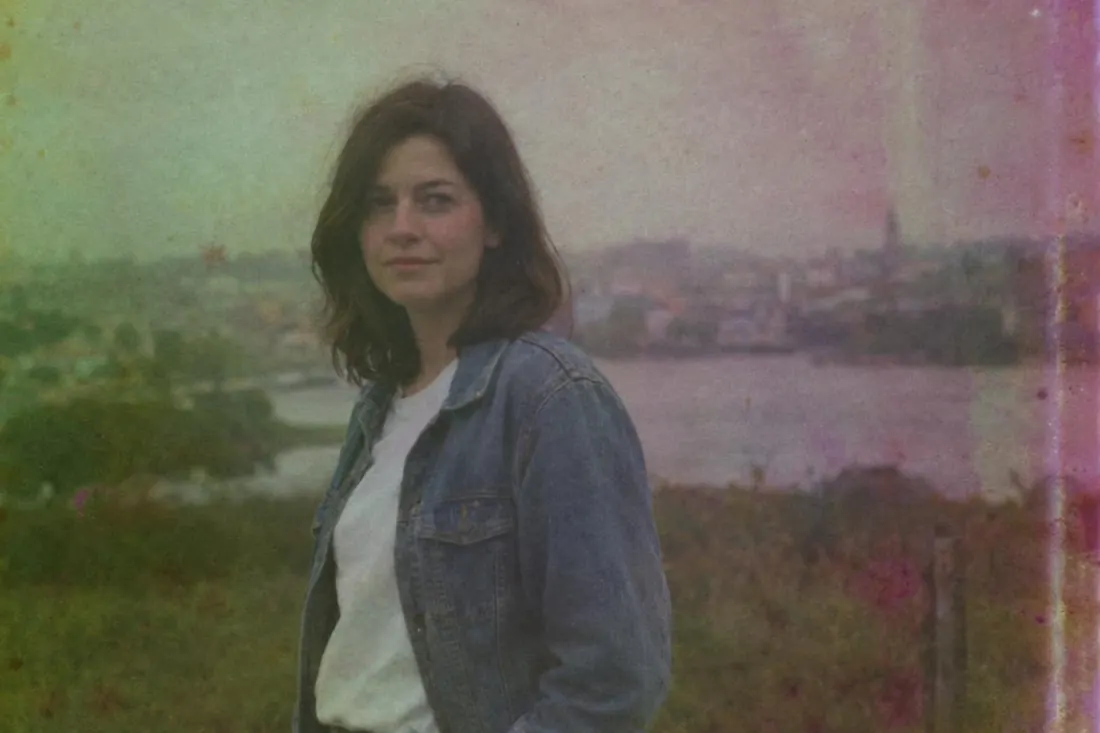
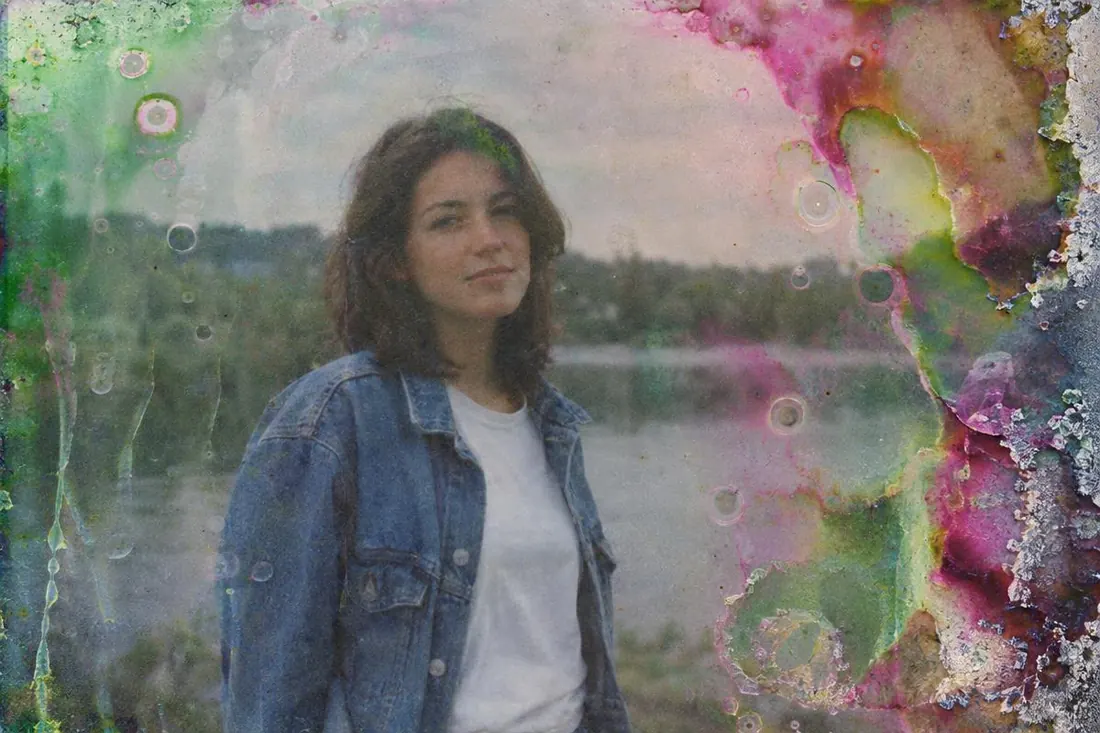
Redscale
- reverse loaded film
- backwards film
- redscale 35mm
Colour negative loaded backwards, so the light passes through the orange base and everything returns red.
Opens an image model with the prompt in it. The price is on the page before you sign in.
What it is for
A colour negative carries an orange mask on its base. Load the film backwards and the light must pass through that mask before it reaches the emulsion, so the base of the film works as a deep orange filter.
The filter takes the blue layer out almost completely and most of the green with it. What returns is red, orange and amber in one narrow band, with contrast raised, the colour flattened to a single direction and the grain coarse from the lost speed.
How it works
Say the film is loaded backwards and the light goes through the base first. The phrase shot through the film base does more work than the word redscale on its own.
Name the band of colour: red, orange, amber and a little yellow, with no blue and no green anywhere. Then name two objects that prove it. The sky is orange and the leaves are brown or red.
Say the film lost two to three stops, so the shadows are deep and empty, the contrast is high and the grain is coarse. Ask for strong direct sun, because redscale in weak light gives back a dark muddy frame with nothing to look at.
When to use it
Use it for a summer scene, a desert, a beach, a sunset, a car on an empty road, or anything that already leans warm.
Leave it alone on a portrait that needs true skin, and on any picture where a blue or a green carries the meaning. Both of those colours are gone.
Told apart from its neighbours
Cross processing is the other reversal a photographer reaches for, and it is published in the cinema catalogue at /techniques/cinema/colour-grading/cross-process/. Cross processing swaps the chemistry and throws the colour in whatever direction the stock chooses. Redscale changes no chemistry at all. The film is simply the wrong way round, and the direction is always red.
Cinema publishes Colour Shift as its own entry at /techniques/cinema/. That entry moves a picture toward any hue you name. Redscale is one fixed shift with a physical cause, and it takes two stops of speed away with it.
LomoChrome Purple is a stock with a colour swap built into the emulsion, not a loading trick. It sends green to purple and leaves the rest of the picture readable. Redscale collapses the whole frame into one band.
Where it is used
Photographers have rolled redscale by hand since the 1990s, taping the leader to the spool the wrong way round inside a changing bag. Lomography has sold it as a finished stock since about 2010, in 35mm and 120, rated from 50 to 200 so the user can choose how deep the red goes. The look belongs to holiday frames and desert roads, where the sun is strong enough to pay the lost speed back.
- Lomography redscale stock
- hand rolled film
- desert and summer pictures
The prompt
Replace the blanks with your own subject, keep the rest. Then run it on an image model.
<subject>, redscale 35mm colour negative shot through the film base, everything in red orange and amber, no blue and no green anywhere, orange sky and brown foliage, deep empty shadows from two stops of lost speed, coarse grain, strong direct sun
What goes wrong
The model returns a normal picture with a warm filter over it. Say blue and green are gone completely, and say the sky itself is orange.
The other failure is a bright clean frame. Say the film lost two to three stops, so the shadows are solid and empty and the grain is coarse.
Leave out
blue sky, green foliage, neutral white, clean skin tone
Watch for
Redscale costs two to three stops of speed. Rate a 200 speed film at 50 or lower, or the shadows come back as solid black with nothing in them.
Questions
Shoot it
Pay for the one run. No subscription, and the price is on the model page before you sign in.