Kodachrome 64
- Kodachrome
- K-14 slide film
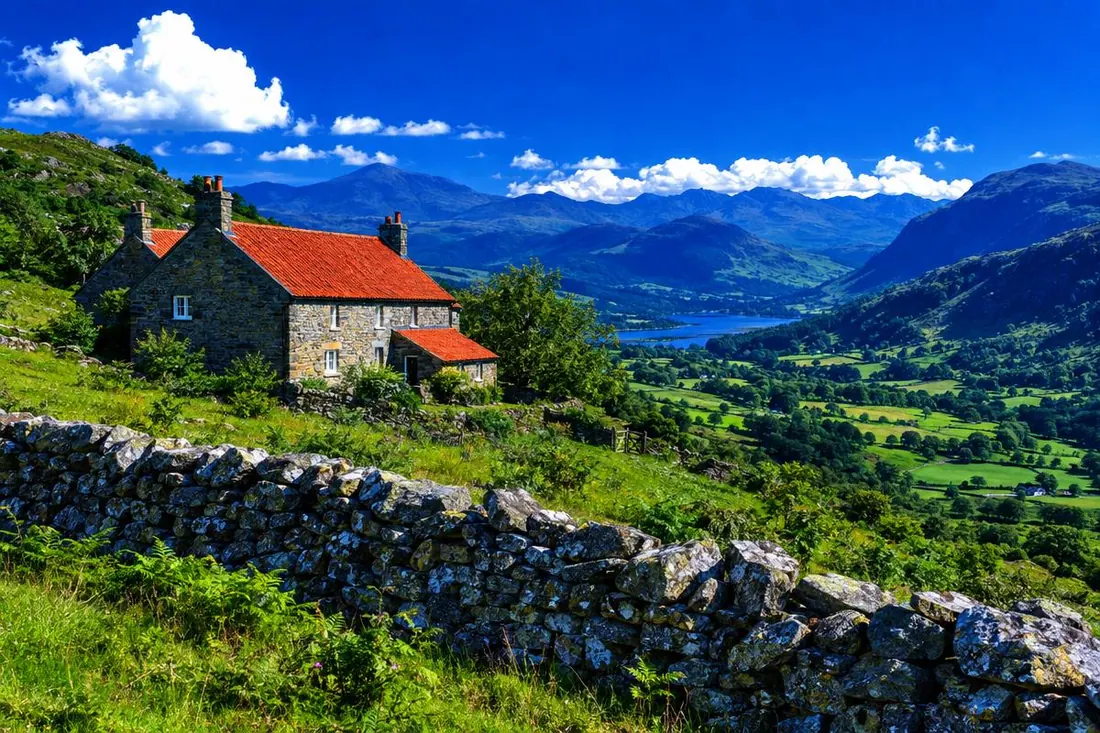
Warm dense midtones, deep red, restrained blue, and shadows that fall to solid black.
Opens an image model with the prompt in it. The price is on the page before you sign in.
What it is for
Kodachrome 64 is the colour most people picture when they think of a photograph from the middle of the twentieth century. Kodak introduced this speed in 1974 and the look barely moved after that. It is warm, dense and restrained at the same time, which no other reversal film manages.
The chemistry explains the look. Kodachrome carries no colour couplers in the emulsion at all. The lab adds the dyes during the K-14 process, which only a handful of plants in the world ever ran. The film is thin and sharp because of it, and the dyes hold their colour in dark storage for decades.
How it works
Name the film and the speed, then the warmth. Ask for warm midtones, dense reds and restrained blue. The word restrained does real work, because a model reads the phrase slide film as more saturation everywhere.
Ask for the short latitude directly. Say the shadows block to solid black with no detail, and the highlights clip rather than roll off. Five stops is the whole range, so the picture is exposed for the bright part and the dark part is given up.
Skin comes out warm and slightly tanned, with the red channel heavy in the lips and the cheeks. Sky goes a deep, slightly grey blue, never the cyan of the Fujifilm stocks. Shadow detail is gone: a face turned away from the light reads as a black shape with an edge.
When to use it
Use it for anything set between 1960 and 1990: a street scene, a car, a holiday picture, a reportage frame, a portrait in hard sun.
Leave it alone when the subject sits in shade, or when the picture needs detail in the sky and on the ground at the same time. The stock has no room for both.
Told apart from its neighbours
Ektachrome E100 is the other Kodak reversal film and the direct comparison. E100 is cooler, cleaner and lower in saturation, and you can still buy it and process it. Kodachrome is warmer, denser in the red, and finished.
Cinema publishes Vintage and Film Grain as separate entries at /techniques/cinema/. Vintage is an age effect: faded dye, lower contrast, a warm cast over everything. Kodachrome is the opposite of faded. It is a new slide, dense and sharp, and asking for Vintage on top of it cancels the thing you asked for.
Where it is used
Kodak introduced Kodachrome 64 in 1974 and stopped making it in June 2009. Dwayne's Photo in Parsons, Kansas held the last working K-14 line, and it processed the final rolls at the end of 2010. National Geographic ran the stock for decades and Paul Simon named a song after it in 1973. Every Kodachrome frame in the world was exposed before 2010, which is why the look reads as a date as much as a colour.
- National Geographic of the 1960s and 1970s
- Kodak carousel slide shows
- 35mm travel slides
The prompt
Replace the blanks with your own subject, keep the rest. Then run it on an image model.
<subject> shot on Kodachrome 64 colour slide film, warm midtones, dense deep reds, restrained muted blues, shadows blocked to solid black with no detail in them, very fine grain, slight amber warmth in the highlights, daylight balanced, mid century colour photograph
What goes wrong
The model returns a bright, evenly saturated picture with open shadows. That is a saturated grade, not a slide. Say the shadows block to solid black and the highlights clip, in the same sentence as the film name.
The second failure is a blue cast, because most film wording in the training data leans cool. Say warm midtones and restrained blues, and ban cyan shadows by name.
Leave out
cyan or blue shadows, pastel colour, lifted blacks, shadow recovery, digital oversaturation
Watch for
The reds are dense rather than bright. Ask for depth in the red and blackness in the shadow, not for higher saturation.
Questions
Shoot it
Pay for the one run. No subscription, and the price is on the model page before you sign in.
Next to it in reversal film