Lith print
- lith printing
- infectious development
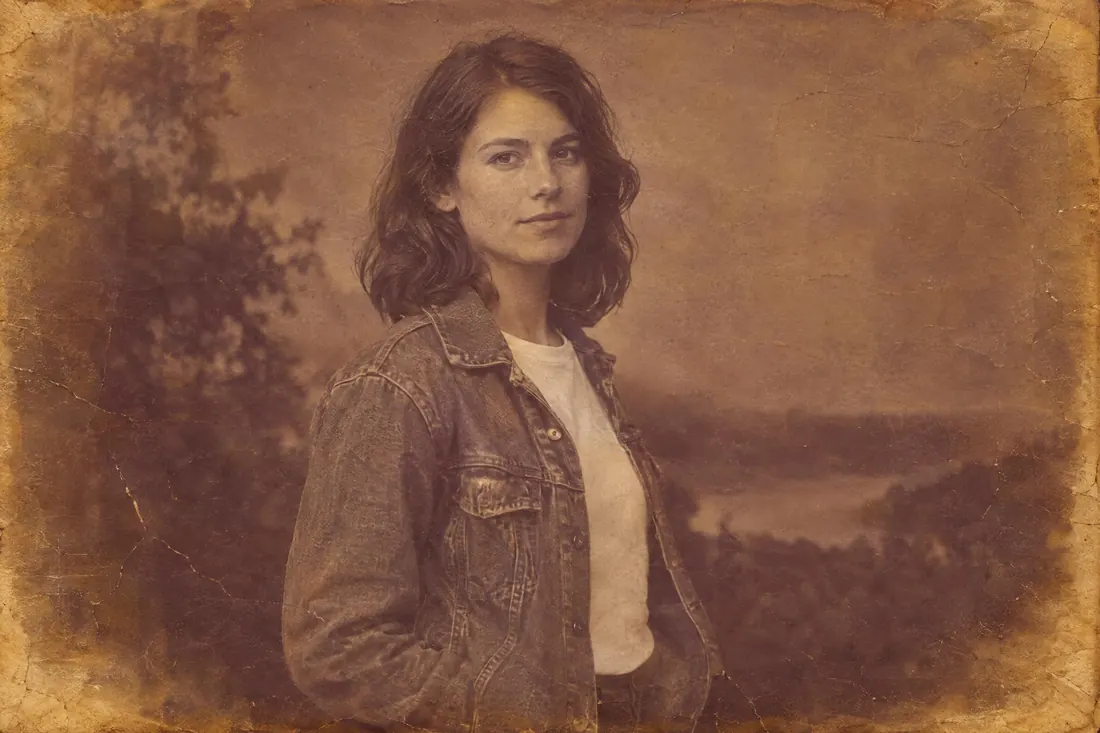
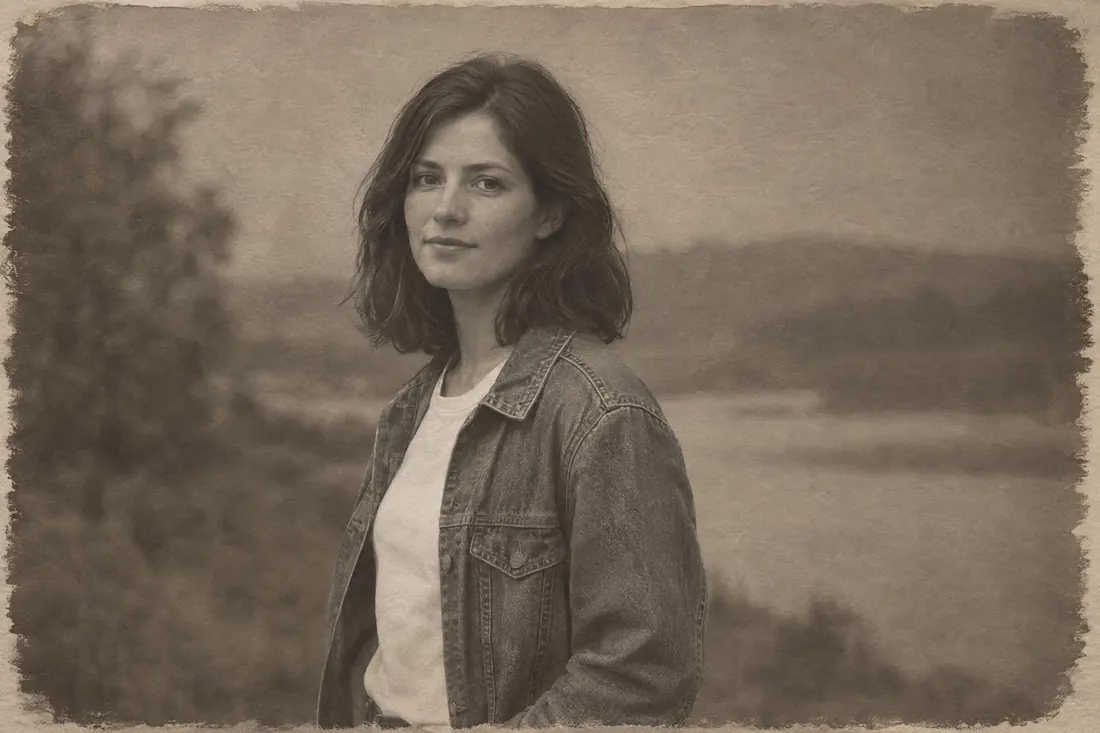
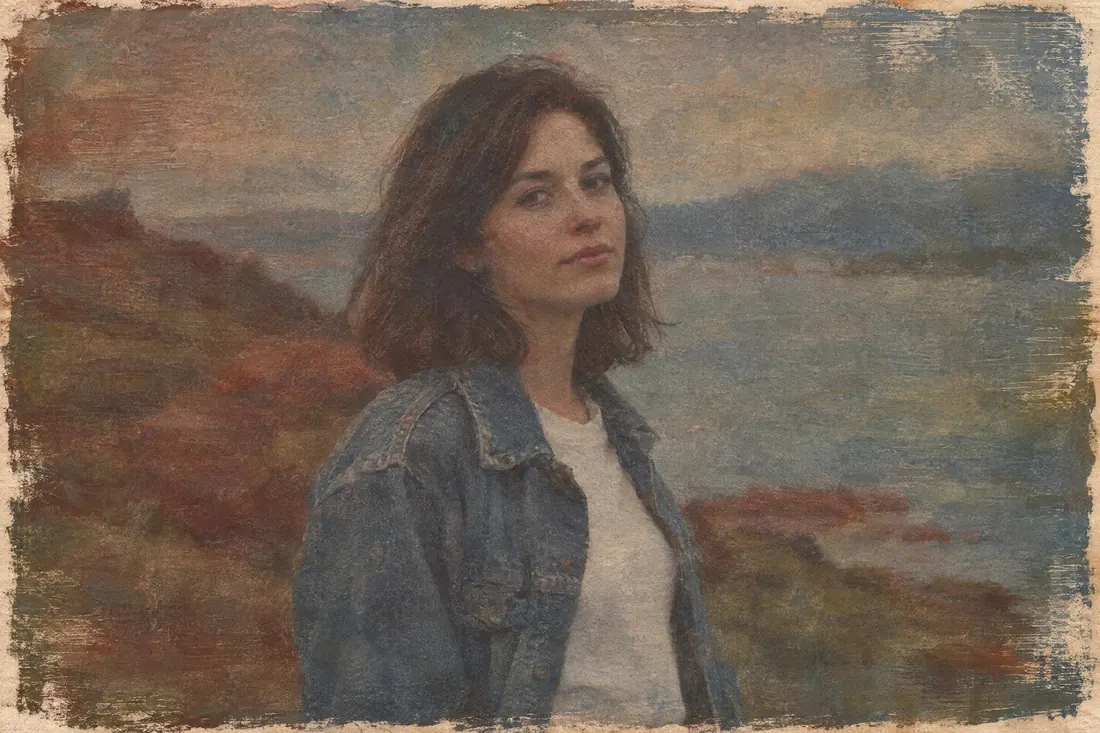
A print pulled early from dilute lith developer: hard grainy shadows, pale peach high tones.
Opens an image model with the prompt in it. The price is on the page before you sign in.
What it is for
A lith print splits the picture in two. The shadows develop away from the printer and go hard, black, coloured and enormously grainy. The high tones barely develop at all and stay soft and pale. Between them sits a gap where a normal print would carry its midtones, and that gap is what makes a lith print look unlike anything else on a wall.
The grain is the second reason to use it. It is not film grain: it is clumped silver formed on the paper during development, and it is far larger than anything a negative can produce. A 35mm negative and a large format negative both come back coarse, because the texture belongs to the print rather than to the film.
How it works
Overexpose the paper. Give it two to four stops more light than a normal print needs. That extra exposure is what feeds the shadows, and without it the print stays pale and flat.
Develop short in a dilute lith developer. The developer is a hydroquinone formula from the graphic arts trade, diluted far beyond the figure on the bottle. Development starts slowly, then runs away in the densest areas, which printers call infectious development. The printer watches and lifts the print out at the snatch point, often after several minutes.
Name the colours. The shadows come out olive, brown, red or rust, depending on the paper and the developer, and the high tones sit at a pale peach, pink or yellow. Ask for that split by name, and ask for coarse grain through the midtones. Working printers add used developer, called old brown, because fresh developer alone gives a dull result.
When to use it
Use it for a portrait with strong light, a bare tree, a wet street or any subject that already has a few solid dark shapes in it. The process rewards a picture that is nearly graphic to begin with.
Leave it alone when the subject lives in the midtones. A soft, evenly lit scene has nothing for the shadows to grip, so the print comes back pale, flat and muddy.
Told apart from its neighbours
Push processing pulls grain and contrast out of the film in the camera stage. Lith printing does it at the paper stage, after the negative is finished, so the same negative can print normally the next day.
Solarisation reverses part of the tonal scale and draws a line where the reversal meets the rest. Lith printing reverses nothing. It only pulls the two ends of the scale apart.
Cinema publishes Film Grain and Monochrome at /techniques/cinema/. Film grain is an even texture across a moving frame. Lith grain is uneven and lives mostly in the midtones, and the colour split between peach high tones and olive shadows is something no monochrome grade produces.
Where it is used
The developers came from the printing trade, where a lithographic formula turned line artwork into a negative with no midtones at all. Photographers began diluting those developers and using ordinary papers with them from the 1960s. The method stayed unreliable until The Master Photographer's Lith Printing Course, published in 1998, set out the exposure, the dilution and the snatch point, and gave printers a repeatable recipe. Every print from one negative still comes out different, so a printer makes several and keeps one.
- 1990s darkroom exhibition prints
- graphic arts lith papers
- modern hand printed portfolios
The prompt
Replace the blanks with your own subject, keep the rest. Then run it on an image model.
<subject>, lith print on silver gelatin paper, overexposed by three stops and pulled early from heavily diluted lithographic developer, shadows developed hard into a grainy black with an olive cast, high tones left soft and pale peach with almost no detail in them, enormous clumped grain through the midtones, a wide empty gap between the dark and the light, plain white paper border
What goes wrong
The model returns a normal black and white print with a warm tone. Say the shadows are hard, grainy and olive, the high tones are pale peach with no detail, and the midtones are nearly empty.
The second failure is fine, even grain across the frame. Say the grain is large and clumped, and say it sits in the midtones rather than everywhere.
Leave out
a smooth grey scale, clean midtones, neutral blacks, fine grain, even contrast, colour in the subject
Watch for
The gap between the shadows and the high tones is the look. A lith print with a full grey scale is only a warm toned print.
Questions
Shoot it
Pay for the one run. No subscription, and the price is on the model page before you sign in.