Cross-Cutting
- Misleading cross-cut
- Wrong-door suspense
The film alternates between two places happening at the same time.
Opens a video model with the prompt in it. The price is on the page before you sign in.
What it is for
The film alternates between two places that are happening at the same moment, and the audience holds both. Tension comes from knowing something one of the two strands does not.
It also lets a film control distance. Cutting faster between the strands closes the gap and promises they are about to meet, and slowing the alternation lets the audience breathe before they do.
How it works
Two lines of action, each clear on its own, alternating. Each strand needs enough screen time to re-establish itself, and the first pass through both is the one that has to teach the audience the geography.
The rate is the instrument. Long blocks early, shorter blocks as the strands converge. Changing the rate is how the sequence tells the audience that something is about to happen.
Render each strand as its own set of runs and interleave them on a timeline. A model will not alternate between two places on its own, so the structure is built in the edit.
When to use it
Use it for a rescue, a chase, a deadline, and any scene where two things have to matter at once. It is also the standard way to mislead an audience about where two people are.
Avoid it when one strand has nothing to do. Cutting to a person waiting in a car drains the sequence rather than filling it.
Told apart from its neighbours
A montage compresses time and the shots usually belong to one line of action. Cross-cutting holds two lines at the same moment and keeps returning to both.
The test is time. If the shots are happening simultaneously, it is cross-cutting. If they are happening one after another and time is being skipped, it is montage.
On film
Francis Ford Coppola cuts the christening in The Godfather (1972) against the murders of the other family heads, so a set of vows plays over the killings they authorise. Jonathan Demme uses the same structure against the audience in The Silence of the Lambs (1991), cutting a tactical team approaching a door with Clarice ringing a bell, and letting the audience assume the two doors are the same one.
- The Silence of the Lambs (1991)
- The Godfather (1972)
- Inception (2010)
The prompt
Replace the blanks, keep the rest. Then run it on a video model.
alternating between <subject A> in <place A> and <subject B> in <place B>, same moment in two places, building toward a meeting
What goes wrong
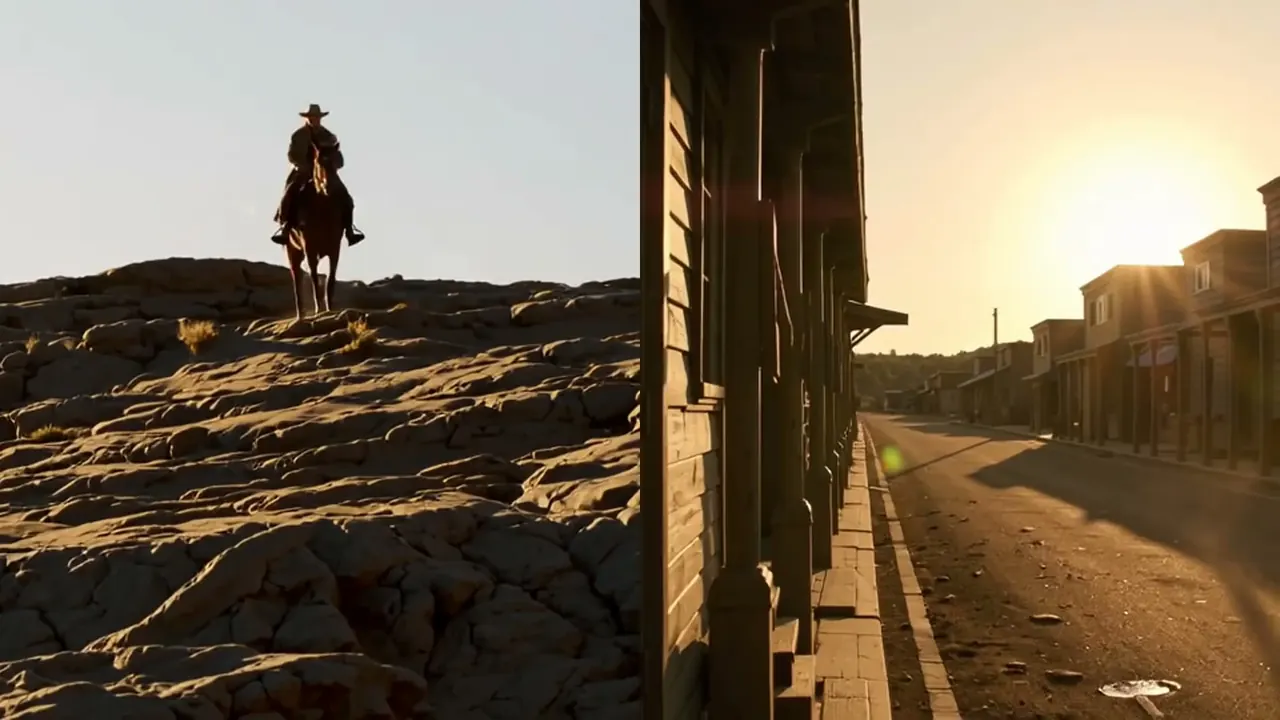
A single prompt naming two places returns one shot with both jammed into it. Generate each strand separately and interleave the clips yourself.
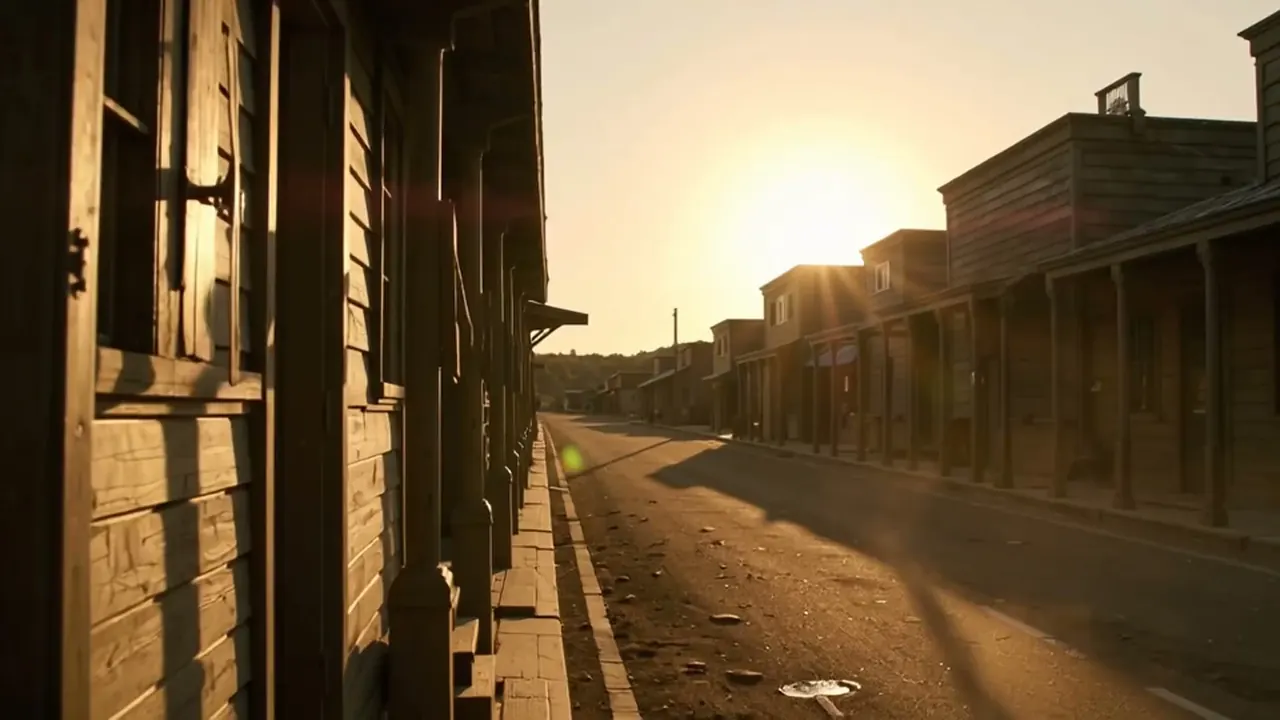
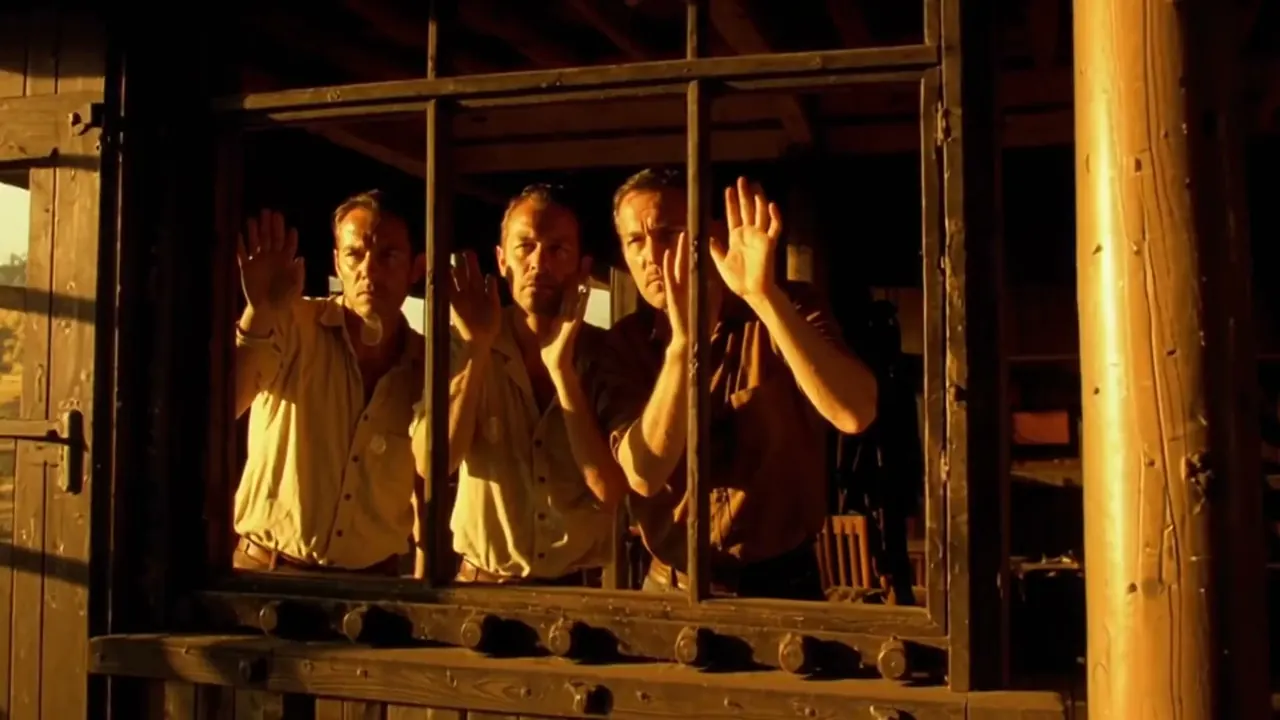
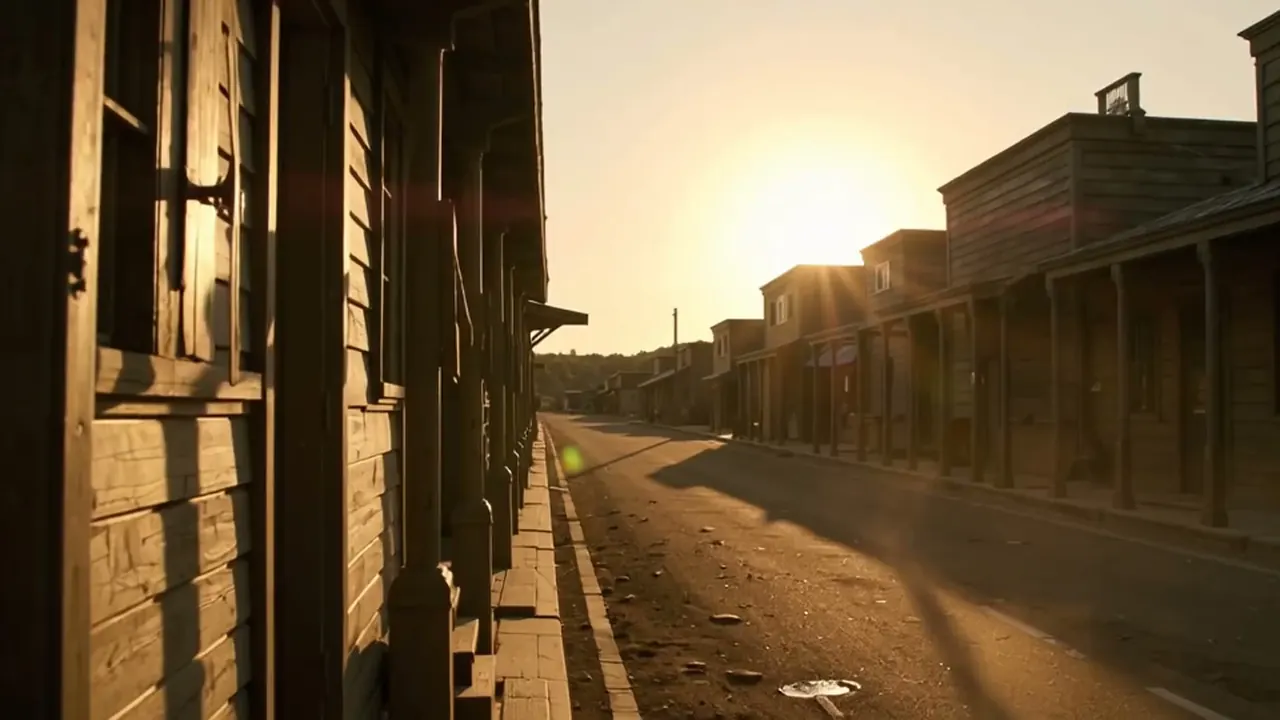
The second failure is two strands that look identical. Give each one its own light, palette and framing size so the audience can tell instantly which line they are in.
Leave out
one location, sequential time
Watch for
Render each strand separately, then interleave. A model will not alternate on its own.
Questions
Shoot it
Pay for the one run. No subscription, and the price is on the model page before you sign in.