
Colour and film look
Nineteen colour looks, and the wording that gets each one.
Colour is the fastest way to set a mood and the easiest thing to overdo. Name the grade and a model applies it to the whole frame. Leave it out and you get whatever the scene was lit with.
Warm or cold
6The first decision in a grade. Which way the whole frame leans, and what that does to skin.
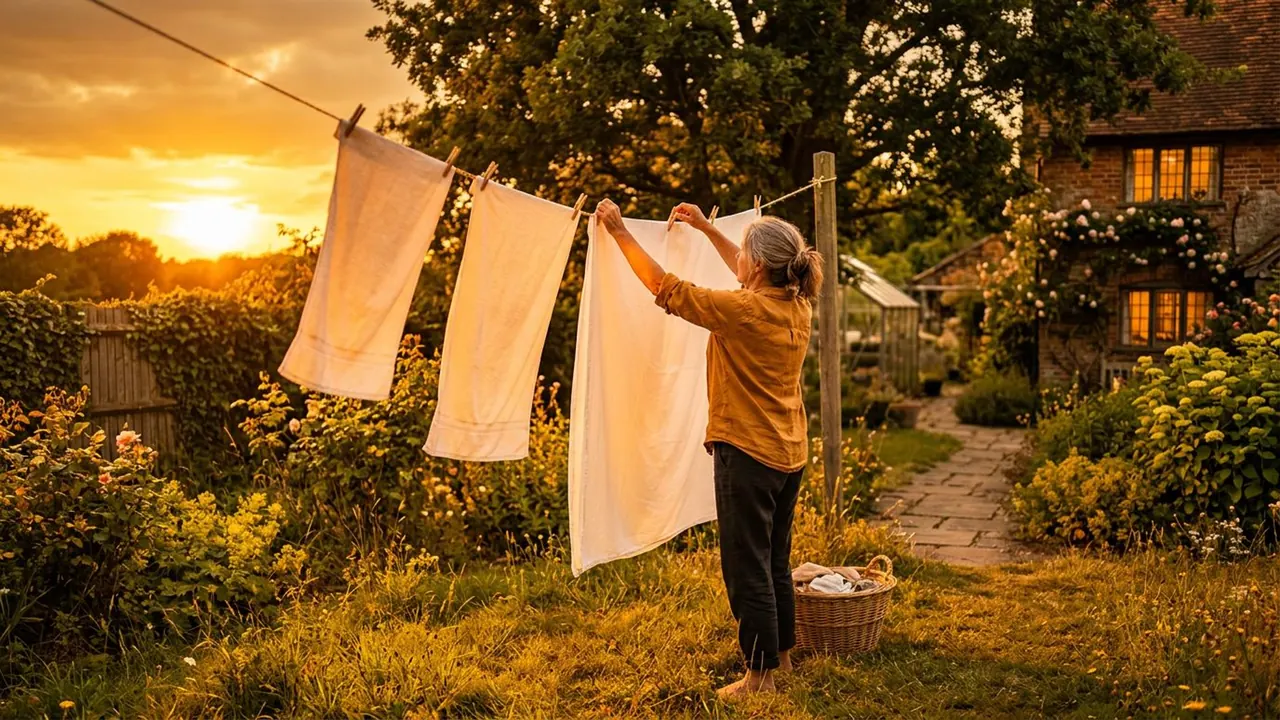
Warm Amber
The whole frame leans warm, and the light feels late and low.
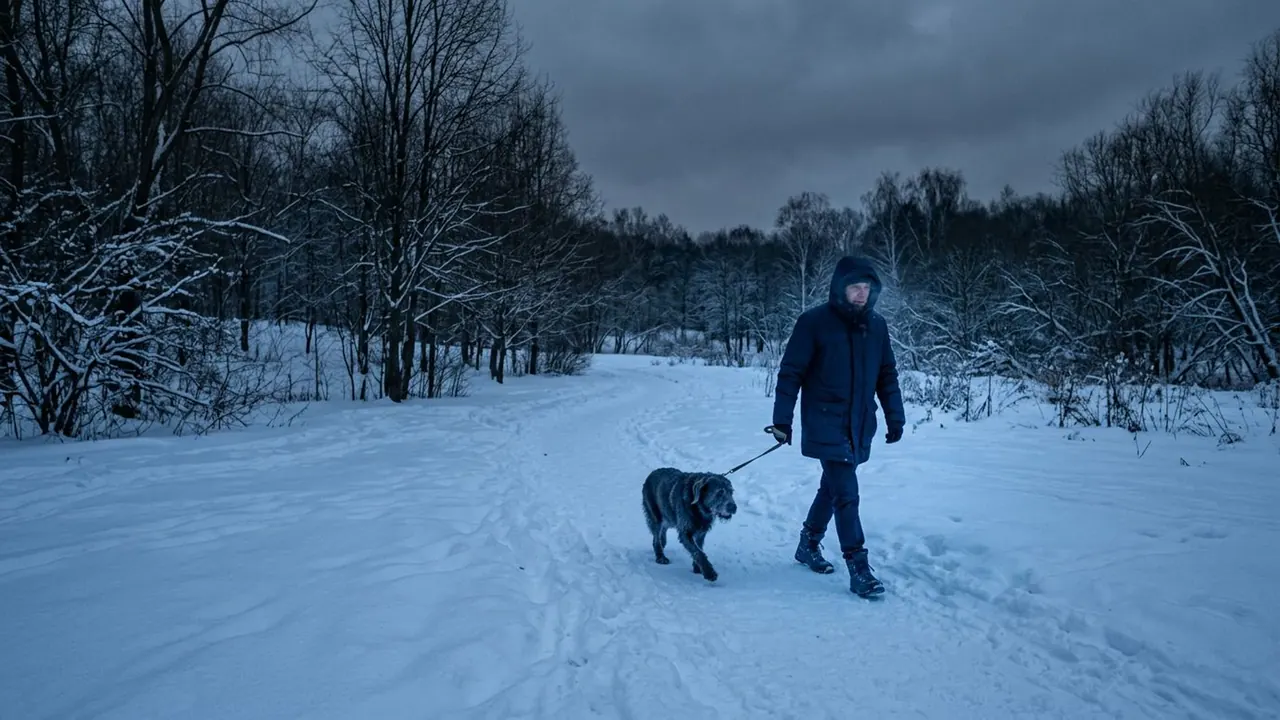
Cool Blue
The whole frame leans blue, and the warmth drops out.
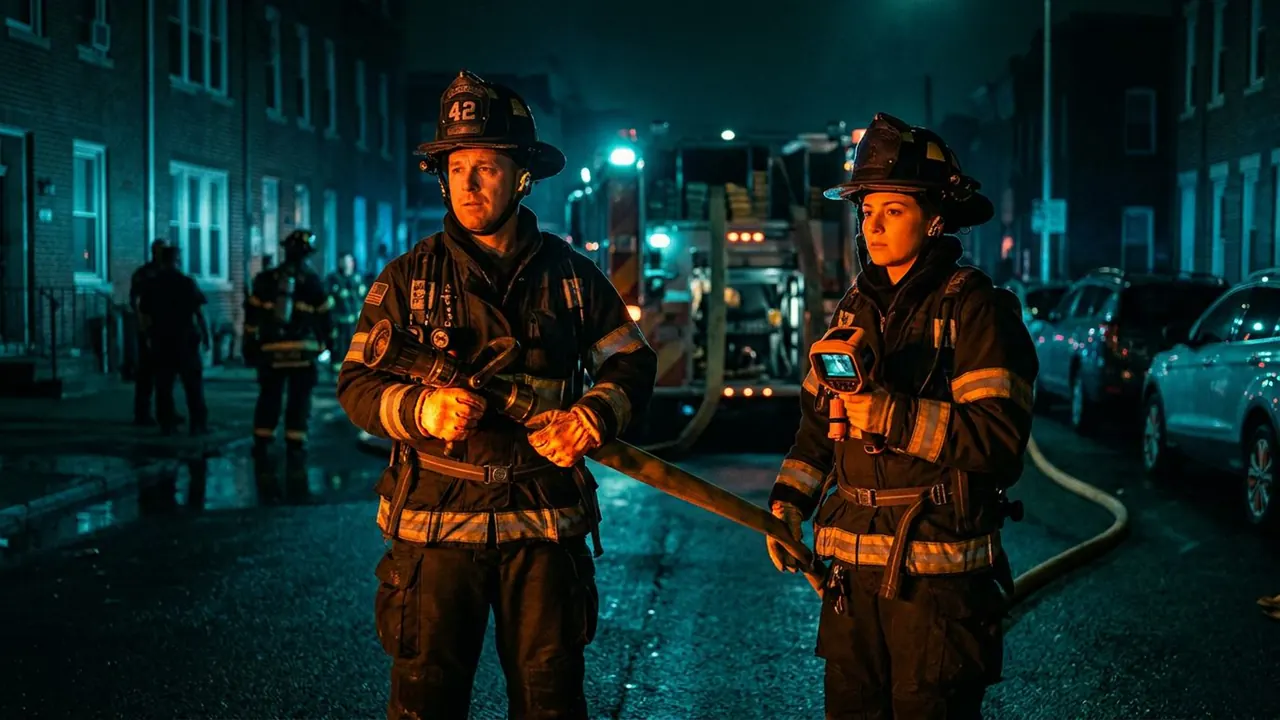
Teal and Orange
Skin holds warm and the shadows go cold blue-green.
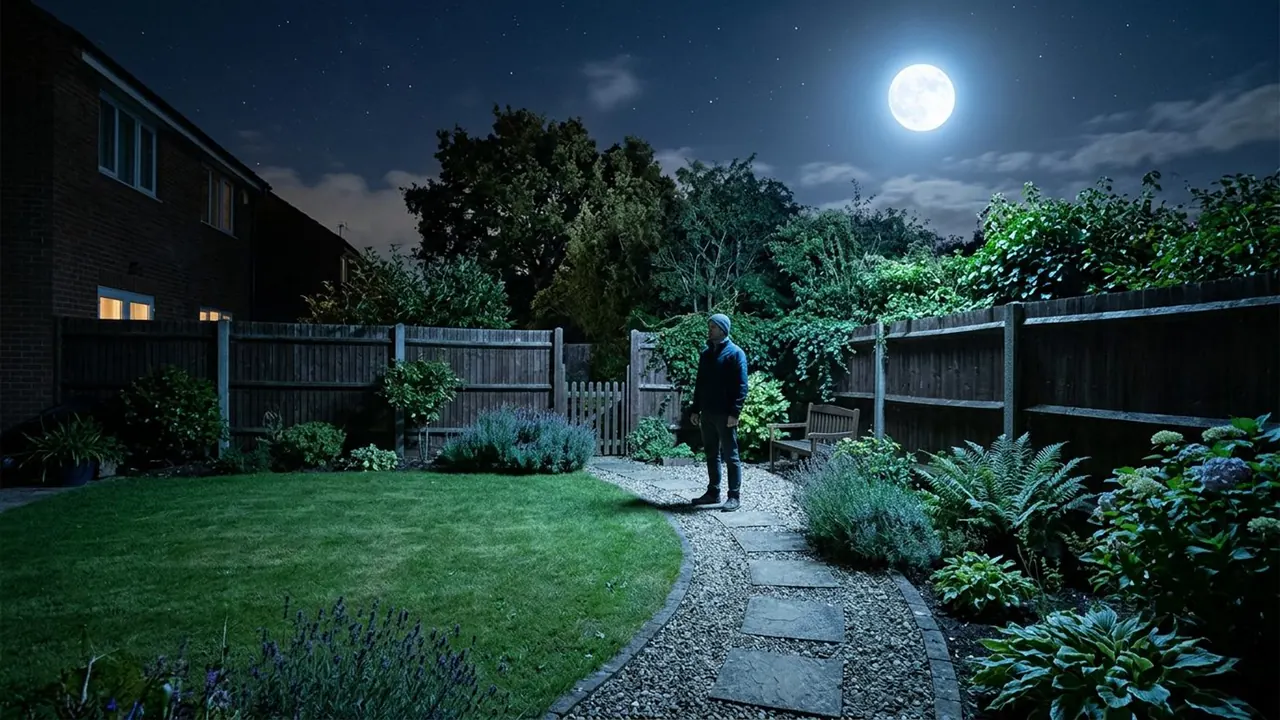
Moonlight Gel
A blue gel stands in for moonlight and keeps the night readable.
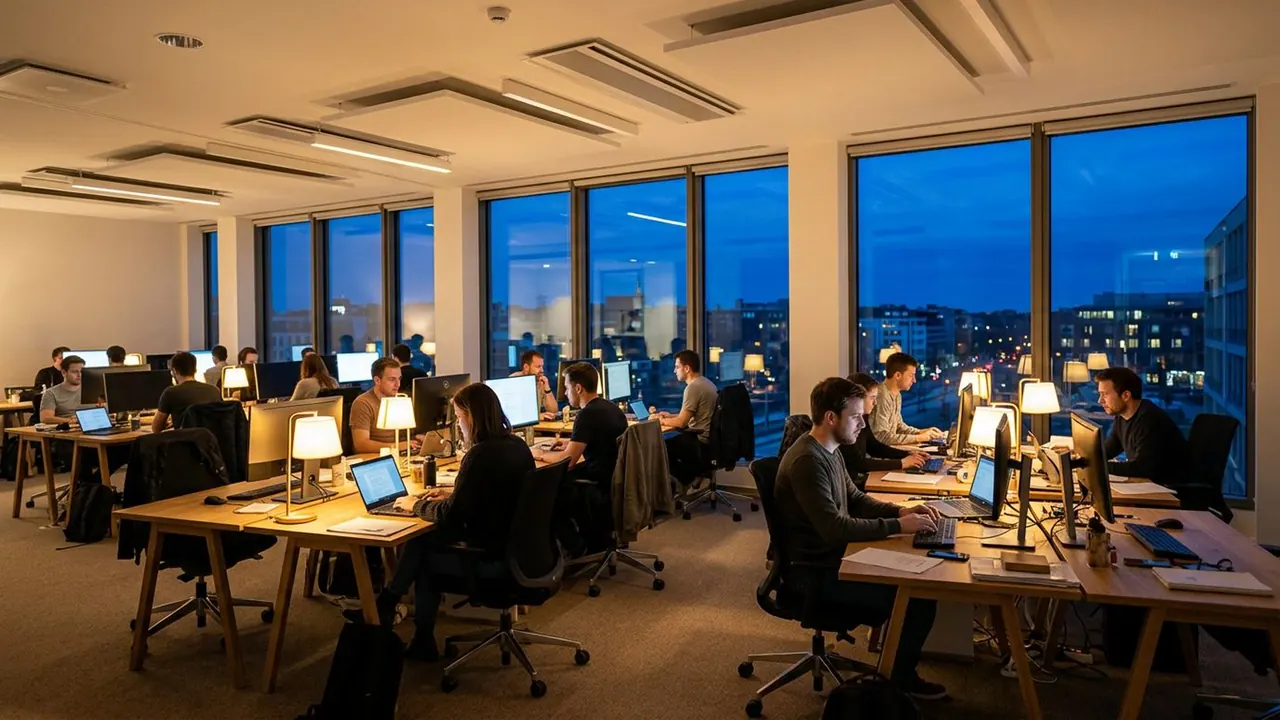
Tungsten Balance
The camera is set for tungsten, so any daylight in frame turns blue.
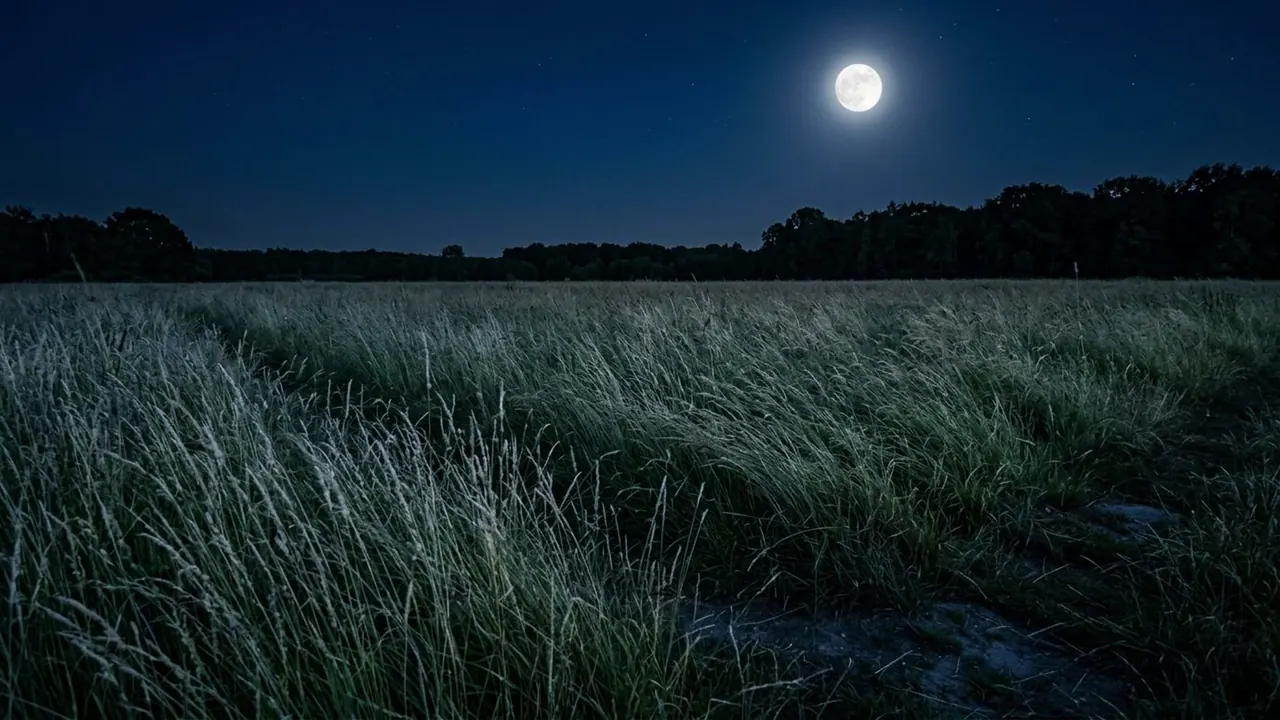
Day for Night
Daylight is graded to read as night without ever being dark.
How much colour
5From no colour at all to more than life. Saturation is a volume knob, and most looks sit at one end of it.

Hyper-Saturation
Colour is pushed far past life until it becomes the subject.
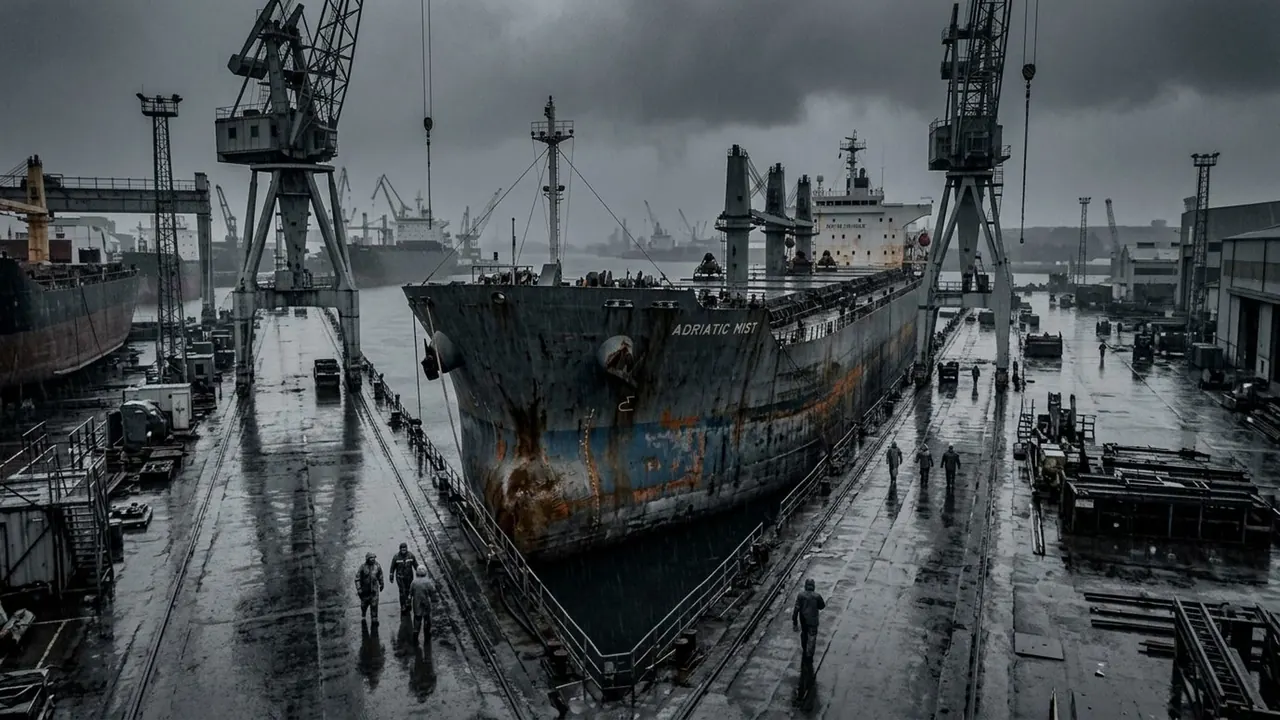
Desaturation
Colour is pulled down toward grey without going fully monochrome.
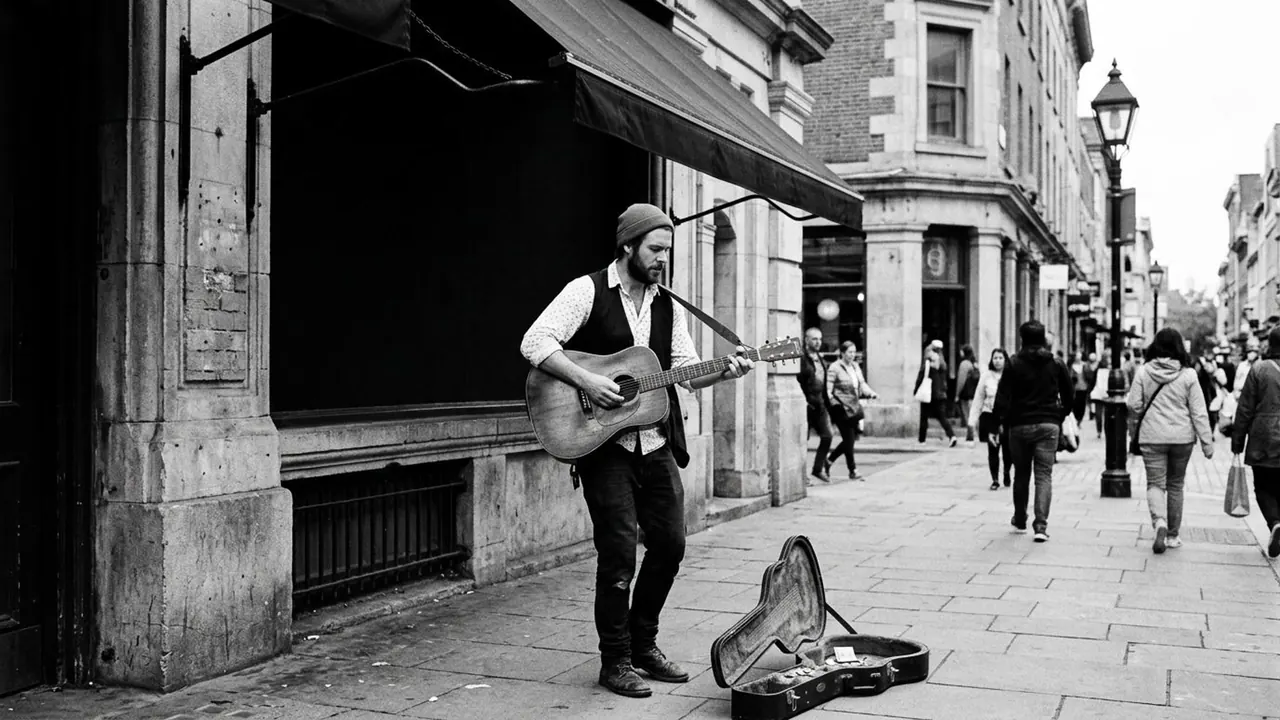
Monochrome
All colour is gone, and tone alone does the work.
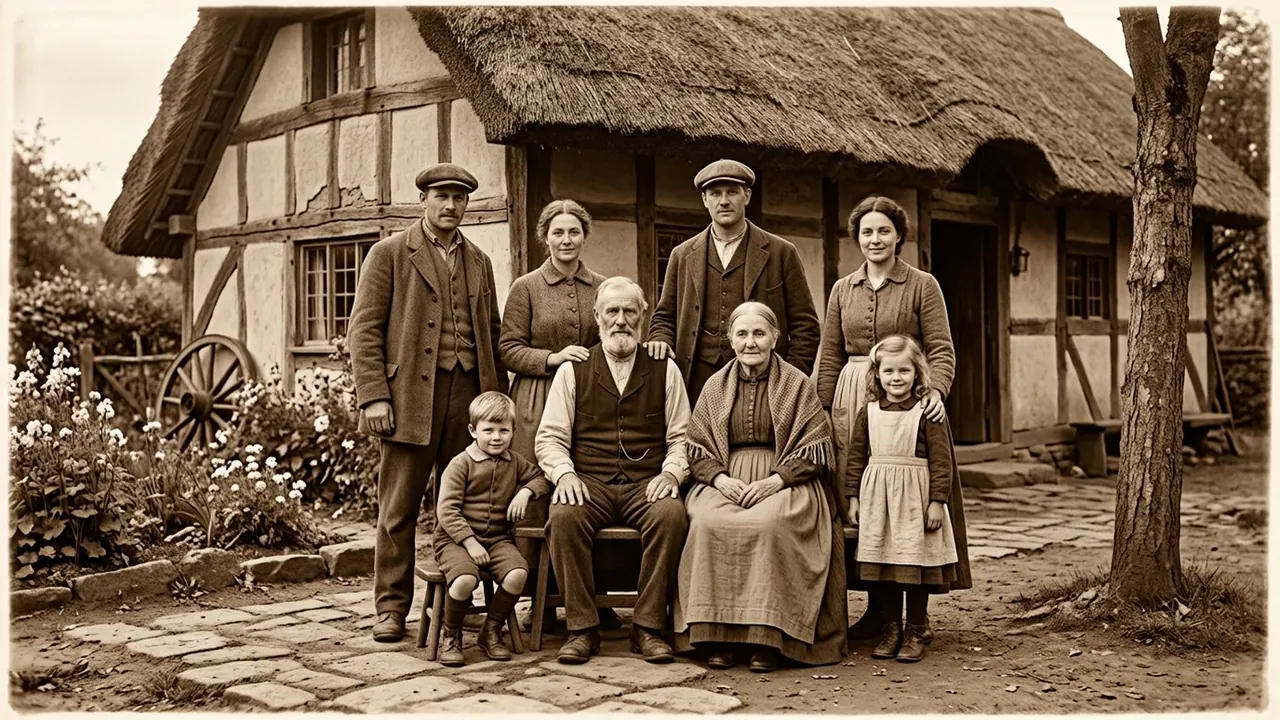
Sepia
A single brown tone carries the whole image.
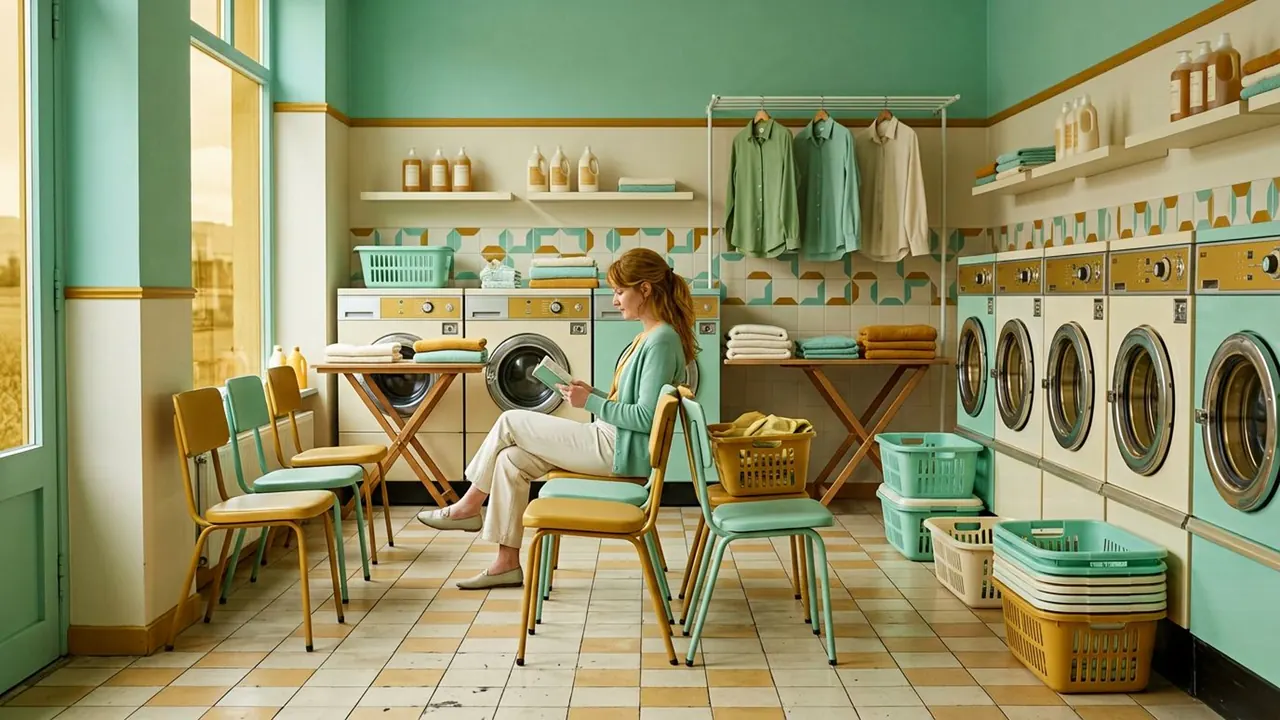
Palette
The frame is restricted to a small set of colours that repeat.
Film and print looks
5Grades that copy what film stock and print chemistry did, on purpose or by accident.
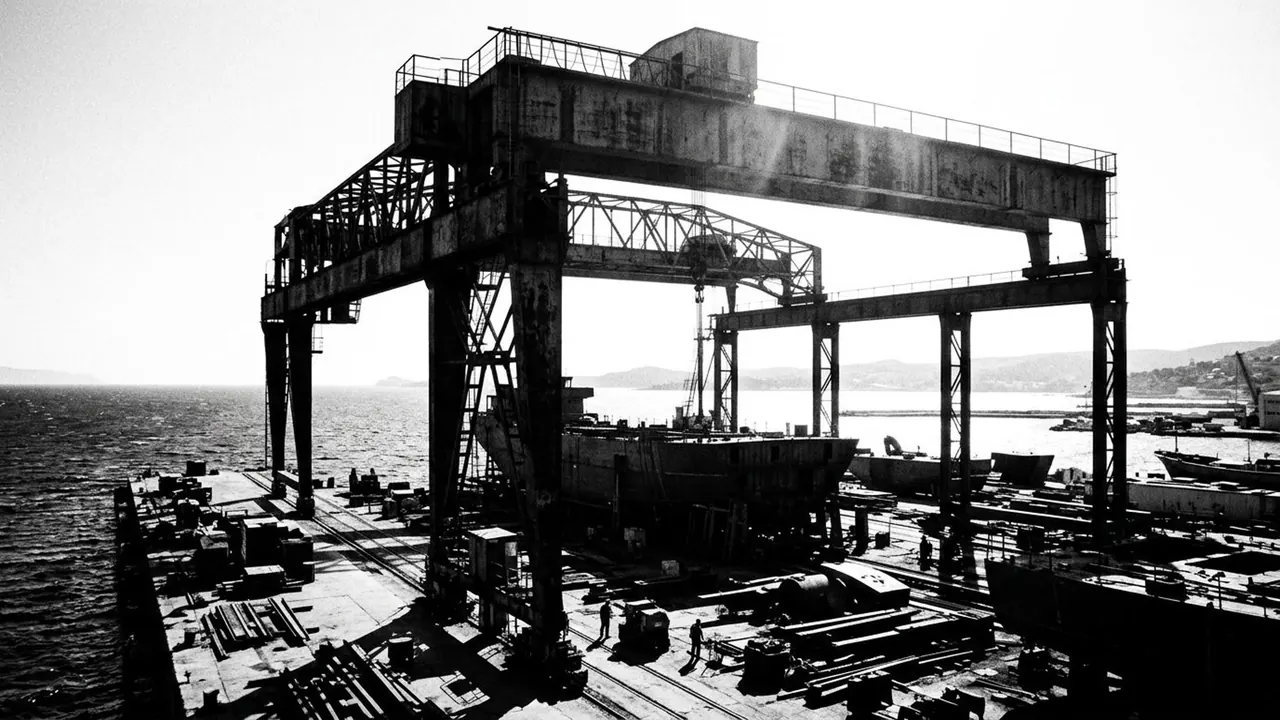
Bleach Bypass
Silver stays in the print, so colour drains and contrast climbs.
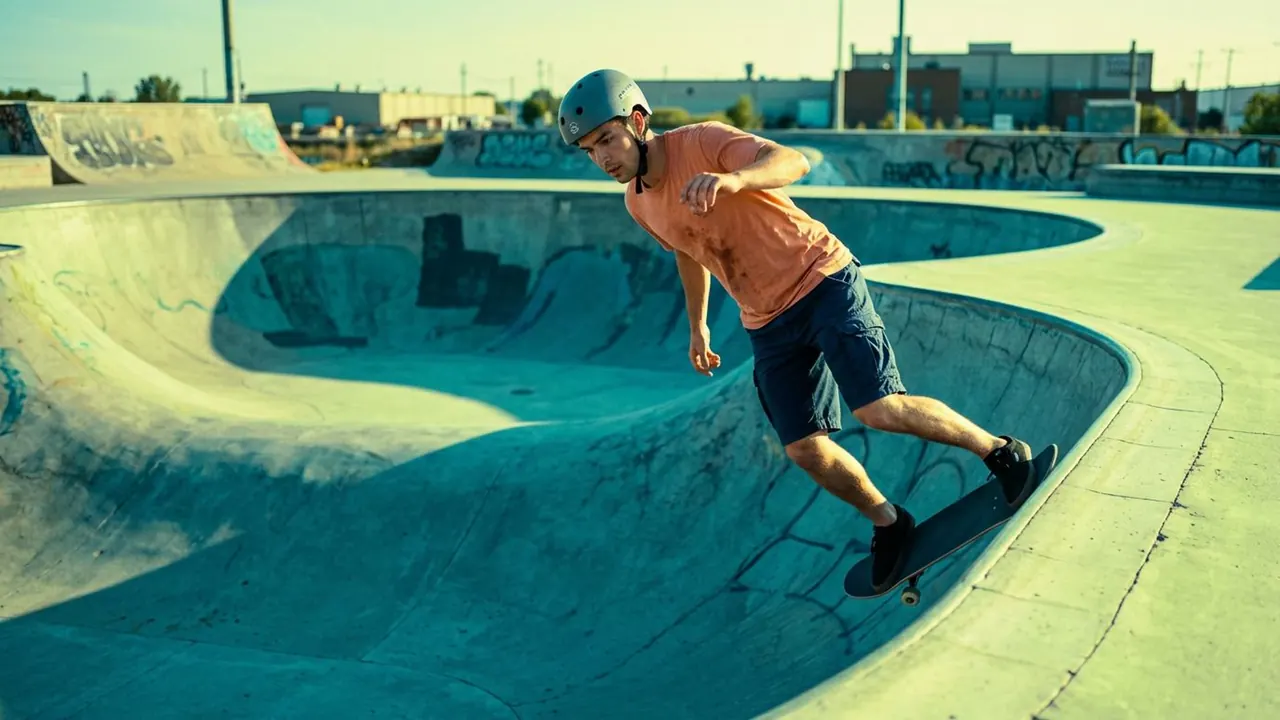
Cross Process
The wrong chemistry crosses the colour curves and skews the tones apart.
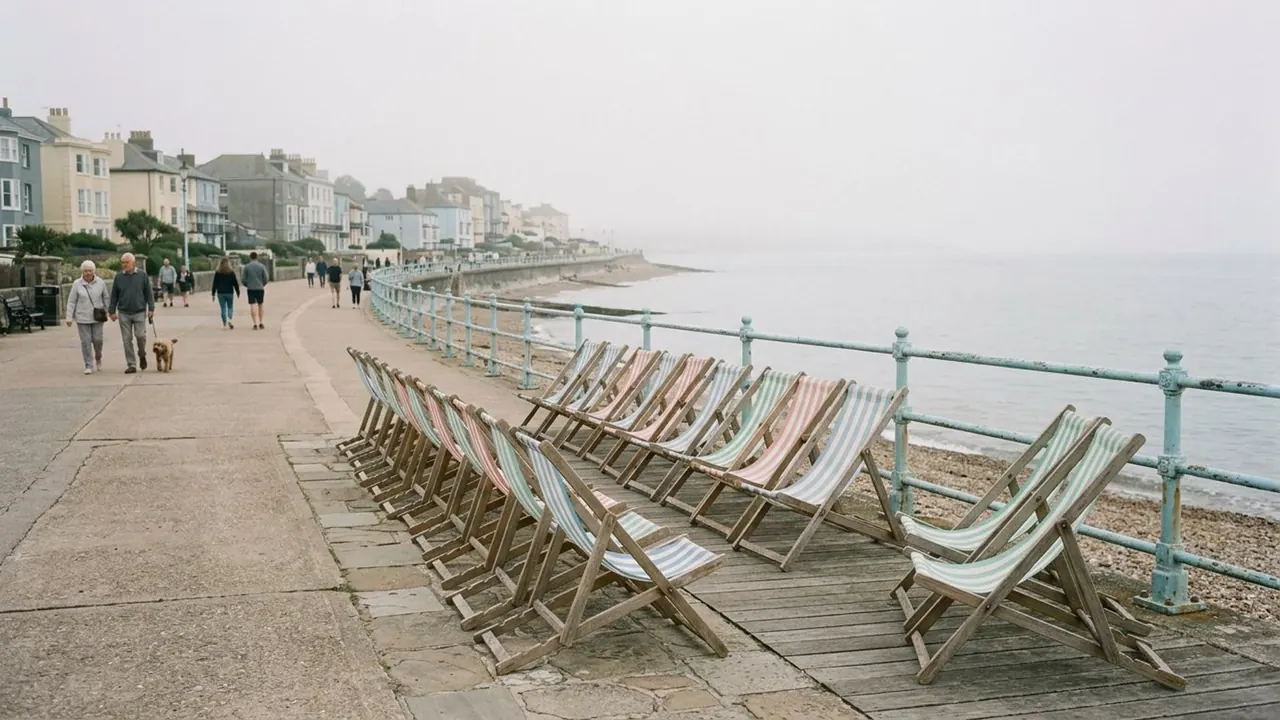
Filmic Faded
Blacks lift and contrast drops, like a print that has aged.
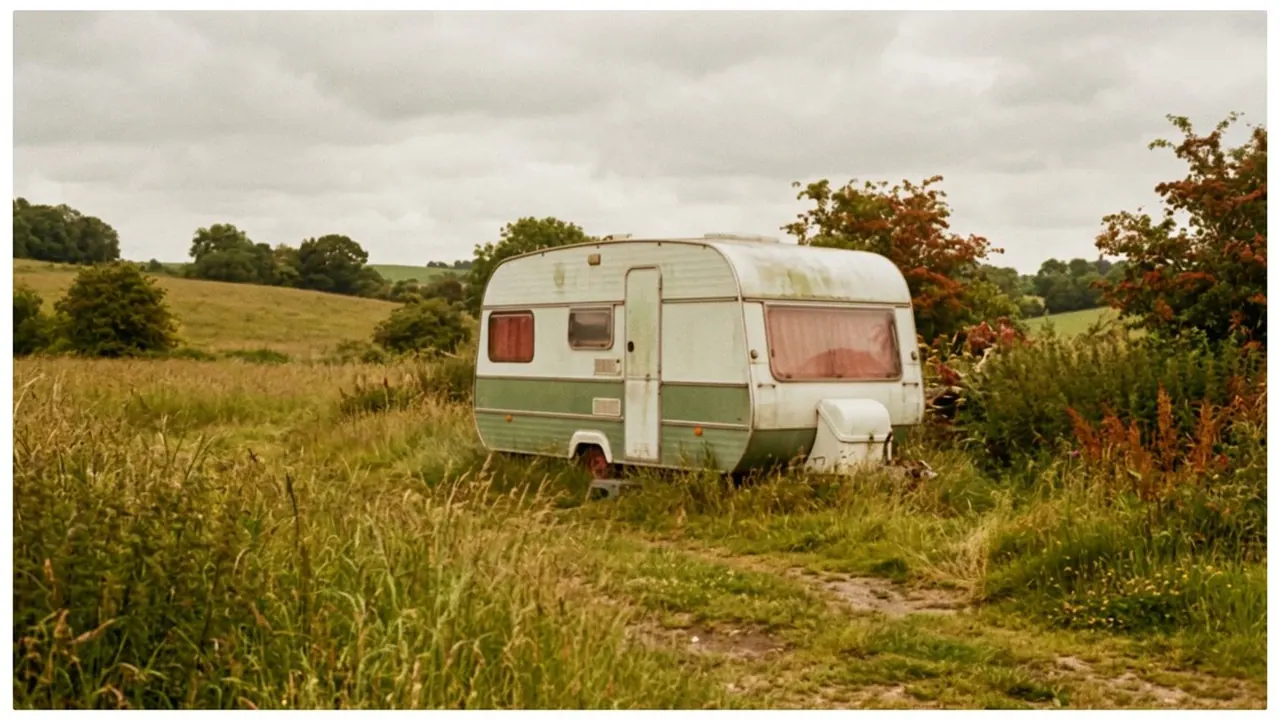
Vintage
The colour behaves like film stock that has aged on the shelf.
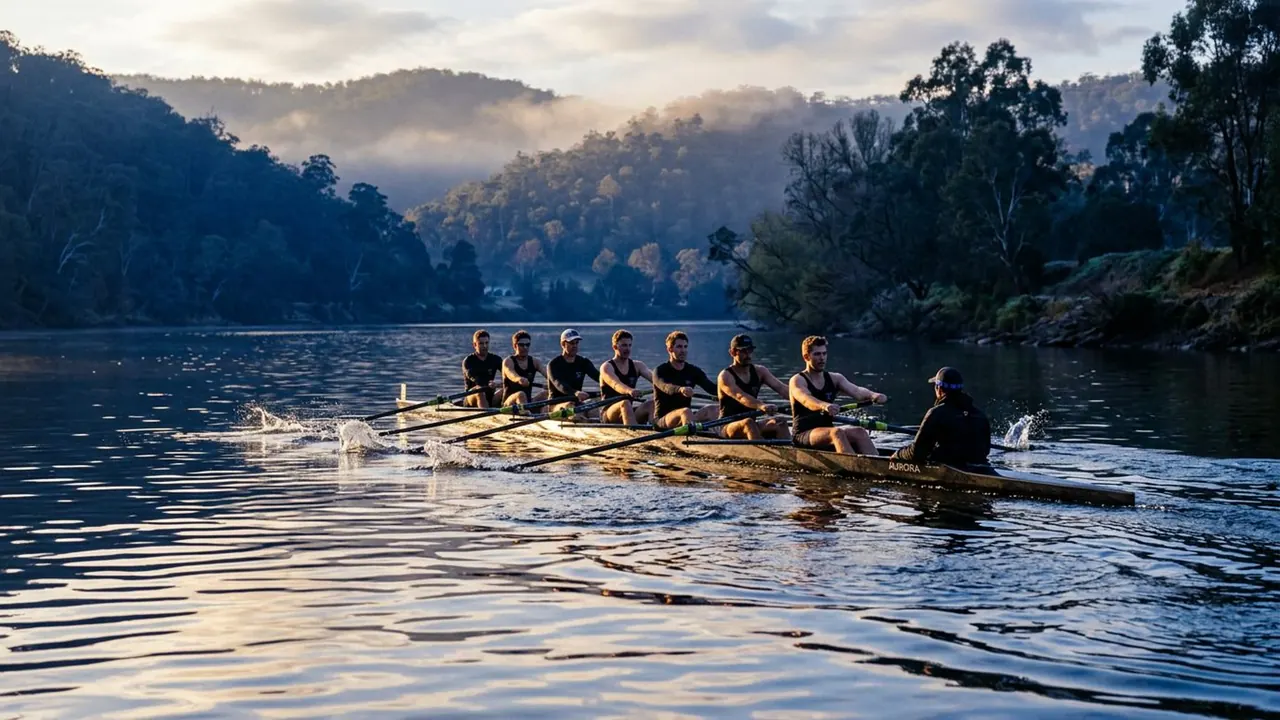
Split Toning
The shadows take one hue and the highlights take another.
Exposure and restraint
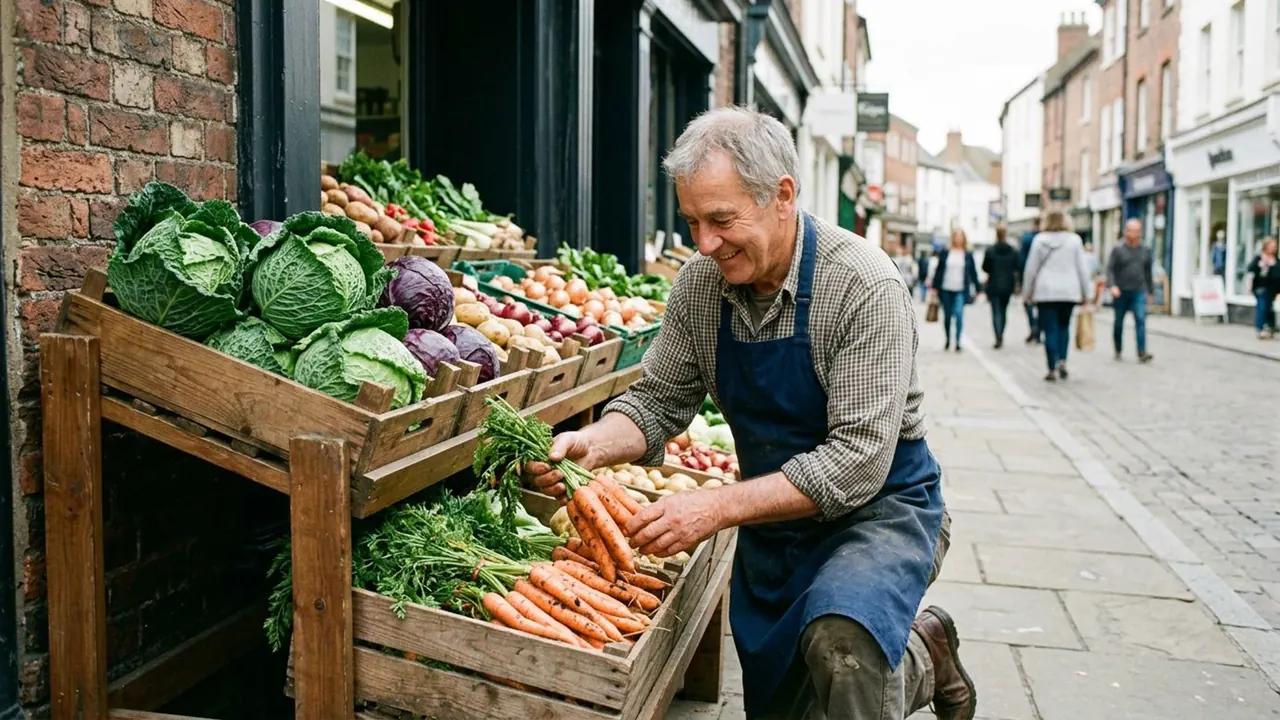
3Two ends of a scale, and the grade in the middle that stays out of the way.
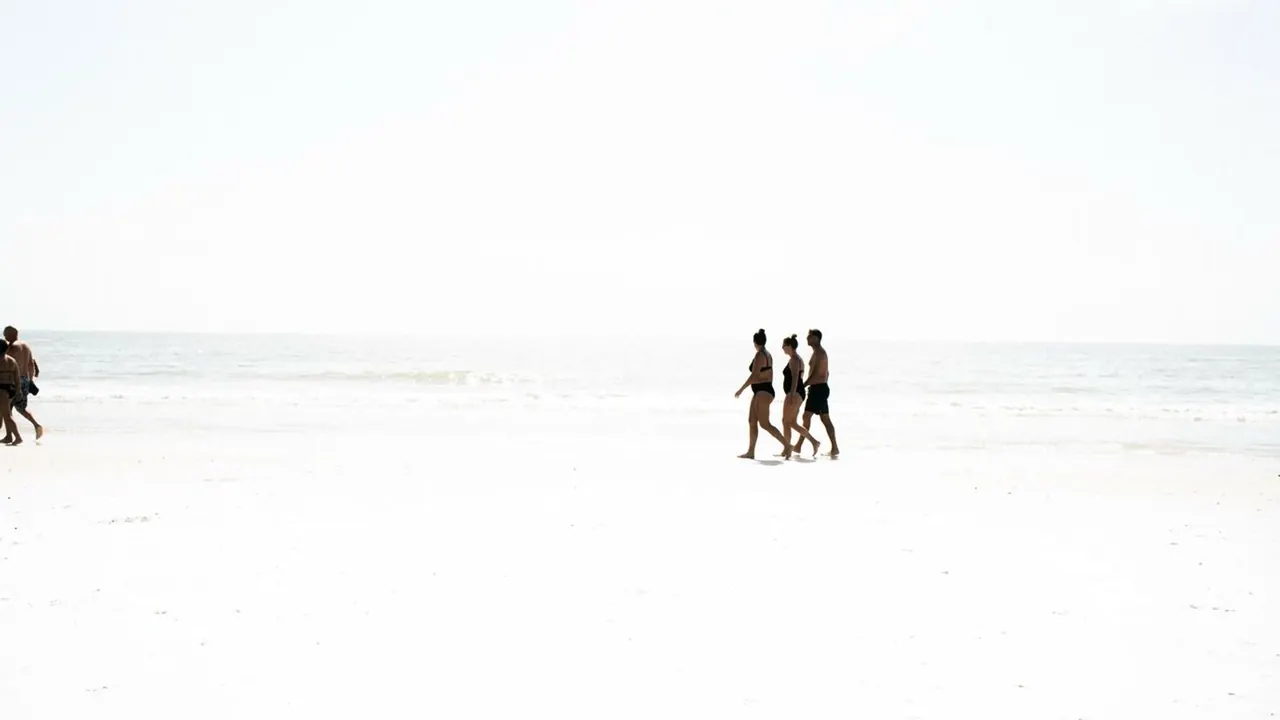
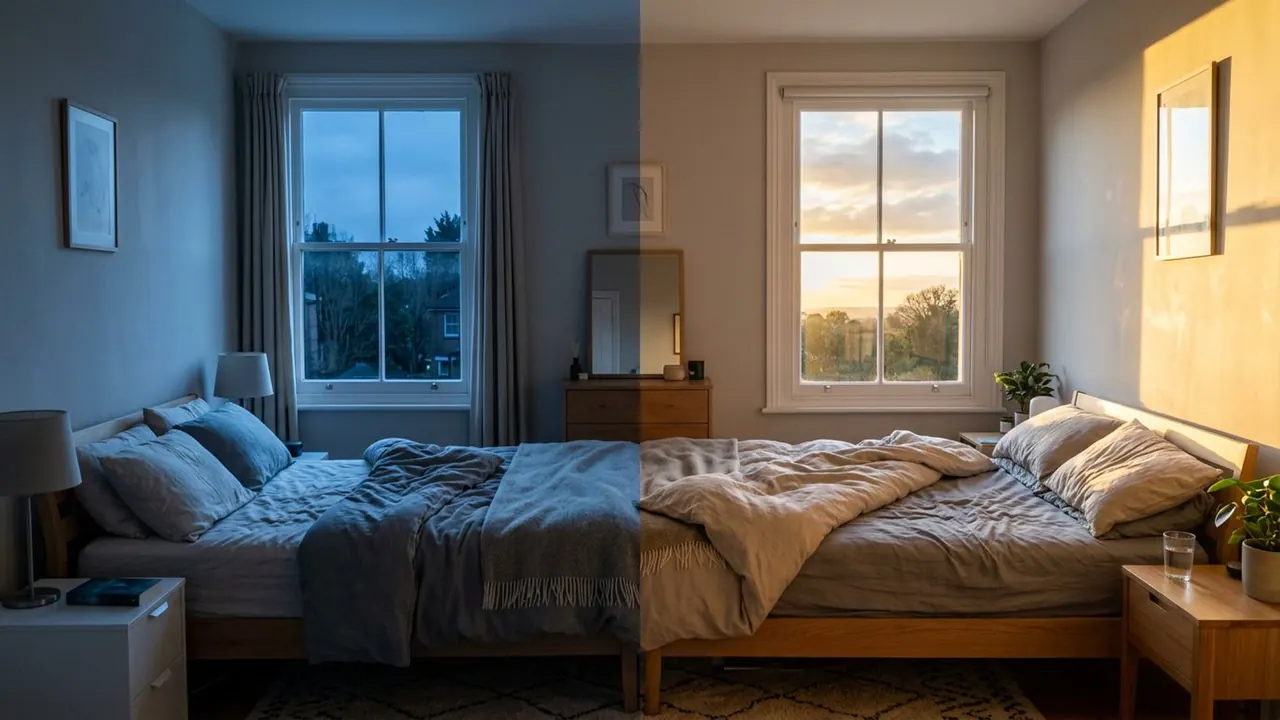
Run one of them
Copy a prompt into a video model and pay for that one run. No subscription.
Open a video modelOther techniques
Shot typesTwenty-five ways to frame a shot, and the wording that gets each one.25 shot typesCamera anglesNineteen places to put the camera, and the wording that gets each one.19 camera anglesCamera movementEighty-six ways to move the camera, and the wording that gets each one.86 camera movesCompositionThirty-two ways to arrange a frame, and the wording that gets each one.32 composition rulesLightingForty-one lighting setups, and the wording that gets each one.41 lighting setupsLenses and opticsSeventeen lenses, and the wording that gets the look of each one.17 lensesTime and motionTwenty-one ways to bend time in a shot, and the wording for each one.21 time effectsCuts and transitionsTwenty-three ways to get from one shot to the next.23 transitionsIn-camera and optical effectsFifty-seven effects a camera can make on its own, and how to ask.57 effectsAtmosphere and weatherThirteen ways to fill the air, and the wording that gets each one.13 atmosphere effectsGenre looksTwenty-seven genres, and the wording that gets the look of each one.27 genre looksViral looksForty-four looks that travel on short-form video, and how to ask.44 viral looks