Monochrome
- black and white
All colour is gone, and tone alone does the work.
Opens a video model with the prompt in it. The price is on the page before you sign in.
What it is for
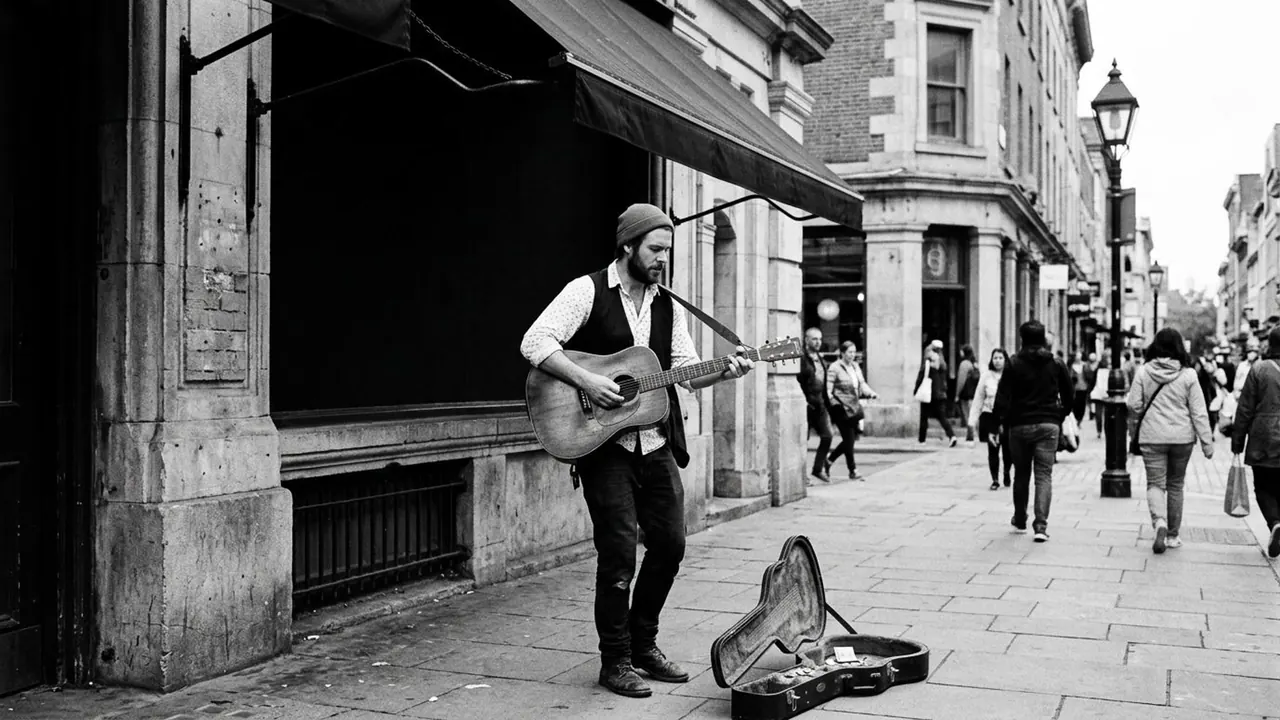
With colour gone, everything the frame says has to come from light and shape. A face reads by its modelling and a room reads by where its shadows fall.
It also signals time. A century of photography has taught audiences to read black and white as the past or as a record, and the association arrives before anything in the picture does.
How it works
Colour comes out and the tonal range takes over, which makes contrast the whole design. Deep black at one end, clean white at the other, and a decision about where skin sits between them.
Different colours become different greys, and that conversion is a choice. A red response darkens a blue sky toward black and lifts skin. A blue response does the opposite. Naming it changes the picture even though nothing in the scene moved.
Texture matters more than it does in colour. With no hue to separate a coat from a wall, the difference has to come from brightness or from surface.
When to use it
Use it for period, for memory, for portraits, and for any scene where colour is adding nothing you want.
Skip it when a colour carries information. A red warning light and a green one are the same grey in black and white.
Told apart from its neighbours
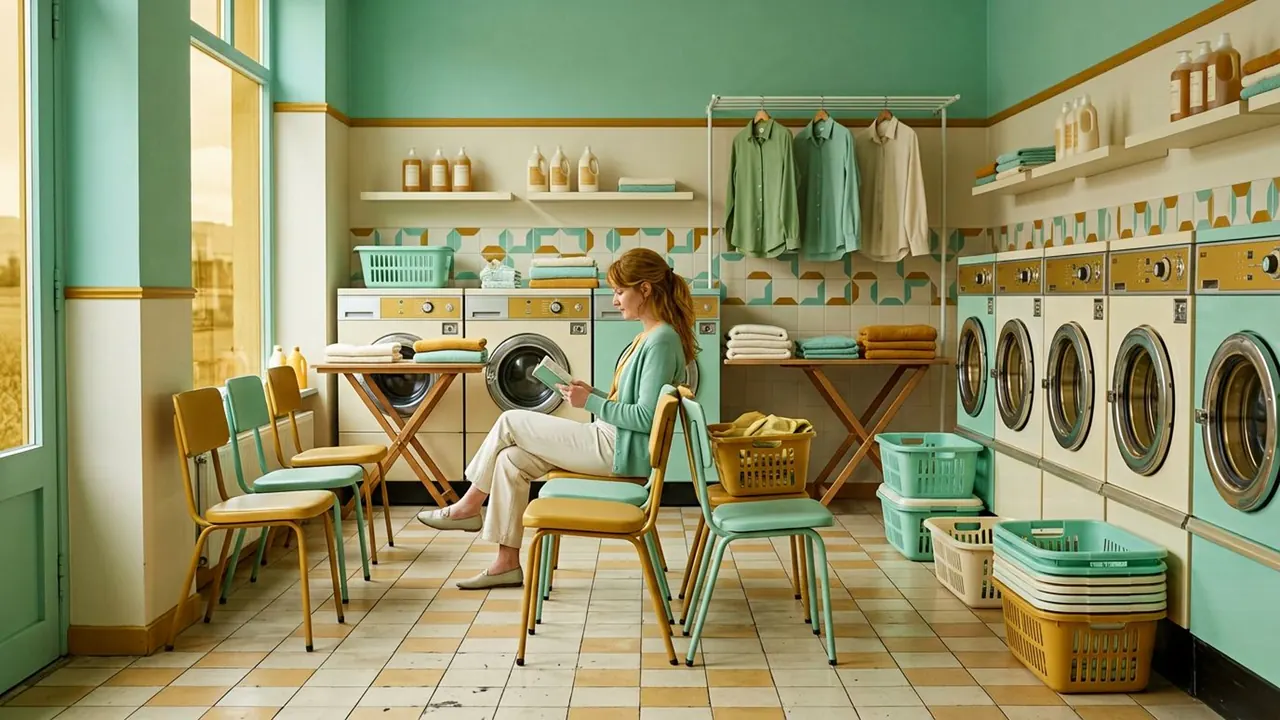
A bleach bypass keeps colour in the frame and drains most of it, so a trace of hue survives alongside hard contrast.
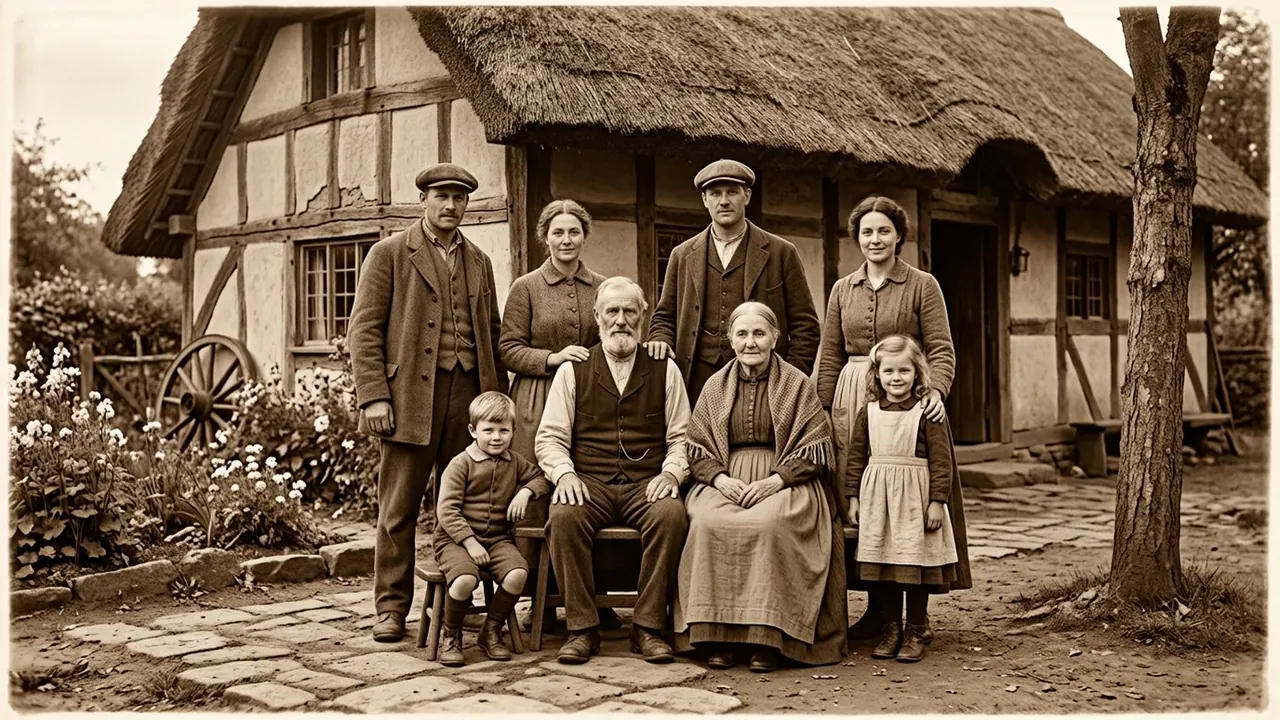
Monochrome has no hue at all. Look for one colour anywhere in the picture. Find any, and it is a drained colour image rather than black and white. Sepia is monochrome too, in brown instead of grey.
On film
Michael Chapman shot Raging Bull (1980) in black and white, which set it apart from the boxing films around it and left the ring sequences working on contrast alone. Gordon Willis shot Manhattan (1979) the same way, building the city out of tone rather than colour.
- Raging Bull (1980)
- Manhattan (1979)
The prompt
Replace the blanks, keep the rest. Then run it on a video model.
monochrome <subject>, no colour at all, full tonal range from deep black to clean white, contrast carrying the image
What goes wrong
A flat grey image comes back, which looks like a mistake rather than a choice. Name the contrast: deep blacks, clean whites, and where the skin sits.
The second failure is a picture with no separation in it. Ask for the tones to stay distinct, or say how a key colour should convert, such as a dark sky behind bright skin.
Leave out
colour, sepia
Watch for
Name the contrast. Flat black and white looks like a mistake rather than a choice.
Questions
Shoot it
Pay for the one run. No subscription, and the price is on the model page before you sign in.