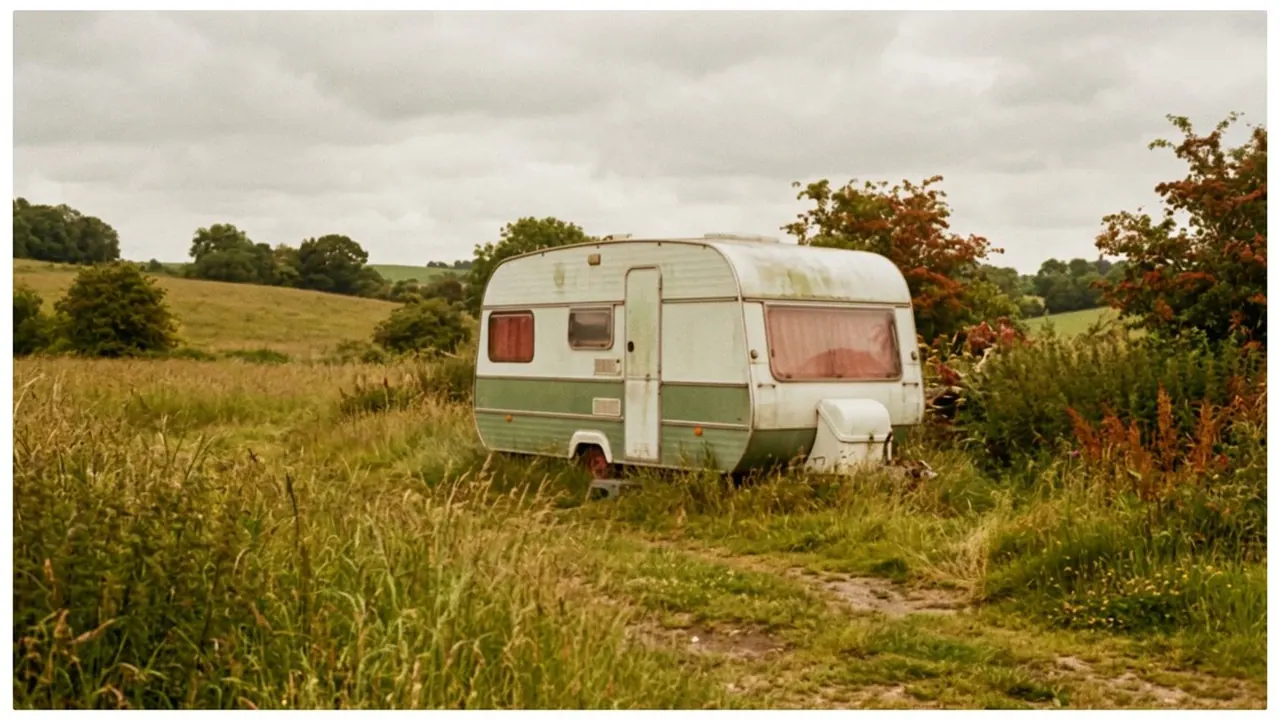
Cross Process
The wrong chemistry crosses the colour curves and skews the tones apart.
Opens a video model with the prompt in it. The price is on the page before you sign in.
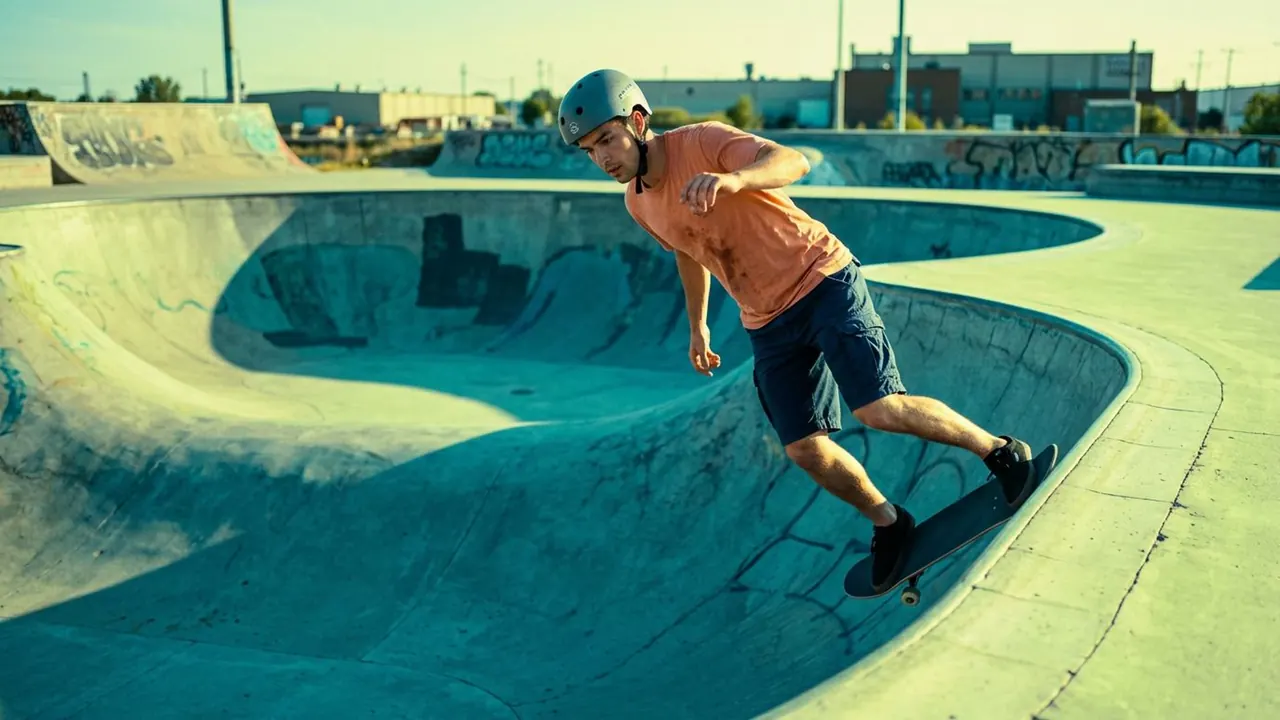
What it is for
Developing one film stock in another stock's chemistry breaks the colour curves apart. Highlights take one cast, shadows take another, and contrast climbs, in ways the stock was never built to do.
The appeal is that it looks like an accident. A cross-processed frame reads as film that went wrong, and that carries a kind of authenticity a clean grade cannot buy.
How it works
The red, green and blue curves stop moving together. One end of the range shifts strongly toward cyan or yellow while the other end goes the opposite way, and the midtones come apart between them.
Contrast rises sharply and skin suffers. Faces go green, yellow or magenta depending on which direction the curves took, and that is part of the look rather than a fault in it.
Every combination of stock and chemistry gives a different result, so there is no single correct version. Naming the two directions is more useful than naming the process.
When to use it
Use it on music videos, on fashion, on drug sequences, and on flashbacks that should feel damaged.
Skip it anywhere skin has to look healthy. The process attacks skin first and hardest.
Told apart from its neighbours
Hyper-saturation pushes every hue toward full strength while they all keep their relationship to each other. Red stays red, only more so.
Cross processing moves hues in different directions at different brightnesses. If the highlights have gone yellow while the shadows have gone cyan, the frame is cross processed rather than saturated.
On film
Newton Thomas Sigel shot Three Kings (1999) on reversal stock and had parts of it cross processed and silver retained, which is where the desert sequences get their blown highlights and their hard colour.
- Three Kings (1999)
The prompt
Replace the blanks, keep the rest. Then run it on a video model.
cross processed look on <subject>, colour curves crossed, skewed highlight and shadow hues, heightened contrast, unnatural cast
What goes wrong
A generic filter comes back, because cross processed on its own means nothing specific to a model. Name both directions, such as highlights going yellow and shadows going cyan.
The second failure is a result that is merely saturated. Say the curves are crossed, that the two ends of the range move opposite ways, and add the raised contrast.
Leave out
natural colour, neutral grade
Watch for
Name which way each end skews, or the model settles on a generic filter.
Questions
Shoot it
Pay for the one run. No subscription, and the price is on the model page before you sign in.