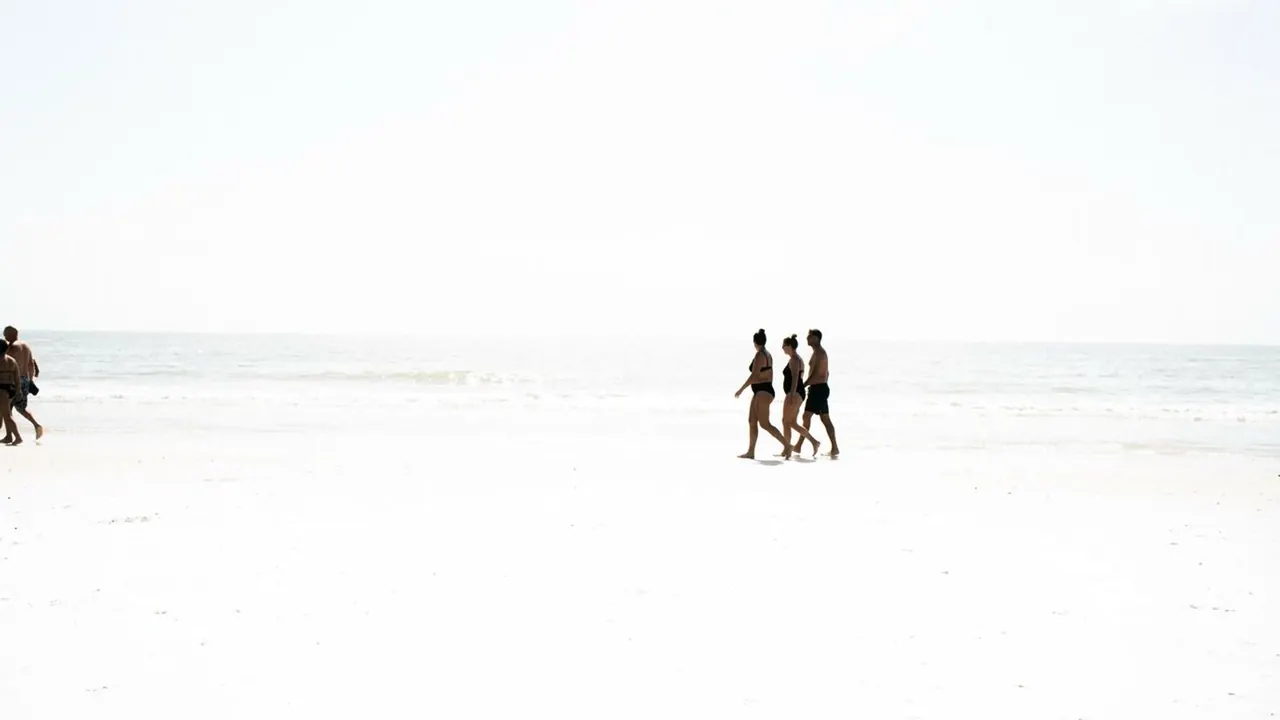
Color Shift
- Color threshold
- B&W/color transition
The colour changes through the shot rather than sitting still.
Opens a video model with the prompt in it. The price is on the page before you sign in.
What it is for
A grade that moves turns colour into an event. The audience watches the world change while they are looking at it, which lands harder than cutting to a differently graded shot.
The strongest version is a threshold. A character crosses a doorway and the colour crosses with them, so the change of place and the change of palette happen in the same frame.
How it works
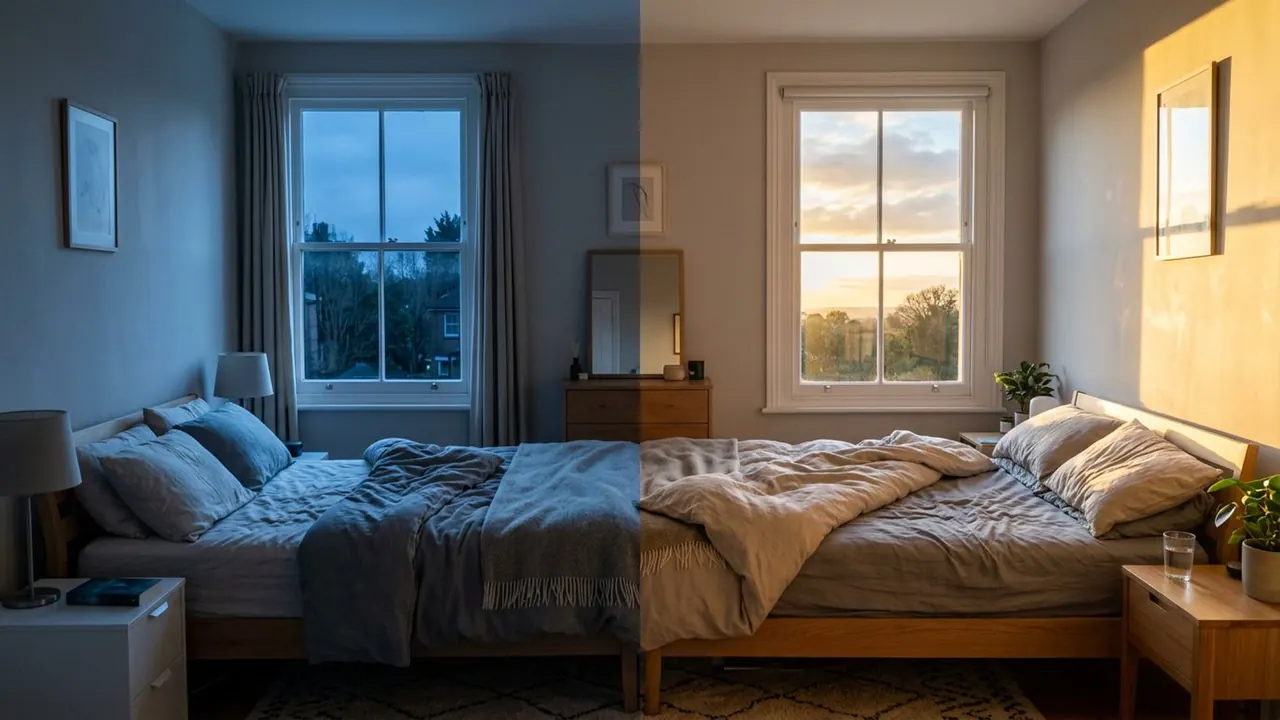
Two grades and a transition between them. Naming both ends matters more than naming the middle, because the middle is whatever the move between them produces.
Where it turns is the other decision. A shift tied to an action, such as a door opening or a step taken, reads as meaning. A shift on a timer reads as a fault in the equipment.
Speed changes what it says. A fast change is a cut in everything but name. A slow drift across many seconds is something the audience notices only once it has finished.
When to use it
Use it on a threshold, on a change of state, on a dream starting or ending, and on the moment somebody understands something.
Skip it inside a scene that has to sit still. A moving grade pulls attention to the image, and a quiet dialogue beat will lose to it.
Told apart from its neighbours
Split toning puts two hues in one frame at the same time, one in the shadows and one in the highlights, and it never moves.
A colour shift is one grade at a time, changing across the length of the shot. Freeze a single frame. Two colours at once is split toning. One colour that was different a second ago is a shift.
On film
Dorothy steps out of a sepia farmhouse into full Technicolor in The Wizard of Oz (1939), and the change of colour is the change of world. Andrei Tarkovsky uses the same threshold in Stalker (1979), where the journey toward the Zone runs near monochrome and the Zone itself arrives in colour.
- The Wizard of Oz (1939)
- Stalker (1979)
The prompt
Replace the blanks, keep the rest. Then run it on a video model.
colour shifting across the shot on <subject>, grade moving from <colour A> to <colour B> as it plays
What goes wrong
An unplanned drift comes back that reads as a fault. Name both ends and say what triggers the turn, such as a door opening or a step through a gate.
The second failure is a change too small to notice. Ask for the two grades to be clearly different from each other, and give the shift somewhere to land.
Leave out
fixed grade, single tone
Watch for
Name both ends and the moment it turns. A drift with no plan reads as an error.
Questions
Shoot it
Pay for the one run. No subscription, and the price is on the model page before you sign in.