Filmic Faded
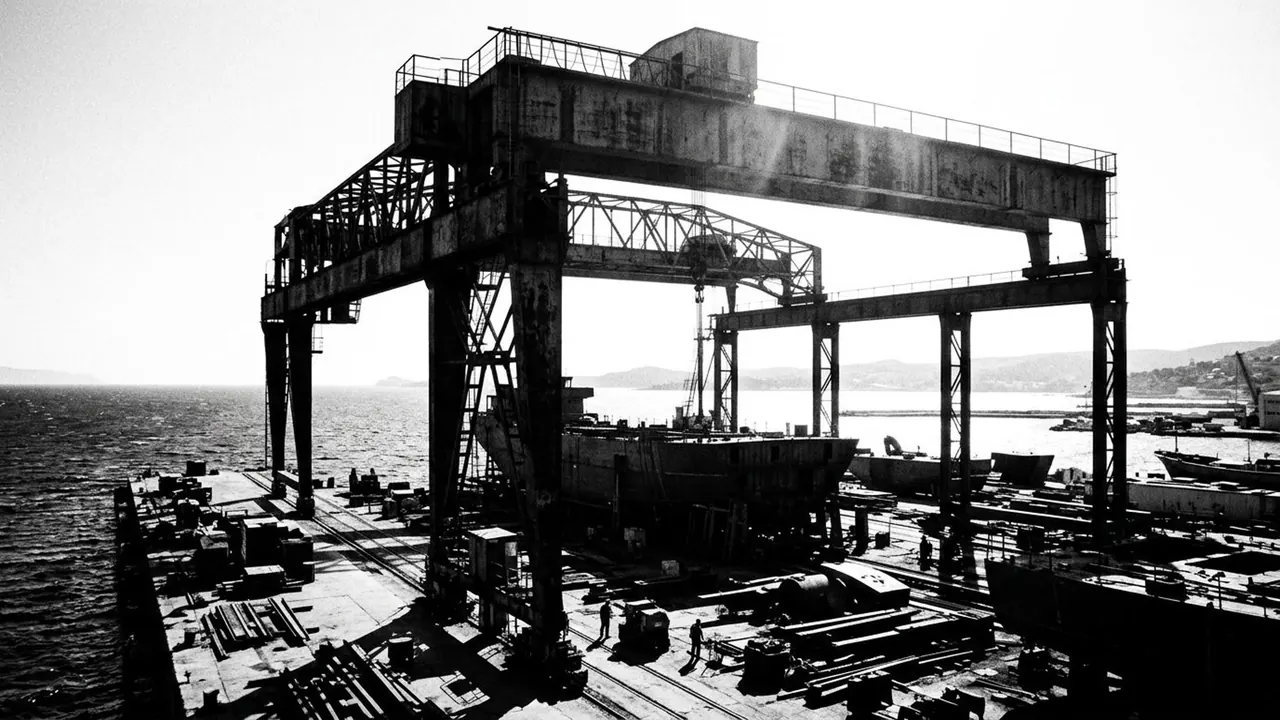
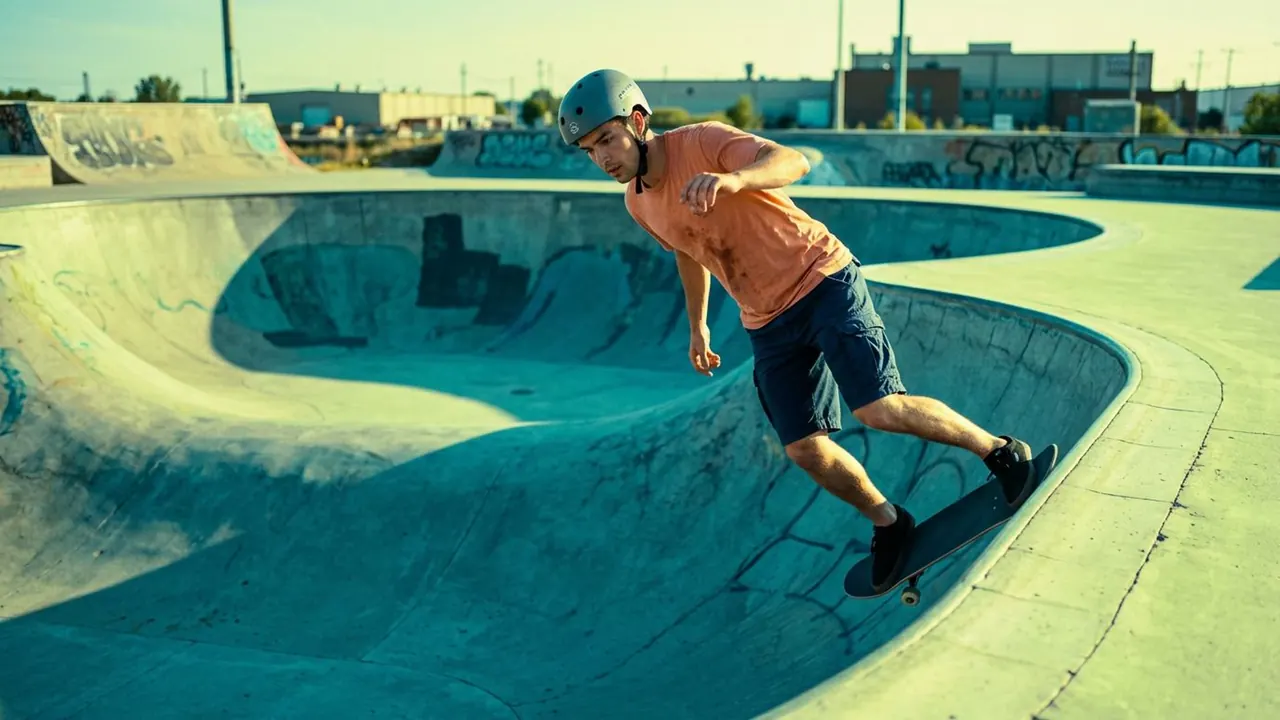
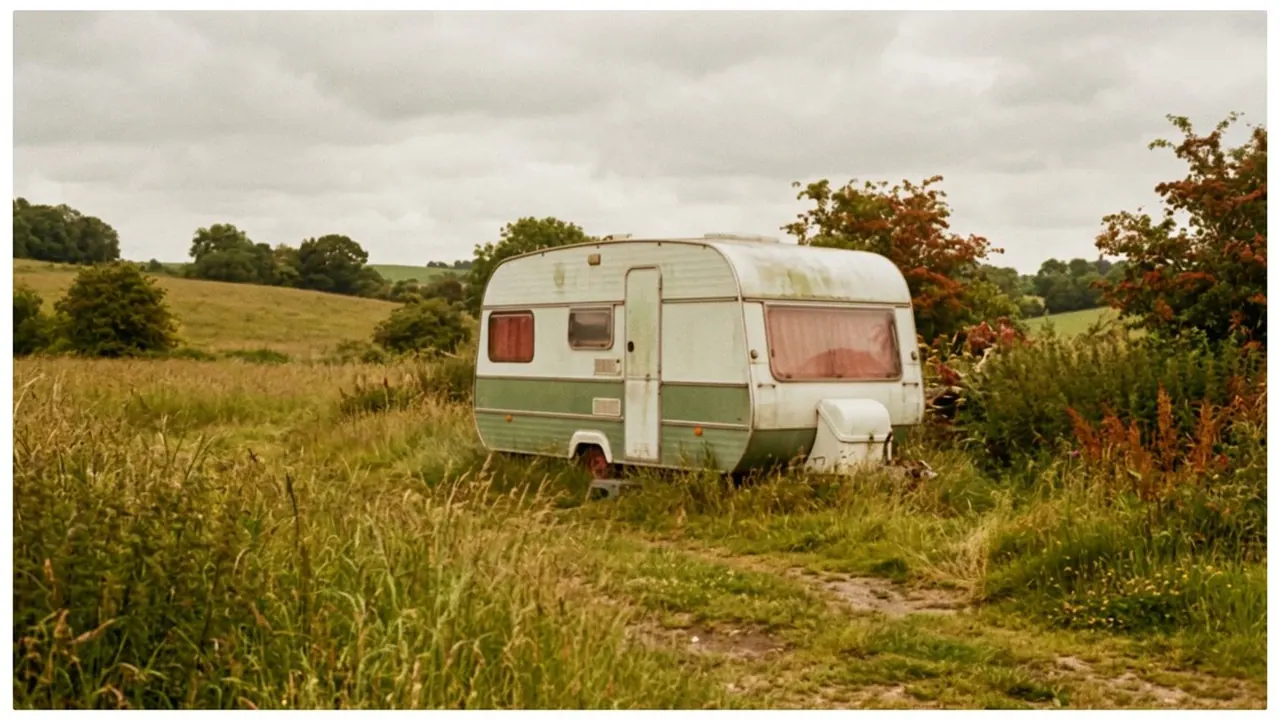
Blacks lift and contrast drops, like a print that has aged.
Opens a video model with the prompt in it. The price is on the page before you sign in.
What it is for
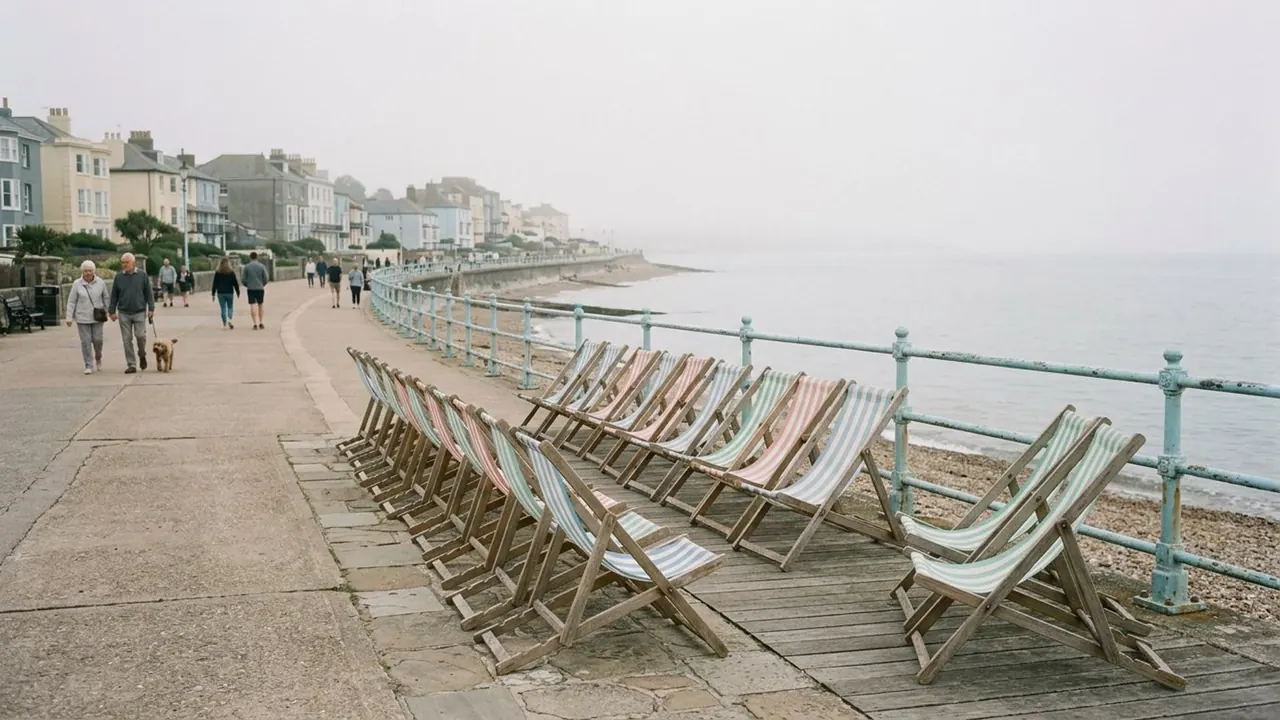
A print that has sat in a can for forty years loses its deepest blacks. The shadows lift toward grey, contrast falls, and the whole image softens without losing its detail.
Copying that decay reads as age and as memory. It also takes the hardness out of digital footage, which is most of why the look survives on cameras that have never seen a lab.
How it works
The black point comes up off zero. Shadows that would have been true black sit at a dark grey instead, which is what people mean by milky or lifted.
Contrast comes down with it. Highlights often roll off early as well, so the brightest parts of the frame stop short of pure white and the whole range compresses toward the middle.
A slight cast usually sits in the lifted shadows, because prints do not fade evenly. A little green or cyan in the blacks reads as chemistry rather than as a decision.
When to use it
Use it on memory, on archive, on anything shot to look found, and on digital footage that needs its edge taken off.
Skip it when the image needs weight. Lifting the blacks costs contrast, and a frame that has to feel solid will go soft.
Told apart from its neighbours
Vintage cine glass is a lens rather than a grade. Old glass lowers contrast by scattering light inside the barrel, and it adds flare and soft corners at the same time.
A faded grade lifts the blacks evenly across the whole picture and leaves the sharpness alone. If the corners are soft and the highlights bloom, the look is coming from the lens.
The prompt
Replace the blanks, keep the rest. Then run it on a video model.
faded film grade on <subject>, blacks lifted off zero, contrast reduced, milky shadows, aged print feel
What goes wrong
True black comes back, because most models reach for contrast by default. Say the shadows never reach black, and name where the black point sits, such as a dark grey.
The second failure is a washed-out frame with no detail left. Ask for the midtones to stay separated, so the picture reads as faded rather than as a mistake in exposure.
Leave out
deep blacks, high contrast
Watch for
The lifted black is the whole look. Say the shadows never reach true black.
Questions
Shoot it
Pay for the one run. No subscription, and the price is on the model page before you sign in.
Next to it in film and print looks