Split Toning
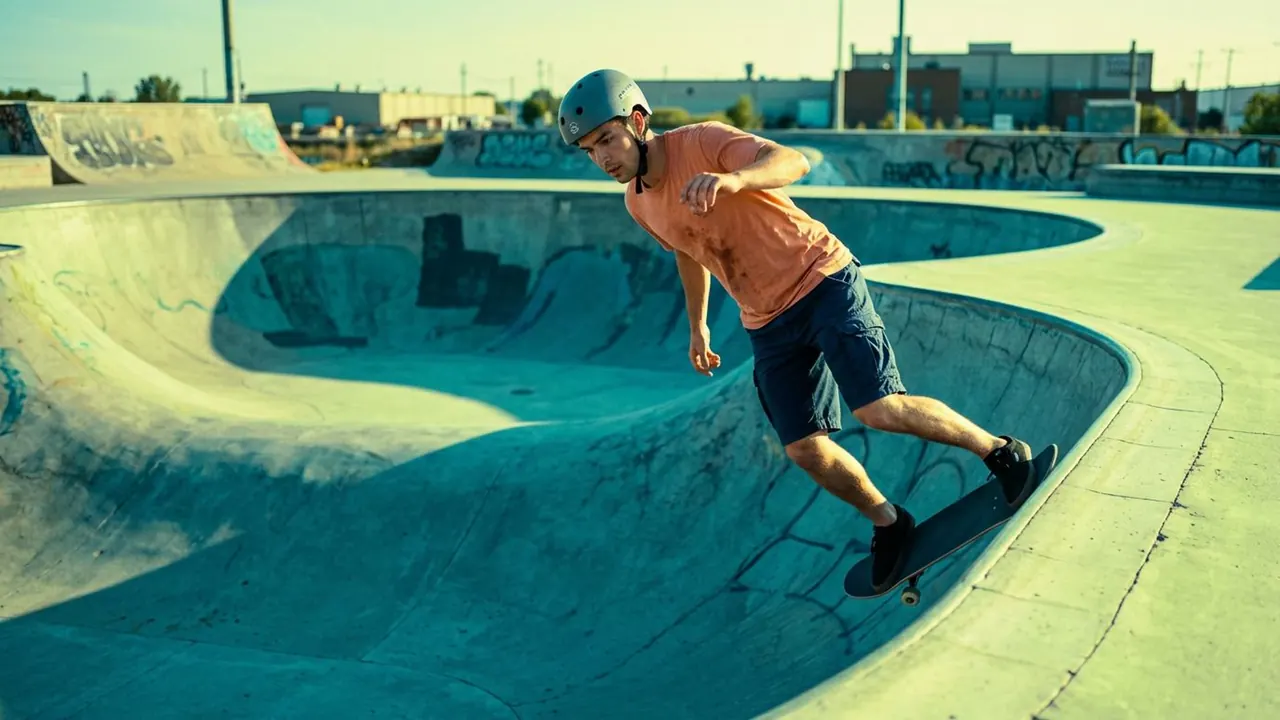
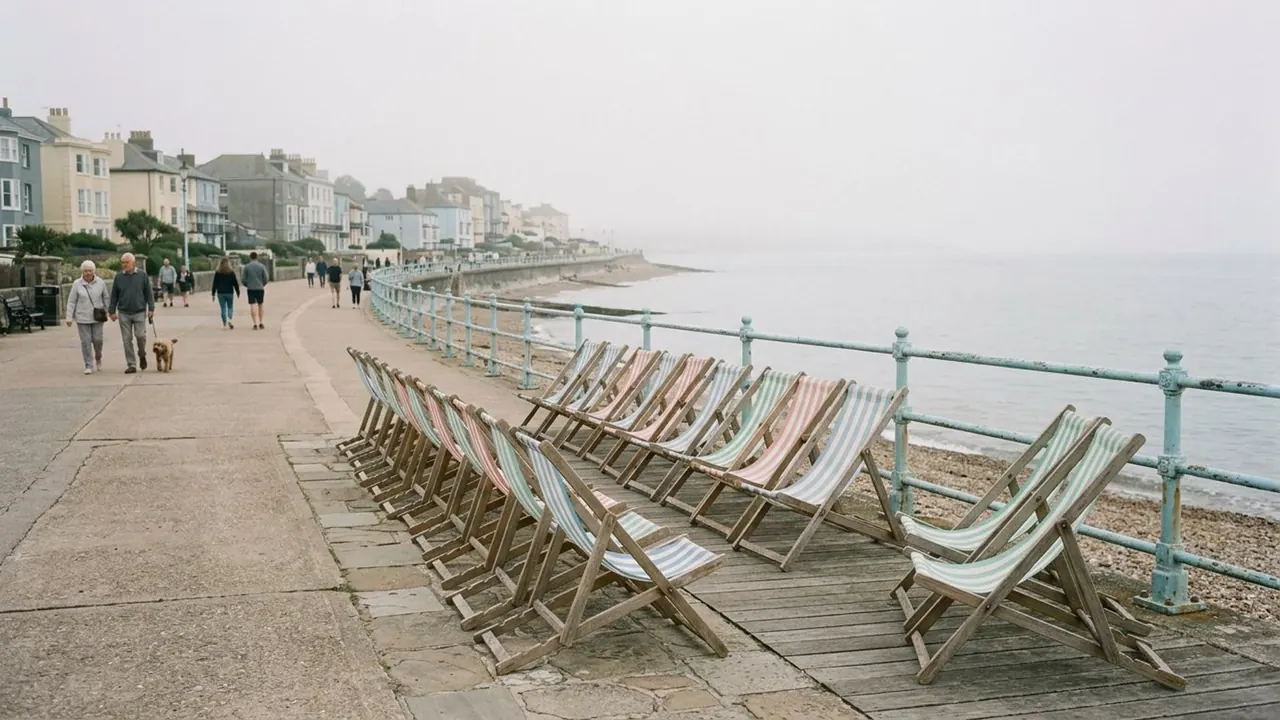
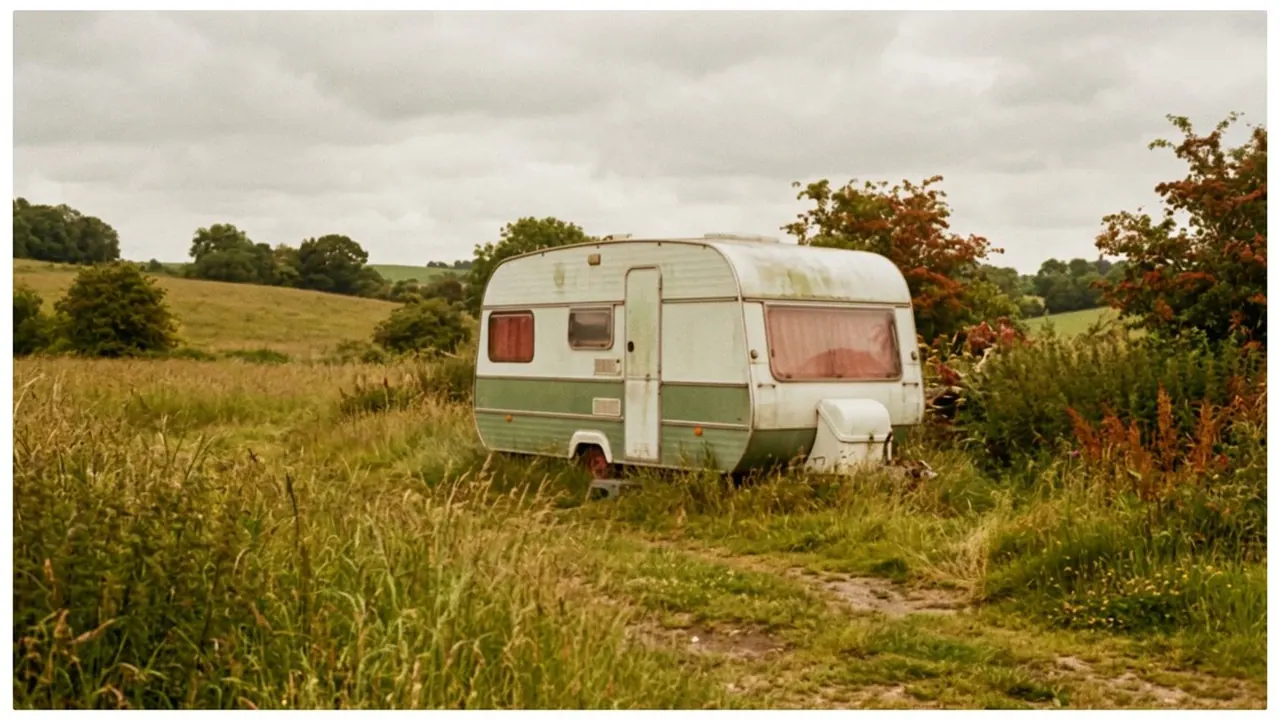
The shadows take one hue and the highlights take another.
Opens a video model with the prompt in it. The price is on the page before you sign in.

What it is for
Two colours in one frame give the eye somewhere to travel. Split toning puts one at the dark end and one at the light end, so the temperature of the picture changes with brightness.
It is subtler than a palette because nothing in the scene has to change. The same room can run warm at the top of the range and cold at the bottom, and the audience reads a mood without being able to say why.
How it works
Pick a hue for the shadows and a different one for the highlights. The midtones usually stay near neutral, which is what keeps skin from going strange.
Opposite hues hold apart best. Blue shadows with yellow highlights, or green shadows with magenta highlights, separate more cleanly than two neighbours on the colour wheel.
Strength is usually low. A split tone that is obvious stops reading as light and starts reading as a filter, so small amounts at each end do more than large ones.
When to use it
Use it on stills work, on music videos, on quiet drama, and anywhere the frame needs a mood without a change to the set.
Skip it when a single strong cast is what you want. Split toning pulls in two directions, so it cannot deliver one clear colour.
Told apart from its neighbours
Teal and orange splits by subject. Skin is held warm and everything behind it goes cold, whether the background is bright or dark.
Split toning splits by brightness. A bright wall and a bright face take the same highlight hue, and both of their shadows take the other one. If a dark background and a dark face are the same colour, the grade is a split tone.
The prompt
Replace the blanks, keep the rest. Then run it on a video model.
split toned grade on <subject>, shadows pushed <colour A>, highlights pushed <colour B>, midtones left neutral
What goes wrong
One cast comes back, because a model given two colours often picks the stronger. Say which hue goes in the shadows and which goes in the highlights, in that order.
The second failure is skin that has turned. Ask for the midtones to stay neutral, which is where most of a face sits.
Leave out
single cast, neutral grade
Watch for
Name both hues. One alone gives you an ordinary colour cast.
Questions
Shoot it
Pay for the one run. No subscription, and the price is on the model page before you sign in.
Next to it in film and print looks