Hyper-Saturation
Colour is pushed far past life until it becomes the subject.
Opens a video model with the prompt in it. The price is on the page before you sign in.
What it is for
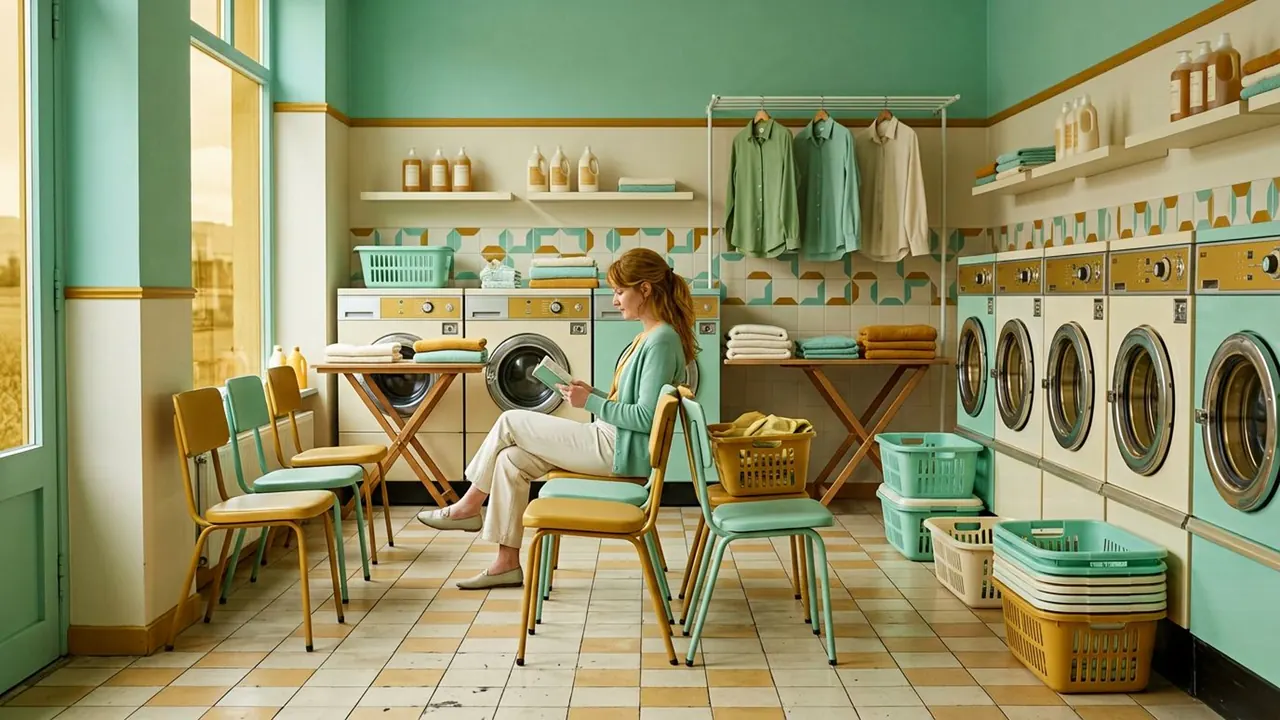
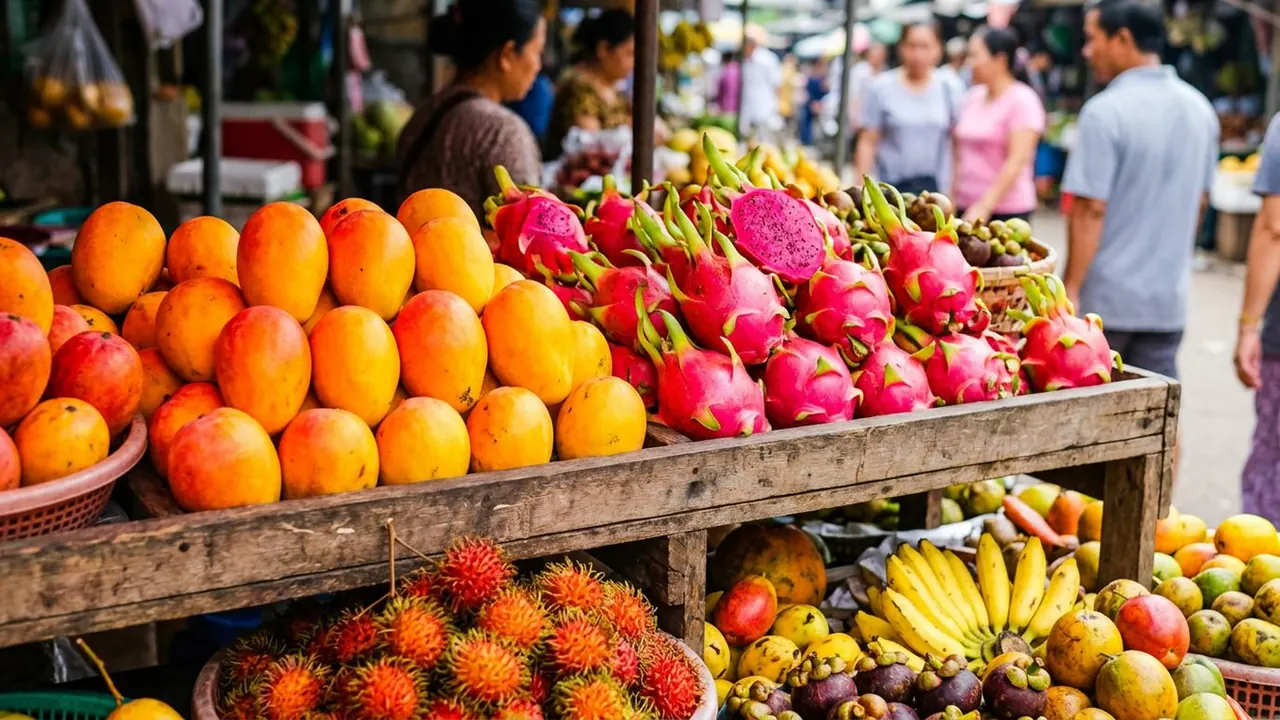
Past a certain point colour stops describing the scene and starts being the scene. A hyper-saturated frame announces that the image was made rather than found.
It suits worlds that are not real. Fantasy, dream sequences, advertising and anything drawn from comics all gain from colour that behaves the way a memory of colour behaves.
How it works
Every hue is pushed toward full strength at once, which is what separates the look from a single strong cast. Reds get redder and greens get greener, and nothing is left at its natural level to compare against.
Saturation runs out before brightness does. A pushed red hits the edge of what a display can show and flattens into one shape with no detail in it. Ask for the colours to stay separated so the frame keeps its texture.
Skin gives first. Faces carry a lot of red and orange, so a global push turns them to tan long before the rest of the frame reaches full strength.
When to use it
Use it on fantasy, on musical numbers, on product work, and on anything that should feel heightened.
Avoid it in a scene that has to feel observed. Documentary, naturalistic drama and anything trading on realism lose their footing once the colour stops behaving.
Told apart from its neighbours
Teal and orange is a separation. Skin is held warm, everything else goes cold, and only two hues really move.
Hyper-saturation moves all of them. If the greens and the reds in the frame are both at full strength, the grade is hyper-saturated. If only the background has gone blue-green, it is teal and orange.
On film
Speed Racer (2008) runs its colour far past any location it was shot in, holding greens and pinks at full strength across whole sequences, so the film reads as the comics it came from rather than as photography.
- Speed Racer (2008)
The prompt
Replace the blanks, keep the rest. Then run it on a video model.
hyper saturated grade on <subject>, colour pushed far past natural, every hue at full intensity, vivid to the point of unreal
What goes wrong
Faces come back orange, because skin is the first thing to go when saturation runs hot. Say the skin holds natural while the rest of the frame pushes, or give skin a lower level than everything else.
The second failure is colour that has gone solid. Ask for detail to survive inside the saturated areas, so a red coat still has folds in it.
Leave out
muted, desaturated
Watch for
Watch the skin. It is the first thing to go orange when saturation runs hot.
Questions
Shoot it
Pay for the one run. No subscription, and the price is on the model page before you sign in.