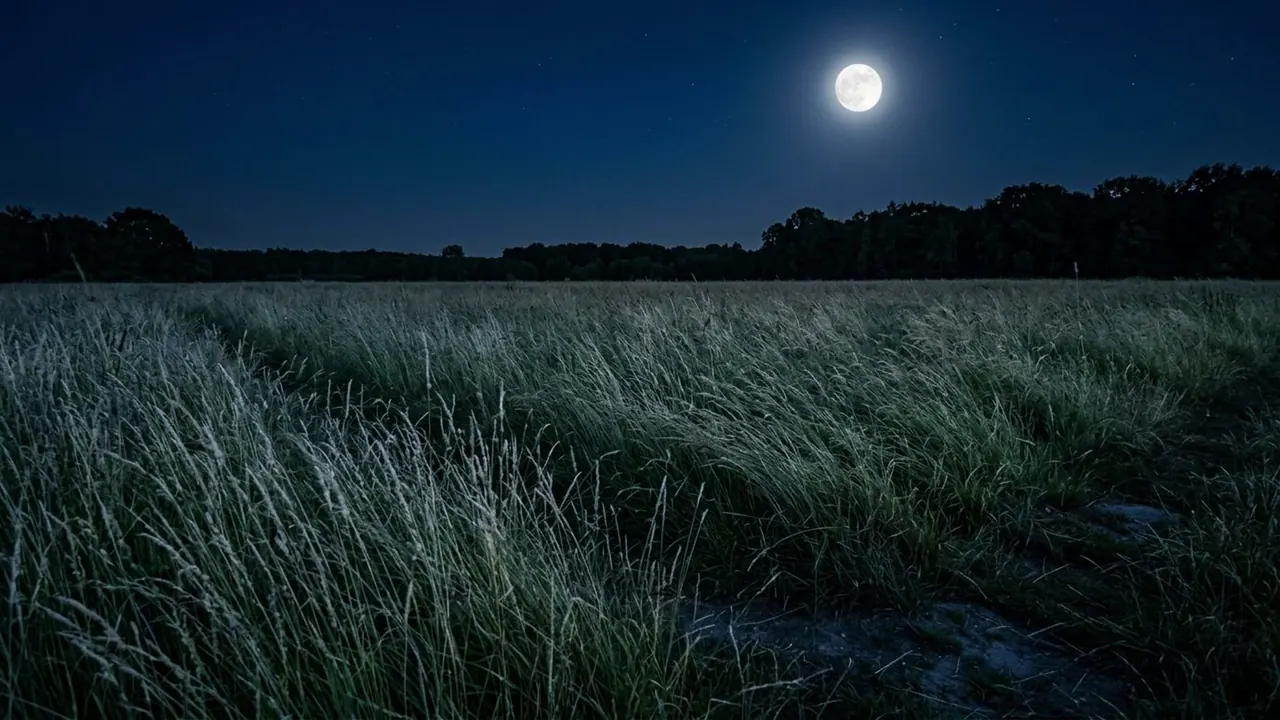
Tungsten Balance
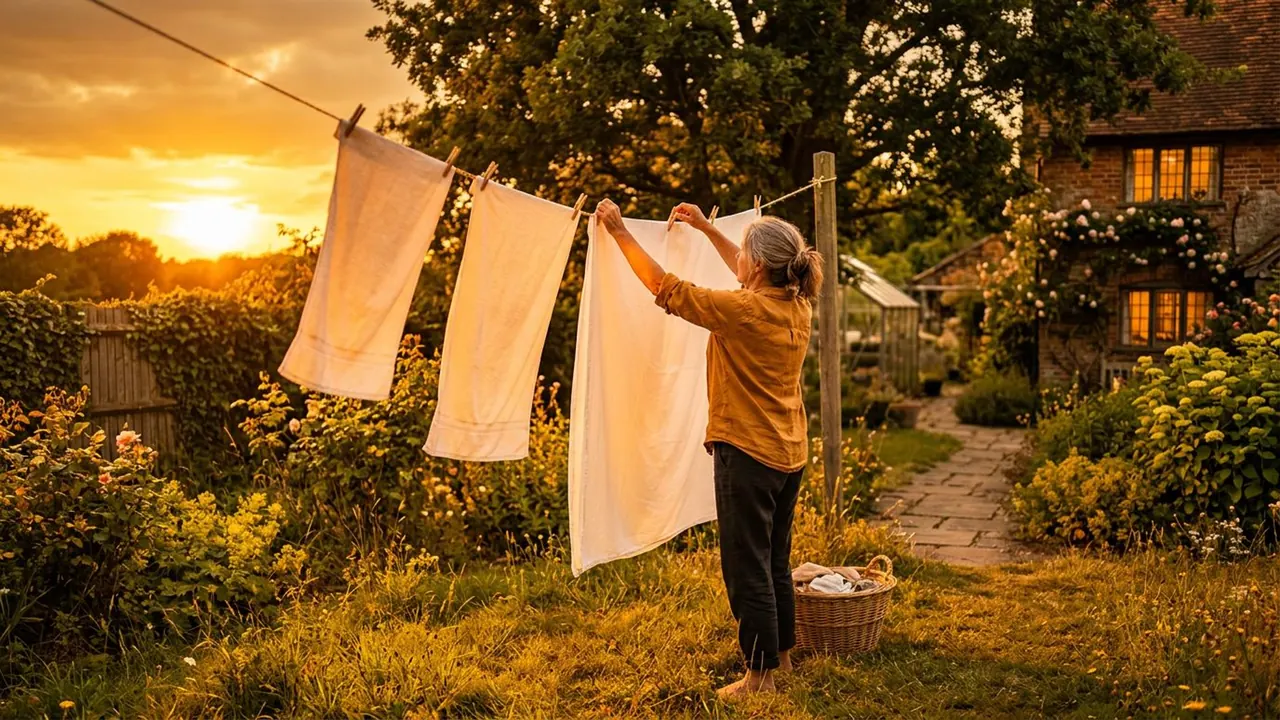
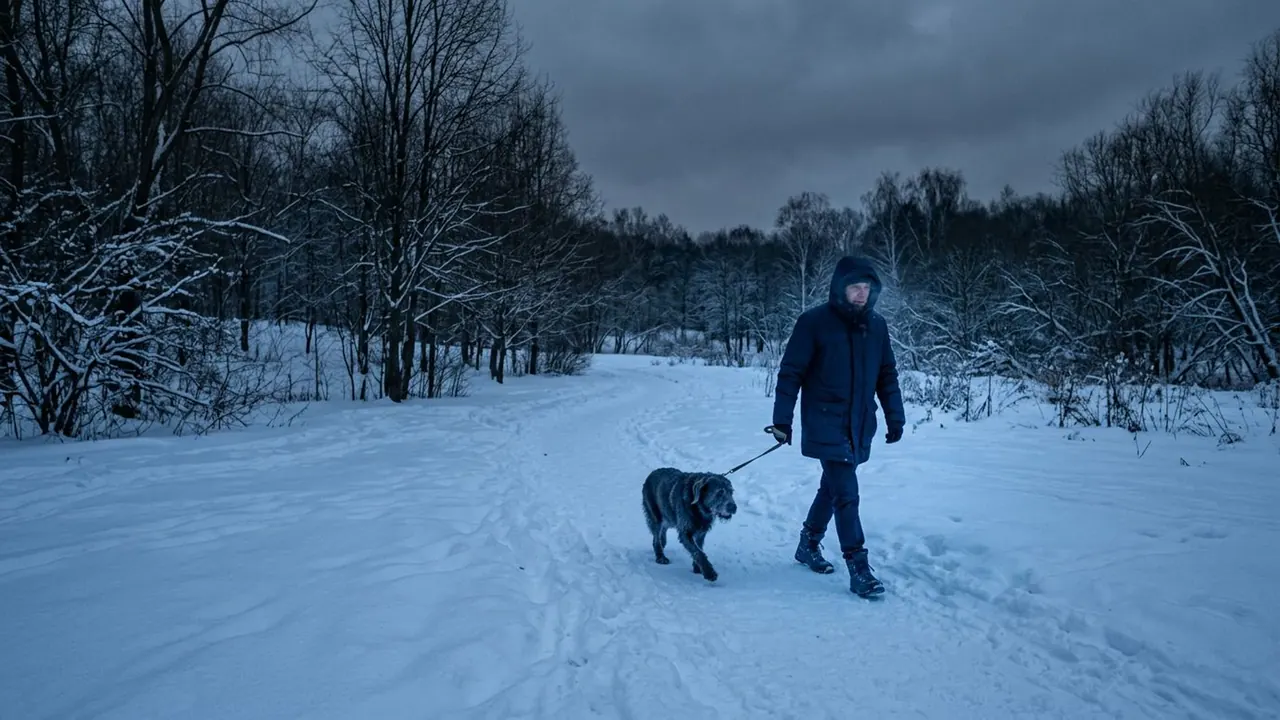
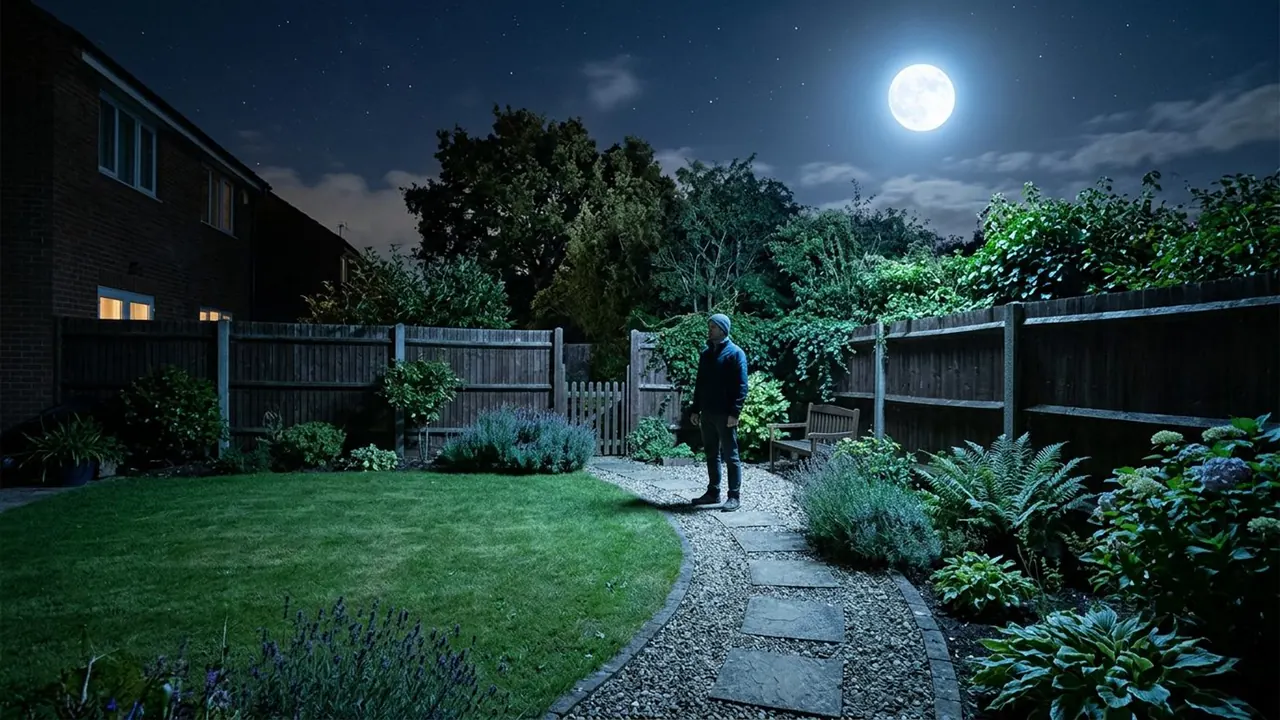
- Warm interior versus cool exterior
The camera is set for tungsten, so any daylight in frame turns blue.
Opens a video model with the prompt in it. The price is on the page before you sign in.
What it is for
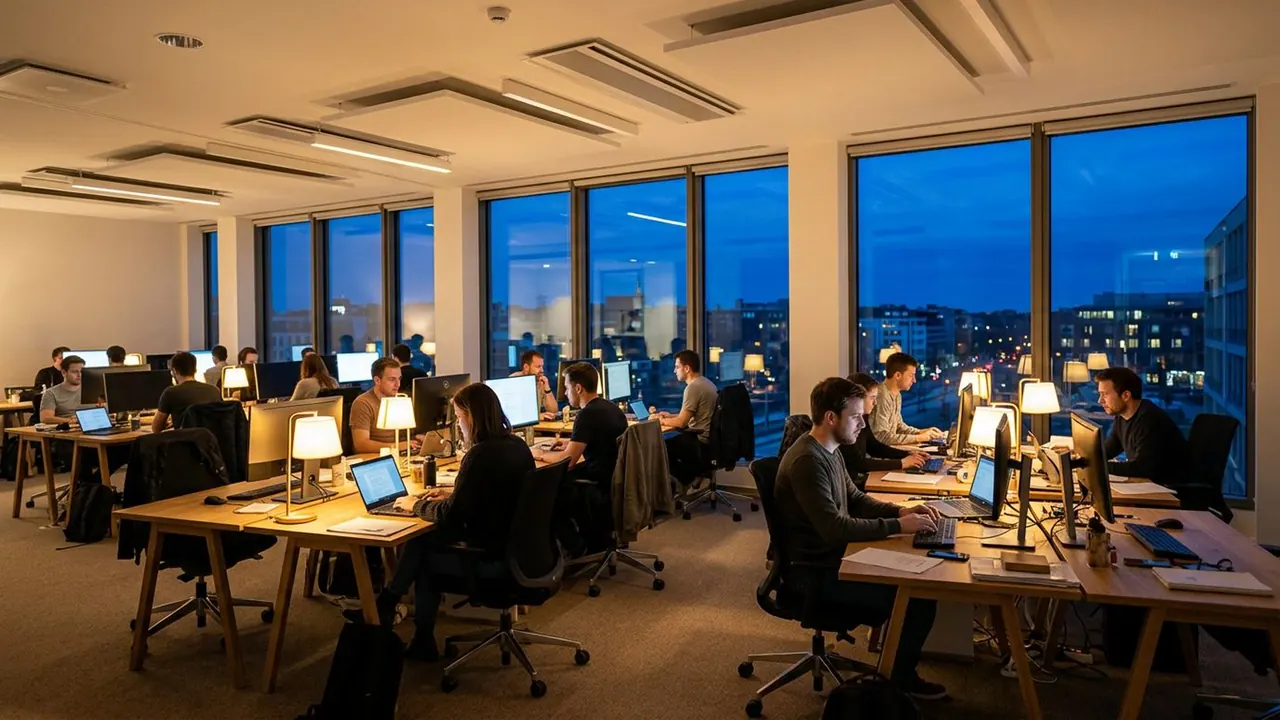
A camera is balanced for one colour of light. Set that balance for household bulbs and the room looks normal, while every window in the shot goes deep blue.
The result is a picture carrying two temperatures at once. Inside is warm and safe, outside is cold and elsewhere, and the window becomes a line between them without anyone having to say so.
How it works
Balance for tungsten, around 3200K, and light the interior with bulbs near that colour. Daylight through a window arrives at roughly 5600K, so it lands blue by a wide margin.
Two sources are required. The whole effect is a comparison, so a room with only lamps has nothing to compare against and simply looks neutral. Put a window, a doorway or a screen in frame.
Exposure decides how hard it reads. Let the window sit two or three stops over the interior and the blue outside becomes the brightest thing in the picture.
When to use it
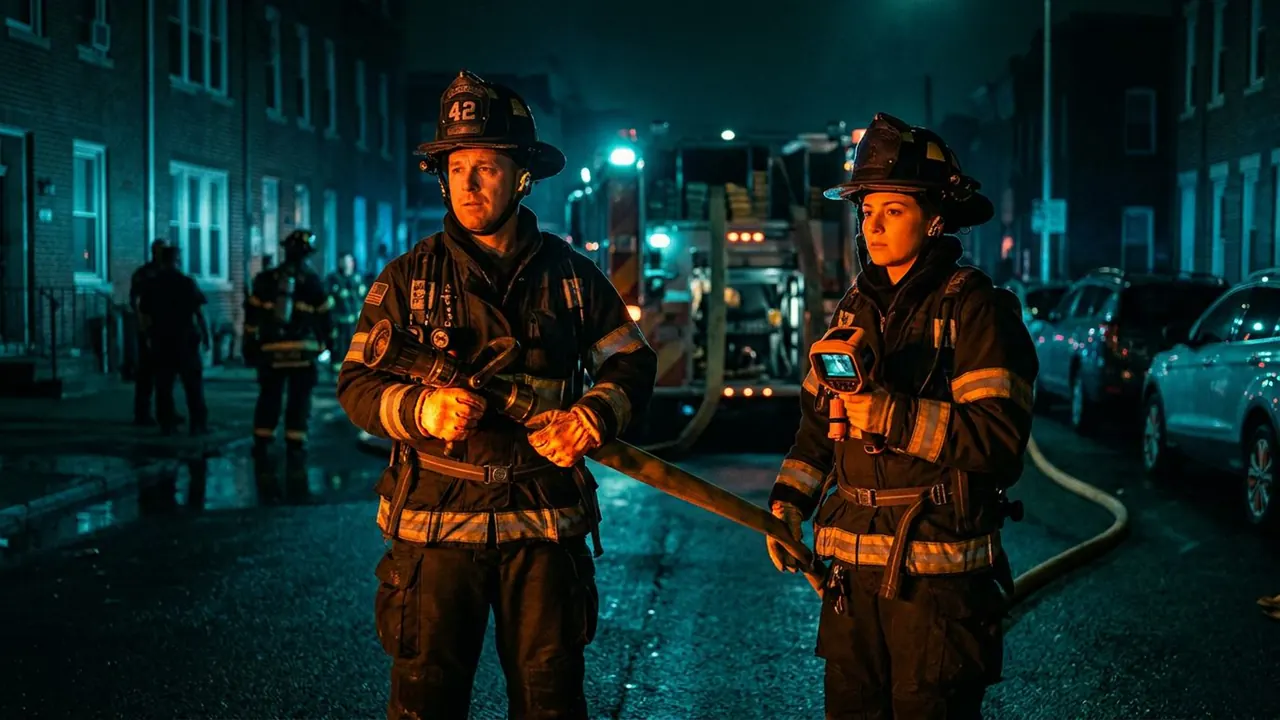
Use it on interiors that look out, on night scenes with a streetlight or a screen, and on any scene where inside and outside mean different things.
Skip it in a windowless room. With no second colour of light in frame, the balance gives you nothing a warm grade could not.
Told apart from its neighbours
A warm amber grade tints the whole frame, windows included. Tungsten balance leaves the interior looking neutral and sends only the daylight blue.
The test is the window. If the view outside is warm or neutral, the picture is graded. If it is blue while the lamps read normal, the camera is balanced for tungsten.
On film
Stanley Kubrick lights the interiors of Eyes Wide Shut (1999) with warm practicals and coloured Christmas lights and lets the street outside read cold, so almost every room carries two temperatures at once. The Shining (1980) works from the same idea, with the hotel warm from its own fixtures against the blue of the snow.
- The Shining (1980)
- Eyes Wide Shut (1999)
The prompt
Replace the blanks, keep the rest. Then run it on a video model.
tungsten balanced <subject>, interior lights reading neutral, daylight through the windows going deep blue
What goes wrong
One light source comes back and the effect disappears. Name both: warm lamps inside, daylight through a window, and say the window goes blue.
The other failure is a window blown to flat white with no colour in it. Ask for the daylight to hold its blue rather than clip, and say the interior reads neutral.
Leave out
daylight balance, neutral windows
Watch for
It needs two light sources. With one, the balance has nothing to contrast against.
Questions
Shoot it
Pay for the one run. No subscription, and the price is on the model page before you sign in.
Next to it in warm or cold