Cool Blue
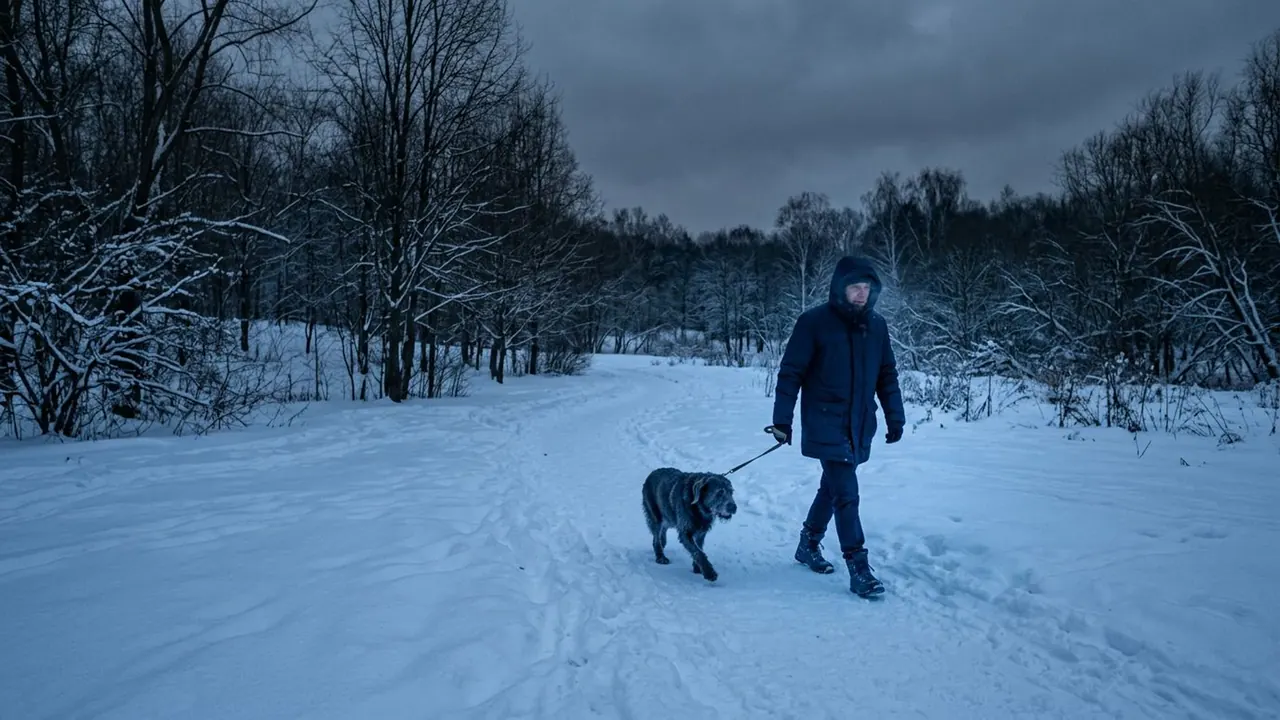
The whole frame leans blue, and the warmth drops out.
Opens a video model with the prompt in it. The price is on the page before you sign in.
What it is for
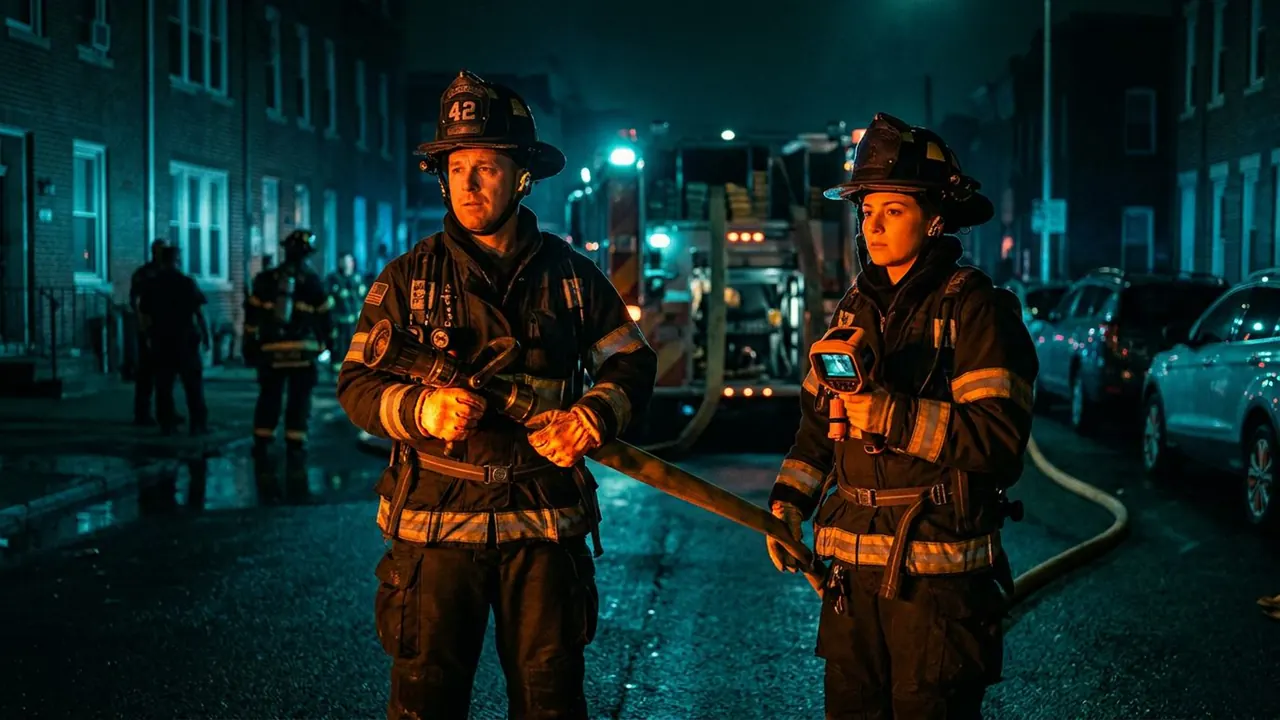
Cold reads as distance, as early morning, as institutions and as money. A blue frame puts the audience outside the scene rather than inside it, which is why so many thrillers and procedurals live here.
It also takes the life out of skin, and that is usually the point. A face under a blue grade looks tired, or ill, or simply unreachable.
How it works
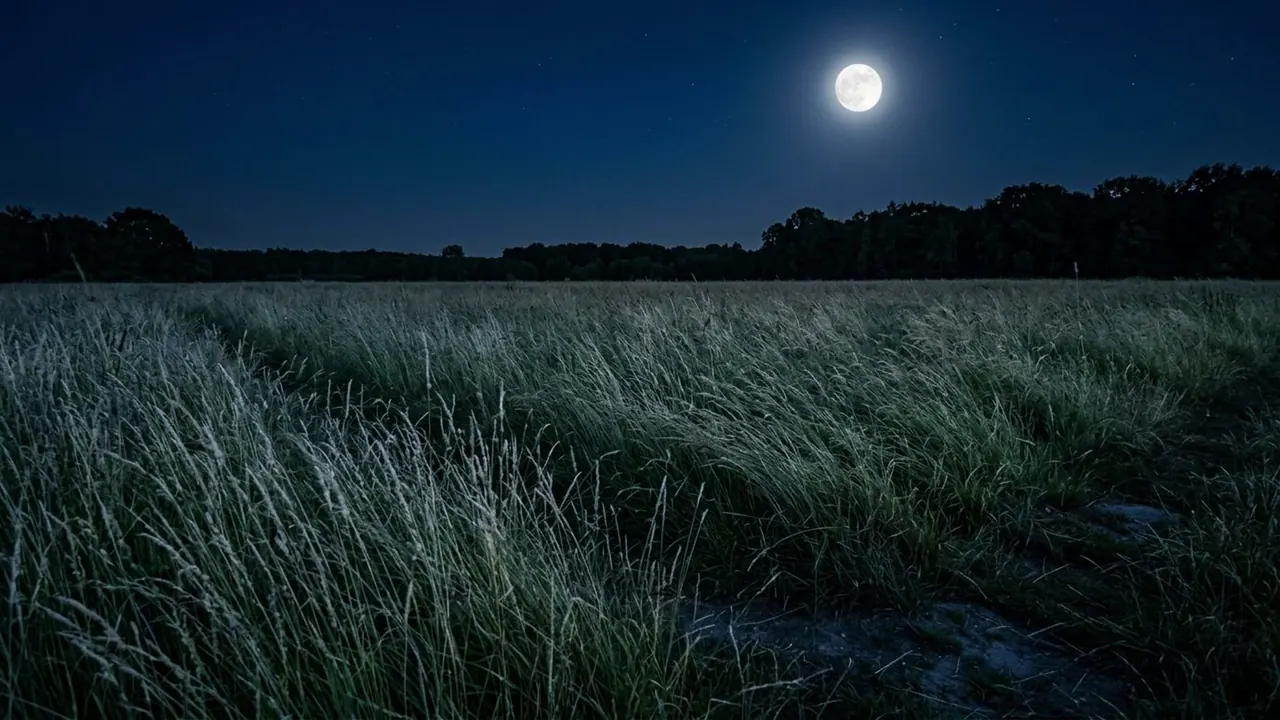
Blue enters the shadows first and works up through the midtones. Highlights stay closest to white, so the picture keeps somewhere clean to look at and does not turn into one flat sheet of colour.
The decision that matters is skin. Let the skin hold a trace of warmth and the shot reads as a cold room with a person in it. Push the skin blue as well and the person joins the grade, which is stronger and far less flattering.
Fluorescent tubes, north-facing daylight and screens all lean blue on their own. A cold grade laid over that light agrees with what is already in the room.
When to use it
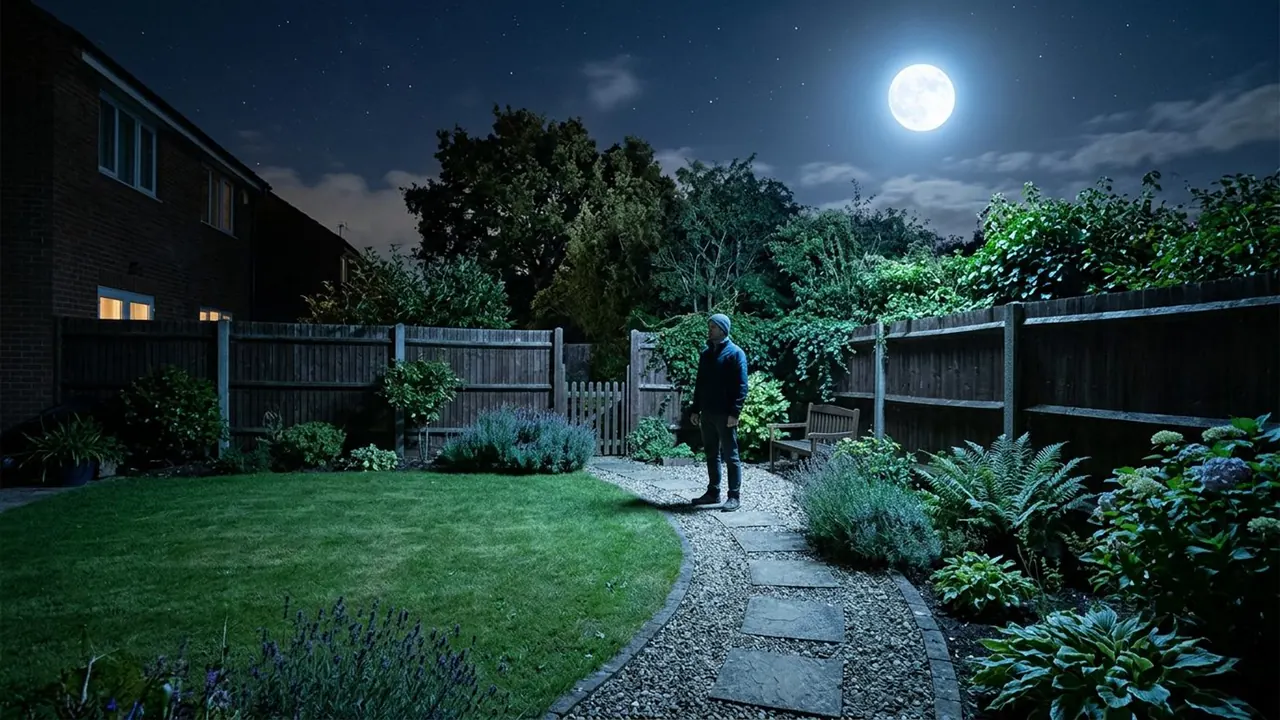
Use it on night, on early morning, on hospitals and offices, and on any scene that should feel watched rather than lived in.
Leave it alone when you want the audience close to somebody. Cold light puts distance between the viewer and the face, and performance struggles to close it again.
Told apart from its neighbours
Teal and orange holds the skin warm on purpose and pushes only the background and the shadows cold. The two colours fight each other, and that fight is the whole look.
Cool blue moves the entire frame one way, with nothing held back to contrast against. If the faces are noticeably warmer than everything around them, you are looking at teal and orange.
On film
Steven Soderbergh gives the Ohio and Washington thread of Traffic (2000) a hard blue cast, shot with a filter and a cold balance, while the Mexico scenes run amber. The two grades let the film cut between its stories without a caption.
- Traffic (2000)
The prompt
Replace the blanks, keep the rest. Then run it on a video model.
cool blue grade on <subject>, whole frame leaning blue, warmth pulled out of the skin, cold clean light
What goes wrong
Skin is where this goes wrong. A bare request for a cool blue grade usually returns blue faces, which reads as a corpse rather than as a cold room. Say whether the skin keeps any warmth in it.
The second failure is a frame with no white left anywhere. Ask for the highlights to stay near clean, or the image becomes one blue sheet with nothing to anchor the eye.
Leave out
warm tones, amber
Watch for
Say what happens to the skin. Blue skin and blue light are different results.
Questions
Shoot it
Pay for the one run. No subscription, and the price is on the model page before you sign in.
Next to it in warm or cold