Palette
- Palette as location or story state
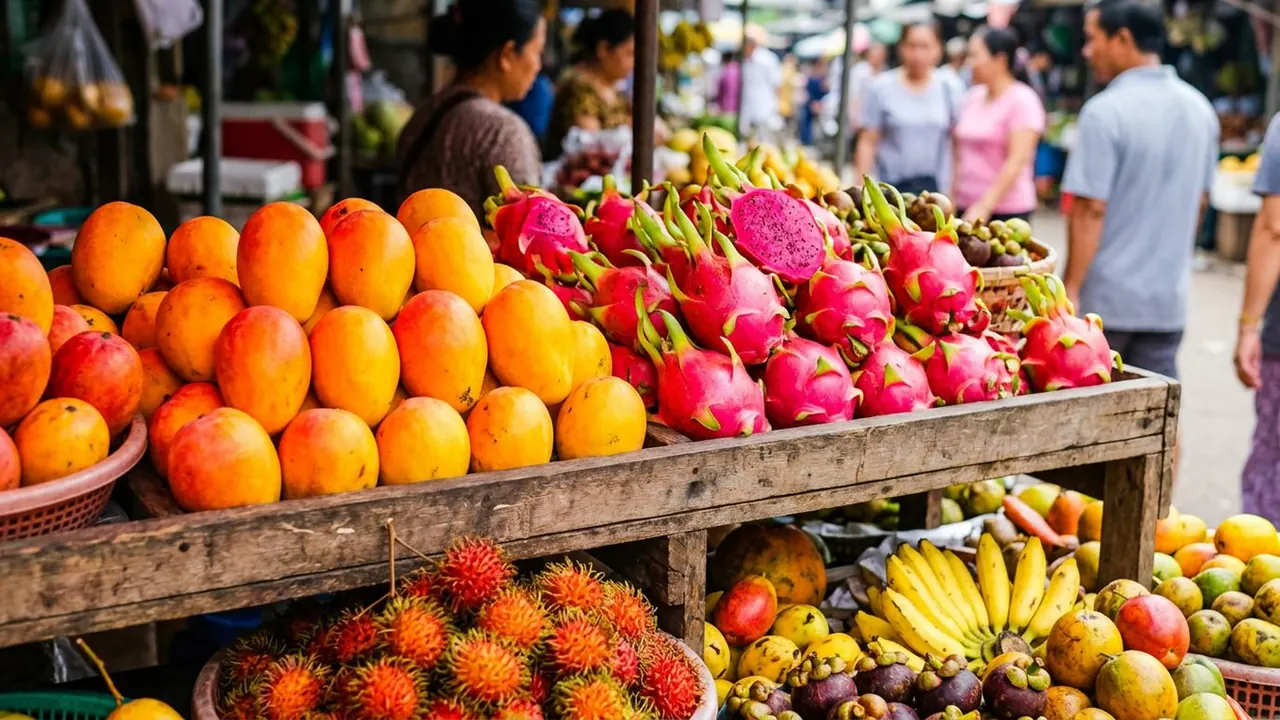
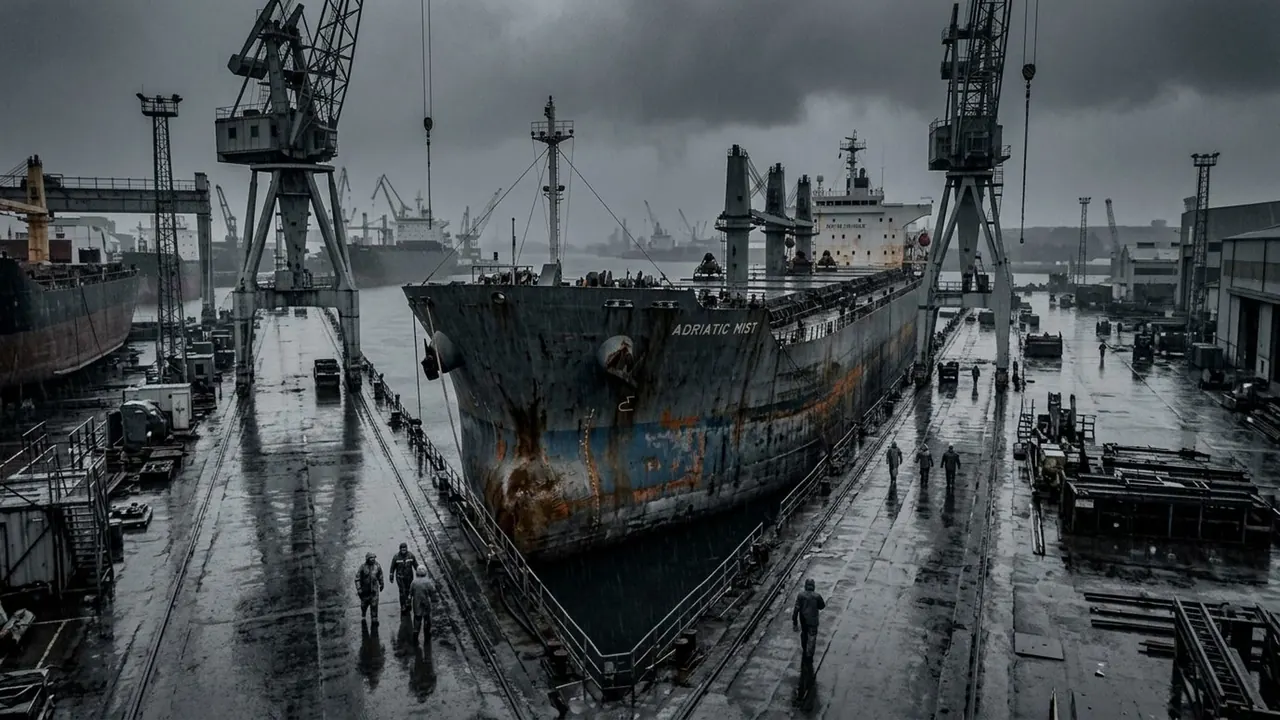
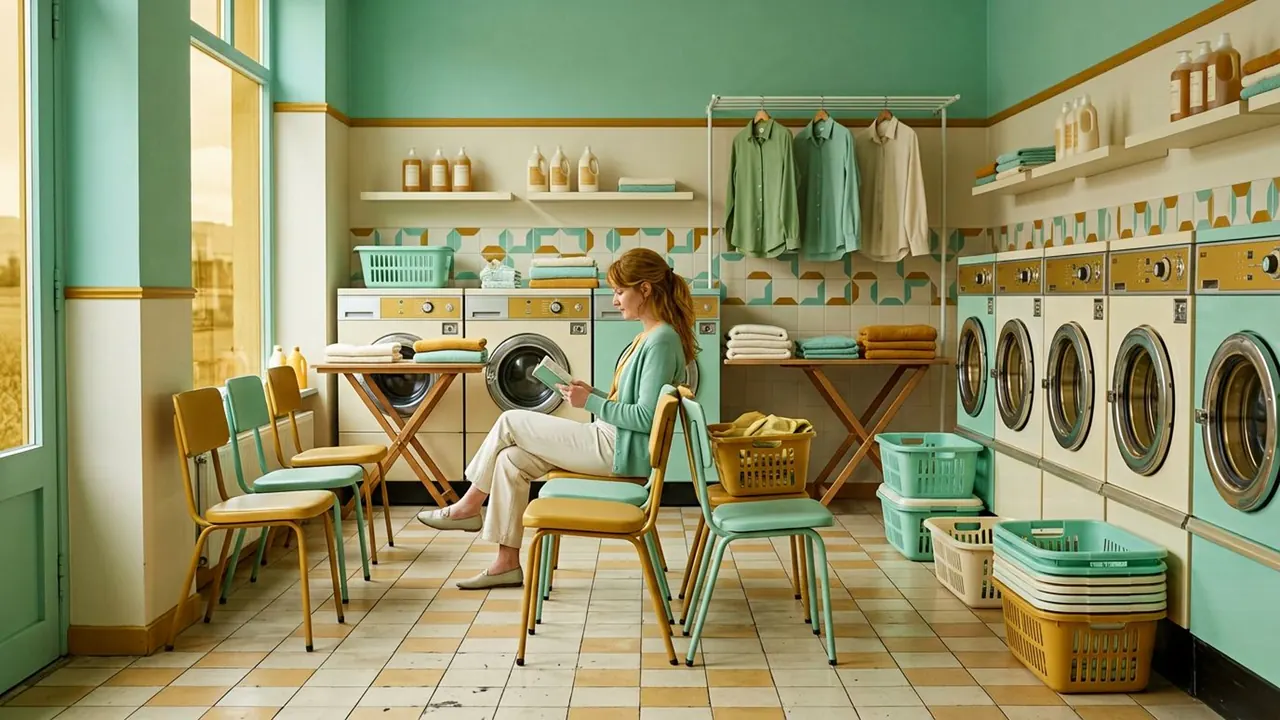
The frame is restricted to a small set of colours that repeat.
Opens a video model with the prompt in it. The price is on the page before you sign in.
What it is for
A restricted palette turns colour into a label. Once two or three colours repeat, the audience starts reading them, and a change of palette can announce a new place or a new state without a word of dialogue.
It also makes a frame look designed. Removing colours is the fastest way to make a picture feel controlled, because everything left in it looks chosen.
How it works
Pick the colours first and remove everything else. The set works best small, at two or three hues, with the rest of the frame pushed toward neutral so the chosen colours have nowhere to hide.
The work happens in the art department as much as in the grade. Walls, costume and props inside the palette are easy to hold. A stray colour that was never meant to be there has to be graded out shot by shot.
Repetition is what makes it read. One green frame is a green frame. Green returning across a sequence becomes a rule the audience learns.
When to use it
Use it when a film moves between worlds, when a state of mind has to be marked, and on any piece where a poster or a brand has to survive being described.
Skip it on a scene that should feel found. A restricted palette is visible, and documentary or naturalistic drama pays for it.
Told apart from its neighbours
Split toning puts one hue in the shadows and another in the highlights, so the split follows brightness and applies to everything in the frame at once.
A palette follows objects. A red coat stays red in shadow and in light, and the wall behind it stays neutral in both. If the colour depends on how bright a thing is, the grade is split toning.
On film
Steven Soderbergh gives each of the three stories in Traffic (2000) a colour, so a cut to amber or to blue says which thread the film is on. Zhang Yimou goes further in Hero (2002), where each retelling of the same events carries a palette of its own and the change of colour is the change of account.
- Traffic (2000)
- Hero (2002)
The prompt
Replace the blanks, keep the rest. Then run it on a video model.
restricted palette on <subject>, only <colour A>, <colour B> and <colour C> in frame, everything else neutral
What goes wrong
Bare words such as restricted palette leave the choice to the model, which usually returns teal and orange. Name the two or three colours you want.
The second failure is a frame where the chosen colours drown in everything else. Say that anything outside the palette reads neutral.
Leave out
full spectrum, random colour
Watch for
Name the colours. Bare restricted palette leaves the choice to the model.
Questions
Shoot it
Pay for the one run. No subscription, and the price is on the model page before you sign in.