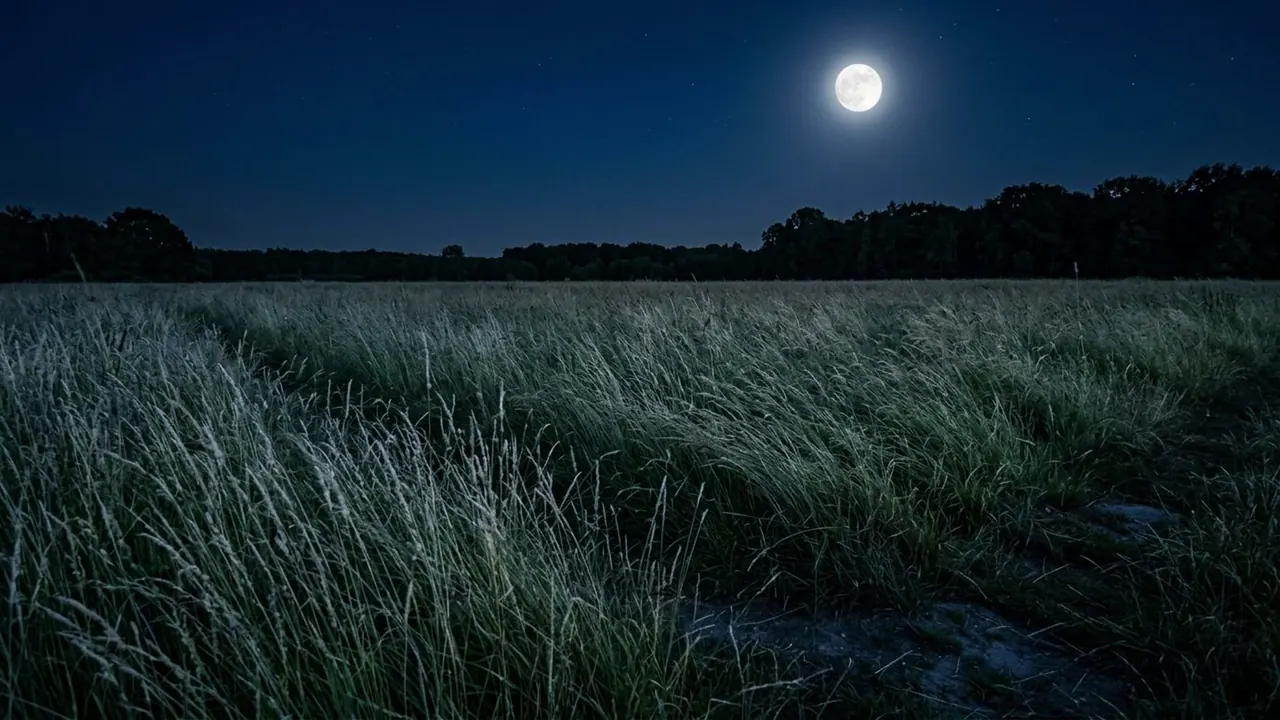
Warm Amber
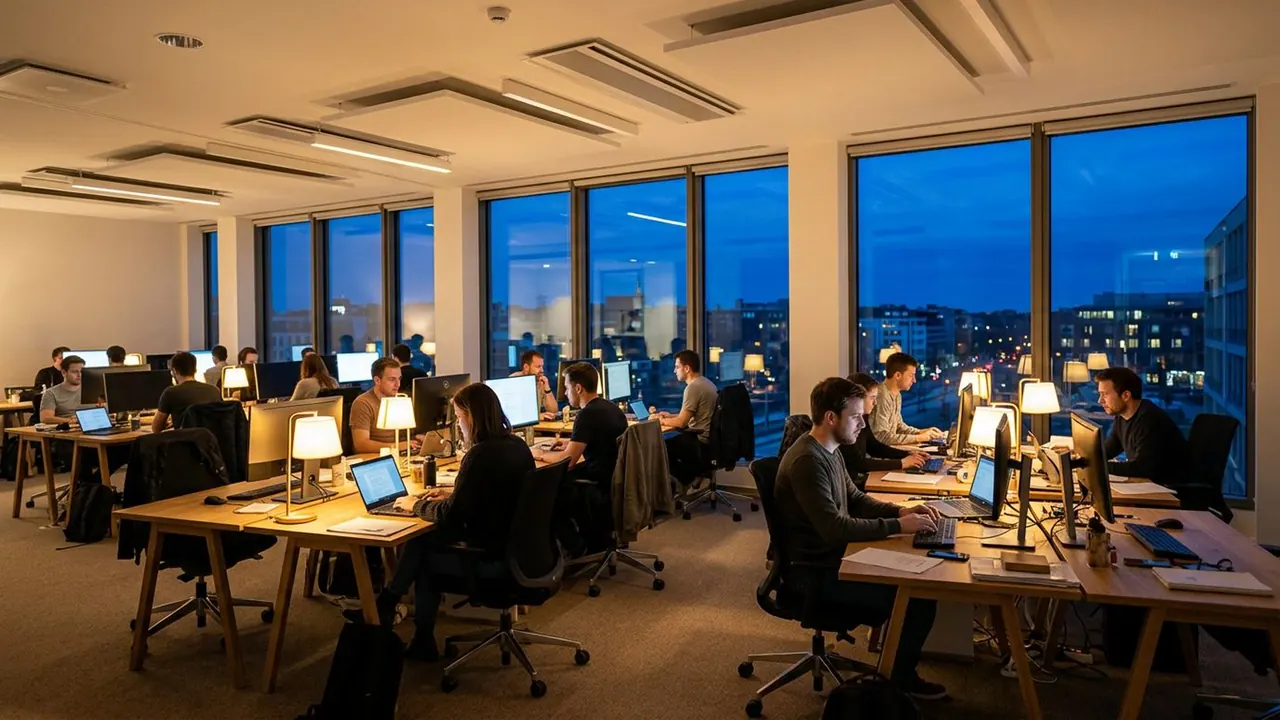
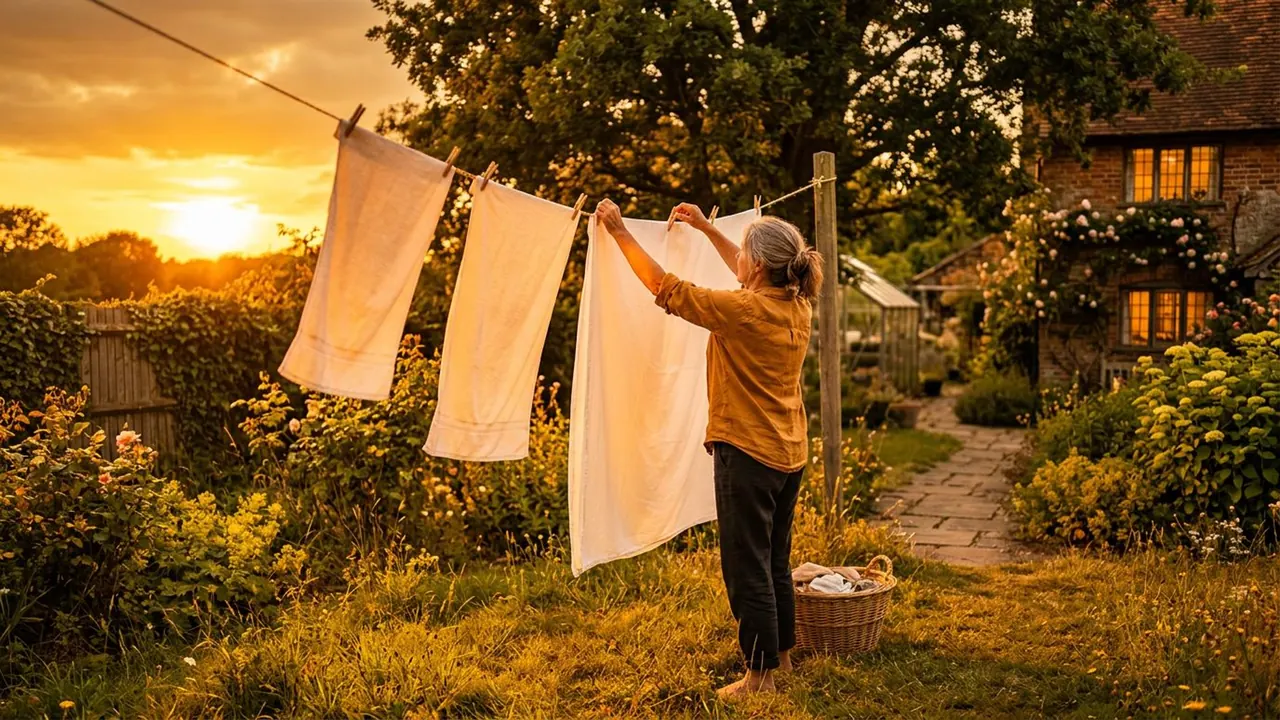
The whole frame leans warm, and the light feels late and low.
Opens a video model with the prompt in it. The price is on the page before you sign in.
What it is for
Warmth reads as safety, as memory, and as the end of the day. A frame that leans amber tells the audience how to feel about a place before anybody in it says a word.
It is also the most forgiving grade for skin. Amber flatters nearly every complexion, which is why so much advertising and so much of the last reel of a feature sits here.
How it works
The whole frame moves toward gold. Highlights pick up yellow first, the midtones follow, and the shadows keep a little of their original colour so the picture does not collapse into one flat wash.
The decision that matters is what happens to white. Leave the whites neutral and the light reads as warm sun falling on an ordinary room. Push the whites amber as well and the whole image reads as a tinted photograph. Those are two different results from the same word.
Low sun is the natural source. A late key at a shallow angle already leans amber, so a warm grade laid on top of it agrees with the scene instead of arguing with it.
When to use it
Reach for it on memory, on home, and on a scene that has to feel like an ending. It suits interiors lit by lamps and anything shot in the hour before sunset.
Leave it alone when the scene is clinical or hostile. Amber softens everything it touches, and it will fight a room you wanted cold.
Told apart from its neighbours
Sepia throws the colour away and puts one brown tone in its place, so a red coat in a sepia frame reads brown. A warm amber grade keeps every hue and leans them all the same way, and the red coat is still red.
The check takes a second. Name two different colours in the frame. If you can, the grade is warm. If everything sits on one tone, it is sepia.
On film
Steven Soderbergh shot Traffic (2000) himself and gave each storyline its own cast. The Mexico scenes run heavily amber, pushed with a tobacco filter and overexposed, so the heat arrives before the location card does. The Ohio thread gets the opposite treatment in cold blue.
- Traffic (2000)
The prompt
Replace the blanks, keep the rest. Then run it on a video model.
warm amber grade on <subject>, whole frame leaning gold, skin glowing, cool tones pulled out
What goes wrong
Whites are where this goes wrong. A model reads warm amber and tints the entire image, walls and shirts included, which gives you a photograph that has aged rather than a room lit warm. Say the whites stay neutral if that is what you want.
The other failure is a grade with no source. Amber light needs somewhere to come from. Name a low sun through a window, a lamp, or a fire, and the warmth lands as light instead of as a filter.
Leave out
cool blue, neutral white
Watch for
Say what happens to the whites. Amber whites and amber light are different results.
Questions
Shoot it
Pay for the one run. No subscription, and the price is on the model page before you sign in.
Next to it in warm or cold