Sepia
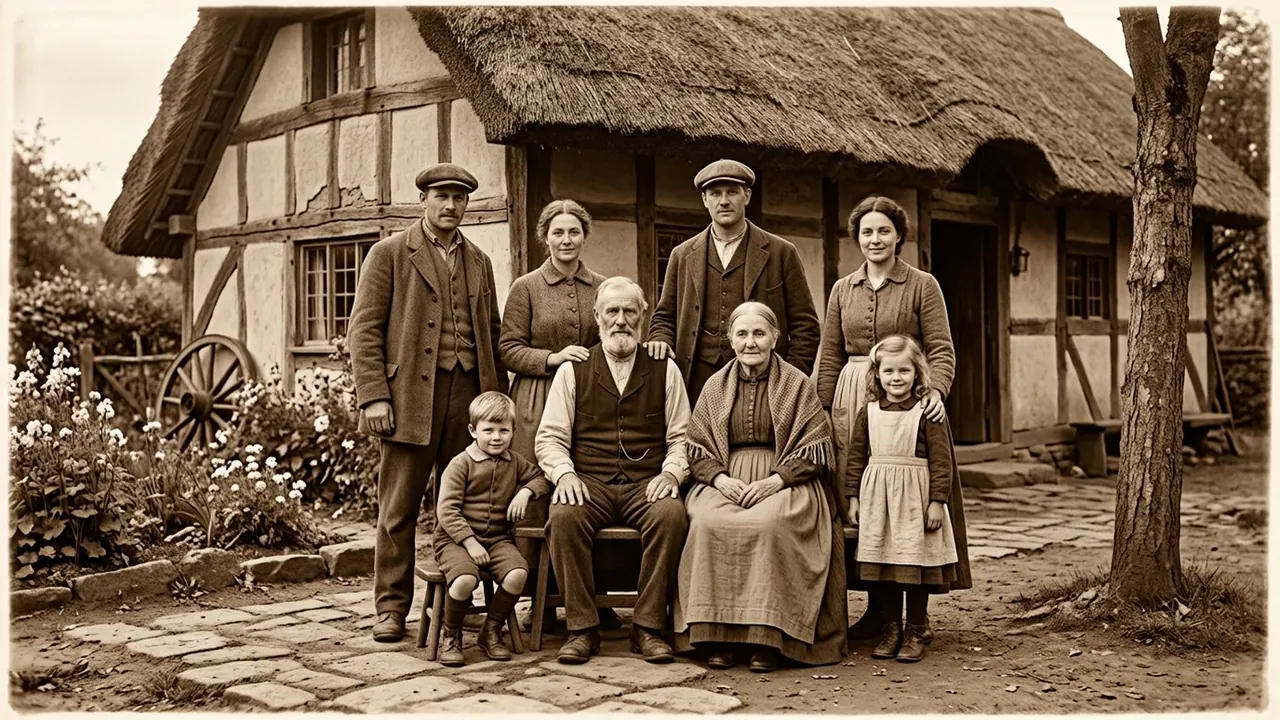
A single brown tone carries the whole image.
Opens a video model with the prompt in it. The price is on the page before you sign in.
What it is for
Sepia began as a process that made photographic prints last longer, and the colour it left behind became the colour of the past. Audiences read it as an archive before they read anything in the frame.
It is monochrome with a temperature. Everything colour would have told you is gone, and what remains is tone plus a warmth that black and white never has.
How it works
Strip the colour out first, then tone the whole image one brown. Highlights go cream, midtones go tan, and the shadows settle into a deep warm brown on the same hue.
Only one hue survives. A red coat and a blue coat come out as the same brown at different brightnesses, which is exactly what separates sepia from a warm grade.
Contrast usually sits lower than in black and white. Original prints faded, so blacks that lift slightly off zero read as more authentic than crushed ones.
When to use it
Use it for period, for photographs seen inside a scene, for archive footage, and for anything meant to look recovered.
Skip it when the shot has to feel present. Sepia puts distance between the audience and the image, and that distance is hard to talk your way out of.
Told apart from its neighbours
A warm amber grade keeps every colour and leans them all warm. Sepia keeps none of them and puts one brown in their place.
The test takes a second. Look for a second colour. A red object still reading red means the grade is warm amber. Everything on one hue means sepia.
On film
Roger Deakins graded O Brother, Where Art Thou? (2000) toward a dry gold and brown, working on a digital intermediate across the whole feature, which was new at the time. The green summer it was shot in never appears in the finished film.
- O Brother, Where Art Thou? (2000)
The prompt
Replace the blanks, keep the rest. Then run it on a video model.
sepia toned <subject>, single warm brown tone throughout, no other hue, aged photographic feel
What goes wrong
A warm grade comes back with the colours still in it. Say all colour is removed first, then one brown tone is applied to everything.
The other failure is a dark muddy frame. Ask for the highlights to go cream and the blacks to lift slightly, which is how a toned print actually behaves.
Leave out
colour, neutral grey
Watch for
Sepia is monochrome in brown. If other colours survive, it is a warm grade instead.
Questions
Shoot it
Pay for the one run. No subscription, and the price is on the model page before you sign in.