Day for Night
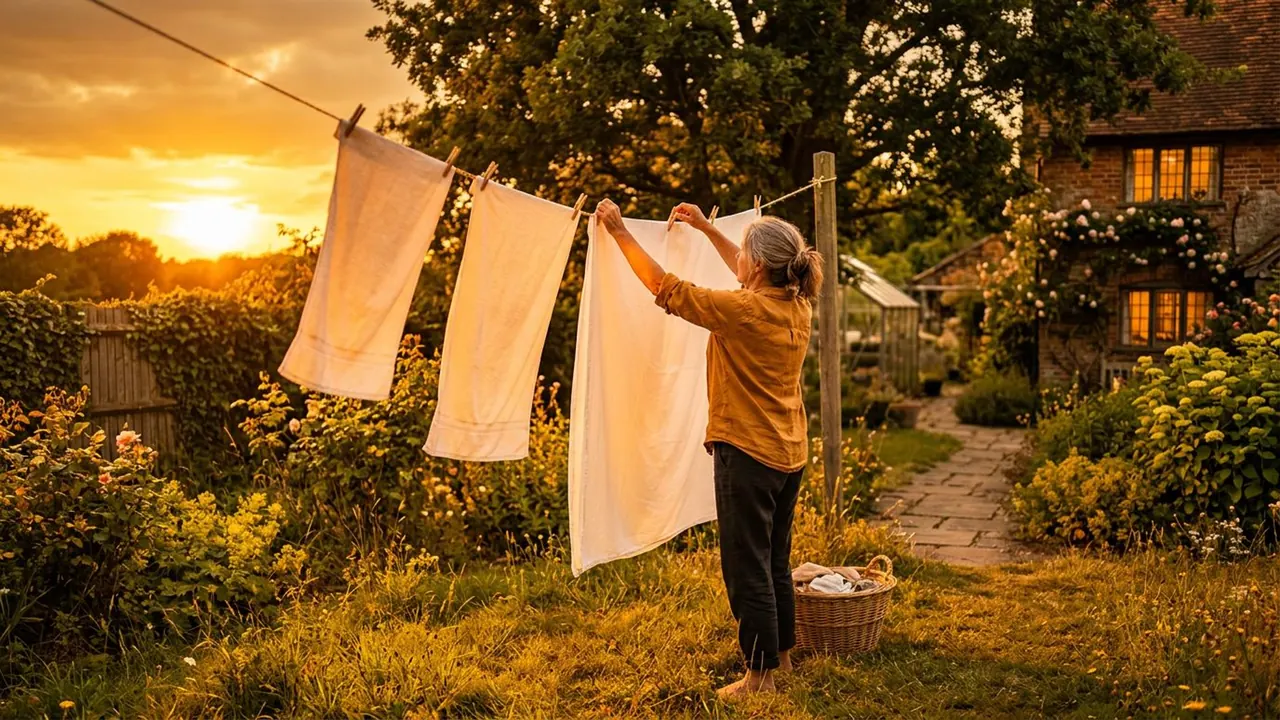
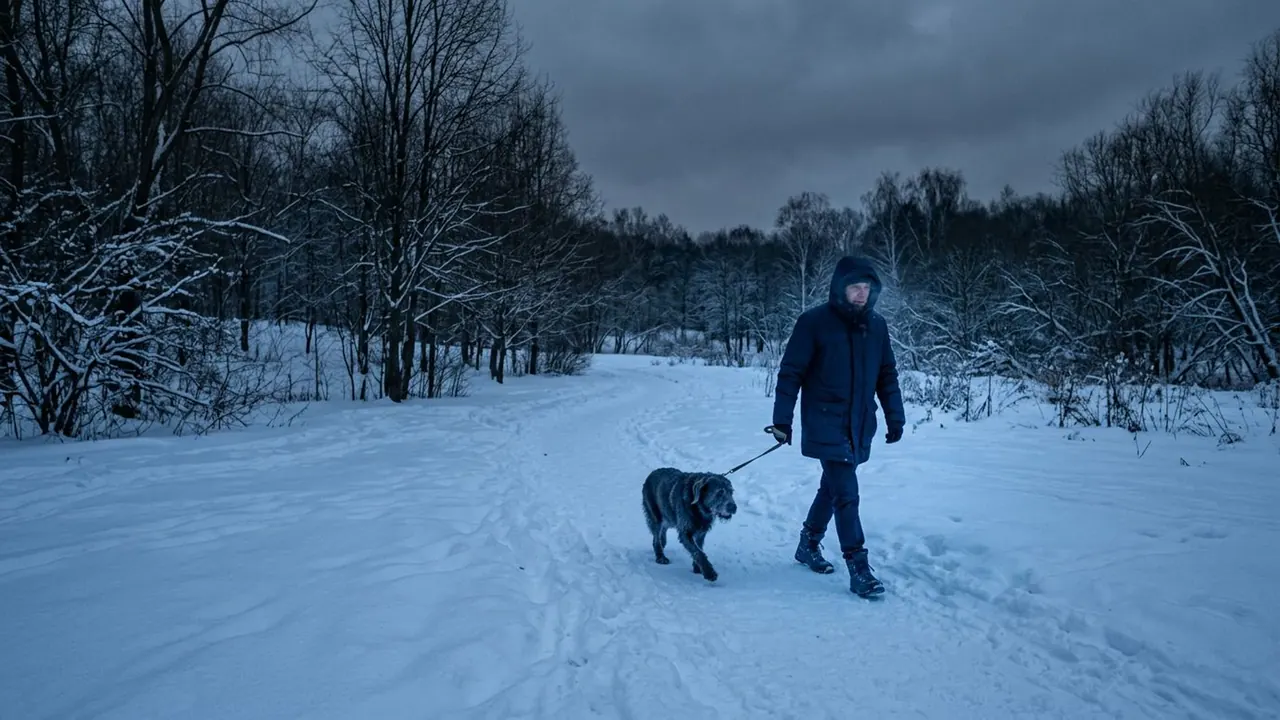
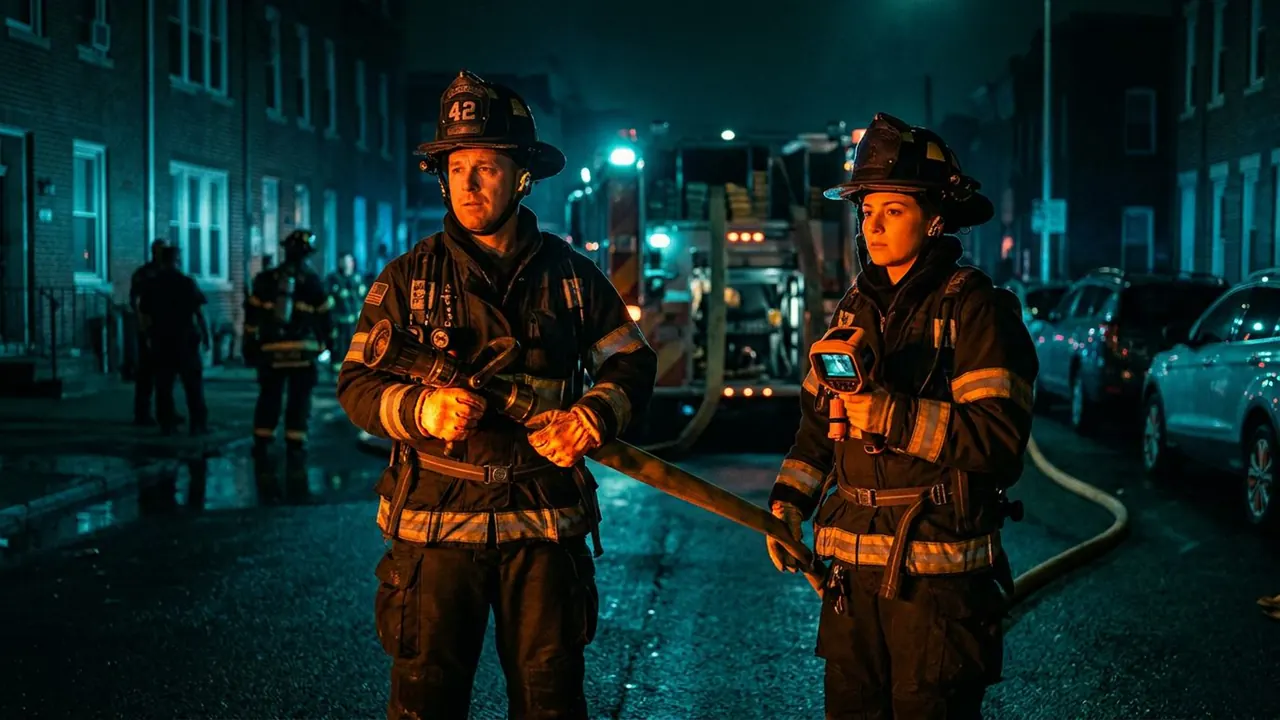
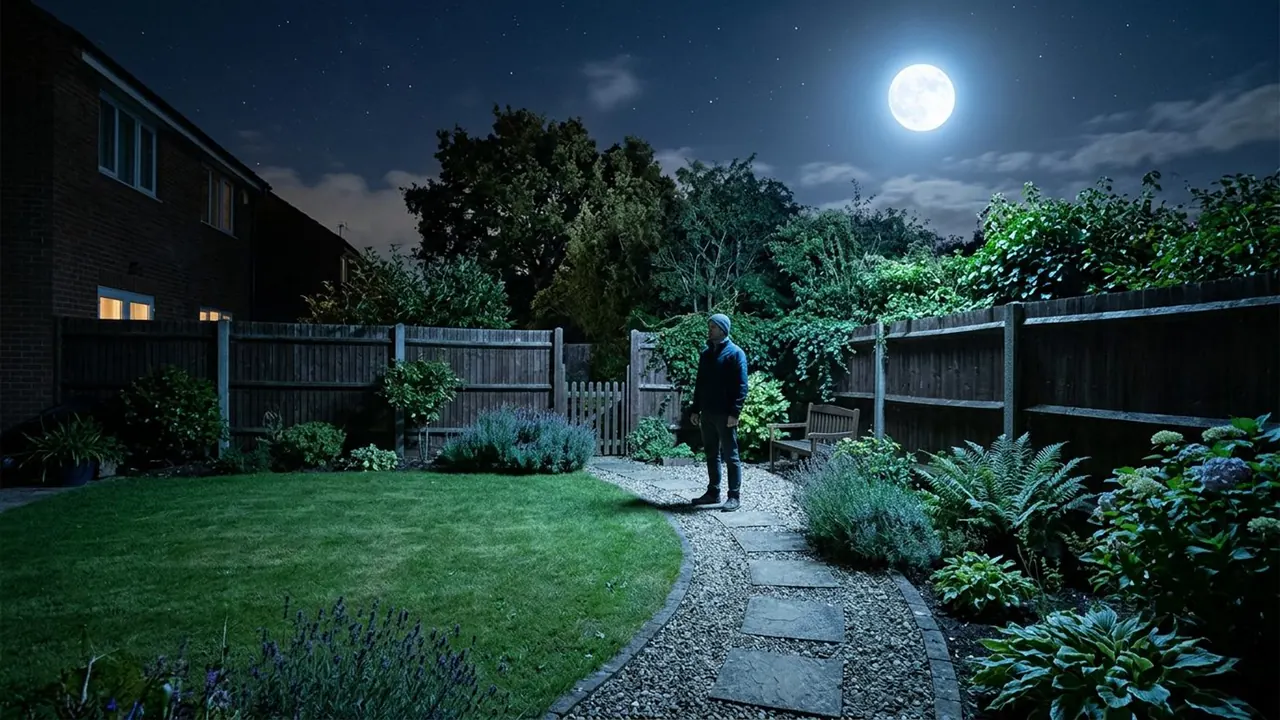
- Daylight transformed into night
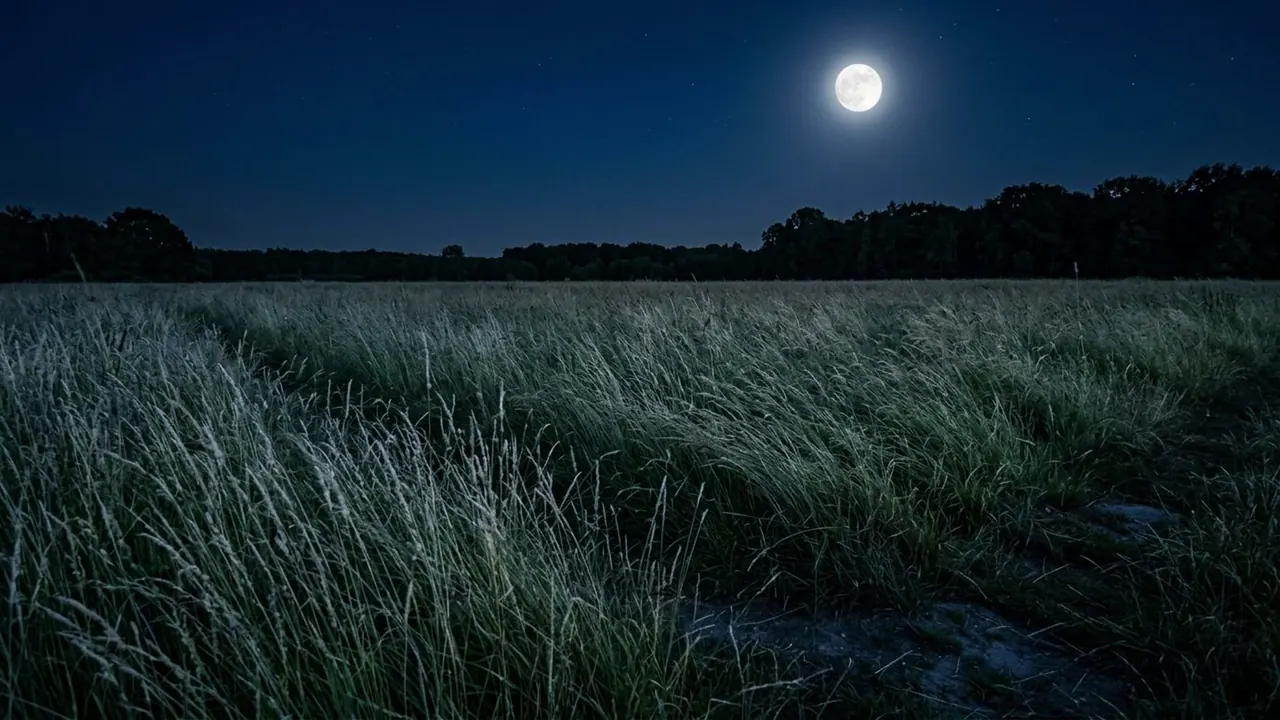
Daylight is graded to read as night without ever being dark.
Opens a video model with the prompt in it. The price is on the page before you sign in.
What it is for
Shooting at night is slow, and a real night exterior needs enough light to cover a whole landscape. Day for night borrows the sun and then persuades the audience it was the moon.
It also keeps detail that a real night loses. A wide desert or an open sea reads completely at midday, and the grade can hold all of that while still saying the sun is down.
How it works
Underexpose, push the whole frame cold, and bring the sky down hard. The sky is what gives the trick away, because a bright sky at night is impossible and the eye knows it.
Keep the highlights alive. Something in the frame has to stay bright, standing in for the moon on a shoulder or on water, or the shot reads as a mistake in exposure rather than as night.
Watch where the shadows point. A midday sun is overhead and hard, and a face lit from straight above with black eye sockets will not pass for moonlight. Shoot under cloud or near the ends of the day.
When to use it
Use it on wide exteriors, on anything on water, and on sequences too large to light.
Skip it for close work in a small area. If the space is small enough to light, a real night shoot gives you shadows that behave and a sky you can control.
Told apart from its neighbours
A cool blue grade turns a daylight scene blue and leaves it looking like a cold day. Day for night goes further, taking the exposure and the sky down until the scene reads as night.
Check the sky. A blue sky with detail in it is a graded day. A dark sky with one live highlight somewhere is day for night.
On film
Hoyte van Hoytema shot much of the night work in Nope (2022) in daylight and on infrared, so the wide ranch exteriors keep their depth after dark. Mad Max: Fury Road (2015) takes the same route through its night chase, graded hard blue with the sky held down.
- Nope (2022)
- Mad Max: Fury Road (2015)
The prompt
Replace the blanks, keep the rest. Then run it on a video model.
day for night grade on <subject>, daylight pushed cold and dark, blue cast, sky held down, moonlight reading
What goes wrong
A flat dark frame comes back, which just looks underexposed. Say the sky is dark, the frame is cold, and one highlight stays bright.
The second failure is warm light left in the shot. Sunlight on a wall is still sunlight. Name the warm tones as removed, and ask for a soft key so the overhead midday shadow does not give the shot away.
Leave out
true darkness, warm light
Watch for
Keep the sky dark and the highlights alive. A flat dark frame just looks underexposed.
Questions
Shoot it
Pay for the one run. No subscription, and the price is on the model page before you sign in.
Next to it in warm or cold