Vintage Cine Glass
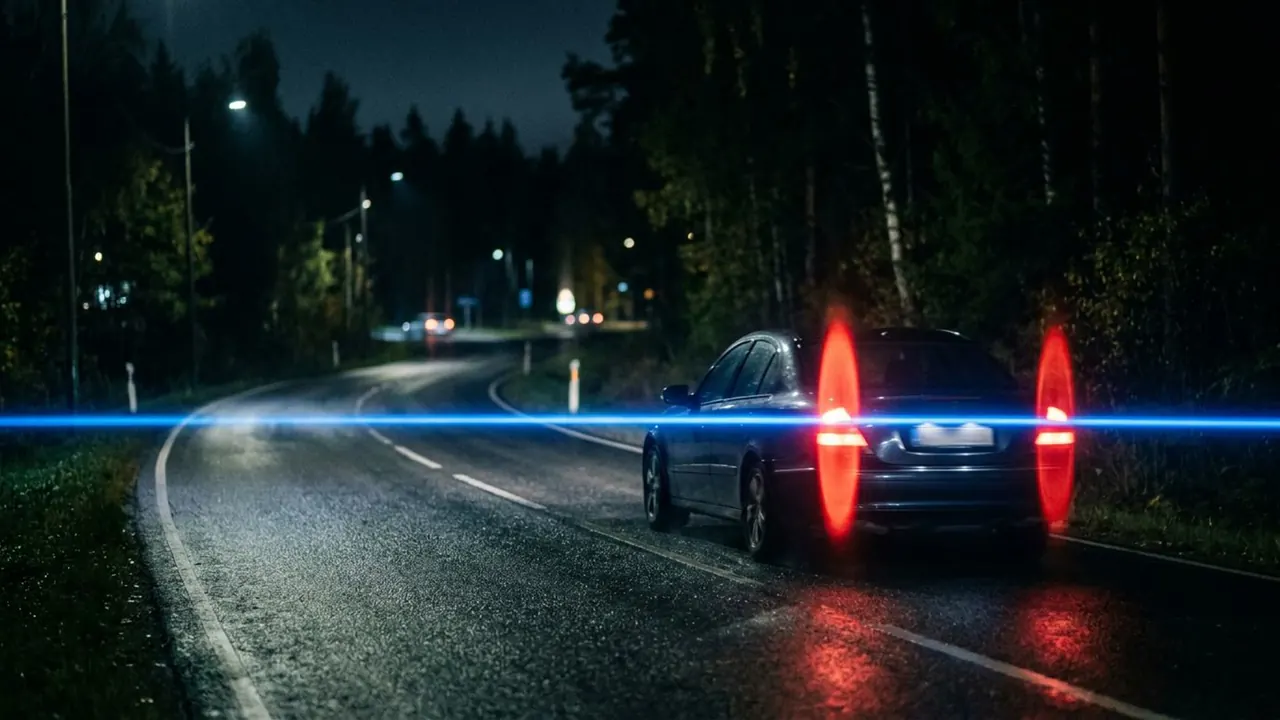
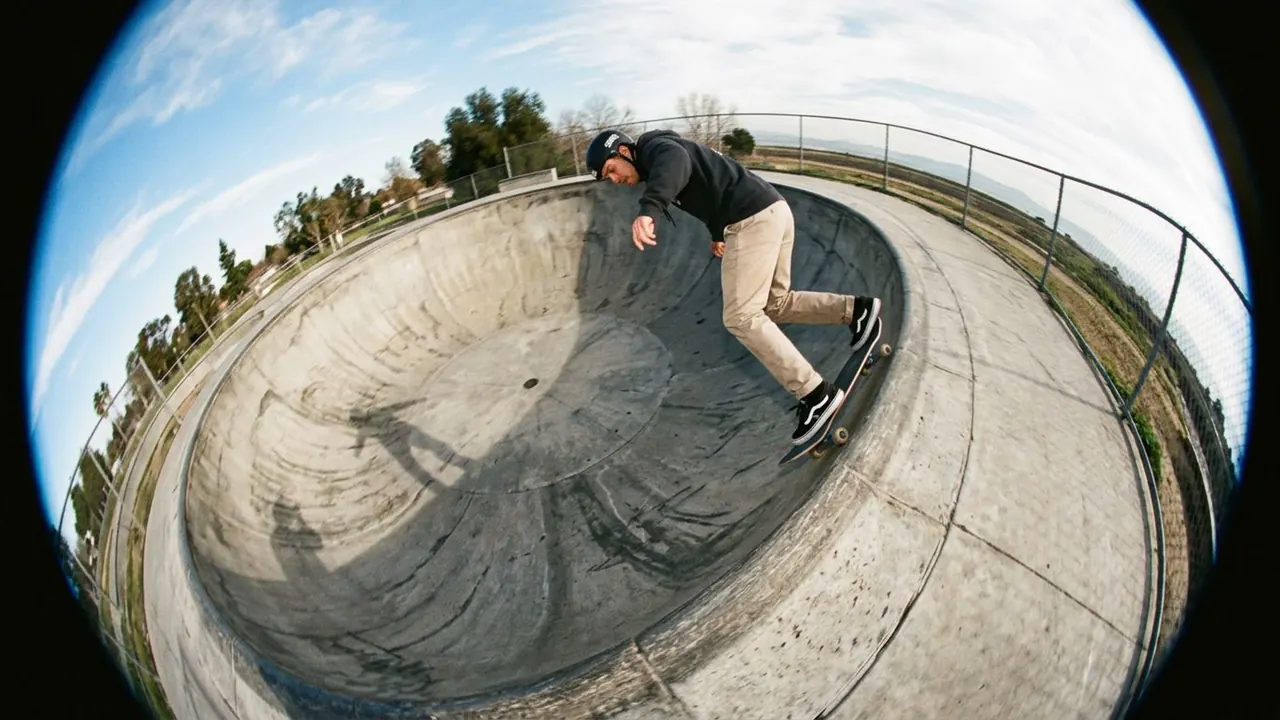
Older cine glass renders softer, with lower contrast and uneven flares.
Opens a video model with the prompt in it. The price is on the page before you sign in.
What it is for
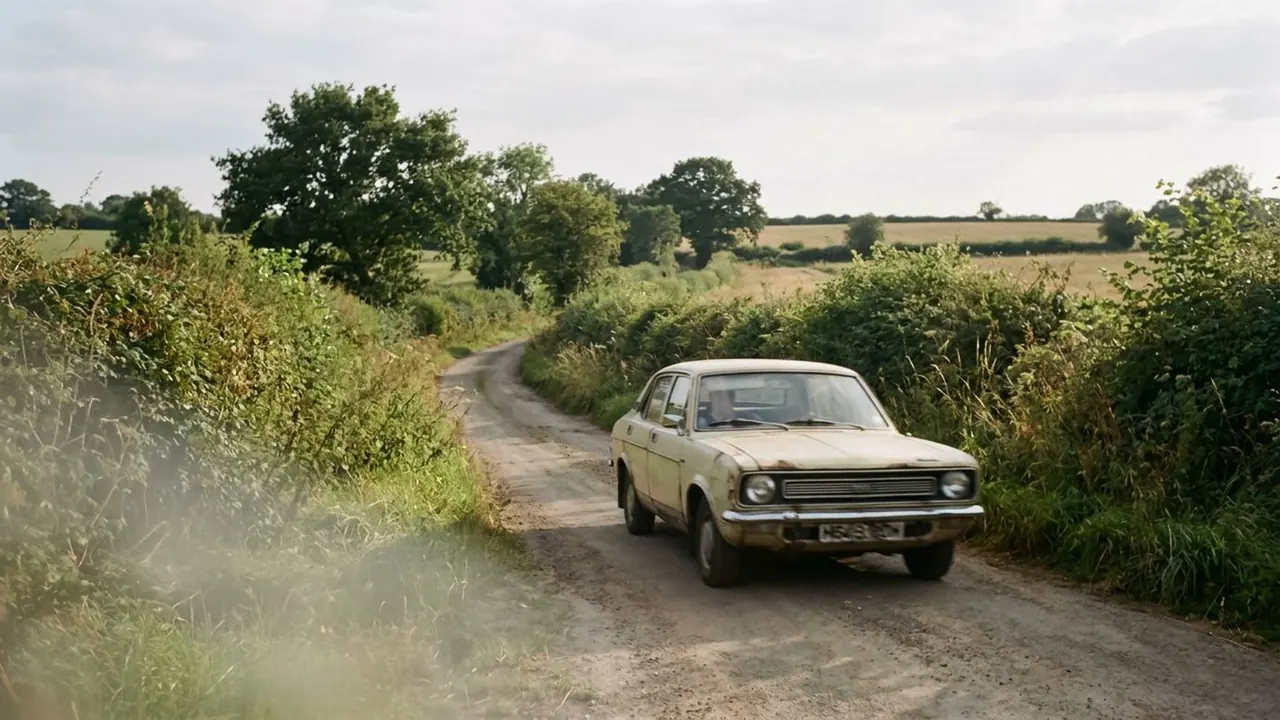
Older cine glass renders a face more gently than modern glass does. Contrast sits lower, the corners fall off, and a bright light blooms where modern glass would cut a clean edge.
That softness reads as age and as warmth. A frame shot on vintage glass feels remembered, which is why period work and anything nostalgic reaches for it.
How it works
The character comes from what the glass lacks. Early coatings pass less light cleanly, so internal reflections lift the blacks and spread highlights into halation around a bright source.
Resolution drops away from the centre. The middle of frame holds detail and the corners go soft, which draws the eye inward without anybody composing for it.
Flares are uneven and unrepeatable. A light at one angle throws a warm veil, and the same light two degrees over throws nothing, which is the part modern glass engineered out.
When to use it
Use it for period settings, for memory sequences, and for faces that should look handled instead of scanned.
Avoid it when detail is the job. Product work, text on screen and anything that has to be legible suffer from corner softness and lifted blacks.
Told apart from its neighbours
A filmic faded look is a grade. It lifts the blacks and desaturates the colour after the fact, and the sharpness of the picture is untouched.
Vintage glass changes the picture at capture, so the softness lands unevenly across the frame. Check the corners against the centre. Even softness is a grade. Uneven softness is the lens.
The prompt
Replace the blanks, keep the rest. Then run it on a video model.
vintage cine lens on <subject>, soft falloff to the corners, lowered contrast, uneven character flare, gentle halation
What goes wrong
The model returns a sharp modern image with a warm colour cast, which is a grade wearing the name of a lens. Ask for corner softness and lowered contrast explicitly.
The other failure is grain standing in for glass. Grain is the film stock and has nothing to do with the lens, so name the optical part: falloff, halation, gentle flare.
Leave out
clinical sharpness, modern coating
Watch for
Ask for corner softness and low contrast. Sharpness is what dates a modern lens.
Questions
Shoot it
Pay for the one run. No subscription, and the price is on the model page before you sign in.