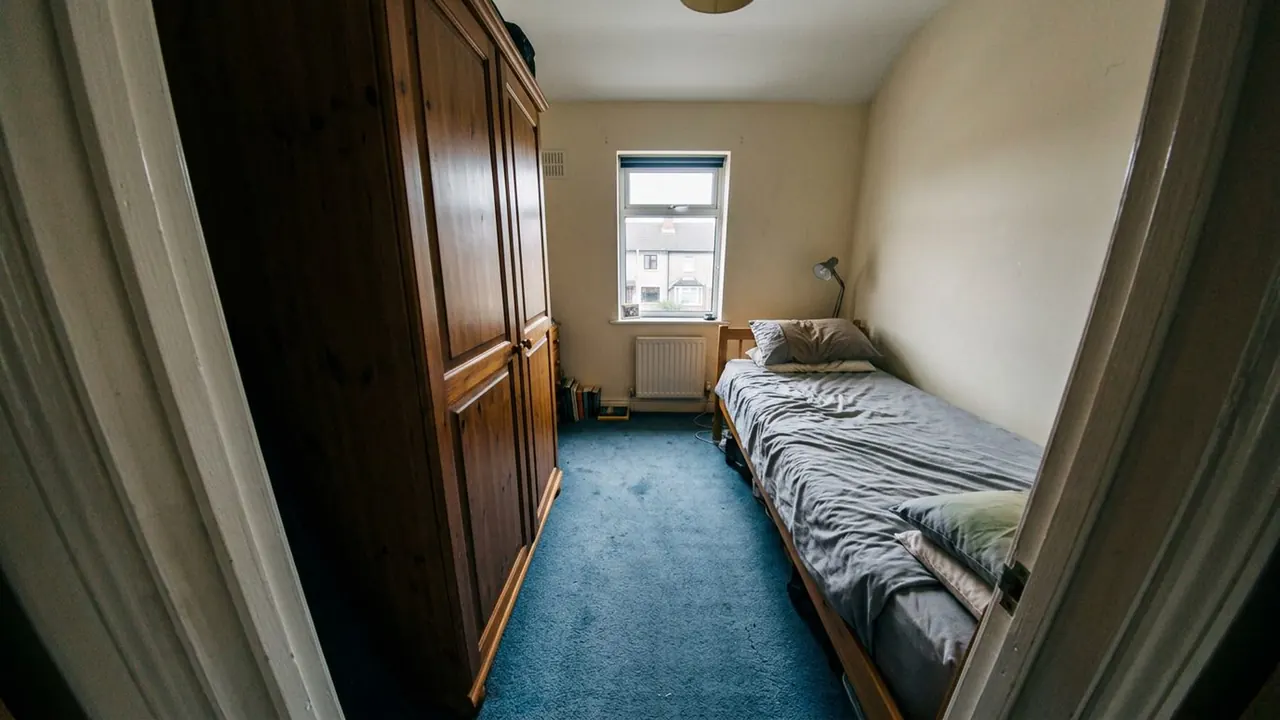
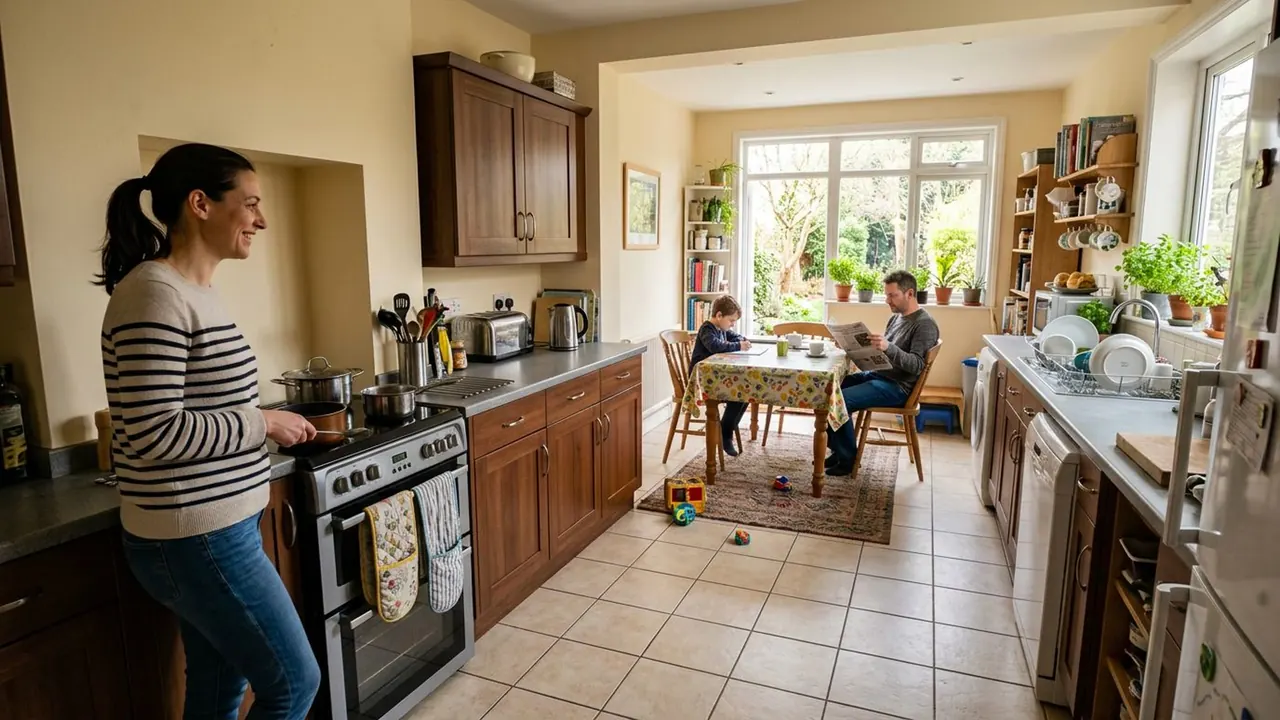
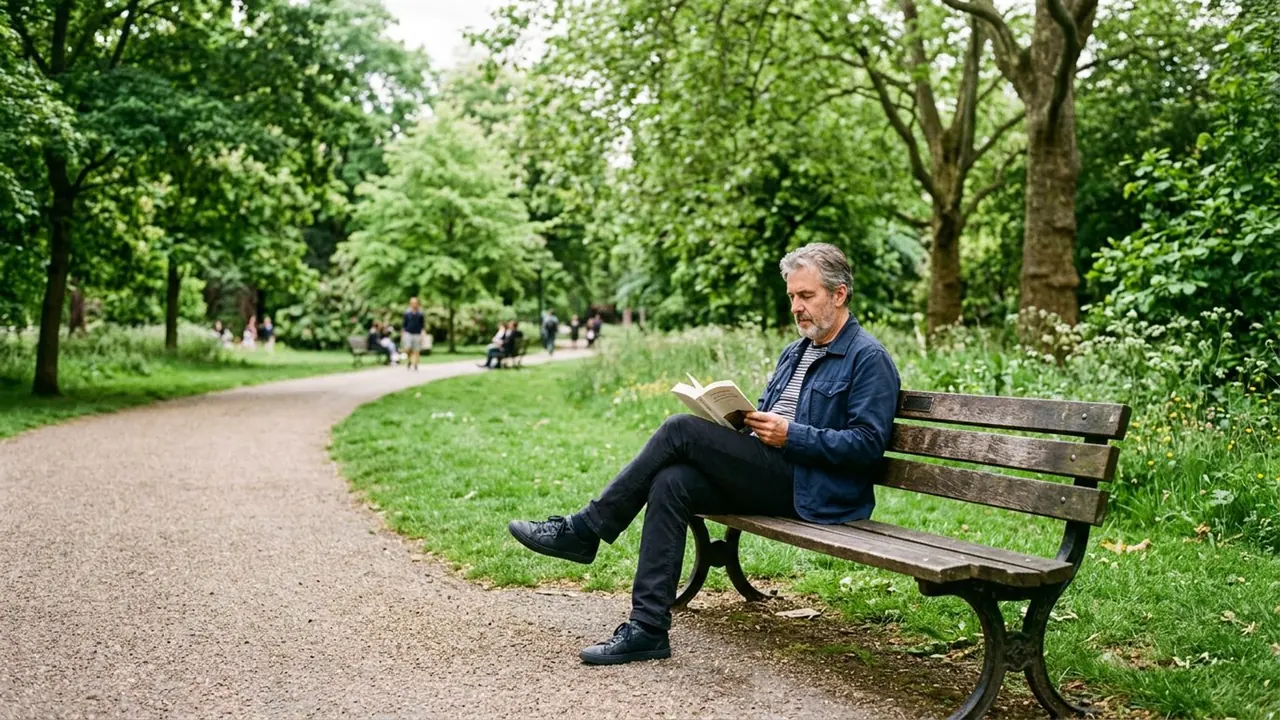
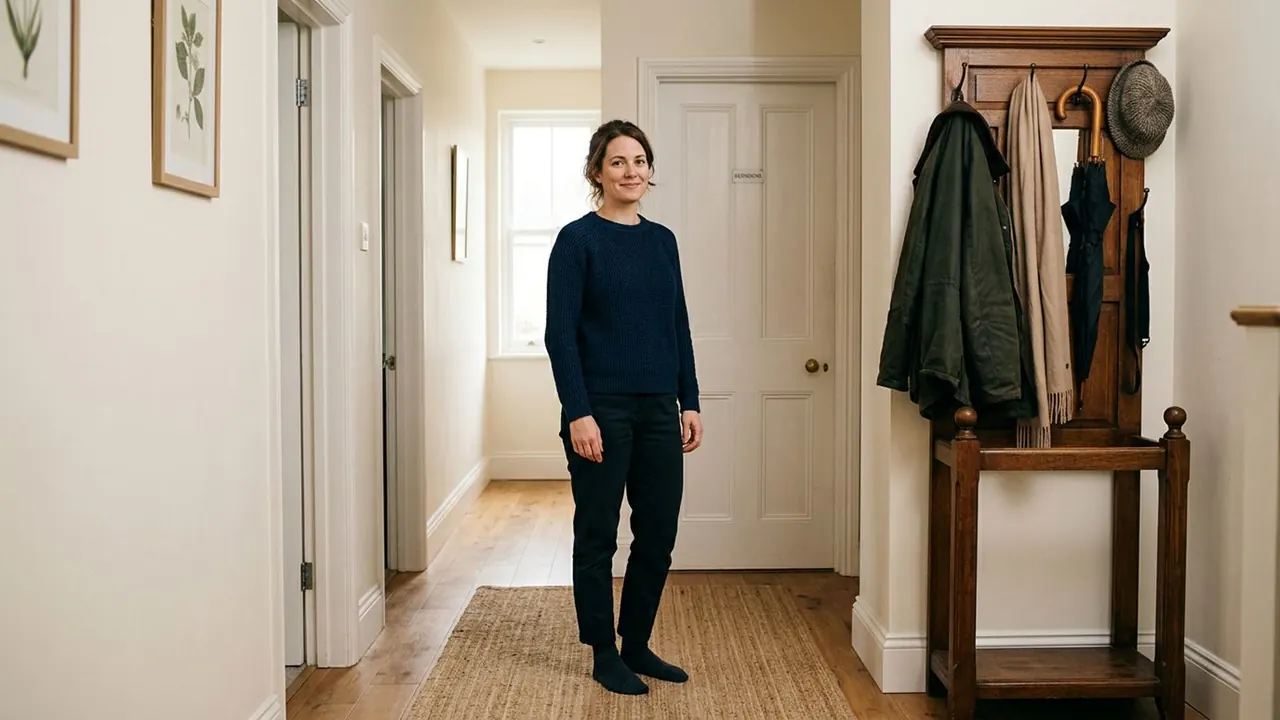
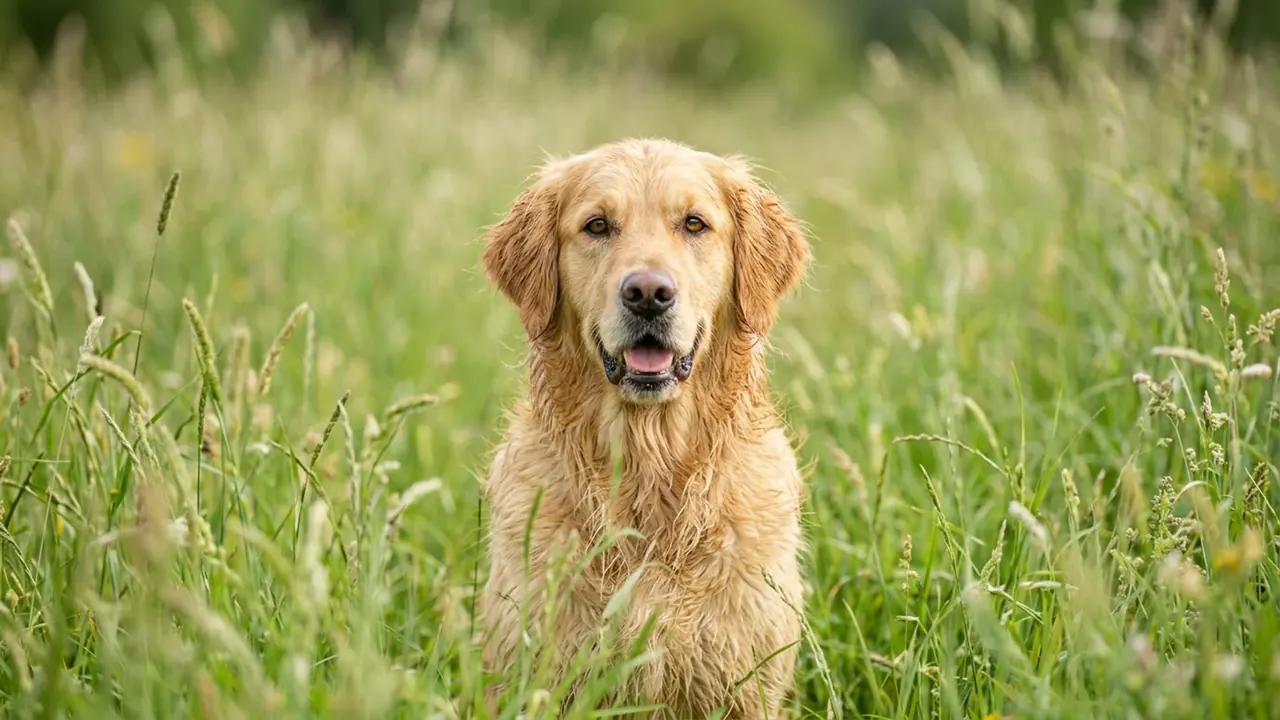
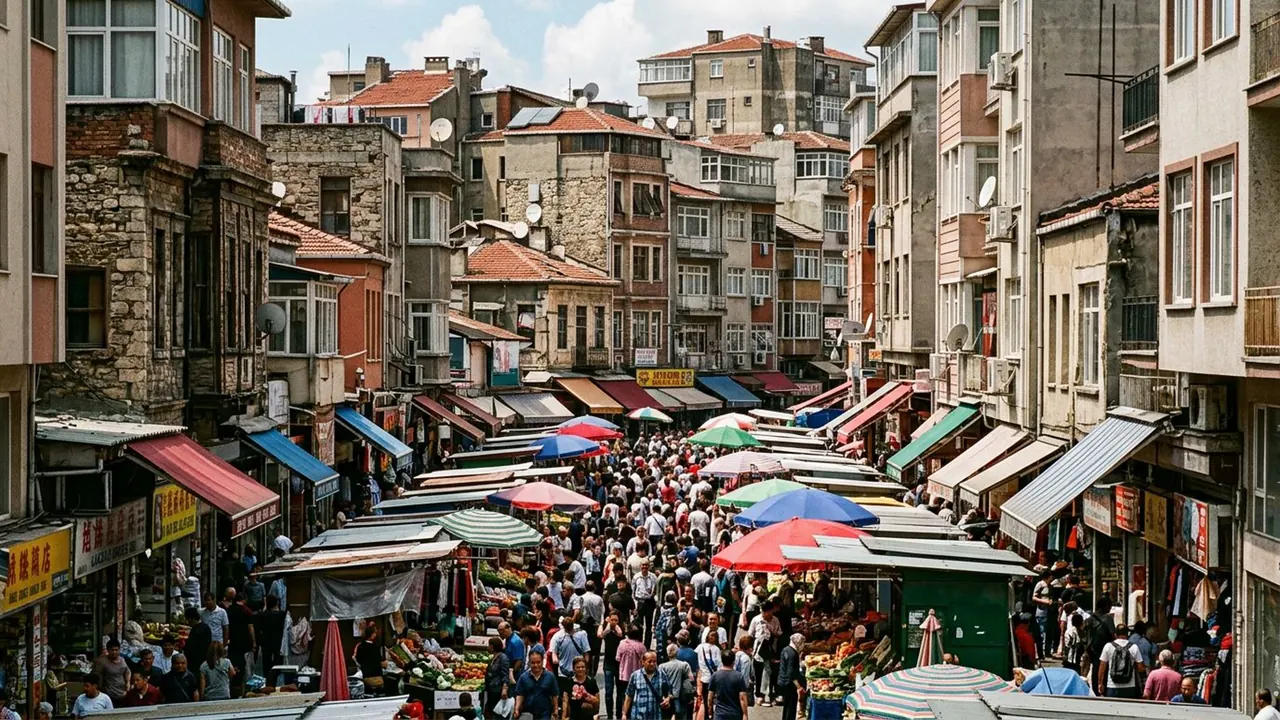
135mm Telephoto
A long lens that isolates a face and flattens everything behind it.
Opens a video model with the prompt in it. The price is on the page before you sign in.
What it is for
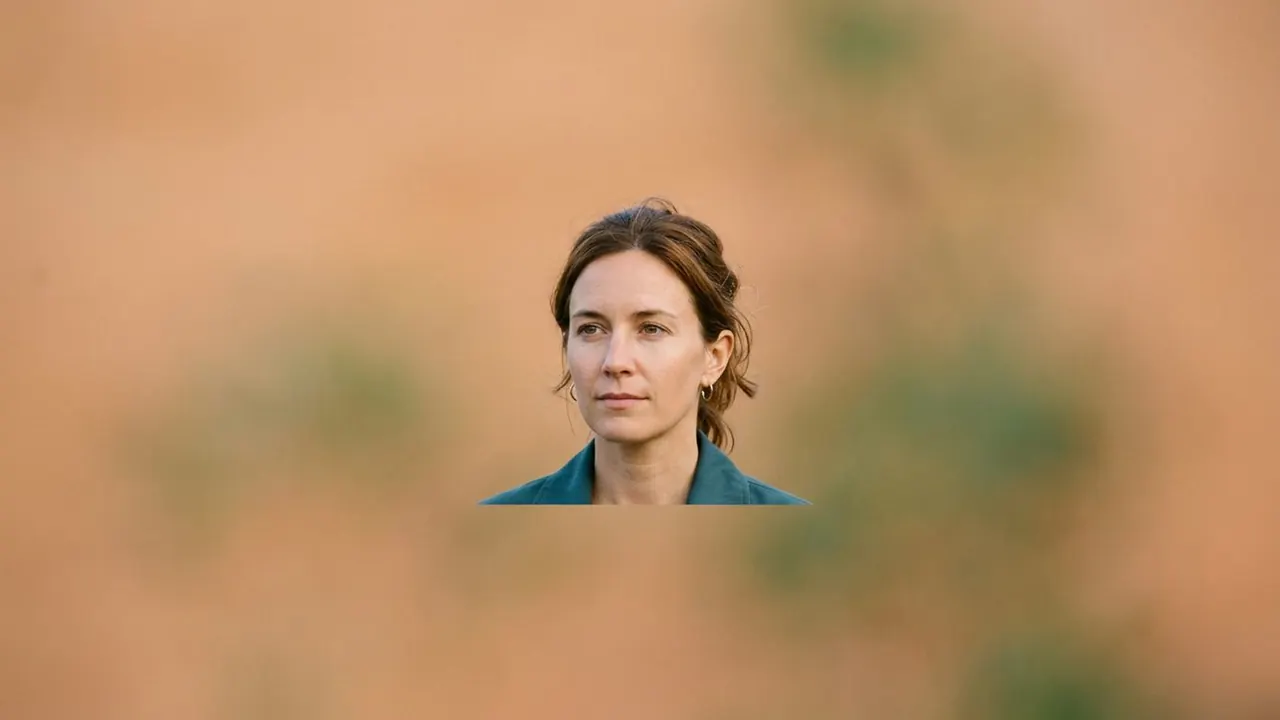
A 135mm cuts a narrow slice out of a scene and enlarges it. The subject arrives isolated, with a background that is closer, softer and emptier than it looked in the room.
It is also the lens of distance. A shot taken from far away reads as observation rather than participation, which is why surveillance, watching and following are so often cut on a long lens.
How it works
The field of view is around 18 degrees on full frame, so only a small part of the wall behind the subject is in the picture at all. That slice then fills the frame, which is what makes a distant background look near.
Working distance for a head-and-shoulders crop is around three metres or more. Compression comes from that distance. A 135mm used at one metre gives you a tight crop with none of the flattening.
Depth of field is very shallow and focus is unforgiving. At f/2 the sharp zone on a face runs a couple of centimetres, and any movement toward or away from the camera loses it.
When to use it
Use it to isolate one person in a crowd, to watch somebody from across a street, and for close coverage where the background must give nothing away.
Avoid it in a small room. There is no space to stand back, so the lens becomes a crop and the compression never happens.
Told apart from its neighbours
An 85mm flatters a face and softens the room while still leaving some sense of it. A 135mm goes further: the background flattens into a single plane and the subject separates from it completely.
Look at how much of the wall is visible. On an 85mm you can read the room. On a 135mm you get one colour and one soft shape.
The prompt
Replace the blanks, keep the rest. Then run it on a video model.
shot on a 135mm telephoto of <subject>, compressed background, tight isolation, shallow depth
What goes wrong
The model gives a tight crop with normal perspective, because it reads the number as a framing instruction. Say the camera stands well back and ask for the background compressed and stacked close.
The other failure is everything sharp. Name the shallow depth of field and say what one plane holds focus.
Leave out
wide angle, distortion
Watch for
Stand well back. A long lens used close gives you a crop, not compression.
Questions
Shoot it
Pay for the one run. No subscription, and the price is on the model page before you sign in.
Next to it in by focal length