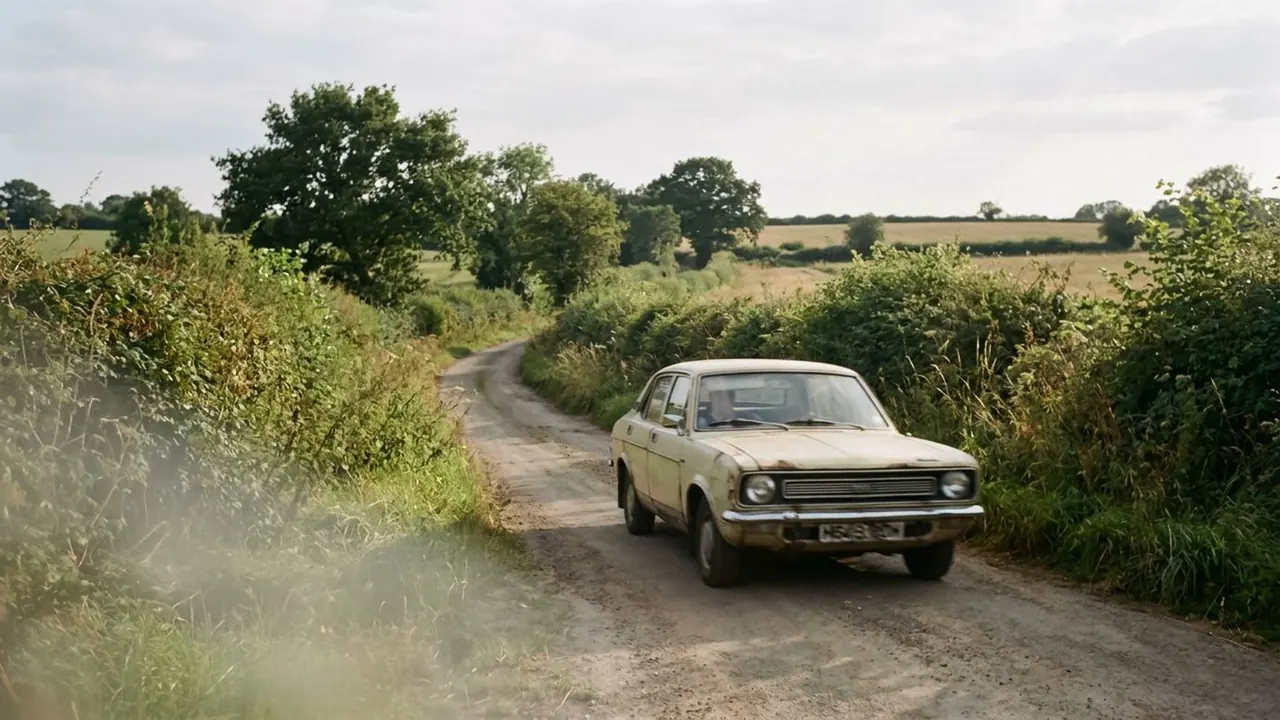
Anamorphic
- Oval bokeh
- Anamorphic lens signature
A squeezed lens that gives oval highlights and long horizontal flares.
Opens a video model with the prompt in it. The price is on the page before you sign in.
What it is for
Anamorphic glass gives a picture a set of marks that nothing else does. Highlights stretch into ovals, bright sources throw a horizontal streak across the frame, and the edges soften while the middle stays sharp.
Those marks read as cinema to most audiences, because the format carried decades of large scale film production. Naming it is a shorthand for scale.
How it works
The lens squeezes a wide image onto the frame horizontally, usually by a factor of two on 35mm, and the projector or the software unsqueezes it. The result is a 2.39 to 1 picture from a taller negative.
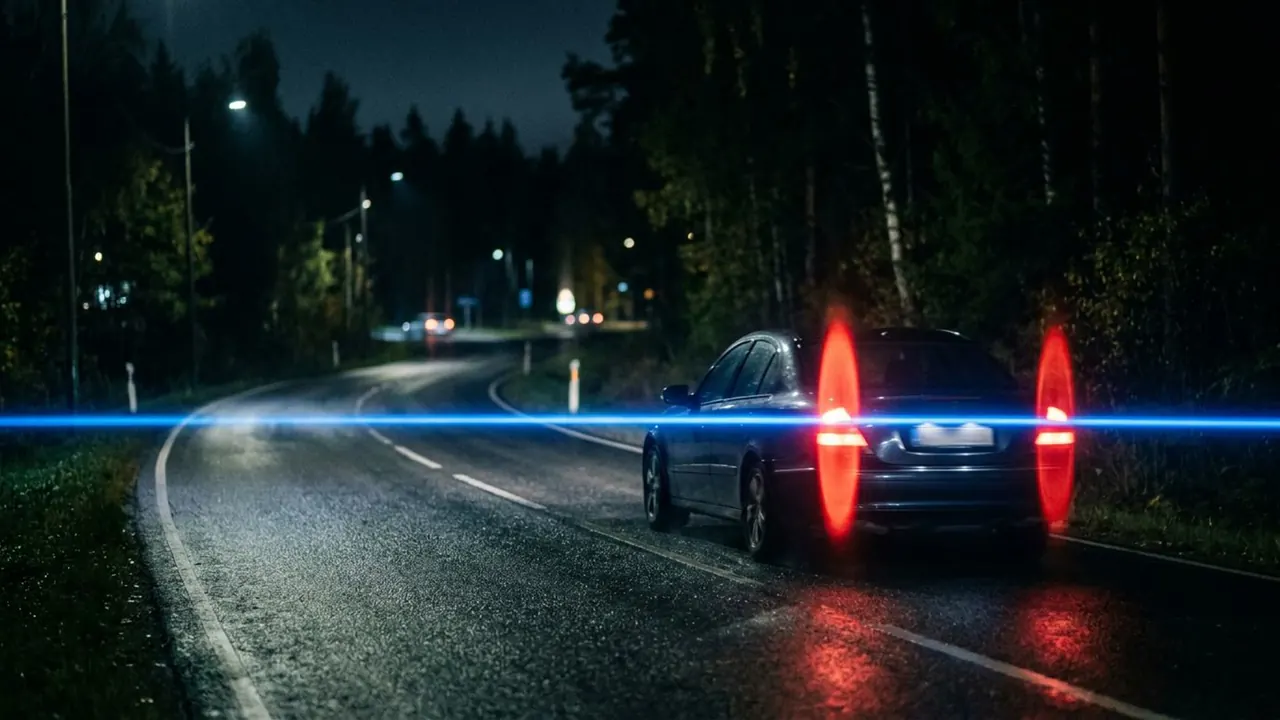
The squeeze is also where the artefacts come from. Out of focus highlights come back as vertical ovals rather than circles, and a bright light in frame flares in a long horizontal line, often blue.
Depth of field behaves as though the lens were longer than its marked length, so an anamorphic 40mm separates a subject more than a spherical 40mm at the same stop.
When to use it
Use it for scale: landscapes, wide dramatic frames, science fiction and anything that should feel like it belongs on a large screen.
Leave it alone for documentary and for anything meant to look unstyled. The flares and the oval bokeh are a statement, and they undercut a frame that is trying to look found.
Told apart from its neighbours
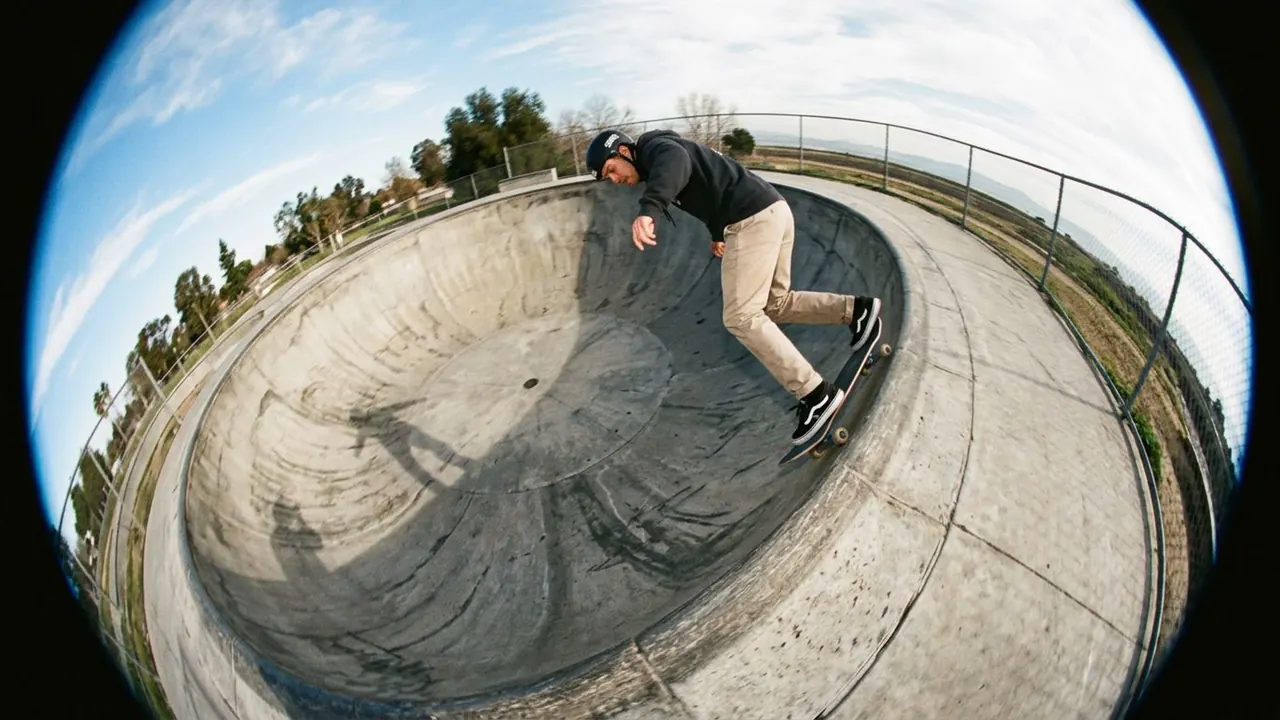
A spherical lens has no squeeze. Highlights render round, flares scatter without streaking, and the picture stays even from the middle to the corners.
Look at one out of focus highlight. Round means spherical. A vertical oval means anamorphic. That single check settles it faster than the aspect ratio does.
On film
Jordan Cronenweth shot Blade Runner (1982) anamorphic, and the blue horizontal streaks across the wet night exteriors are the format announcing itself. Wally Pfister used anamorphic on Inception (2010) for the same reason: the oval highlights and the wide frame give ordinary rooms the size the film needs.
- Blade Runner (1982)
- Inception (2010)
The prompt
Replace the blanks, keep the rest. Then run it on a video model.
anamorphic lens on <subject>, oval bokeh, horizontal blue flare streaks, wide 2.39 frame, edge softness
What goes wrong
The model returns a widescreen crop with round bokeh, which is a spherical picture in a letterbox. Name the oval bokeh and the horizontal flare streaks explicitly.
The other failure is flare everywhere. Ask for the streaks to come from named bright sources, such as a practical lamp or a headlight, or the frame fills with blue lines that belong to nothing.
Leave out
round bokeh, spherical
Watch for
Name the oval bokeh and the horizontal flare. Those two carry the whole look.
Questions
Shoot it
Pay for the one run. No subscription, and the price is on the model page before you sign in.
Next to it in what the glass does to the picture